

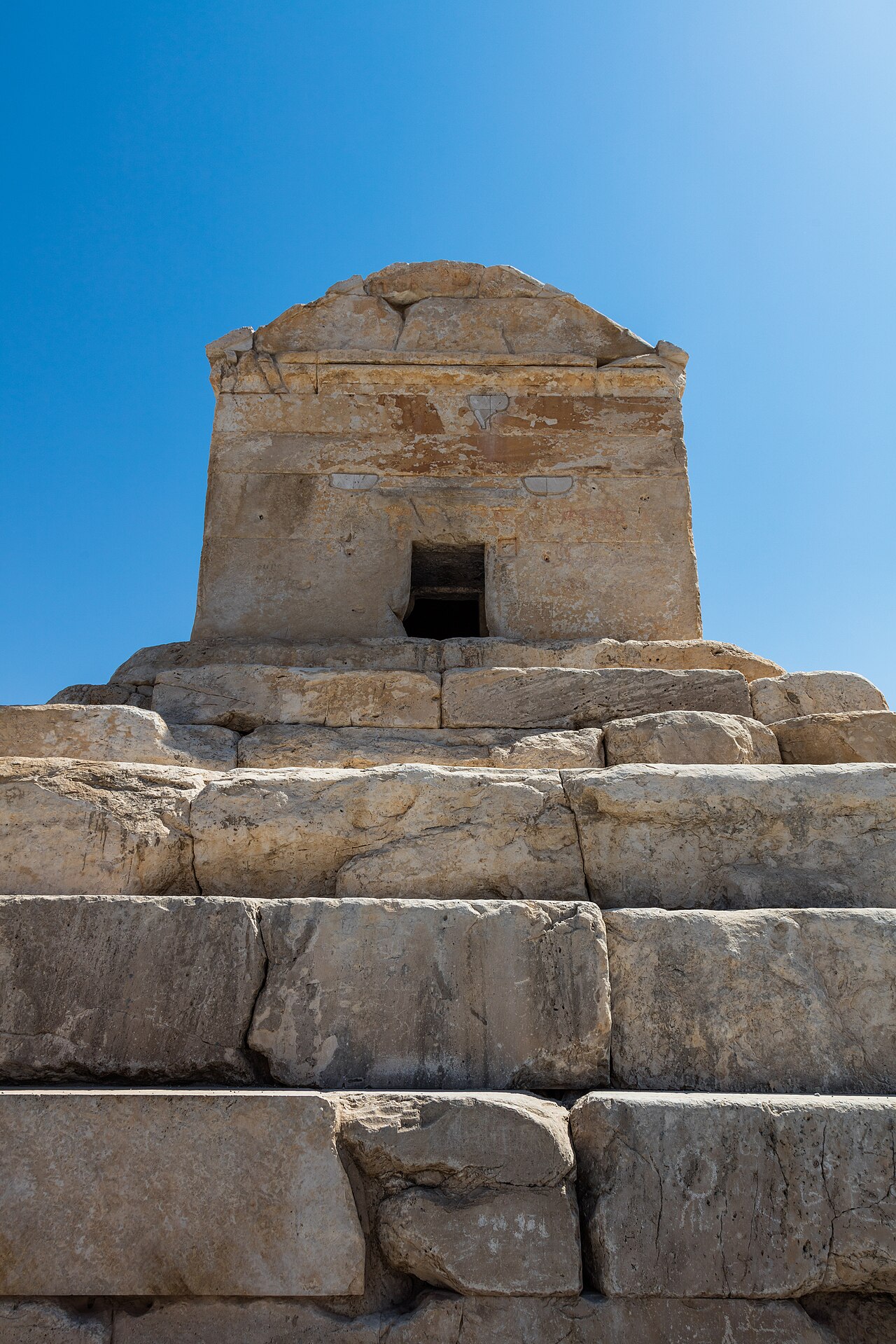
Cyrus founds the Achaemenian Empire. His inscriptions and the Hebrew Bible's portrait of him as the Lord's anointed (Isaiah 45) tie the first Persian empire to the faith's royal horizon, and the empire's rule carries Iranian religion from Central Asia to Egypt.
Tagged: Iranian Zoroastrian Zoroastrianism
The Event
- Date
- 559-530 BCE (exact)
- Era
- Achaemenid Age; Standard periodization of Zoroastrian history
- Location
- Pasargadae, Persia; today Iran
- Traditions
- Zoroastrianism
- Streams
- Iranian Zoroastrian
- Key figures
- Cyrus the Great
How the Tradition Tells It
Whether Cyrus was himself a Zoroastrian is debated; his inscriptions do not name Ahura Mazda, and scholars distinguish the kings' Mazdaism from the prophet's full system.
Primary Sources
- The Cyrus Cylinder.
- Isaiah 44-45.
Secondary Sources
- Boyce, Mary. Zoroastrians: Their Religious Beliefs and Practices. London: Routledge, 1979.
- Choksy, Jamsheed K. Conflict and Cooperation: Zoroastrian Subalterns and Muslim Elites in Medieval Iranian Society. New York: Columbia University Press, 1997.
- Encyclopaedia Iranica, entries on the Avesta, the Sasanians, and the Parsi calendar disputes.
- Hinnells, John R. The Zoroastrian Diaspora: Religion and Migration. Oxford: Oxford University Press, 2005.
- Rose, Jenny. Zoroastrianism: An Introduction. London: I.B. Tauris, 2011.
Provenance: HIST-1003; confidence 0.95; accessed 2026-10-28.
Related on This Site
 History Event
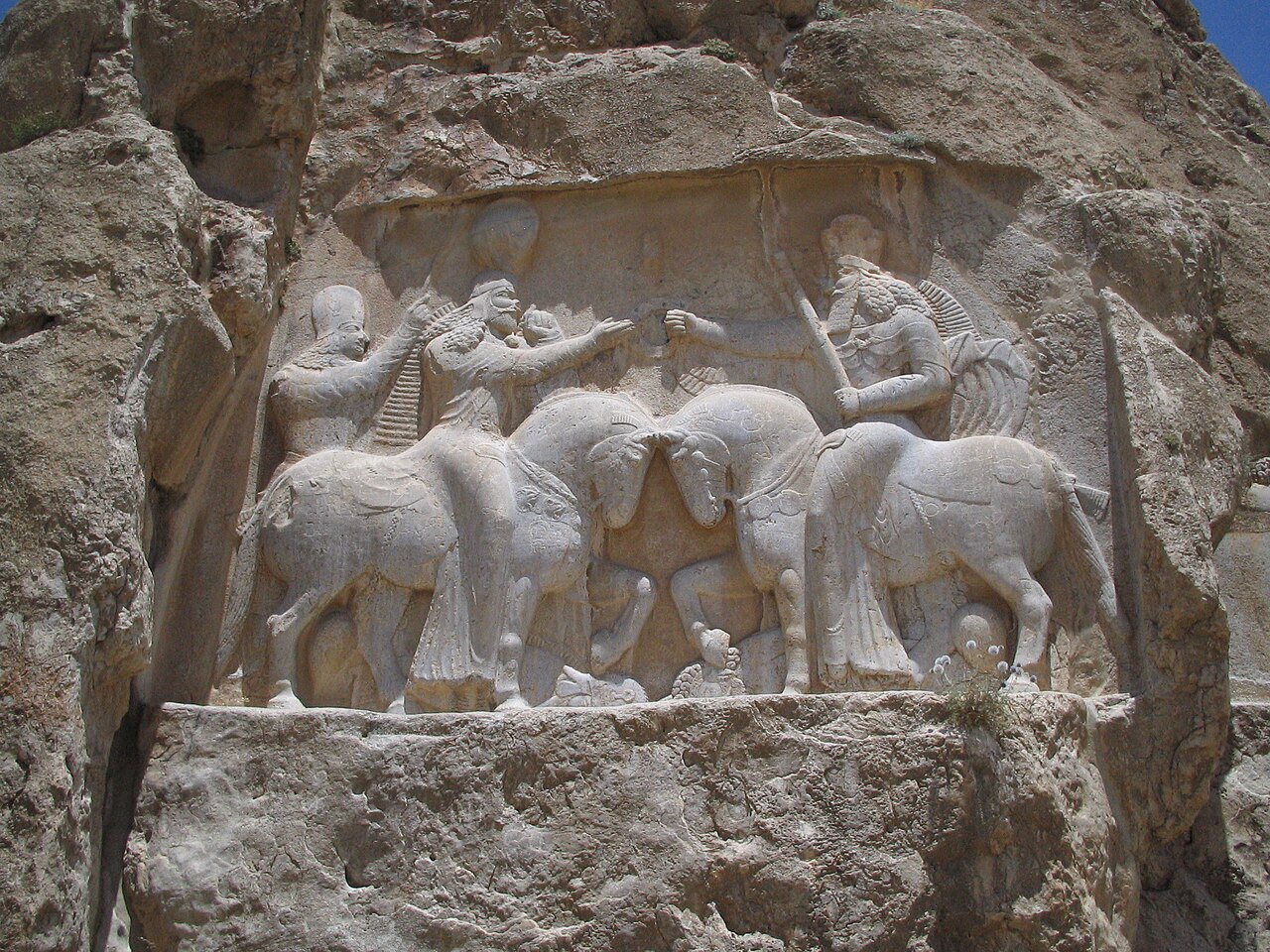
Ardashir I
c. 226-241
 History Event
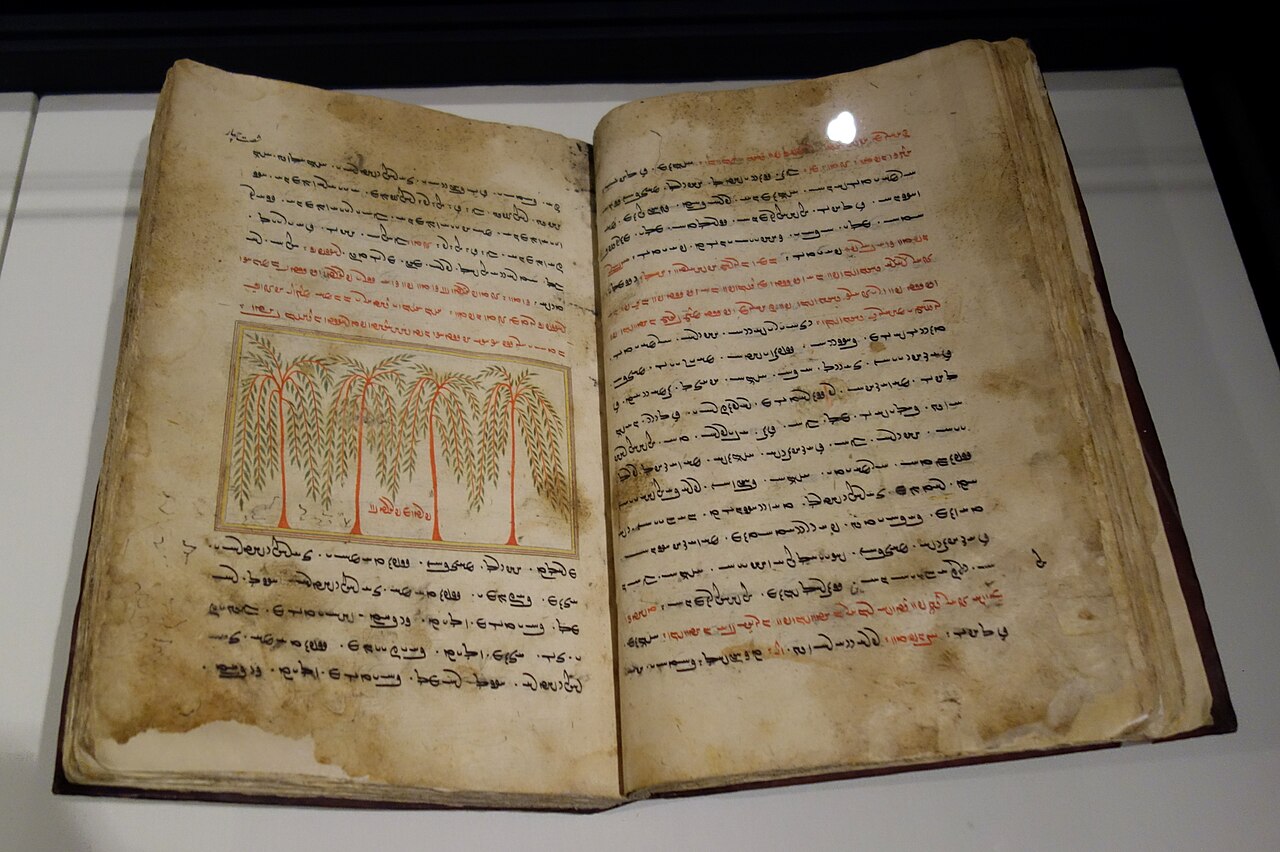
Avesta composed
c. 1000-600 BCE
 History Event
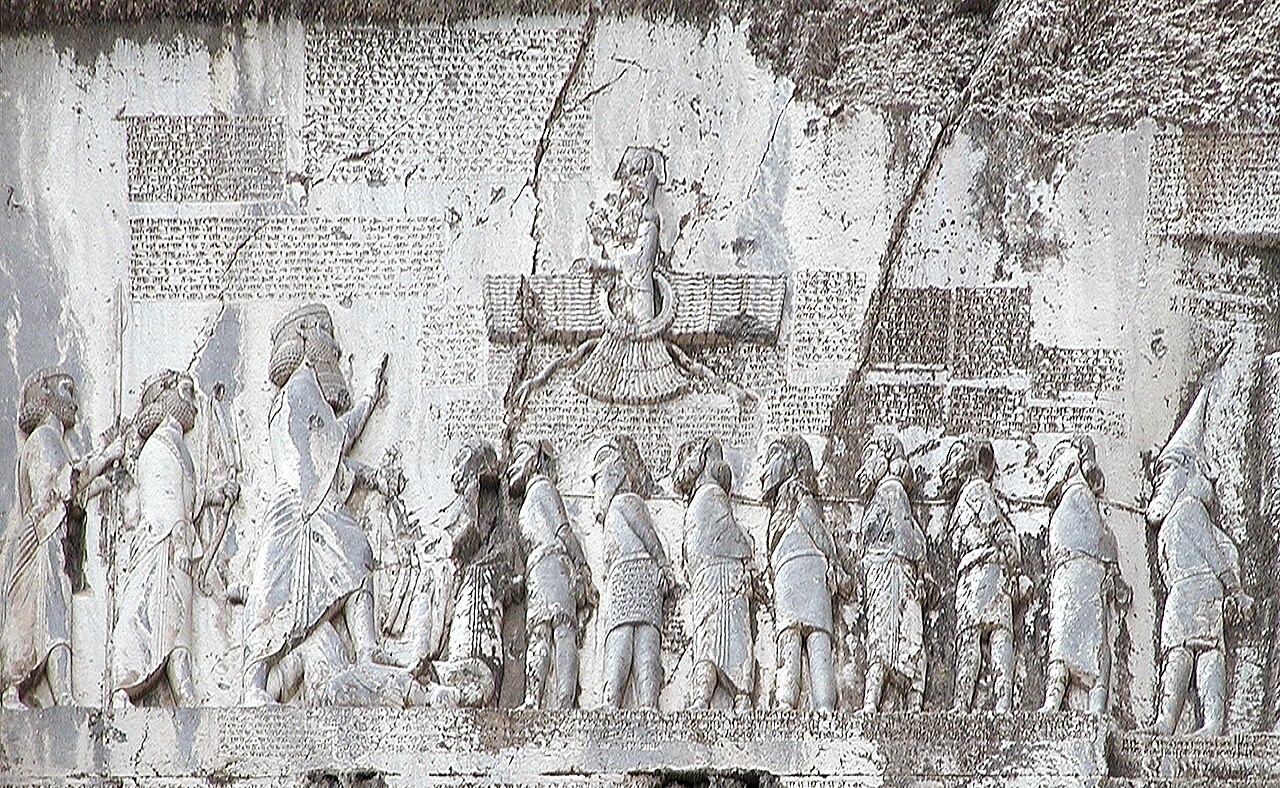
Darius I
522-486 BCE
 History Event
Demographic decline
2000s
 History Event
Iranian Revolution
1979
 History Event
Parthian Empire
c. 247 BCE-224 CE
 History Event
Sasanian Empire
224-651
 History Event
Zarathustra
c. 1500-1000 BCE