Zoroastrianism

The Zoroastrian Diaspora stream of the Zoroastrianism timeline.

Streams: All of Zoroastrianism Iranian Zoroastrian Parsi Zoroastrian Diaspora

Parsi India

1861

Zoroastrian Trust Funds of Europe founded

In 1861 London Parsis, among them Muncherjee Hormusji Cama and Cowasji Jehangir, found the Zoroastrian Trust Funds of Europe to serve the first settled Zoroastrian community in the West, with a house of prayer and a burial ground at Brookwood. It is the diaspora's oldest standing institution.

London
c. 1865

Zoroastrians settle in North America

Parsi merchants, students, and travelers reach North America from the mid-nineteenth century, and small communities form in New York and other cities long before any temple stands. Their associations, prayer meetings, and newsletters are the seedbed of the organized diaspora, and in 1987 the associations unite as the Federation of Zoroastrian Associations of North America (FEZANA).

New York

Modern and Diaspora

1979

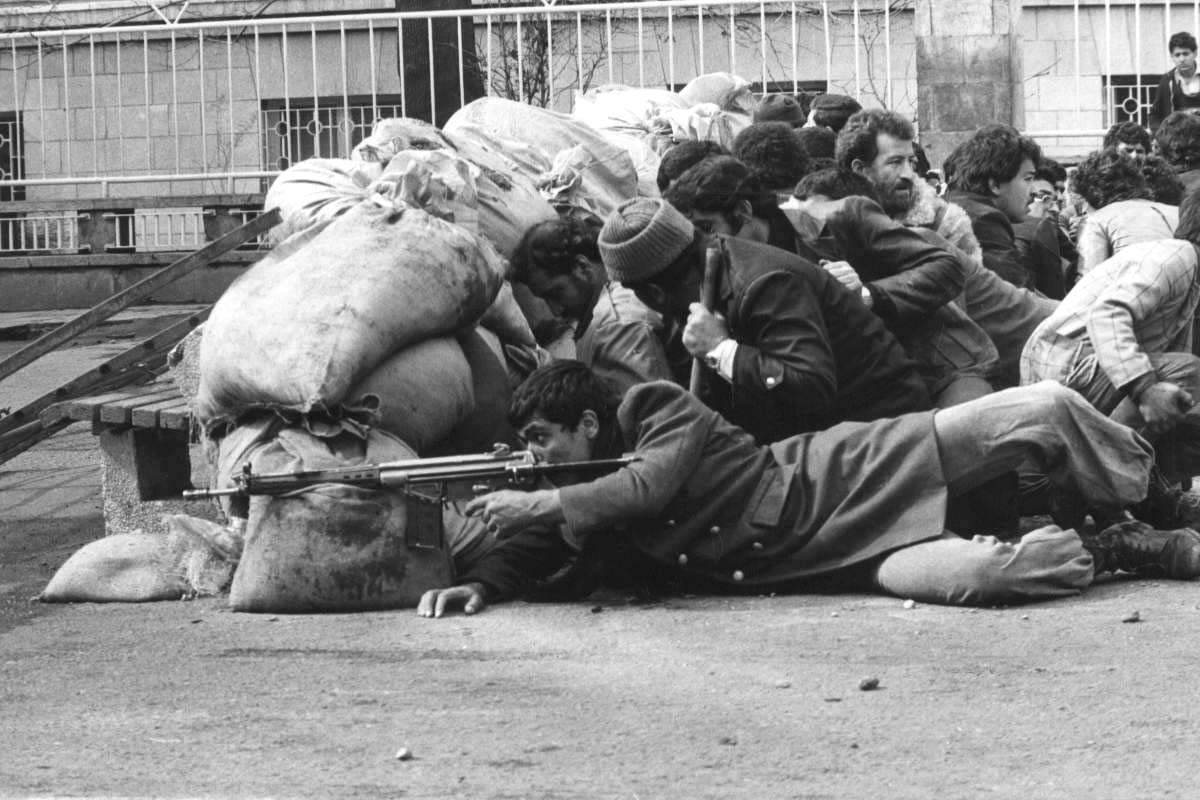
Iranian Revolution

The Islamic Republic proclaimed in 1979 recognizes the Zoroastrians of Iran as a protected religious minority with a reserved seat in the Majlis, under a constitution that also subordinates them in law. Many Iranian Zoroastrians emigrate in the revolution's aftermath, swelling the diaspora.

Tehran
1983

The Guiv dar-e-mehers in North America

In 1983 the Arbab Rustam Guiv Darbe Mehr opens in the Chicago area, the first purpose-built Zoroastrian temple in North America, endowed by the Guiv charitable trust. The same endowment raises sister temples at Westminster in California, at San Jose, and at Houston, and the photograph on this record shows the Westminster temple, with its Faravahar and the words Good Words, Good Thoughts, Good Deeds over the door. Consecrated fire temples on the continent turn scattered associations into settled congregations.

Hinsdale, Illinois, and Westminster, California
2000s

Demographic decline

Worldwide the community counts perhaps 110,000 to 120,000 souls and shrinks in its historic homelands: India's Parsi census fell from 114,890 in 1941 to 57,264 in 2011, and Iran's community ages under emigration. The decline drives the modern debates over conversion, the children of mixed marriages, and the counts themselves.

Worldwide