

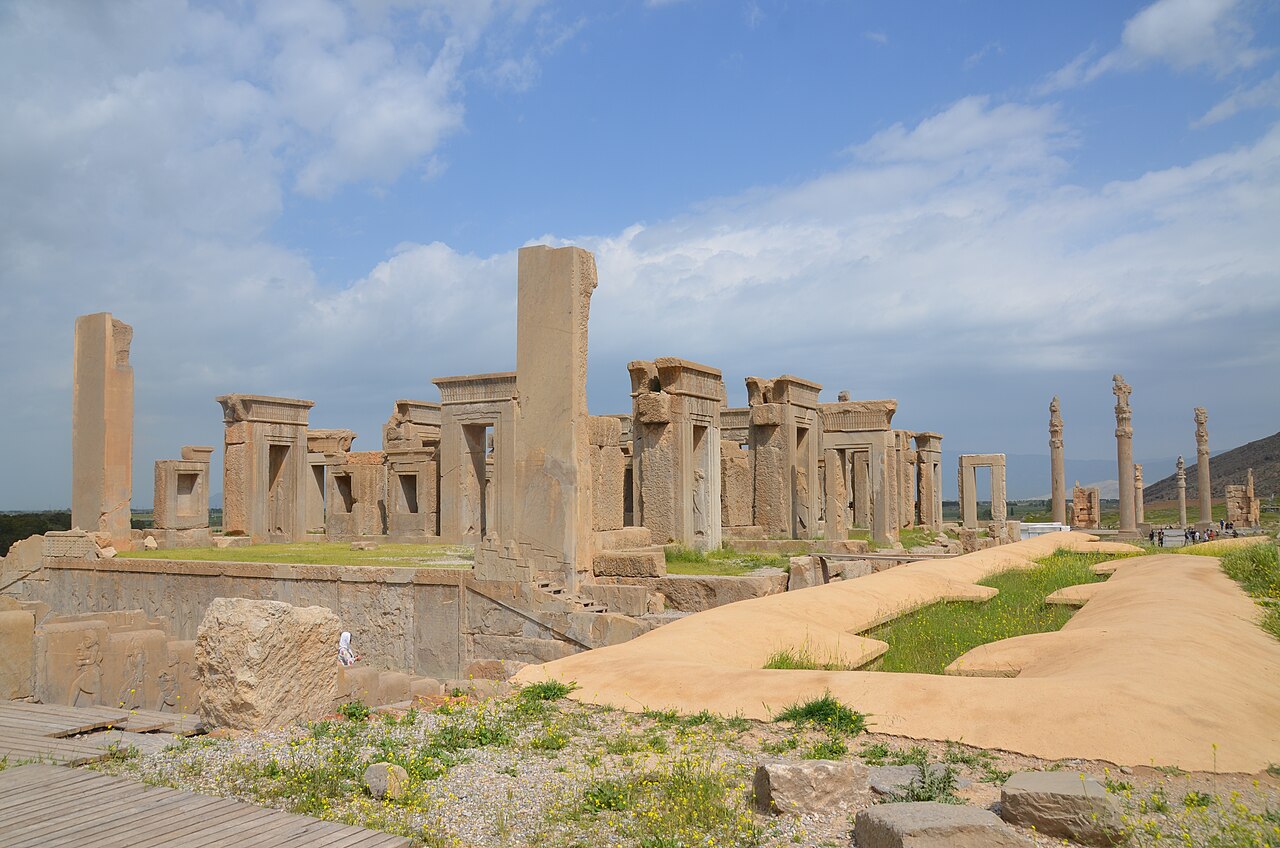
The Arab Muslim armies defeat the Sasanians, and Yazdegerd III, the last king, is killed in 651. Persia passes under Muslim rule; over the following centuries most Iranians convert to Islam, and the Zoroastrians who hold their faith become a minority in their own land. The date here follows the table; the Denkard and Bundahishn were compiled after this conquest from older materials.
Tagged: Iranian Zoroastrian Zoroastrianism
The Event
- Date
- 651 (exact)
- Era
- Early Islamic Centuries; Standard periodization of Zoroastrian history
- Location
- Persia; today Iran
- Traditions
- Zoroastrianism
- Streams
- Iranian Zoroastrian
How the Tradition Tells It
The conquest's date is given as 651, the death of Yazdegerd III; the military collapse unfolded from the battle of al-Qadisiyya in 636, and the community's own memory of the centuries after is told differently in Iran and in India.
Primary Sources
- The tradition's own record of the event.
Secondary Sources
- Boyce, Mary. Zoroastrians: Their Religious Beliefs and Practices. London: Routledge, 1979.
- Choksy, Jamsheed K. Conflict and Cooperation: Zoroastrian Subalterns and Muslim Elites in Medieval Iranian Society. New York: Columbia University Press, 1997.
- Encyclopaedia Iranica, entries on the Avesta, the Sasanians, and the Parsi calendar disputes.
- Hinnells, John R. The Zoroastrian Diaspora: Religion and Migration. Oxford: Oxford University Press, 2005.
- Rose, Jenny. Zoroastrianism: An Introduction. London: I.B. Tauris, 2011.
Provenance: HIST-1010; confidence 0.95; accessed 2026-10-28.
Related on This Site
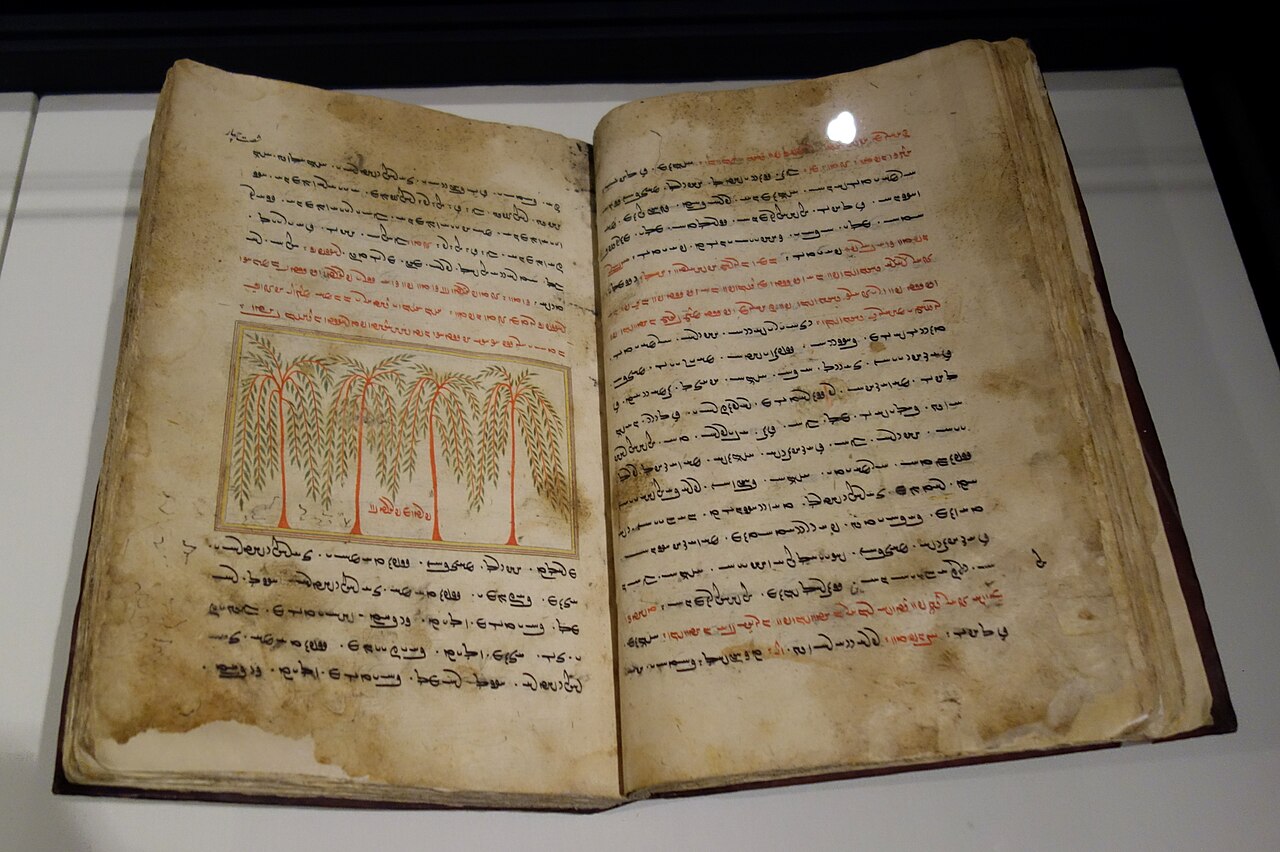 History Event
Avesta composed
c. 1000-600 BCE
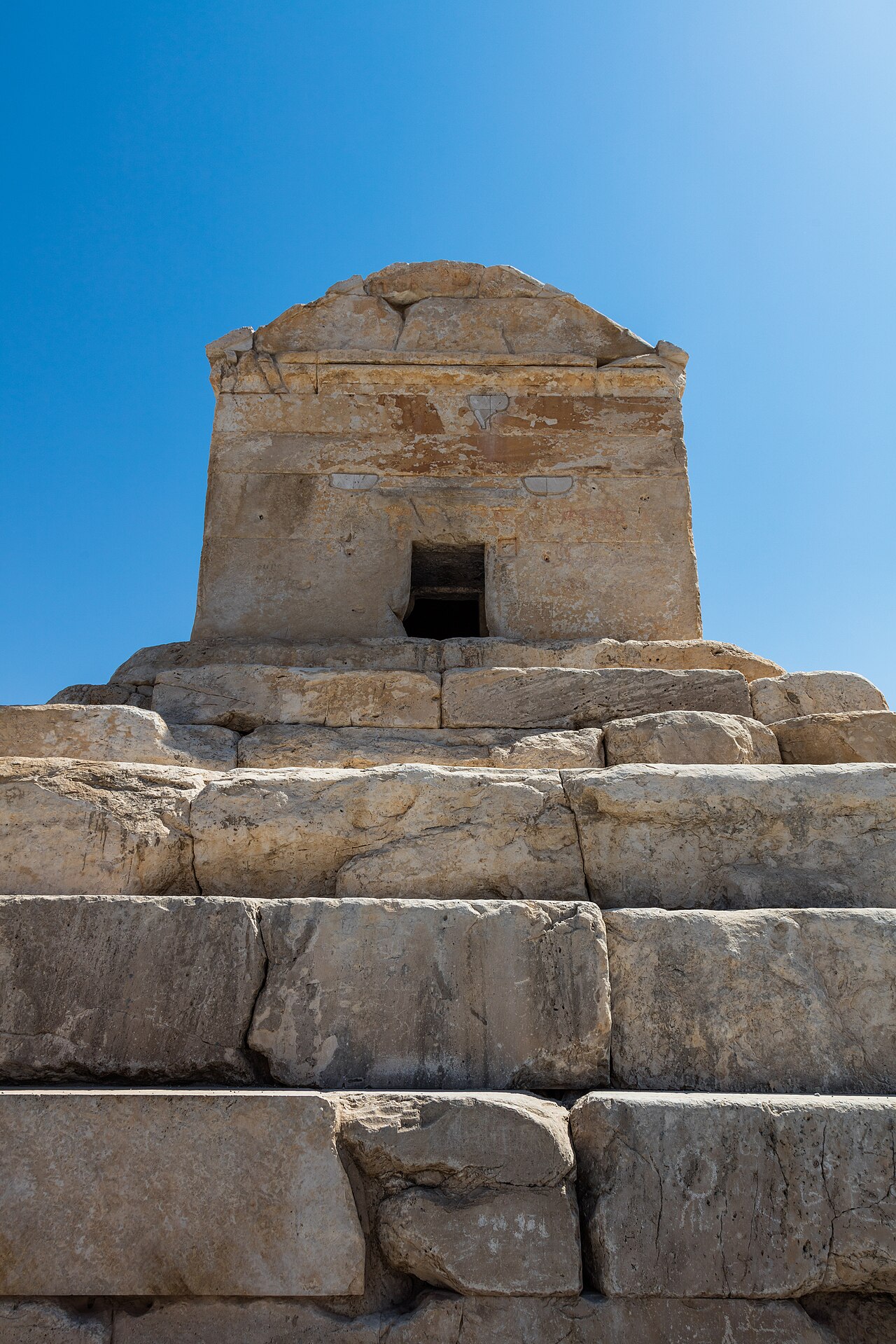 History Event
Cyrus the Great
559-530 BCE
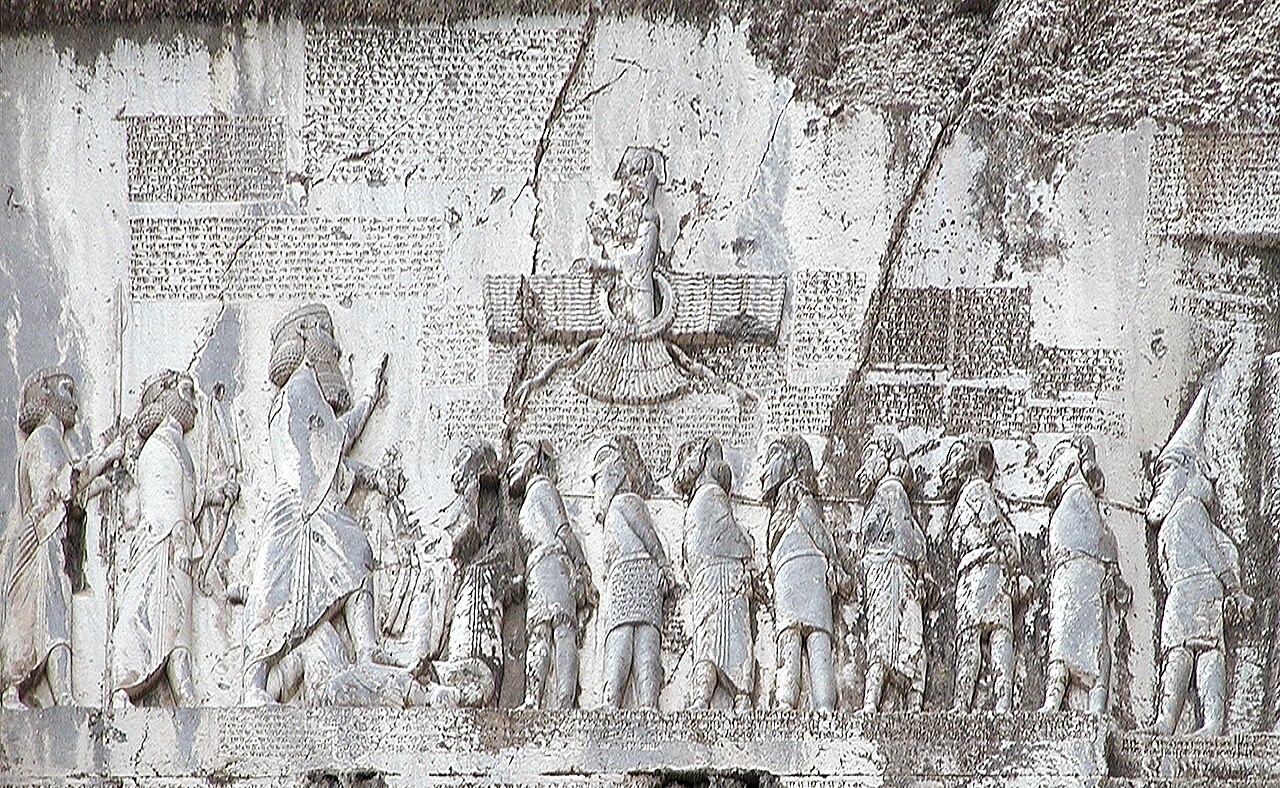 History Event
Darius I
522-486 BCE
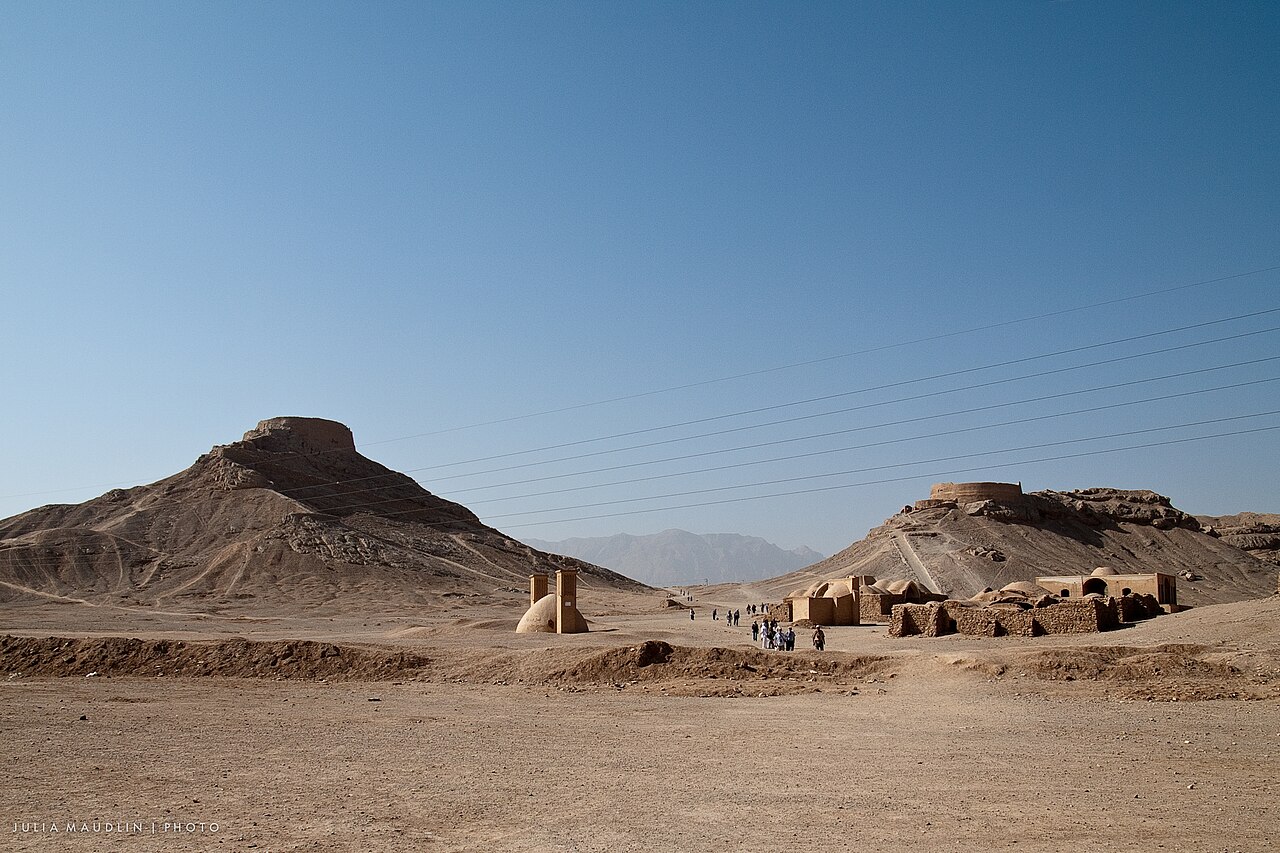 History Event
Demographic decline
2000s
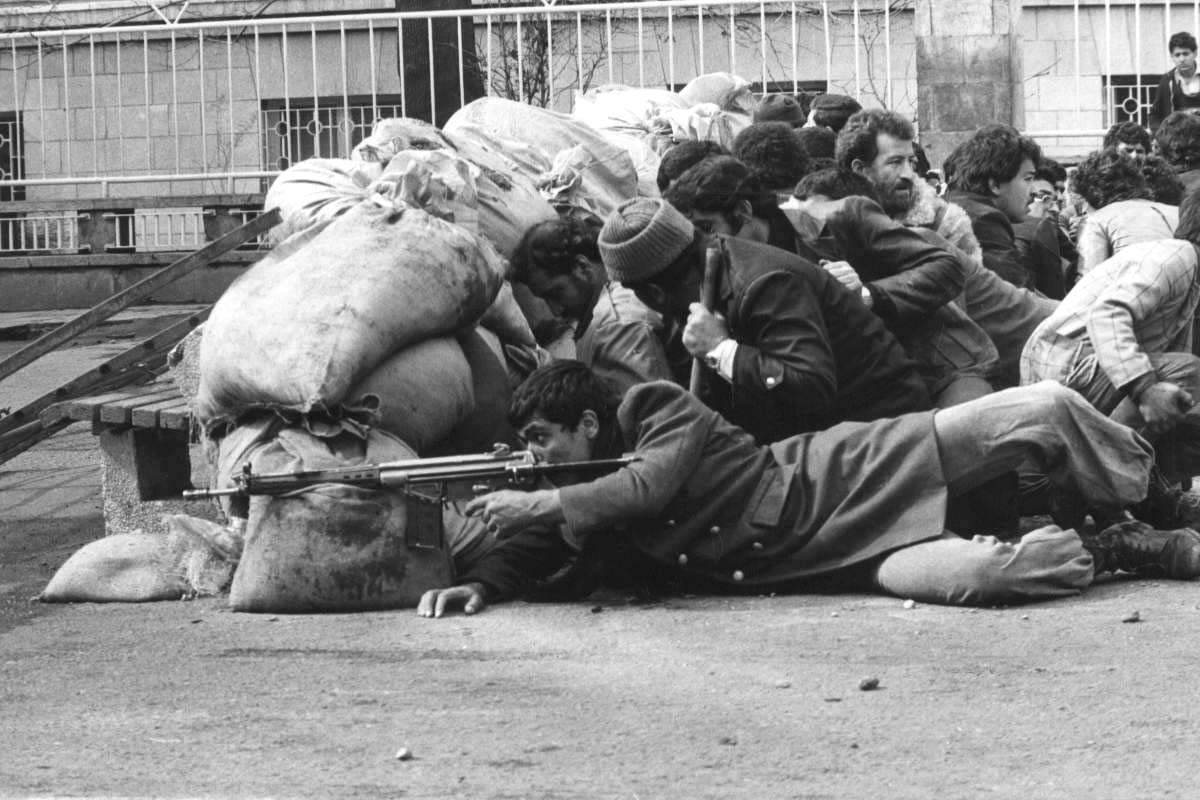 History Event
Iranian Revolution
1979
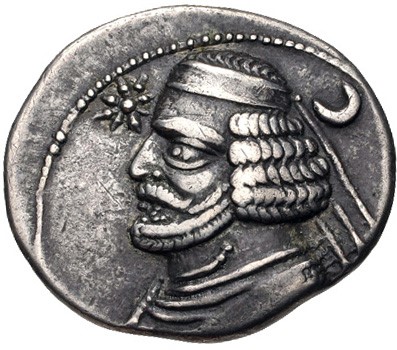 History Event
Parthian Empire
c. 247 BCE-224 CE
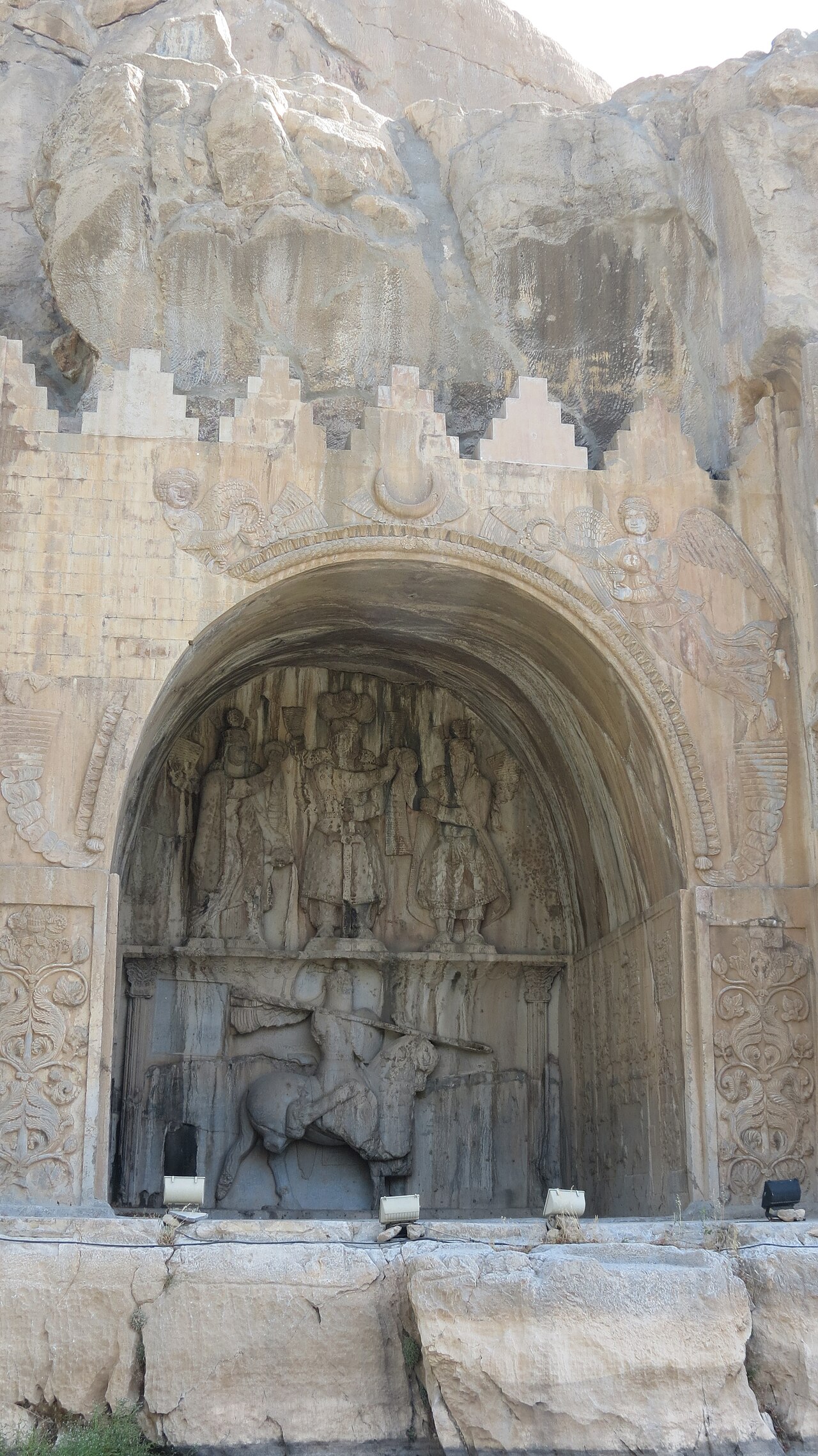 History Event
Sasanian Empire
224-651
 History Event
Zarathustra
c. 1500-1000 BCE