Hinduism

The Hinduism timeline in the History of Worldviews.

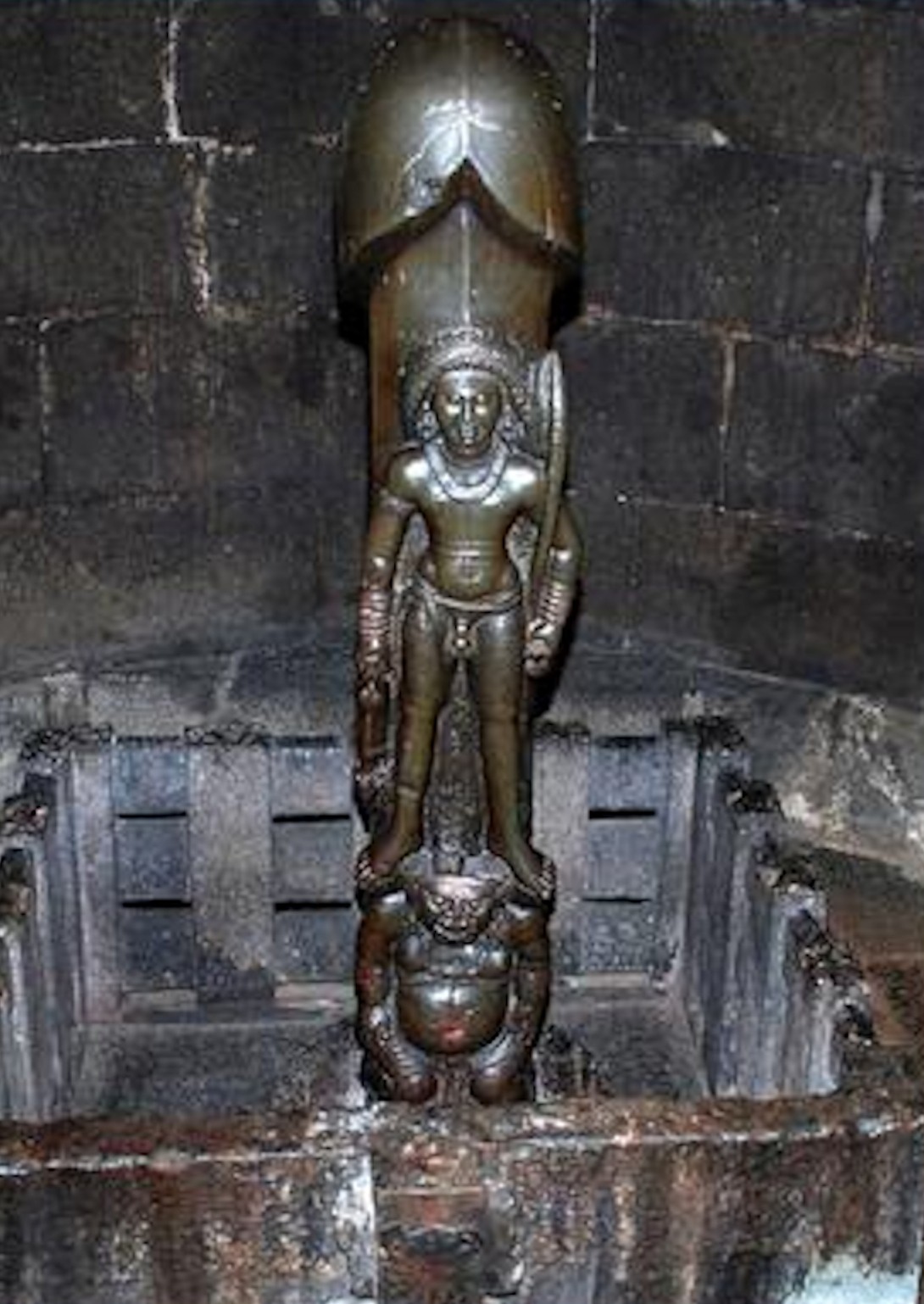
Streams: All of Hinduism Shaivism Shaktism Vaishnavism Smarta Tradition Hindu Reform Movements Arya Samaj ISKCON

Indus and Vedic

c. 3300–1300 BCE

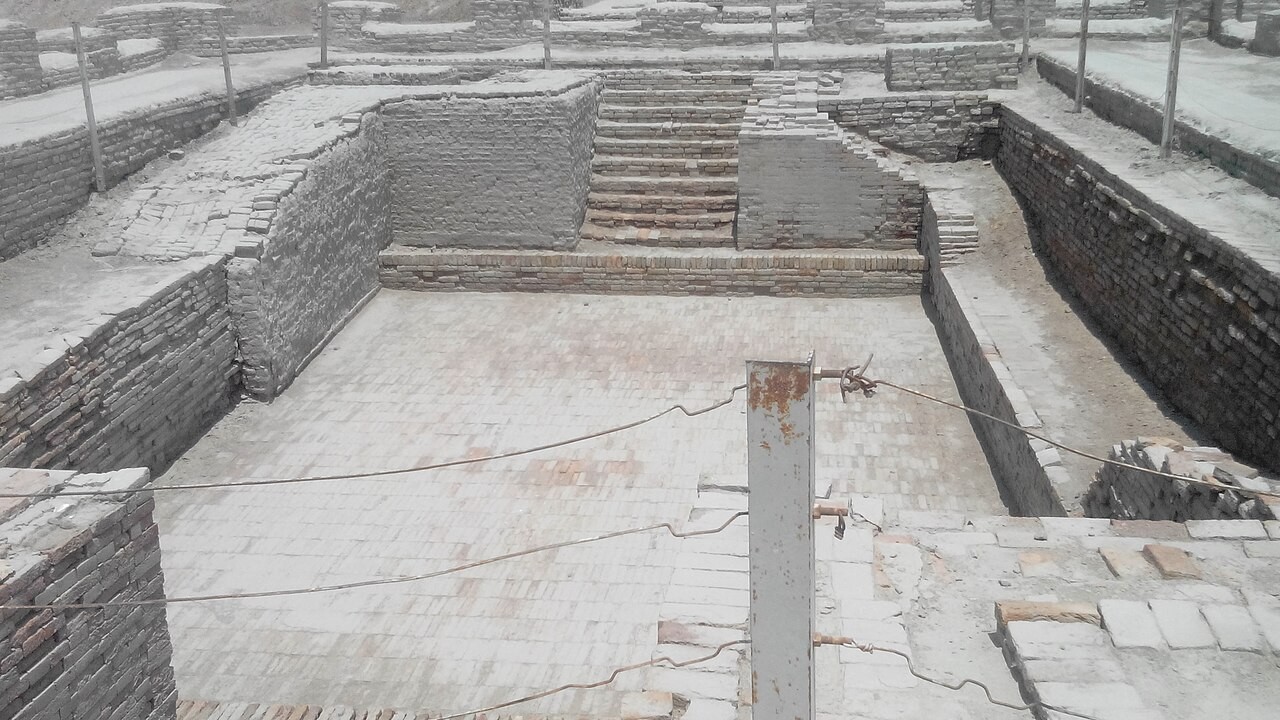
Indus Valley Civilization

The cities of Harappa and Mohenjo-daro anchor one of the world's earliest urban civilizations in the Indus valley; its undeciphered script leaves its religion a matter of seals, figurines, and inference, and later Hindu tradition claims continuities that scholarship cannot confirm or rule out.
Indus Valley
c. 1900–1500 BCE

Rig Veda composed

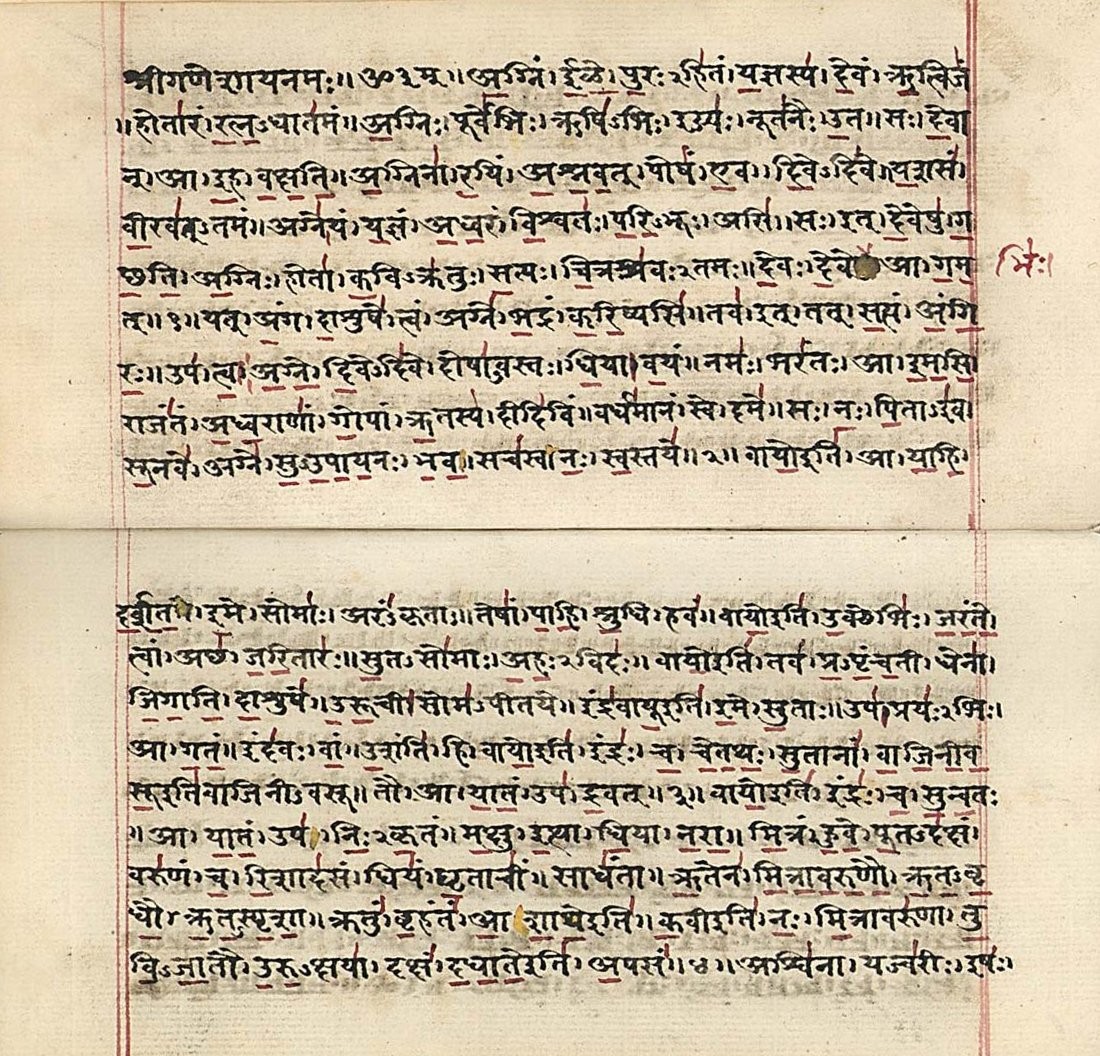
In the Punjab, poets compose the hymns of the Rig Veda to Indra, Agni, and the gods of the sacrifice; the collection becomes the oldest and most authoritative layer of Hindu scripture, preserved orally with exacting precision for millennia.

Punjab
c. 800–400 BCE

Principal Upanishads

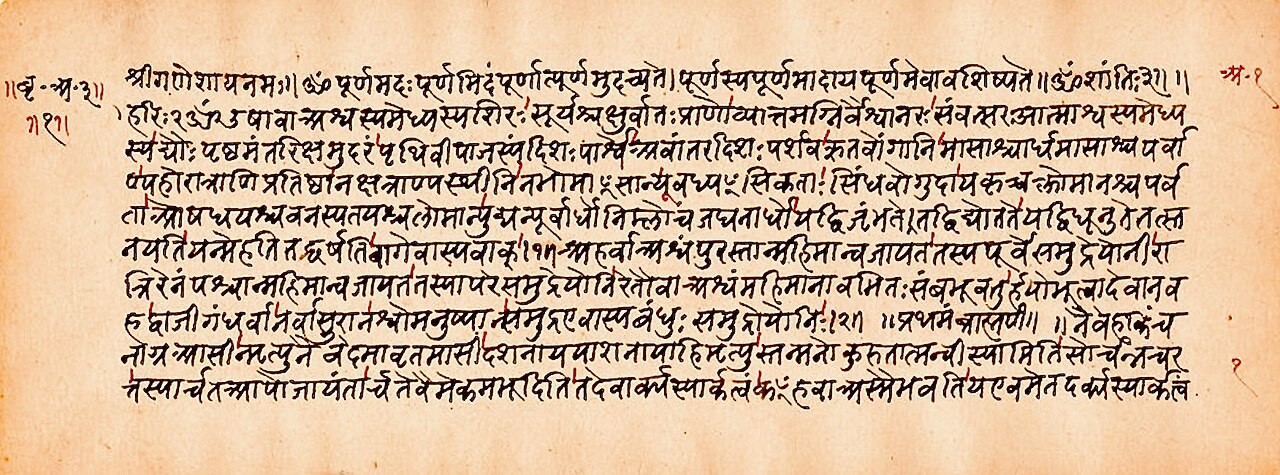
Forest teachers and their students compose the early Upanishads, turning from the sacrifice to the knowledge of atman and brahman; the texts become the philosophical foundation on which every later school of Vedanta builds its reading.

Northern India

Classical

c. 400 BCE–200 CE

Mahabharata composed

Across centuries of composition, the Mahabharata grows into the largest epic of the ancient world, the war of the Bharata cousins carrying law, kingship, devotion, and doubt inside one vast story; Krishna's counsel and Shiva's appearances stand within it side by side.

Northern India
c. 200 BCE–200 CE

Ramayana composed

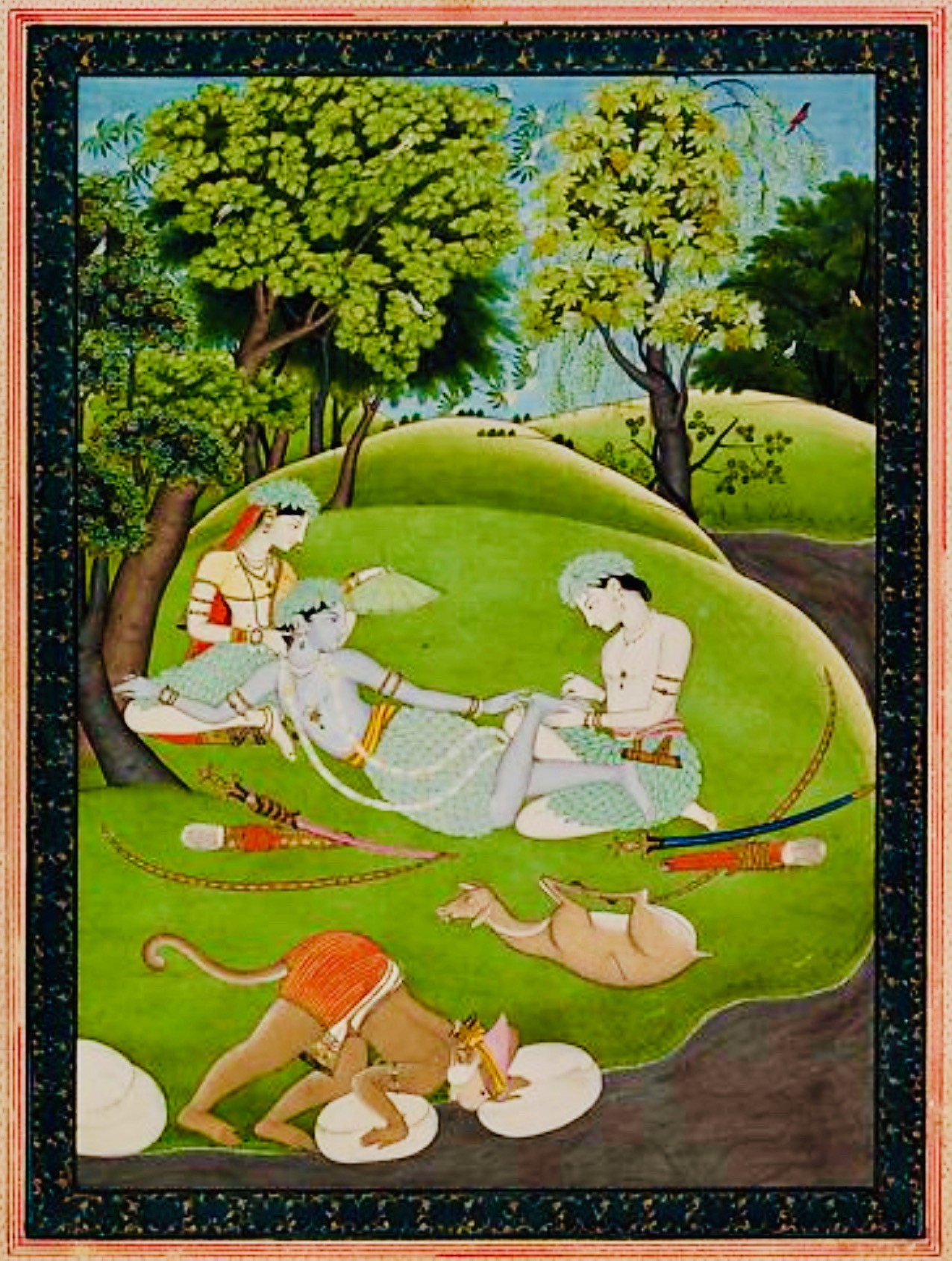
Valmiki's Ramayana tells of Rama, the exiled prince whose conduct embodies dharma, and of Sita and Hanuman; Rama's standing as an avatar of Vishnu, present in the epic's framing books, makes the poem a charter of Vaishnava devotion.

Northern India
c. 200 BCE–200 CE

Bhagavad Gita

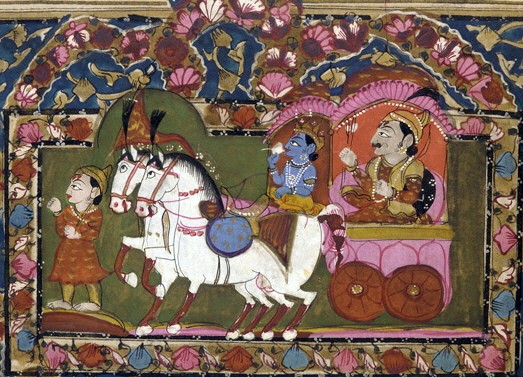
On the field of Kurukshetra, Krishna teaches the warrior Arjuna the paths of action, knowledge, and devotion; set inside the Mahabharata, the Gita becomes the most commented and most carried scripture of Hindu life, read by every Vedanta school as one of the three foundations.

Kurukshetra
c. 200 BCE–200 CE

Patanjali's Yoga Sutras

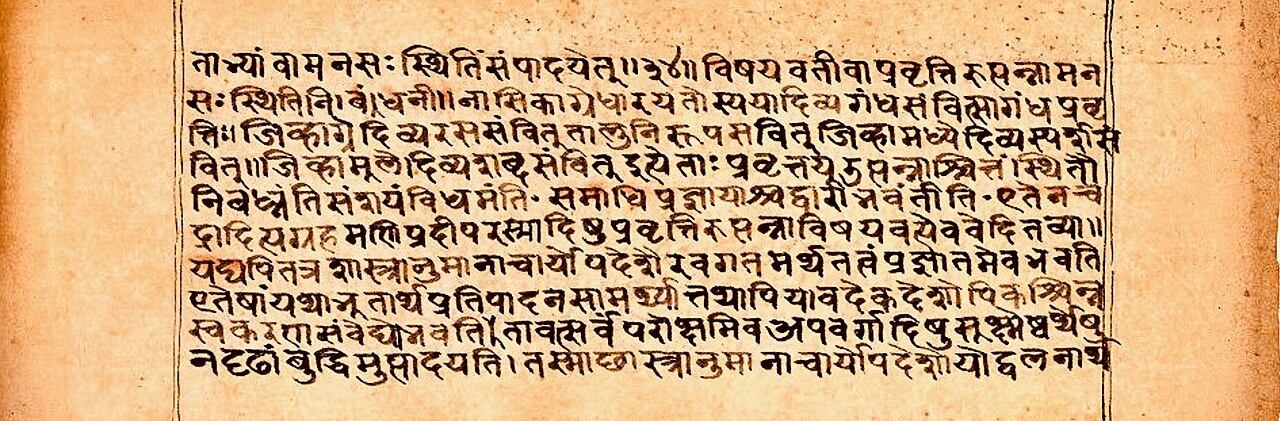
Patanjali gathers the discipline of yoga into aphorisms on stilling the mind's turnings; the Yoga Sutras become the charter text of one of the six classical schools and, much later, the reference point of the global yoga movement.
Northern India
c. 150
The Pashupata ascetics attested

Patanjali's Mahabhashya already knows Shiva-worshipping ascetics, and the Pashupatas grow into the earliest organized Shaiva order, marked by ash, the staff, and devotion to Shiva as Pashupati, lord of bound souls.

Northern India
320–550

Gupta Empire

The Gupta emperors rule most of northern India in an age that fixes the classical forms of Hindu temple, image, and Purana; royal patronage flows to Vishnu and Shiva alike, and the imperial style becomes the reference for centuries of temple building.

Pataliputra
c. 400–450 CE

Bhagavata Purana

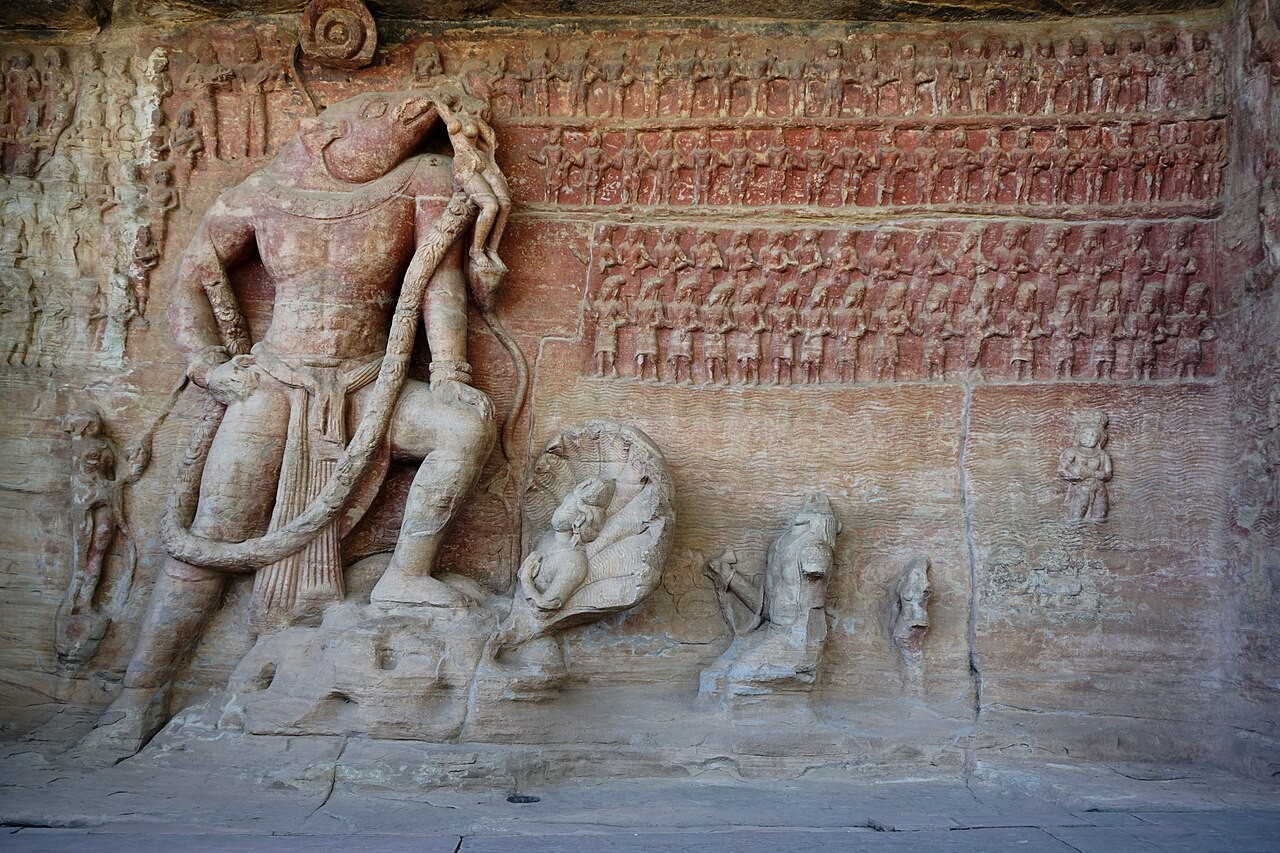
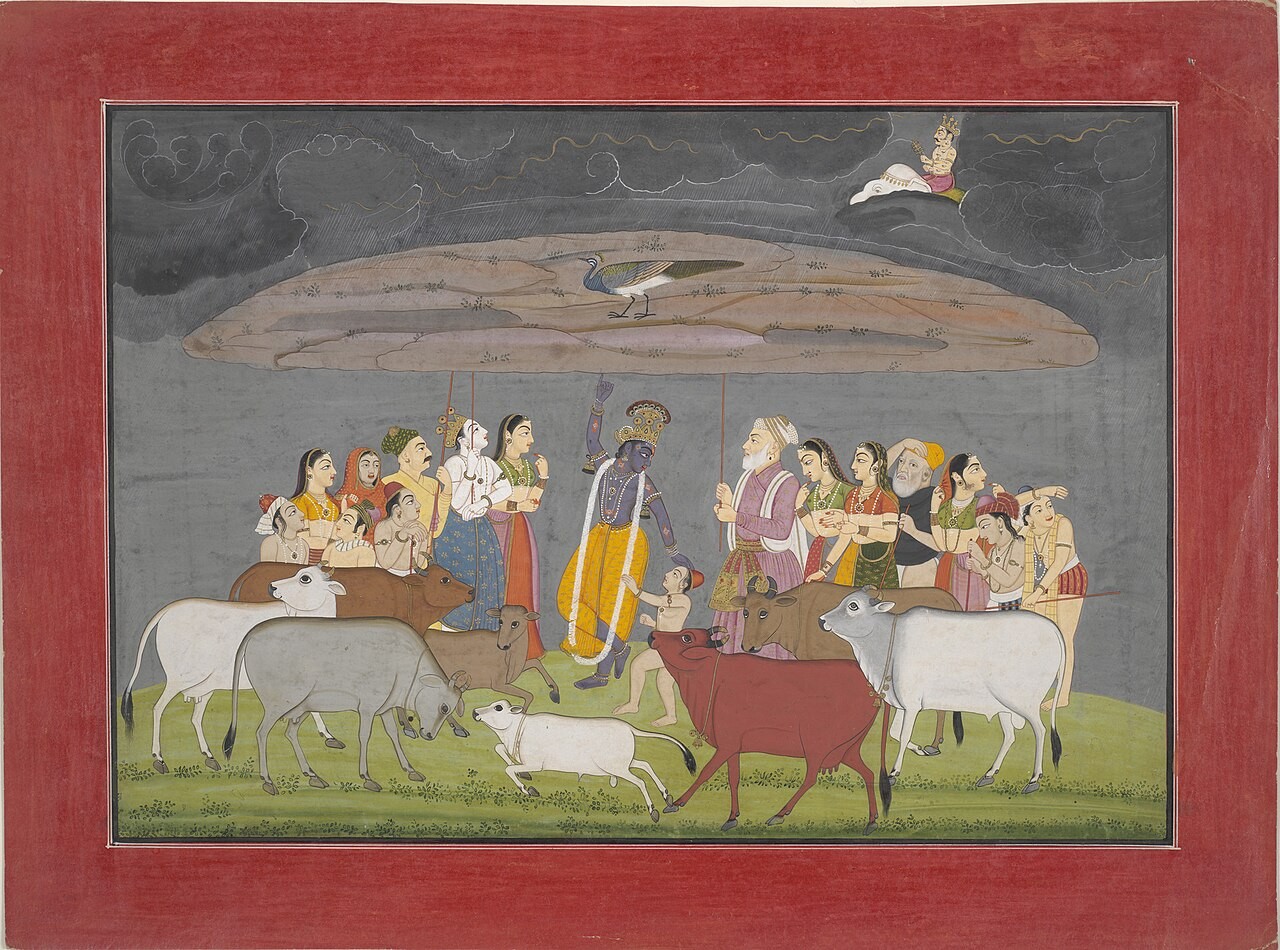
The Bhagavata Purana retells Vishnu's descents and gives Krishna's childhood and loves their fullest telling; its tenth book becomes the seedbed of Krishna devotion, quoted and sung wherever Krishna is worshipped.

India
c. 500

Devi Mahatmya composed

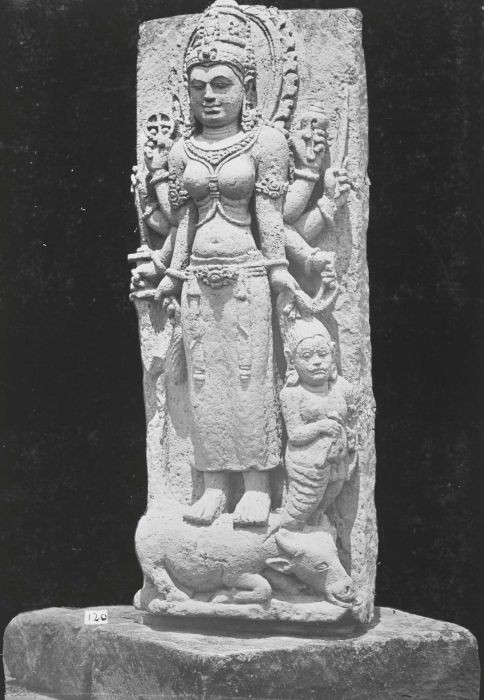
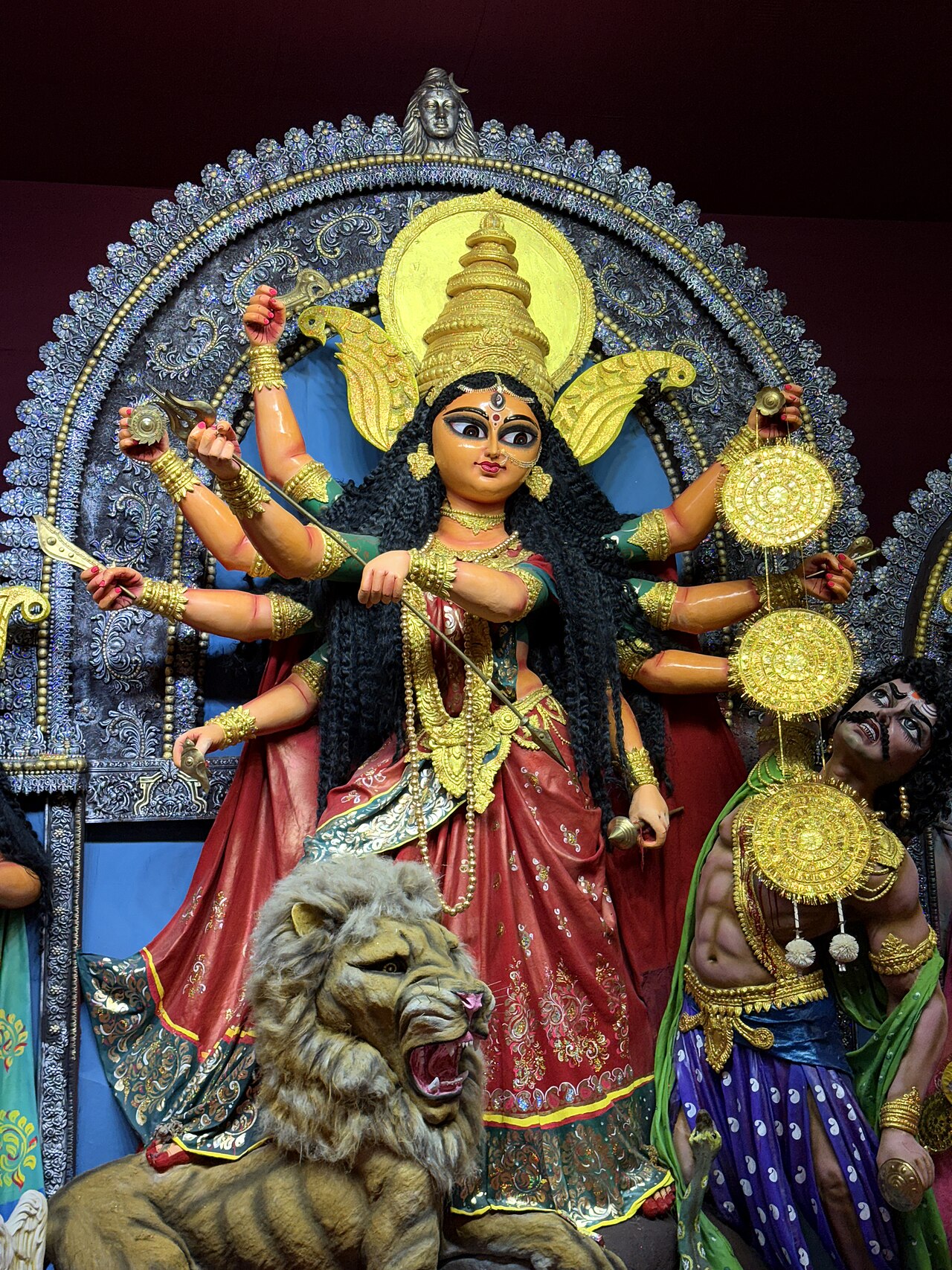
The Devi Mahatmya, set inside the Markandeya Purana, proclaims the Goddess as the supreme power who takes form as Durga and Kali to destroy the demons no male god can kill; it remains the central scripture of Shakta worship and of Navratri.

India
c. 650

The Tevaram hymns of the Nayanars

The Tamil saints Appar, Sambandar, and Sundarar sing Shiva through the temple towns of the south; their Tevaram hymns, later gathered as canon, carry Tamil Shaivism into the temple liturgy where they are still sung.

Tamil country
788–820

Adi Shankara

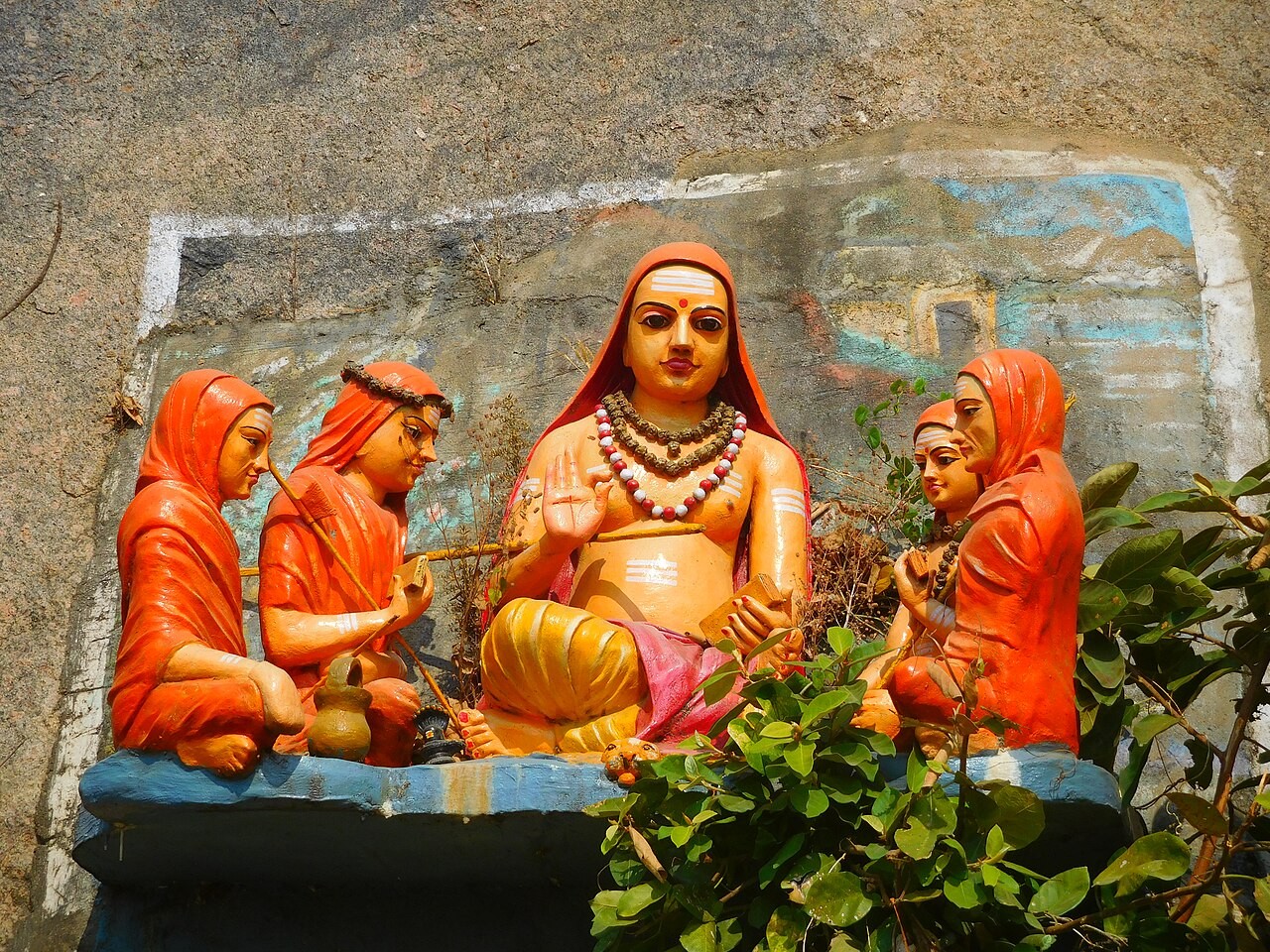
Shankara teaches Advaita, the non-duality of atman and brahman, writes the standard commentaries on the Upanishads, the Gita, and the Brahma Sutras, and is remembered as the organizer of monastic and temple orders across India.

Kalady and across India
c. 800

Shankara's cardinal mathas established

Tradition holds that Shankara founded monasteries at the four quarters of India, Sringeri in the south, Puri in the east, Dwarka in the west, and Joshimath in the north; their lineages anchor the Smarta monastic order and teach Advaita to this day.

Sringeri, Puri, Dwarka, Joshimath
1016

Death of Abhinavagupta

Abhinavagupta, the Kashmiri master of Shaiva philosophy and aesthetics, dies after completing works that systematize the Tantric Shaiva traditions; his Pratyabhijna philosophy reads the world as Shiva's self-recognition.

Kashmir
1017–1137

Ramanuja

Ramanuja teaches Vishishtadvaita, the qualified non-dualism in which souls and world are God's body, and opens the Sri Vaishnava community's teaching beyond a narrow circle; his Sri Bhashya stands against Shankara's reading of the same texts.

Srirangam
c. 1150

Periya Puranam: the Nayanar canon

Sekkizhar composes the Periya Puranam at the Chola court, telling the lives of the sixty-three Nayanar saints; the work closes the Tamil Shaiva canon and fixes its saints' stories in the form the temples still celebrate.

Chidambaram
c. 1160

Basava and the Lingayat movement

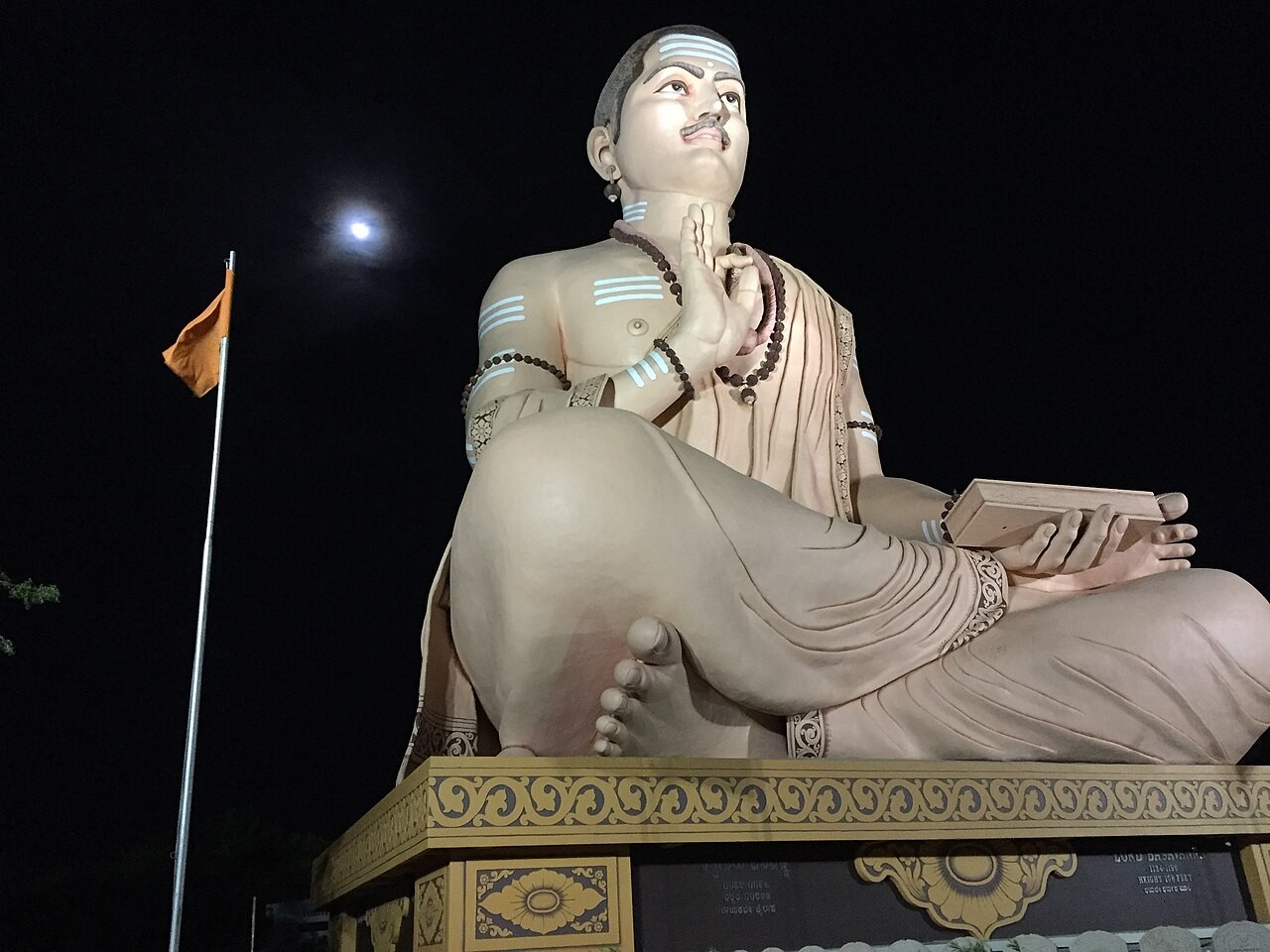
Basava, minister at Kalyana, gathers the Virashaiva community around devotion to Shiva in the personal linga, rejecting caste and temple mediation; the vachana poems of Basava and his companions carry the movement's teaching in Kannada speech.

Kalyana

Medieval

1238–1317

Madhva

Madhva teaches Dvaita, the strict dualism of God and soul, founds the Krishna temple at Udupi, and sets the Haridasa devotion in motion; his reading of the Vedanta stands as the third great system beside Shankara's and Ramanuja's.

Udupi
15th century

Kabir

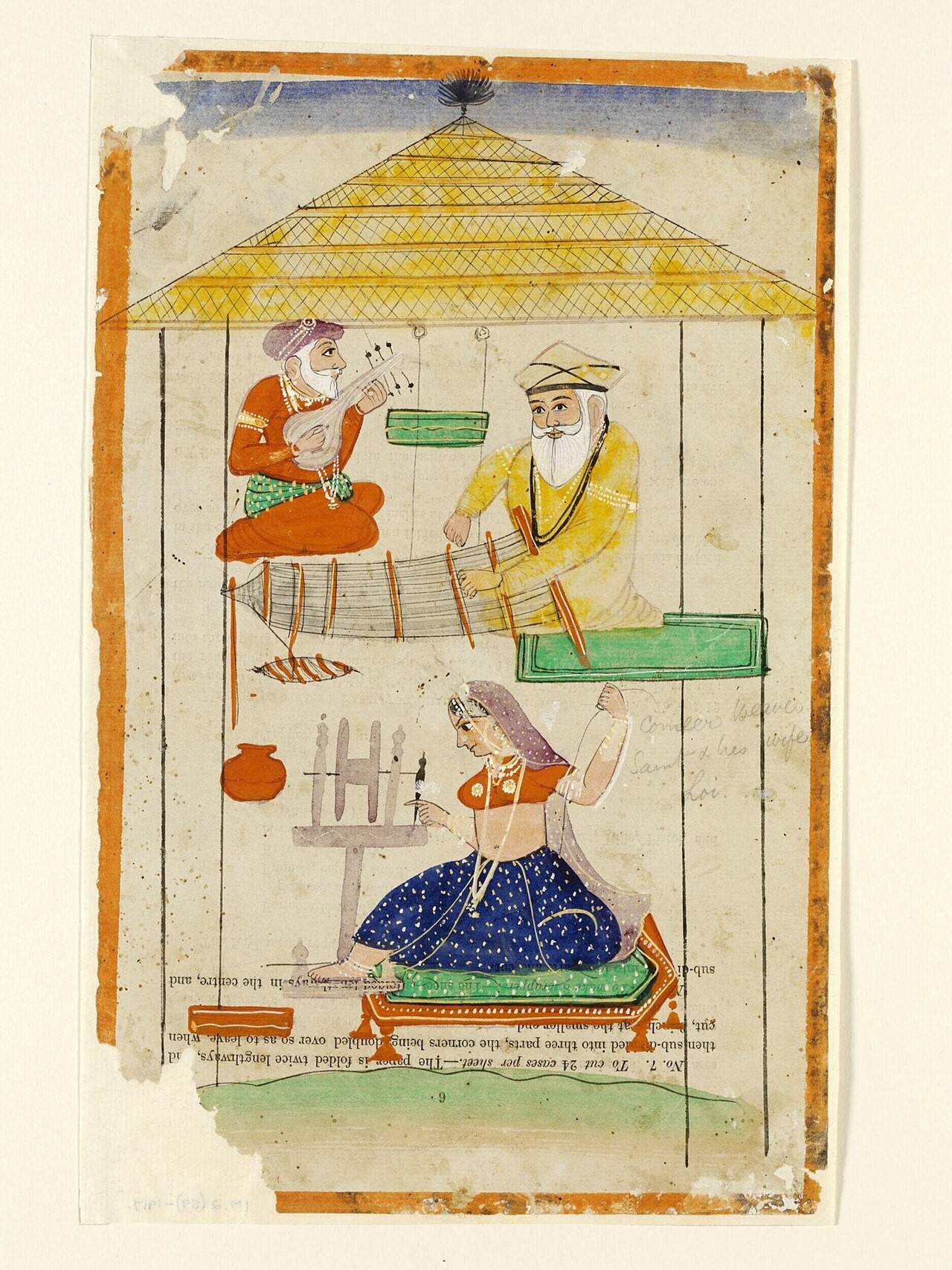
The weaver Kabir of Banaras sings of the one Ram who is no temple god, mocking the orthodoxies of Hindu and Muslim alike; his verses pass into the Sikh scripture, the Dadu Panth's collections, and the Kabir Panth, claimed and contested by all of them.

Banaras
1498–1550

Mirabai

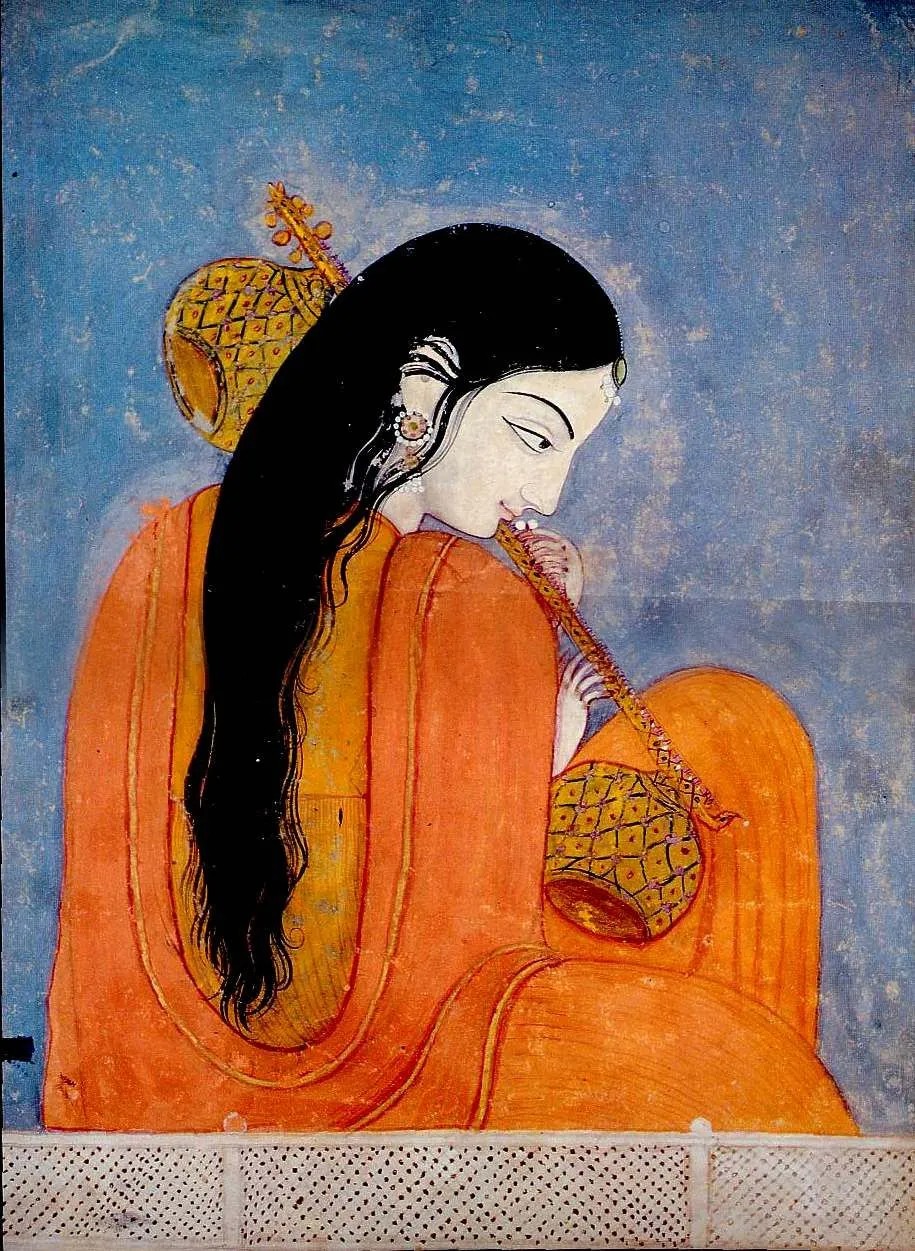
The Rajput princess Mirabai refuses widowhood's rules for devotion to Krishna, sings her padas across Rajasthan and Gujarat, and becomes the beloved figure of the woman saint whose only lord is Giridhar; her historicity rests on the songs and the tradition that keeps them.

Merta and Vrindavan
1532–1623

Tulsidas

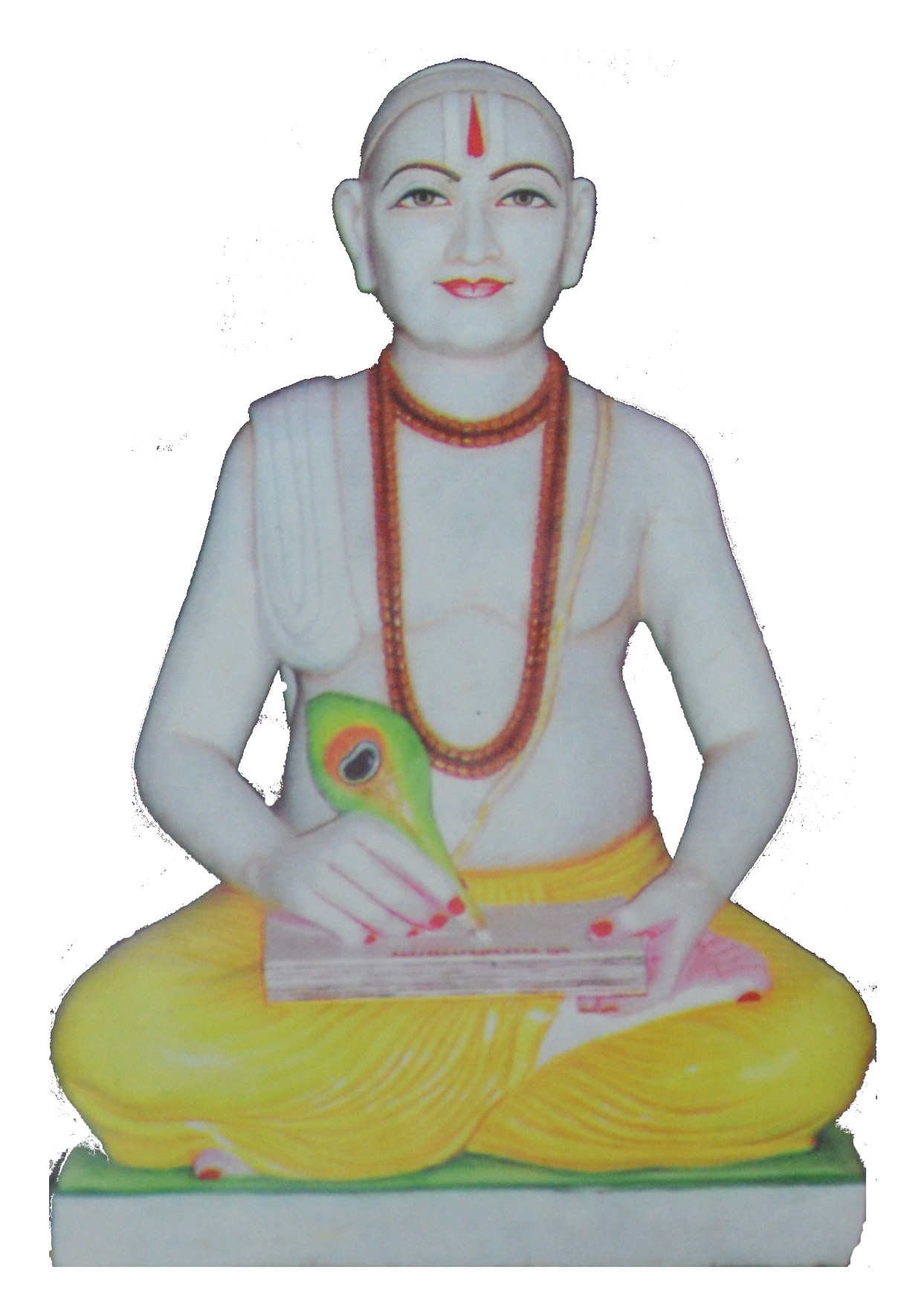
Tulsidas retells Rama's story in Awadhi as the Ramcharitmanas, the lake of Rama's deeds; the poem carries Rama devotion into north Indian homes and becomes the most beloved Hindu book of the Hindi belt, recited whole in village readings.

Banaras
1565

Kamakhya temple rebuilt

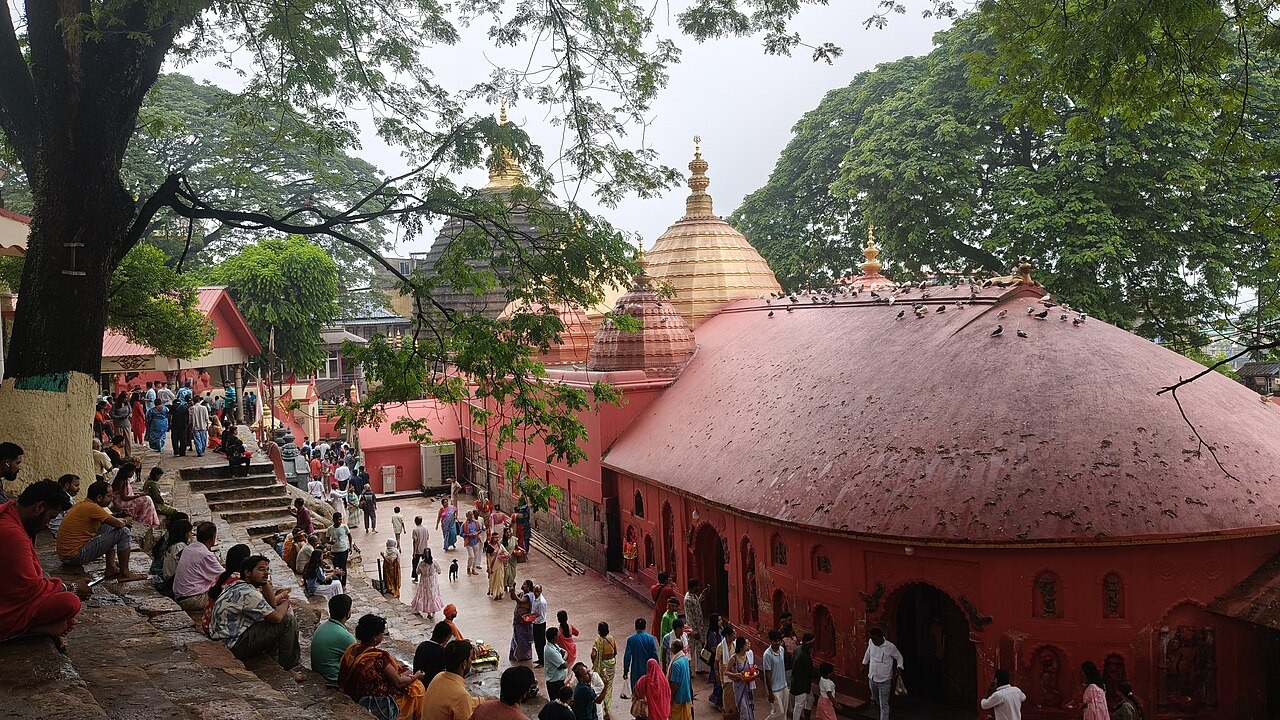
The Koch king Naranarayan rebuilds the Kamakhya temple at Guwahati on its ancient site, one of the chief seats of the Goddess and of Tantric worship; the temple crowns Nilachal Hill above the Brahmaputra and draws the Ambubachi festival to this day.

Guwahati
1593

Death of Appayya Dikshita

Appayya Dikshita, the great Smarta polymath of the Tamil country, dies after writing across Vedanta, poetics, and Shaiva devotion; his works model the Smarta ideal of learning held inside devotion to Shiva.

Vellore region

Colonial

1772–1833

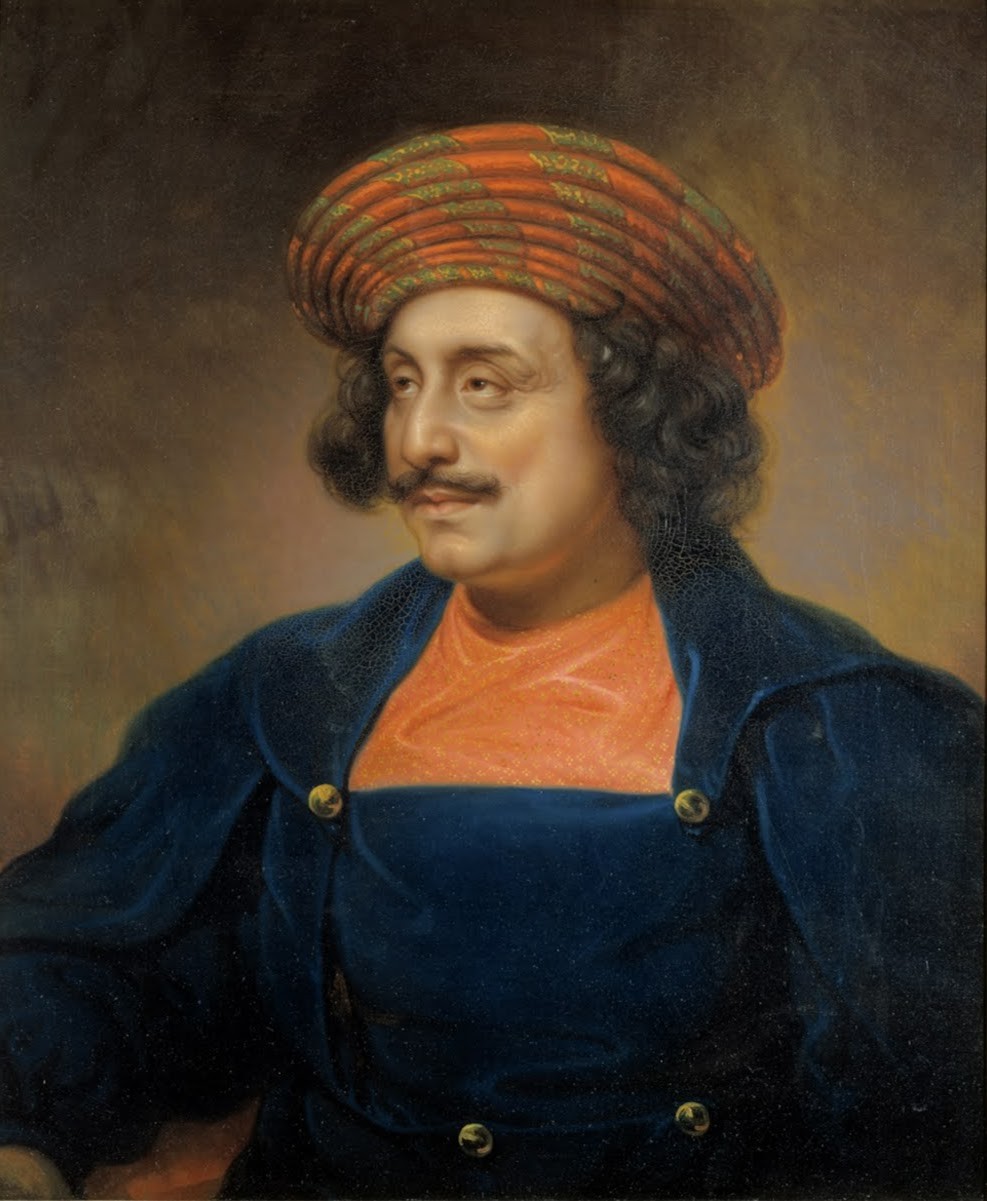
Ram Mohan Roy

Ram Mohan Roy argues from the Upanishads for one God without image, founds the Brahmo Samaj, and campaigns against sati until its abolition in 1829; he opens the age of Hindu reform, in which India's traditions answer print, missions, and empire with their own scriptures.

Calcutta
1824–1883

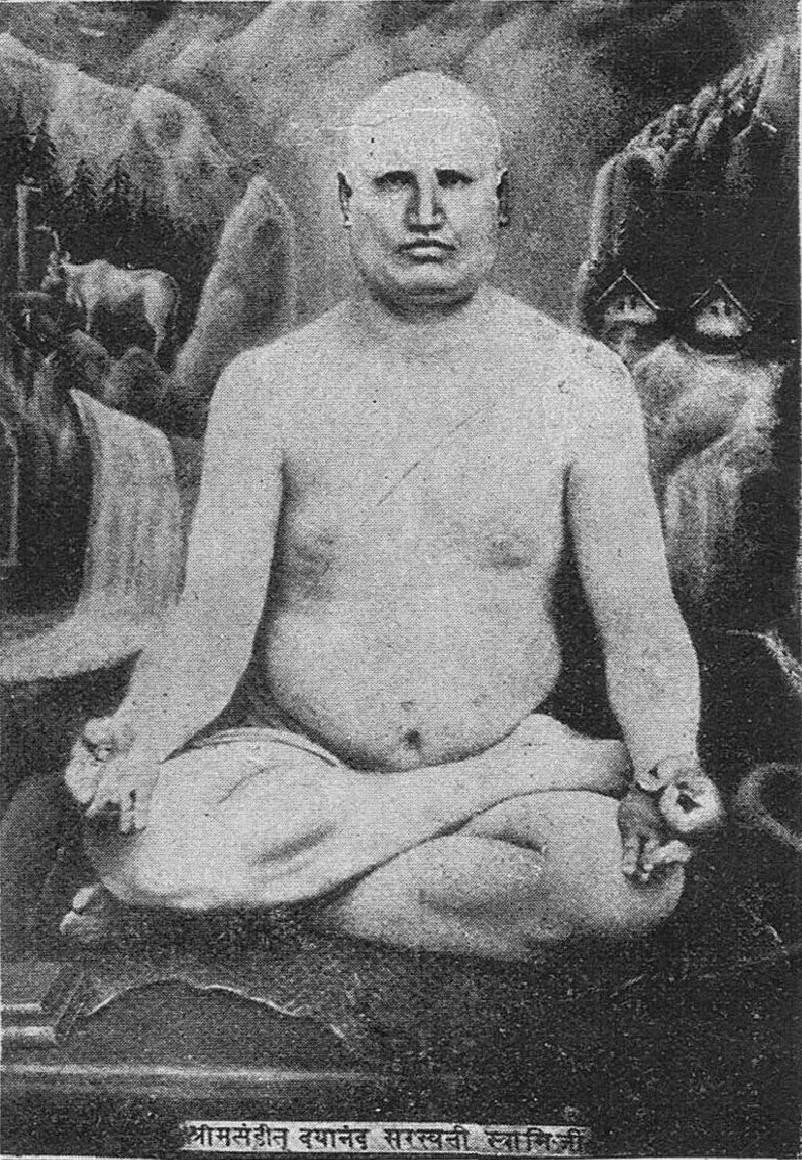
Dayananda Saraswati

Dayananda Saraswati calls India back to the Vedas alone, rejecting image worship and later scripture in the Satyarth Prakash, and founds the Arya Samaj; his slogan and his schools shape an assertive, reforming Hinduism across the north.

Morvi and across India
1828

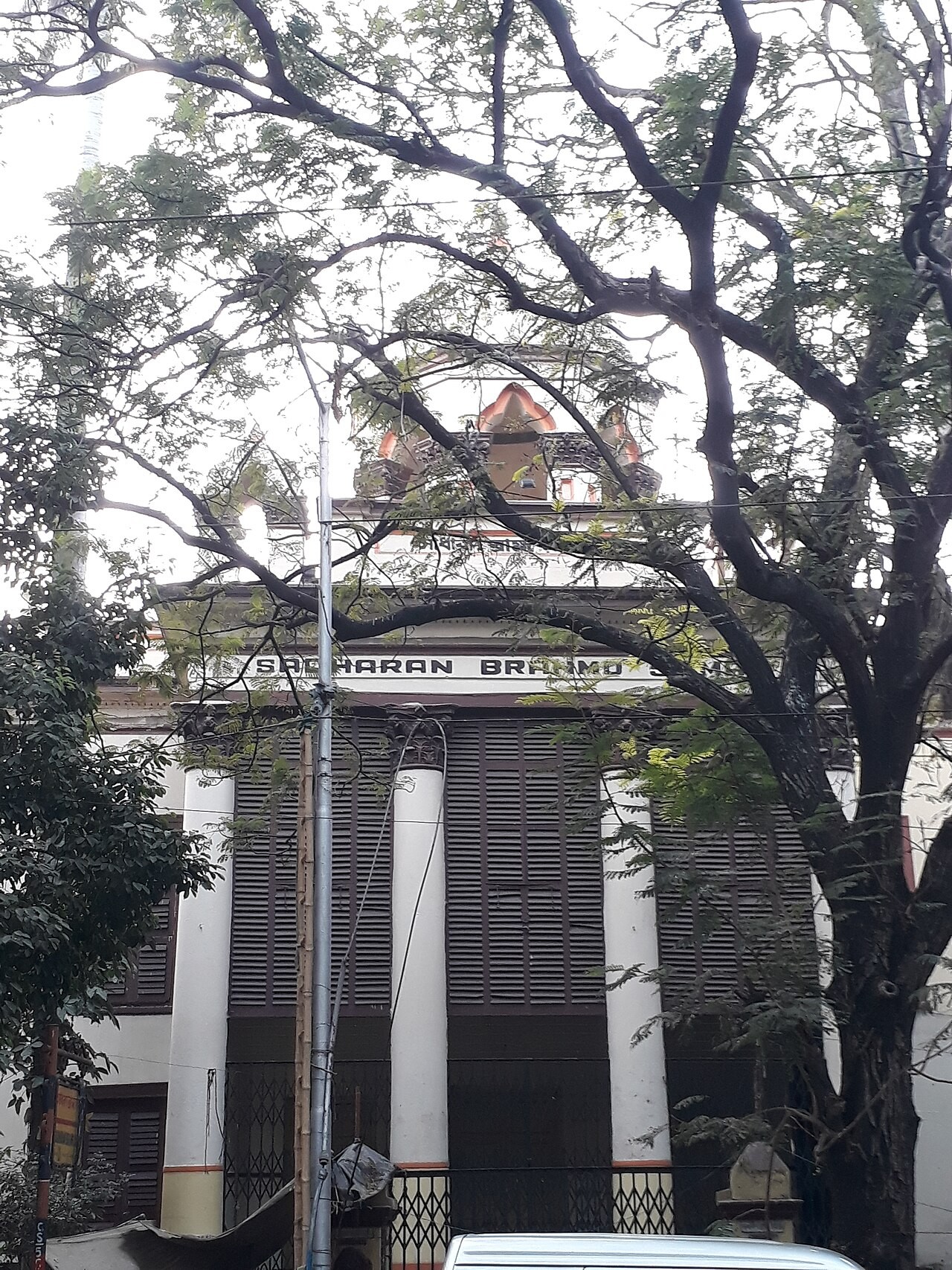
Brahmo Samaj founded

Ram Mohan Roy and his companions found the Brahmo Sabha, soon the Brahmo Samaj, in Calcutta, worshipping one formless God from Upanishadic texts; the Samaj becomes the first of the modern Hindu reform movements and a seedbed of Bengal's public life.

Calcutta
1836–1886

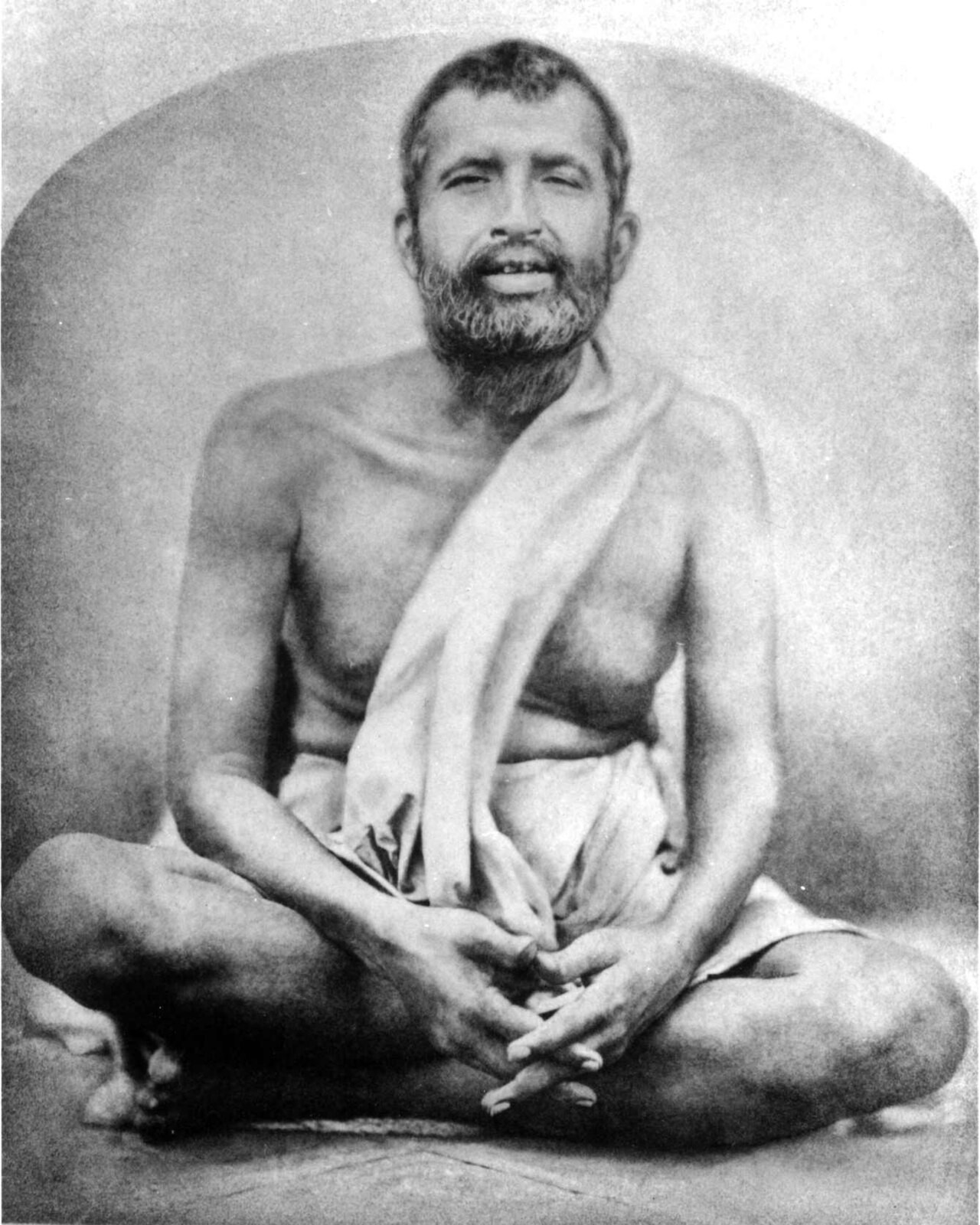
Ramakrishna

The temple priest Ramakrishna of Dakshineswar worships Kali with total devotion, then practices Islam and Christianity and declares every path reaches the same goal; his disciple circle and his recorded conversations make him the saint of India's religious pluralism.

Dakshineswar
1863–1902

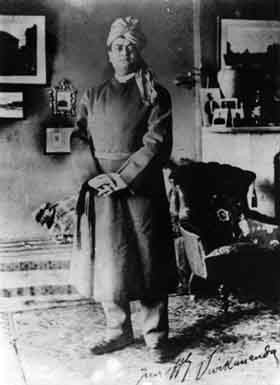
Vivekananda

Ramakrishna's disciple Vivekananda carries Vedanta to the West, founds the Ramakrishna Mission for service and teaching, and calls India to strength through its own spiritual inheritance; his short life sets the pattern of the modern Hindu teacher.

Calcutta
1875

Arya Samaj founded

Dayananda Saraswati founds the Arya Samaj in Bombay on the authority of the Vedas alone; its schools, its shuddhi campaigns, and its refusal of image worship and caste by birth spread a reforming Hinduism across northern and western India.

Bombay
1893

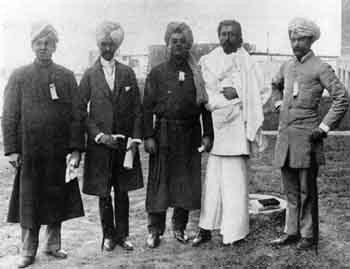
Parliament of Religions, Chicago

At the World's Parliament of Religions in Chicago, Vivekananda addresses the assembly as sisters and brothers of America and presents Hinduism as a universal religion of acceptance; the Parliament opens the modern era of Hindu teaching in the West.

Chicago
1897

Ramakrishna Mission founded

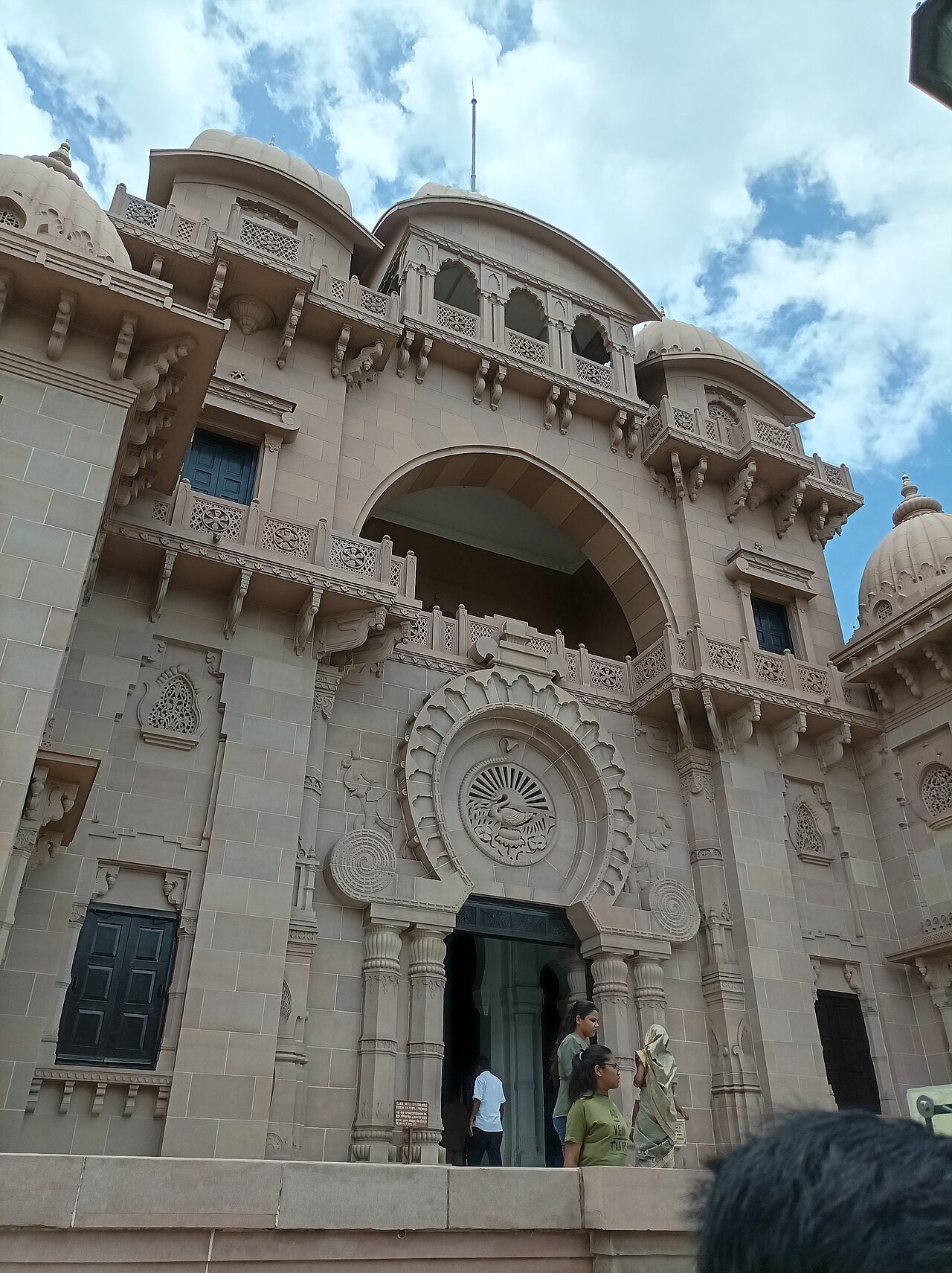
Vivekananda founds the Ramakrishna Mission in Calcutta, joining the monastery at Belur with schools, hospitals, and relief work; the Mission gives the reform age its enduring institution, devotion expressed as service to the poor as God.

Calcutta
1915

Hindu Mahasabha founded

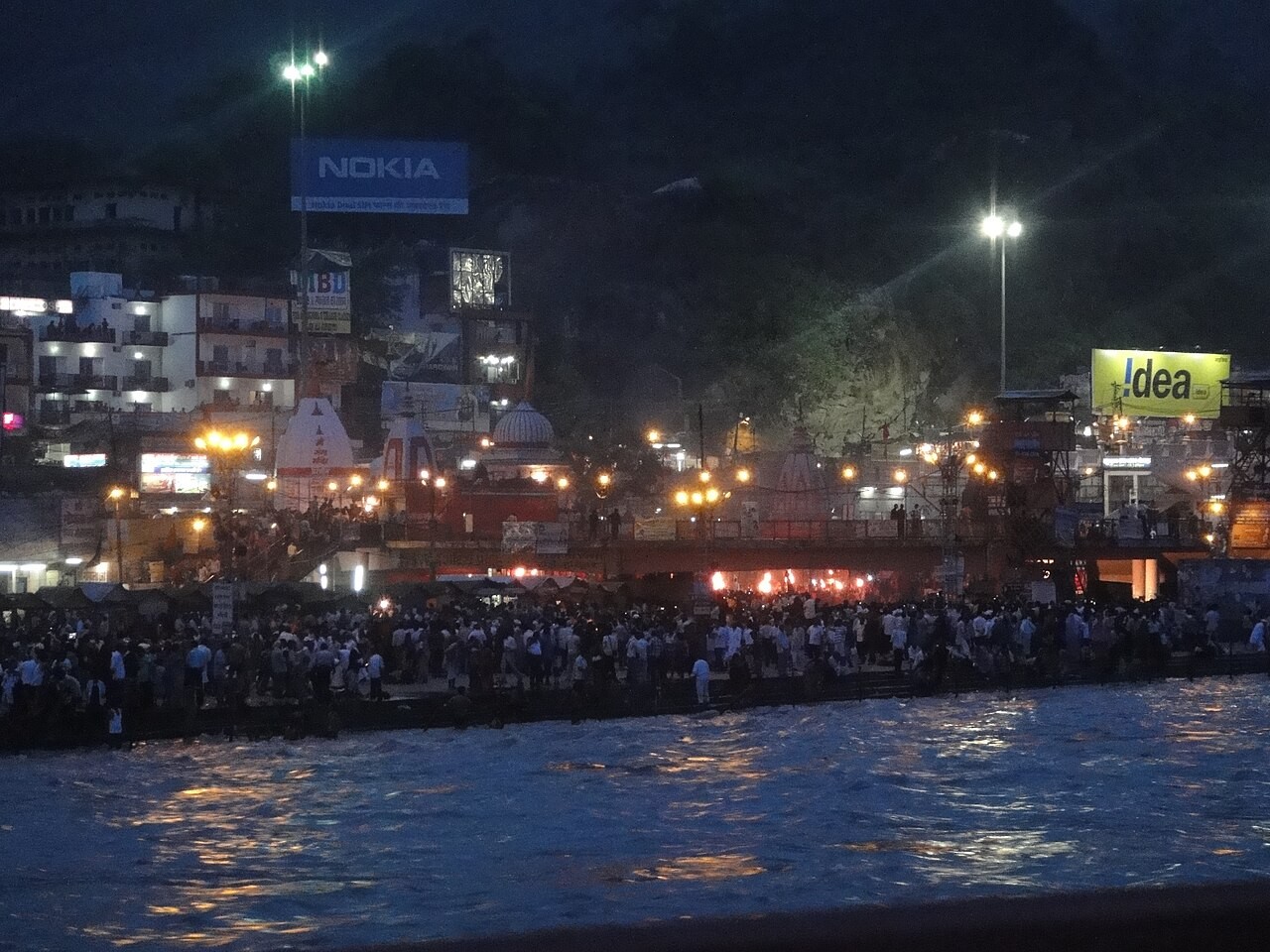
Hindu leaders found the Hindu Mahasabha at Haridwar to organize Hindu society and represent its interests in the politics of late colonial India; under Savarkar it later gives Hindu nationalism its name, Hindutva.

Haridwar
1920

Self-Realization Fellowship founded

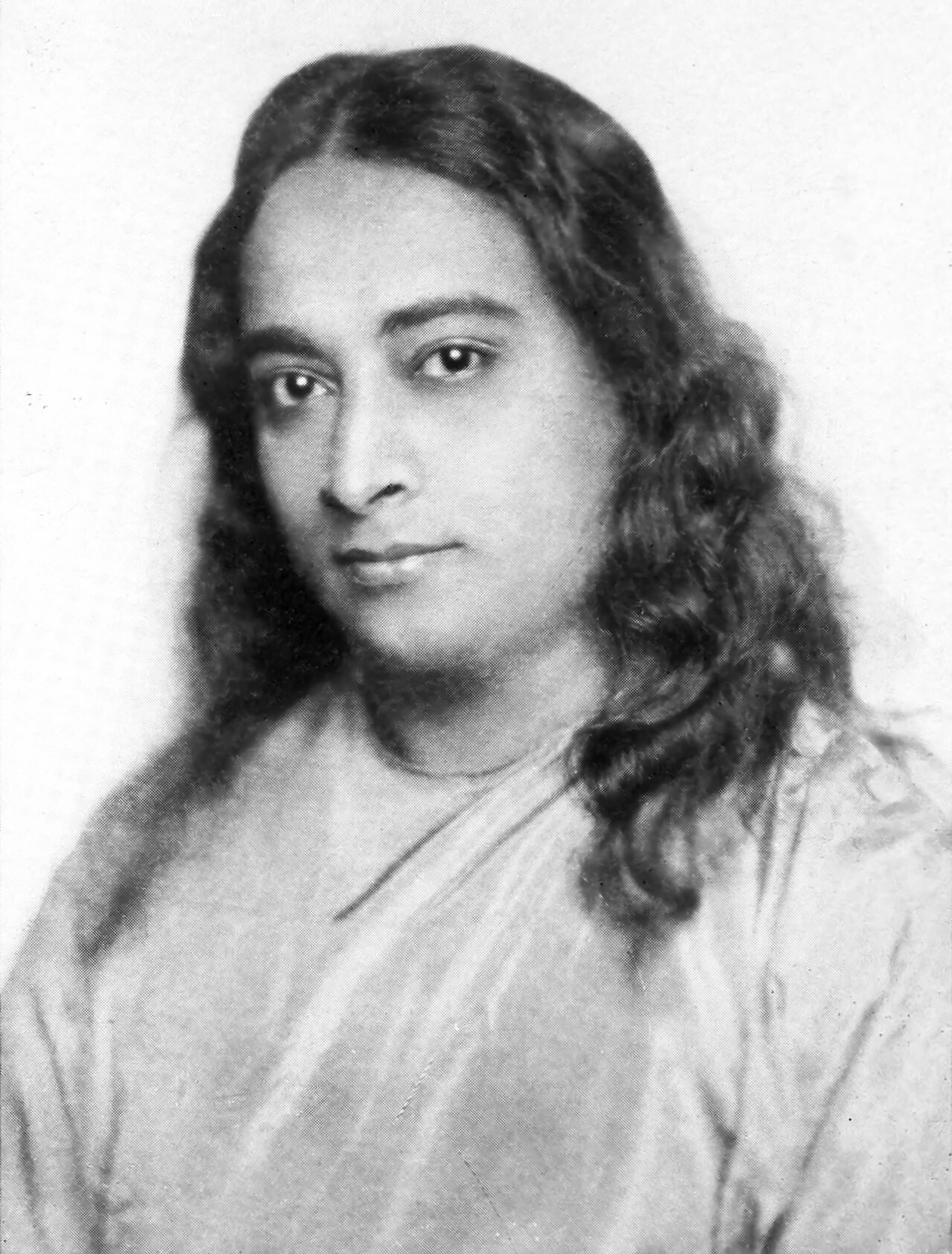
Paramahansa Yogananda founds the Self-Realization Fellowship in Los Angeles to teach Kriya Yoga in the West; his Autobiography of a Yogi (1946) becomes one of the most read Hindu books of the century, carrying yoga's spiritual frame to a global audience.

Los Angeles
1925

RSS founded

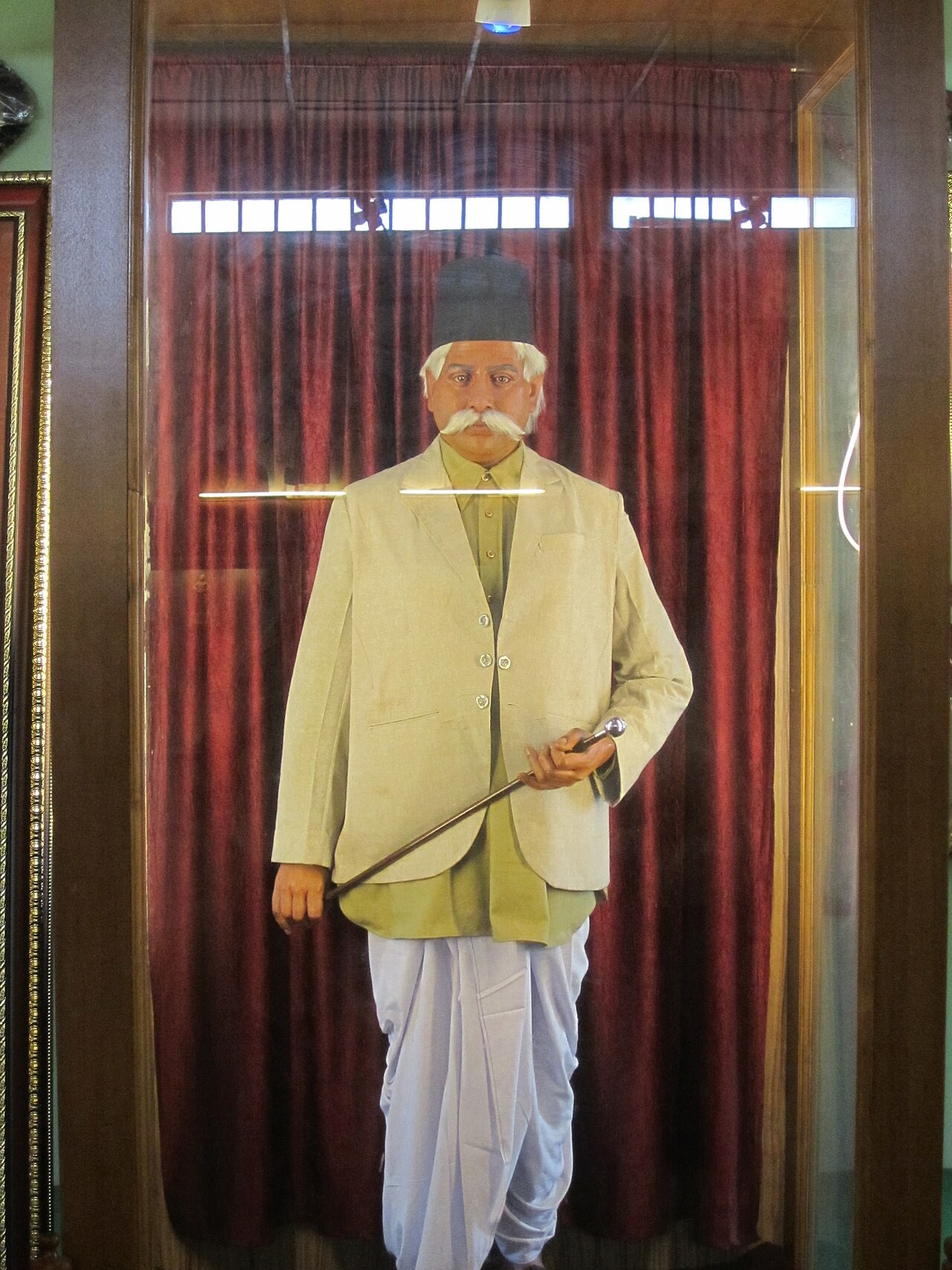
K. B. Hedgewar founds the Rashtriya Swayamsevak Sangh in Nagpur on Vijayadashami, organizing Hindu men and boys in daily shakhas of drill, discipline, and teaching; the Sangh grows into the center of a family of organizations that reshapes Indian politics.

Nagpur
1947

Partition

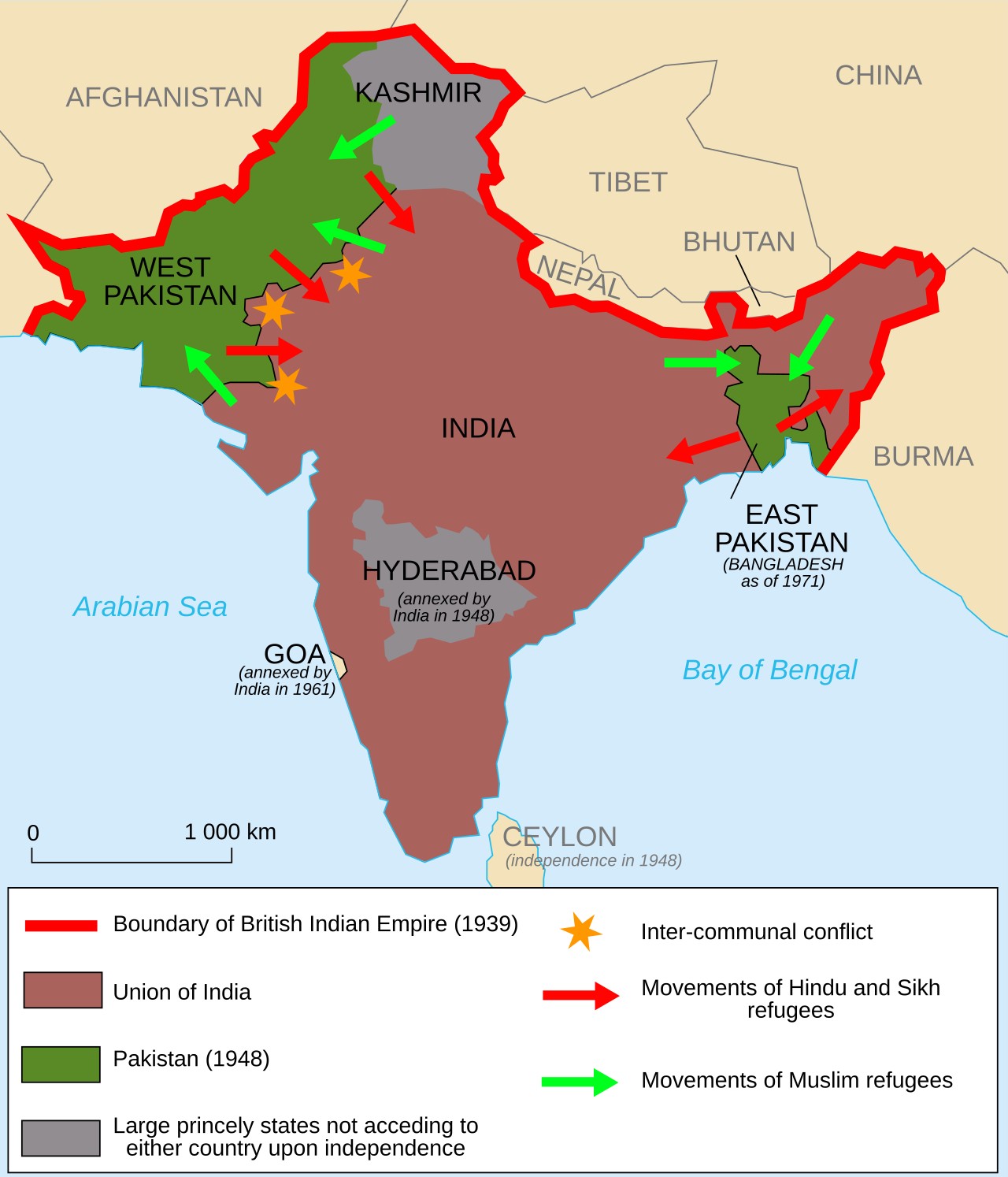
British India is divided into India and Pakistan at independence; the Punjab and Bengal are split, millions are displaced, and between several hundred thousand and a million people are killed in the violence, leaving the two nations' memories of each other marked to this day.

Delhi, Lahore, Calcutta

Modern

1966

ISKCON founded in New York

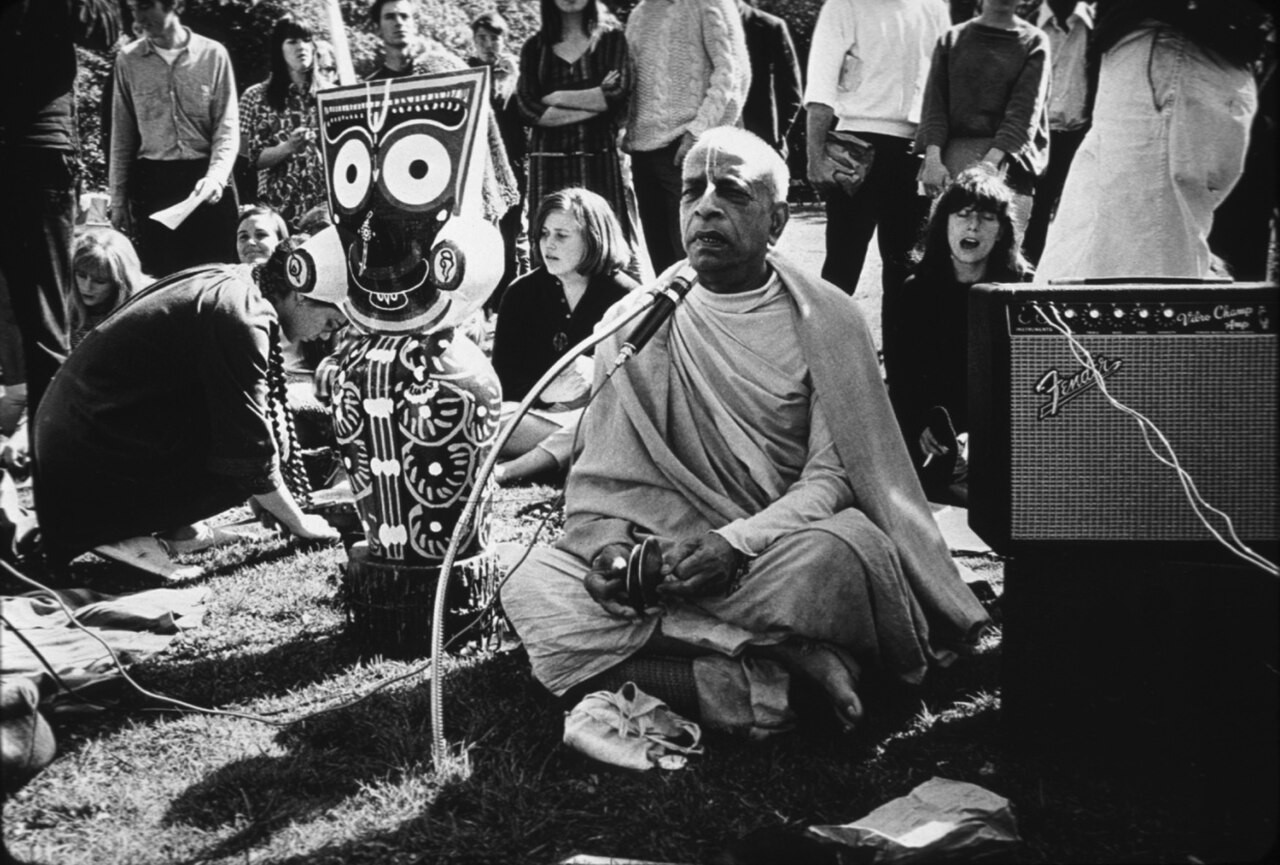
A. C. Bhaktivedanta Swami Prabhupada founds the International Society for Krishna Consciousness in New York, carrying Gaudiya Vaishnava devotion to Krishna across the West; its temples, festivals, and translations of the Bhagavata Purana make it the most visible Hindu movement abroad.

New York
1982

Death of Anandamayi Ma

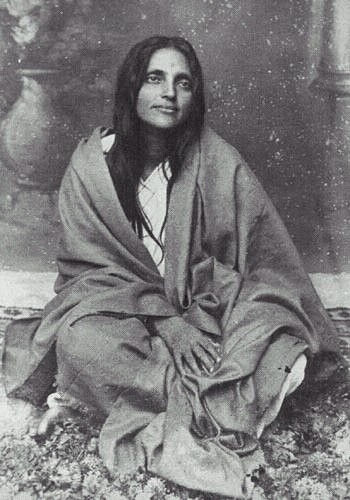
Anandamayi Ma, the Bengali saint whom devotees received as the Goddess herself in human form, dies at Dehradun; her ashrams and her sayings keep a Shakta sainthood of joy and spontaneity at the center of modern Hindu devotion.

Dehradun
1992

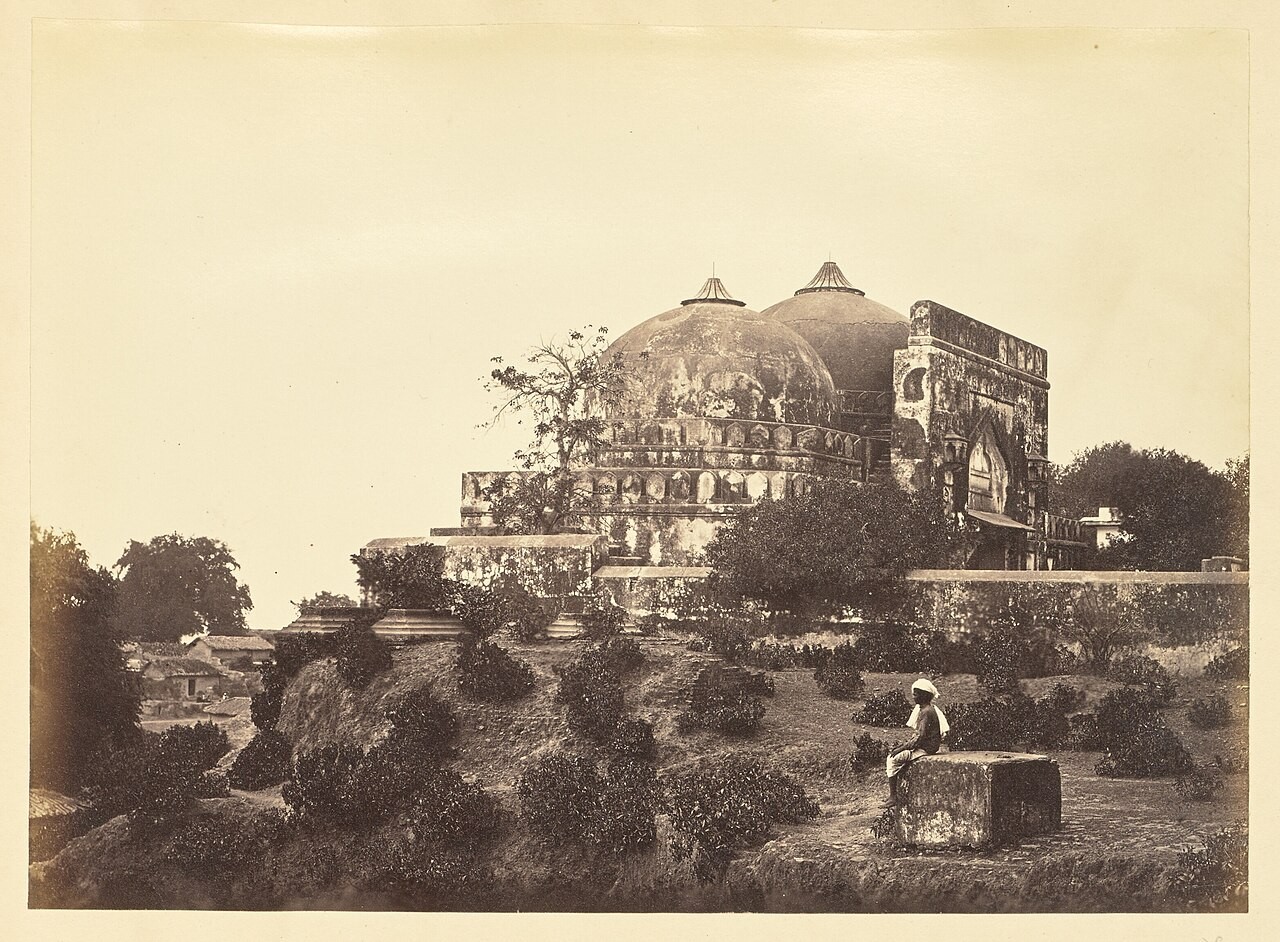
Babri Masjid demolition

A crowd mobilized by the Ayodhya movement demolishes the Babri Masjid, a mosque built in 1528, claiming the site as Rama's birthplace; riots across India kill about two thousand people, and the dispute runs through the courts until the Supreme Court awards the site for a temple in 2019.

Ayodhya
2014

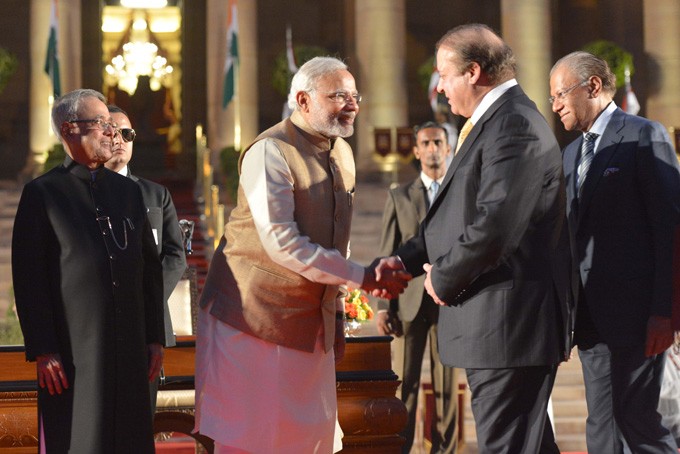
Modi elected

Narendra Modi, formed in the RSS and chief minister of Gujarat, leads the Bharatiya Janata Party to the first single-party majority in thirty years and becomes prime minister; his governments put Hindu nationalist themes at the center of Indian public life.

New Delhi
2021

Kolkata's Durga Puja inscribed by UNESCO

UNESCO inscribes Durga Puja in Kolkata on its Representative List of the Intangible Cultural Heritage of Humanity, honoring the festival in which the Goddess returns home and a whole city becomes her temple for five days.

Kolkata
2021

Hindu Heritage Month declared (US)

American Hindu organizations win recognition of October as Hindu Heritage Month from legislatures and governors in states across the United States, marking the community's arrival as a settled part of American religious life.

United States