Hinduism

The Vaishnavism stream of the Hinduism timeline.

Streams: All of Hinduism Shaivism Shaktism Vaishnavism Smarta Tradition Hindu Reform Movements Arya Samaj ISKCON

Indus and Vedic

c. 1900–1500 BCE

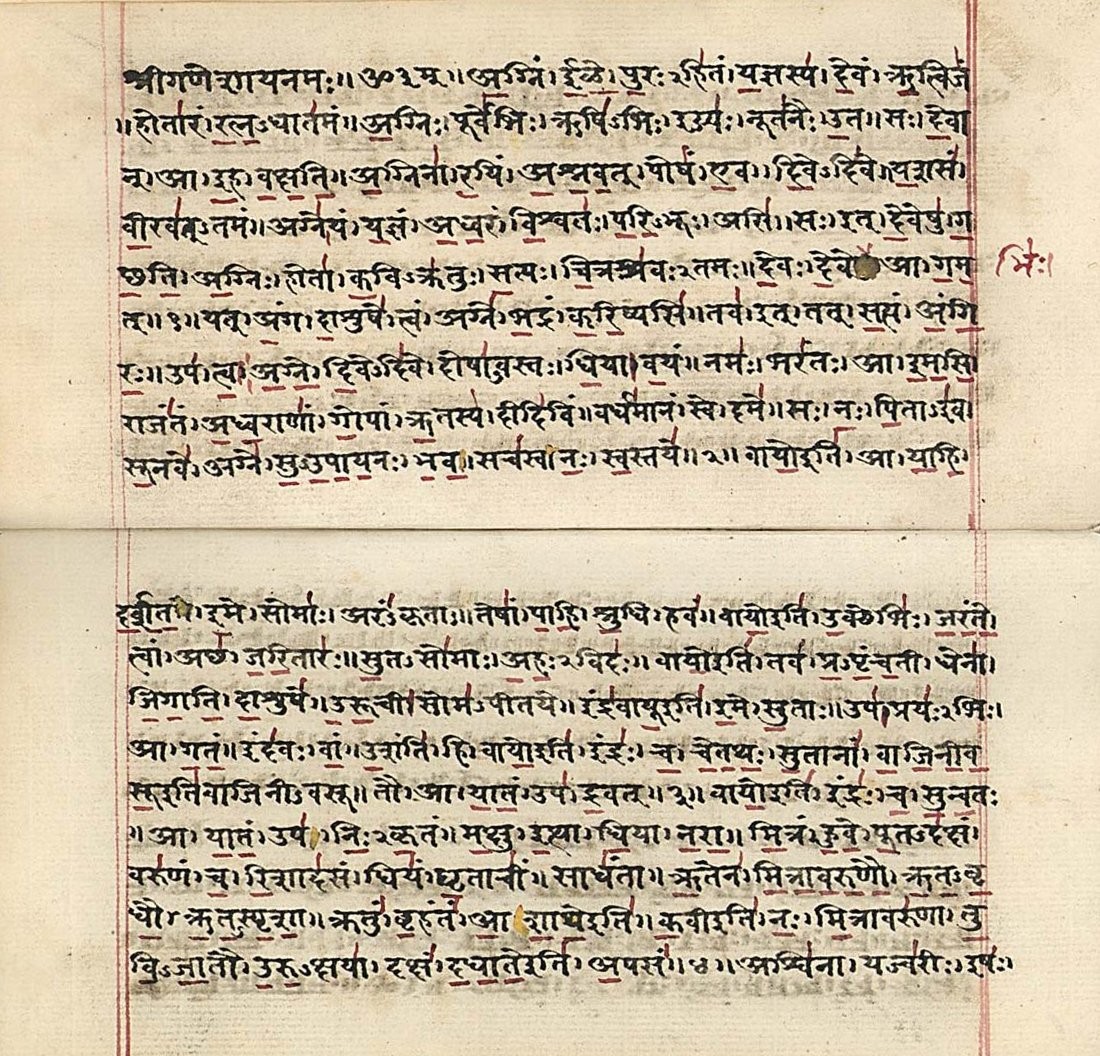
Rig Veda composed

In the Punjab, poets compose the hymns of the Rig Veda to Indra, Agni, and the gods of the sacrifice; the collection becomes the oldest and most authoritative layer of Hindu scripture, preserved orally with exacting precision for millennia.
Punjab
c. 800–400 BCE

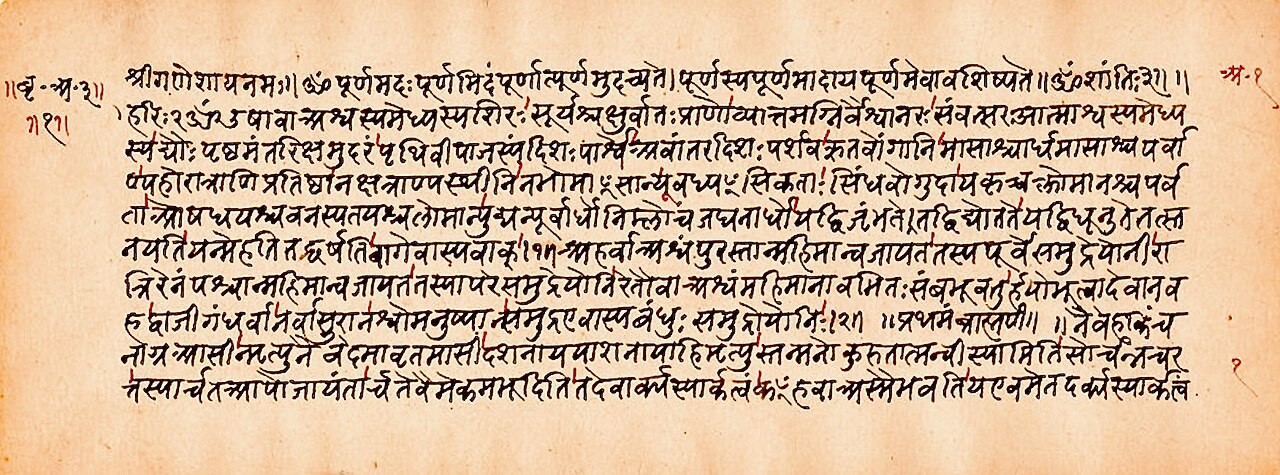
Principal Upanishads

Forest teachers and their students compose the early Upanishads, turning from the sacrifice to the knowledge of atman and brahman; the texts become the philosophical foundation on which every later school of Vedanta builds its reading.

Northern India

Classical

c. 400 BCE–200 CE

Mahabharata composed

Across centuries of composition, the Mahabharata grows into the largest epic of the ancient world, the war of the Bharata cousins carrying law, kingship, devotion, and doubt inside one vast story; Krishna's counsel and Shiva's appearances stand within it side by side.

Northern India
c. 200 BCE–200 CE

Ramayana composed

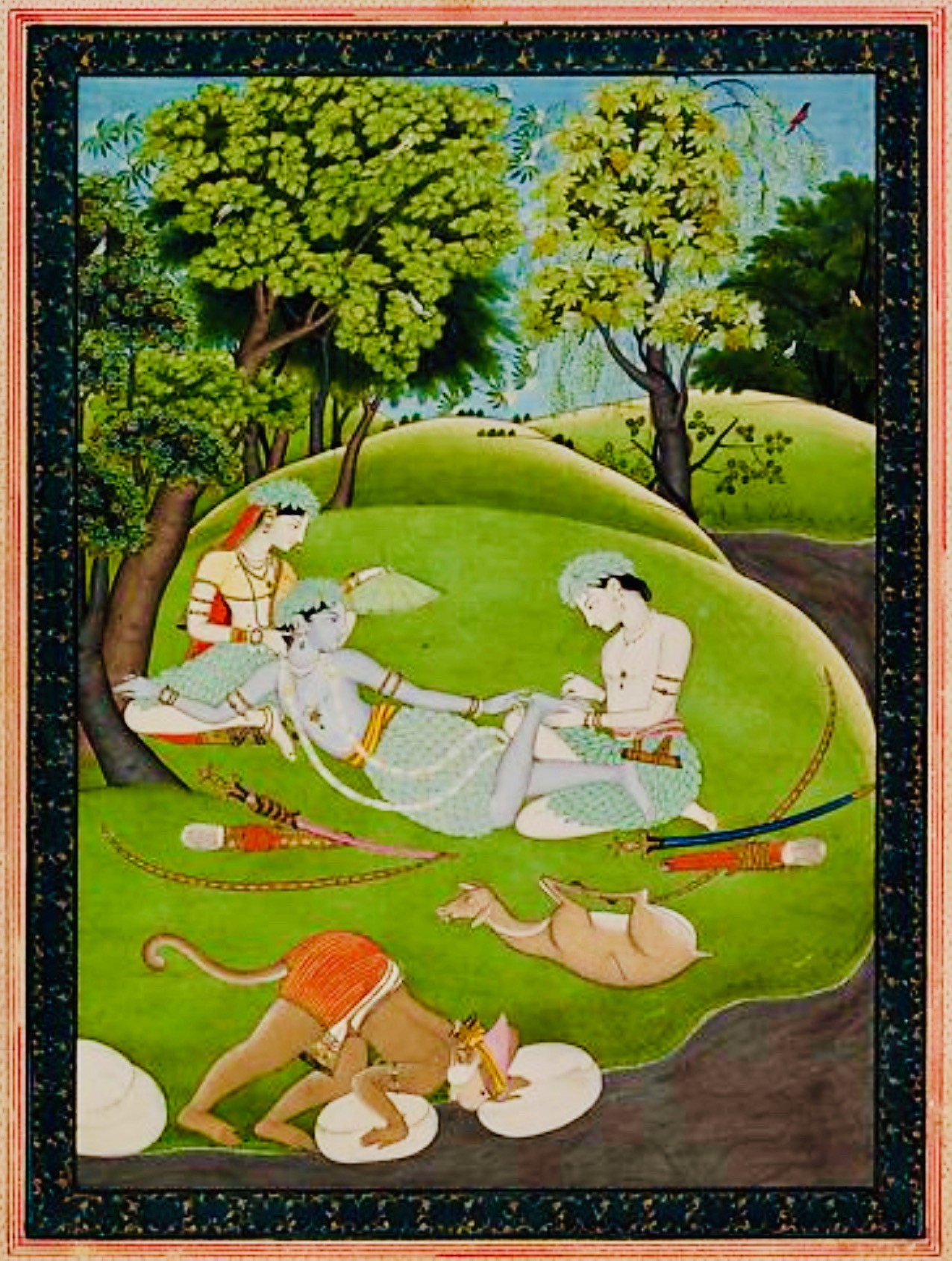
Valmiki's Ramayana tells of Rama, the exiled prince whose conduct embodies dharma, and of Sita and Hanuman; Rama's standing as an avatar of Vishnu, present in the epic's framing books, makes the poem a charter of Vaishnava devotion.

Northern India
c. 200 BCE–200 CE

Bhagavad Gita

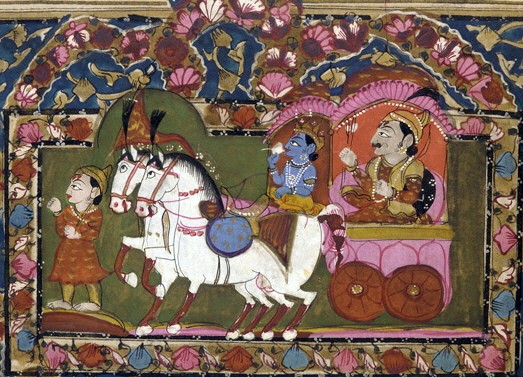
On the field of Kurukshetra, Krishna teaches the warrior Arjuna the paths of action, knowledge, and devotion; set inside the Mahabharata, the Gita becomes the most commented and most carried scripture of Hindu life, read by every Vedanta school as one of the three foundations.

Kurukshetra
320–550

Gupta Empire

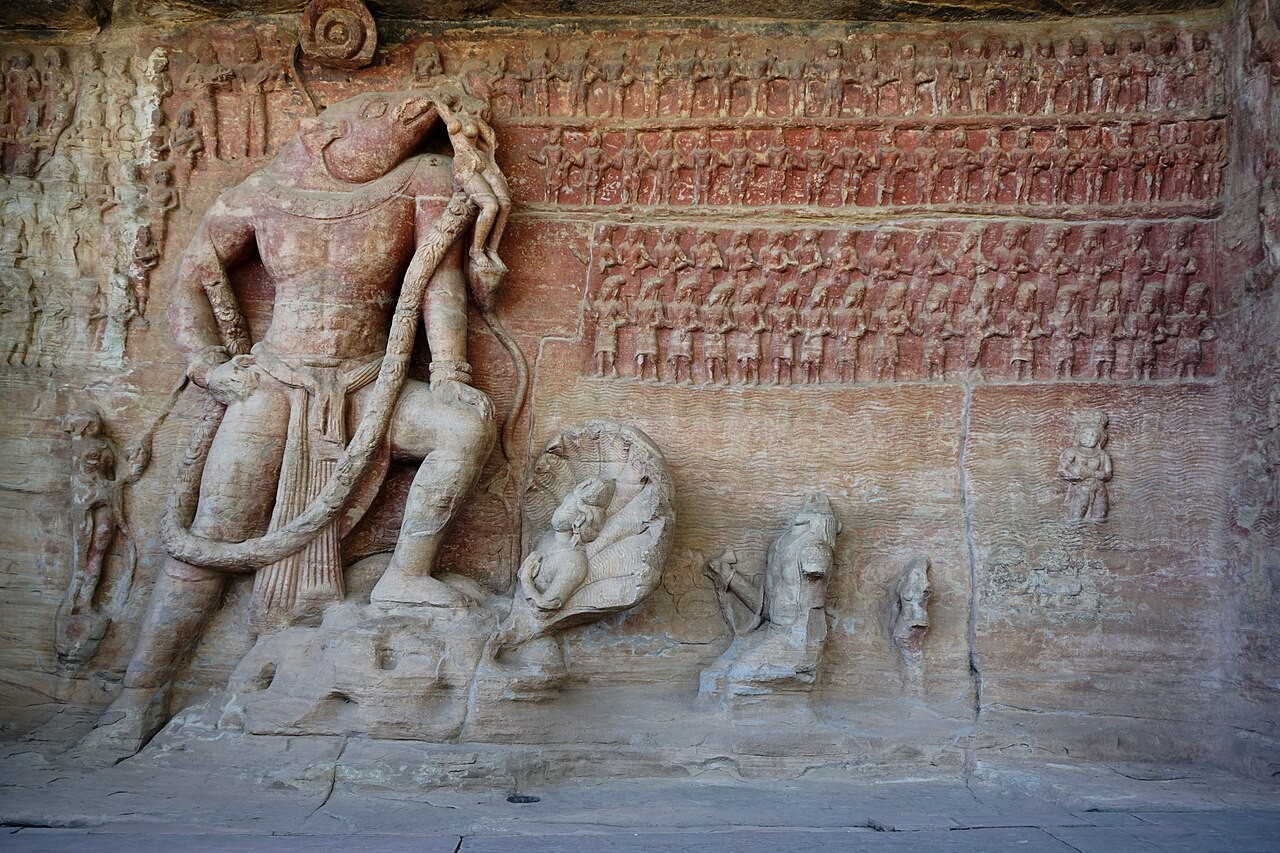
The Gupta emperors rule most of northern India in an age that fixes the classical forms of Hindu temple, image, and Purana; royal patronage flows to Vishnu and Shiva alike, and the imperial style becomes the reference for centuries of temple building.

Pataliputra
c. 400–450 CE

Bhagavata Purana

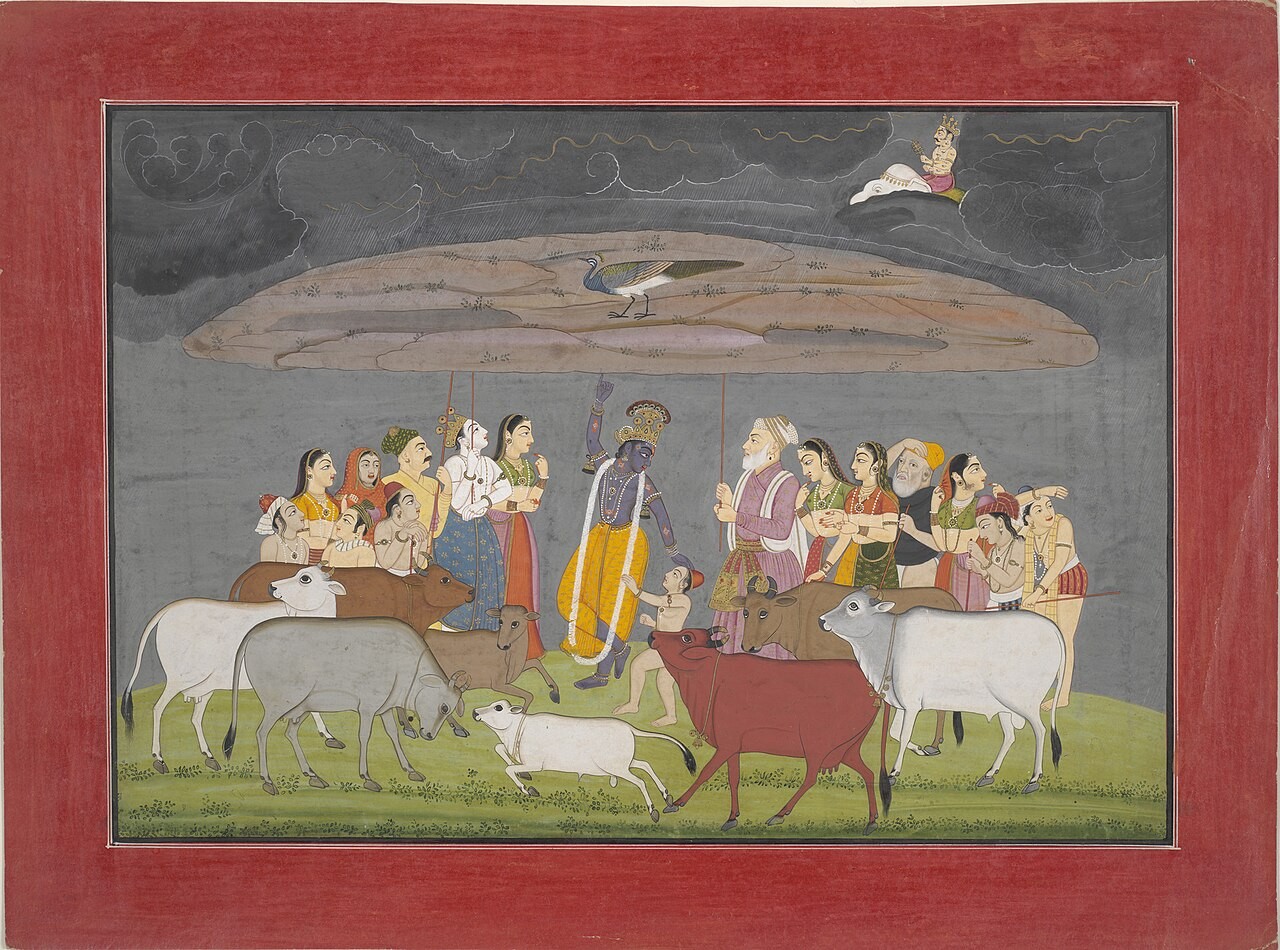
The Bhagavata Purana retells Vishnu's descents and gives Krishna's childhood and loves their fullest telling; its tenth book becomes the seedbed of Krishna devotion, quoted and sung wherever Krishna is worshipped.

India
1017–1137

Ramanuja

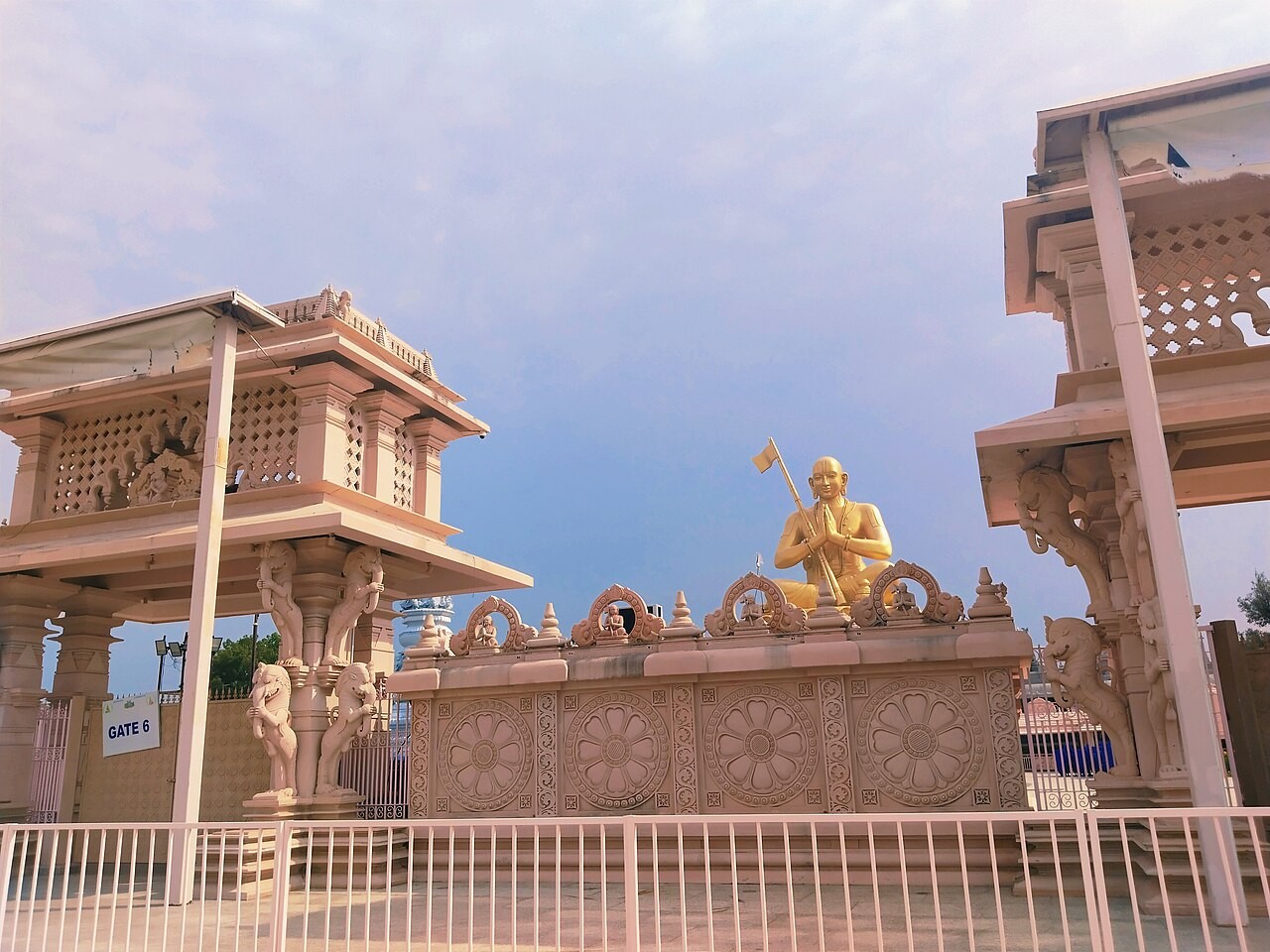
Ramanuja teaches Vishishtadvaita, the qualified non-dualism in which souls and world are God's body, and opens the Sri Vaishnava community's teaching beyond a narrow circle; his Sri Bhashya stands against Shankara's reading of the same texts.

Srirangam

Medieval

1238–1317

Madhva

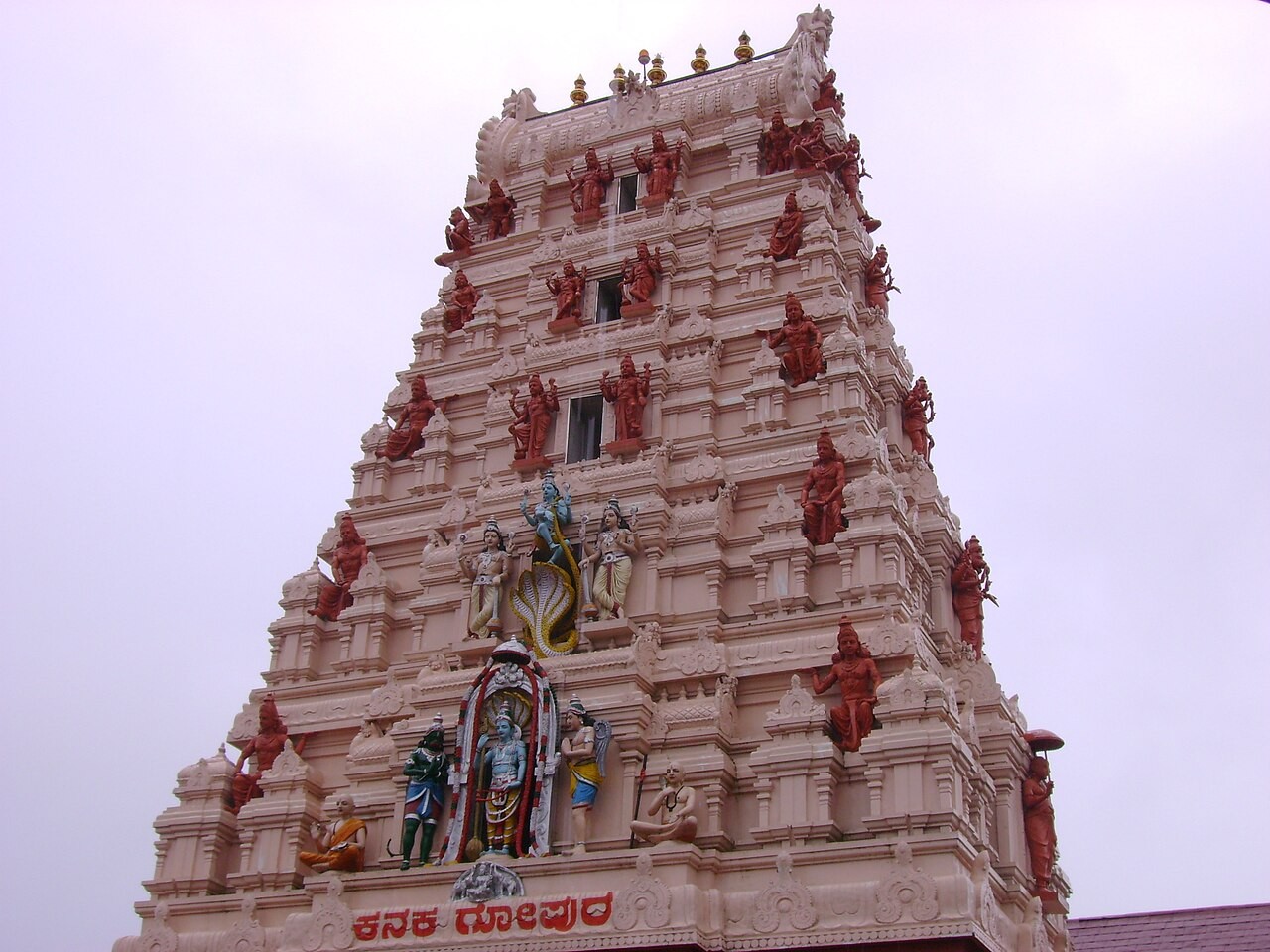
Madhva teaches Dvaita, the strict dualism of God and soul, founds the Krishna temple at Udupi, and sets the Haridasa devotion in motion; his reading of the Vedanta stands as the third great system beside Shankara's and Ramanuja's.

Udupi
15th century

Kabir

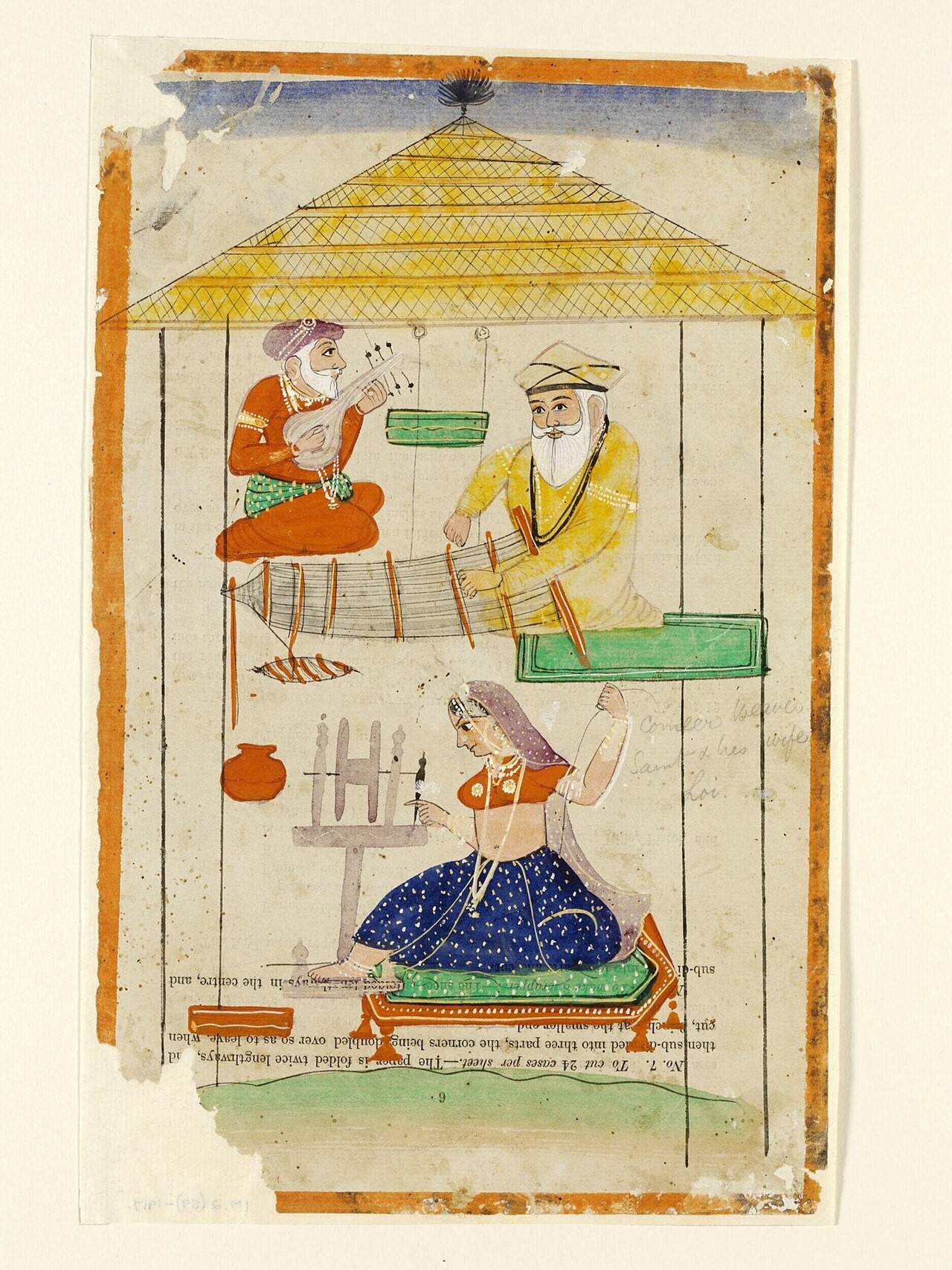
The weaver Kabir of Banaras sings of the one Ram who is no temple god, mocking the orthodoxies of Hindu and Muslim alike; his verses pass into the Sikh scripture, the Dadu Panth's collections, and the Kabir Panth, claimed and contested by all of them.

Banaras
1498–1550

Mirabai

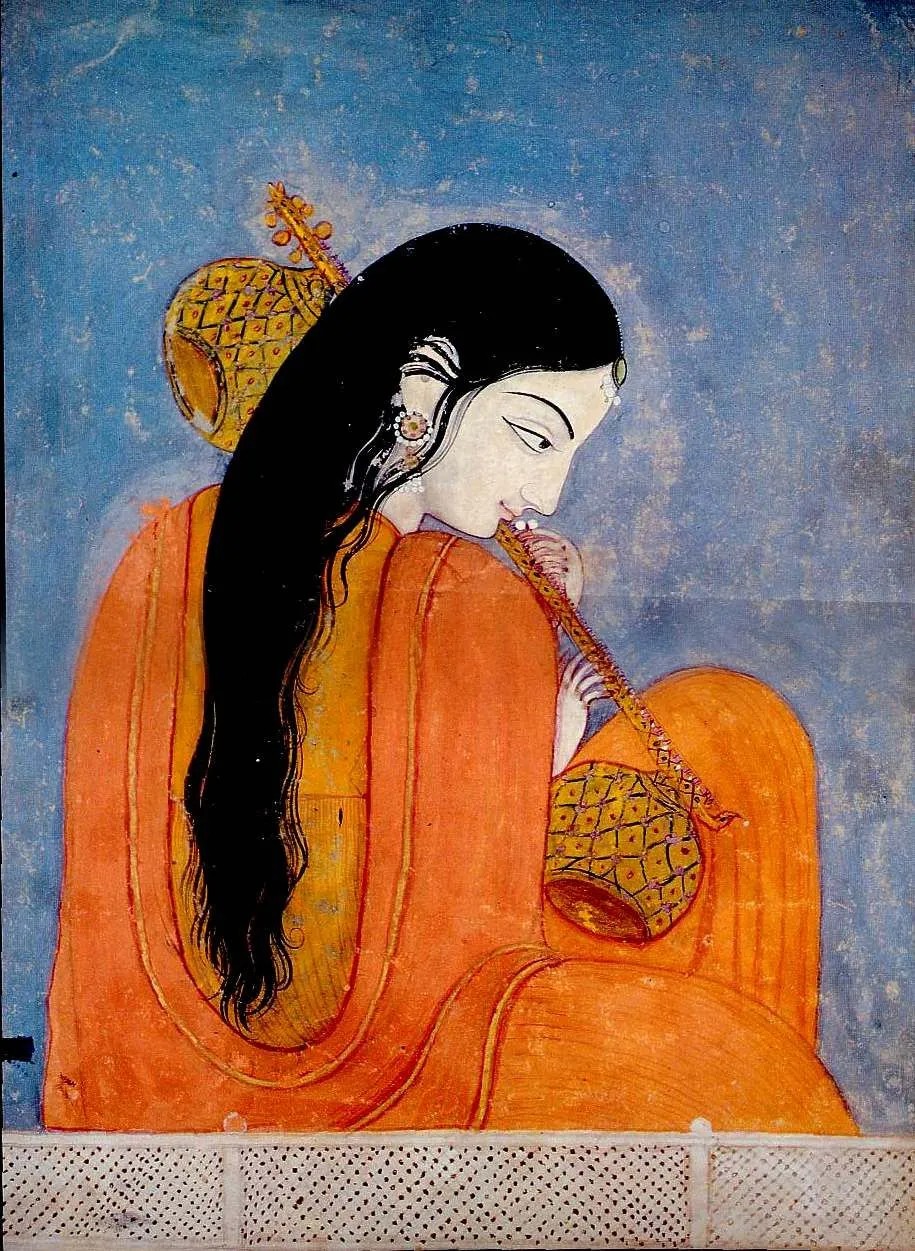
The Rajput princess Mirabai refuses widowhood's rules for devotion to Krishna, sings her padas across Rajasthan and Gujarat, and becomes the beloved figure of the woman saint whose only lord is Giridhar; her historicity rests on the songs and the tradition that keeps them.

Merta and Vrindavan
1532–1623

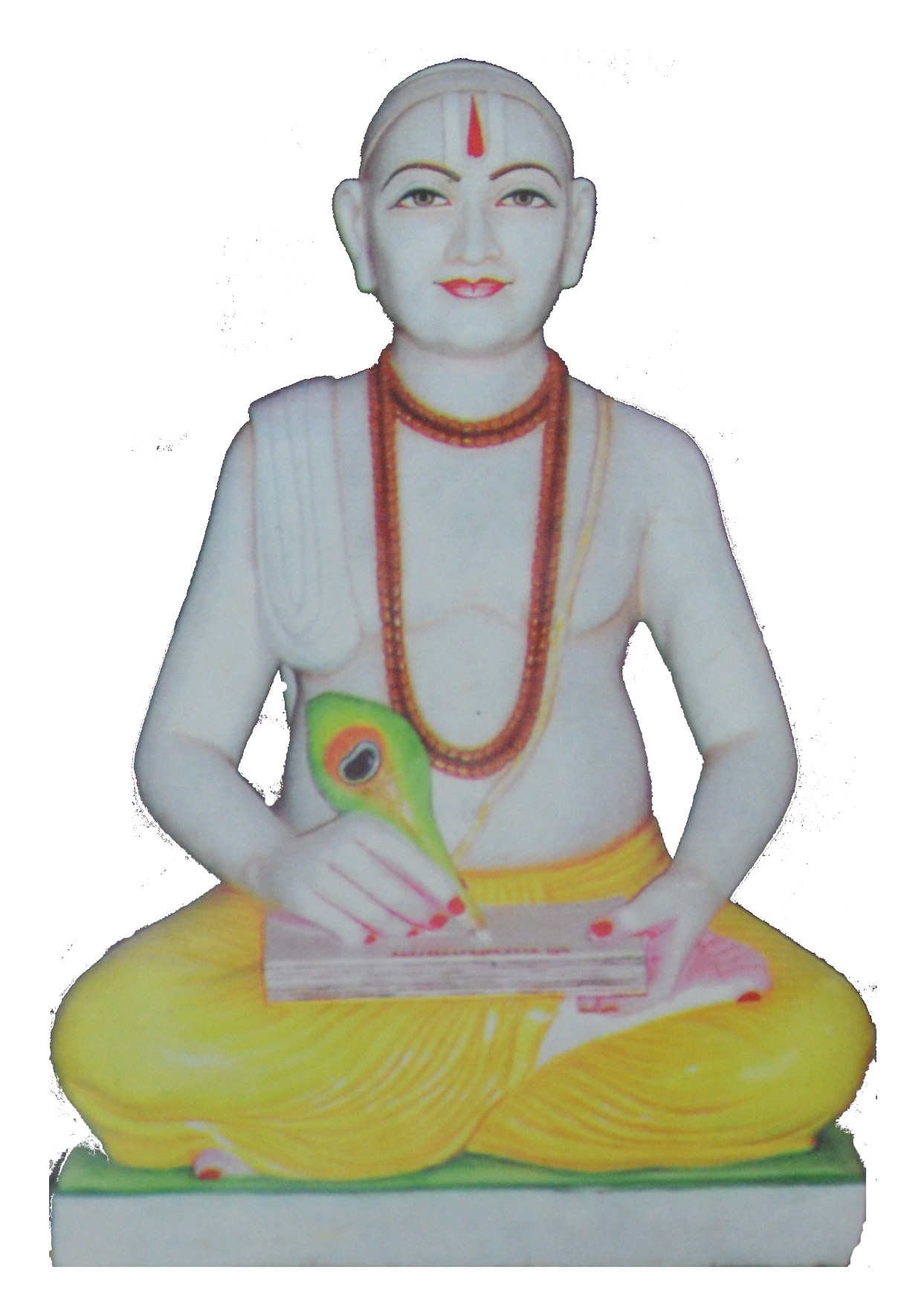
Tulsidas

Tulsidas retells Rama's story in Awadhi as the Ramcharitmanas, the lake of Rama's deeds; the poem carries Rama devotion into north Indian homes and becomes the most beloved Hindu book of the Hindi belt, recited whole in village readings.

Banaras

Modern

1966

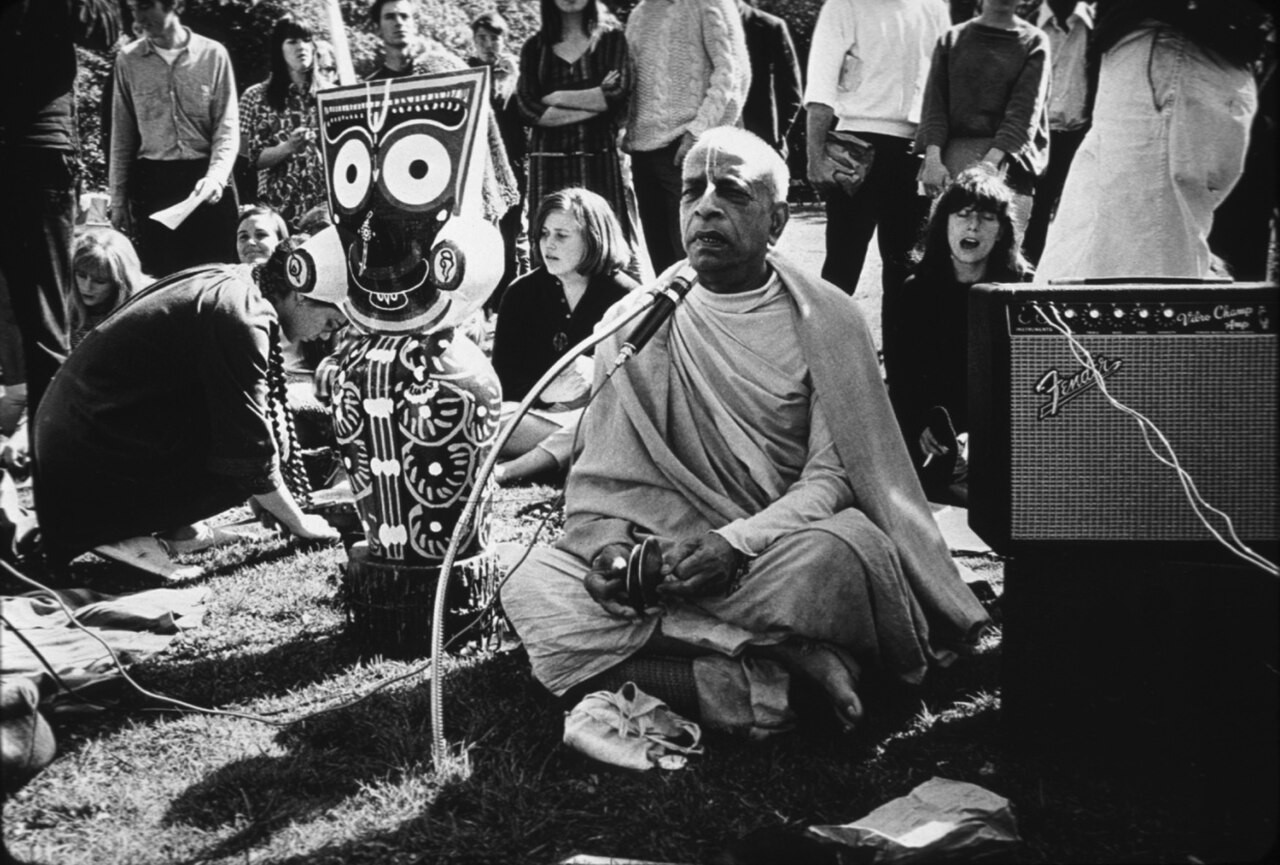
ISKCON founded in New York

A. C. Bhaktivedanta Swami Prabhupada founds the International Society for Krishna Consciousness in New York, carrying Gaudiya Vaishnava devotion to Krishna across the West; its temples, festivals, and translations of the Bhagavata Purana make it the most visible Hindu movement abroad.

New York