Hinduism

The Hindu Reform Movements stream of the Hinduism timeline.

Streams: All of Hinduism Shaivism Shaktism Vaishnavism Smarta Tradition Hindu Reform Movements Arya Samaj ISKCON

Medieval

15th century

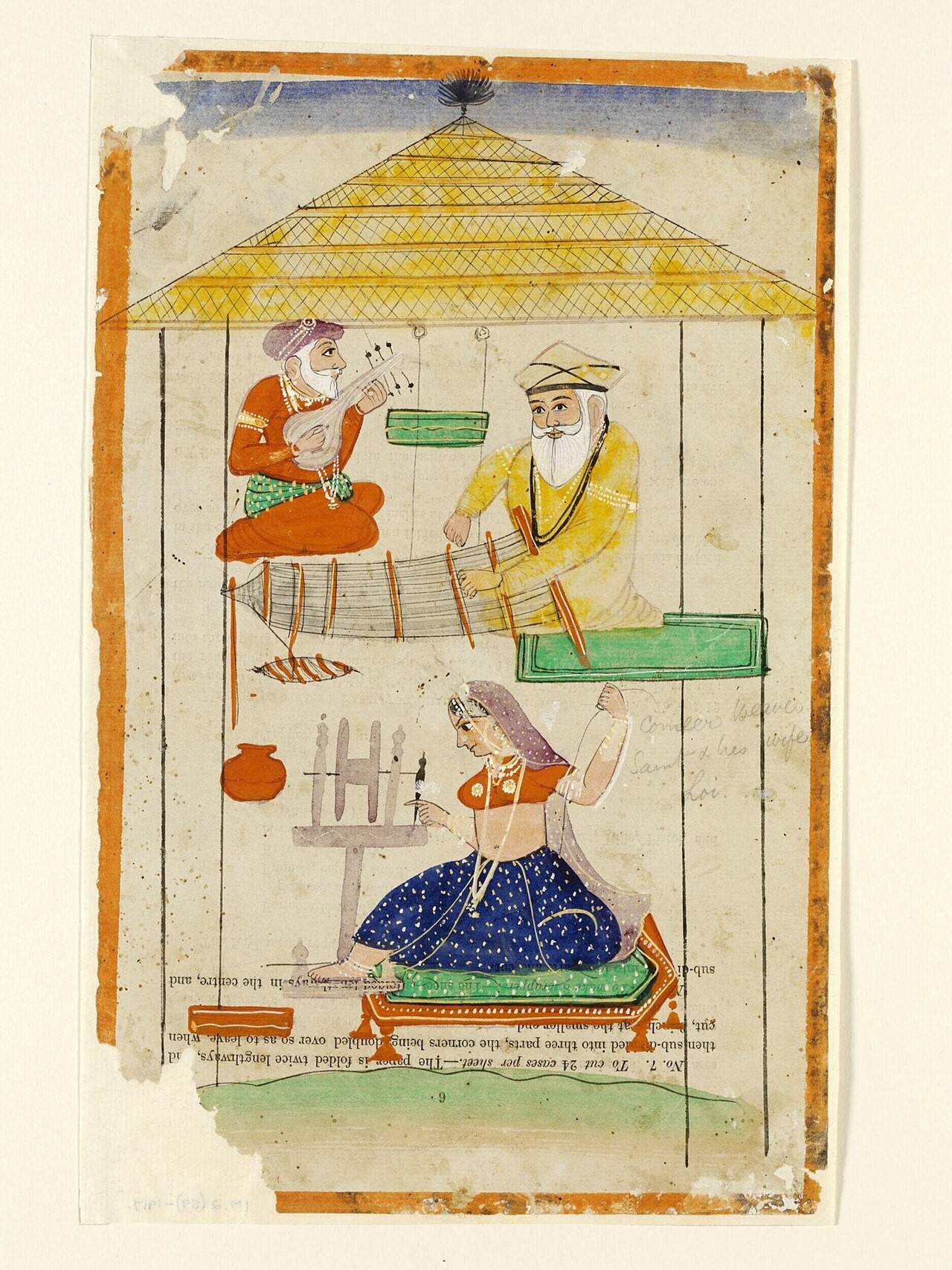
Kabir

The weaver Kabir of Banaras sings of the one Ram who is no temple god, mocking the orthodoxies of Hindu and Muslim alike; his verses pass into the Sikh scripture, the Dadu Panth's collections, and the Kabir Panth, claimed and contested by all of them.
Banaras

Colonial

1772–1833

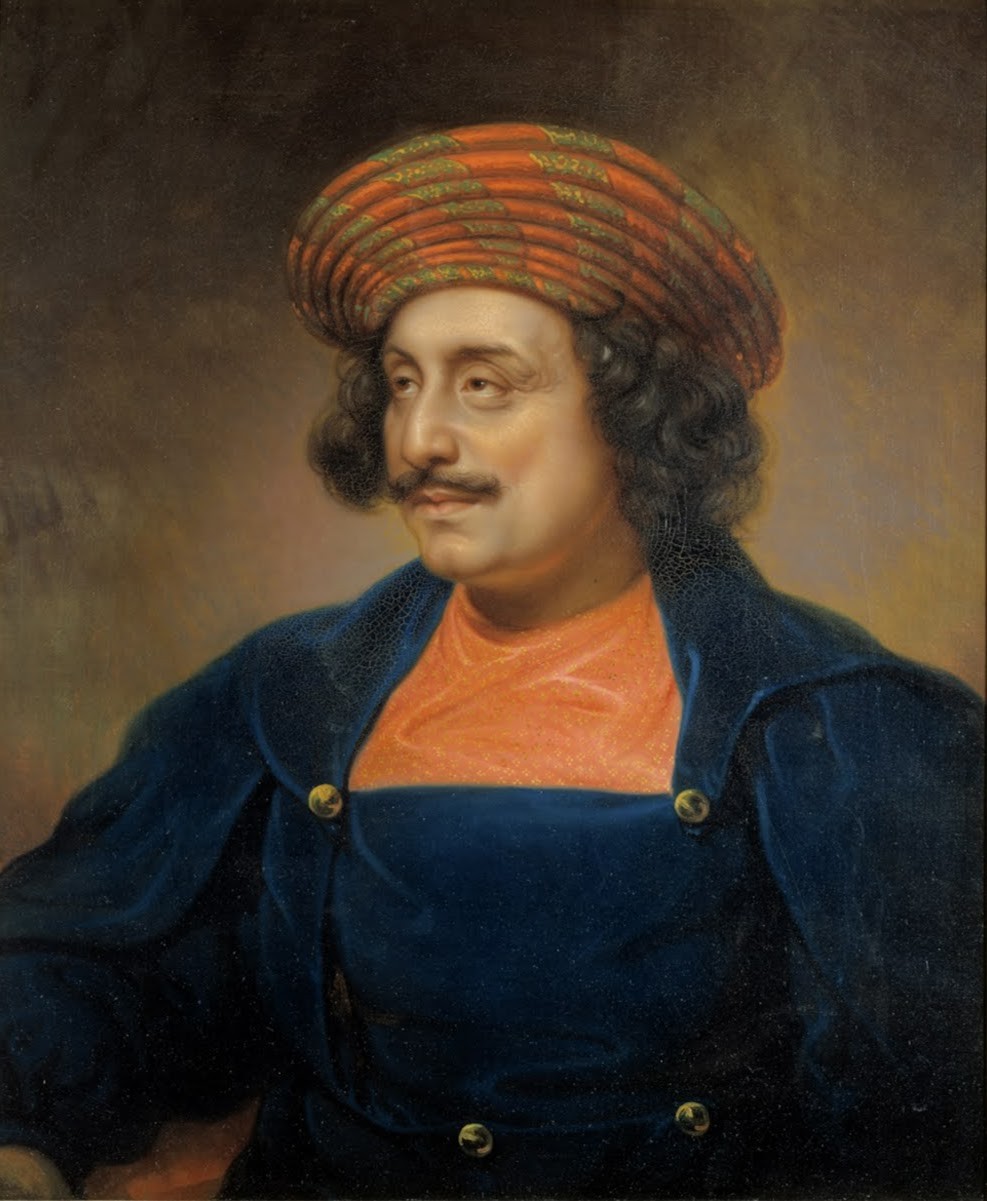
Ram Mohan Roy

Ram Mohan Roy argues from the Upanishads for one God without image, founds the Brahmo Samaj, and campaigns against sati until its abolition in 1829; he opens the age of Hindu reform, in which India's traditions answer print, missions, and empire with their own scriptures.

Calcutta
1824–1883

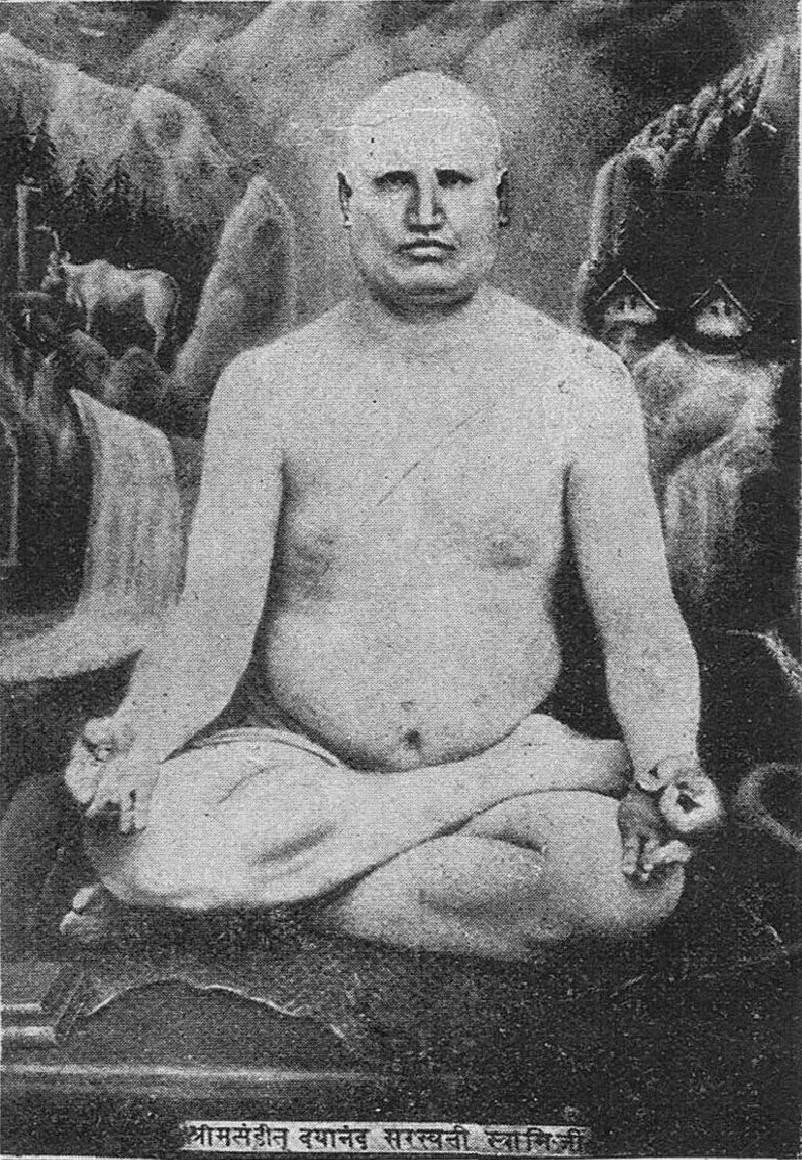
Dayananda Saraswati

Dayananda Saraswati calls India back to the Vedas alone, rejecting image worship and later scripture in the Satyarth Prakash, and founds the Arya Samaj; his slogan and his schools shape an assertive, reforming Hinduism across the north.

Morvi and across India
1828

Brahmo Samaj founded

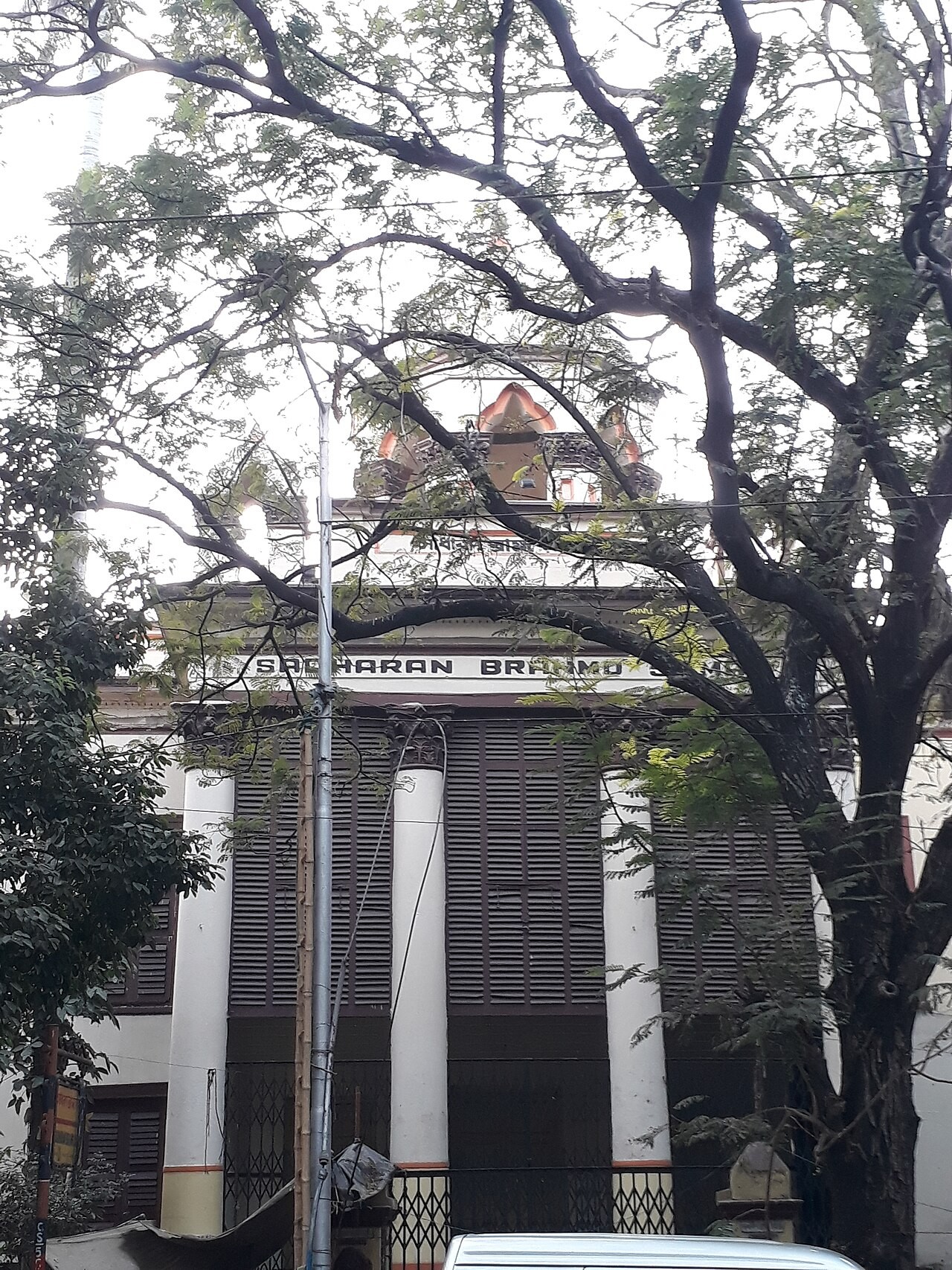
Ram Mohan Roy and his companions found the Brahmo Sabha, soon the Brahmo Samaj, in Calcutta, worshipping one formless God from Upanishadic texts; the Samaj becomes the first of the modern Hindu reform movements and a seedbed of Bengal's public life.

Calcutta
1836–1886

Ramakrishna

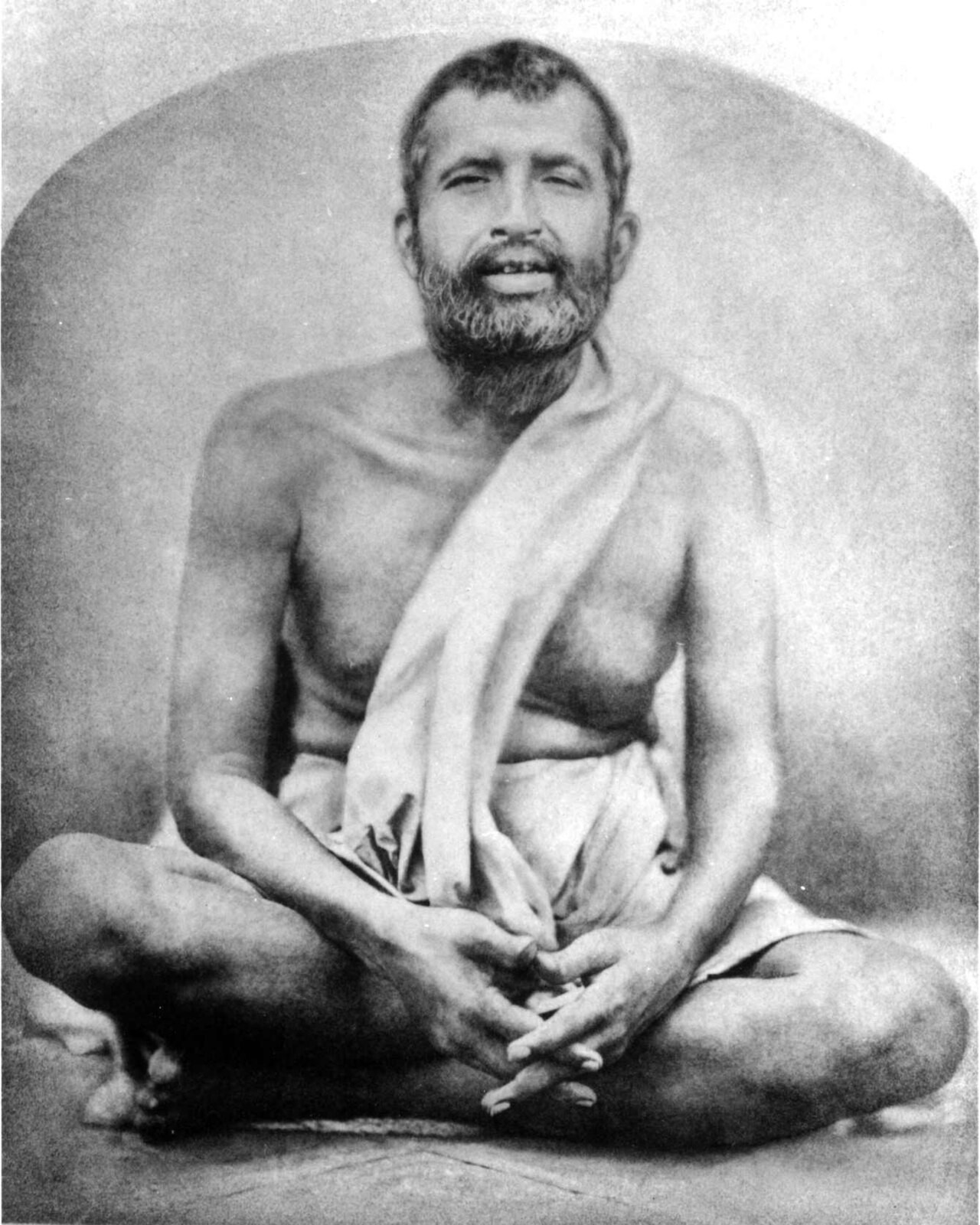
The temple priest Ramakrishna of Dakshineswar worships Kali with total devotion, then practices Islam and Christianity and declares every path reaches the same goal; his disciple circle and his recorded conversations make him the saint of India's religious pluralism.

Dakshineswar
1863–1902

Vivekananda

Ramakrishna's disciple Vivekananda carries Vedanta to the West, founds the Ramakrishna Mission for service and teaching, and calls India to strength through its own spiritual inheritance; his short life sets the pattern of the modern Hindu teacher.

Calcutta
1875

Arya Samaj founded

Dayananda Saraswati founds the Arya Samaj in Bombay on the authority of the Vedas alone; its schools, its shuddhi campaigns, and its refusal of image worship and caste by birth spread a reforming Hinduism across northern and western India.

Bombay
1893

Parliament of Religions, Chicago

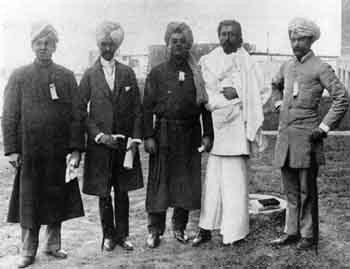
At the World's Parliament of Religions in Chicago, Vivekananda addresses the assembly as sisters and brothers of America and presents Hinduism as a universal religion of acceptance; the Parliament opens the modern era of Hindu teaching in the West.

Chicago
1897

Ramakrishna Mission founded

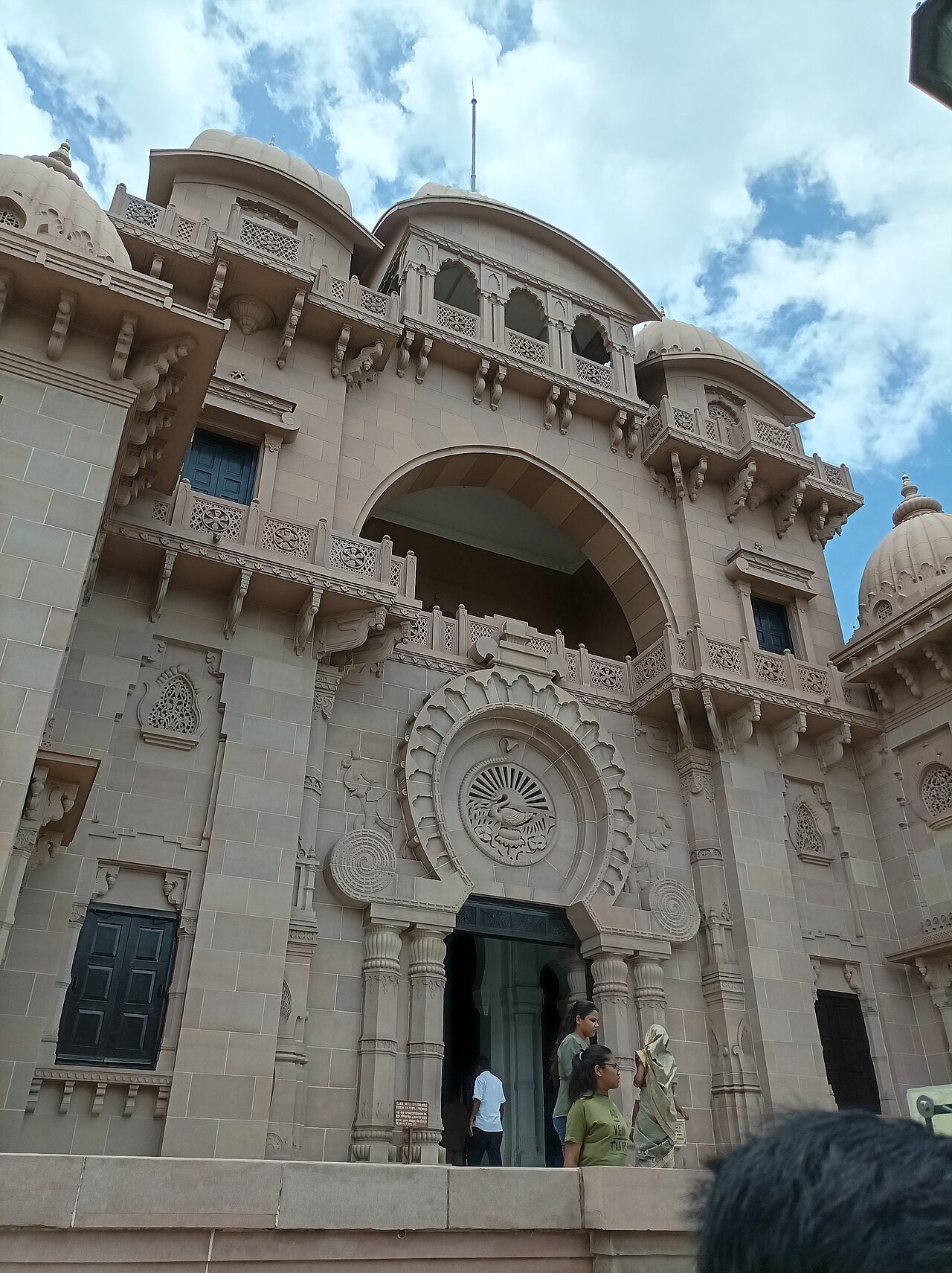
Vivekananda founds the Ramakrishna Mission in Calcutta, joining the monastery at Belur with schools, hospitals, and relief work; the Mission gives the reform age its enduring institution, devotion expressed as service to the poor as God.

Calcutta
1915

Hindu Mahasabha founded

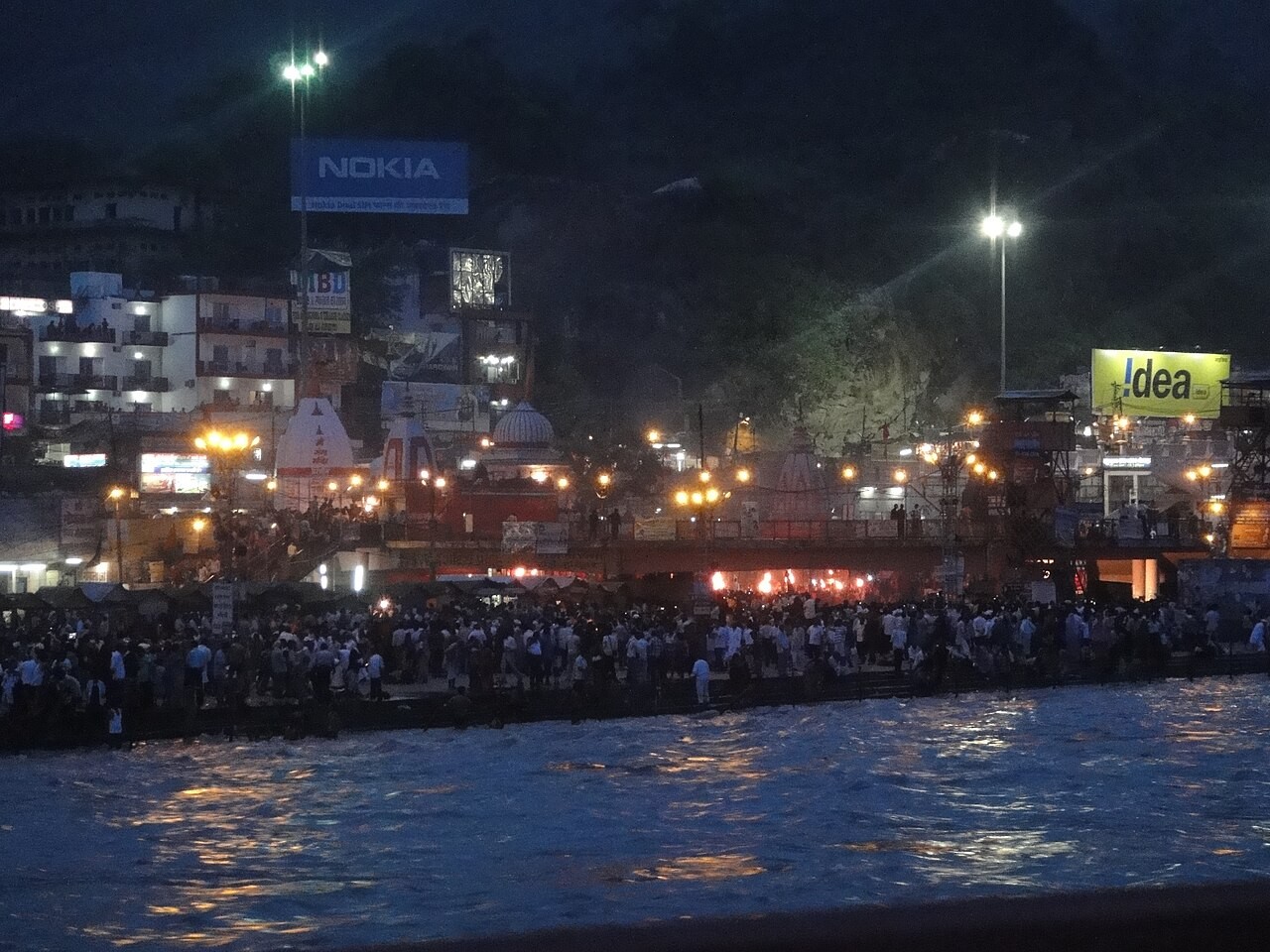
Hindu leaders found the Hindu Mahasabha at Haridwar to organize Hindu society and represent its interests in the politics of late colonial India; under Savarkar it later gives Hindu nationalism its name, Hindutva.

Haridwar
1920

Self-Realization Fellowship founded

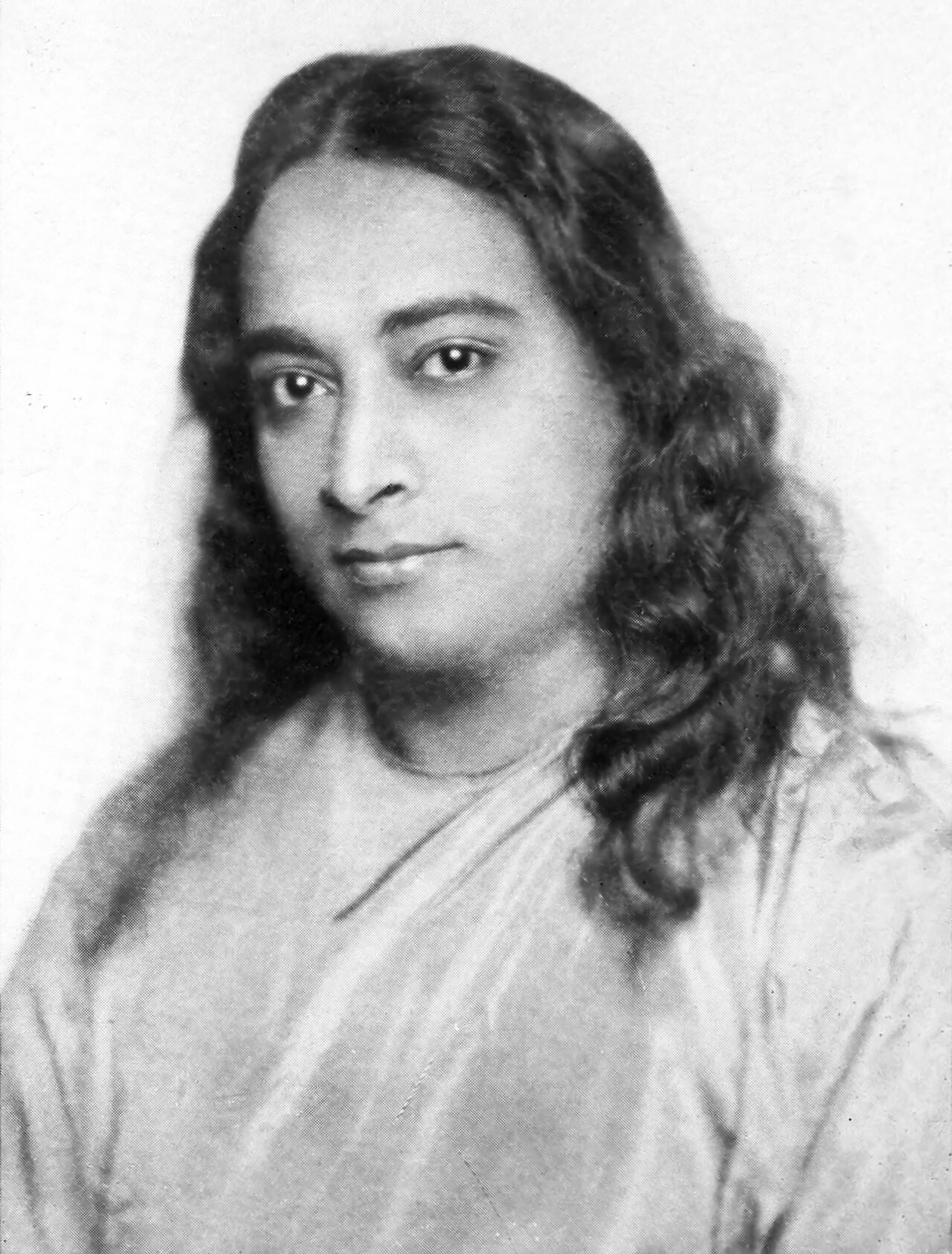
Paramahansa Yogananda founds the Self-Realization Fellowship in Los Angeles to teach Kriya Yoga in the West; his Autobiography of a Yogi (1946) becomes one of the most read Hindu books of the century, carrying yoga's spiritual frame to a global audience.

Los Angeles
1925

RSS founded

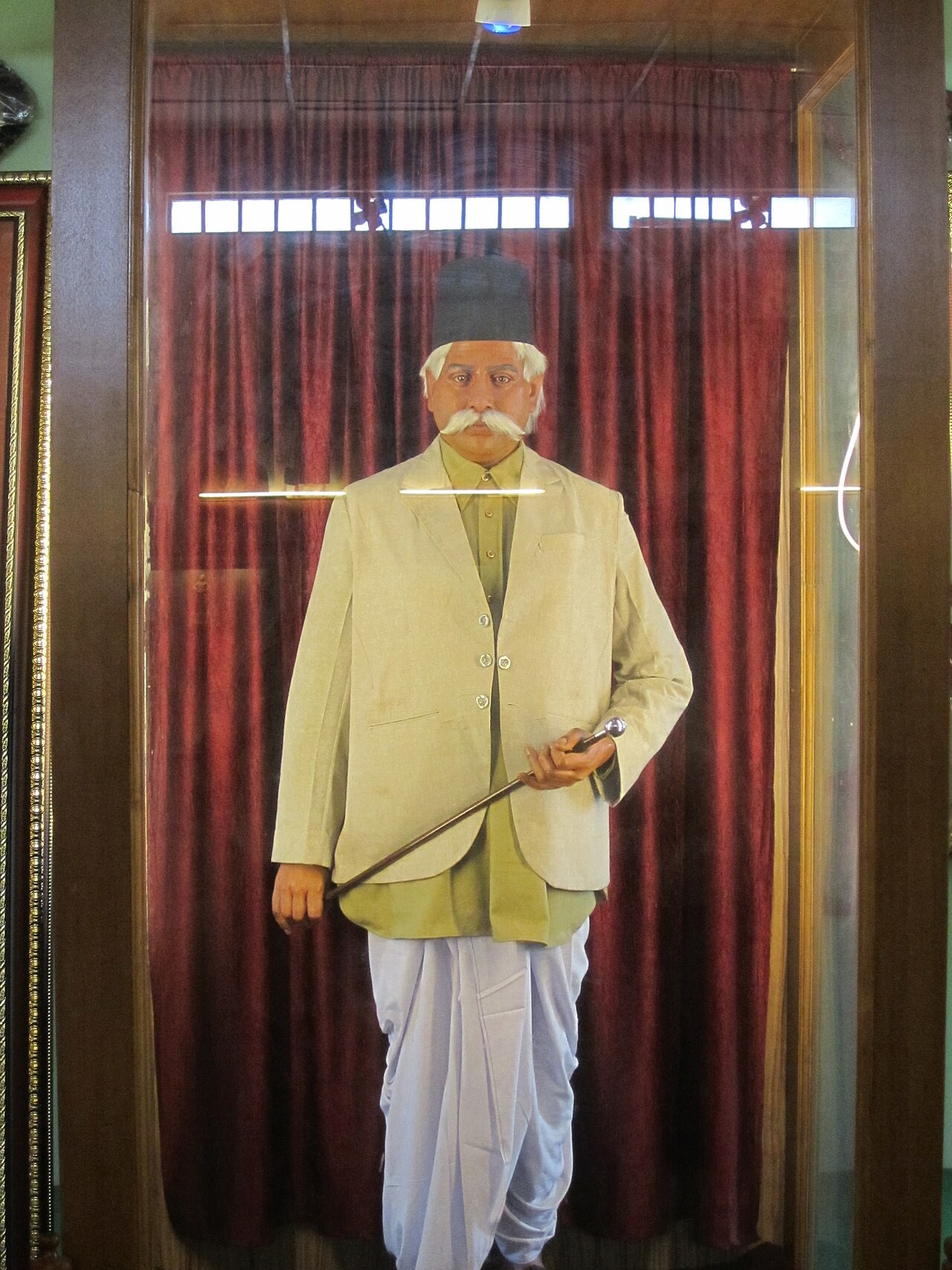
K. B. Hedgewar founds the Rashtriya Swayamsevak Sangh in Nagpur on Vijayadashami, organizing Hindu men and boys in daily shakhas of drill, discipline, and teaching; the Sangh grows into the center of a family of organizations that reshapes Indian politics.

Nagpur
1947

Partition

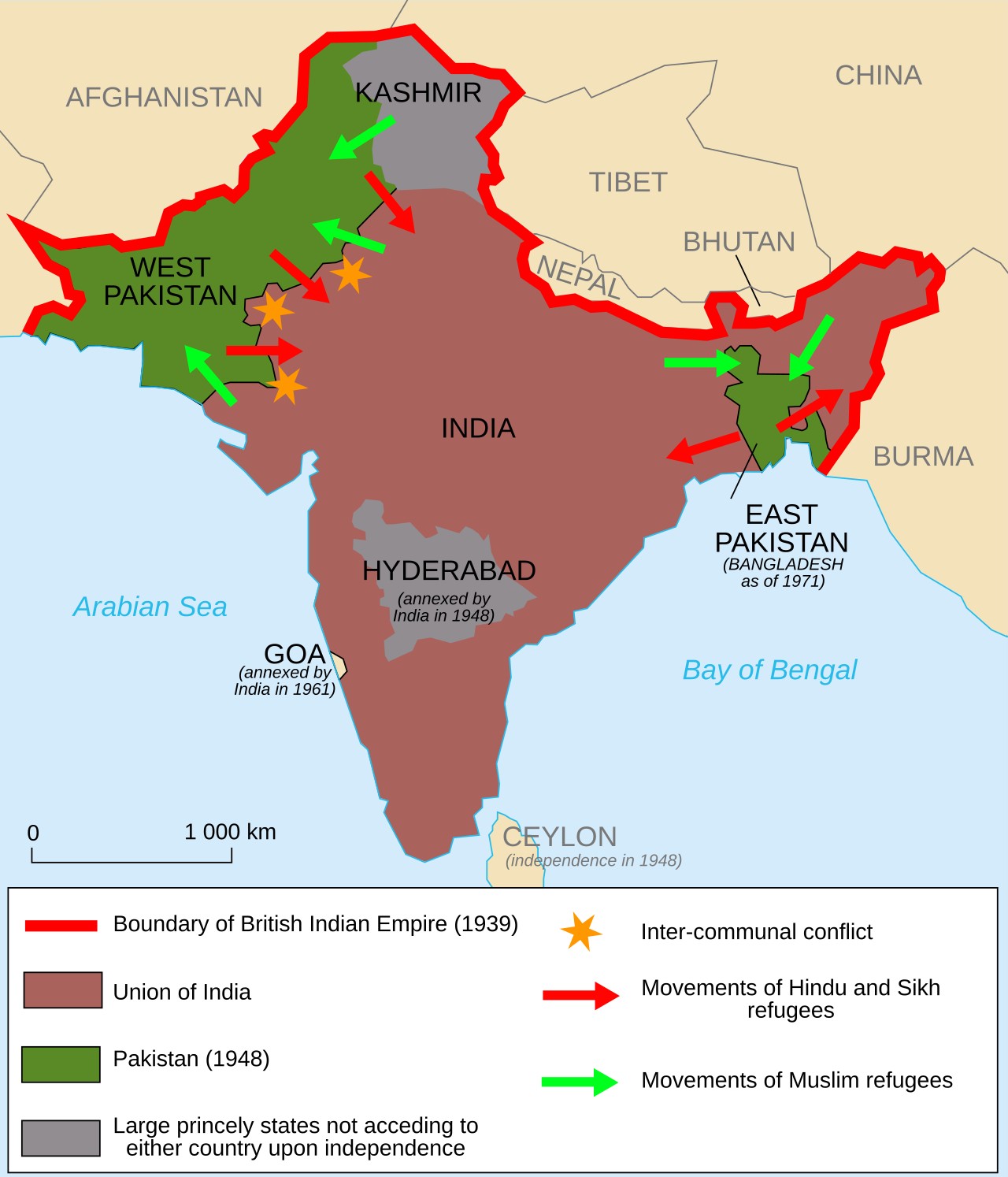
British India is divided into India and Pakistan at independence; the Punjab and Bengal are split, millions are displaced, and between several hundred thousand and a million people are killed in the violence, leaving the two nations' memories of each other marked to this day.

Delhi, Lahore, Calcutta

Modern

1992

Babri Masjid demolition

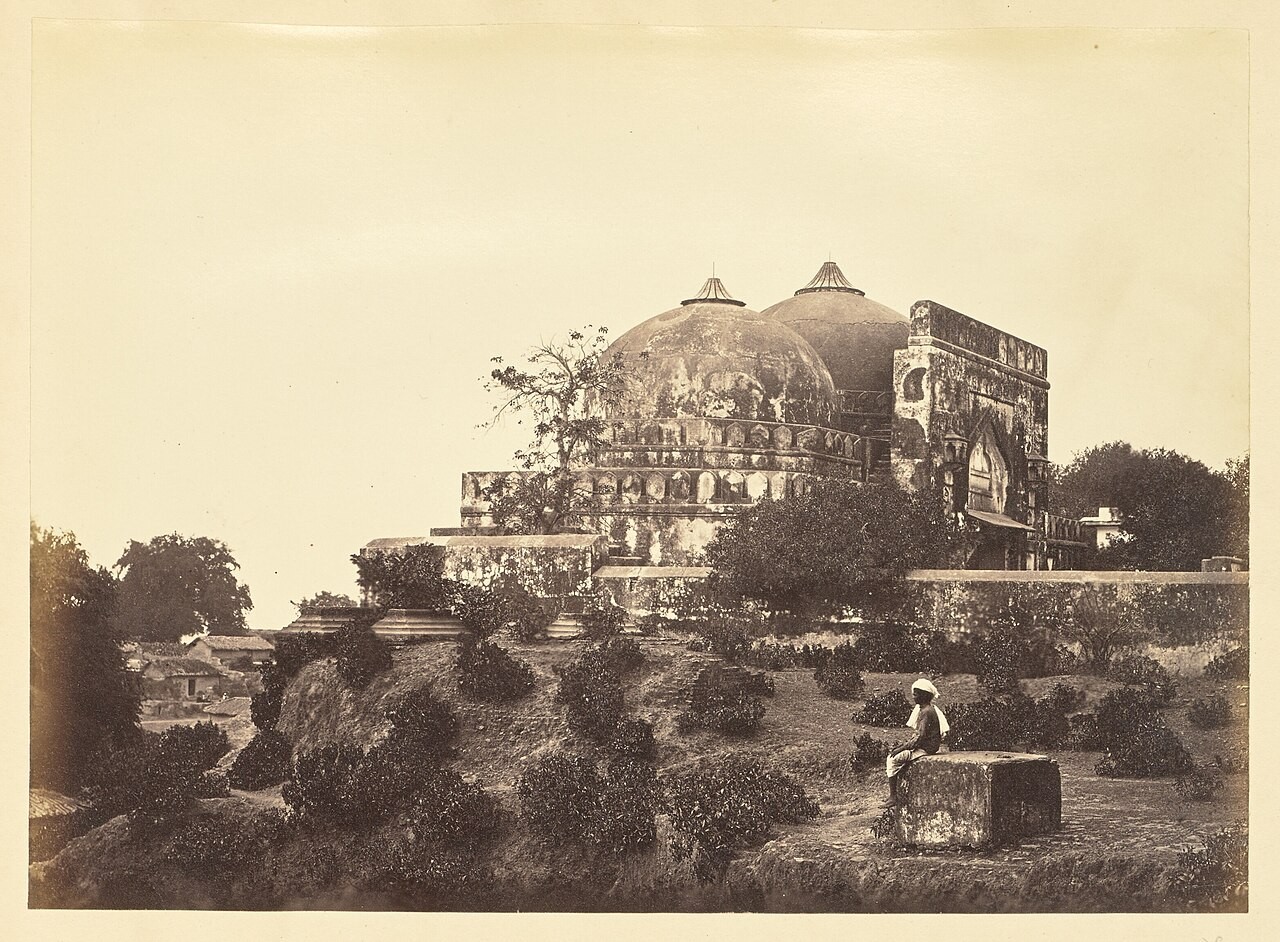
A crowd mobilized by the Ayodhya movement demolishes the Babri Masjid, a mosque built in 1528, claiming the site as Rama's birthplace; riots across India kill about two thousand people, and the dispute runs through the courts until the Supreme Court awards the site for a temple in 2019.

Ayodhya
2014

Modi elected

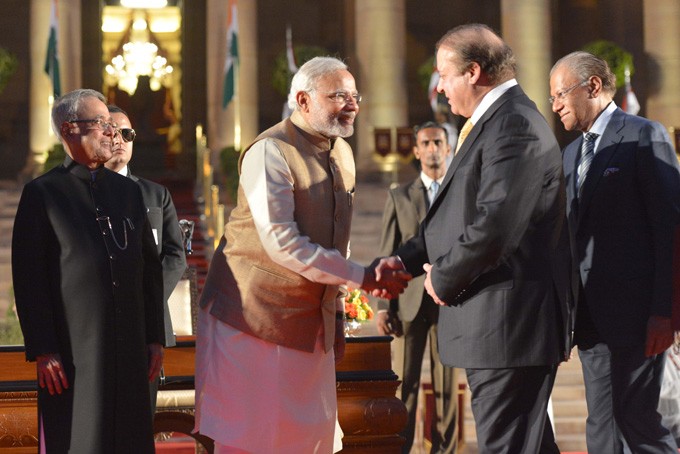
Narendra Modi, formed in the RSS and chief minister of Gujarat, leads the Bharatiya Janata Party to the first single-party majority in thirty years and becomes prime minister; his governments put Hindu nationalist themes at the center of Indian public life.

New Delhi
2021

Hindu Heritage Month declared (US)

American Hindu organizations win recognition of October as Hindu Heritage Month from legislatures and governors in states across the United States, marking the community's arrival as a settled part of American religious life.

United States