Hinduism

The Smarta Tradition stream of the Hinduism timeline.

Streams: All of Hinduism Shaivism Shaktism Vaishnavism Smarta Tradition Hindu Reform Movements Arya Samaj ISKCON

Indus and Vedic

c. 800–400 BCE

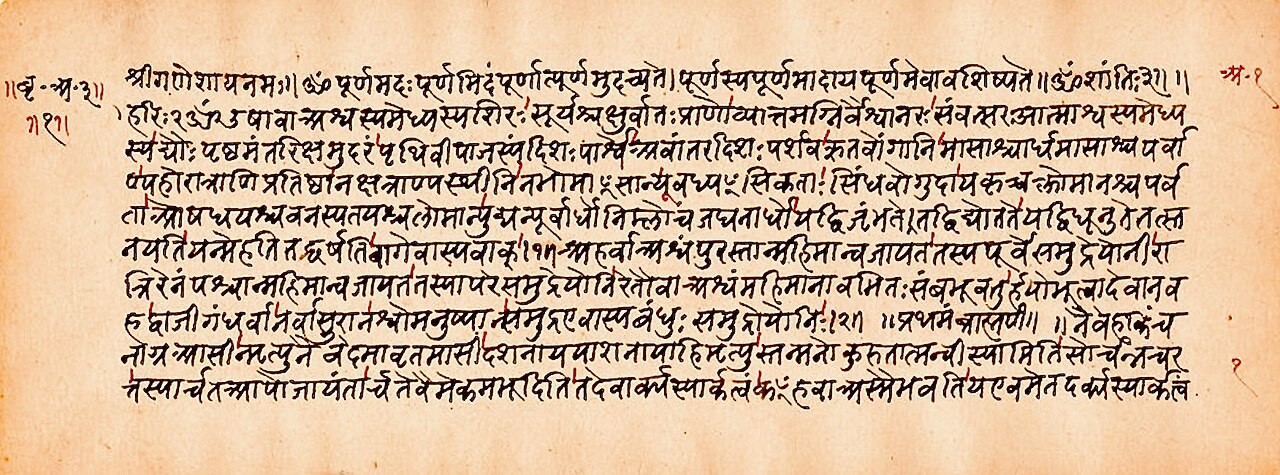
Principal Upanishads

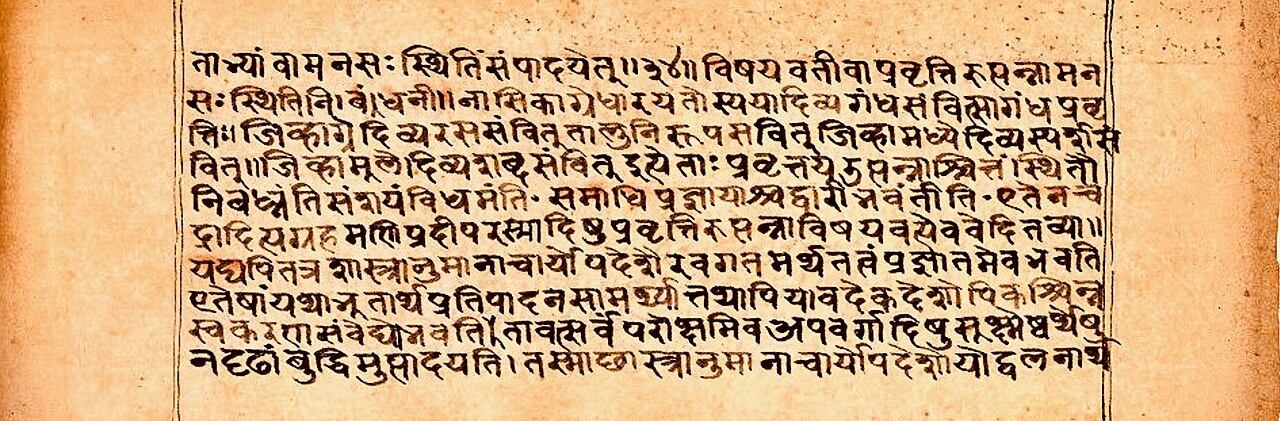
Forest teachers and their students compose the early Upanishads, turning from the sacrifice to the knowledge of atman and brahman; the texts become the philosophical foundation on which every later school of Vedanta builds its reading.
Northern India

Classical

c. 400 BCE–200 CE

Mahabharata composed

Across centuries of composition, the Mahabharata grows into the largest epic of the ancient world, the war of the Bharata cousins carrying law, kingship, devotion, and doubt inside one vast story; Krishna's counsel and Shiva's appearances stand within it side by side.

Northern India
c. 200 BCE–200 CE

Ramayana composed

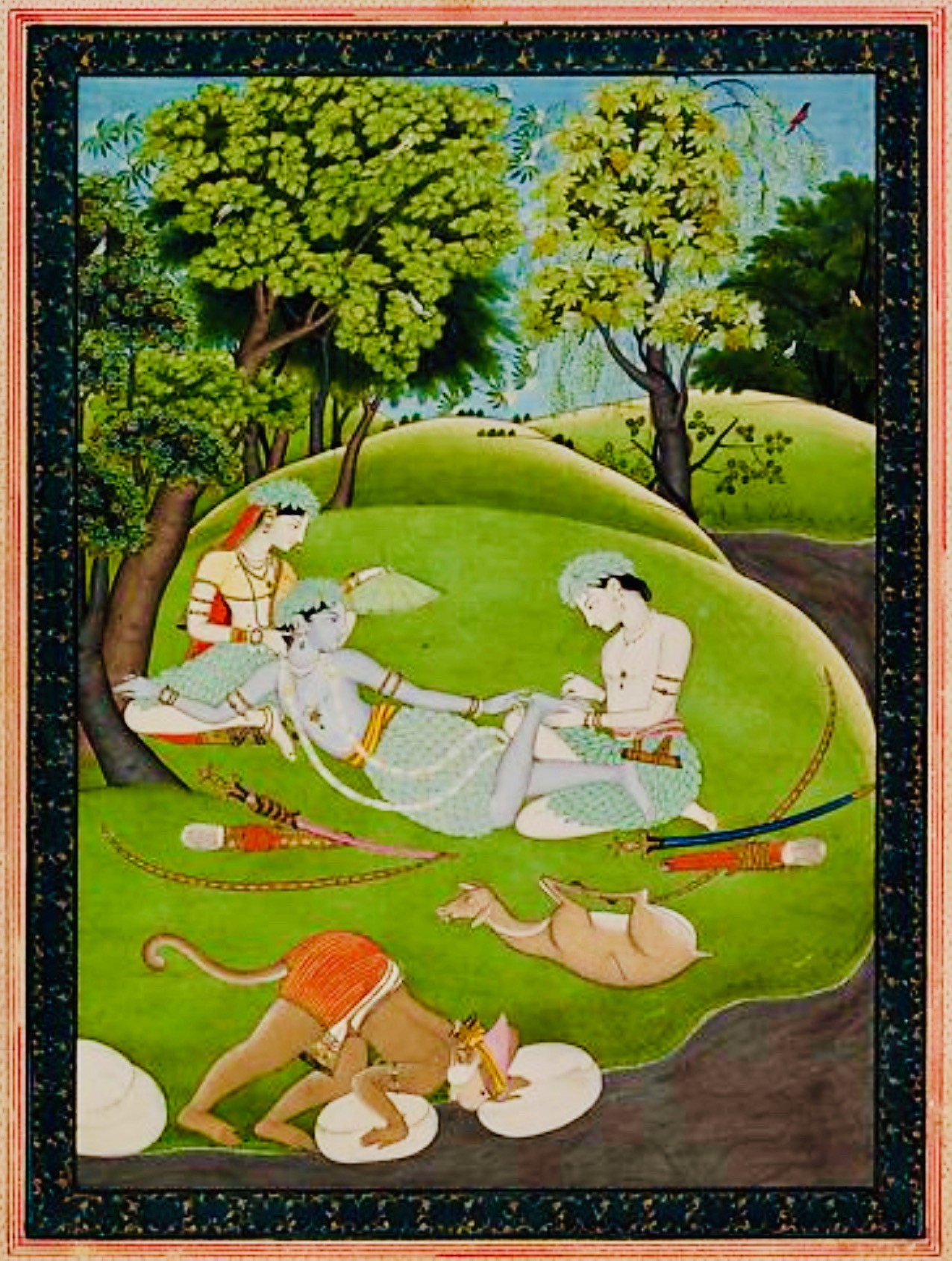
Valmiki's Ramayana tells of Rama, the exiled prince whose conduct embodies dharma, and of Sita and Hanuman; Rama's standing as an avatar of Vishnu, present in the epic's framing books, makes the poem a charter of Vaishnava devotion.

Northern India
c. 200 BCE–200 CE

Bhagavad Gita

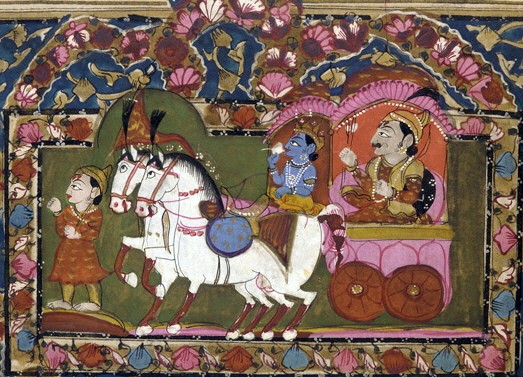
On the field of Kurukshetra, Krishna teaches the warrior Arjuna the paths of action, knowledge, and devotion; set inside the Mahabharata, the Gita becomes the most commented and most carried scripture of Hindu life, read by every Vedanta school as one of the three foundations.

Kurukshetra
c. 200 BCE–200 CE

Patanjali's Yoga Sutras

Patanjali gathers the discipline of yoga into aphorisms on stilling the mind's turnings; the Yoga Sutras become the charter text of one of the six classical schools and, much later, the reference point of the global yoga movement.

Northern India
788–820

Adi Shankara

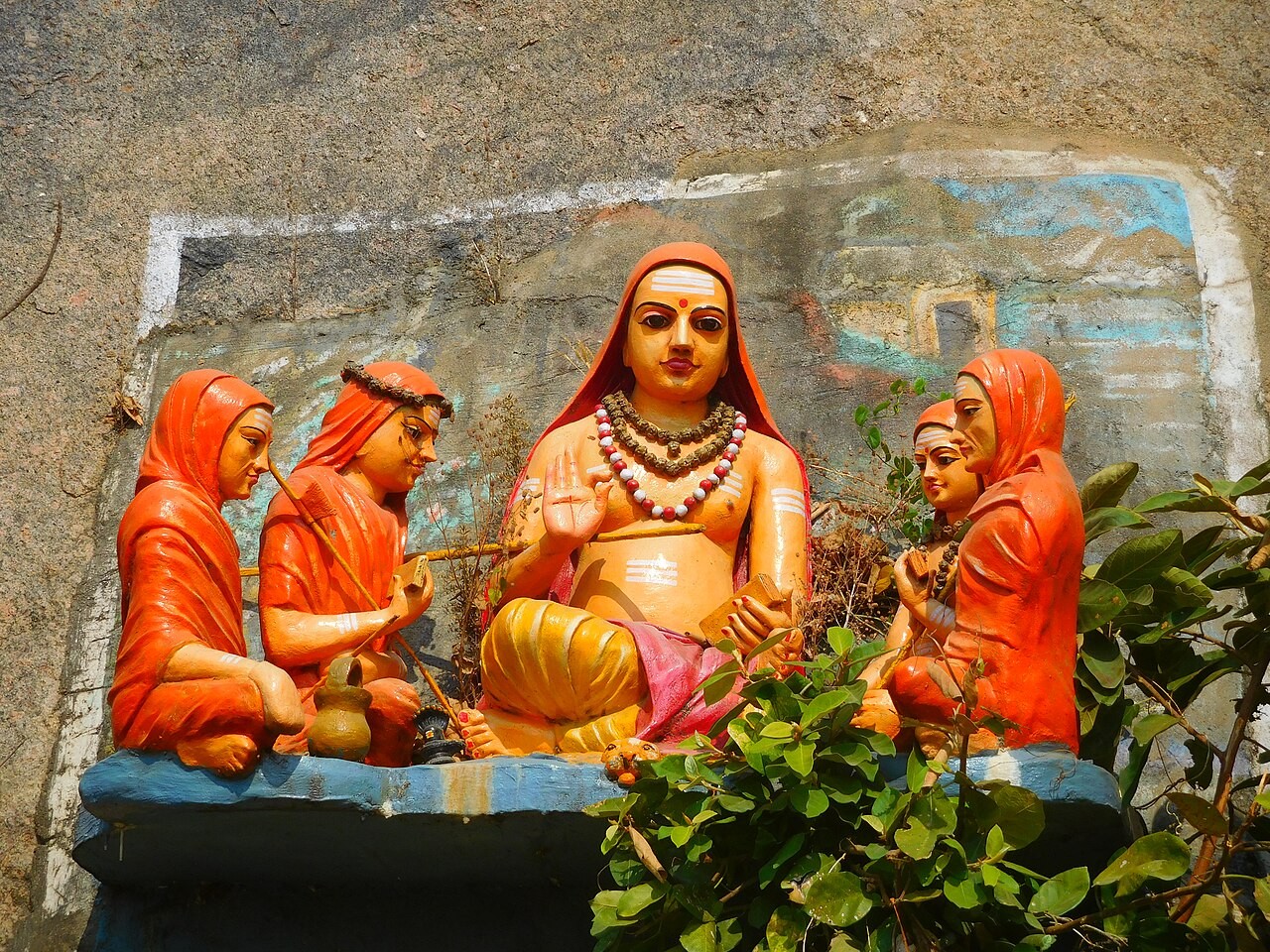
Shankara teaches Advaita, the non-duality of atman and brahman, writes the standard commentaries on the Upanishads, the Gita, and the Brahma Sutras, and is remembered as the organizer of monastic and temple orders across India.

Kalady and across India
c. 800

Shankara's cardinal mathas established

Tradition holds that Shankara founded monasteries at the four quarters of India, Sringeri in the south, Puri in the east, Dwarka in the west, and Joshimath in the north; their lineages anchor the Smarta monastic order and teach Advaita to this day.

Sringeri, Puri, Dwarka, Joshimath

Medieval

1593

Death of Appayya Dikshita

Appayya Dikshita, the great Smarta polymath of the Tamil country, dies after writing across Vedanta, poetics, and Shaiva devotion; his works model the Smarta ideal of learning held inside devotion to Shiva.

Vellore region

Colonial

1863–1902

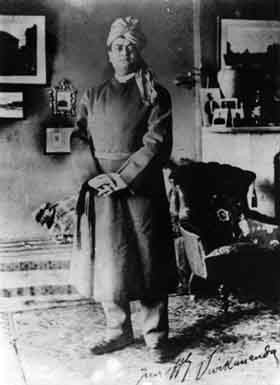
Vivekananda

Ramakrishna's disciple Vivekananda carries Vedanta to the West, founds the Ramakrishna Mission for service and teaching, and calls India to strength through its own spiritual inheritance; his short life sets the pattern of the modern Hindu teacher.

Calcutta