Hinduism

The Shaivism stream of the Hinduism timeline.

Streams: All of Hinduism Shaivism Shaktism Vaishnavism Smarta Tradition Hindu Reform Movements Arya Samaj ISKCON

Indus and Vedic

c. 3300–1300 BCE

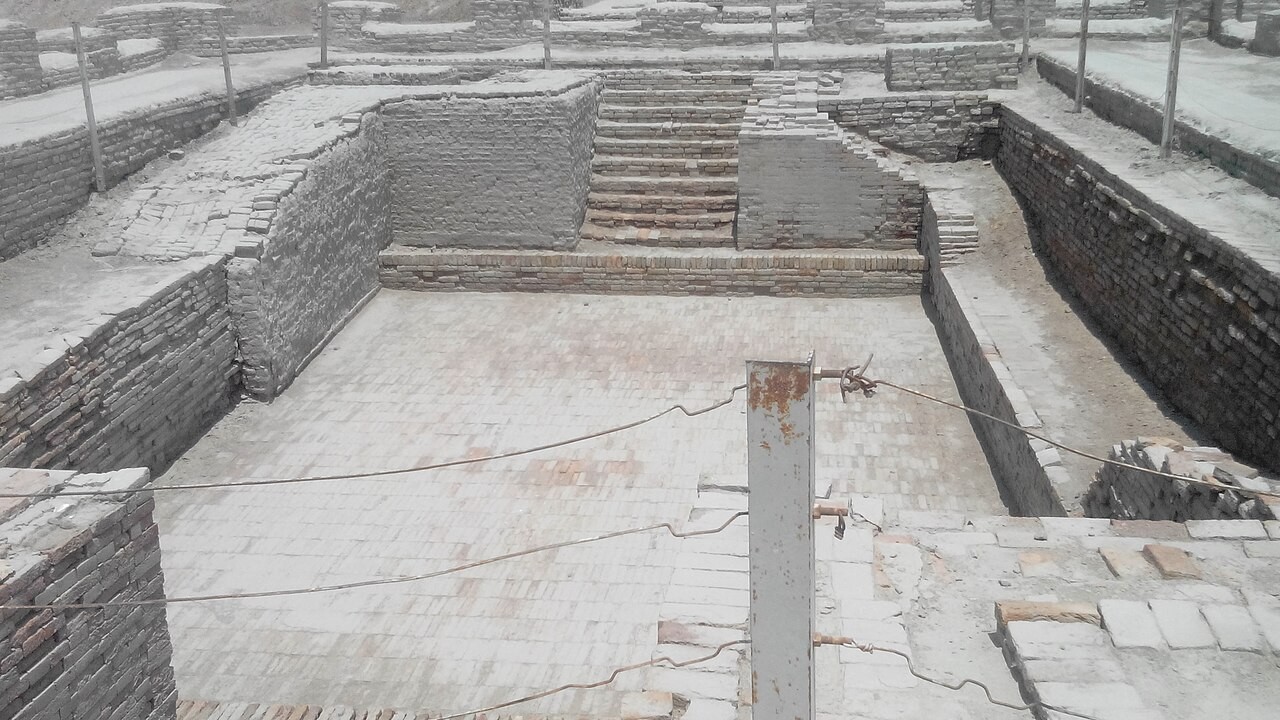
Indus Valley Civilization

The cities of Harappa and Mohenjo-daro anchor one of the world's earliest urban civilizations in the Indus valley; its undeciphered script leaves its religion a matter of seals, figurines, and inference, and later Hindu tradition claims continuities that scholarship cannot confirm or rule out.
Indus Valley
c. 1900–1500 BCE

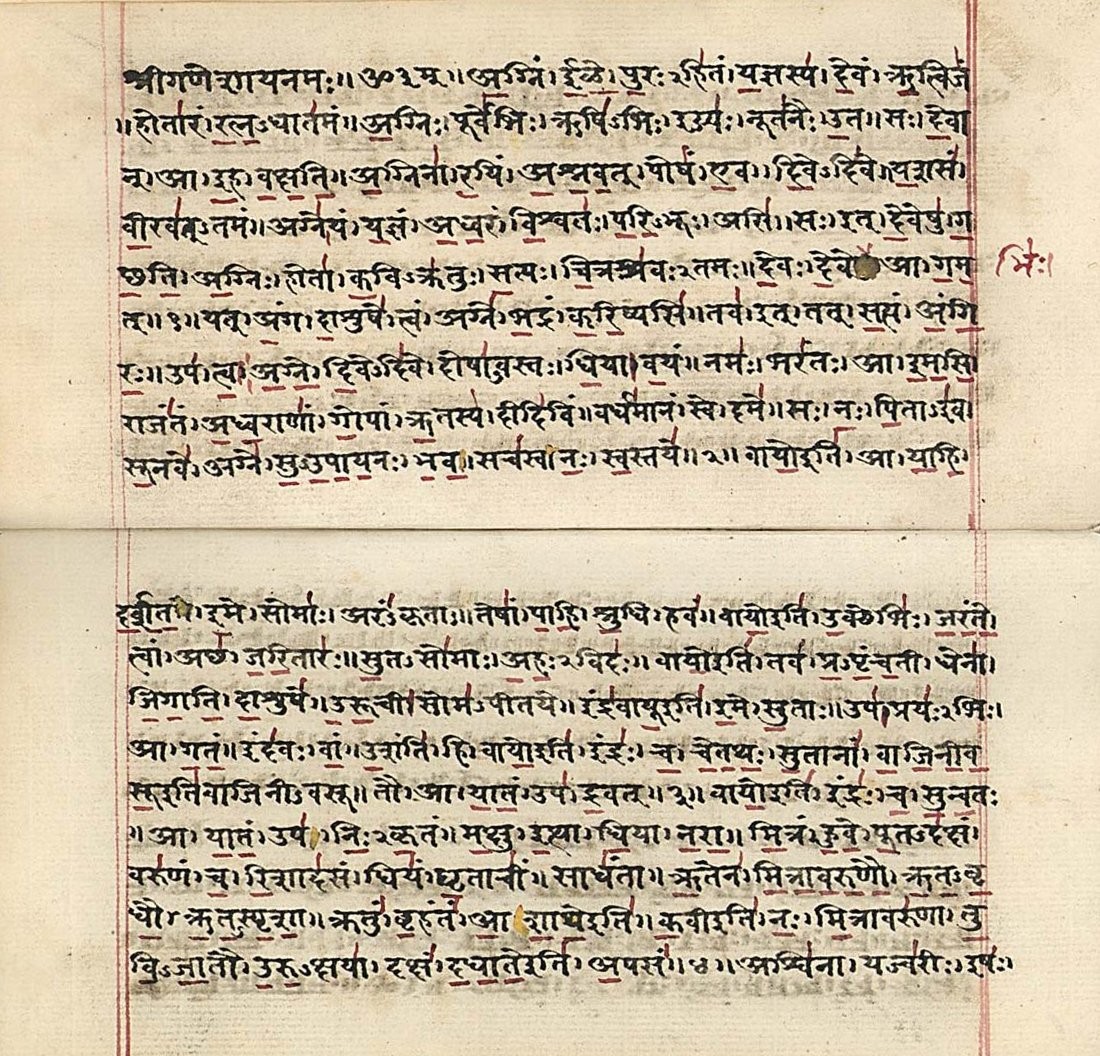
Rig Veda composed

In the Punjab, poets compose the hymns of the Rig Veda to Indra, Agni, and the gods of the sacrifice; the collection becomes the oldest and most authoritative layer of Hindu scripture, preserved orally with exacting precision for millennia.

Punjab
c. 800–400 BCE

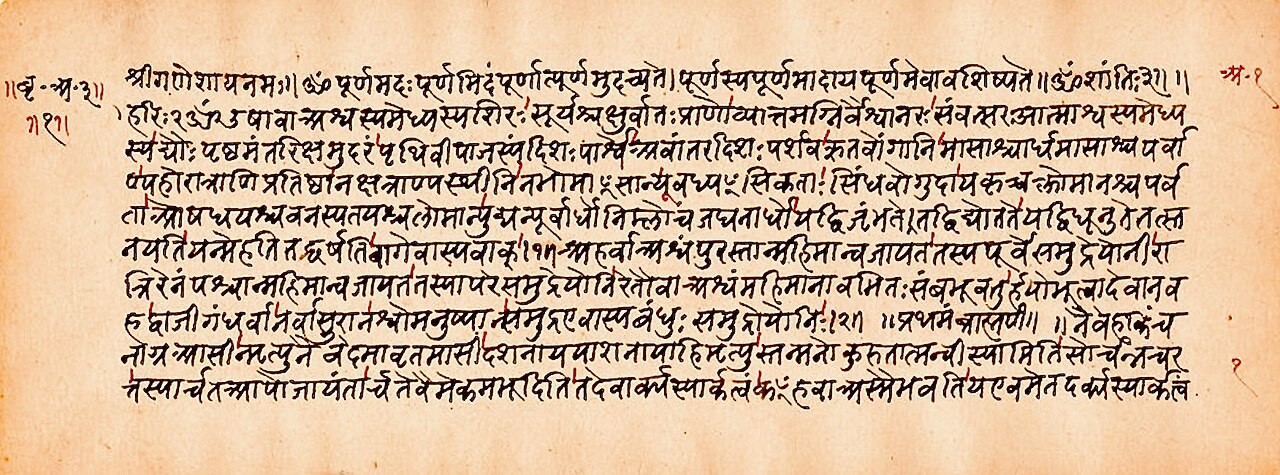
Principal Upanishads

Forest teachers and their students compose the early Upanishads, turning from the sacrifice to the knowledge of atman and brahman; the texts become the philosophical foundation on which every later school of Vedanta builds its reading.

Northern India

Classical

c. 400 BCE–200 CE

Mahabharata composed

Across centuries of composition, the Mahabharata grows into the largest epic of the ancient world, the war of the Bharata cousins carrying law, kingship, devotion, and doubt inside one vast story; Krishna's counsel and Shiva's appearances stand within it side by side.

Northern India
c. 200 BCE–200 CE

Bhagavad Gita

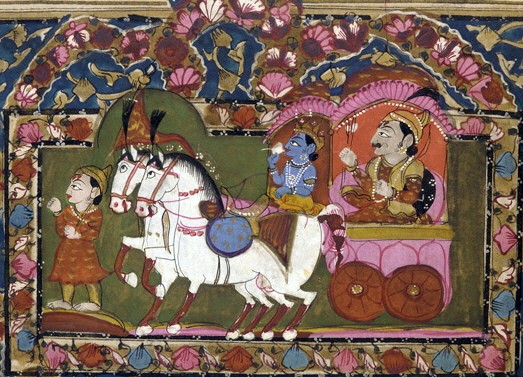
On the field of Kurukshetra, Krishna teaches the warrior Arjuna the paths of action, knowledge, and devotion; set inside the Mahabharata, the Gita becomes the most commented and most carried scripture of Hindu life, read by every Vedanta school as one of the three foundations.

Kurukshetra
c. 150

The Pashupata ascetics attested

Patanjali's Mahabhashya already knows Shiva-worshipping ascetics, and the Pashupatas grow into the earliest organized Shaiva order, marked by ash, the staff, and devotion to Shiva as Pashupati, lord of bound souls.

Northern India
320–550

Gupta Empire

The Gupta emperors rule most of northern India in an age that fixes the classical forms of Hindu temple, image, and Purana; royal patronage flows to Vishnu and Shiva alike, and the imperial style becomes the reference for centuries of temple building.

Pataliputra
c. 650

The Tevaram hymns of the Nayanars

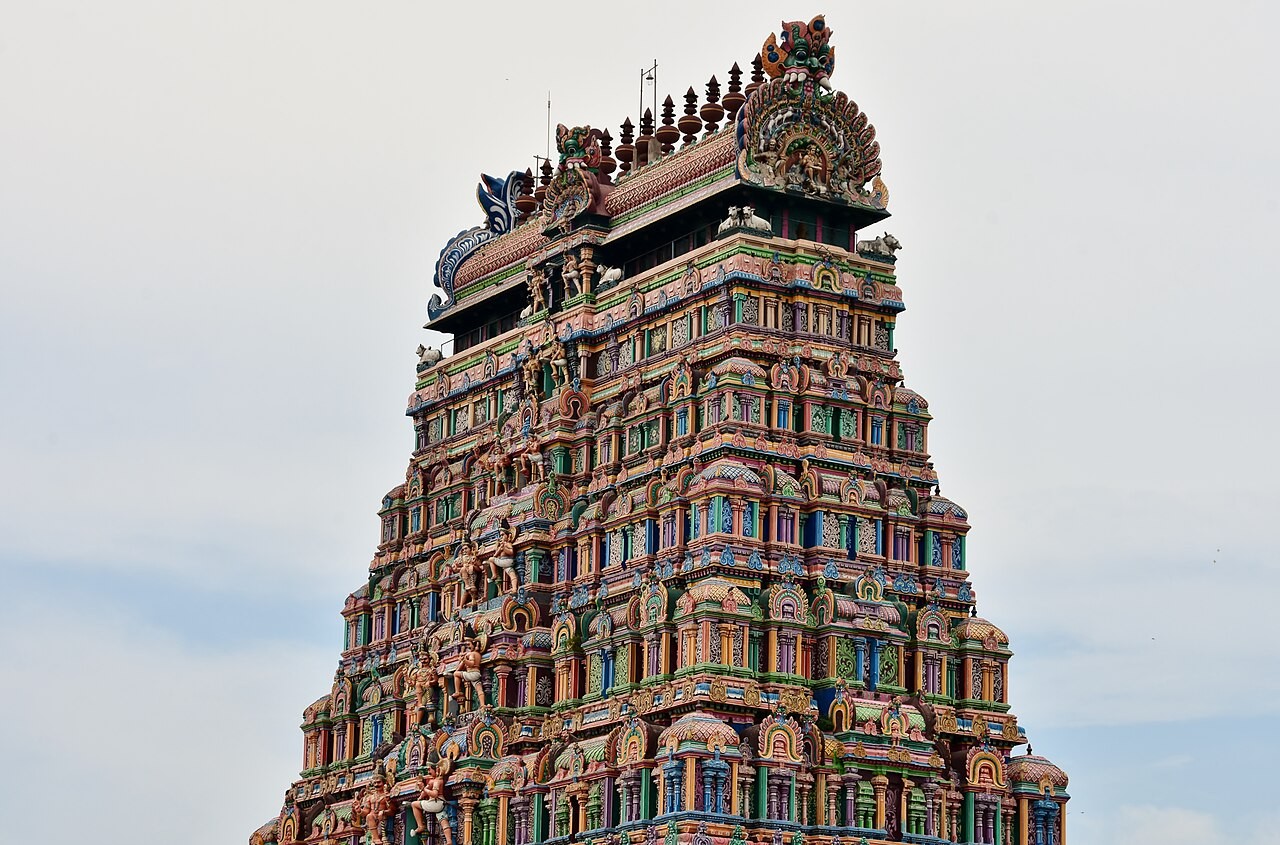
The Tamil saints Appar, Sambandar, and Sundarar sing Shiva through the temple towns of the south; their Tevaram hymns, later gathered as canon, carry Tamil Shaivism into the temple liturgy where they are still sung.

Tamil country
788–820

Adi Shankara

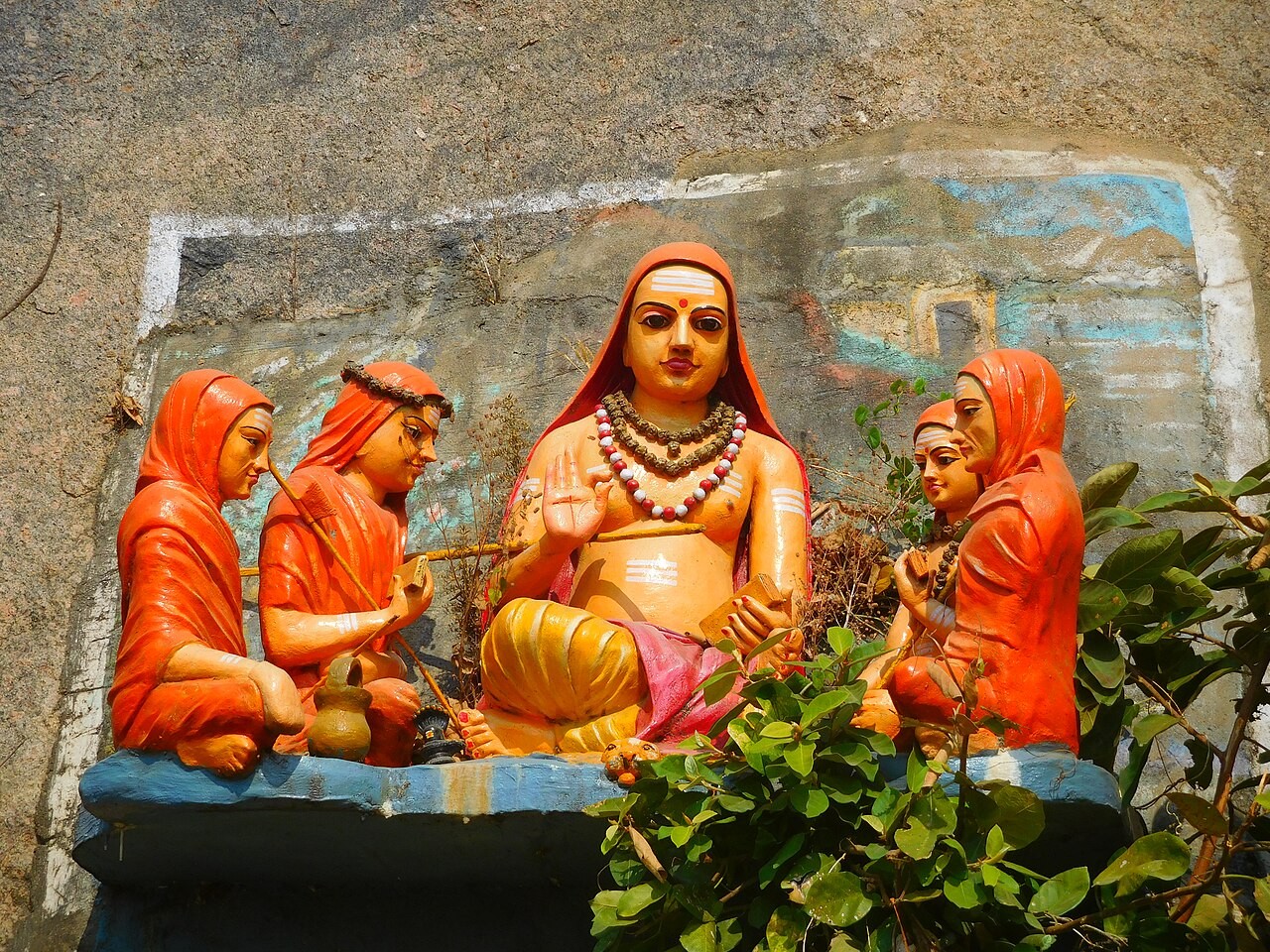
Shankara teaches Advaita, the non-duality of atman and brahman, writes the standard commentaries on the Upanishads, the Gita, and the Brahma Sutras, and is remembered as the organizer of monastic and temple orders across India.

Kalady and across India
1016

Death of Abhinavagupta

Abhinavagupta, the Kashmiri master of Shaiva philosophy and aesthetics, dies after completing works that systematize the Tantric Shaiva traditions; his Pratyabhijna philosophy reads the world as Shiva's self-recognition.

Kashmir
c. 1150

Periya Puranam: the Nayanar canon

Sekkizhar composes the Periya Puranam at the Chola court, telling the lives of the sixty-three Nayanar saints; the work closes the Tamil Shaiva canon and fixes its saints' stories in the form the temples still celebrate.

Chidambaram
c. 1160

Basava and the Lingayat movement

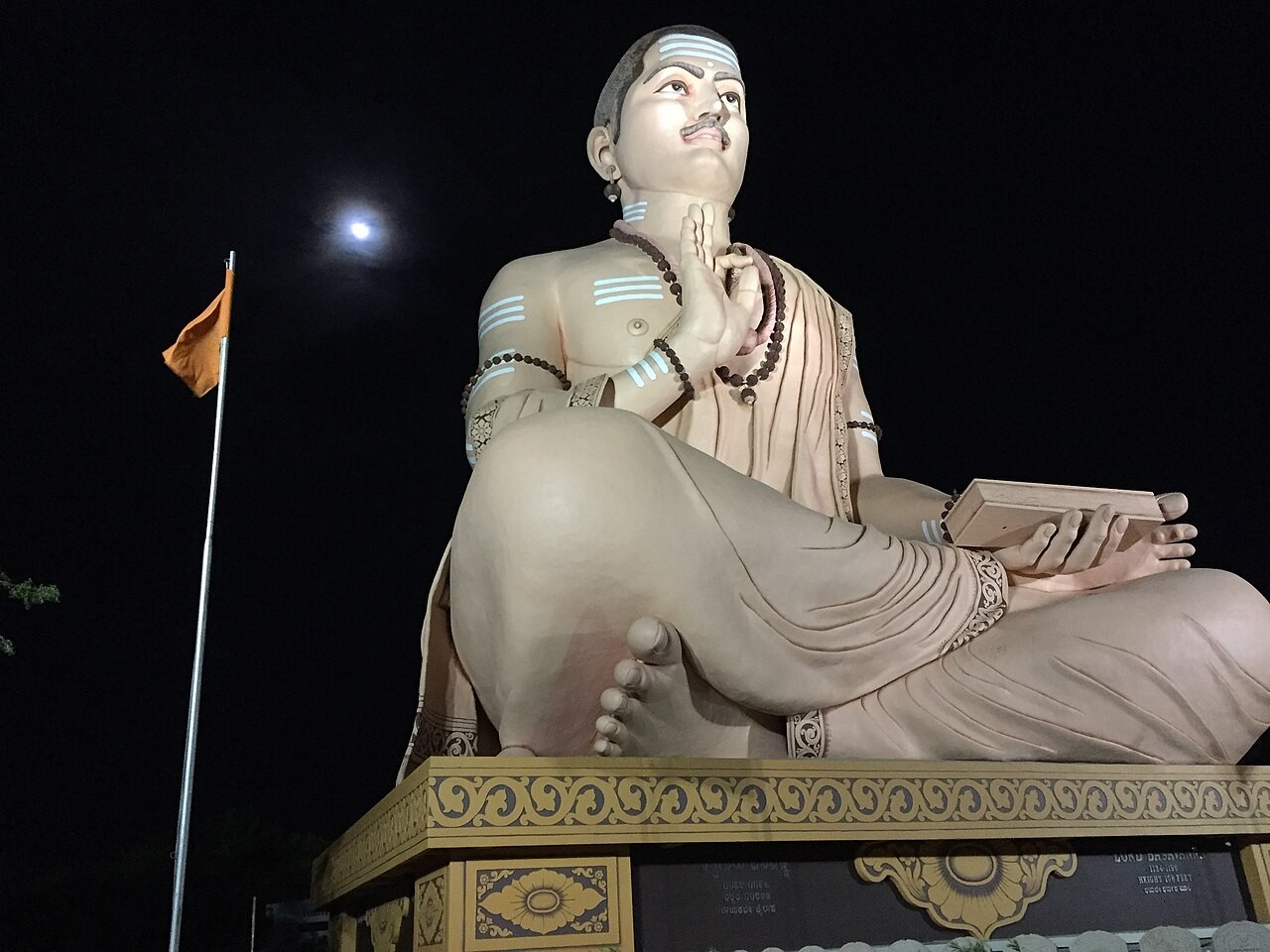
Basava, minister at Kalyana, gathers the Virashaiva community around devotion to Shiva in the personal linga, rejecting caste and temple mediation; the vachana poems of Basava and his companions carry the movement's teaching in Kannada speech.

Kalyana