Buddhism

The Buddhism timeline in the History of Worldviews.

Streams: All of Buddhism Theravada Mahayana Vajrayana Pure Land Zen Tibetan Buddhism Nichiren Buddhism Secular Buddhism Soka Gakkai Navayana

Early Buddhism

c. 563–483 BCE (traditional); c. 480–400 BCE (scholarly)

Life of the Buddha

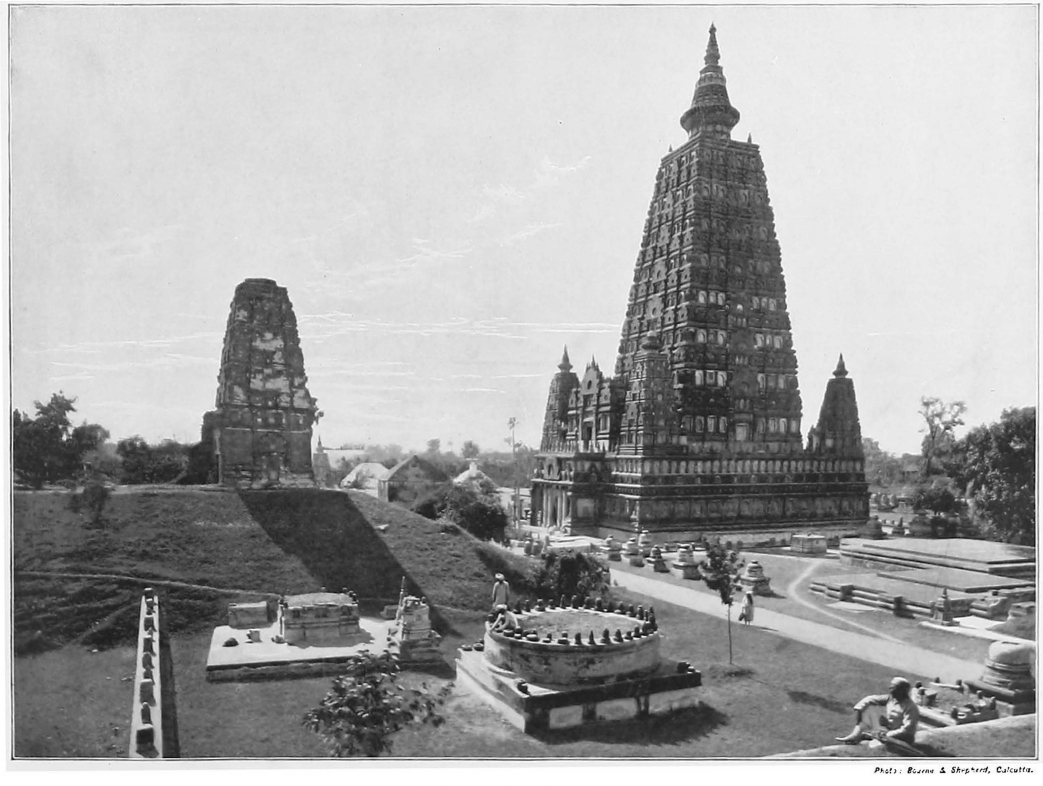
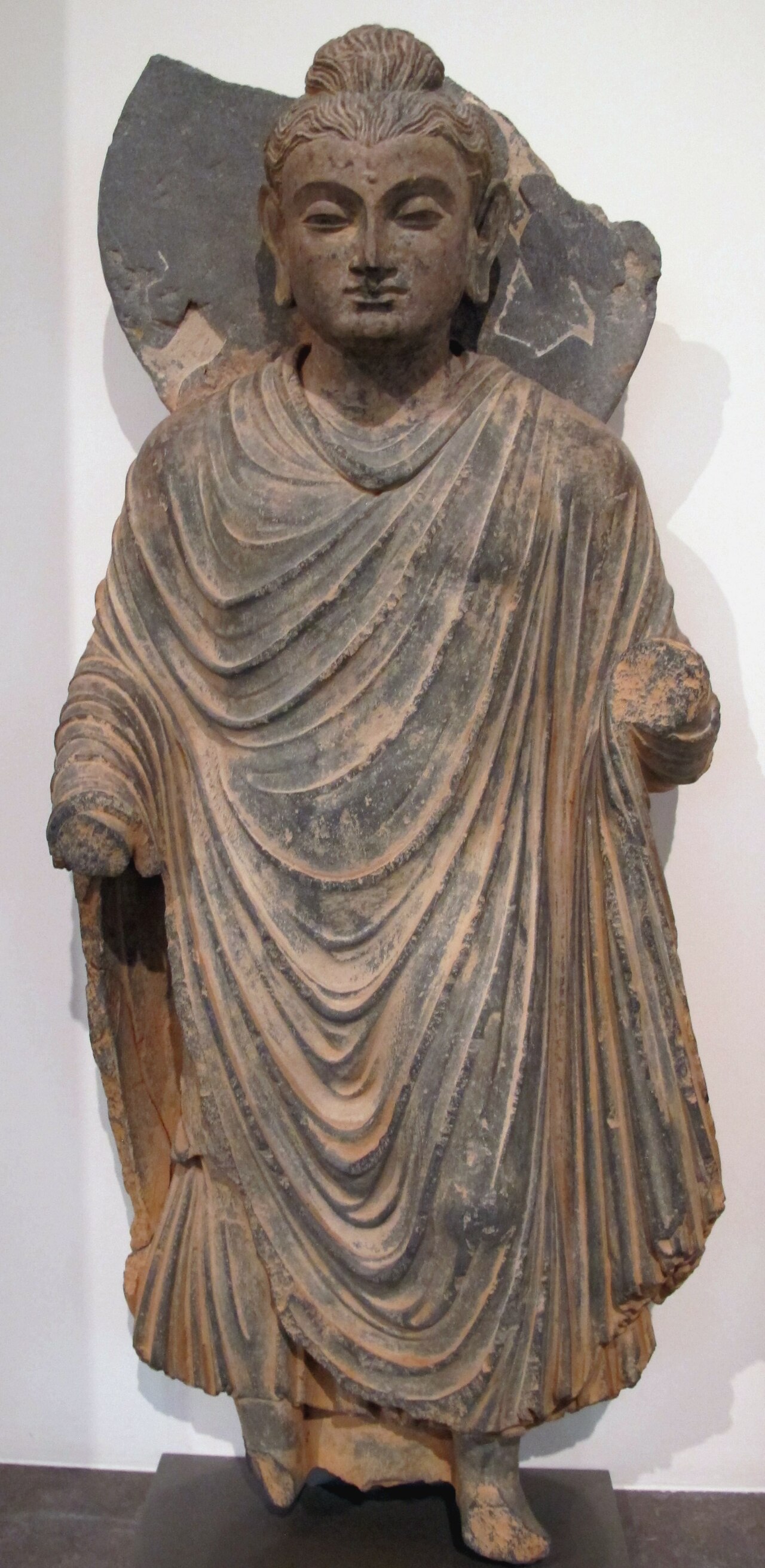
Siddhartha Gautama is born at Lumbini, renounces his palace life, wakes under the Bodhi tree at Bodh Gaya, preaches at Sarnath, and dies at Kushinagar at the age of eighty; his dates are the most disputed in this timeline, the tradition's long chronology and modern scholarship's shorter one standing side by side in the date above.
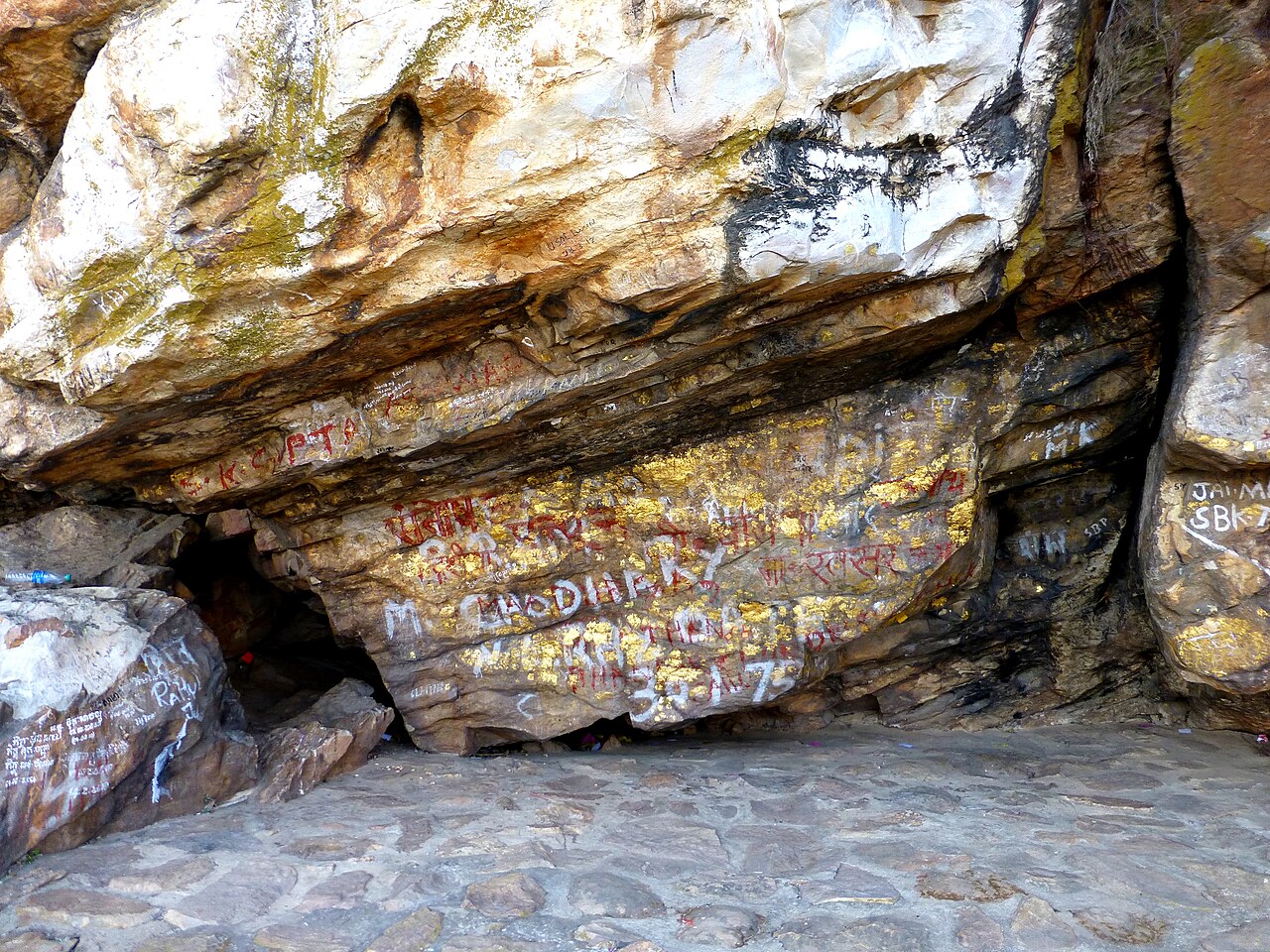
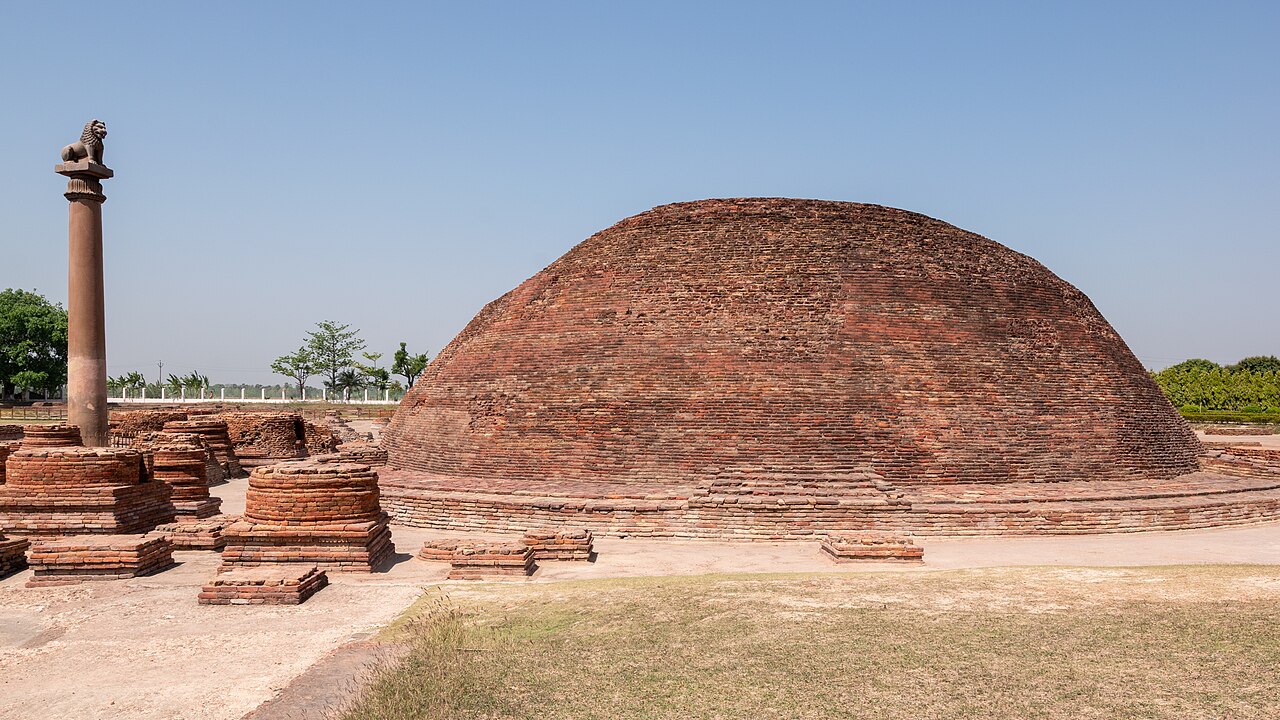
Lumbini, Bodh Gaya, Sarnath, Kushinagar
c. 483 BCE (traditional)

First Council at Rajagaha

In the traditional account, five hundred elders gather at Rajagaha in the first rains after the Buddha's death, where Ananda recites the discourses and Upali the discipline; the council fixes the teaching in communal memory, and the Theravada tradition counts its canon from this gathering.

Rajagaha
c. 383 BCE (traditional)

Second Council at Vaishali

A century after the Buddha's death in the traditional count, elders at Vaishali judge ten points of relaxed discipline unlawful; the defeated party's withdrawal is remembered as the first great division of the sangha, between the Elders and the Great Assembly.

Vaishali
268–232 BCE

Reign of Ashoka

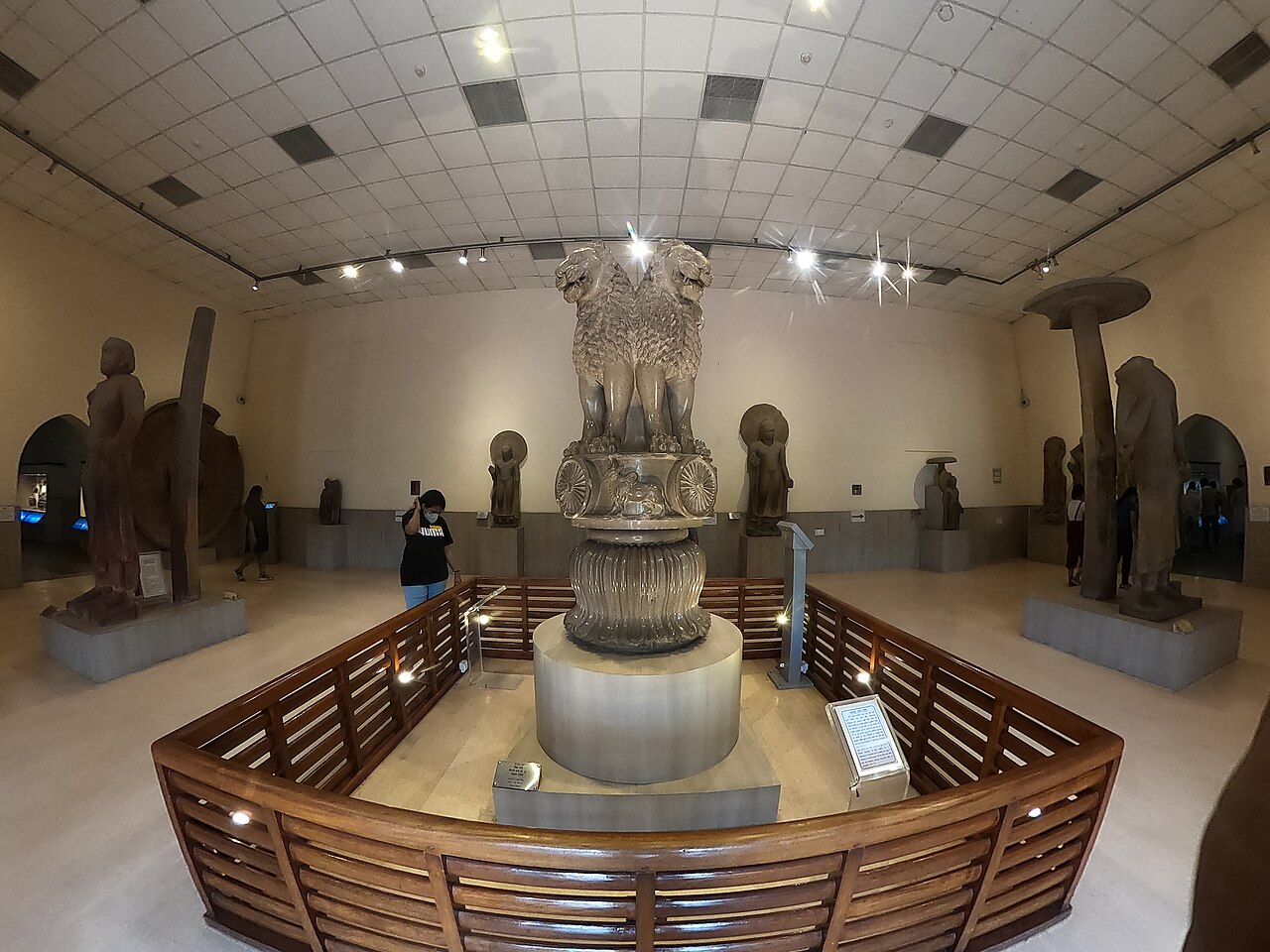
Ashoka rules most of India, turns to Buddhism after the Kalinga war, and inscribes edicts of tolerance and welfare on rock and pillar across his empire; his missions carry Buddhism to Sri Lanka and toward Central Asia, and his pillars become the earliest firm dates in Indian history.

Pataliputra
c. 250 BCE

Third Council at Pataliputra

The Theravada tradition holds that Moggaliputta Tissa, under Ashoka's patronage, purifies the sangha at Pataliputra and settles the points of doctrine recorded in the Kathavatthu; other early schools do not preserve this council, and the tradition states the fact plainly.

Pataliputra
1st century CE

Emergence of the Mahayana

Within the early schools, movements honoring new sutras and the bodhisattva path gather force and come to call themselves the Mahayana, the Great Vehicle; the Perfection of Wisdom texts open the movement, which grows beside the older schools rather than replacing them in India.

India
1st century CE

Pali Canon committed to writing (Sri Lanka)

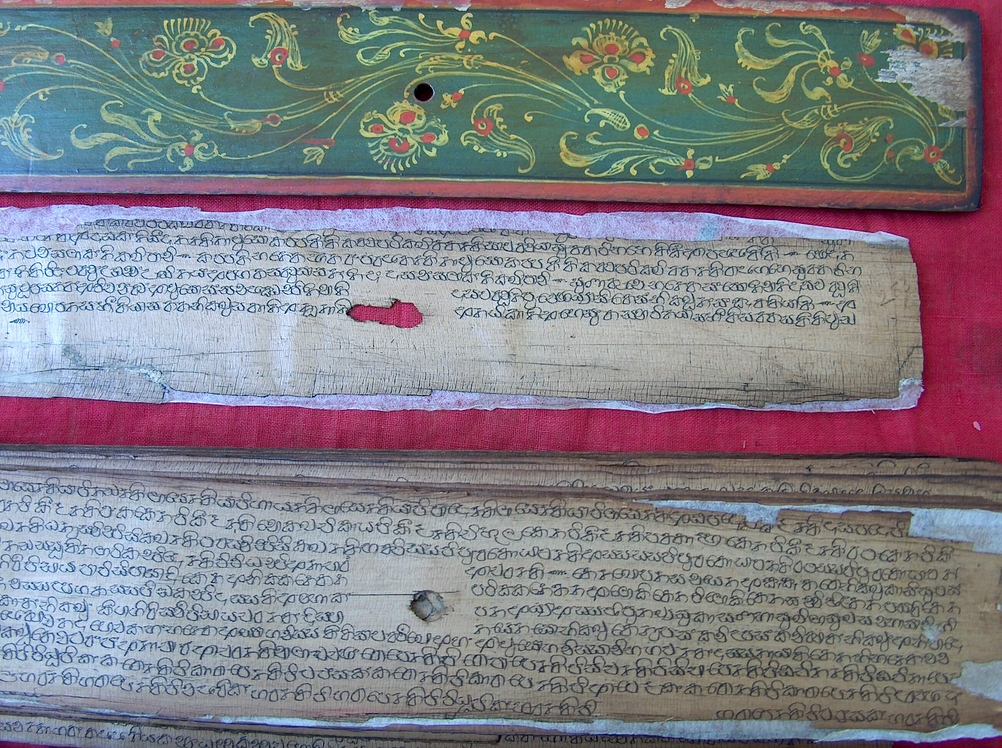
The Theravada tradition records that its canon, carried orally for centuries, is written down in Sri Lanka under King Vattagamani Abhaya, lest the teaching be lost in war and famine; the palm-leaf books at Aluvihara become the source of the Pali Canon the Theravada world reads today.

Aluvihara

Classical

c. 150 CE

Nagarjuna

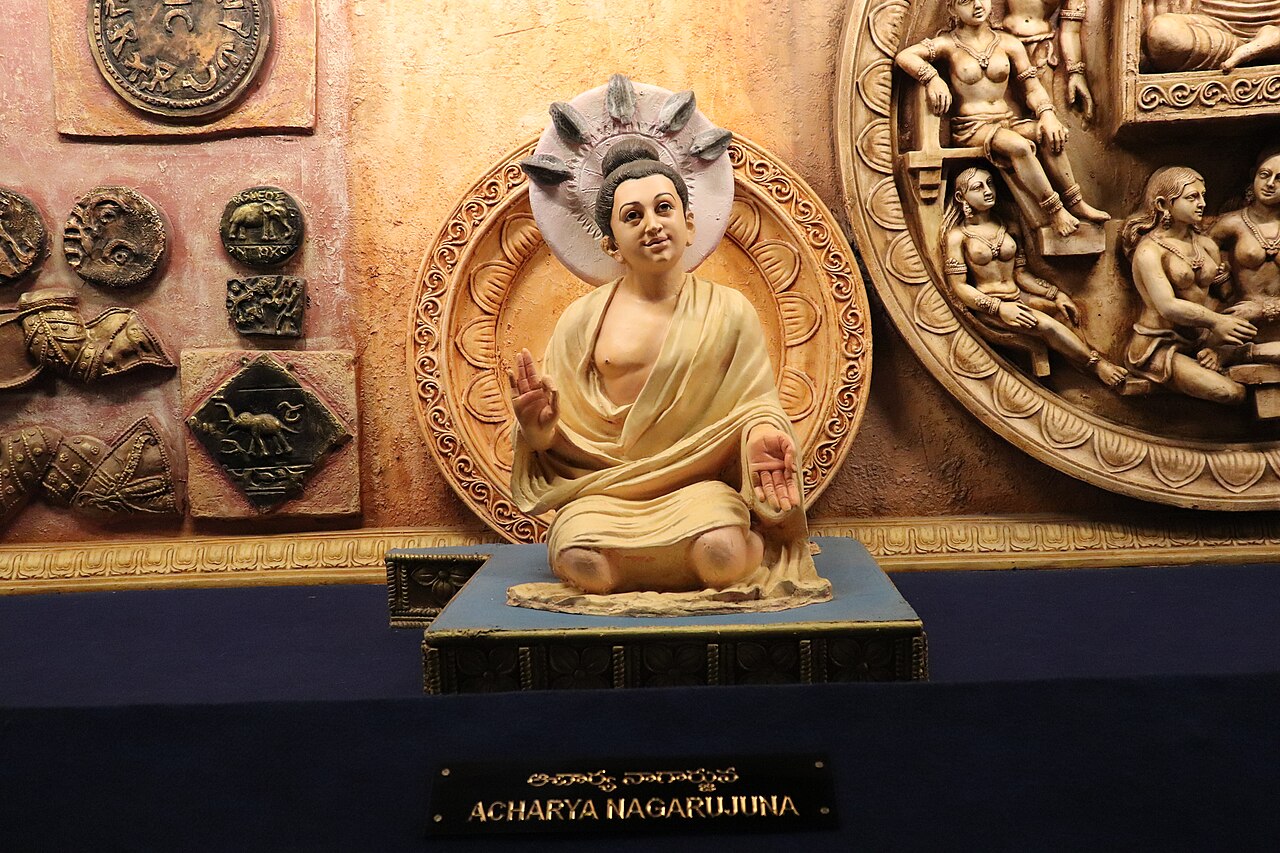
Nagarjuna argues in the Middle Way verses that all things are empty of own-being and arise in dependence; his Madhyamaka becomes the philosophical spine of the Mahayana across India, Tibet, and East Asia, and every later school answers him.

Andhra
c. 4th century

Asanga and Vasubandhu

The half-brothers Asanga and Vasubandhu build the Yogacara, the mind-only school that maps consciousness in detail; Vasubandhu's Abhidharmakosha, written before his conversion, becomes the shared reference of Abhidharma study in every vehicle.
Gandhara and Ayodhya
402

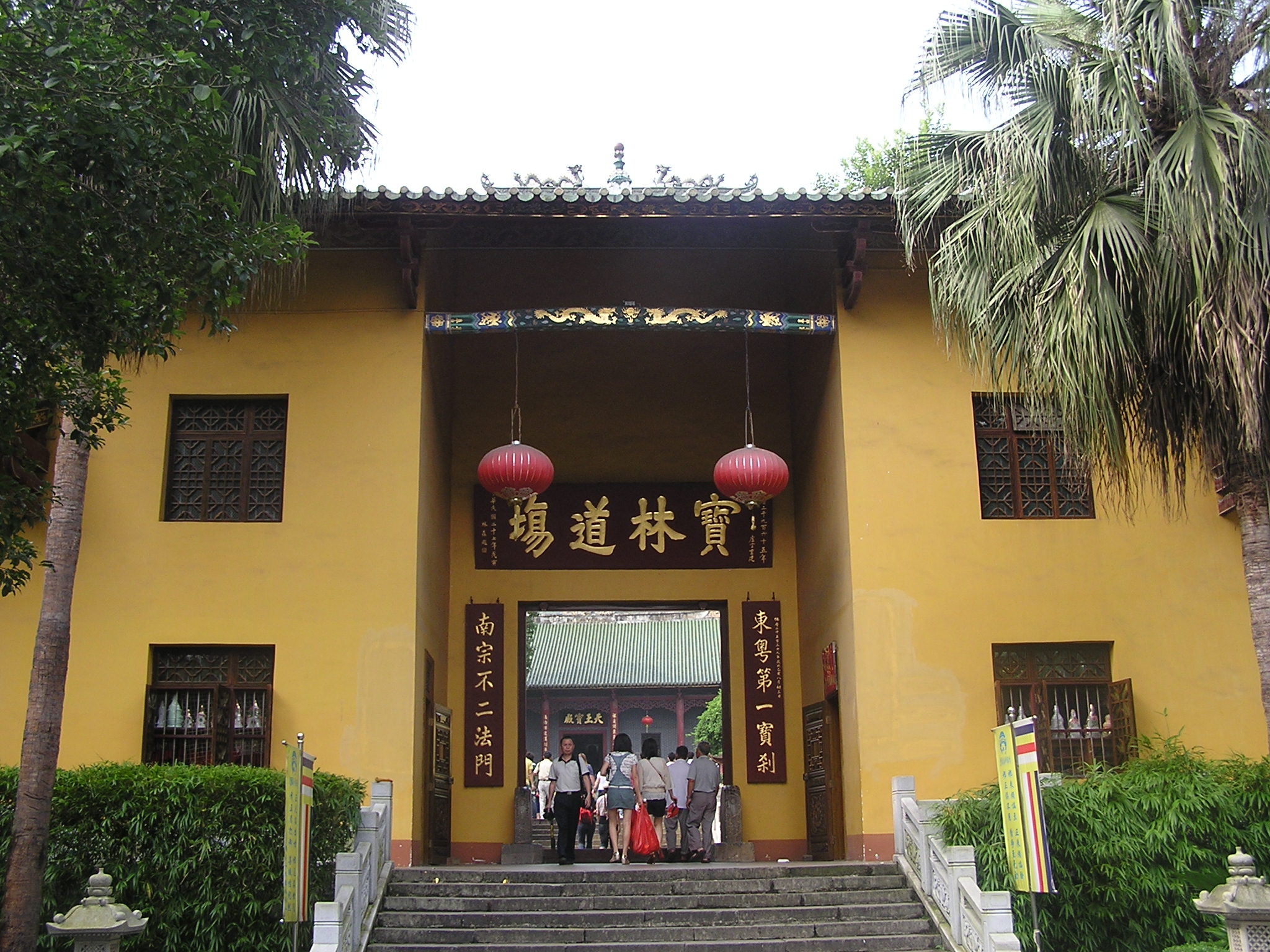
Huiyuan's White Lotus Society on Mount Lu

The monk Huiyuan gathers monks and laymen at Donglin Temple on Mount Lu to vow rebirth in Amitabha's Pure Land; the society becomes the remembered fountainhead of Chinese Pure Land practice, and Mount Lu its sacred mountain.

Mount Lu
c. 5th century

Buddhaghosa

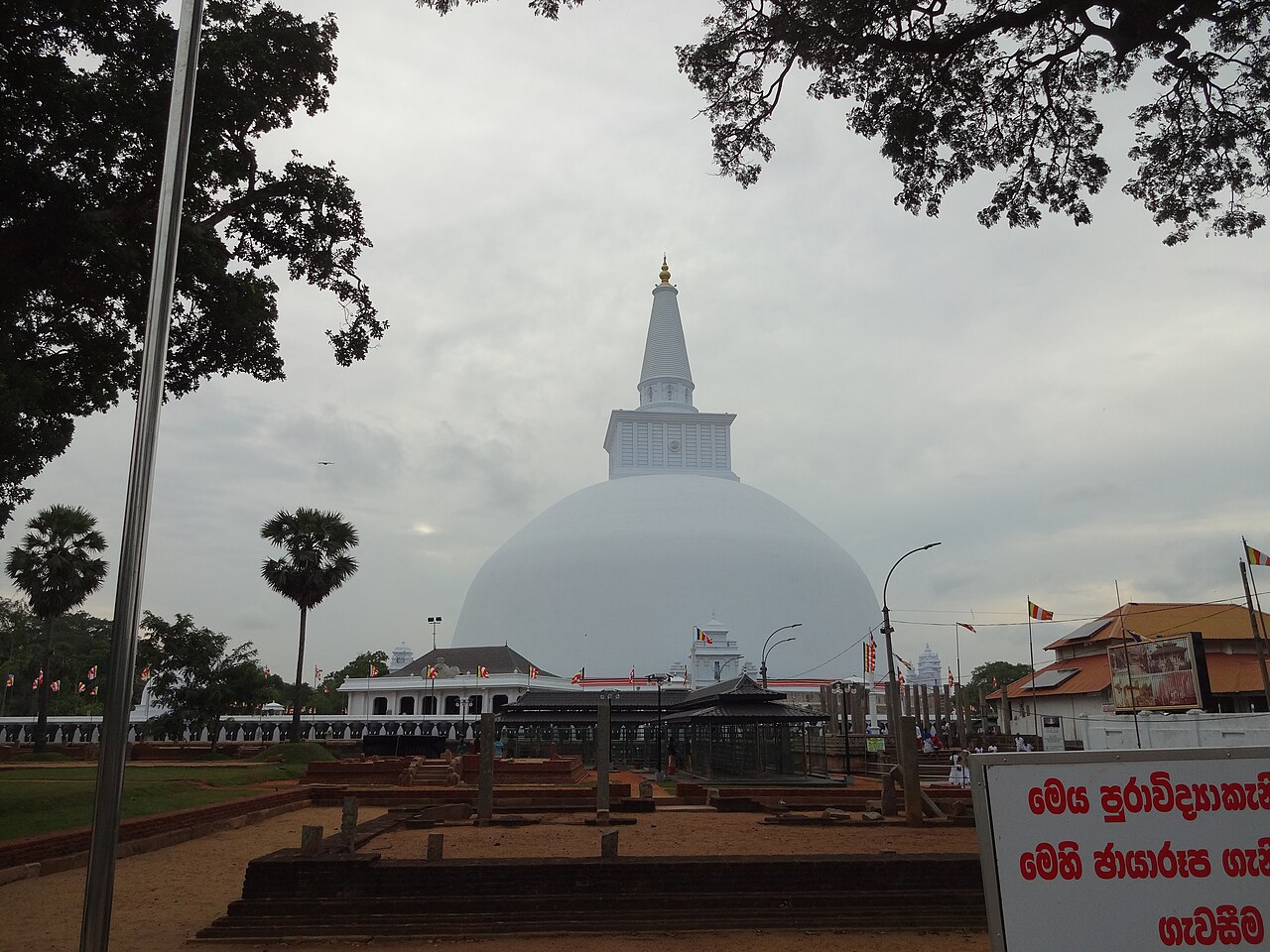
The monk Buddhaghosa works at Anuradhapura in Sri Lanka, translating the Sinhala commentaries into Pali and writing the Visuddhimagga, the Path of Purification; his system becomes the standard of Theravada doctrine and meditation for the whole tradition.

Anuradhapura
c. 520

Bodhidharma

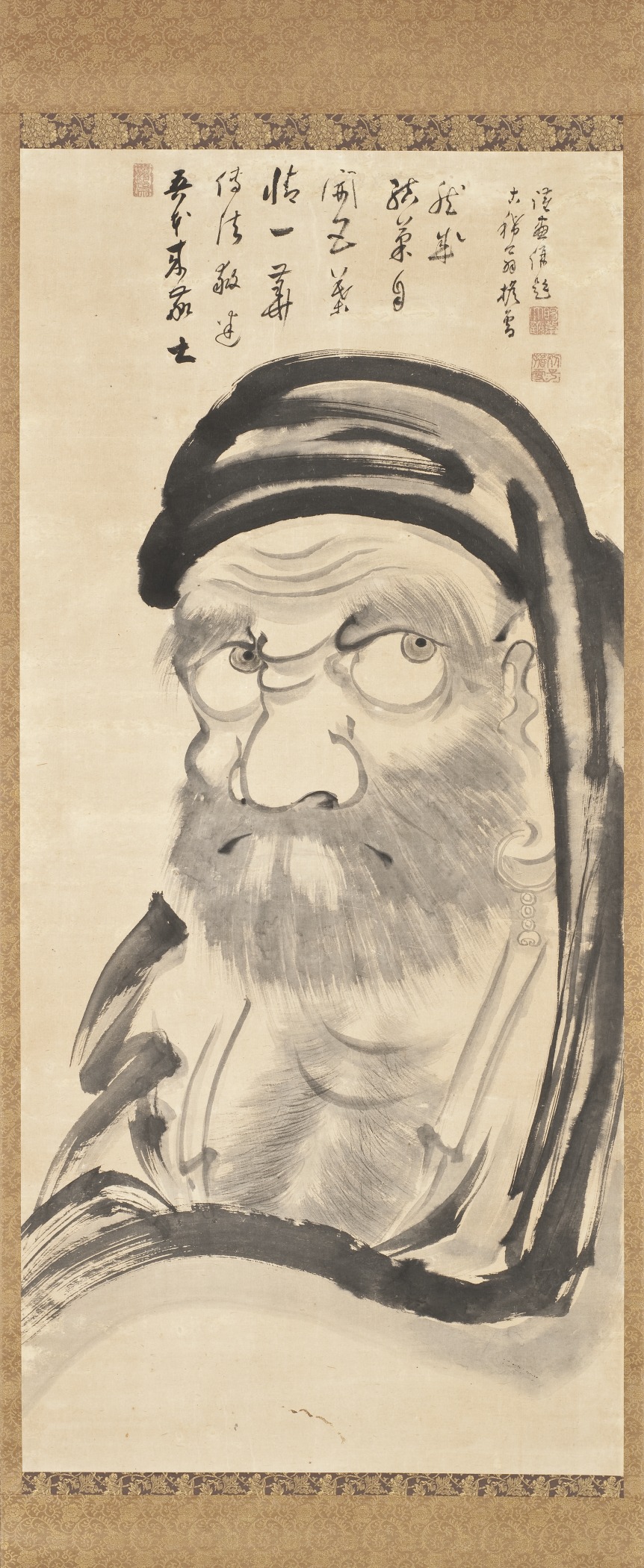
Tradition names the Indian monk Bodhidharma as the first patriarch of Chan in China, bearer of the teaching of meditation facing the wall at Shaolin; what the histories record with confidence is a meditation master of the sixth century around whom the Zen lineage gathers its charter.

Shaolin
552

Buddhism introduced to Japan

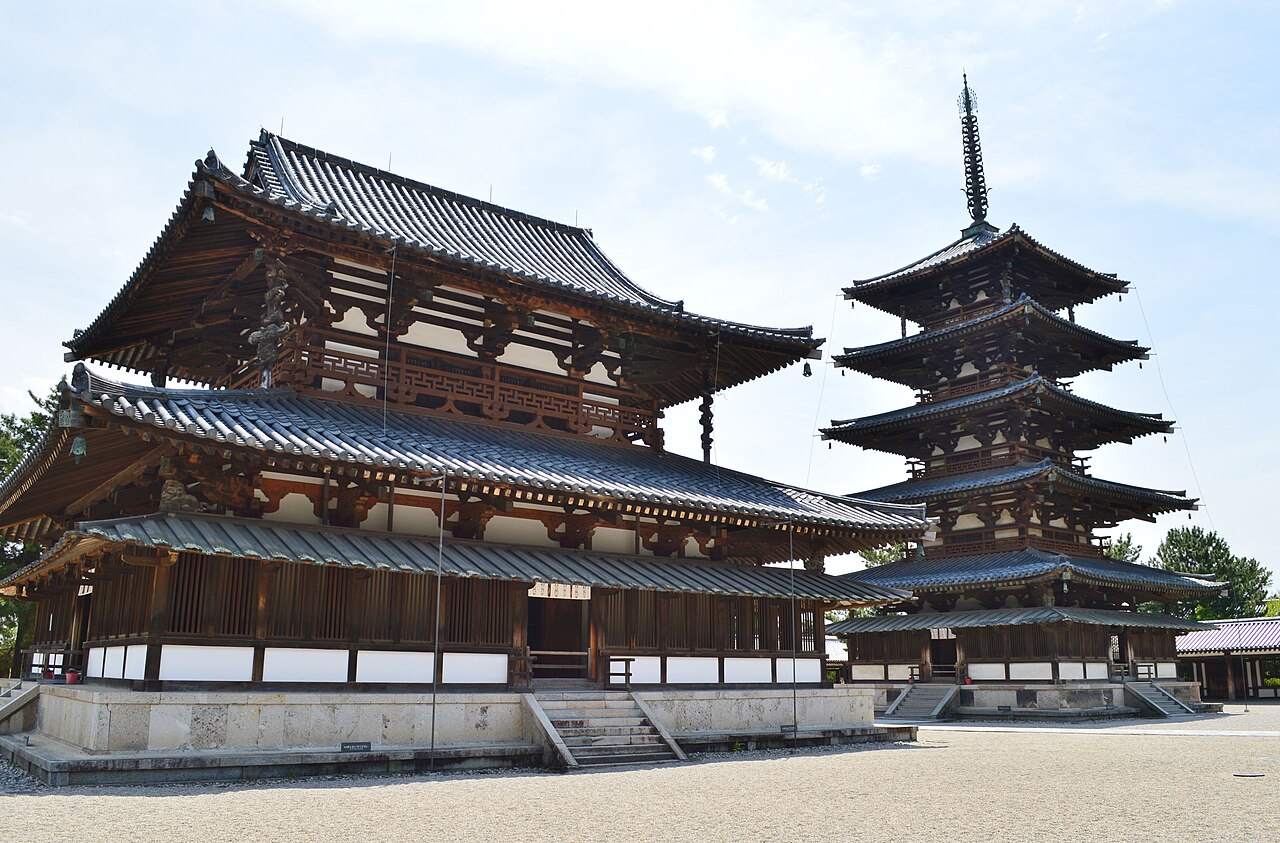
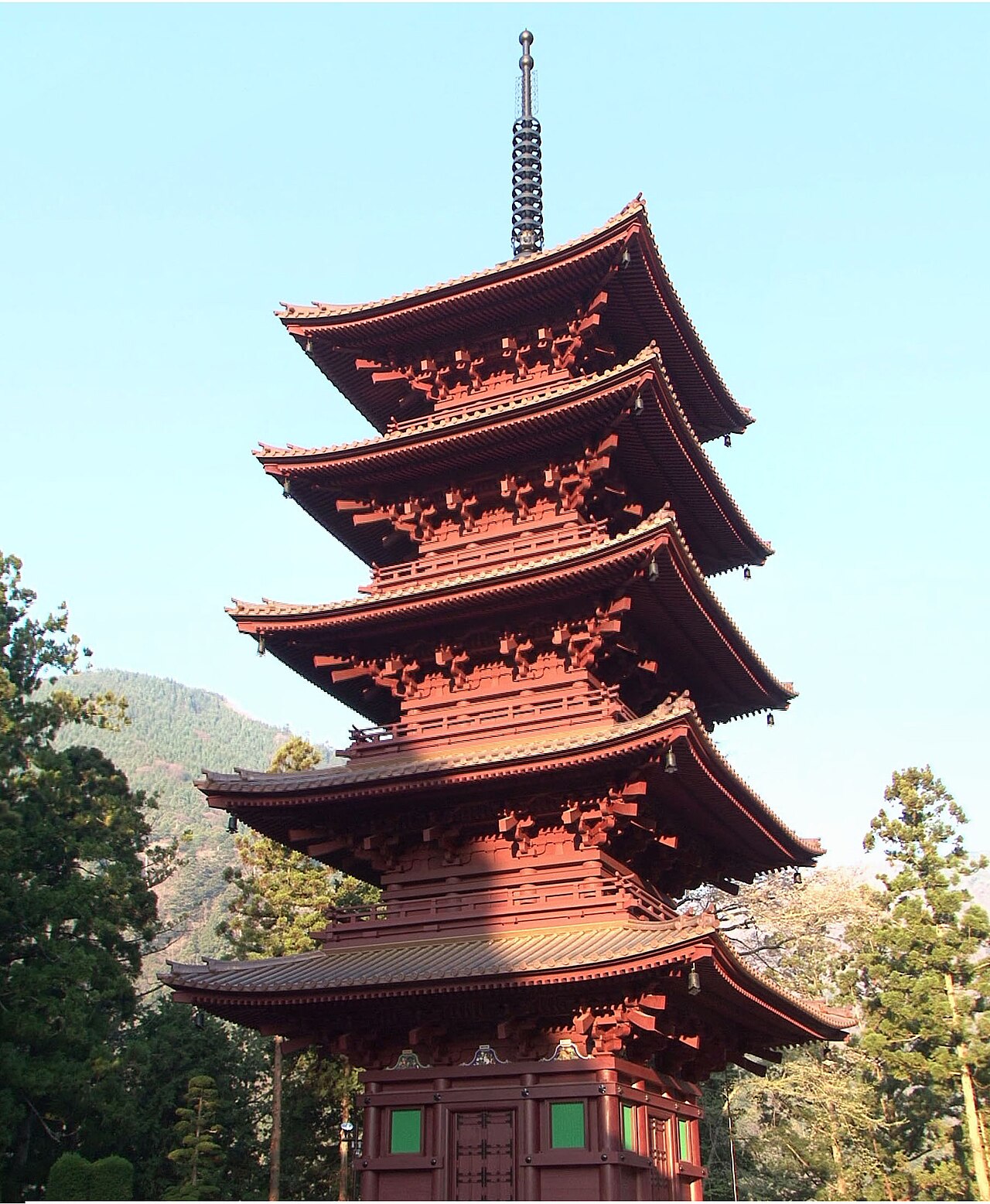
The traditional date for Buddhism's official arrival in Japan, when the king of Baekje sends a Buddha image and sutras to the Yamato court; the new teaching divides the court, and its victory under Prince Shotoku sets Buddhism inside Japanese state and culture from the start.

Yamato
629–645

Xuanzang's journey to India

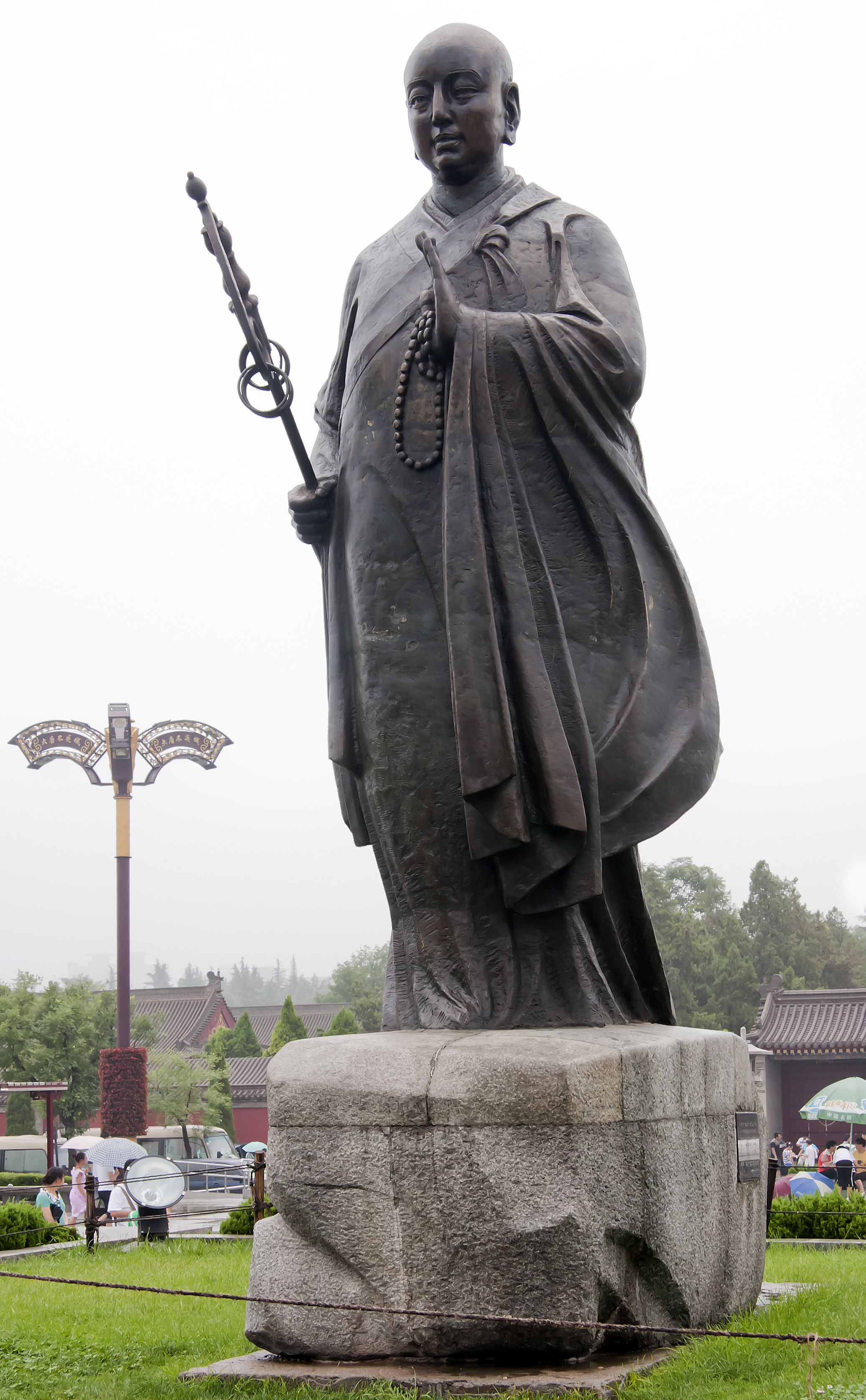
The Chinese monk Xuanzang travels the Silk Road to India against imperial orders, studies at Nalanda, and returns with hundreds of texts and a record of the Western regions; his translations set the standard of Chinese Buddhist scholarship, and his journey later flowers into the Journey to the West.

Chang'an to Nalanda
681

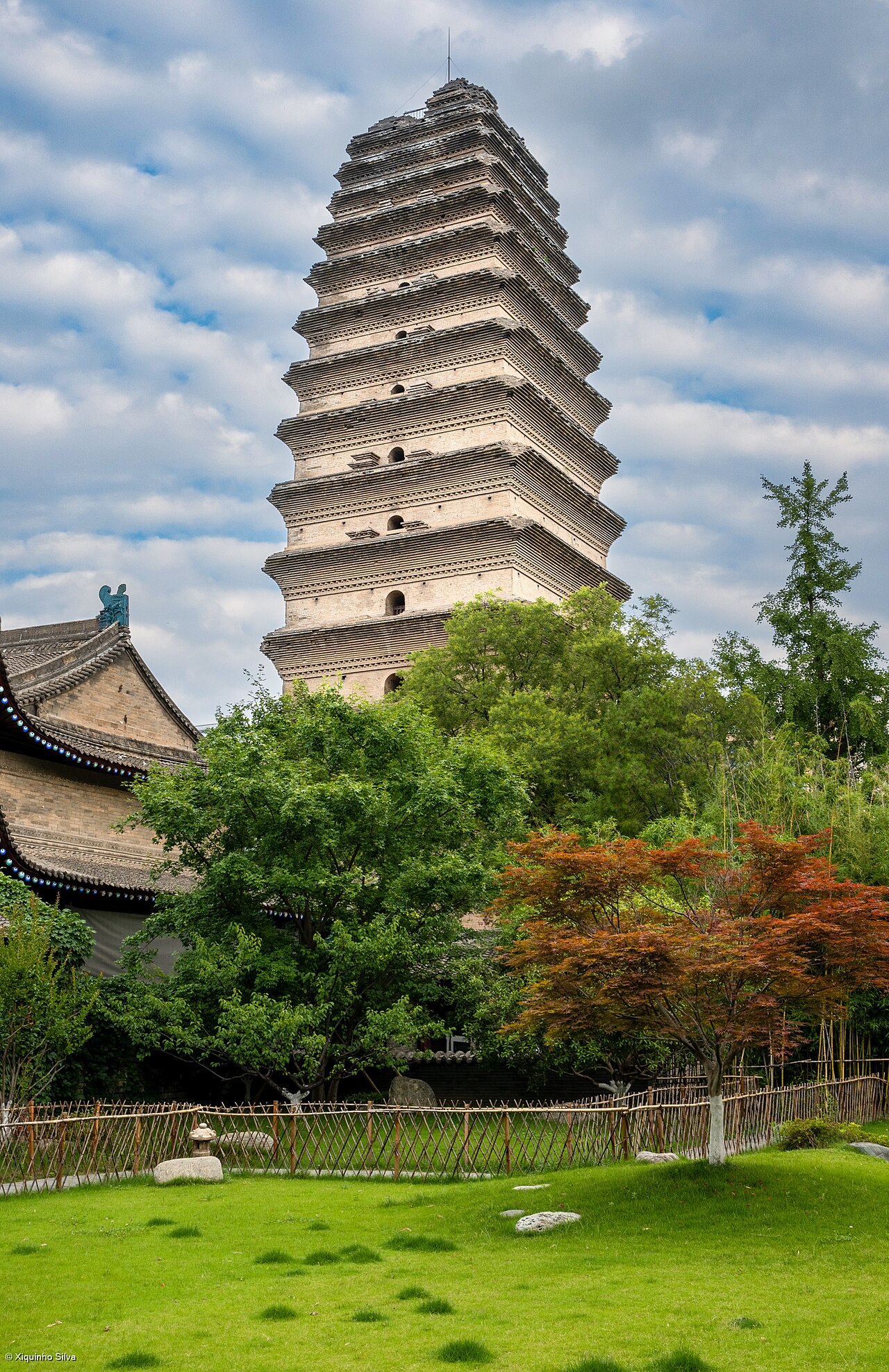
Death of Shandao

Shandao, the Chinese master who systematized Pure Land teaching around the nembutsu and the Larger Sutra, dies at Chang'an; his commentary and his parable of the white path shape Pure Land practice across East Asia, and Honen and Shinran later take him as their guide.

Chang'an
713

Death of Huineng

Huineng, remembered as the illiterate Sixth Patriarch of Chan, dies in Guangdong; the Platform Sutra told in his name teaches sudden awakening and becomes the charter of the Southern school, and with it of Zen as the world later receives it.

Guangzhou and Shaozhou
747

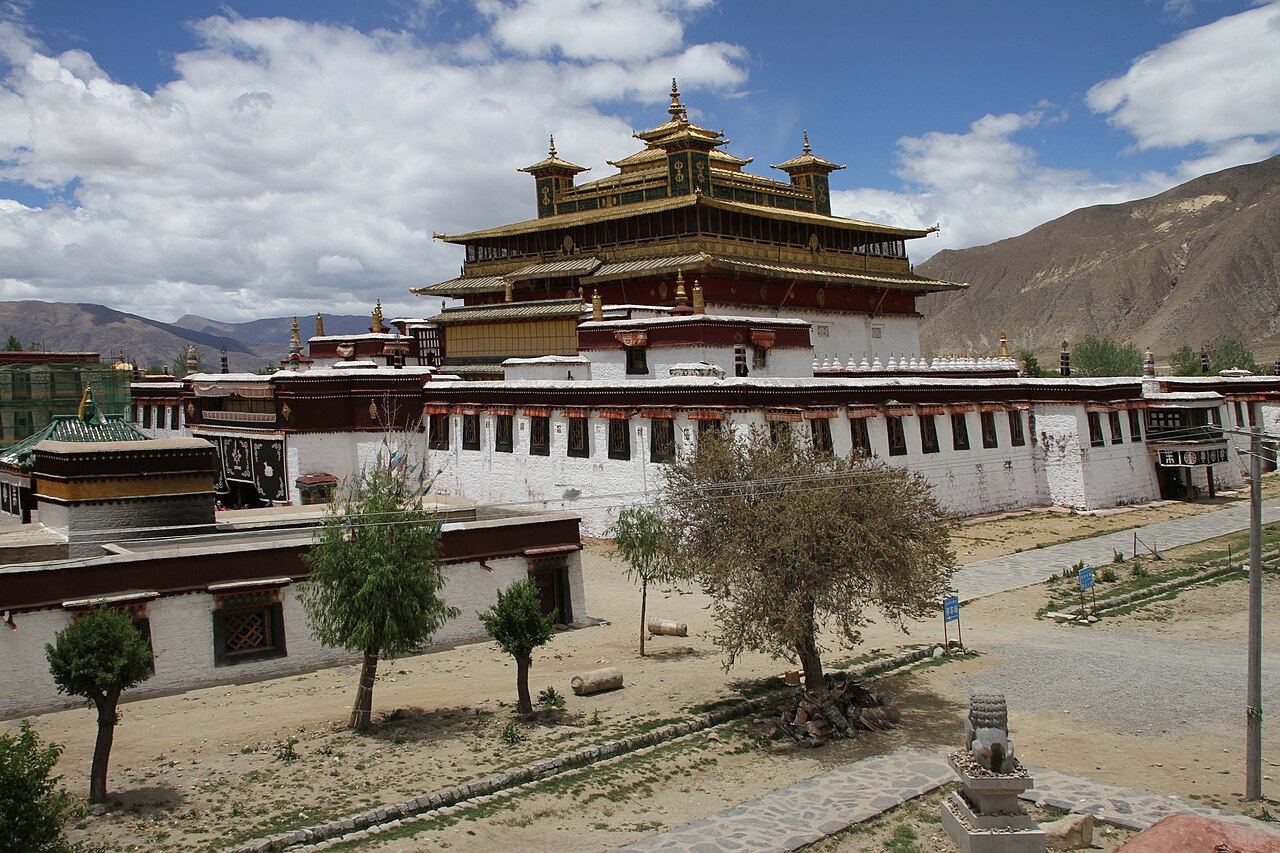
Padmasambhava arrives in Tibet

The tantric master Padmasambhava comes from India to Tibet at King Trisong Detsen's invitation and, in the tradition's telling, subdues the land's spirits and binds them as protectors; Tibet remembers him as Guru Rinpoche, the second Buddha, and its oldest school traces itself to him.

Samye
c. 8th–9th century

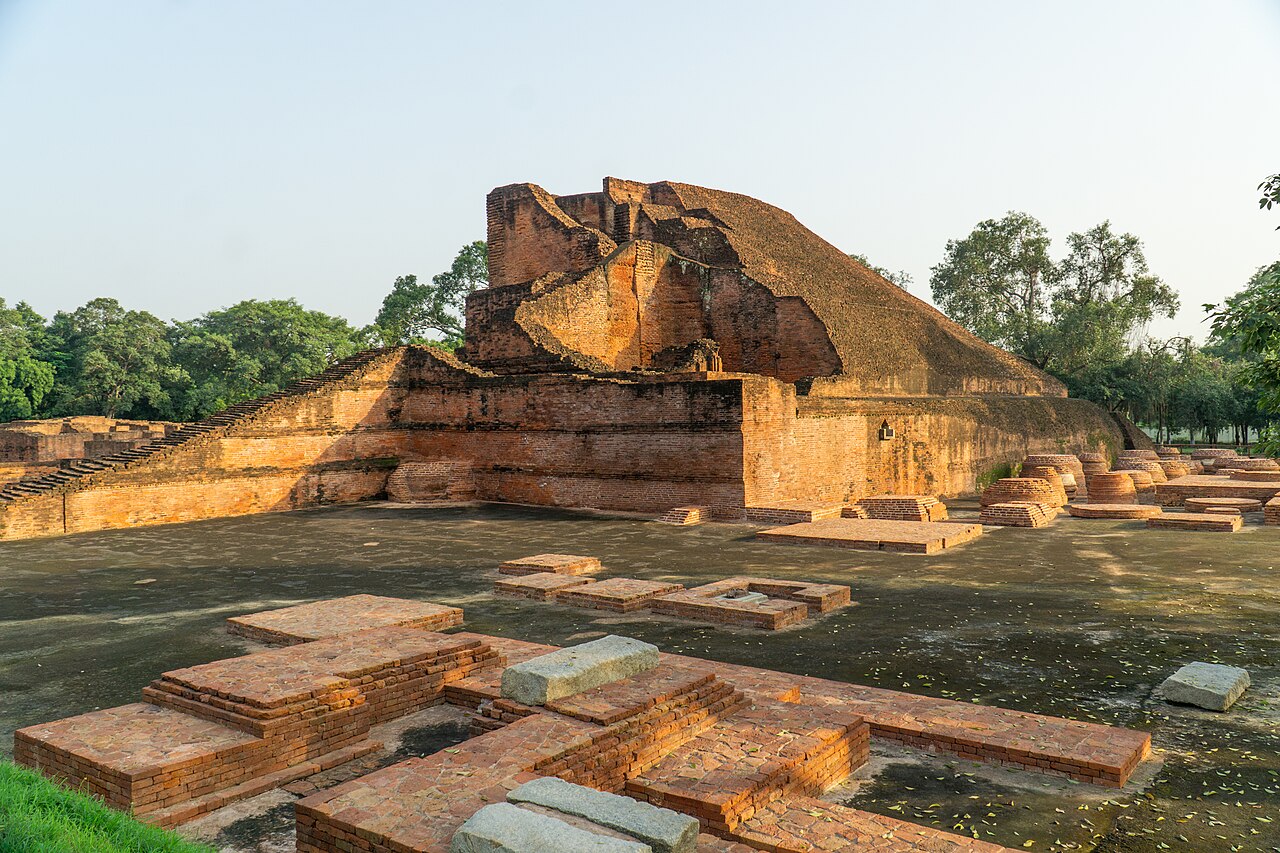
Nalanda at its height

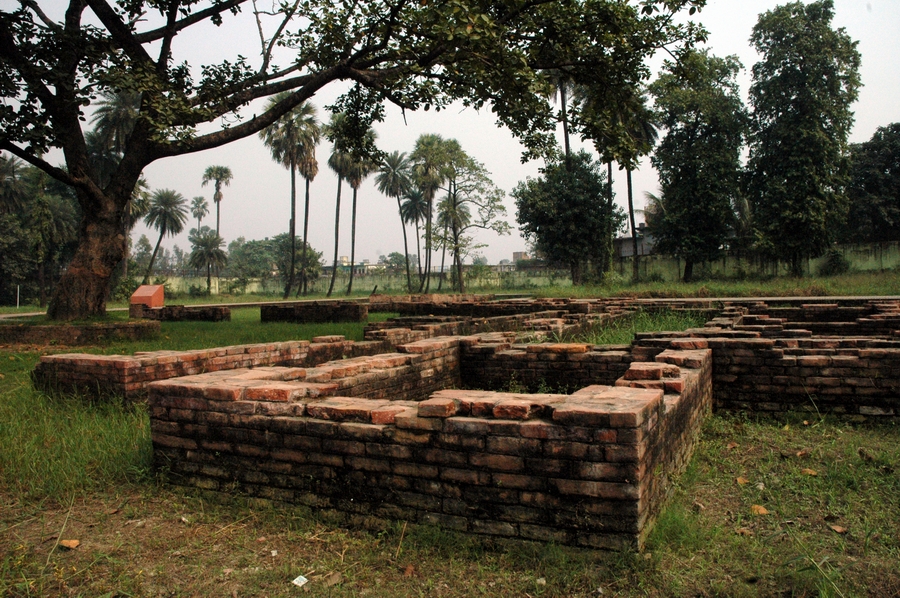
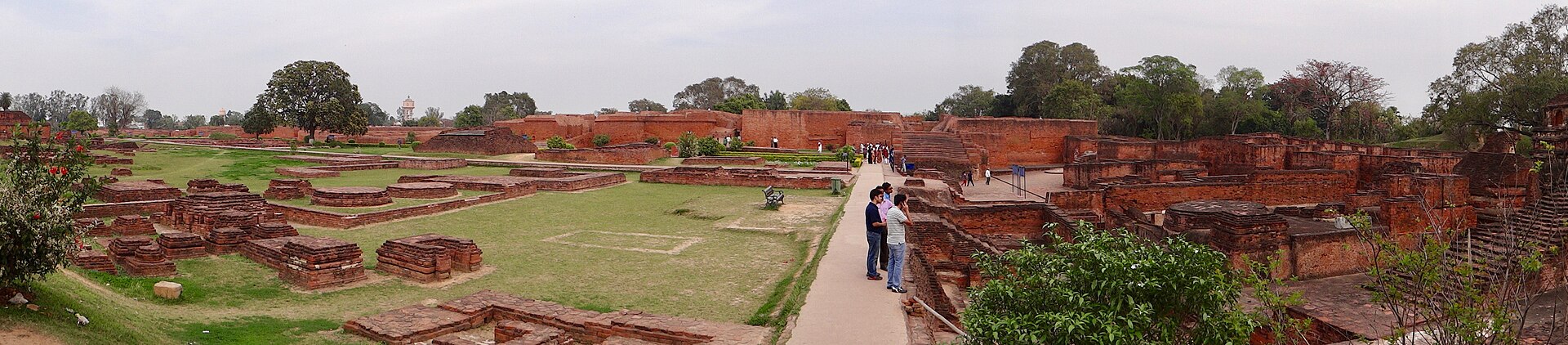
The monastery university of Nalanda stands at its height, drawing thousands of monks and students from across Asia to its libraries, debate courtyards, and teachers; Xuanzang and Yijing describe a scholastic city whose curriculum joins the Mahayana philosophies with logic, medicine, and grammar.

Nalanda
845

Great Anti-Buddhist Persecution (China)

The Tang emperor Wuzong, favoring Daoism and short of revenue, suppresses Buddhism across China: monasteries are destroyed, lands seized, and a quarter of a million monks and nuns are returned to lay life by the official count; the blow falls hardest on the wealthy schools, and Chinese Buddhism never fully regains its Tang standing.

Chang'an
1042

Atisha arrives in Tibet

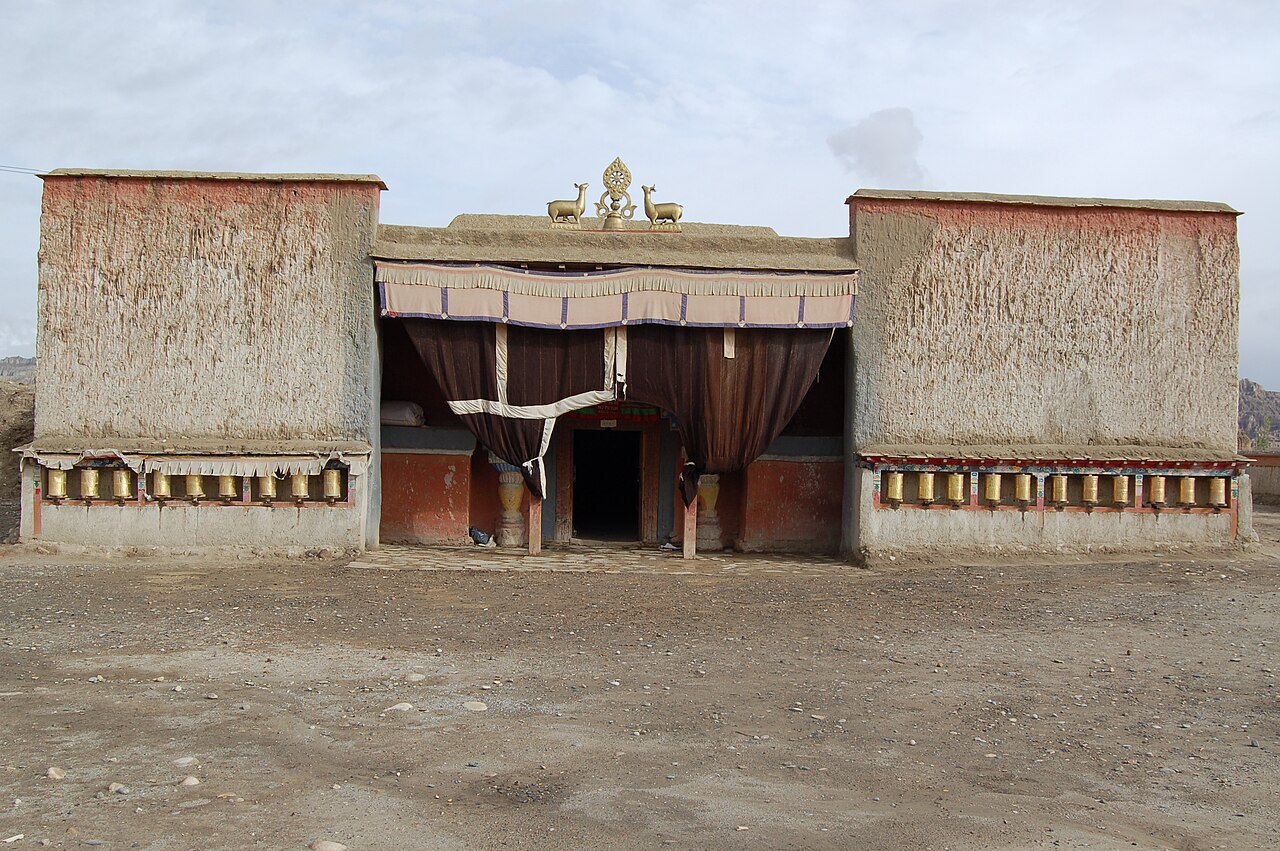
The Bengali master Atisha comes to Tibet and writes the Lamp for the Path to Enlightenment, ordering the whole Mahayana and tantric path into stages; his teaching re-founds Tibetan Buddhism after its dark century, and the stages-of-the-path literature descends from his lamp.

Tholing
c. 1193

Destruction of Nalanda

Turkic raiders under Bakhtiyar Khalji sack the monasteries of Bihar, and Nalanda is burned and abandoned; the destruction closes organized Buddhism in its Indian homeland, whose monks and manuscripts flee to Nepal and Tibet in the same decades.

Nalanda

Medieval

1212

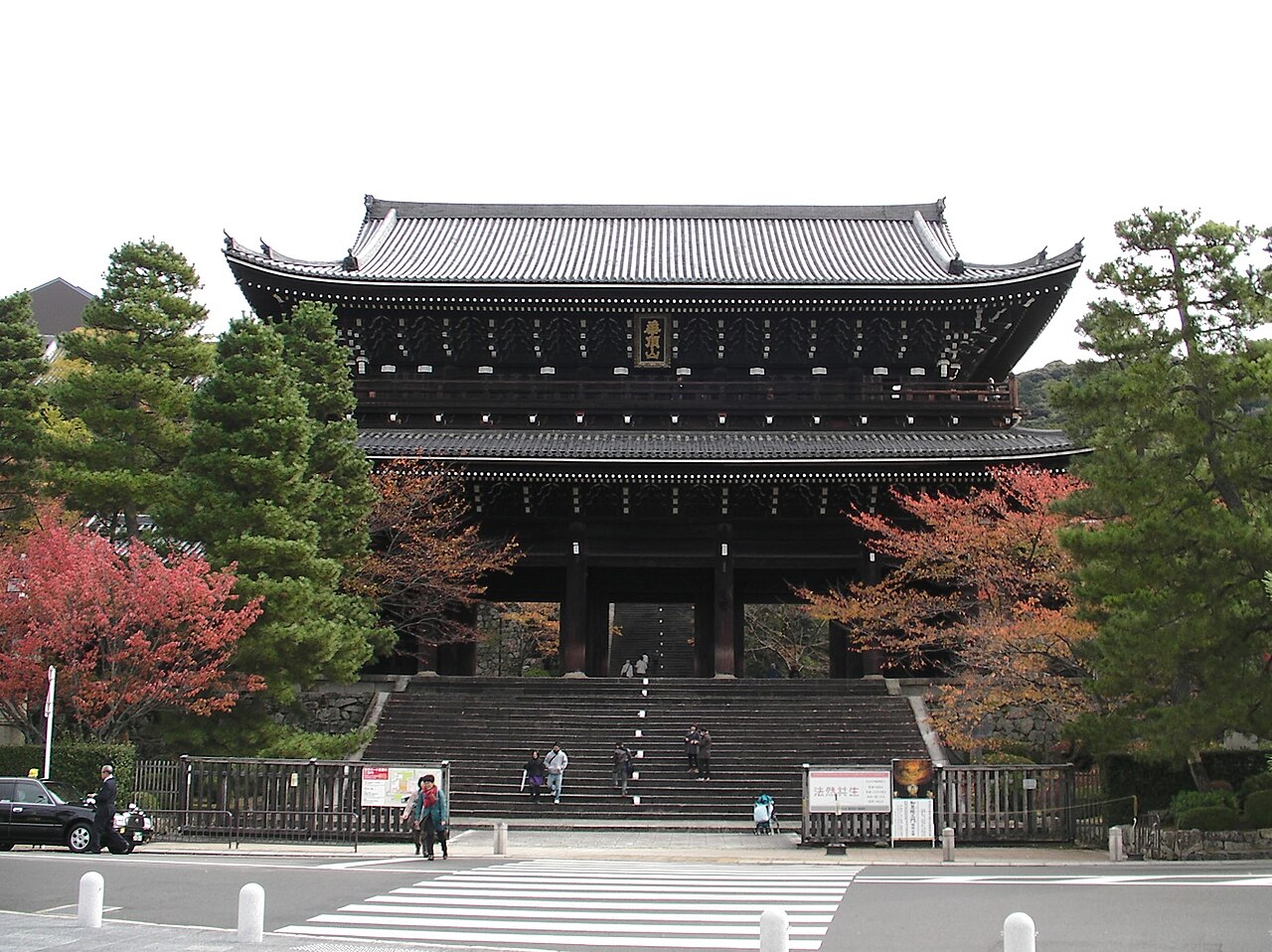
Death of Honen

Honen, founder of Japan's Jodo school, dies in Kyoto after teaching that the nembutsu alone, said in faith, carries the believer to the Pure Land; exiled once for the teaching's radical simplicity, he is remembered as the father of Japanese Pure Land Buddhism.

Kyoto
1222–1282

Nichiren

The Japanese monk Nichiren teaches that the Lotus Sutra alone holds the truth for this degenerate age and that chanting its title, Nam-myoho-renge-kyo, is the practice for all people; persecuted and exiled for his denunciations of the other schools and the state, he founds the tradition that carries his name.

Kamakura and Minobu
1244

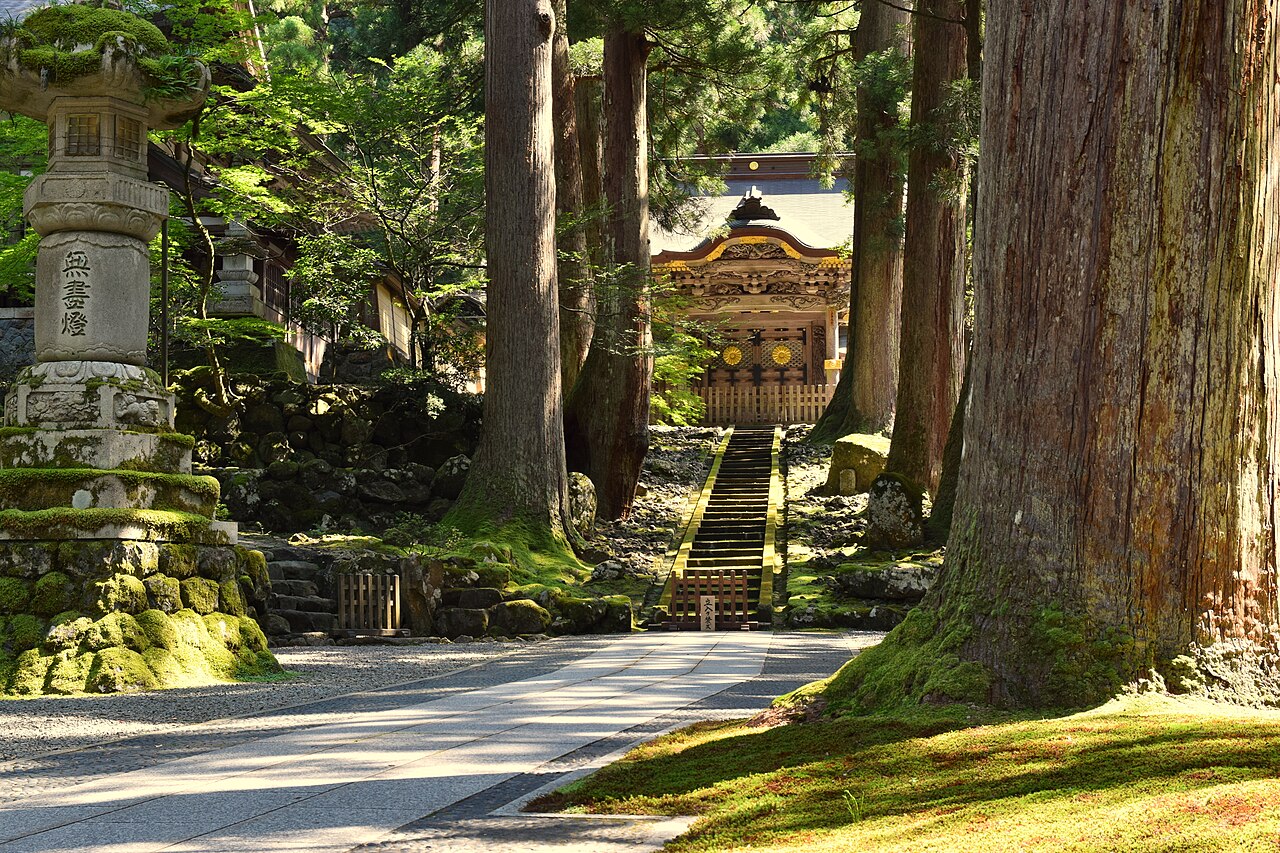
Dogen founds Eihei-ji

Dogen, who carried Soto Zen from China to Japan, founds Eihei-ji in the mountains of Echizen; his Shobogenzo sets out practice itself as awakening, and the monastery he founded remains the head temple of Japanese Soto Zen.

Eihei-ji
1253

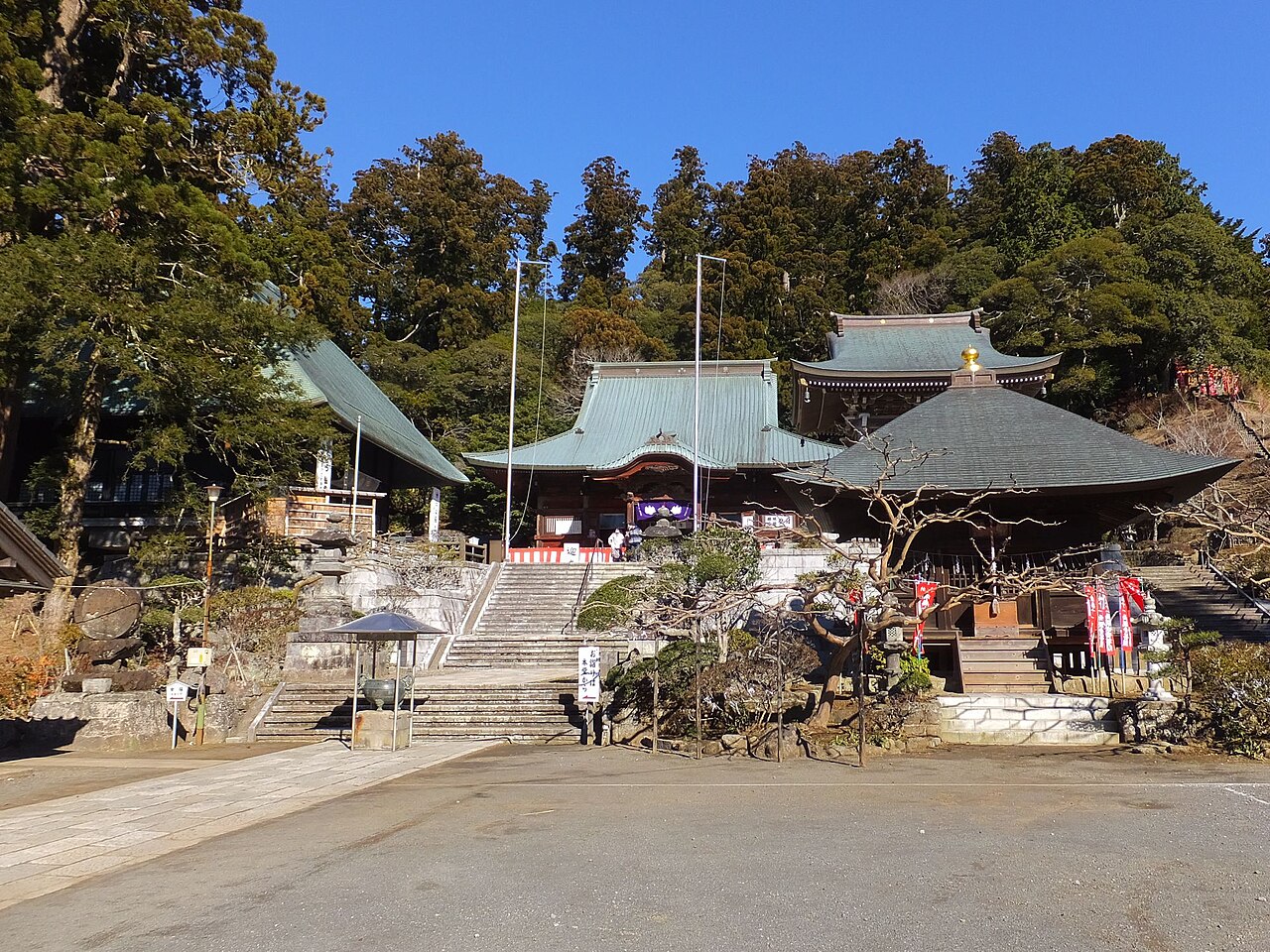
Nichiren proclaims the daimoku

At Kiyosumi in Awa, Nichiren first publicly chants Nam-myoho-renge-kyo and proclaims his teaching to the world; his followers keep the day as the founding act of the Nichiren tradition, from which its schools and lay movements descend.

Kiyosumi
1263

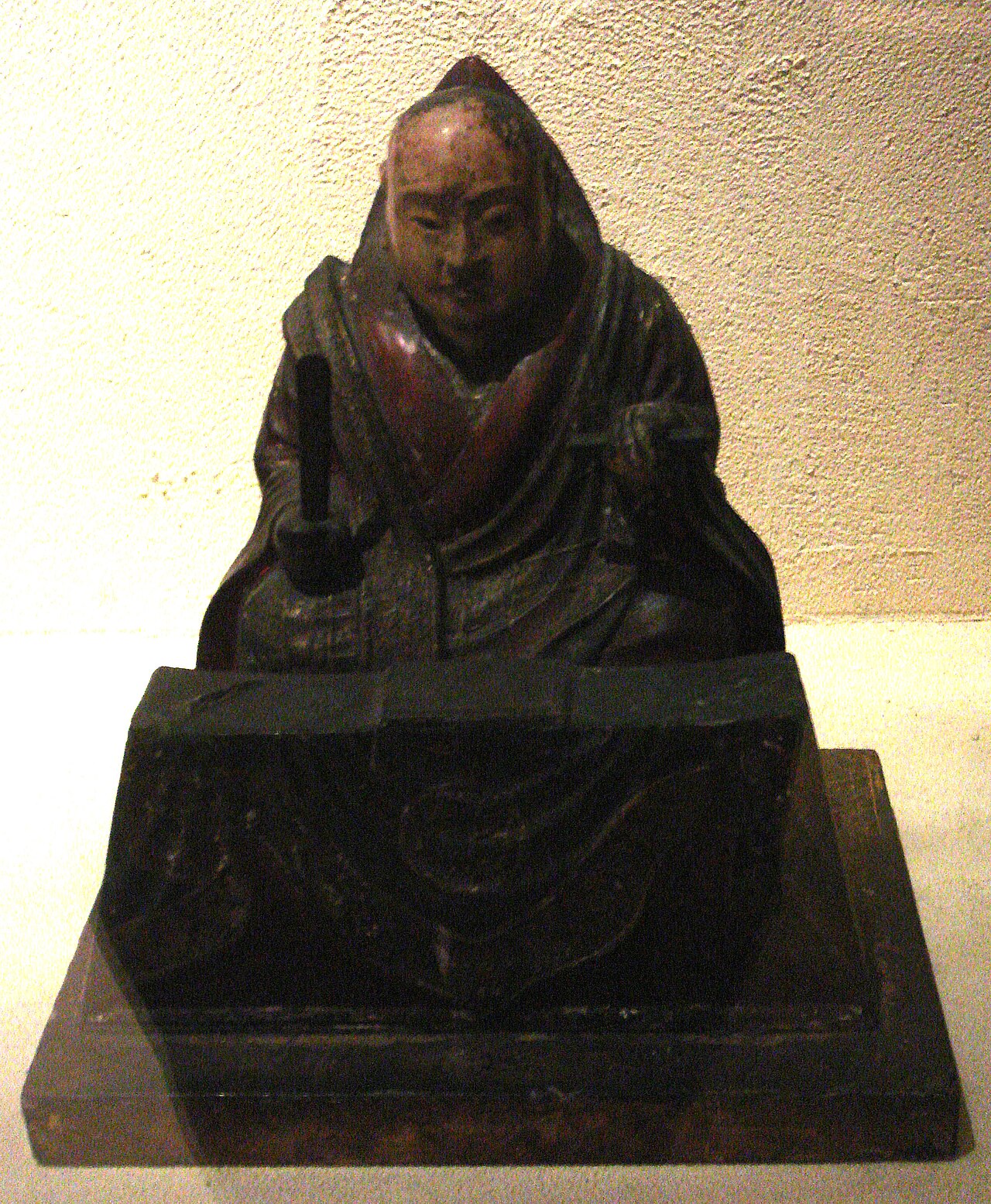
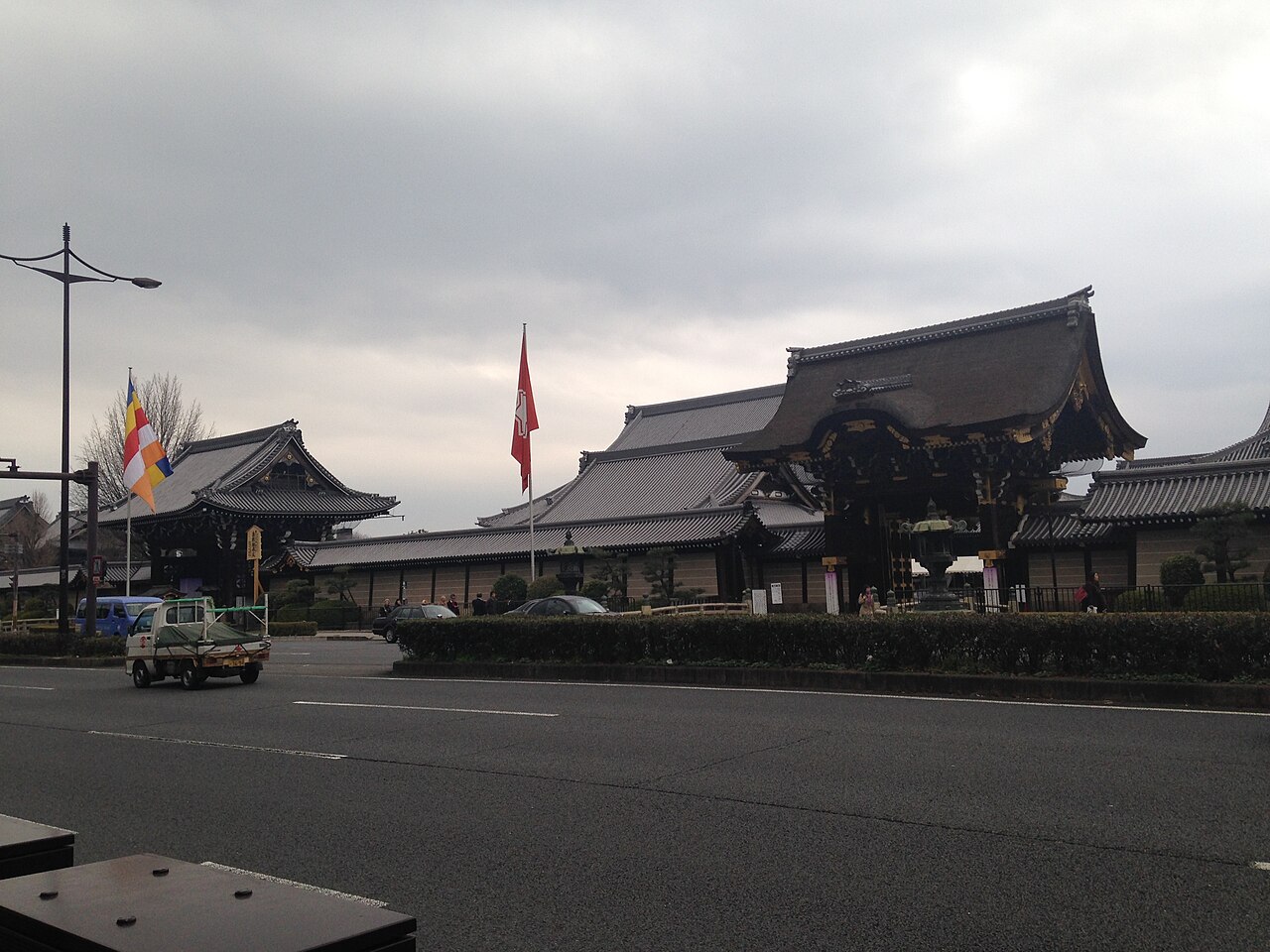
Death of Shinran

Shinran, Honen's disciple and the founder of Jodo Shinshu, dies in Kyoto; his teaching of absolute reliance on Amida's Primal Vow, taken by a married priesthood, builds the largest Buddhist tradition in Japan and the ancestor of the Buddhist Churches of America.

Kyoto
1271

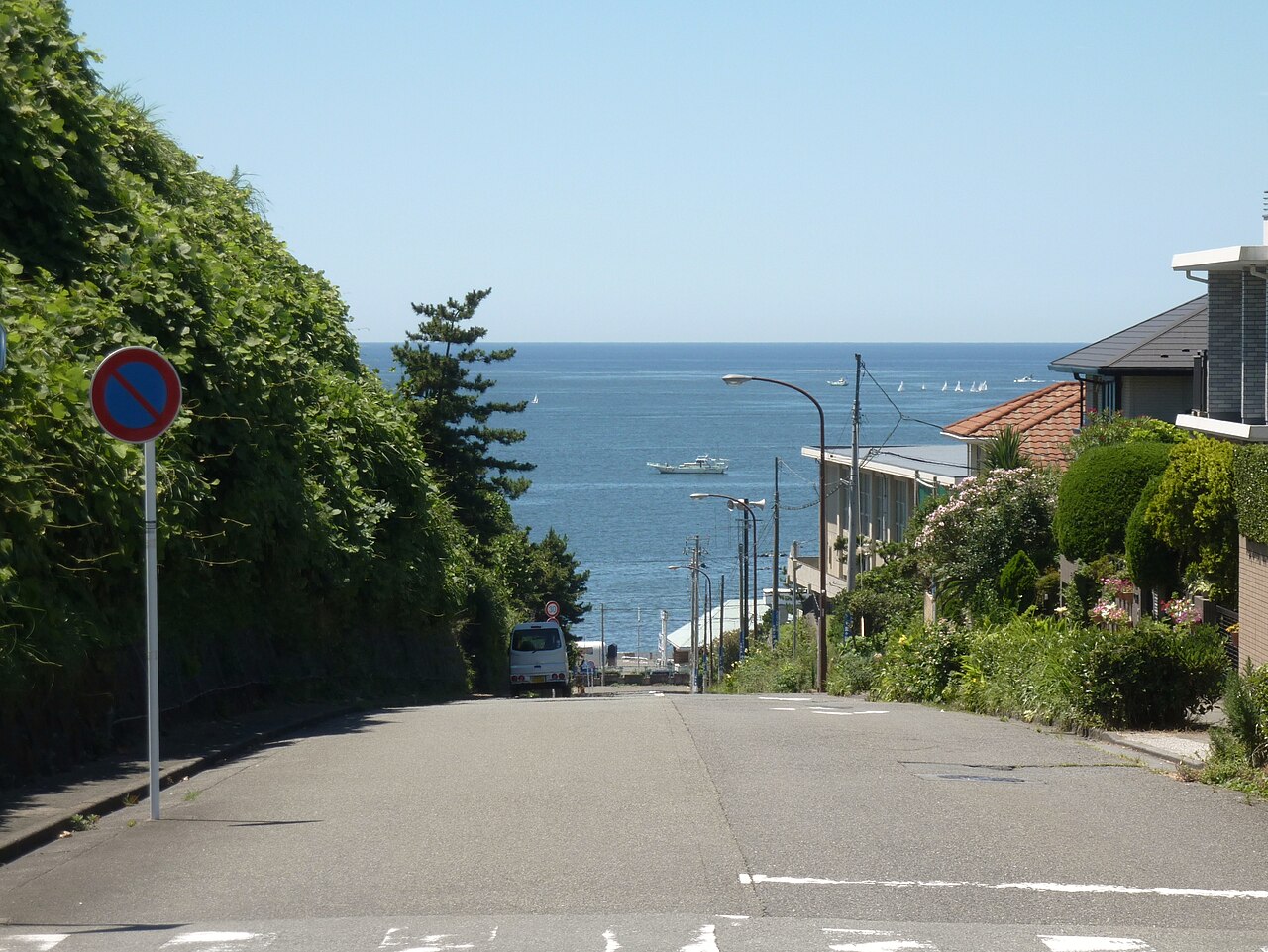
The Tatsunokuchi persecution and the Sado exile

Nichiren is arrested at Kamakura, nearly executed at Tatsunokuchi, and exiled to the island of Sado, where in hardship he writes his major treatises; his followers read the persecution as the Lotus Sutra's own prophecy of the votary's suffering fulfilled in his life.

Kamakura and Sado Island
1279

Nichiren inscribes the Dai-Gohonzon

The Nichiren Shoshu tradition holds that Nichiren inscribed the Dai-Gohonzon, the great mandala object of devotion, for all humankind in this year; the claim and the mandala's provenance are matters of the tradition's own faith, disputed by other Nichiren schools, and the record states them as such.

Minobu
1409

Tsongkhapa founds Ganden Monastery

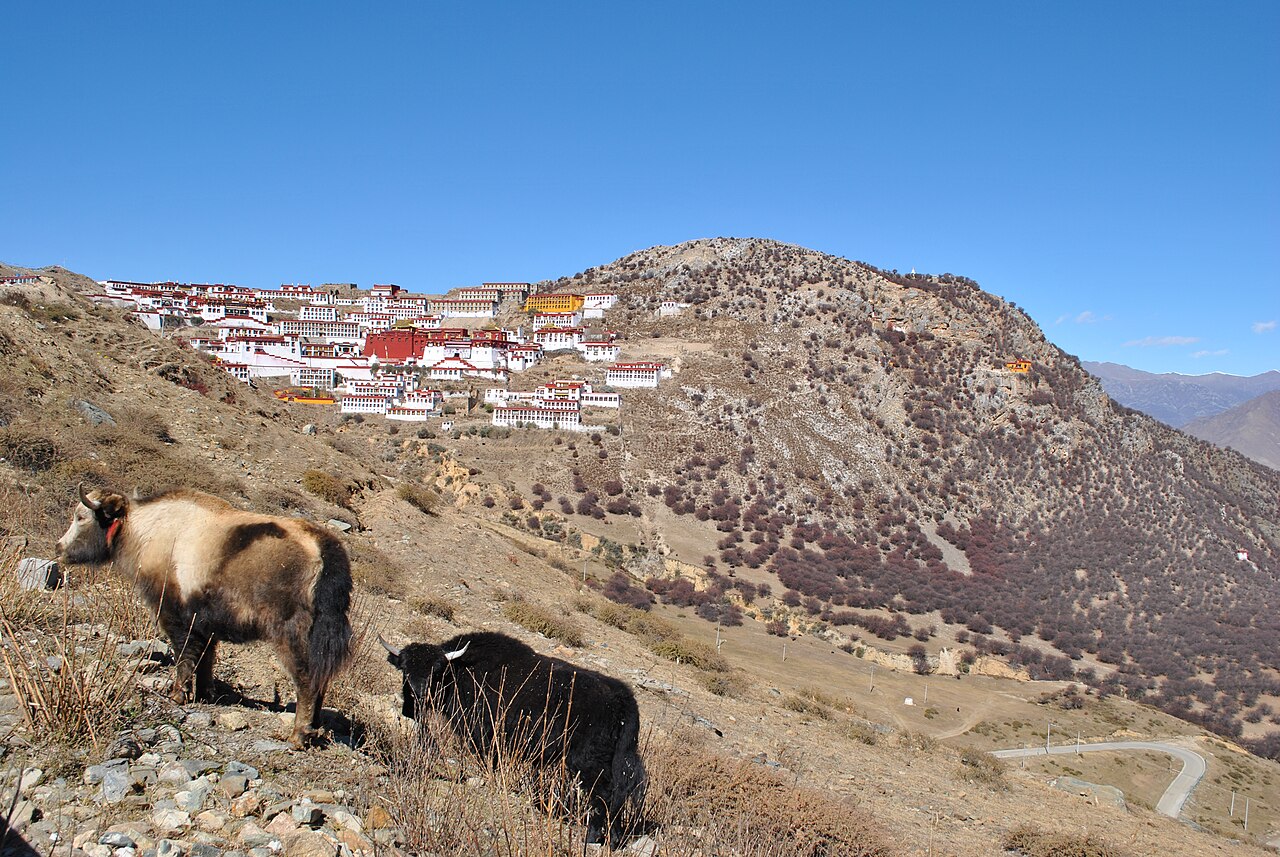
The Tibetan scholar and reformer Tsongkhapa founds Ganden Monastery near Lhasa, the seat of the Gelug school; his Great Treatise on the Stages of the Path joins Atisha's lamp to rigorous monastic discipline, and the Dalai Lamas rise within the order he founded.

Ganden

Modern

1891

Maha Bodhi Society founded

Anagarika Dharmapala founds the Maha Bodhi Society in Colombo to recover Bodh Gaya for Buddhists and to revive Buddhism in India and the West; the Society becomes the engine of the modern Buddhist revival and of Buddhism's new international voice.

Colombo
1893

Buddhism at the Parliament of Religions, Chicago

At the World's Parliament of Religions, Anagarika Dharmapala presents Theravada Buddhism to the West, and the Zen master Soyen Shaku speaks for Japan; the Parliament opens Buddhism's modern era in the West, whose records this timeline and the Hinduism timeline each carry from their own side.

Chicago
1930

Soka Gakkai founded

The educator Tsunesaburo Makiguchi founds the Soka Kyoiku Gakkai, the seed of the Soka Gakkai, on Nichiren teaching joined to his philosophy of value creation; after the war it grows under Josei Toda and Daisaku Ikeda into Japan's largest lay Buddhist movement and a global one.

Tokyo
1950

World Fellowship of Buddhists

Delegates from twenty-seven countries found the World Fellowship of Buddhists in Colombo, the first standing body joining Theravada, Mahayana, and Vajrayana Buddhists worldwide; its flag and its conferences give the modern Buddhist world a common institution.

Colombo
1956

Ambedkar's mass conversion

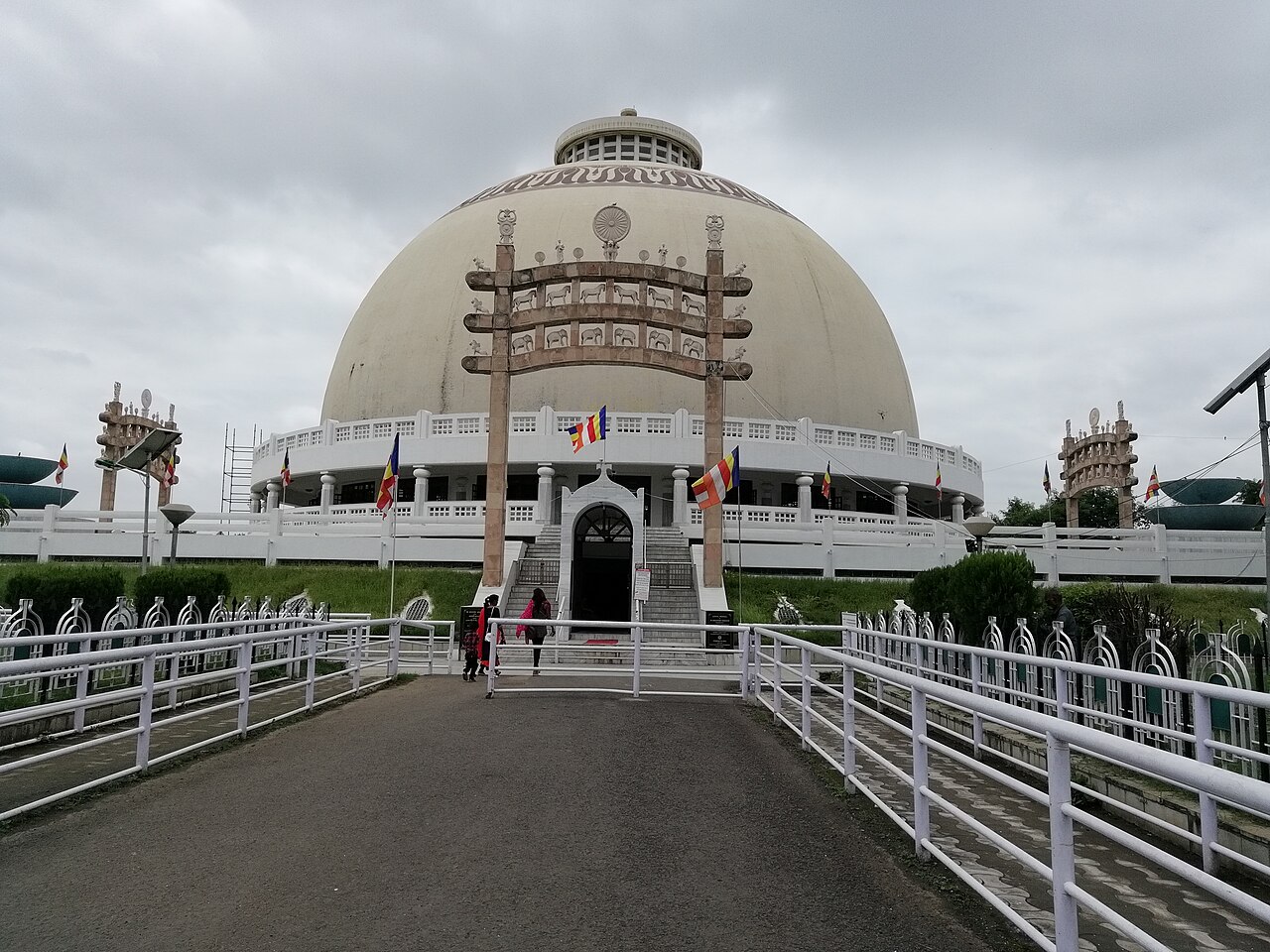
B. R. Ambedkar, the Dalit leader and architect of India's constitution, takes refuge in Buddhism at Nagpur with roughly half a million followers, rejecting caste at its root; the Navayana, the new vehicle he proclaims, reads the Buddha's teaching as a gospel of social justice.

Nagpur
1959

Dalai Lama flees Tibet

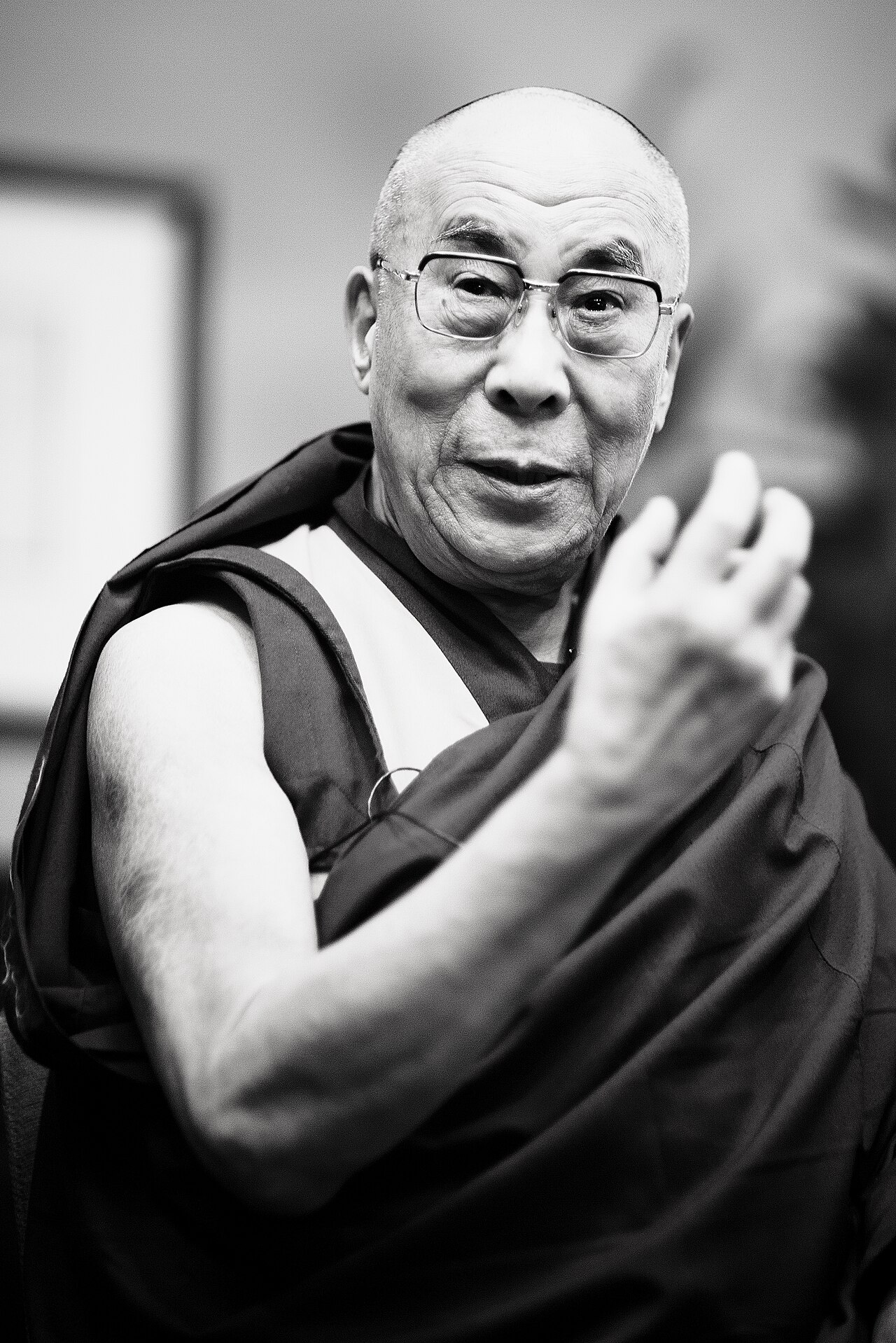
After the Lhasa uprising fails, the fourteenth Dalai Lama escapes across the Himalayas to India and establishes his exile home at Dharamsala; Tibetan Buddhism, carried by its refugees, takes root across the world in the decades that follow.

Lhasa to Dharamsala
1966

Thich Nhat Hanh's engaged Buddhism

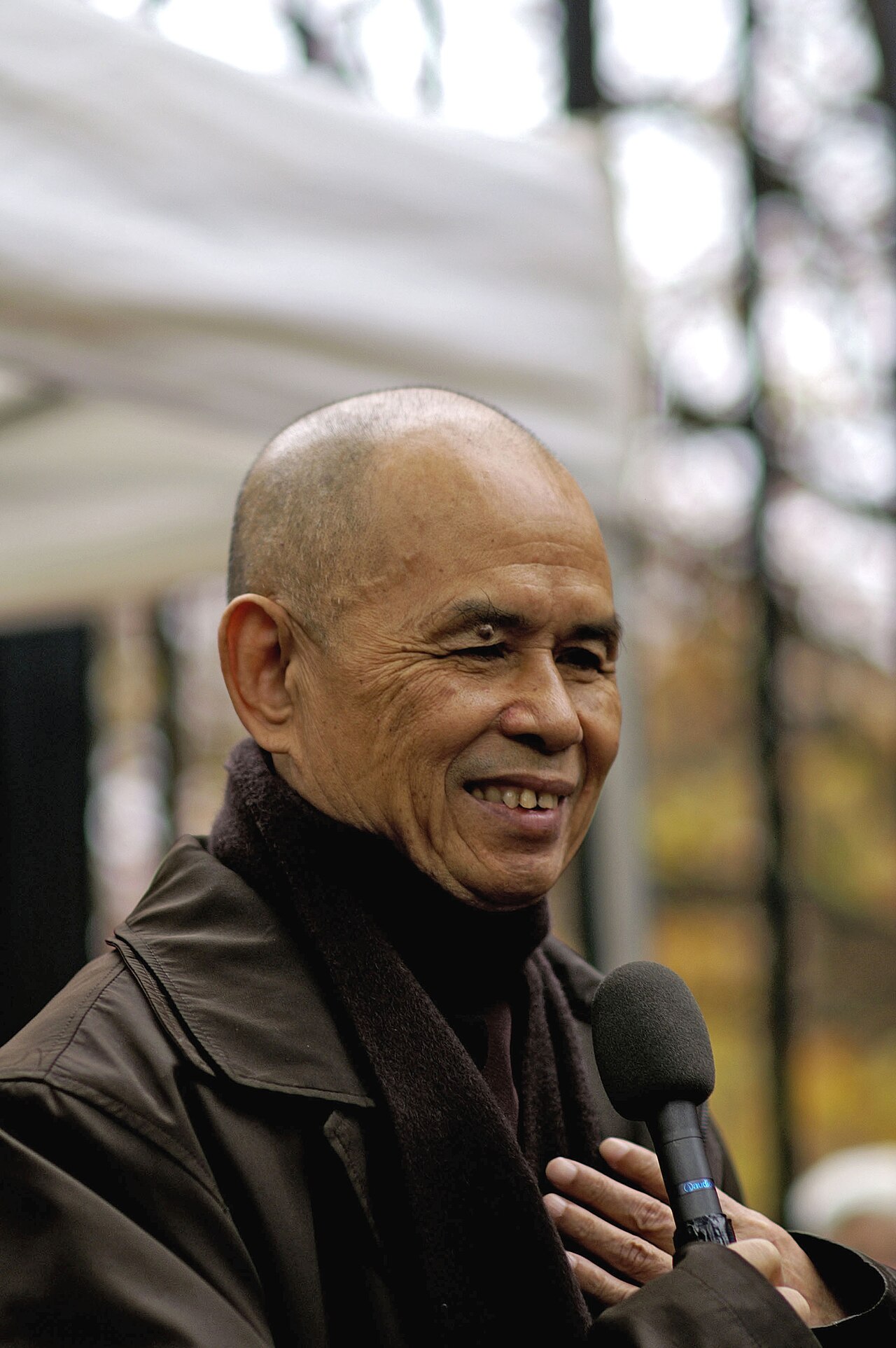
In war-torn Vietnam, Thich Nhat Hanh founds the Order of Interbeing and teaches an engaged Buddhism that carries meditation into relief work and peace activism; exiled for his peace work, he builds Plum Village in France and becomes one of the teachers who carries Zen and mindfulness to the West.

Saigon
1970s–1980s

Western Buddhism established

Across the 1970s and 1980s, Western converts build Buddhism's permanent institutions in the West: meditation centers of the Insight movement, Zen centers in the lineages carried by immigrant teachers and Western disciples, and Tibetan centers founded by refugee lamas, joined by a publishing culture that carries the texts.

United States and Europe
1989

Dalai Lama awarded Nobel Peace Prize

The fourteenth Dalai Lama receives the Nobel Peace Prize in Oslo for his nonviolent stand on Tibet; the prize fixes his standing as a world figure and carries Tibetan Buddhism's exile story to a global audience.

Oslo
2000s

Secular mindfulness movement

Mindfulness practice, drawn from Buddhist meditation and set in clinical and secular frames, spreads through hospitals, schools, and workplaces in the West; Jon Kabat-Zinn's mindfulness-based stress reduction, founded at the University of Massachusetts in 1979, stands behind the movement, whose relation to its Buddhist root is debated within Buddhism itself.

Worcester