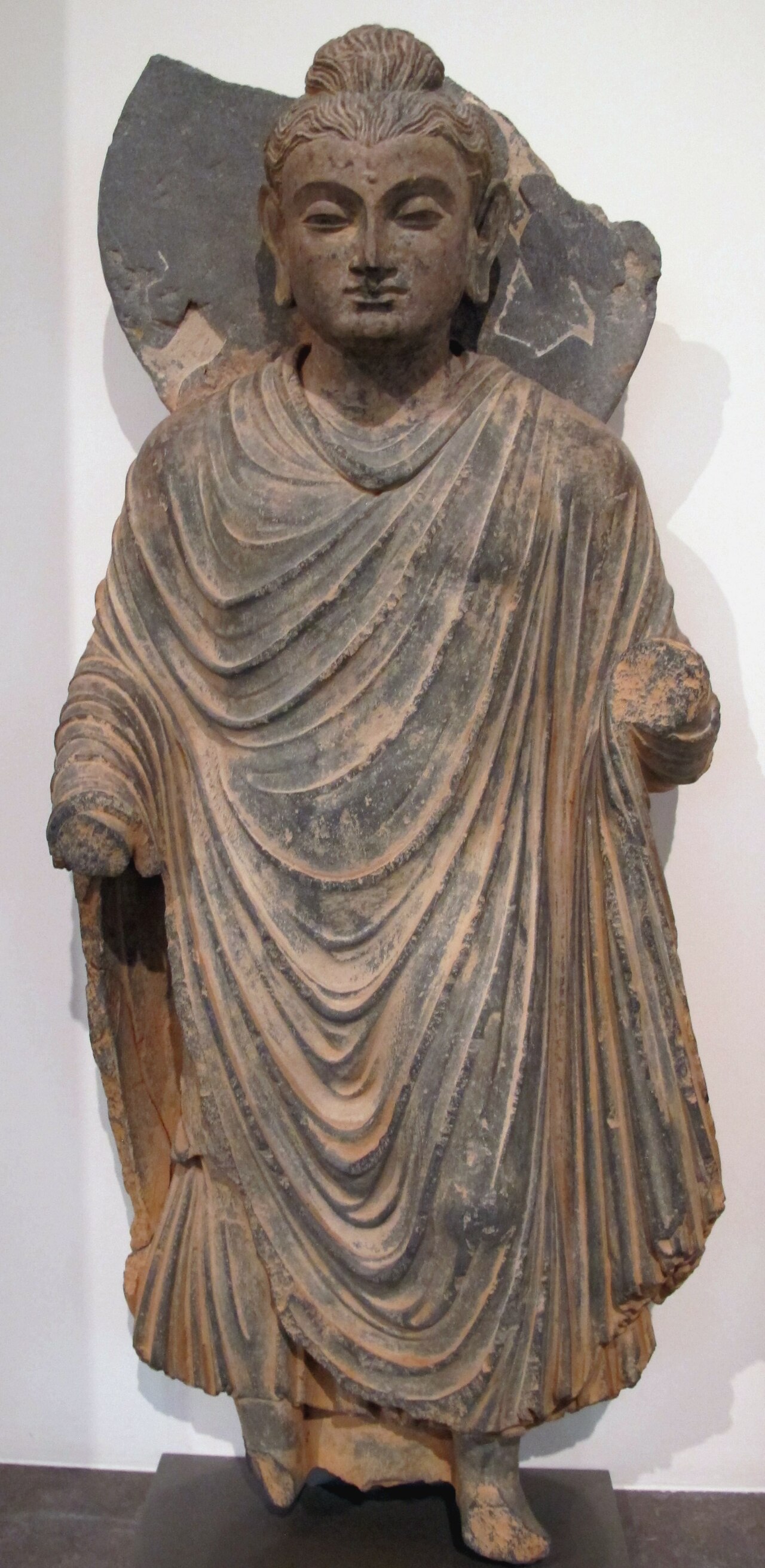
Buddhism

The Mahayana stream of the Buddhism timeline.

Streams: All of Buddhism Theravada Mahayana Vajrayana Pure Land Zen Tibetan Buddhism Nichiren Buddhism Secular Buddhism Soka Gakkai Navayana

Early Buddhism

c. 563–483 BCE (traditional); c. 480–400 BCE (scholarly)

Life of the Buddha

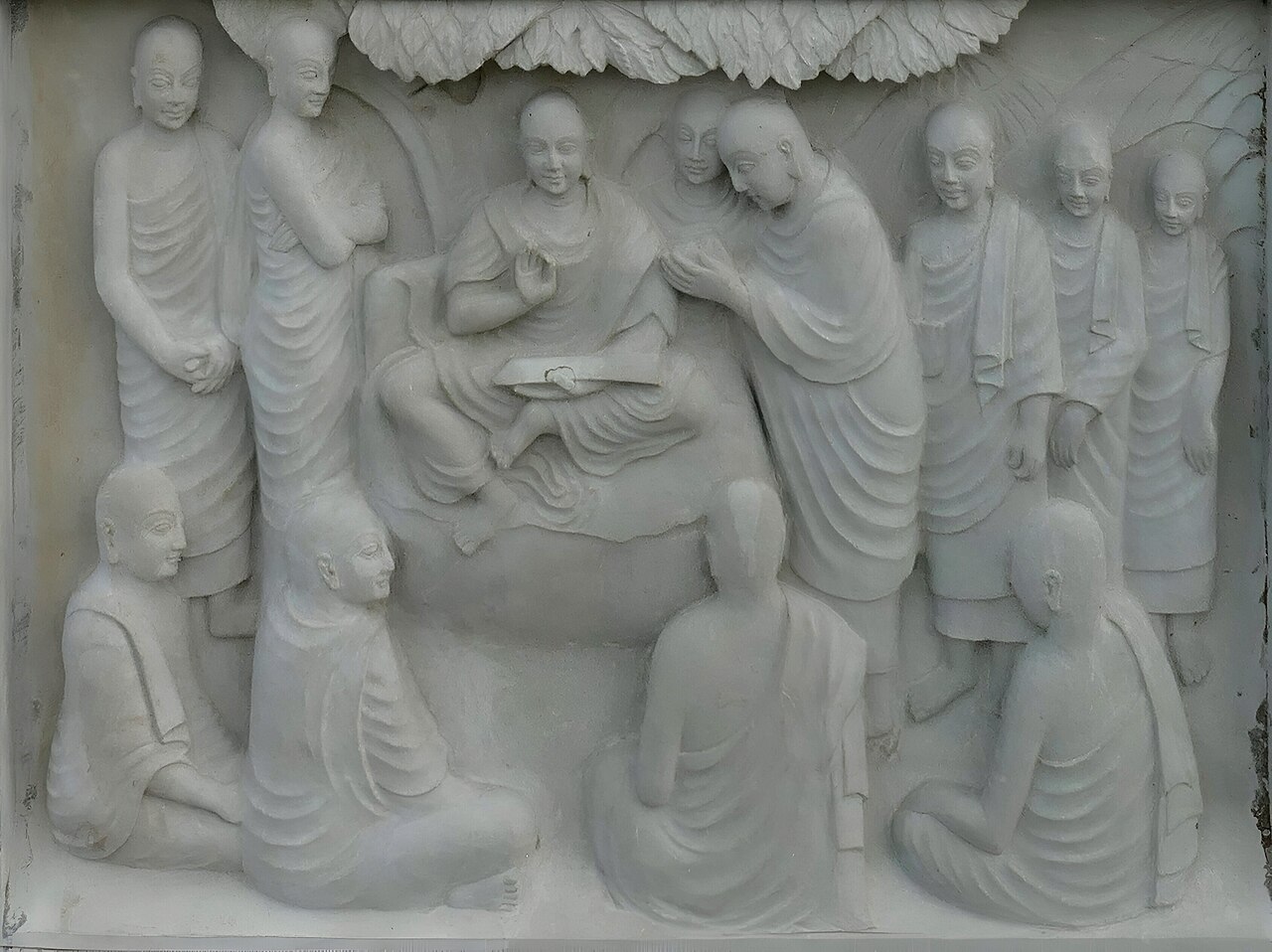
Siddhartha Gautama is born at Lumbini, renounces his palace life, wakes under the Bodhi tree at Bodh Gaya, preaches at Sarnath, and dies at Kushinagar at the age of eighty; his dates are the most disputed in this timeline, the tradition's long chronology and modern scholarship's shorter one standing side by side in the date above.
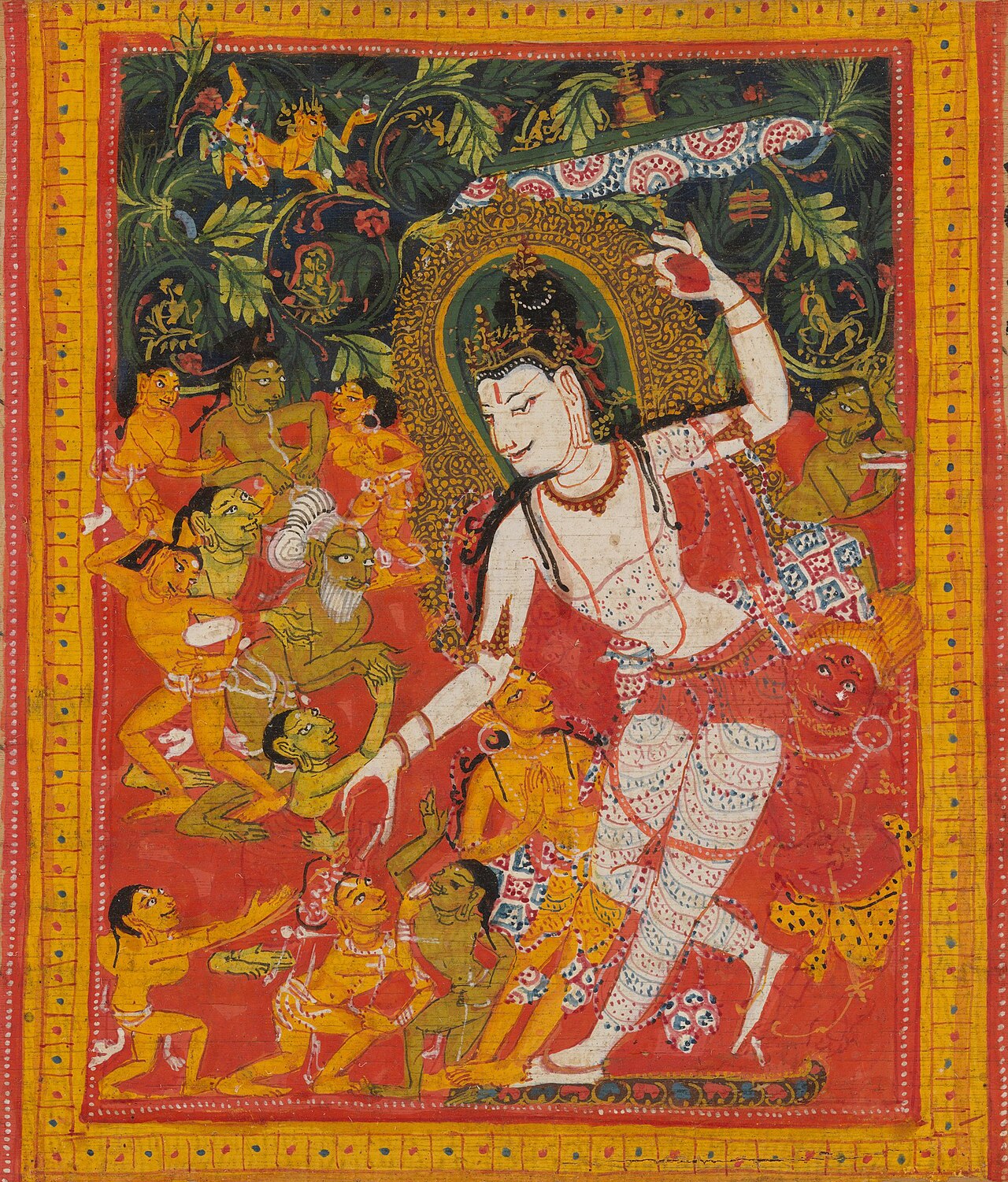
Lumbini, Bodh Gaya, Sarnath, Kushinagar
268–232 BCE

Reign of Ashoka

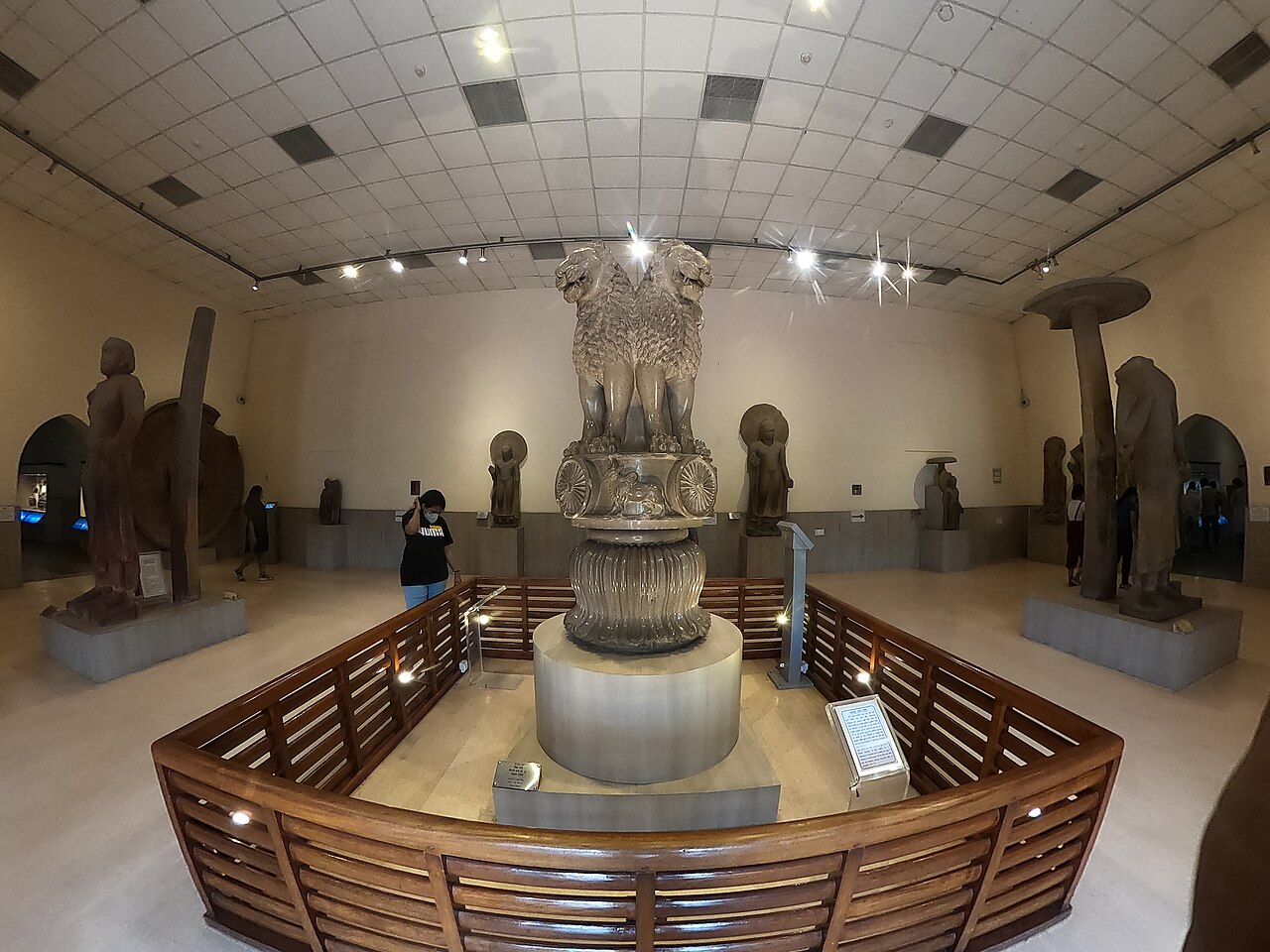
Ashoka rules most of India, turns to Buddhism after the Kalinga war, and inscribes edicts of tolerance and welfare on rock and pillar across his empire; his missions carry Buddhism to Sri Lanka and toward Central Asia, and his pillars become the earliest firm dates in Indian history.

Pataliputra
1st century CE

Emergence of the Mahayana

Within the early schools, movements honoring new sutras and the bodhisattva path gather force and come to call themselves the Mahayana, the Great Vehicle; the Perfection of Wisdom texts open the movement, which grows beside the older schools rather than replacing them in India.

India

Classical

c. 150 CE

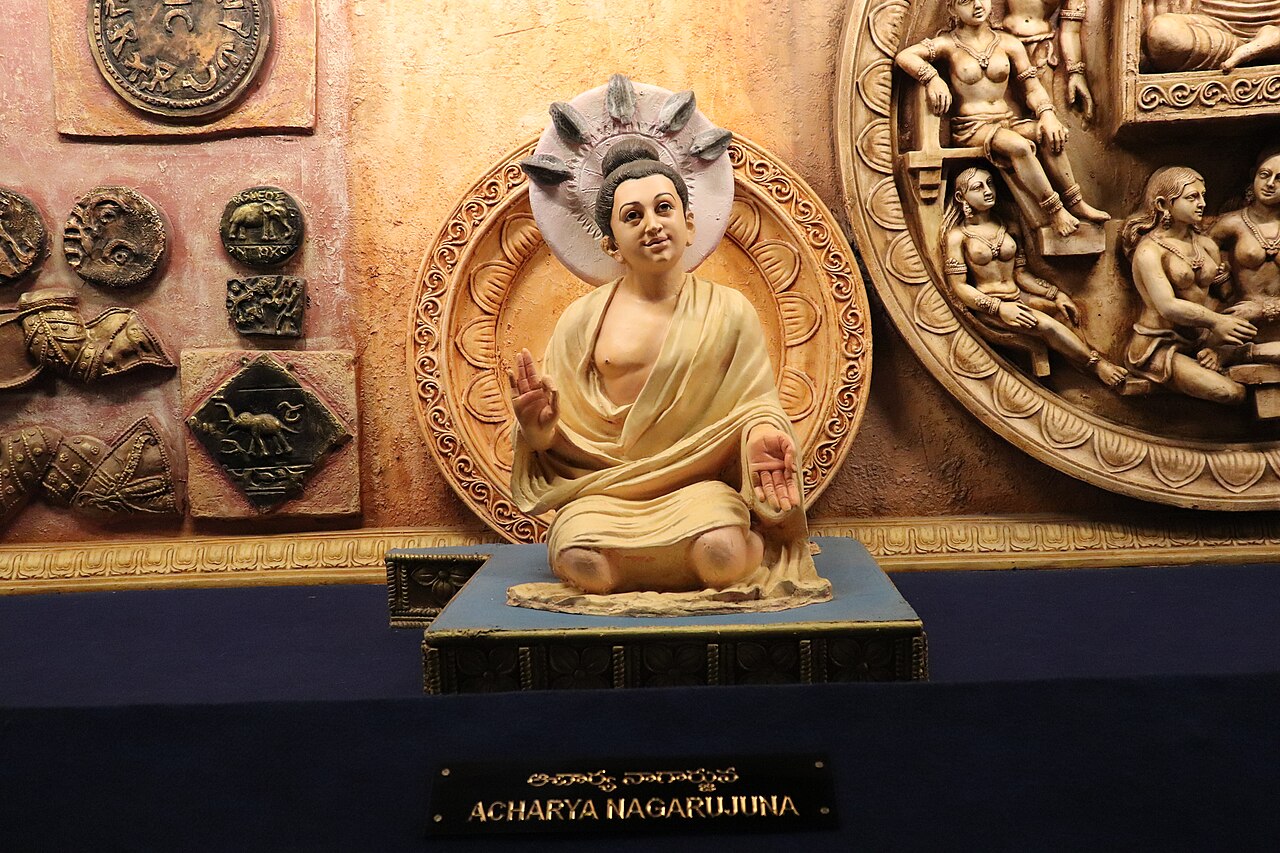
Nagarjuna

Nagarjuna argues in the Middle Way verses that all things are empty of own-being and arise in dependence; his Madhyamaka becomes the philosophical spine of the Mahayana across India, Tibet, and East Asia, and every later school answers him.

Andhra
c. 4th century

Asanga and Vasubandhu

The half-brothers Asanga and Vasubandhu build the Yogacara, the mind-only school that maps consciousness in detail; Vasubandhu's Abhidharmakosha, written before his conversion, becomes the shared reference of Abhidharma study in every vehicle.

Gandhara and Ayodhya
552

Buddhism introduced to Japan

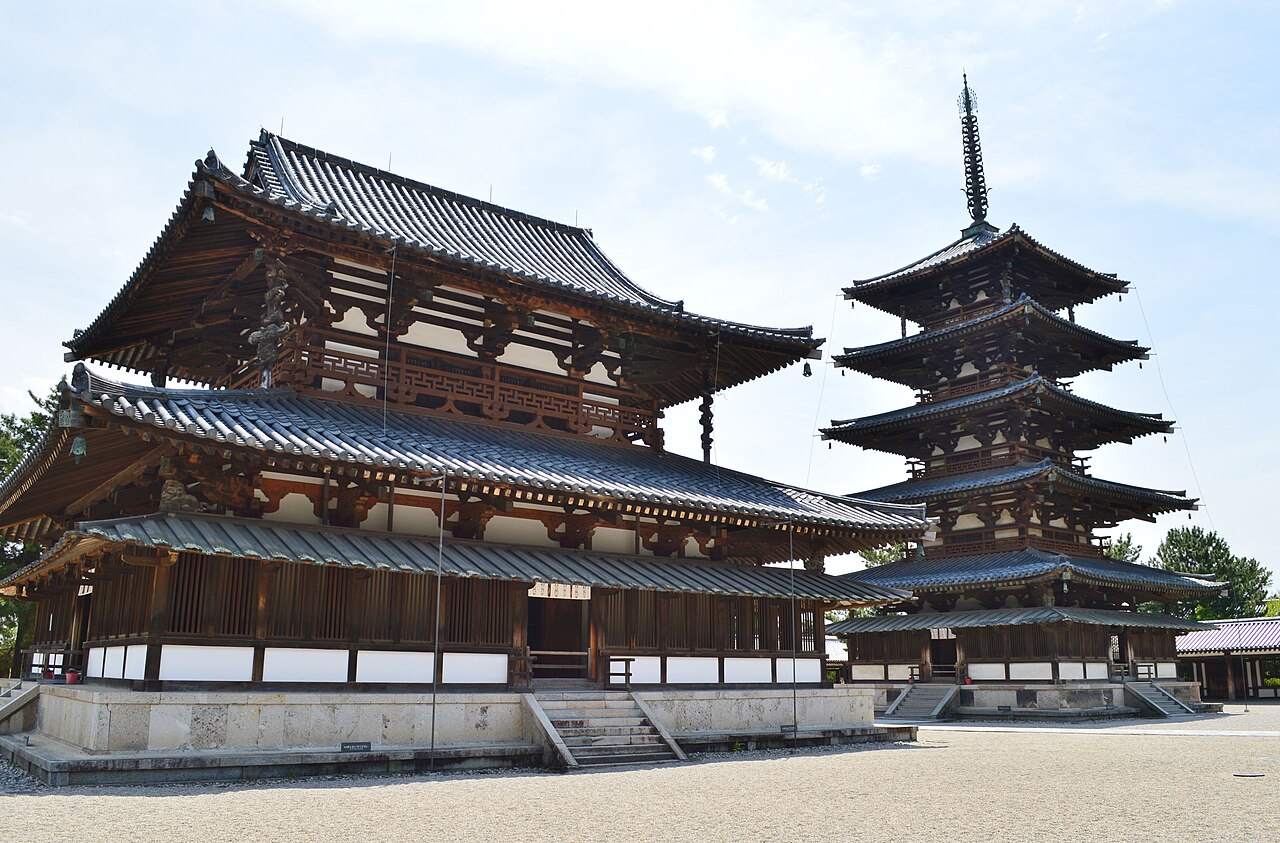
The traditional date for Buddhism's official arrival in Japan, when the king of Baekje sends a Buddha image and sutras to the Yamato court; the new teaching divides the court, and its victory under Prince Shotoku sets Buddhism inside Japanese state and culture from the start.

Yamato
629–645

Xuanzang's journey to India

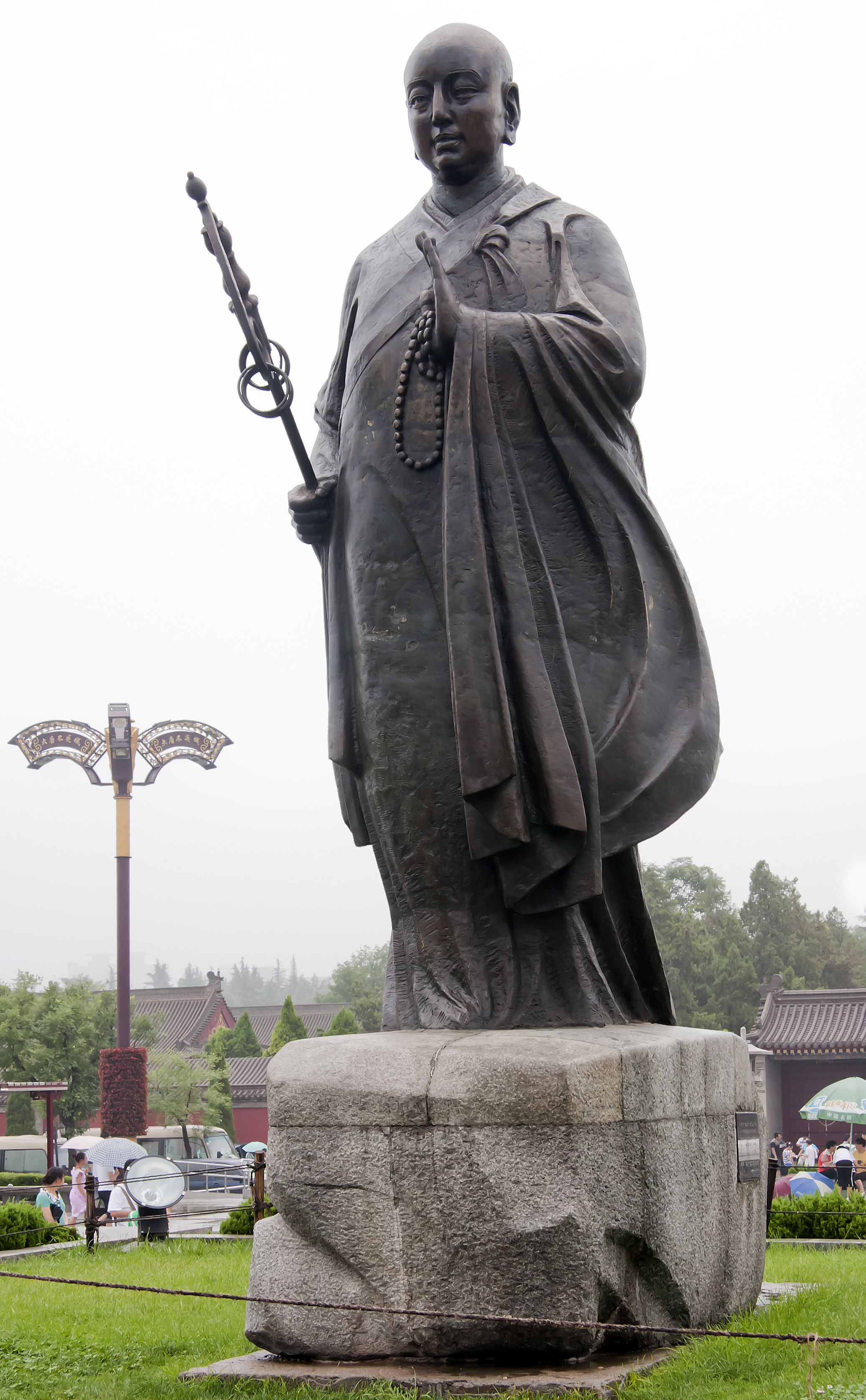
The Chinese monk Xuanzang travels the Silk Road to India against imperial orders, studies at Nalanda, and returns with hundreds of texts and a record of the Western regions; his translations set the standard of Chinese Buddhist scholarship, and his journey later flowers into the Journey to the West.

Chang'an to Nalanda
681

Death of Shandao

Shandao, the Chinese master who systematized Pure Land teaching around the nembutsu and the Larger Sutra, dies at Chang'an; his commentary and his parable of the white path shape Pure Land practice across East Asia, and Honen and Shinran later take him as their guide.

Chang'an
c. 8th–9th century

Nalanda at its height

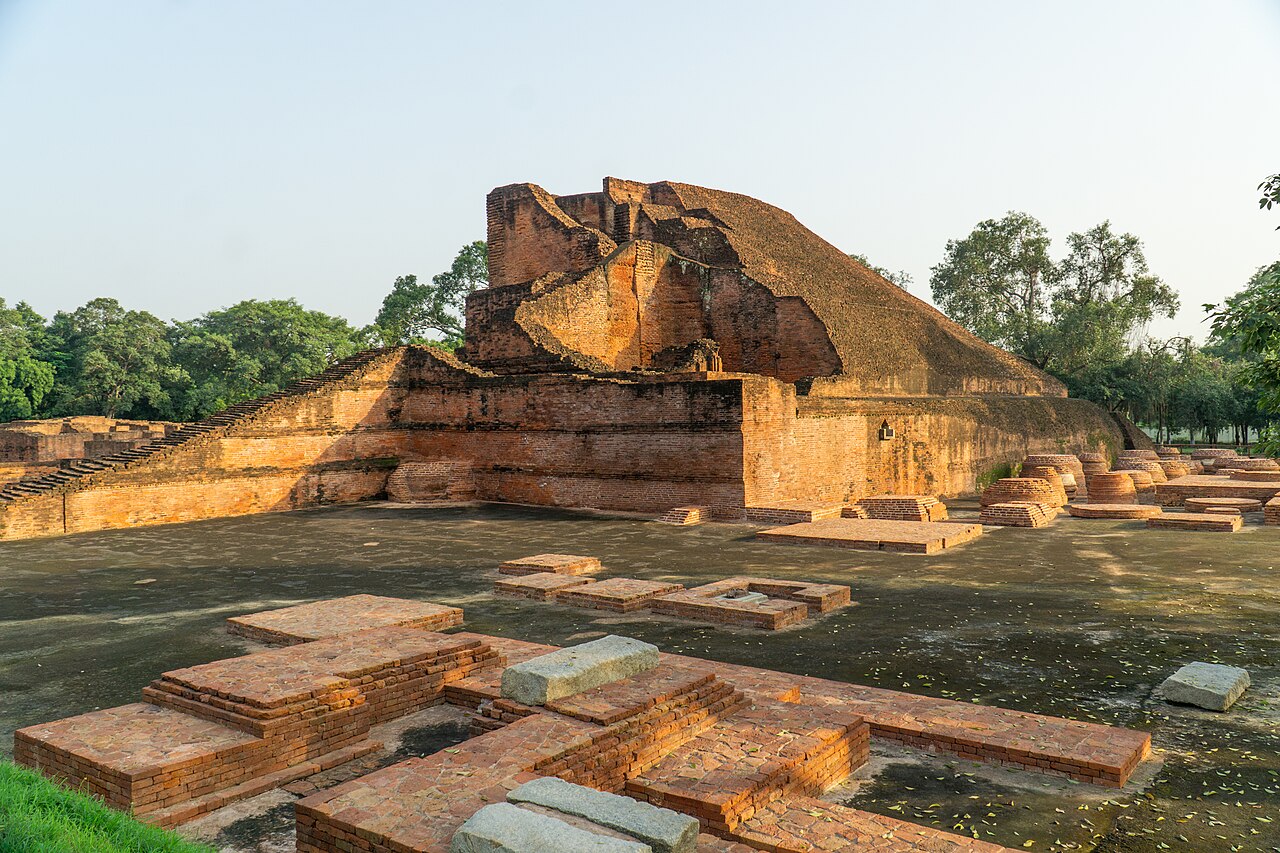
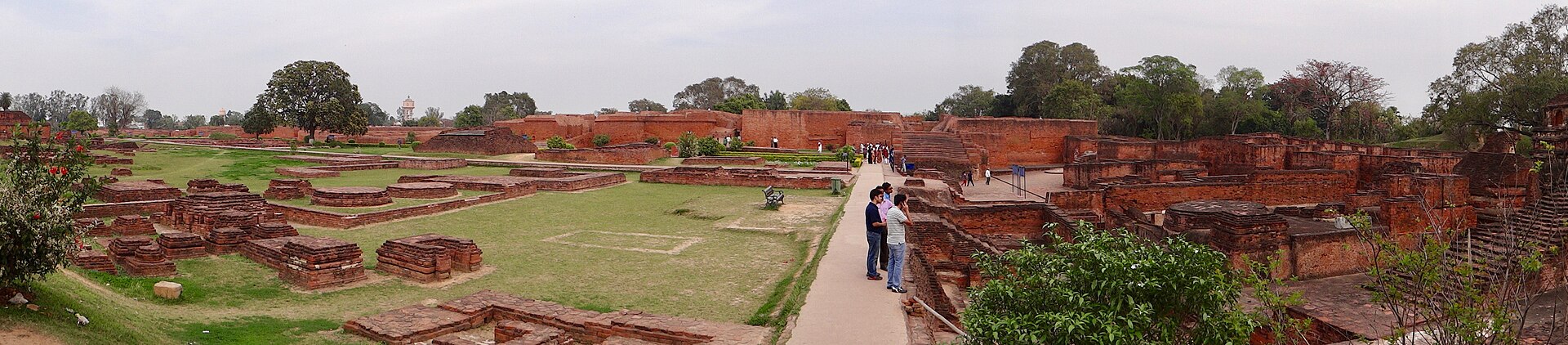
The monastery university of Nalanda stands at its height, drawing thousands of monks and students from across Asia to its libraries, debate courtyards, and teachers; Xuanzang and Yijing describe a scholastic city whose curriculum joins the Mahayana philosophies with logic, medicine, and grammar.

Nalanda
845

Great Anti-Buddhist Persecution (China)

The Tang emperor Wuzong, favoring Daoism and short of revenue, suppresses Buddhism across China: monasteries are destroyed, lands seized, and a quarter of a million monks and nuns are returned to lay life by the official count; the blow falls hardest on the wealthy schools, and Chinese Buddhism never fully regains its Tang standing.

Chang'an
c. 1193

Destruction of Nalanda

Turkic raiders under Bakhtiyar Khalji sack the monasteries of Bihar, and Nalanda is burned and abandoned; the destruction closes organized Buddhism in its Indian homeland, whose monks and manuscripts flee to Nepal and Tibet in the same decades.

Nalanda

Medieval

1222–1282

Nichiren

The Japanese monk Nichiren teaches that the Lotus Sutra alone holds the truth for this degenerate age and that chanting its title, Nam-myoho-renge-kyo, is the practice for all people; persecuted and exiled for his denunciations of the other schools and the state, he founds the tradition that carries his name.

Kamakura and Minobu

Modern

1950

World Fellowship of Buddhists

Delegates from twenty-seven countries found the World Fellowship of Buddhists in Colombo, the first standing body joining Theravada, Mahayana, and Vajrayana Buddhists worldwide; its flag and its conferences give the modern Buddhist world a common institution.

Colombo
1966

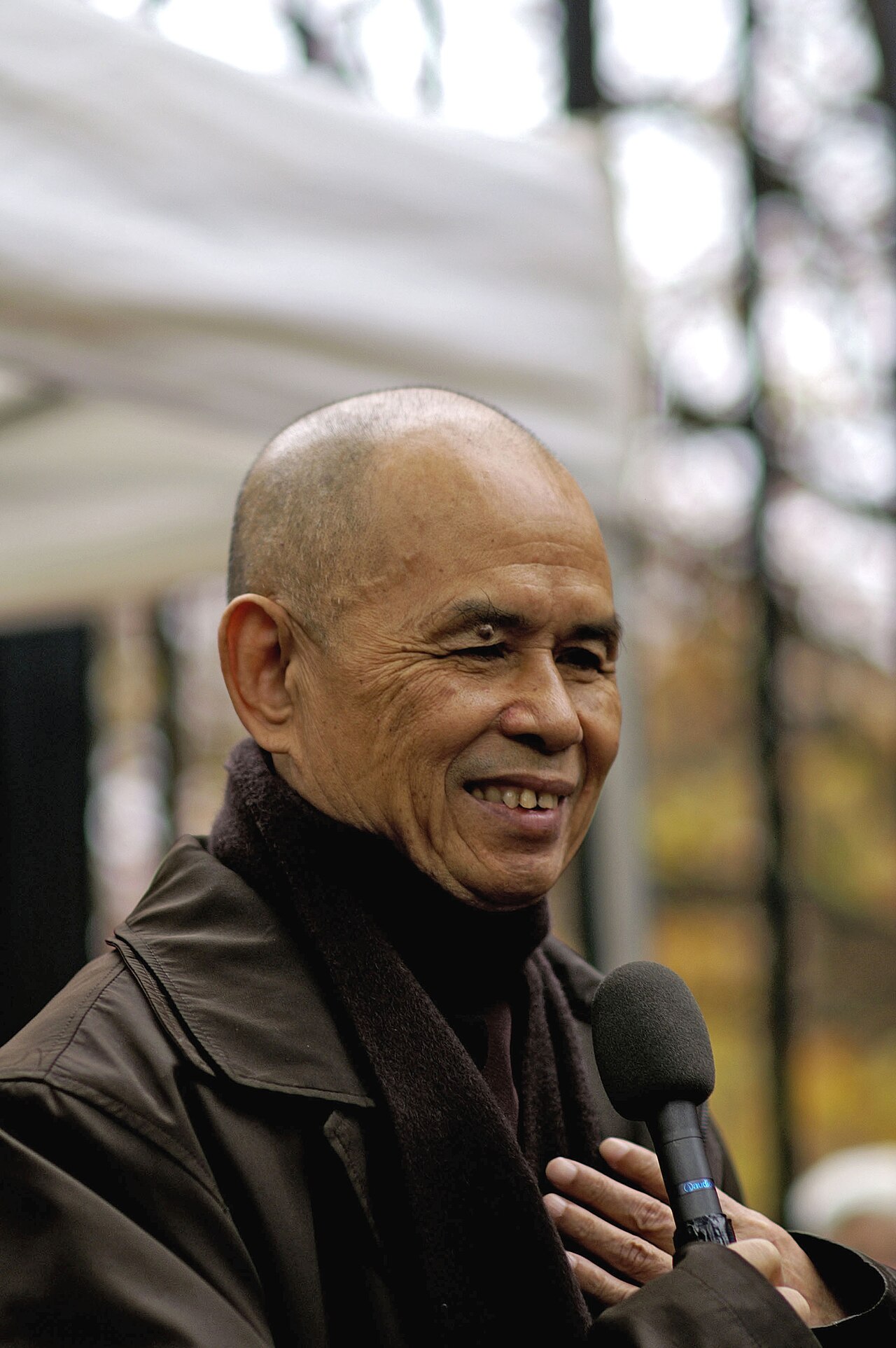
Thich Nhat Hanh's engaged Buddhism

In war-torn Vietnam, Thich Nhat Hanh founds the Order of Interbeing and teaches an engaged Buddhism that carries meditation into relief work and peace activism; exiled for his peace work, he builds Plum Village in France and becomes one of the teachers who carries Zen and mindfulness to the West.

Saigon
1970s–1980s

Western Buddhism established

Across the 1970s and 1980s, Western converts build Buddhism's permanent institutions in the West: meditation centers of the Insight movement, Zen centers in the lineages carried by immigrant teachers and Western disciples, and Tibetan centers founded by refugee lamas, joined by a publishing culture that carries the texts.

United States and Europe