Buddhism

The Secular Buddhism stream of the Buddhism timeline.

Streams: All of Buddhism Theravada Mahayana Vajrayana Pure Land Zen Tibetan Buddhism Nichiren Buddhism Secular Buddhism Soka Gakkai Navayana

Modern

1893

Buddhism at the Parliament of Religions, Chicago

At the World's Parliament of Religions, Anagarika Dharmapala presents Theravada Buddhism to the West, and the Zen master Soyen Shaku speaks for Japan; the Parliament opens Buddhism's modern era in the West, whose records this timeline and the Hinduism timeline each carry from their own side.
Chicago
1950

World Fellowship of Buddhists

Delegates from twenty-seven countries found the World Fellowship of Buddhists in Colombo, the first standing body joining Theravada, Mahayana, and Vajrayana Buddhists worldwide; its flag and its conferences give the modern Buddhist world a common institution.

Colombo
1956

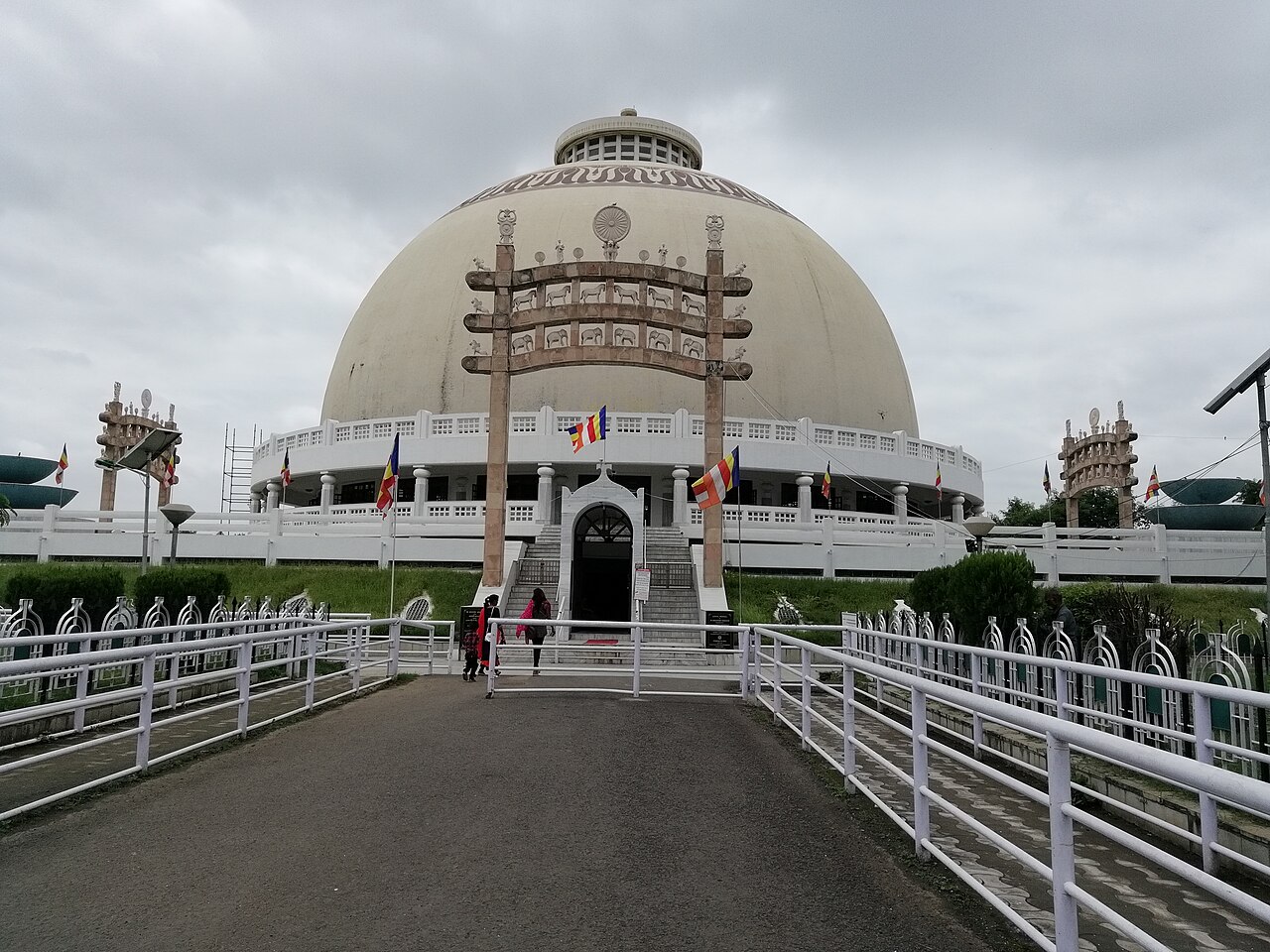
Ambedkar's mass conversion

B. R. Ambedkar, the Dalit leader and architect of India's constitution, takes refuge in Buddhism at Nagpur with roughly half a million followers, rejecting caste at its root; the Navayana, the new vehicle he proclaims, reads the Buddha's teaching as a gospel of social justice.

Nagpur
1966

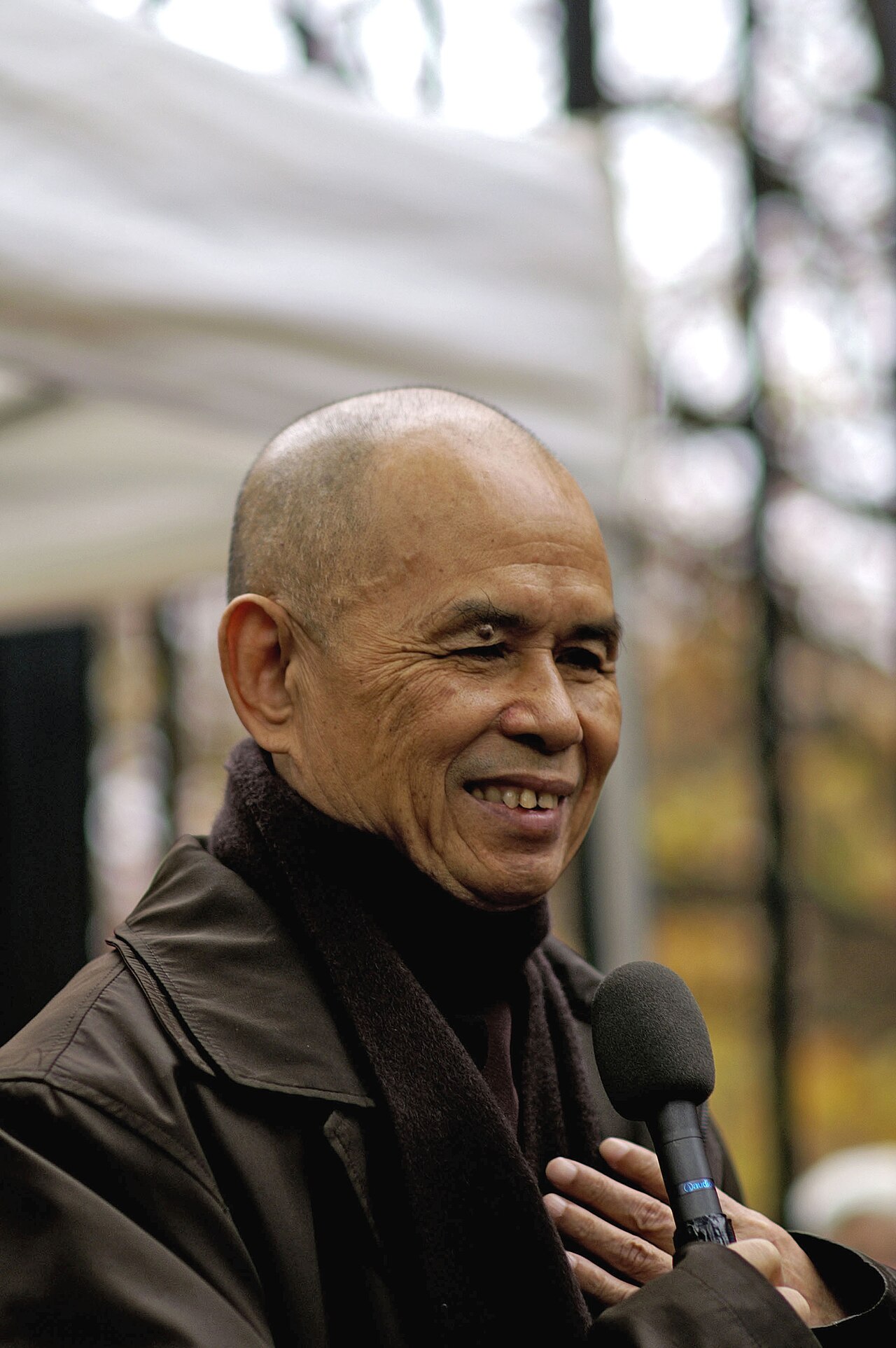
Thich Nhat Hanh's engaged Buddhism

In war-torn Vietnam, Thich Nhat Hanh founds the Order of Interbeing and teaches an engaged Buddhism that carries meditation into relief work and peace activism; exiled for his peace work, he builds Plum Village in France and becomes one of the teachers who carries Zen and mindfulness to the West.

Saigon
1970s–1980s

Western Buddhism established

Across the 1970s and 1980s, Western converts build Buddhism's permanent institutions in the West: meditation centers of the Insight movement, Zen centers in the lineages carried by immigrant teachers and Western disciples, and Tibetan centers founded by refugee lamas, joined by a publishing culture that carries the texts.

United States and Europe
2000s

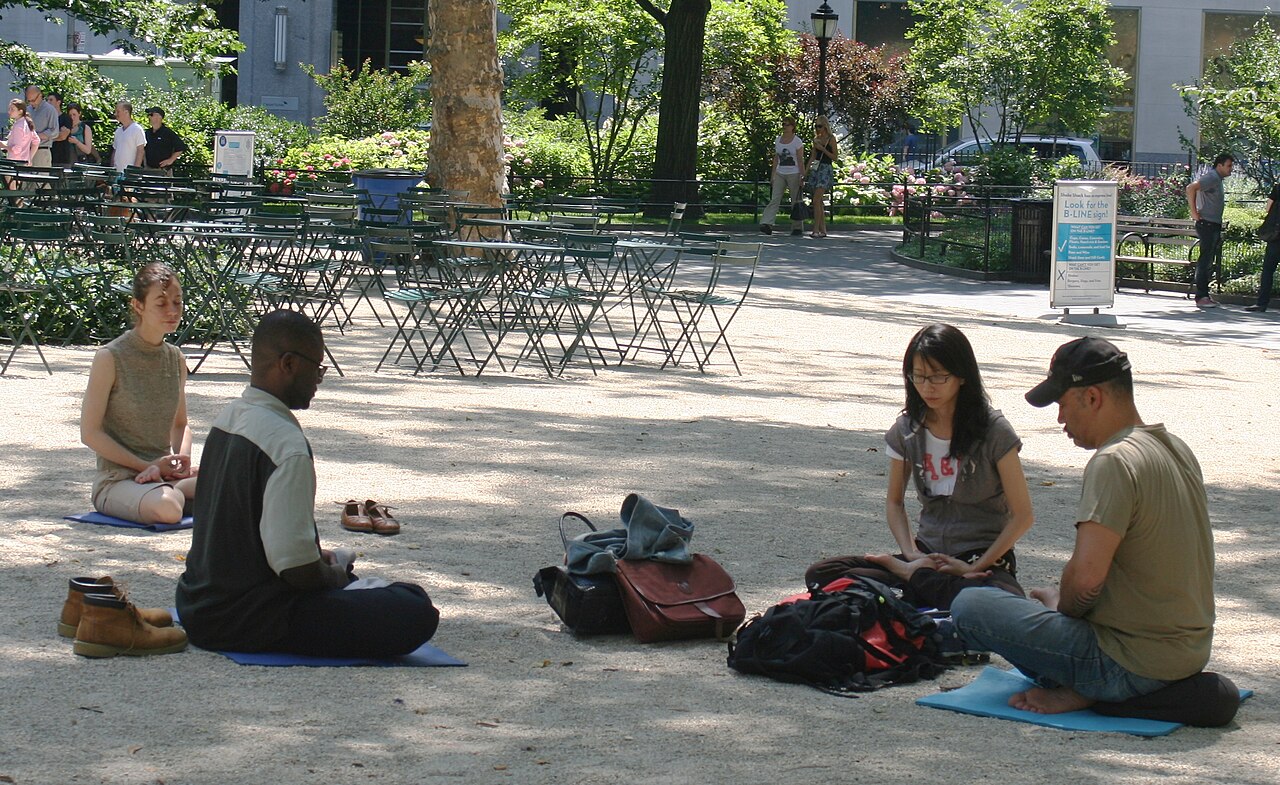
Secular mindfulness movement

Mindfulness practice, drawn from Buddhist meditation and set in clinical and secular frames, spreads through hospitals, schools, and workplaces in the West; Jon Kabat-Zinn's mindfulness-based stress reduction, founded at the University of Massachusetts in 1979, stands behind the movement, whose relation to its Buddhist root is debated within Buddhism itself.

Worcester