Buddhism

The Vajrayana stream of the Buddhism timeline.

Streams: All of Buddhism Theravada Mahayana Vajrayana Pure Land Zen Tibetan Buddhism Nichiren Buddhism Secular Buddhism Soka Gakkai Navayana

Early Buddhism

c. 563–483 BCE (traditional); c. 480–400 BCE (scholarly)

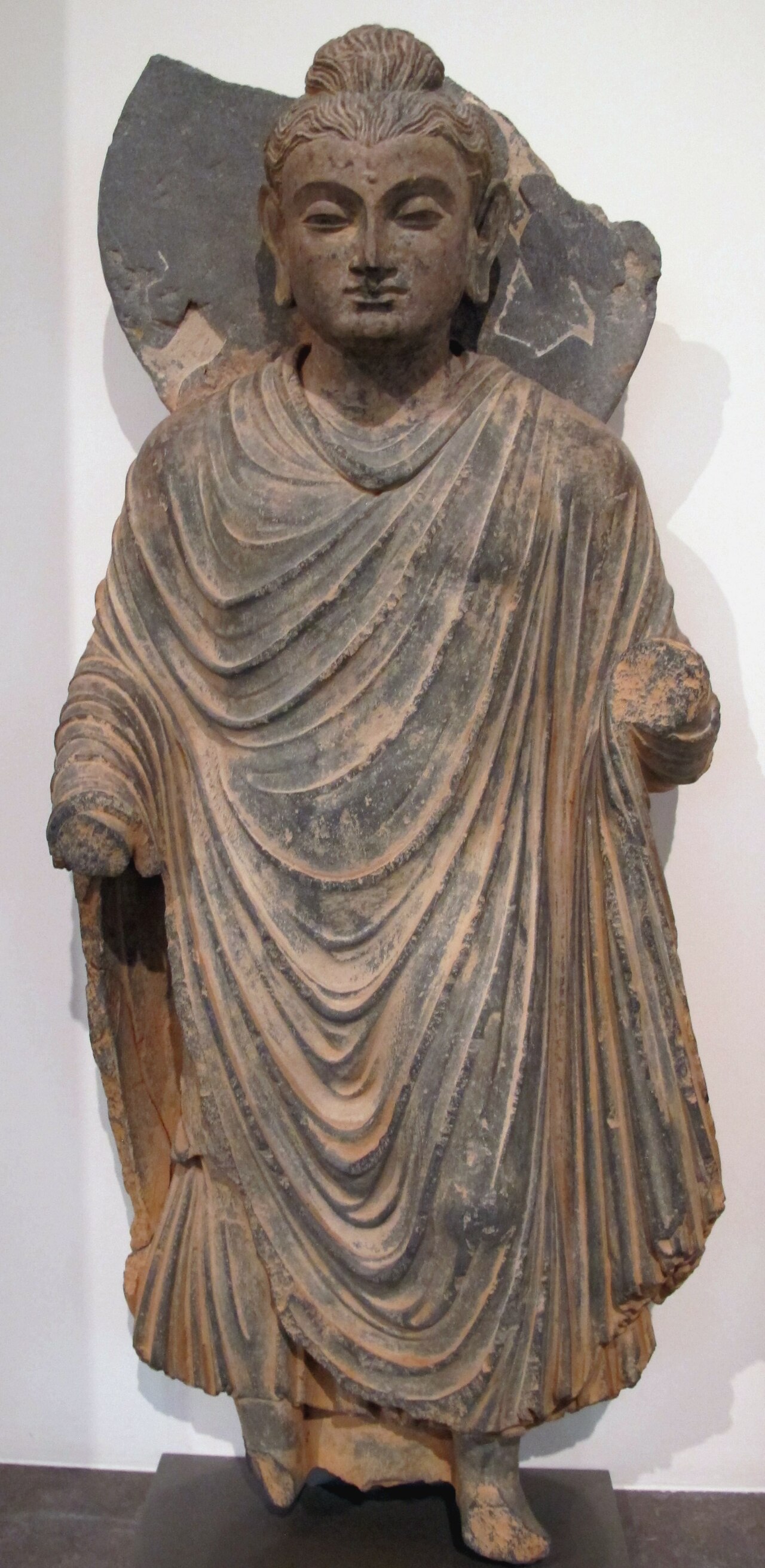
Life of the Buddha

Siddhartha Gautama is born at Lumbini, renounces his palace life, wakes under the Bodhi tree at Bodh Gaya, preaches at Sarnath, and dies at Kushinagar at the age of eighty; his dates are the most disputed in this timeline, the tradition's long chronology and modern scholarship's shorter one standing side by side in the date above.
Lumbini, Bodh Gaya, Sarnath, Kushinagar

Classical

747

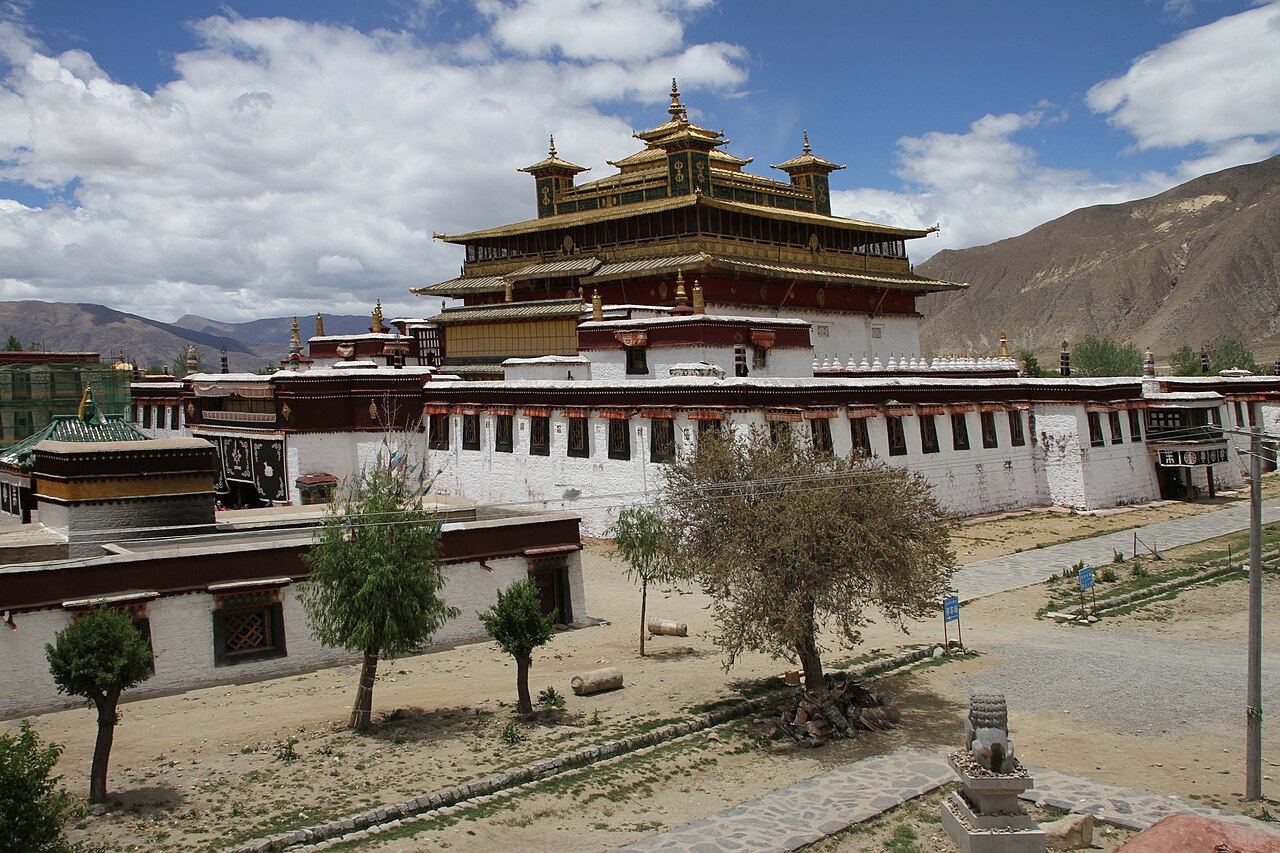
Padmasambhava arrives in Tibet

The tantric master Padmasambhava comes from India to Tibet at King Trisong Detsen's invitation and, in the tradition's telling, subdues the land's spirits and binds them as protectors; Tibet remembers him as Guru Rinpoche, the second Buddha, and its oldest school traces itself to him.

Samye
c. 8th–9th century

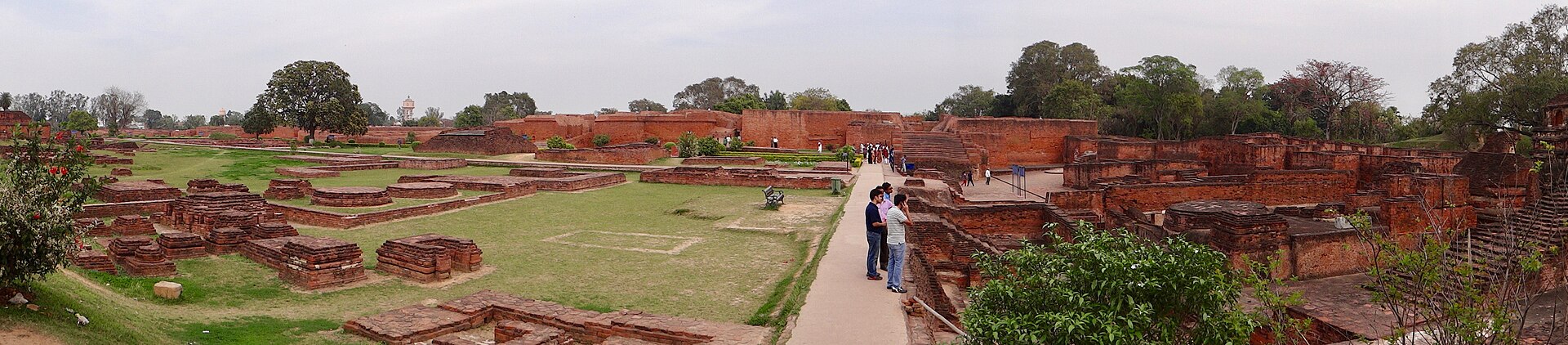
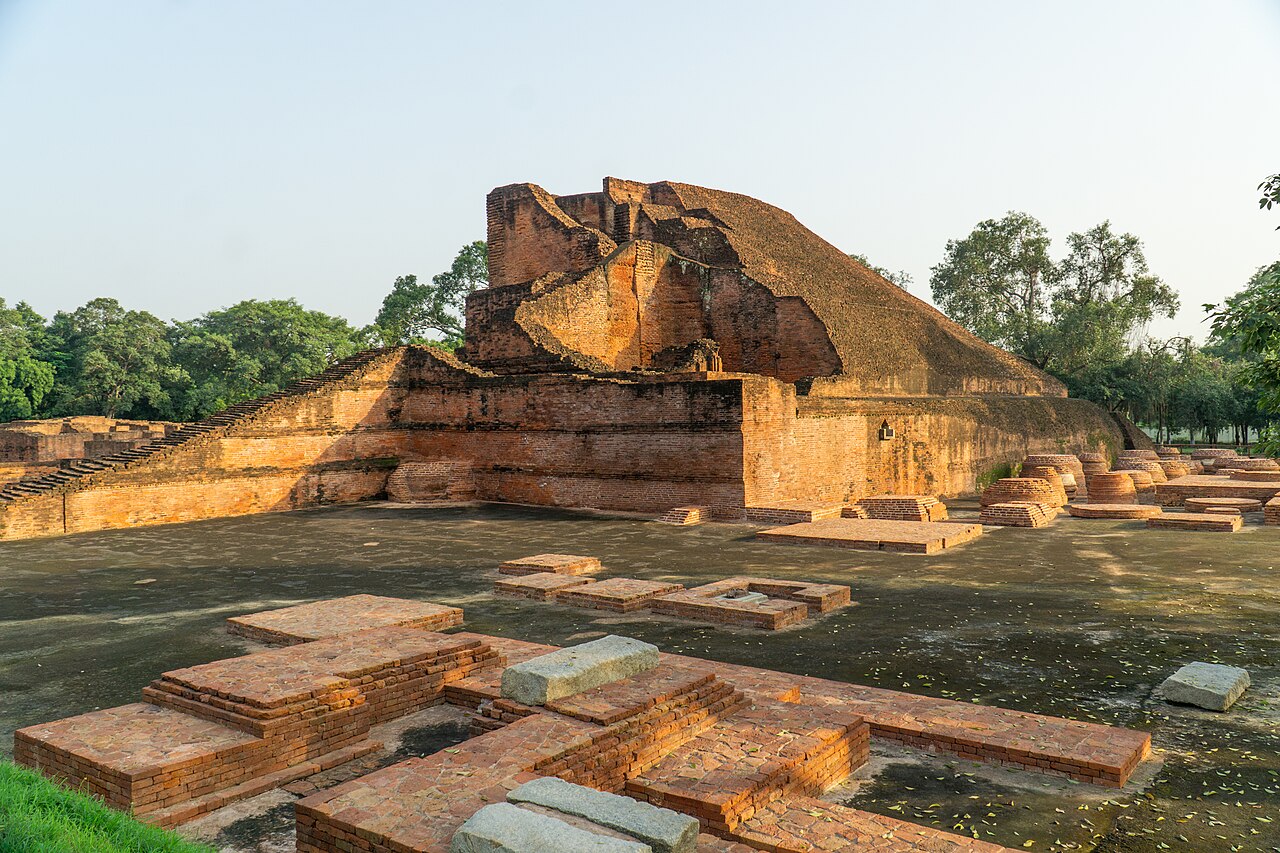
Nalanda at its height

The monastery university of Nalanda stands at its height, drawing thousands of monks and students from across Asia to its libraries, debate courtyards, and teachers; Xuanzang and Yijing describe a scholastic city whose curriculum joins the Mahayana philosophies with logic, medicine, and grammar.

Nalanda
1042

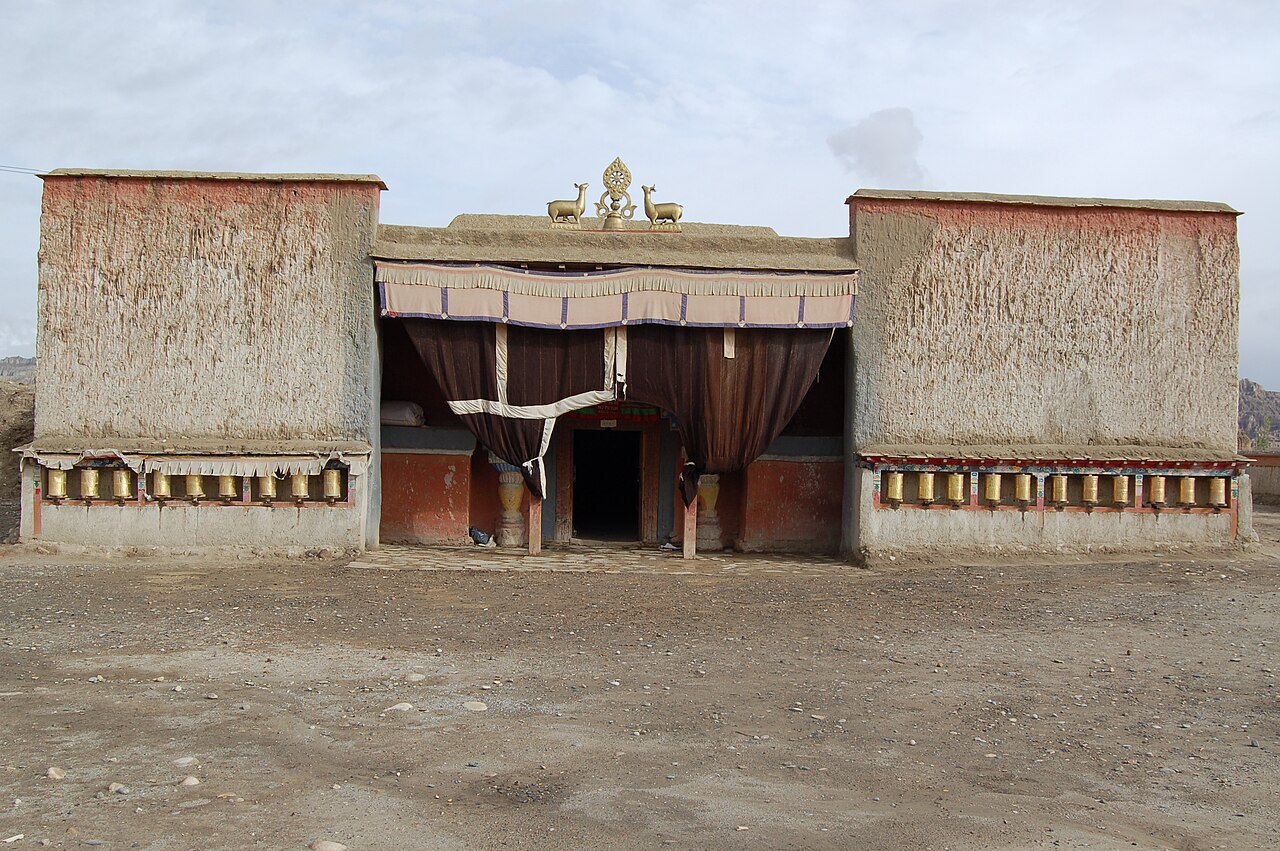
Atisha arrives in Tibet

The Bengali master Atisha comes to Tibet and writes the Lamp for the Path to Enlightenment, ordering the whole Mahayana and tantric path into stages; his teaching re-founds Tibetan Buddhism after its dark century, and the stages-of-the-path literature descends from his lamp.

Tholing
c. 1193

Destruction of Nalanda

Turkic raiders under Bakhtiyar Khalji sack the monasteries of Bihar, and Nalanda is burned and abandoned; the destruction closes organized Buddhism in its Indian homeland, whose monks and manuscripts flee to Nepal and Tibet in the same decades.

Nalanda

Medieval

1409

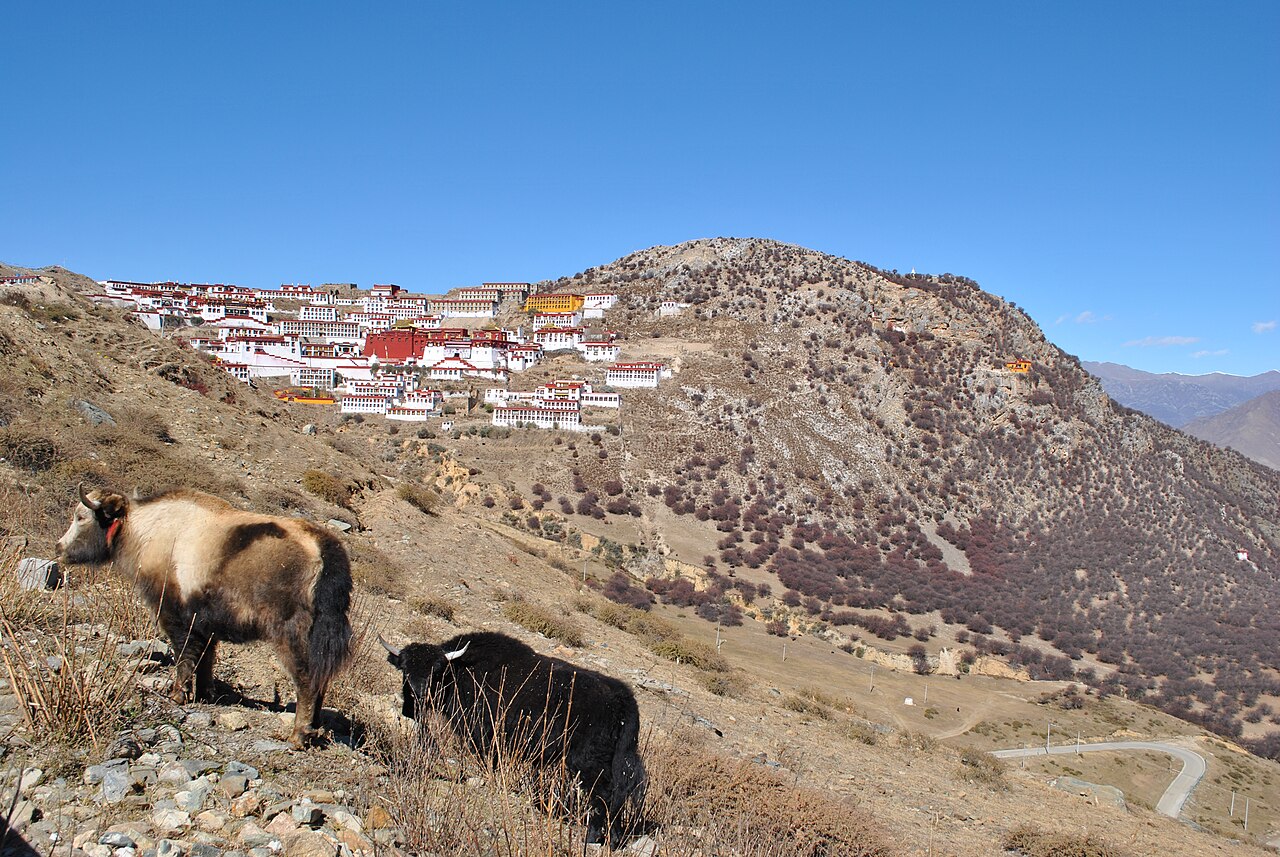
Tsongkhapa founds Ganden Monastery

The Tibetan scholar and reformer Tsongkhapa founds Ganden Monastery near Lhasa, the seat of the Gelug school; his Great Treatise on the Stages of the Path joins Atisha's lamp to rigorous monastic discipline, and the Dalai Lamas rise within the order he founded.

Ganden

Modern

1959

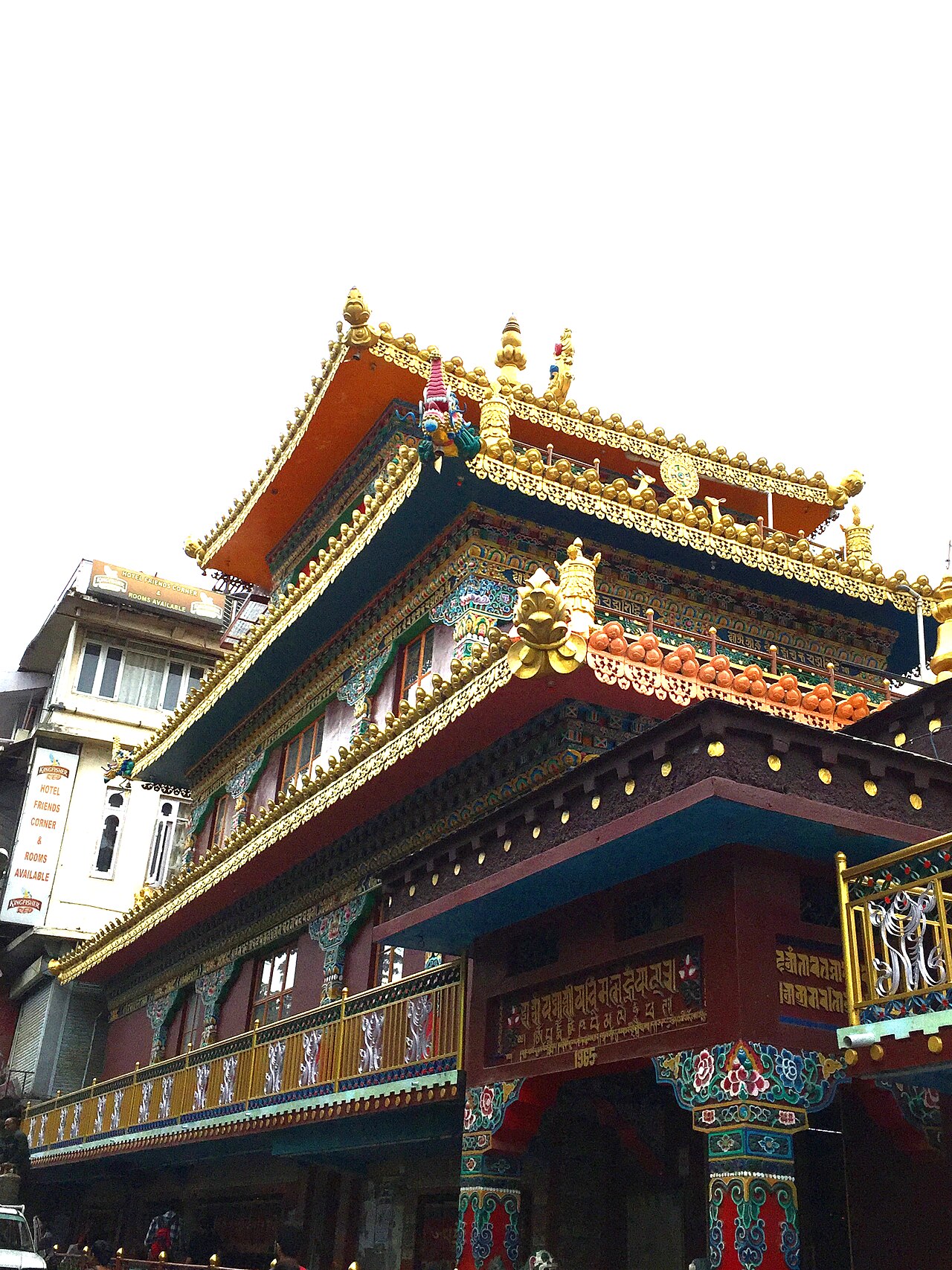
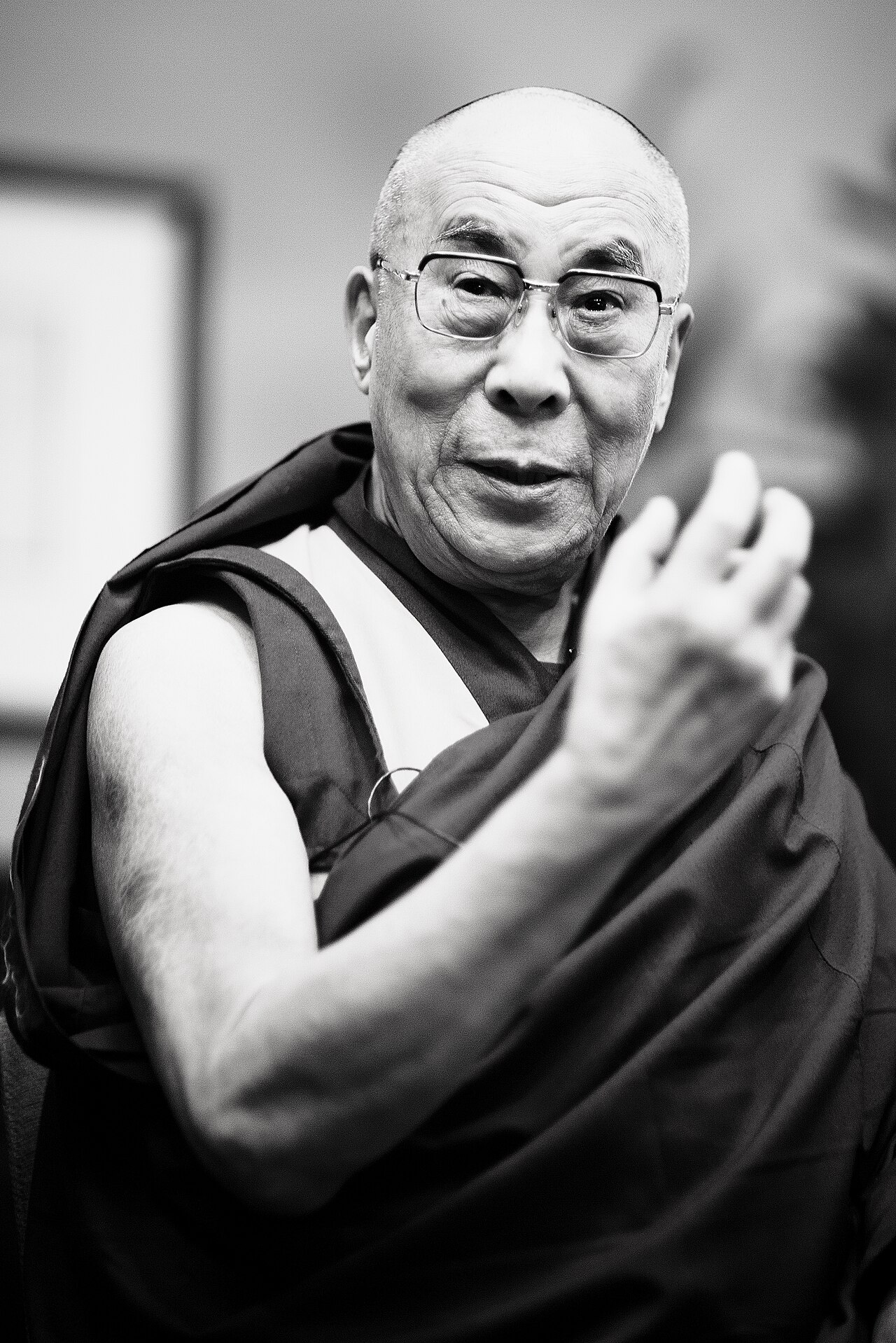
Dalai Lama flees Tibet

After the Lhasa uprising fails, the fourteenth Dalai Lama escapes across the Himalayas to India and establishes his exile home at Dharamsala; Tibetan Buddhism, carried by its refugees, takes root across the world in the decades that follow.

Lhasa to Dharamsala
1989

Dalai Lama awarded Nobel Peace Prize

The fourteenth Dalai Lama receives the Nobel Peace Prize in Oslo for his nonviolent stand on Tibet; the prize fixes his standing as a world figure and carries Tibetan Buddhism's exile story to a global audience.

Oslo