Buddhism

The Theravada stream of the Buddhism timeline.

Streams: All of Buddhism Theravada Mahayana Vajrayana Pure Land Zen Tibetan Buddhism Nichiren Buddhism Secular Buddhism Soka Gakkai Navayana

Early Buddhism

c. 563–483 BCE (traditional); c. 480–400 BCE (scholarly)

Life of the Buddha

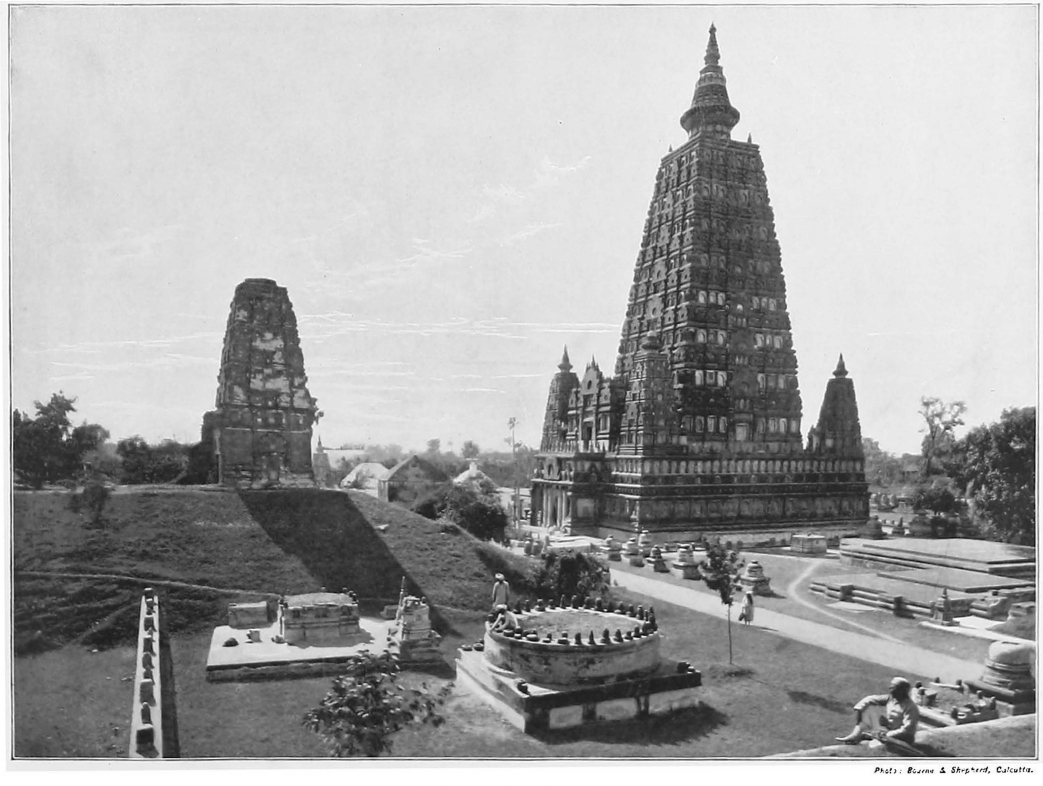
Siddhartha Gautama is born at Lumbini, renounces his palace life, wakes under the Bodhi tree at Bodh Gaya, preaches at Sarnath, and dies at Kushinagar at the age of eighty; his dates are the most disputed in this timeline, the tradition's long chronology and modern scholarship's shorter one standing side by side in the date above.
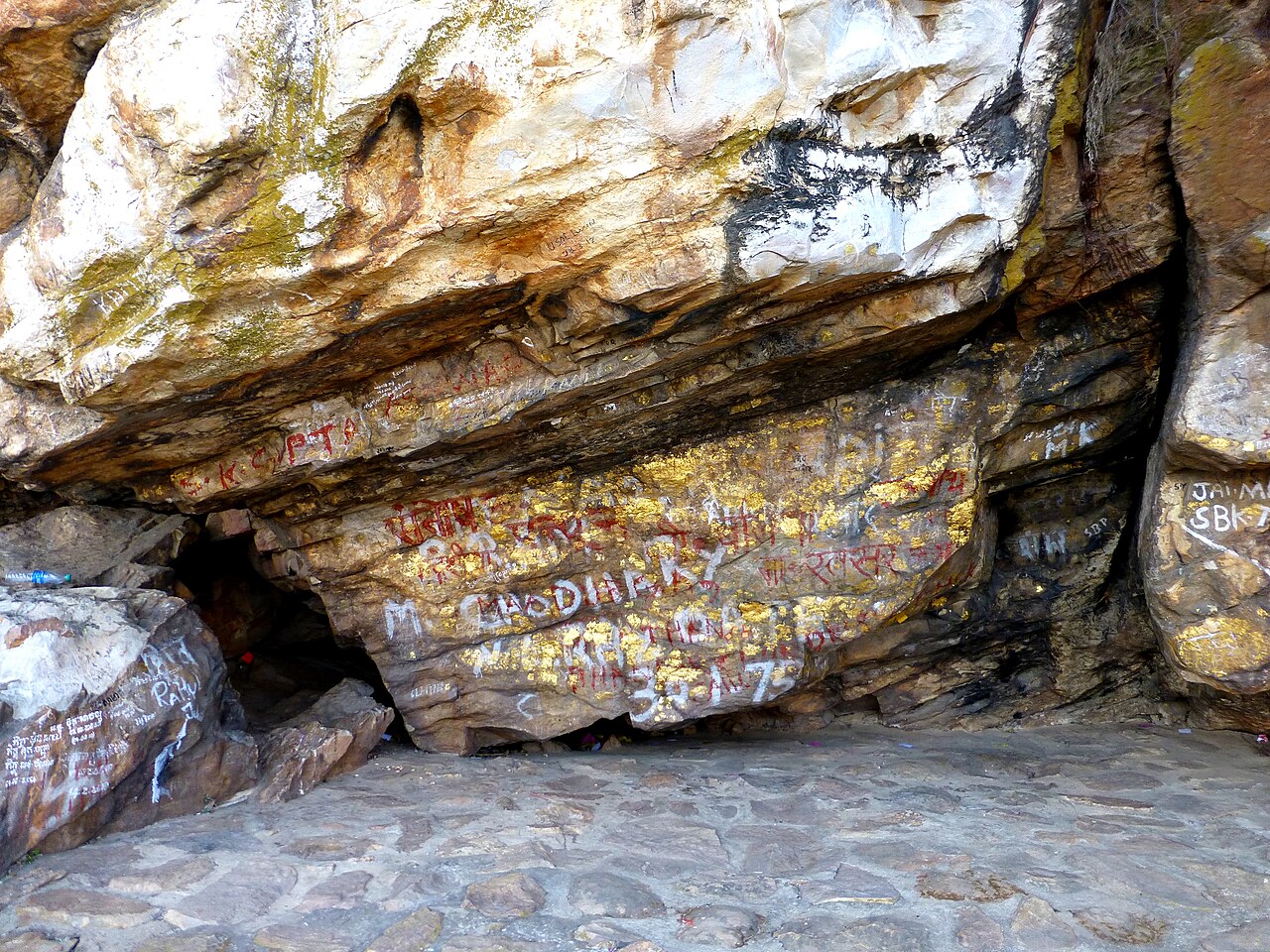
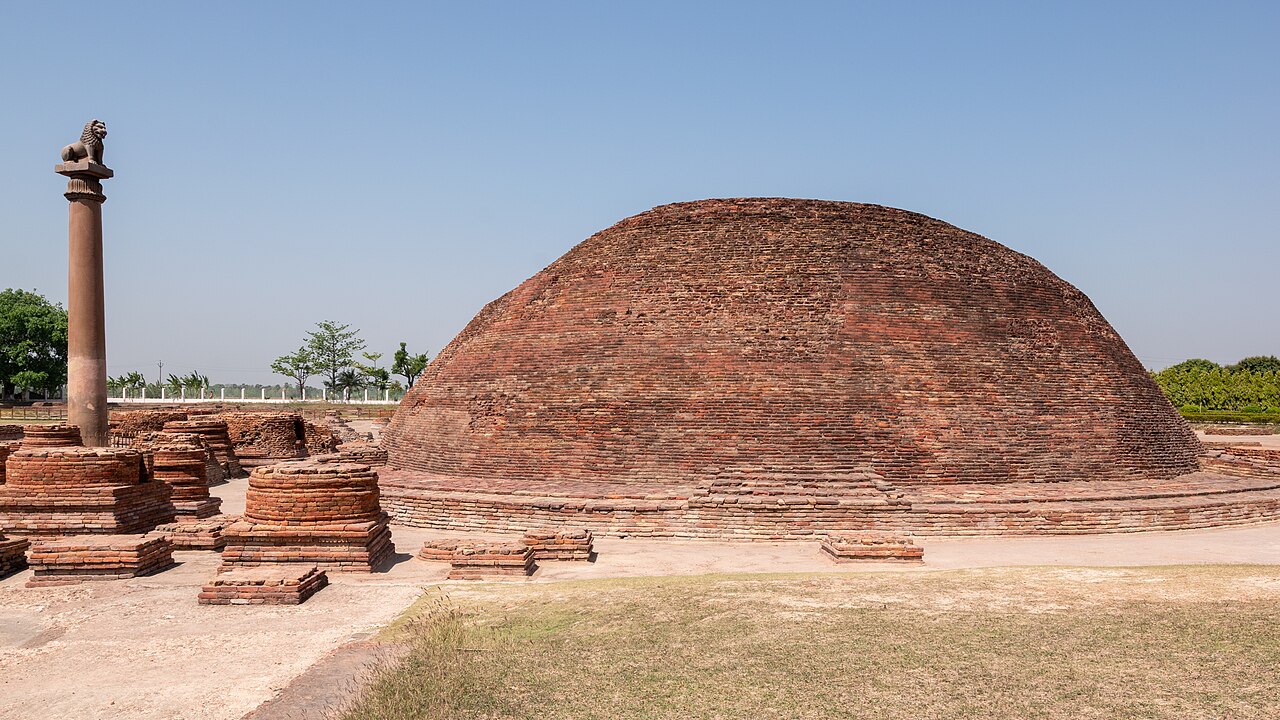
Lumbini, Bodh Gaya, Sarnath, Kushinagar
c. 483 BCE (traditional)

First Council at Rajagaha

In the traditional account, five hundred elders gather at Rajagaha in the first rains after the Buddha's death, where Ananda recites the discourses and Upali the discipline; the council fixes the teaching in communal memory, and the Theravada tradition counts its canon from this gathering.

Rajagaha
c. 383 BCE (traditional)

Second Council at Vaishali

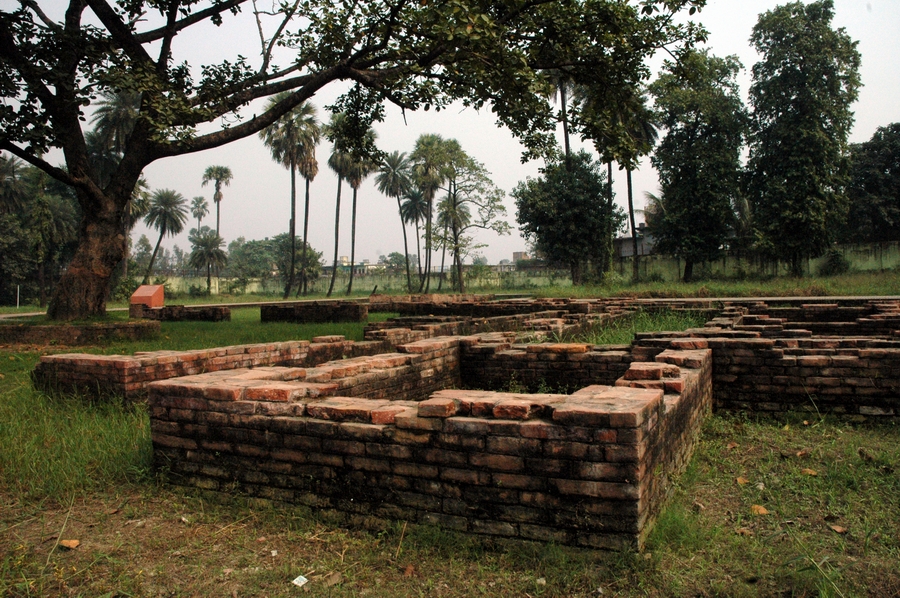
A century after the Buddha's death in the traditional count, elders at Vaishali judge ten points of relaxed discipline unlawful; the defeated party's withdrawal is remembered as the first great division of the sangha, between the Elders and the Great Assembly.

Vaishali
268–232 BCE

Reign of Ashoka

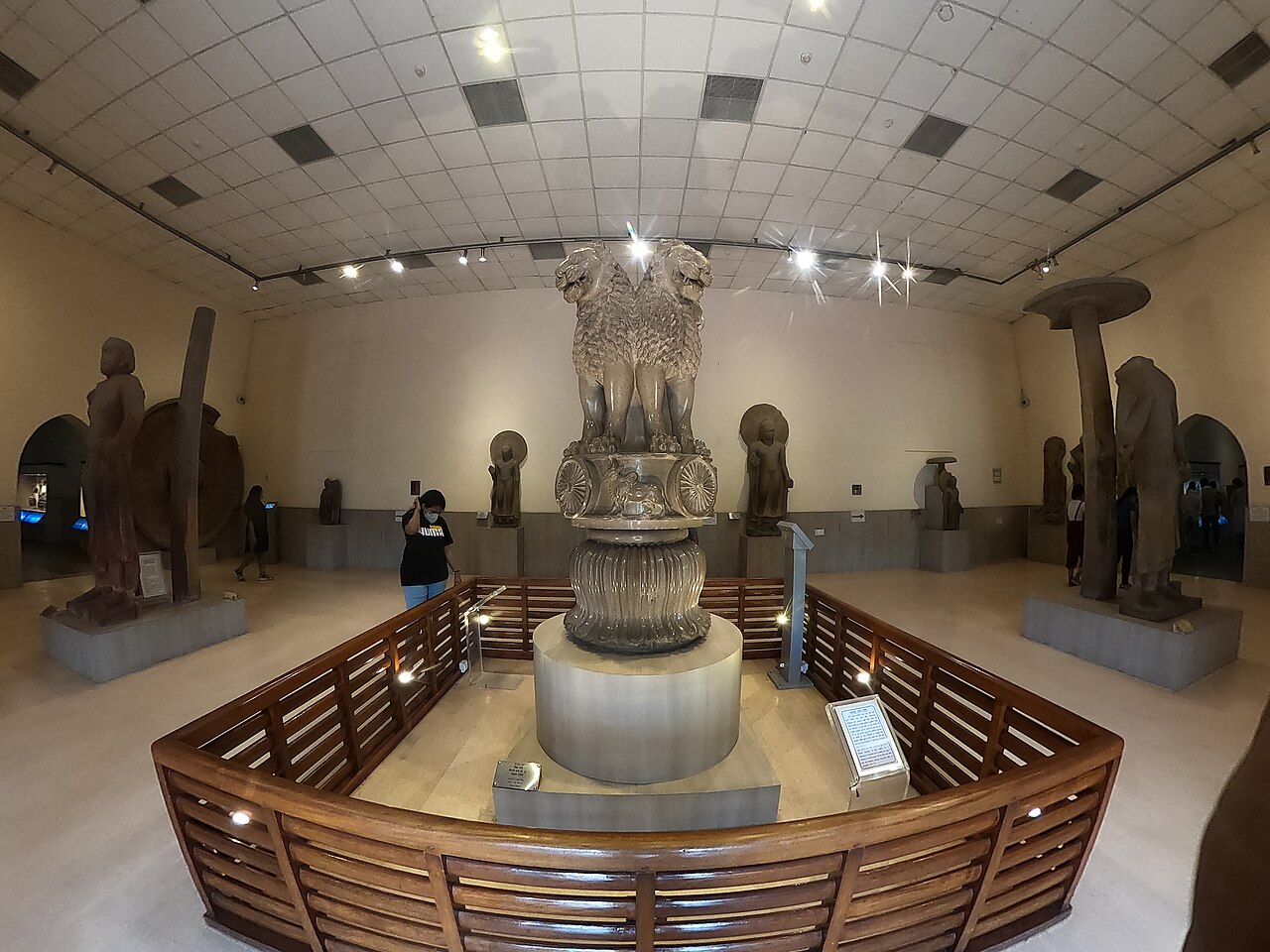
Ashoka rules most of India, turns to Buddhism after the Kalinga war, and inscribes edicts of tolerance and welfare on rock and pillar across his empire; his missions carry Buddhism to Sri Lanka and toward Central Asia, and his pillars become the earliest firm dates in Indian history.

Pataliputra
c. 250 BCE

Third Council at Pataliputra

The Theravada tradition holds that Moggaliputta Tissa, under Ashoka's patronage, purifies the sangha at Pataliputra and settles the points of doctrine recorded in the Kathavatthu; other early schools do not preserve this council, and the tradition states the fact plainly.

Pataliputra
1st century CE

Pali Canon committed to writing (Sri Lanka)

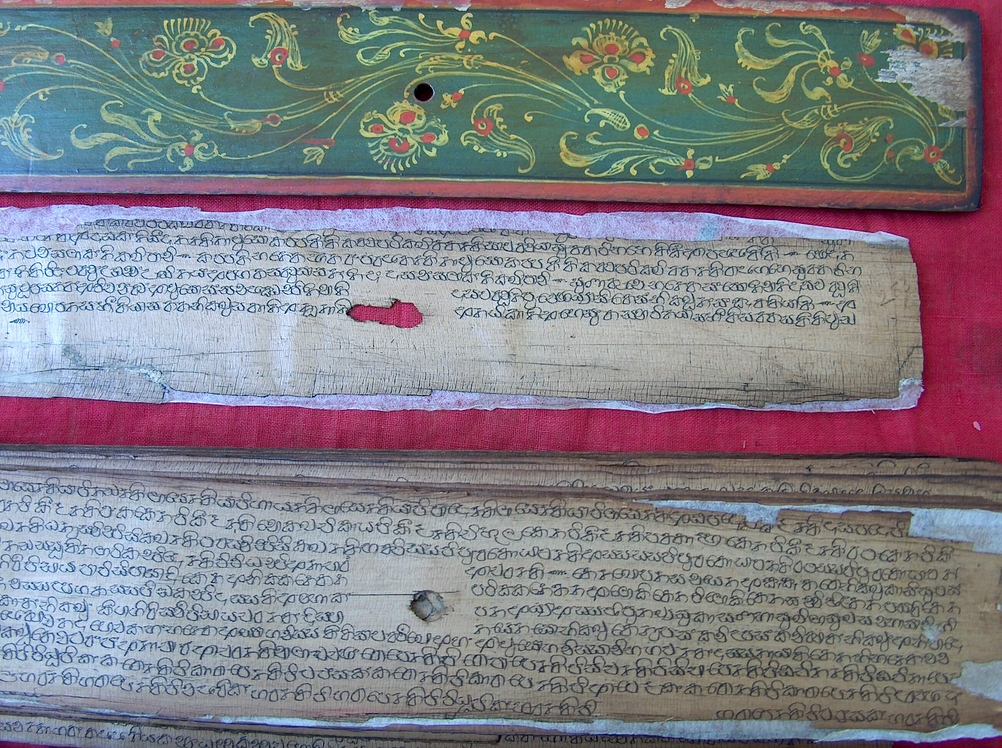
The Theravada tradition records that its canon, carried orally for centuries, is written down in Sri Lanka under King Vattagamani Abhaya, lest the teaching be lost in war and famine; the palm-leaf books at Aluvihara become the source of the Pali Canon the Theravada world reads today.

Aluvihara

Classical

c. 5th century

Buddhaghosa

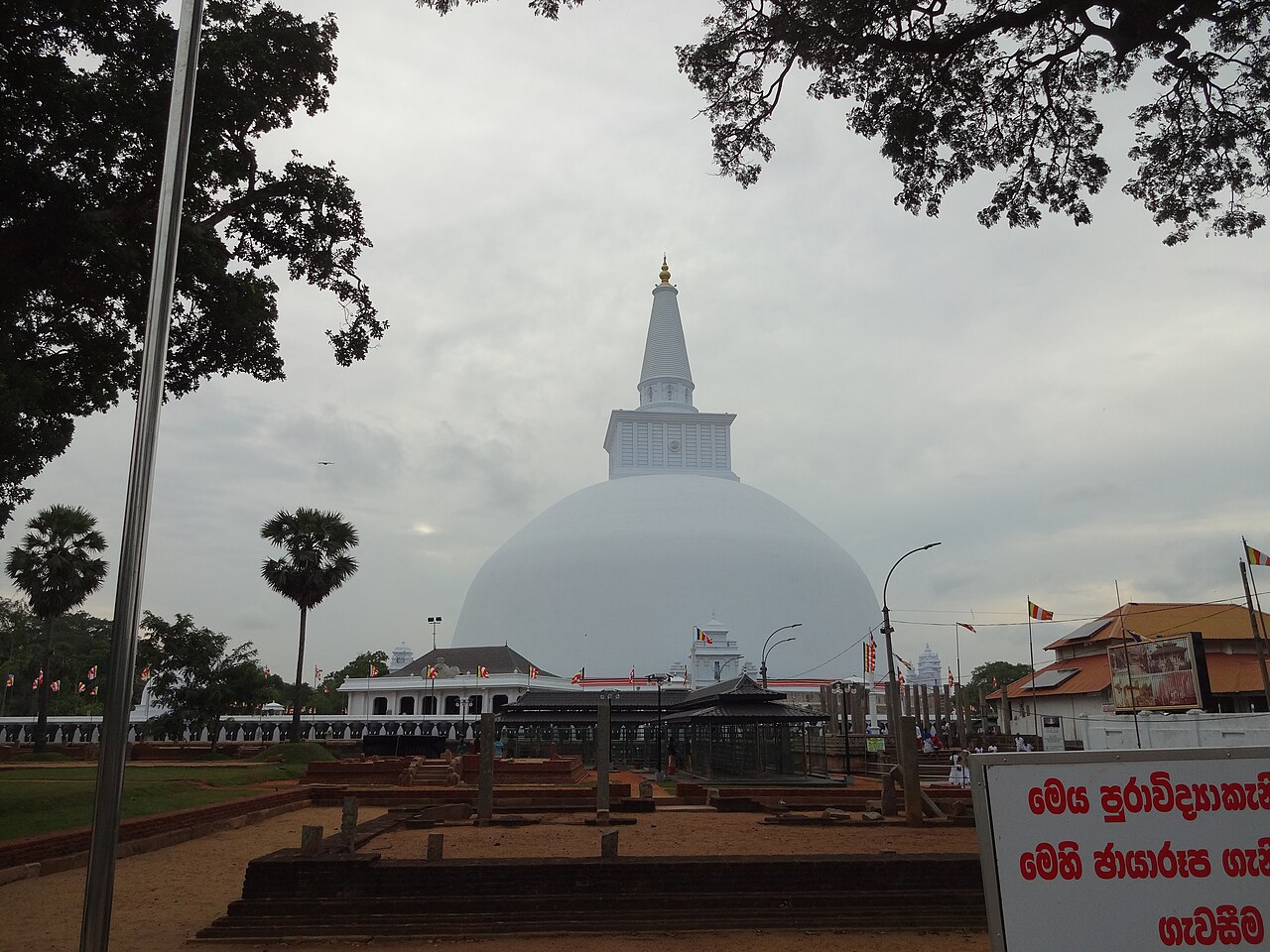
The monk Buddhaghosa works at Anuradhapura in Sri Lanka, translating the Sinhala commentaries into Pali and writing the Visuddhimagga, the Path of Purification; his system becomes the standard of Theravada doctrine and meditation for the whole tradition.

Anuradhapura

Modern

1891

Maha Bodhi Society founded

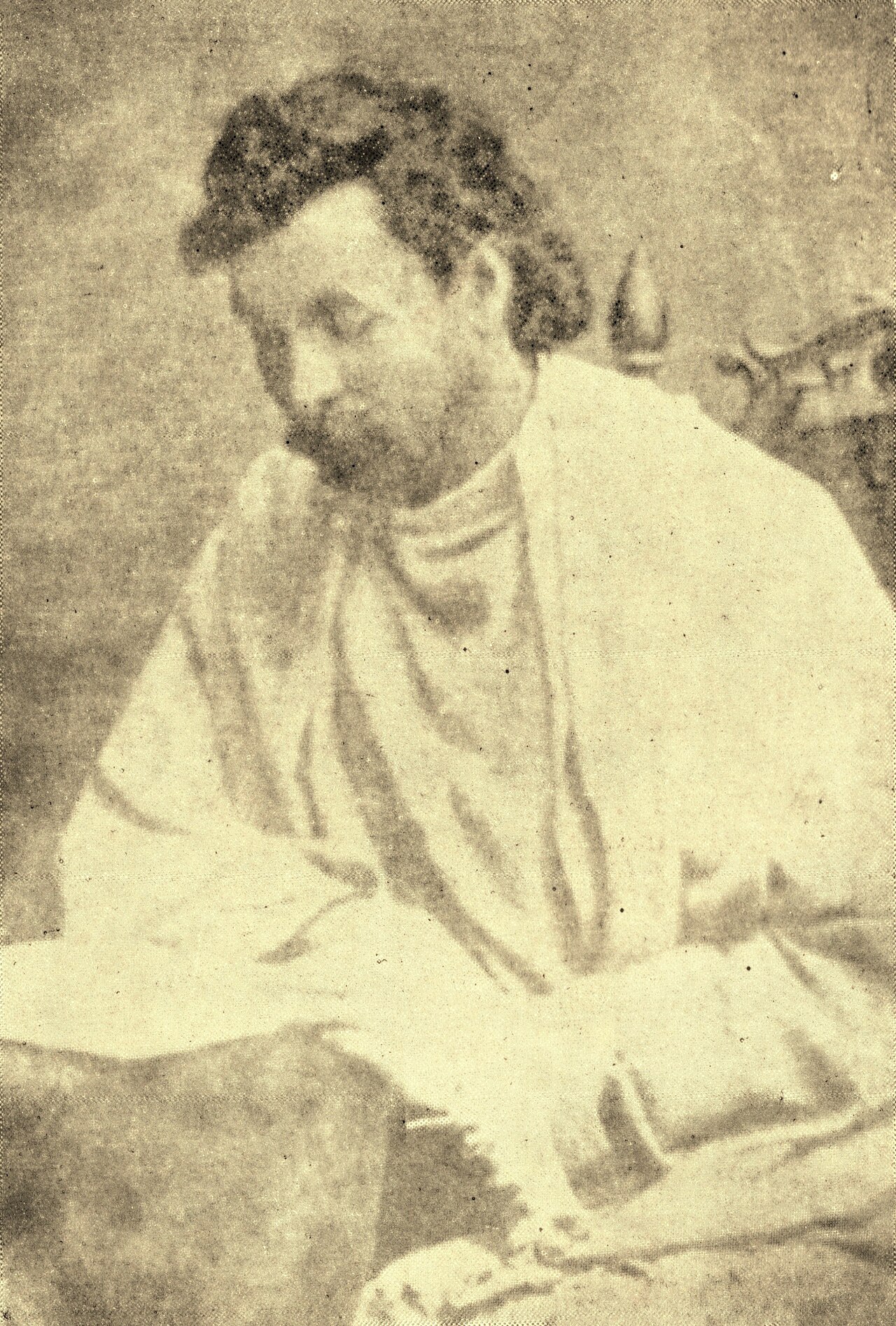
Anagarika Dharmapala founds the Maha Bodhi Society in Colombo to recover Bodh Gaya for Buddhists and to revive Buddhism in India and the West; the Society becomes the engine of the modern Buddhist revival and of Buddhism's new international voice.

Colombo
1893

Buddhism at the Parliament of Religions, Chicago

At the World's Parliament of Religions, Anagarika Dharmapala presents Theravada Buddhism to the West, and the Zen master Soyen Shaku speaks for Japan; the Parliament opens Buddhism's modern era in the West, whose records this timeline and the Hinduism timeline each carry from their own side.

Chicago
1950

World Fellowship of Buddhists

Delegates from twenty-seven countries found the World Fellowship of Buddhists in Colombo, the first standing body joining Theravada, Mahayana, and Vajrayana Buddhists worldwide; its flag and its conferences give the modern Buddhist world a common institution.

Colombo