Buddhism

The Zen stream of the Buddhism timeline.

Streams: All of Buddhism Theravada Mahayana Vajrayana Pure Land Zen Tibetan Buddhism Nichiren Buddhism Secular Buddhism Soka Gakkai Navayana

Classical

c. 520

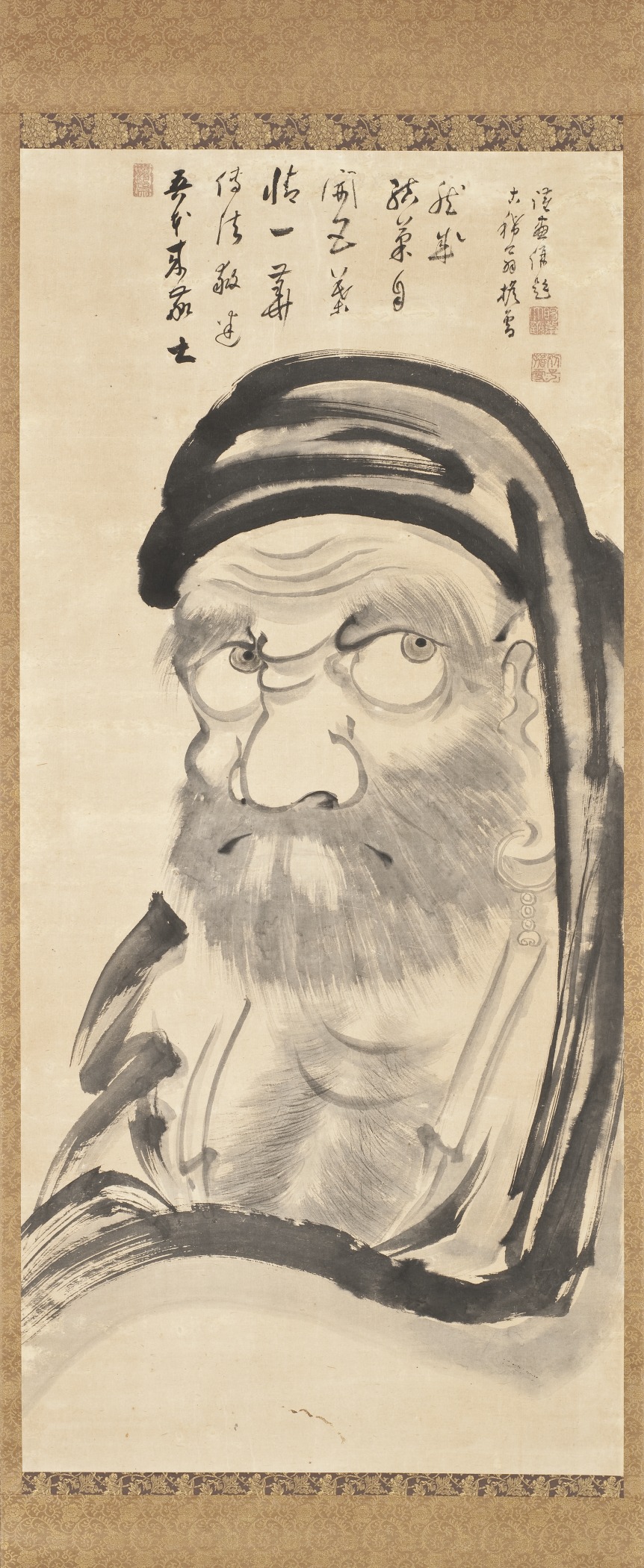
Bodhidharma

Tradition names the Indian monk Bodhidharma as the first patriarch of Chan in China, bearer of the teaching of meditation facing the wall at Shaolin; what the histories record with confidence is a meditation master of the sixth century around whom the Zen lineage gathers its charter.
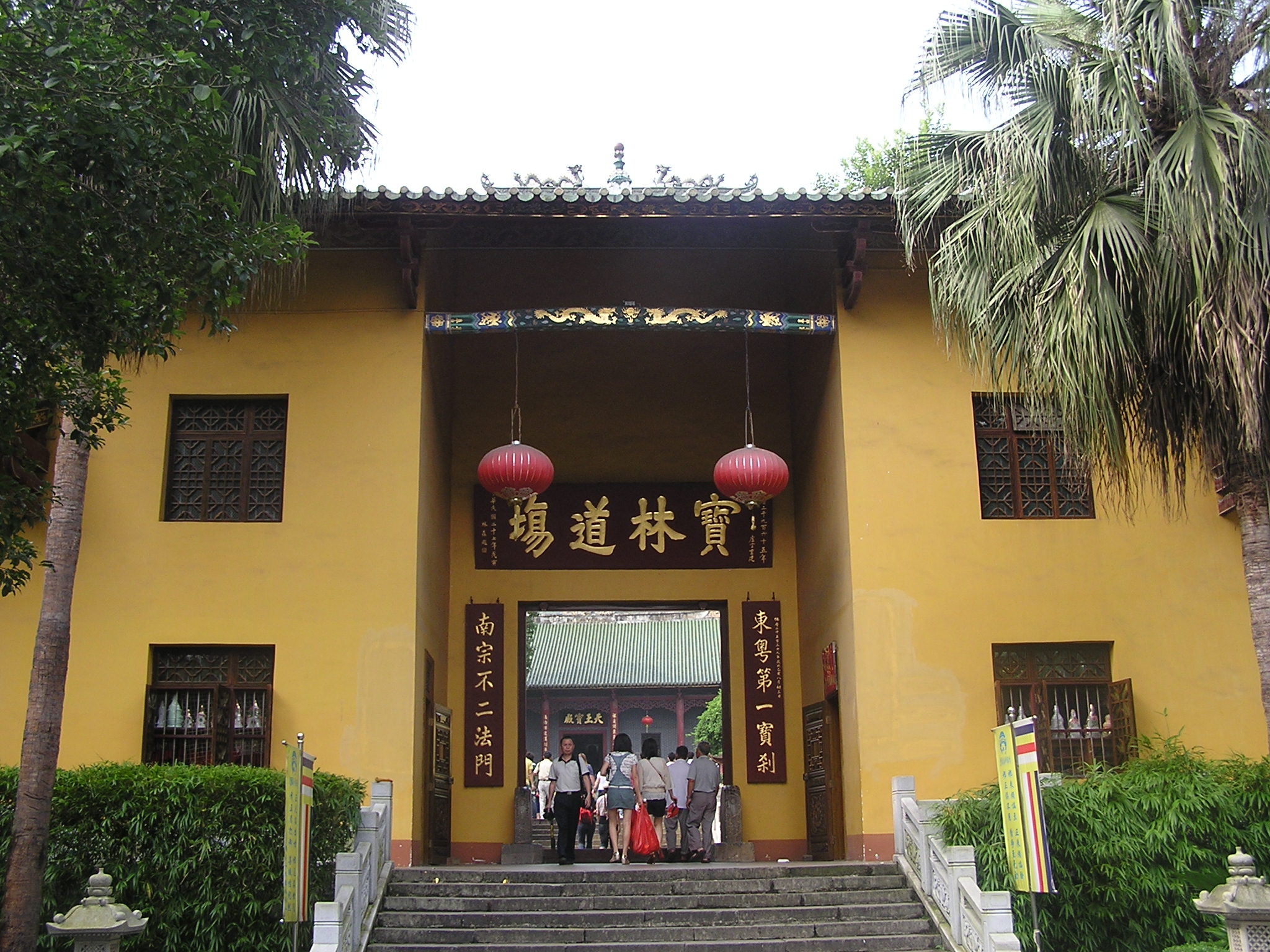
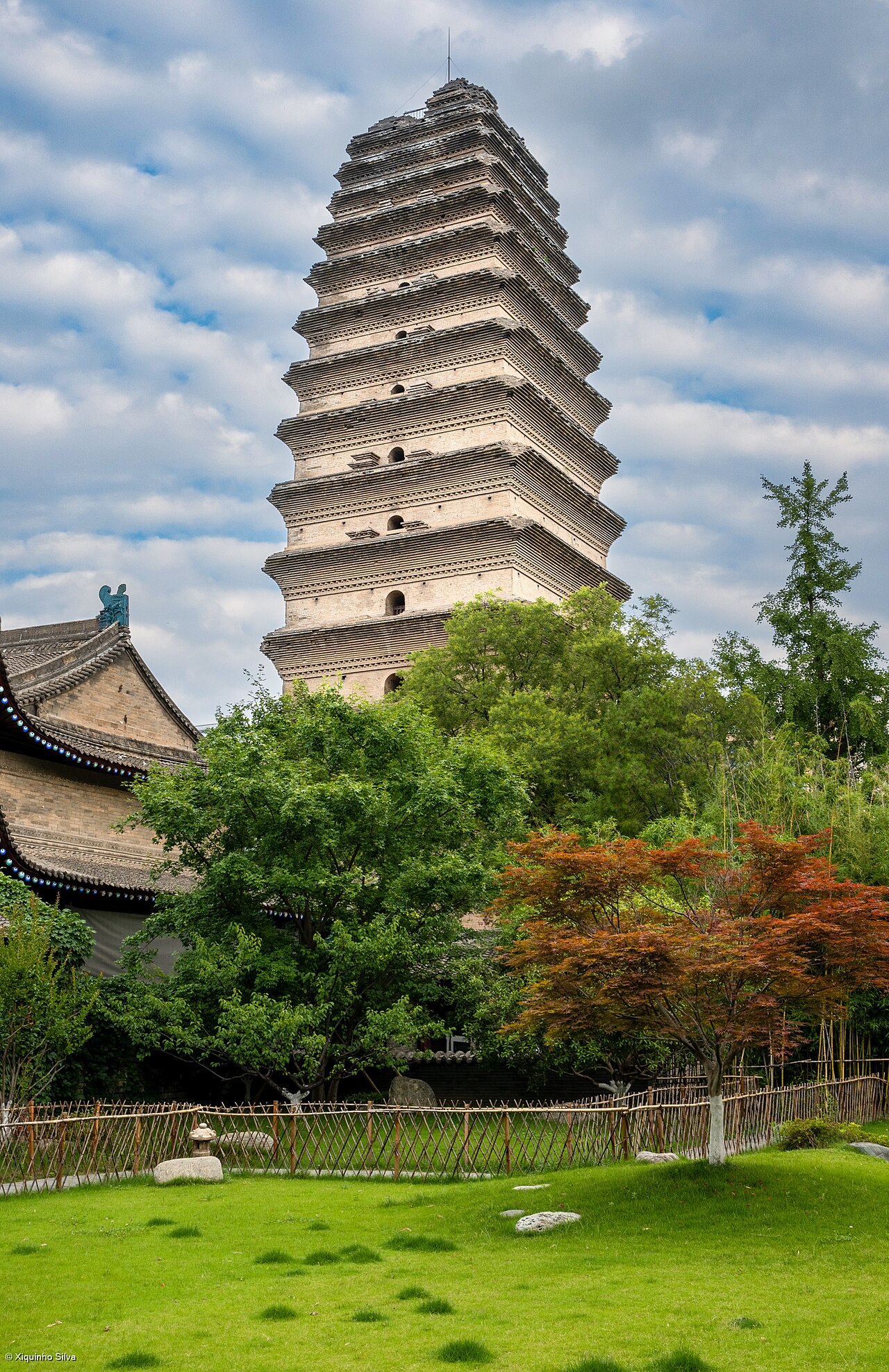
Shaolin
713

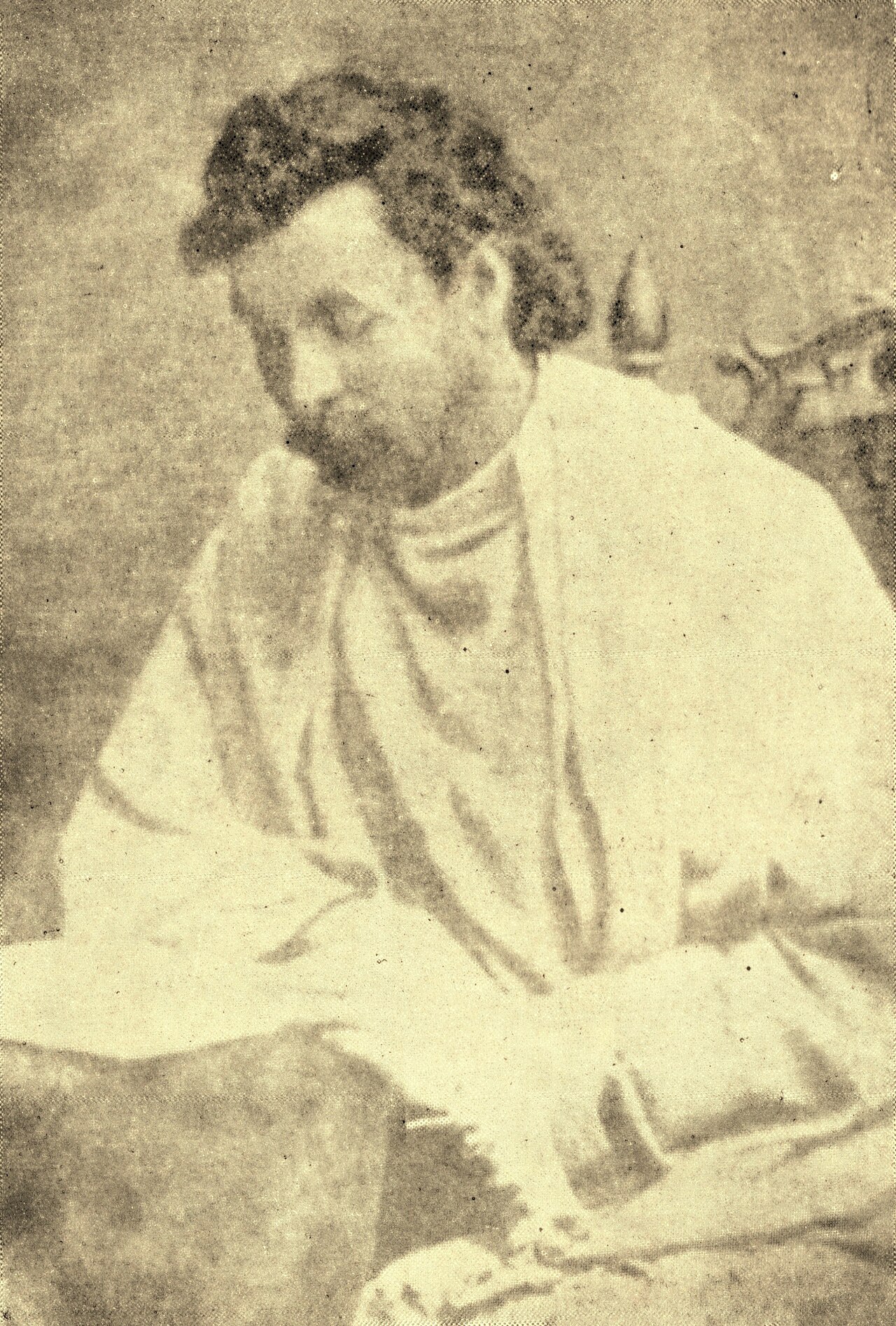
Death of Huineng

Huineng, remembered as the illiterate Sixth Patriarch of Chan, dies in Guangdong; the Platform Sutra told in his name teaches sudden awakening and becomes the charter of the Southern school, and with it of Zen as the world later receives it.

Guangzhou and Shaozhou
845

Great Anti-Buddhist Persecution (China)

The Tang emperor Wuzong, favoring Daoism and short of revenue, suppresses Buddhism across China: monasteries are destroyed, lands seized, and a quarter of a million monks and nuns are returned to lay life by the official count; the blow falls hardest on the wealthy schools, and Chinese Buddhism never fully regains its Tang standing.

Chang'an

Medieval

1244

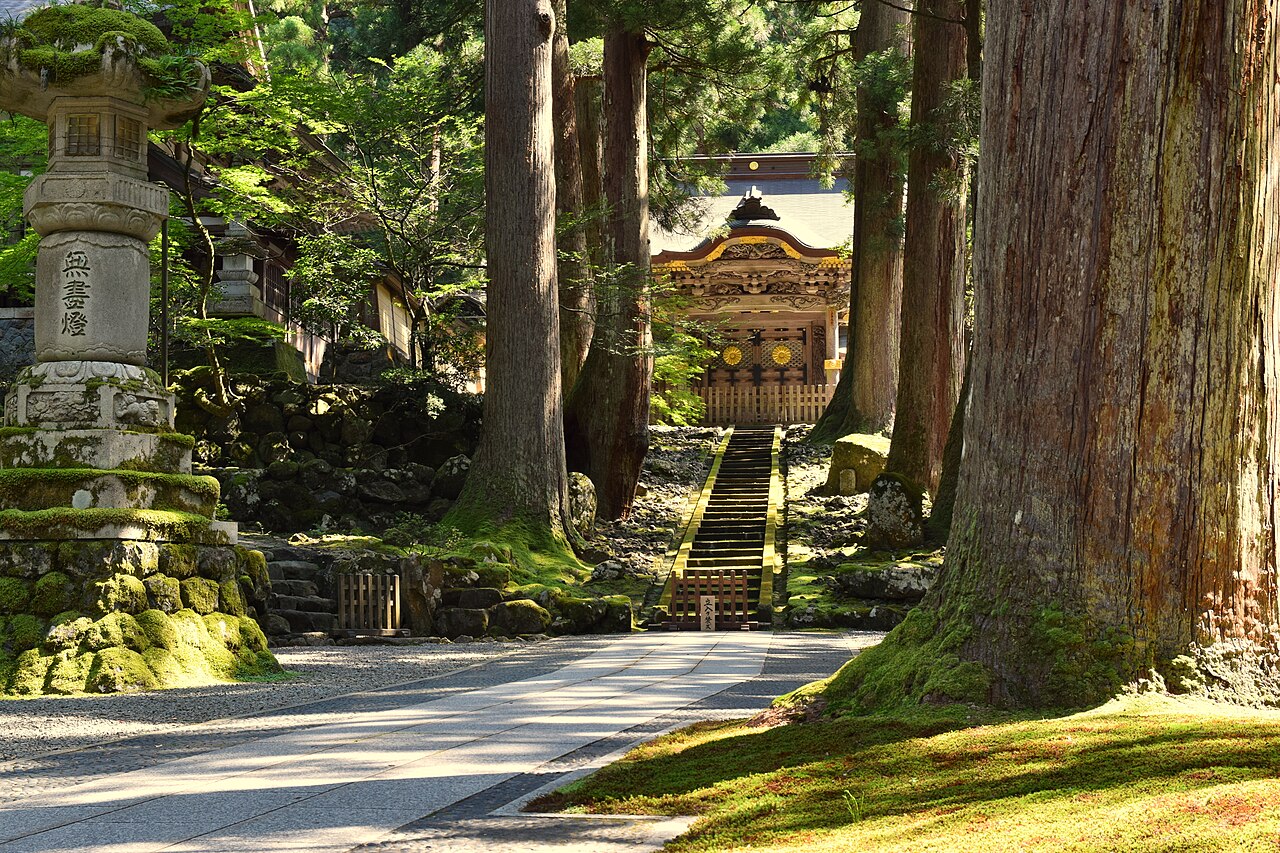
Dogen founds Eihei-ji

Dogen, who carried Soto Zen from China to Japan, founds Eihei-ji in the mountains of Echizen; his Shobogenzo sets out practice itself as awakening, and the monastery he founded remains the head temple of Japanese Soto Zen.

Eihei-ji

Modern

1893

Buddhism at the Parliament of Religions, Chicago

At the World's Parliament of Religions, Anagarika Dharmapala presents Theravada Buddhism to the West, and the Zen master Soyen Shaku speaks for Japan; the Parliament opens Buddhism's modern era in the West, whose records this timeline and the Hinduism timeline each carry from their own side.

Chicago
1966

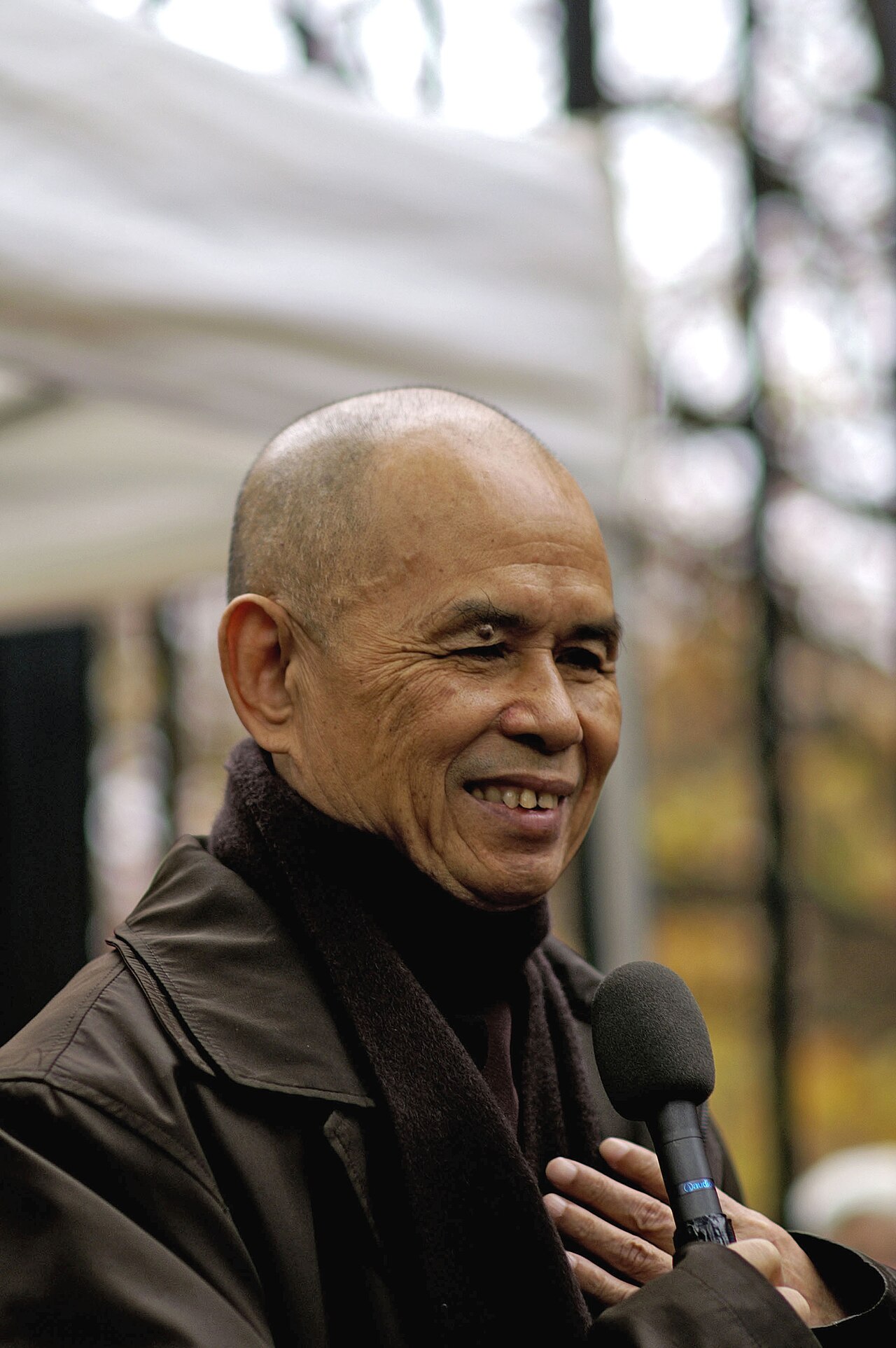
Thich Nhat Hanh's engaged Buddhism

In war-torn Vietnam, Thich Nhat Hanh founds the Order of Interbeing and teaches an engaged Buddhism that carries meditation into relief work and peace activism; exiled for his peace work, he builds Plum Village in France and becomes one of the teachers who carries Zen and mindfulness to the West.

Saigon
1970s–1980s

Western Buddhism established

Across the 1970s and 1980s, Western converts build Buddhism's permanent institutions in the West: meditation centers of the Insight movement, Zen centers in the lineages carried by immigrant teachers and Western disciples, and Tibetan centers founded by refugee lamas, joined by a publishing culture that carries the texts.

United States and Europe