Secular Worldviews

The Secular Worldviews timeline in the History of Worldviews.

Streams: All of Secular Worldviews Freethought Agnosticism Secularism Spiritual But Not Religious Atheism Humanism

Classical Roots

c. 341 BCE

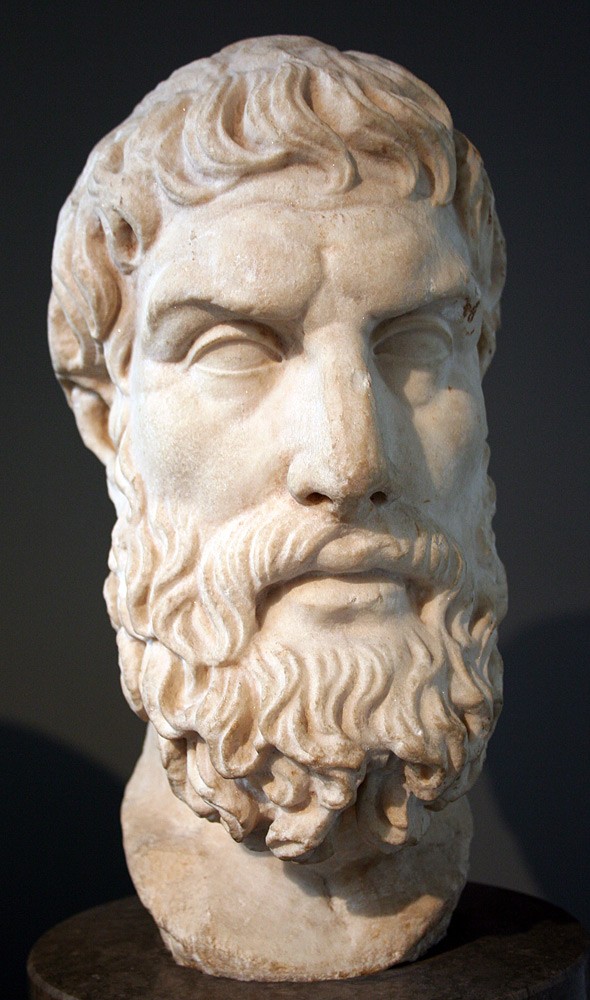
Epicurus

Epicurus founds his school, the Garden, at Athens about 306 BCE; his birth year, 341 BCE, is the date the table carries. His physics leaves the gods blessedly indifferent to human affairs and his ethics frees his followers from the fear of death and divine punishment, the classical root of the freethought stream.
Athens
c. 55 BCE

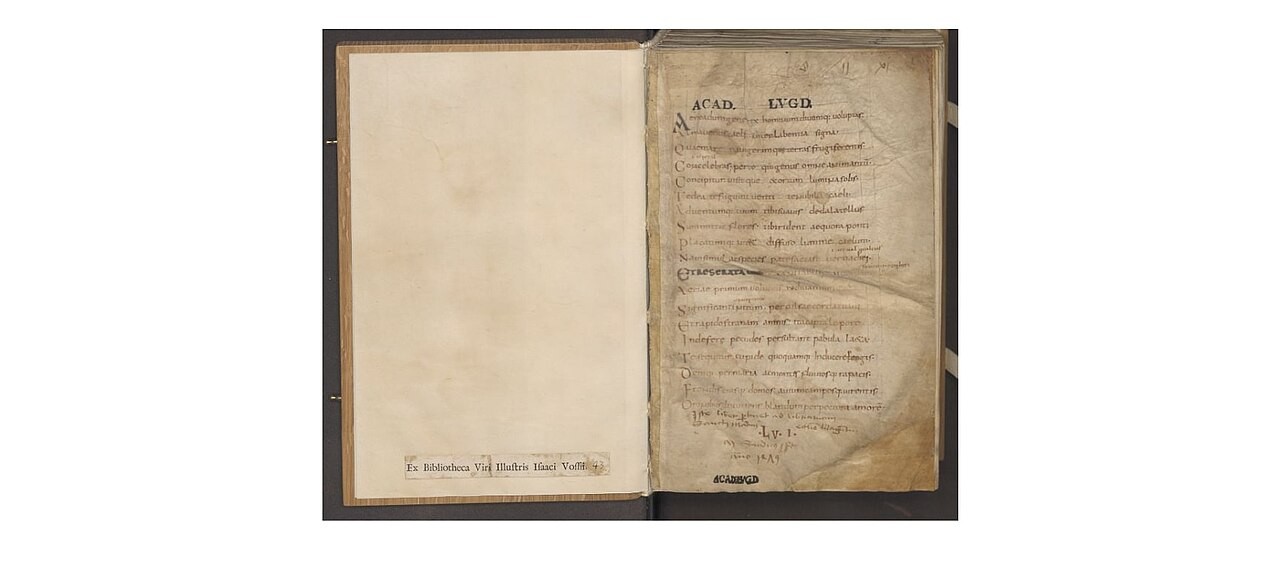
Lucretius, De Rerum Natura

Lucretius sets Epicurus's philosophy into Latin verse in De Rerum Natura, On the Nature of Things: an atomic universe of swerving atoms, no creation, no providence, and death as nothing to us. Lost to the Latin West for a millennium, the poem's recovery in 1417 re-arms the European critics of religion.

Rome
c. 200 CE

Sextus Empiricus

Sextus Empiricus compiles the Outlines of Pyrrhonism, the surviving handbook of Greek skepticism: on every dogmatic claim, judgment is suspended. Printed in Latin in 1562, his arguments about God, causation, and proof become the armory of later agnosticism.

The Roman world

Persecution and Print

1554

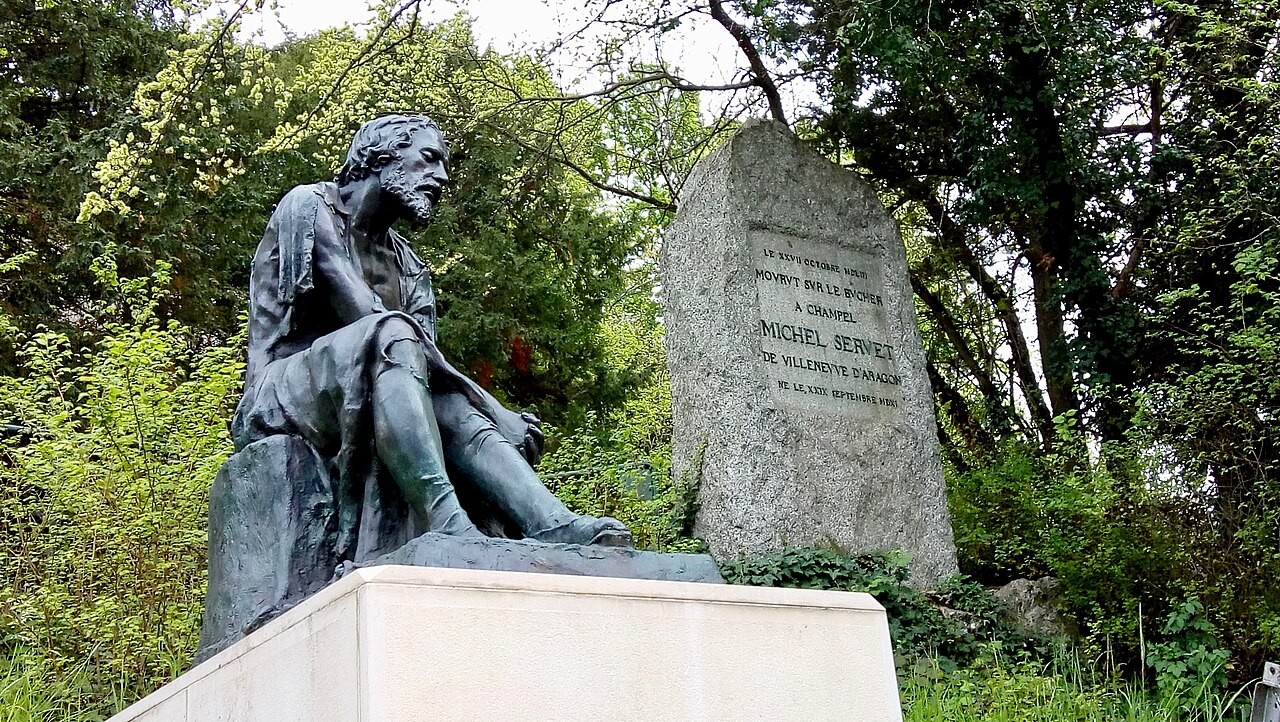
Servetus executed

Michael Servetus, the Spanish physician and anti-Trinitarian theologian, is burned at the stake at Champel outside Geneva on 27 October 1553; the table rounds the year to 1554, the year of Calvin's published defense of the execution. His death becomes the standing case against executing heretics, pressed by Castellio's plea for toleration.

Champel, Geneva
1600

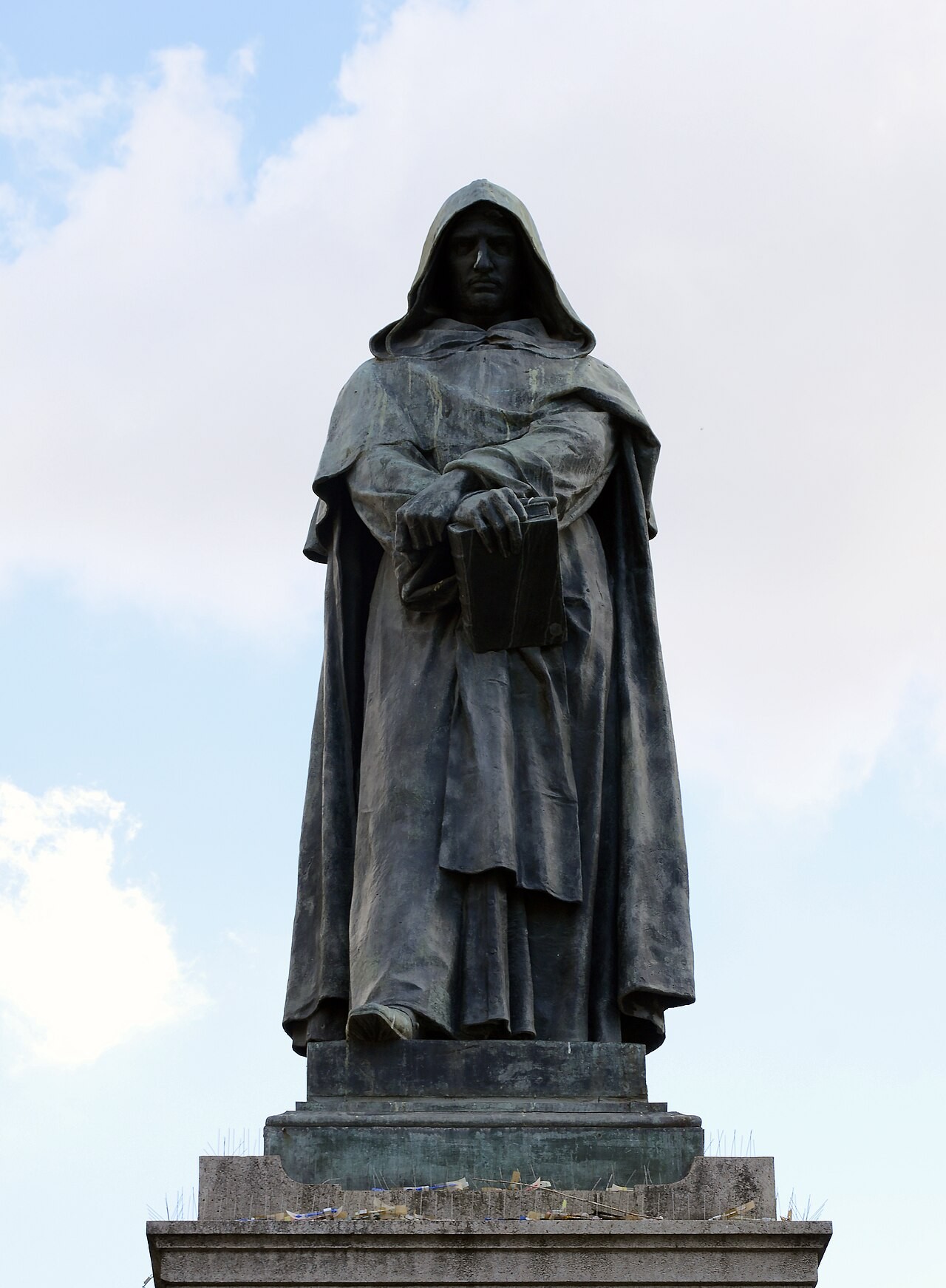
Bruno executed

Giordano Bruno, the Dominican friar turned philosopher of an infinite universe of countless worlds, is burned in the Campo de' Fiori at Rome on 17 February 1600 after eight years in the Inquisition's prisons. His statue on the spot, raised by freethinkers in 1889, makes him the martyrology's central figure.

Rome

The Enlightenment Settlement

1670

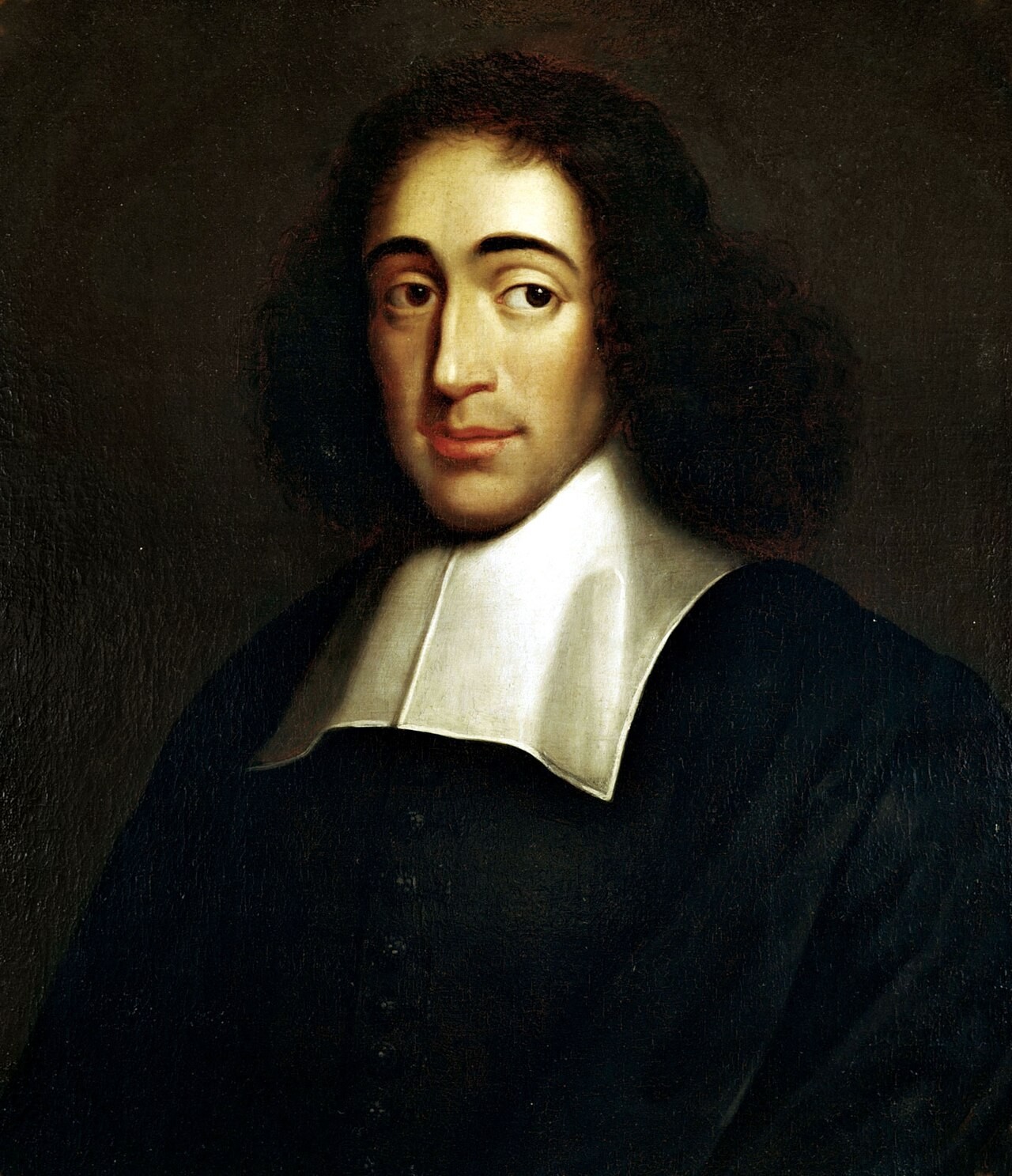
Spinoza's Tractatus Theologico-Politicus

Spinoza publishes the Tractatus Theologico-Politicus anonymously in 1670: Scripture read as a historical document, prophecy as imagination, and the freedom to philosophize defended as the condition of a peaceful republic. Banned within four years, the book lays the tracks of biblical criticism and the secular state.

Amsterdam
1738-1740

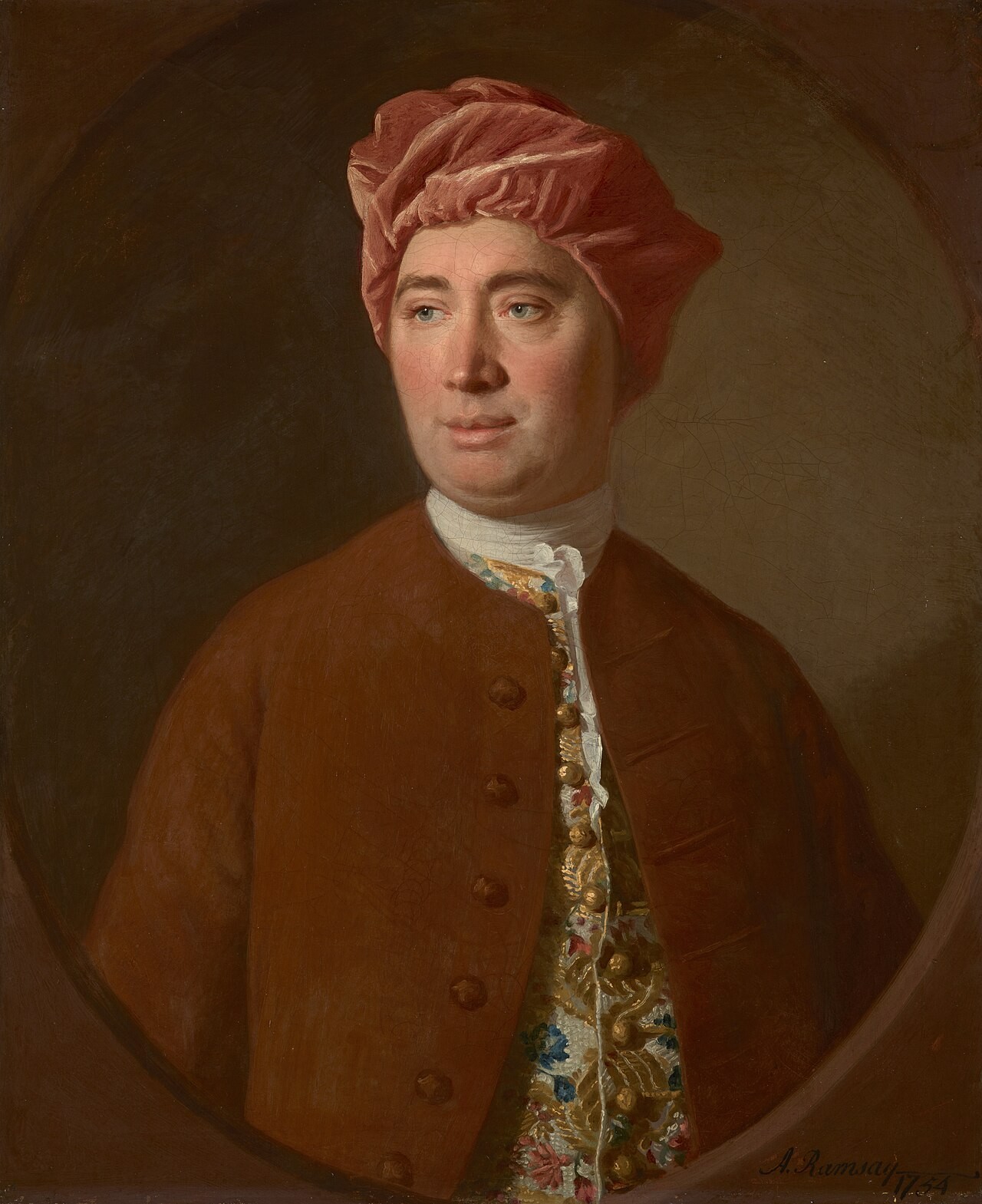
Hume's Treatise

David Hume publishes A Treatise of Human Nature in 1739 and 1740, when he is not yet thirty. Its skeptical empiricism, that reason is the slave of the passions and that belief in miracles and design outruns the evidence, sets the terms on which modern agnosticism still argues.

London
1751-1772

Encyclopédie

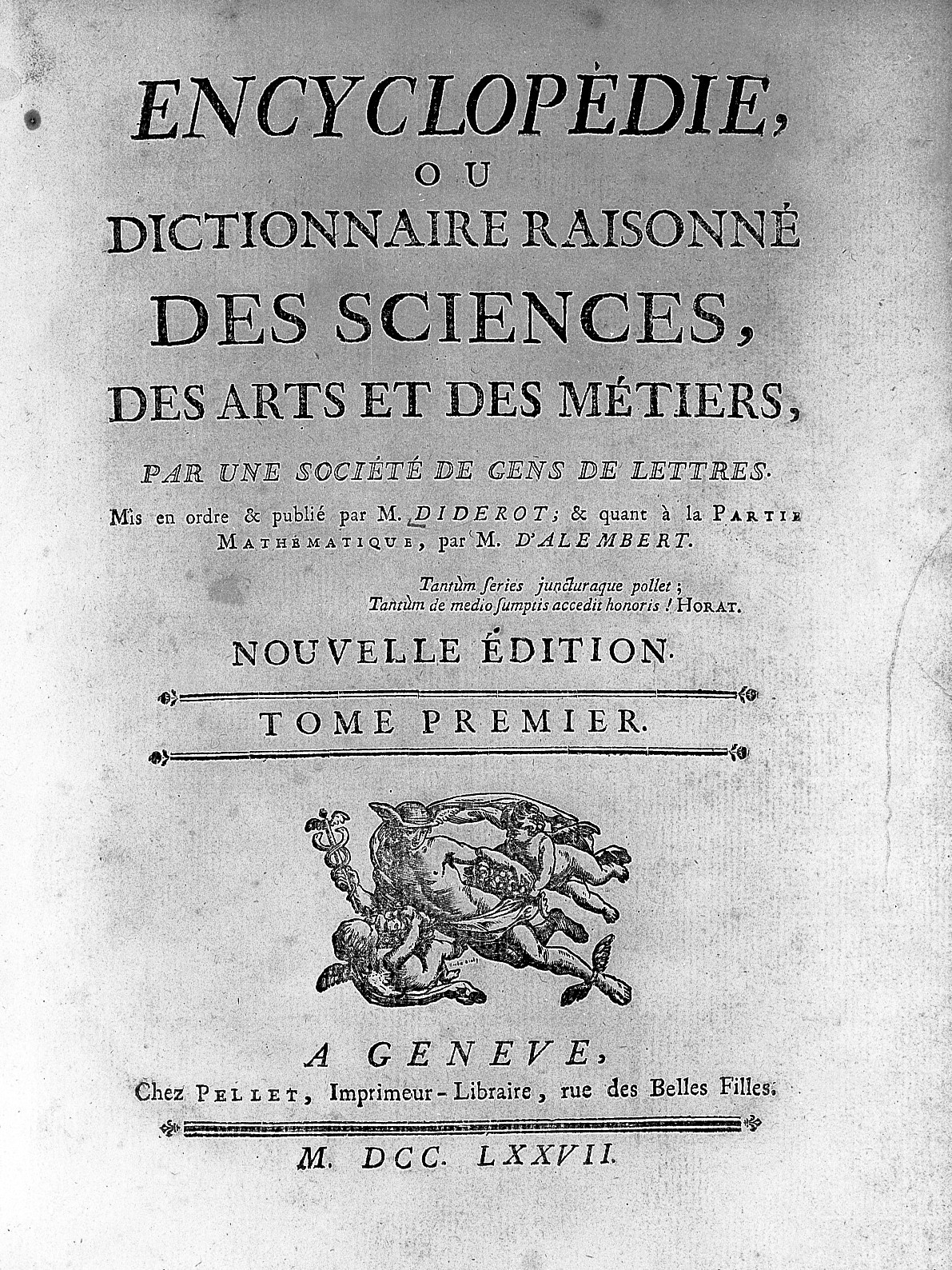
Diderot and d'Alembert issue the Encyclopédie across two decades, twenty-eight volumes of arts, sciences, and trades. Twice suppressed by the French crown, it carries the Enlightenment's program into workshops and studies: knowledge sorted by reason, and the crafts honored beside theology.

Paris
1789

French Revolution

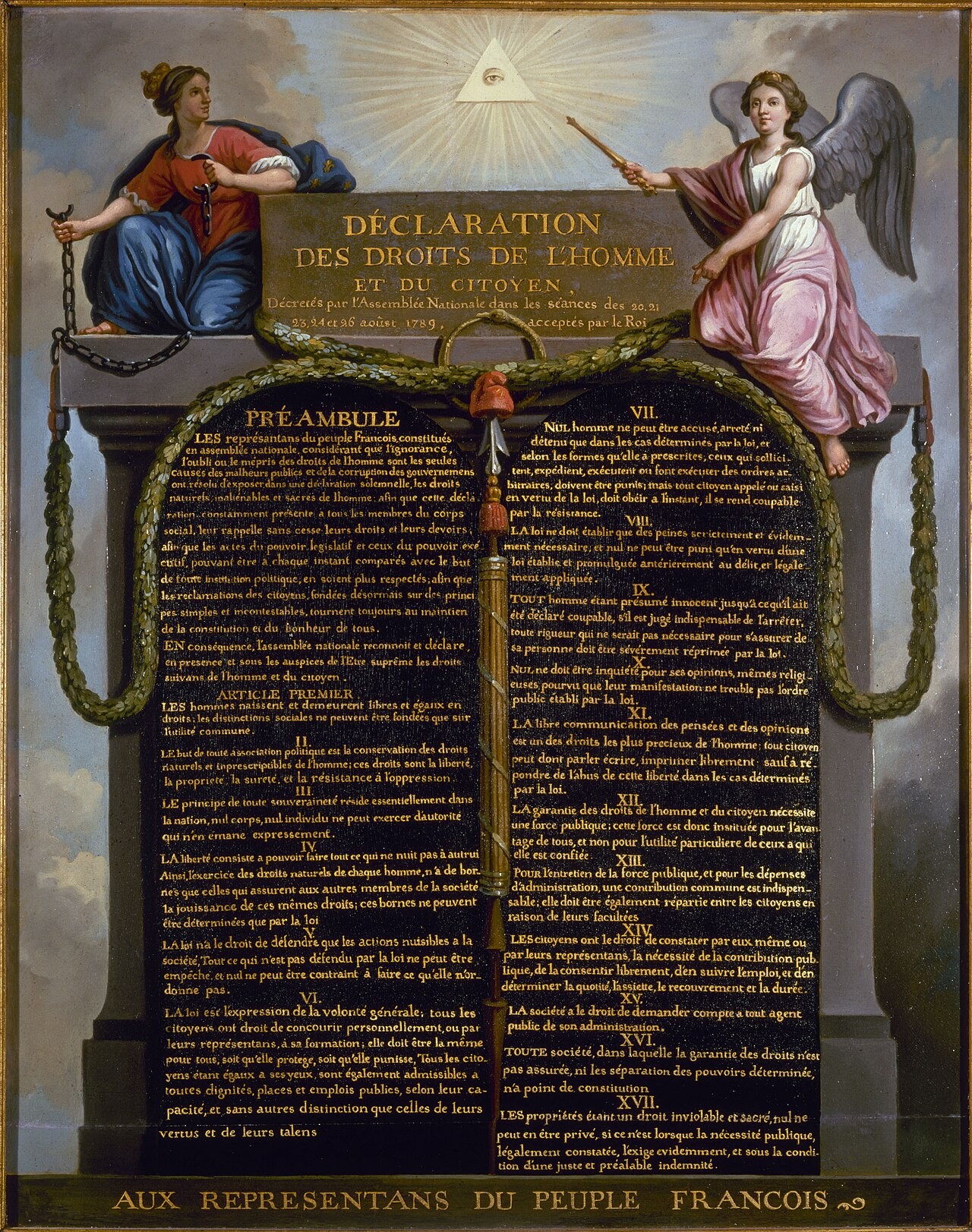
The Revolution of 1789 declares the rights of man, confiscates the Church's lands, and within four years is enthroning Reason in Notre Dame. Its settlement fails, but the questions it forces, citizenship without confession and law without altar, define the secularism stream from that year forward.

Paris
1791

US First Amendment

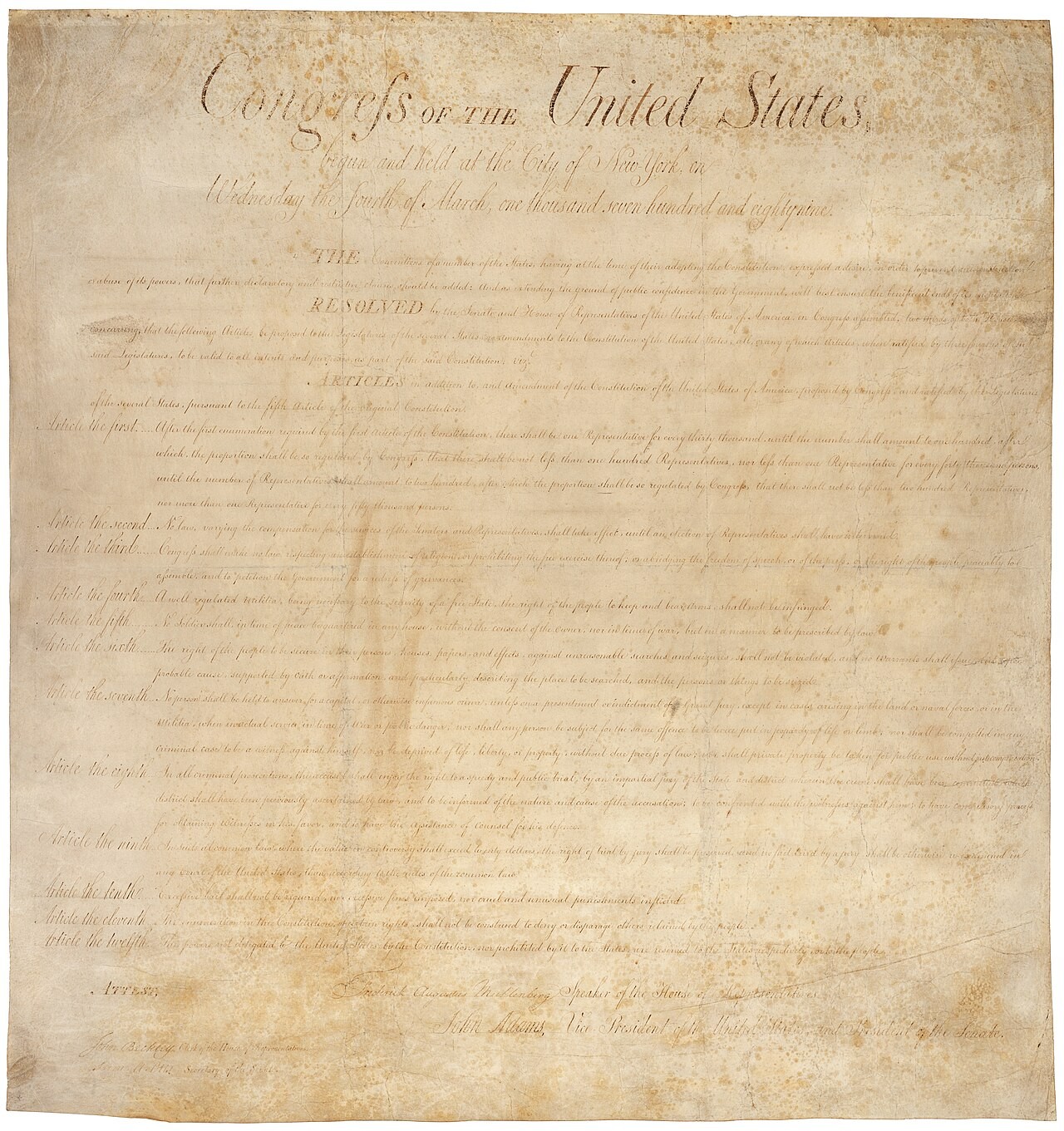
The First Amendment is ratified in 1791 as part of the Bill of Rights: Congress shall make no law respecting an establishment of religion, or prohibiting the free exercise thereof. Disestablishment and free exercise together become the American form of the secular settlement.

New York and Philadelphia
1794

Paine's Age of Reason

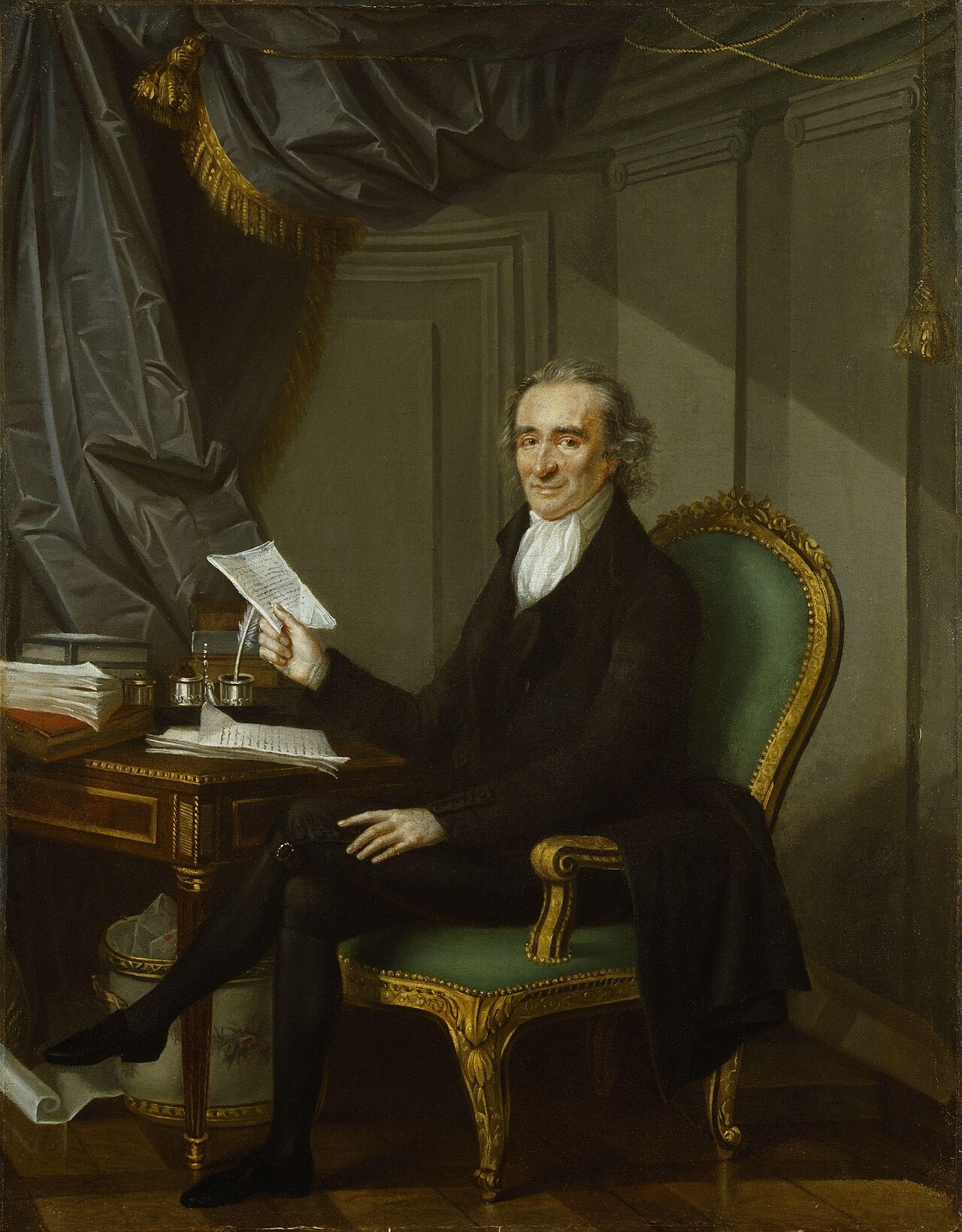
Thomas Paine publishes The Age of Reason in 1794 and 1795, a deist's case against revealed religion written for plain readers: I believe in one God, and no more; and I hope for happiness beyond this life. Banned and prosecuted in Britain, it becomes the freethought movement's first bestseller.

Paris and London
1838

Emerson's Divinity School Address

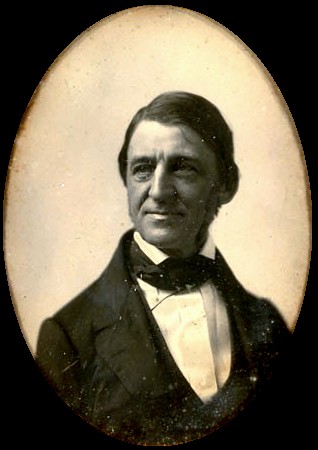
Ralph Waldo Emerson tells Harvard's graduating divinity students in 1838 to cast out conformity and preach from their own souls. The address breaks him with the Unitarian establishment and opens the American lineage of personal spirituality outside the churches.

Cambridge, Massachusetts

Secular Modernity

1841

Feuerbach's Essence of Christianity

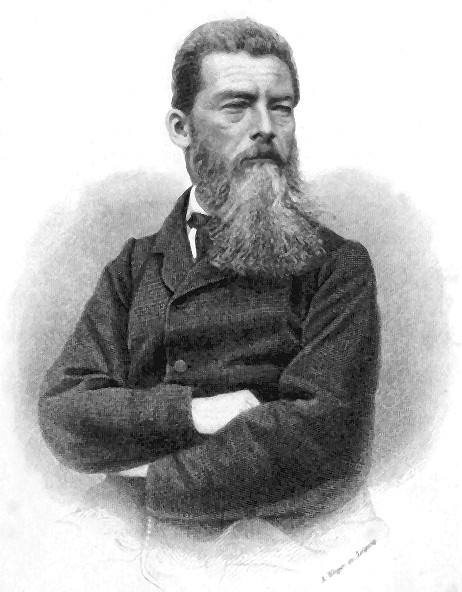
Ludwig Feuerbach argues in The Essence of Christianity (1841) that theology is anthropology: God is human nature projected and worshipped. The book turns a generation, Marx and Engels among them, and gives atheism its humanist form, religion explained as man's own essence estranged from himself.

Leipzig
1848

Communist Manifesto

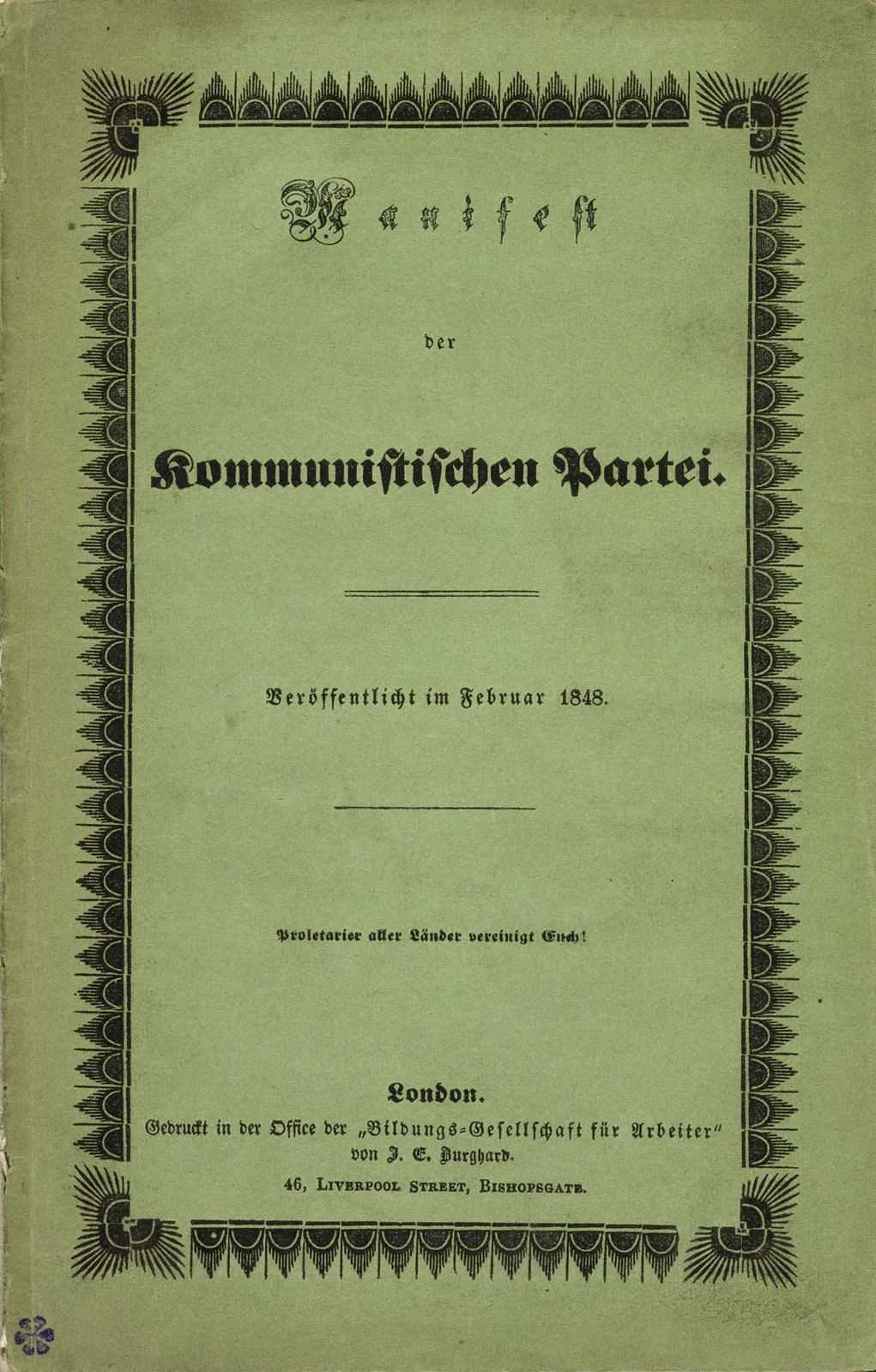
Marx and Engels publish the Manifesto of the Communist Party in 1848. Its author's settled materialism, religion as the opium of the people in Marx's phrase of 1844, carries atheism into the program of states in the century that follows, with consequences the tradition's own historians record on both sides.

London
1859

Darwin's Origin of Species

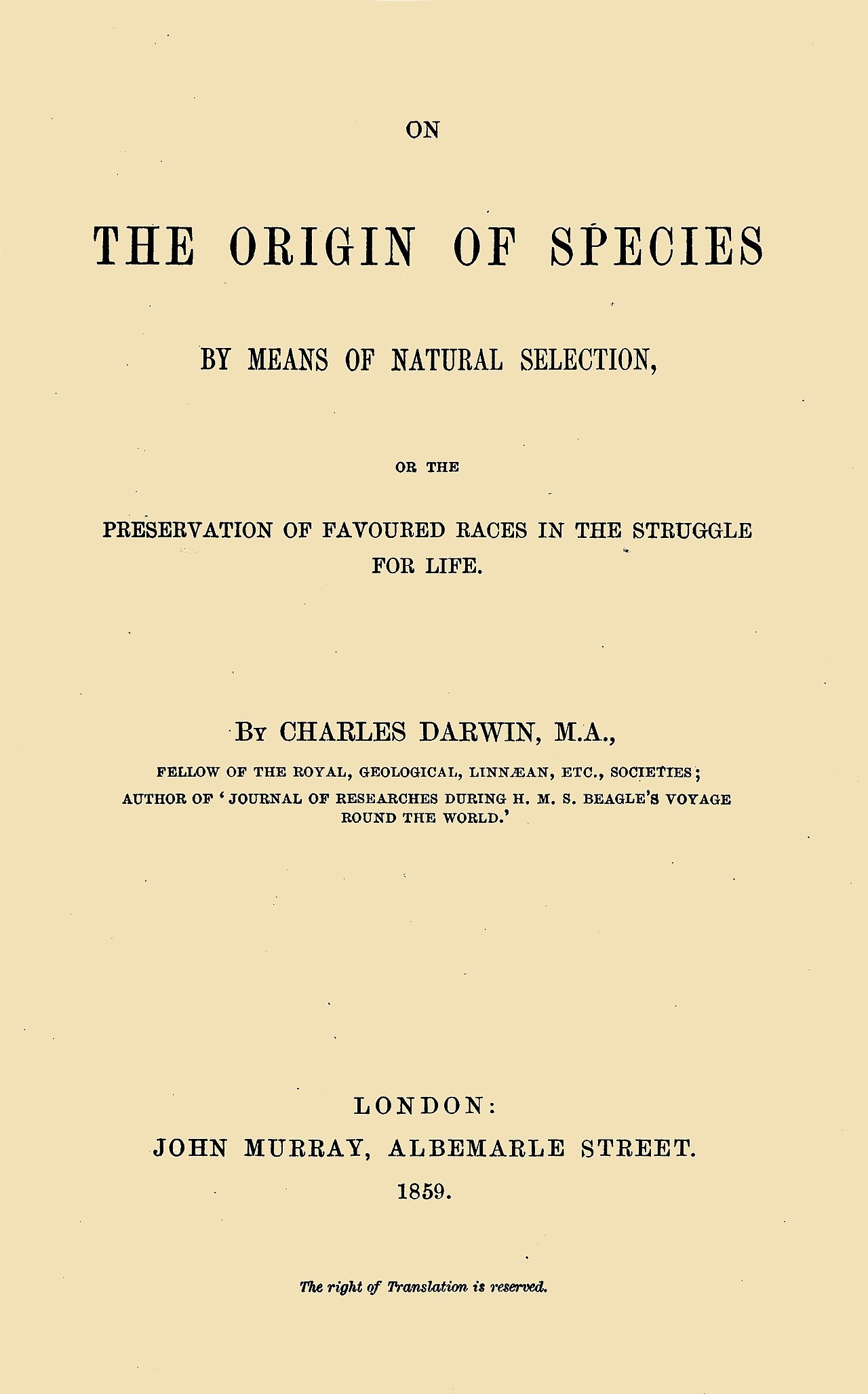
Charles Darwin publishes On the Origin of Species on 24 November 1859, twenty years after forming its theory. Natural selection dissolves the argument from design that natural theology rested on, and Darwin's own settled word for his position, in his letters, is agnostic.

London
1866

National Secular Society founded

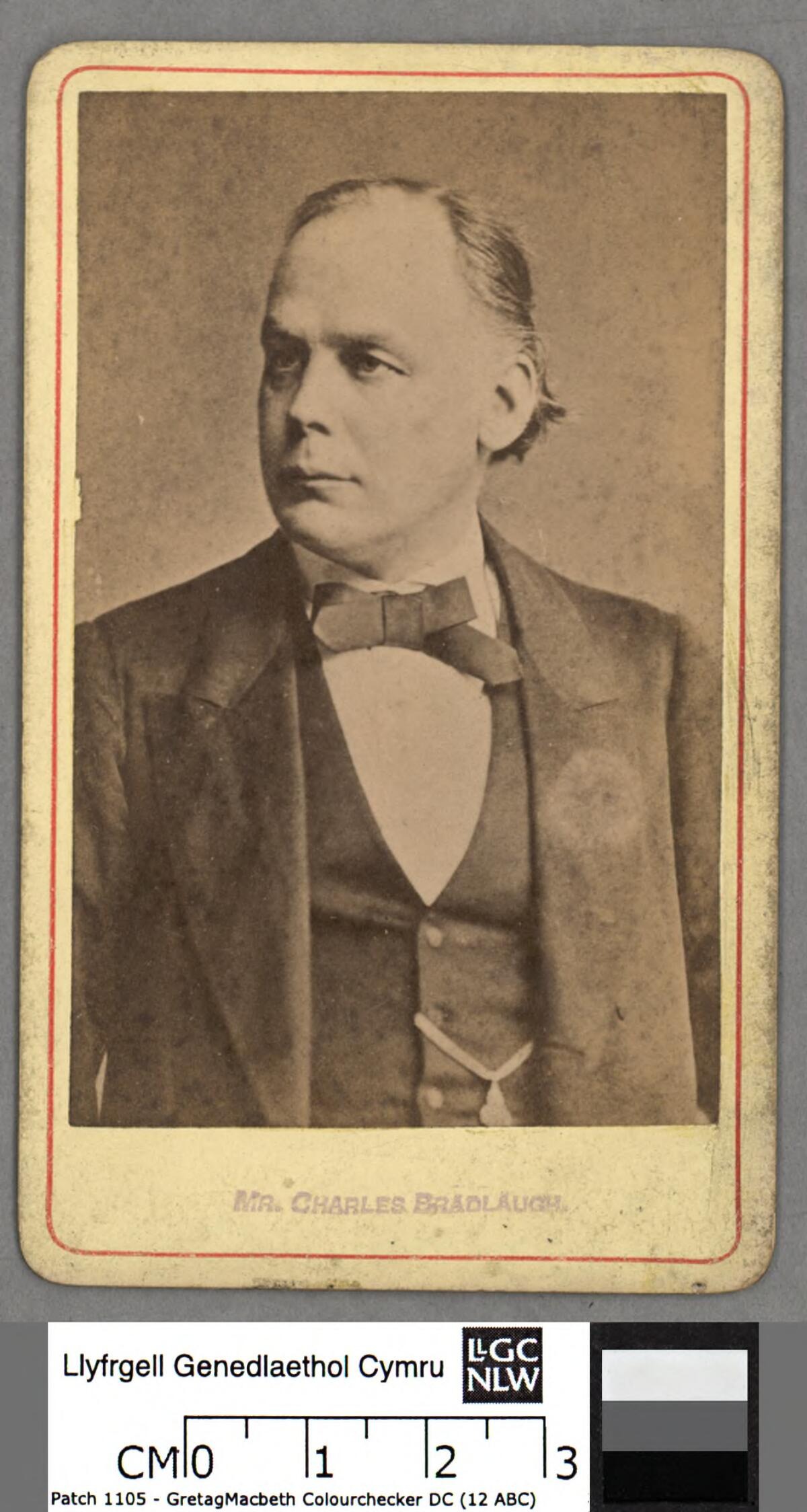
Charles Bradlaugh founds the National Secular Society in 1866 to contest the civil disabilities of unbelief in Britain. His election to Parliament in 1880 and the six-year oath struggle that follows make organized secularism a parliamentary fact.

London
1869

Huxley coins agnosticism

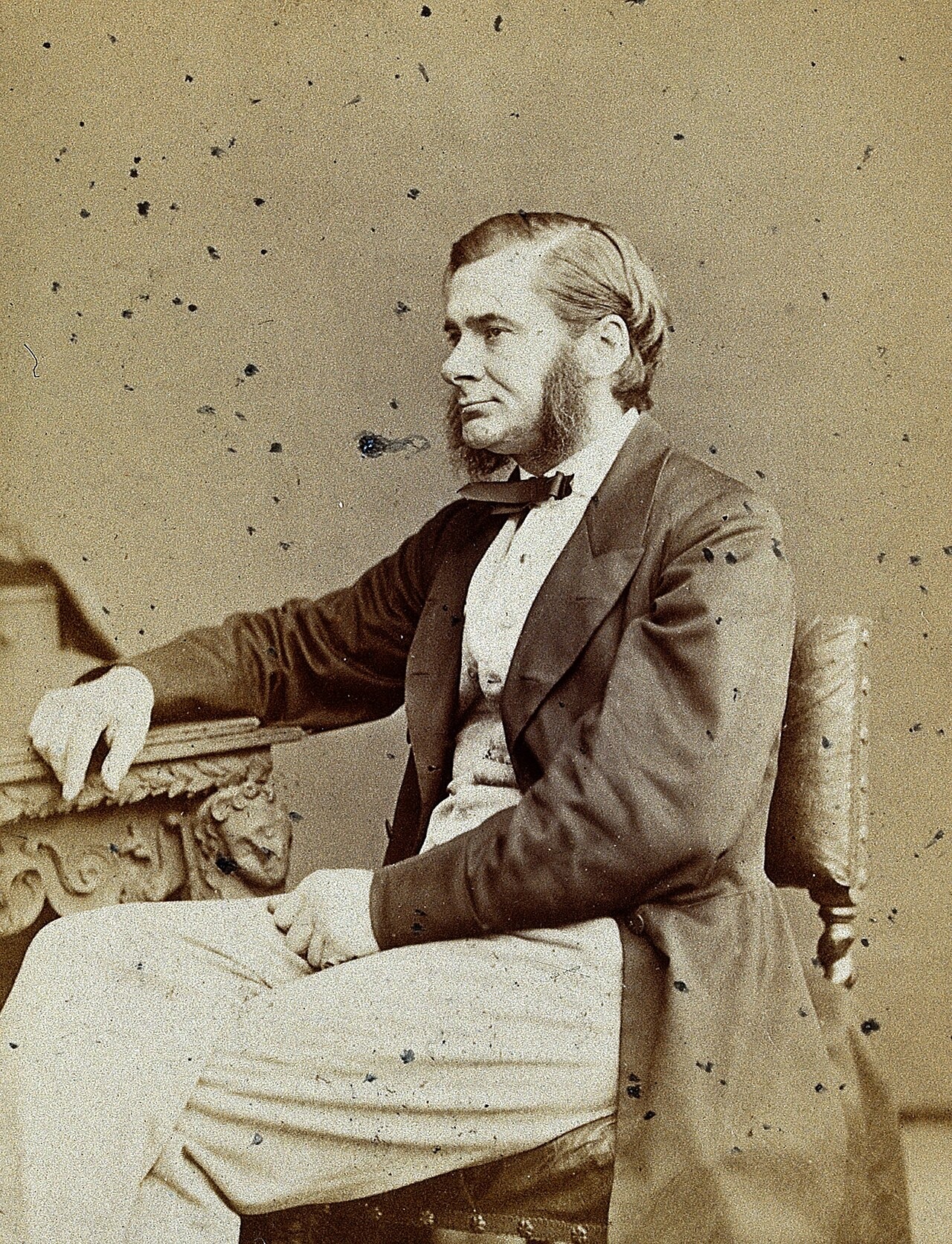
Thomas Henry Huxley coins the word agnosticism in 1869, at the founding of the Metaphysical Society, for the position that conclusions must follow evidence and that what cannot be demonstrated should not be pretended. The name gives the skeptical stream its standing label.

London
1875

Theosophical Society founded

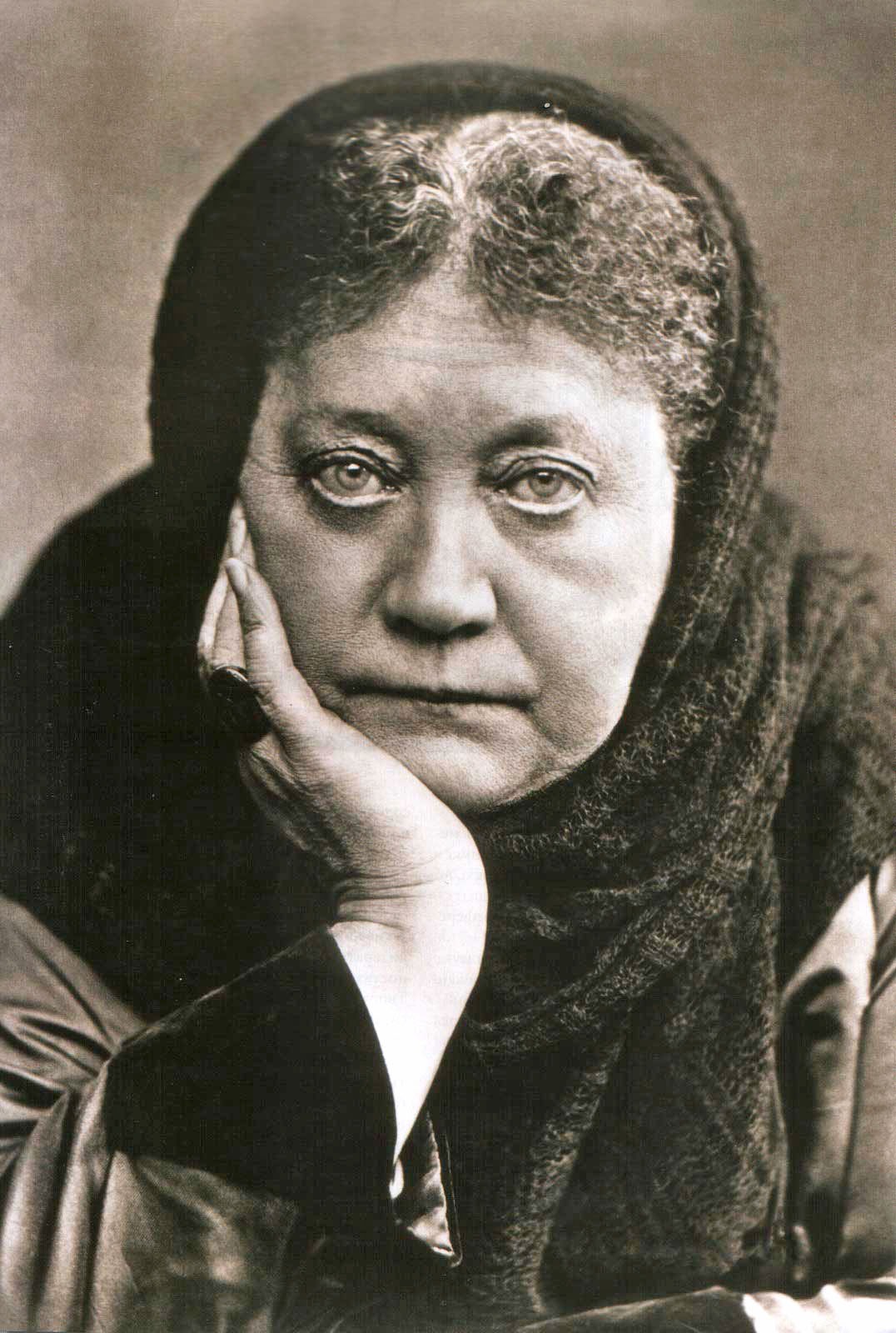
Helena Blavatsky and Henry Steel Olcott found the Theosophical Society in New York in 1875, carrying Eastern doctrines of karma and rebirth into Western dress. Theosophy's lodges and its offshoots spread the template of the seeker's path outside the churches across the world.

New York
1876

Ethical Culture movement founded

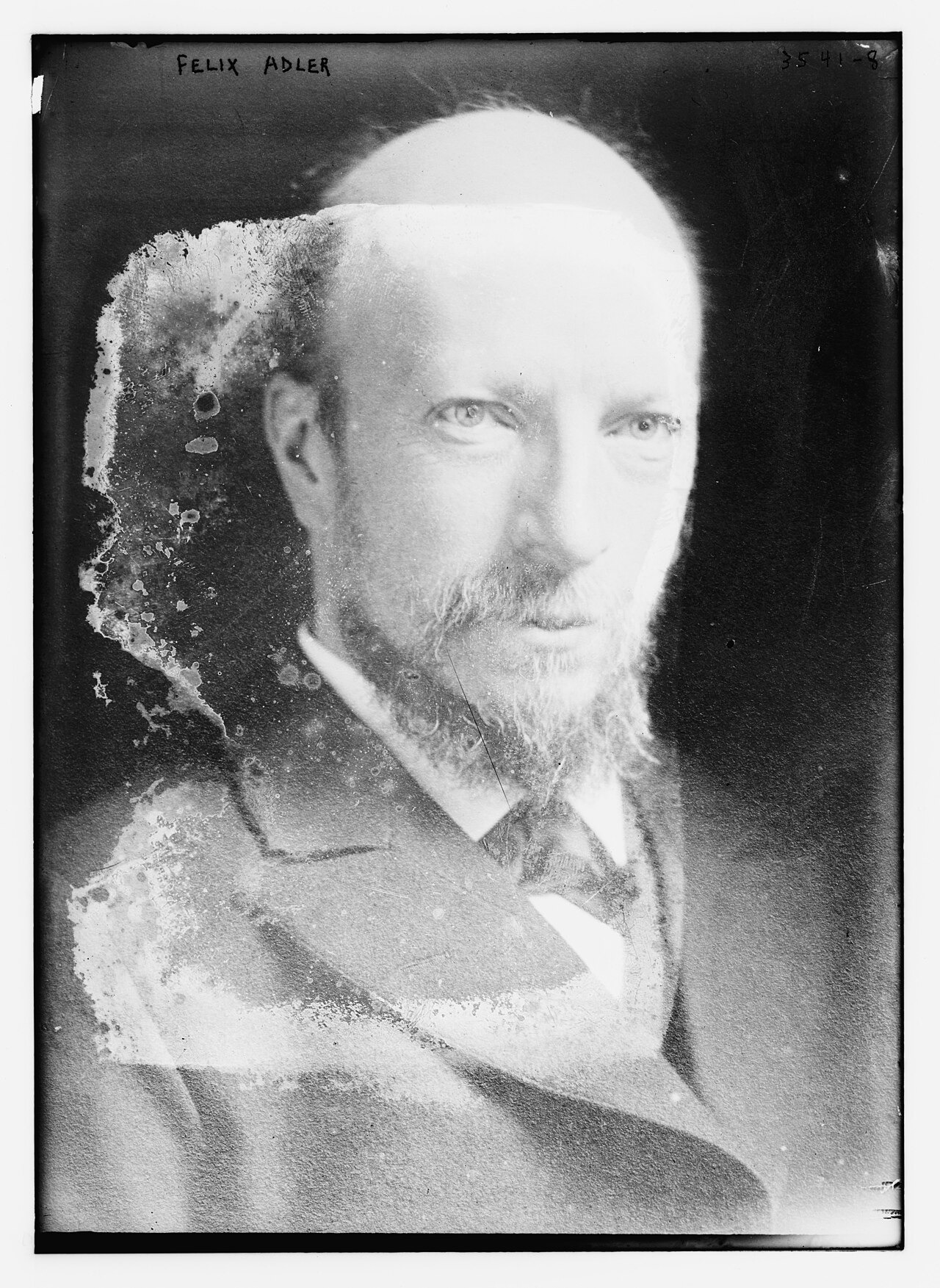
Felix Adler founds the New York Society for Ethical Culture in 1876 on the motto deed, not creed: ethical life and social reform without theological tests. Its schools and settlements become the institutional seed of organized humanism in America.

New York
1882

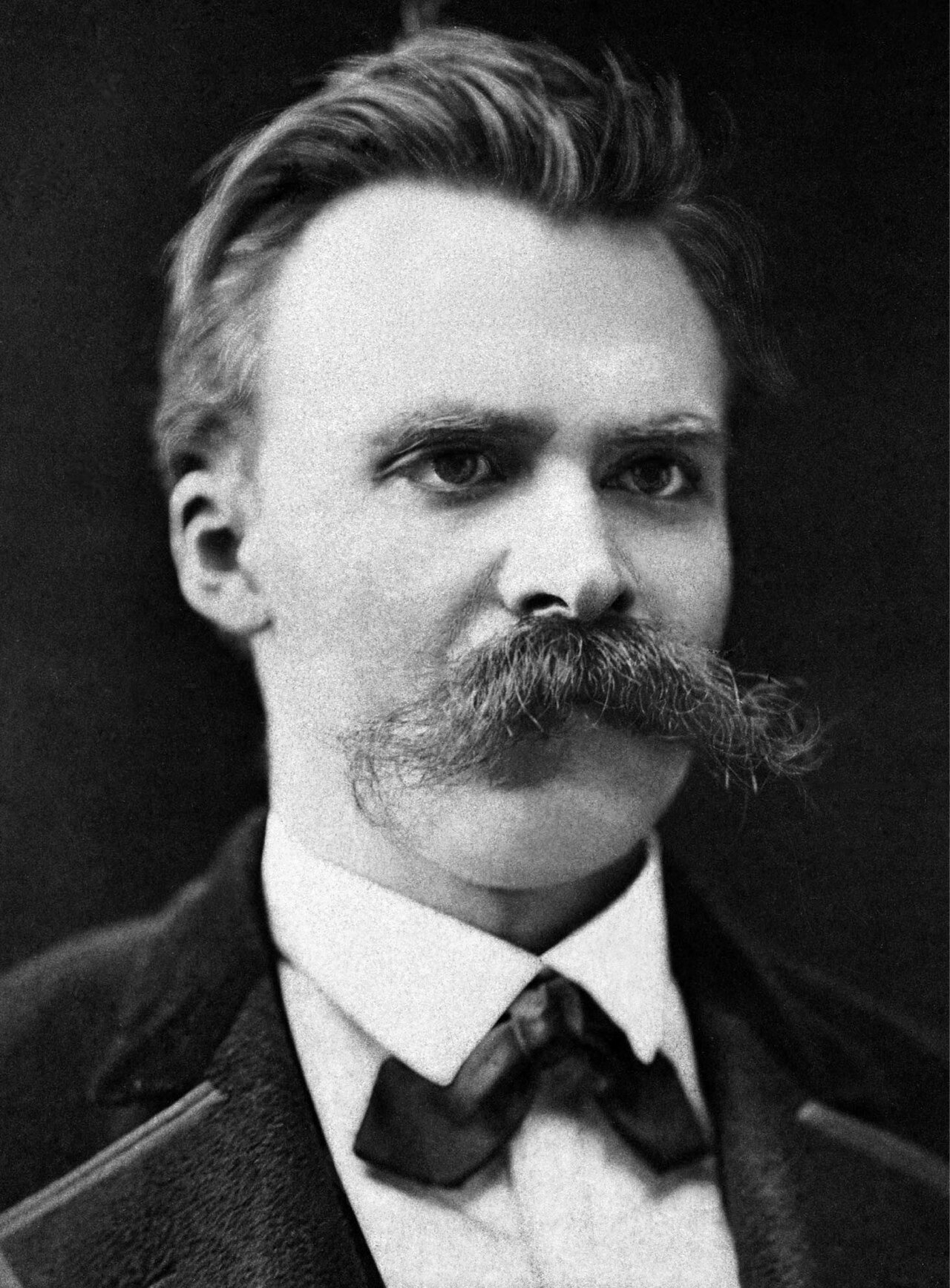
Nietzsche's Gay Science

Friedrich Nietzsche publishes The Gay Science in 1882, carrying the parable of the madman who announces that God is dead and that we have killed him. The sentence, and the demand to face its consequences honestly, becomes atheism's most quoted text.

Chemnitz
1902

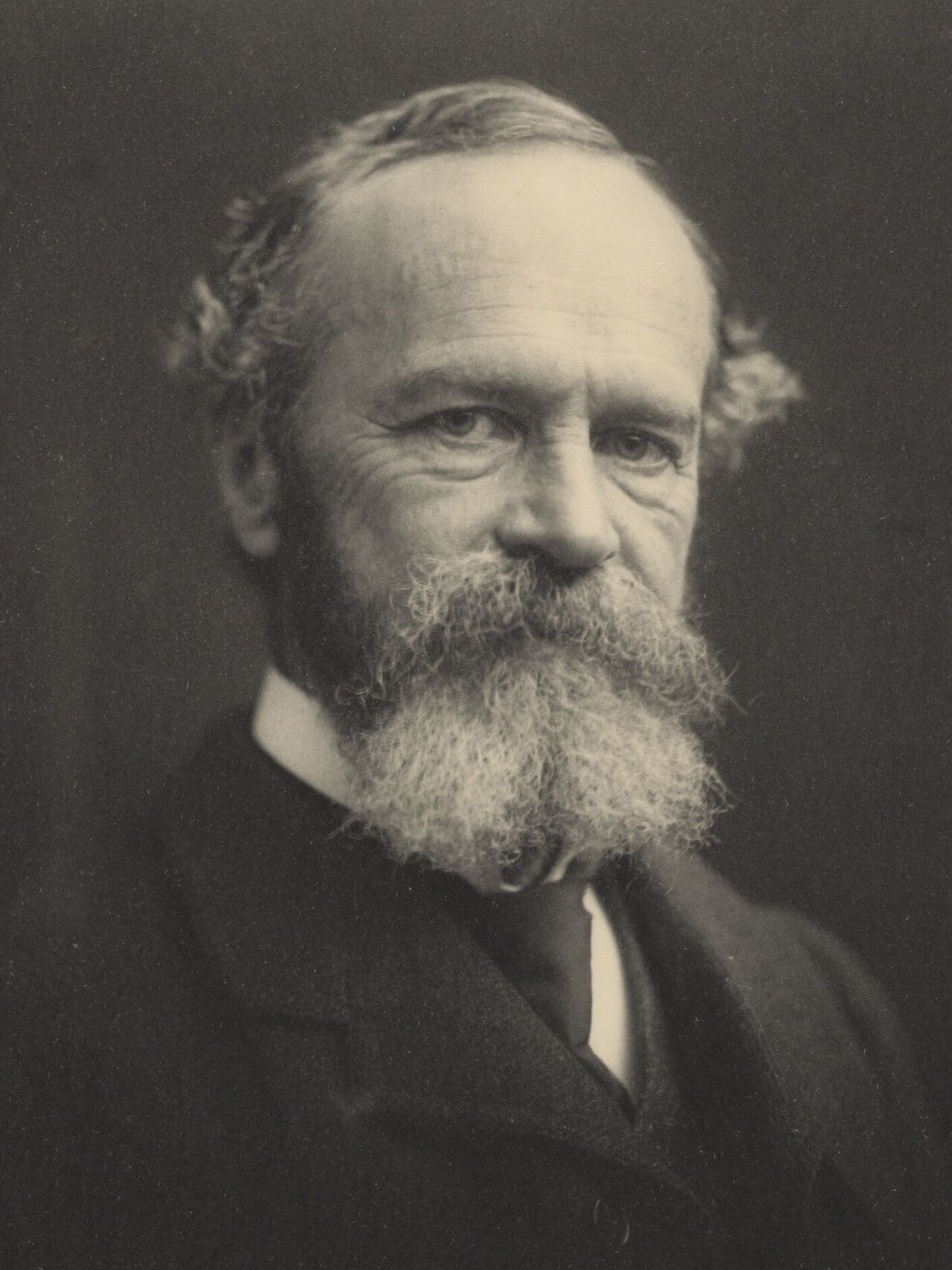
James's Varieties of Religious Experience

William James delivers the Gifford Lectures published in 1902 as The Varieties of Religious Experience, studying religion as personal experience rather than institution. The book's sympathy for the individual's inner life becomes a charter text for those who keep the spirituality and leave the churches.

Edinburgh
1933

Humanist Manifesto I

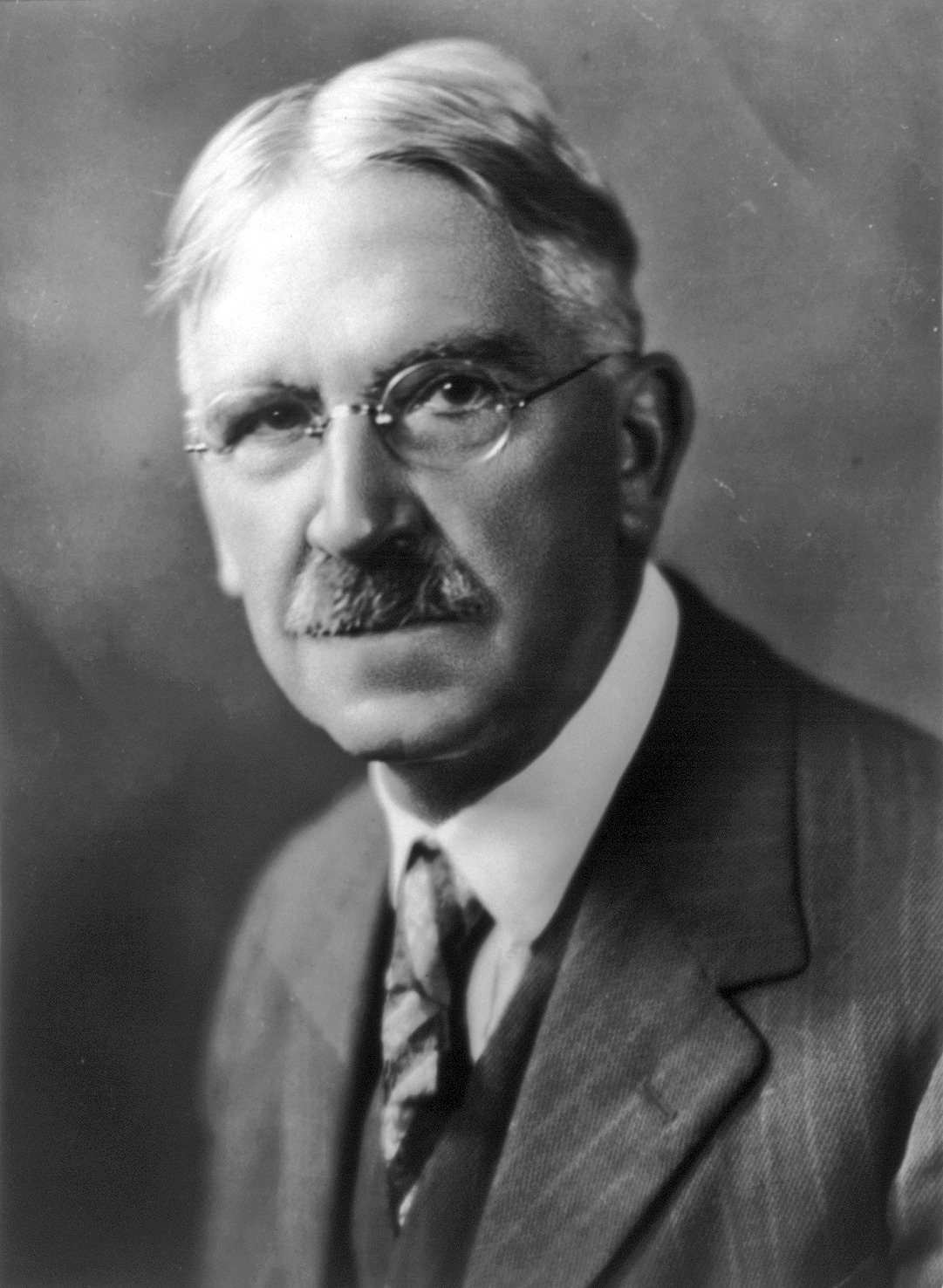
Thirty-four signers, John Dewey among them, publish the first Humanist Manifesto in 1933: religious humanism, holding that the universe is self-existing, that man is part of nature, and that ethics is autonomous. The document names the movement the associations then organize.

Chicago
1941

American Humanist Association

The American Humanist Association is founded in 1941, gathering the humanist fellowships and the Humanist Manifesto's signers into one national body. Its Humanist of the Year awards and its journal carry the humanist stream into American public life.

Chicago
1963

American Atheists founded

Madalyn Murray O'Hair founds American Atheists in 1963, the year the Supreme Court's decision in the case she brought ends state-sponsored Bible reading in public schools. Her organization's uncompromising brief for unbelief defines organized atheism's public face for a generation.

Austin, Texas
2004-2006

New Atheism

Between 2004 and 2006 Sam Harris's The End of Faith, Richard Dawkins's The God Delusion, and Daniel Dennett's Breaking the Spell reach bestseller lists, with Christopher Hitchens's case following in 2007. The New Atheism argues its brief in the open market of books rather than the courts, and unbelief's public numbers climb with it.

The United States and Britain
2010s-present

Rise of the 'Nones'

From the 2010s the religiously unaffiliated, the nones of the survey forms, become the fastest-growing category in the United States and much of the West, about a quarter to a third of adults in the Pew counts. Most are not organized atheists; the surveys find belief, practice, and belonging separating, which is the population the spiritual-but-not-religious label names.

The United States and the West