

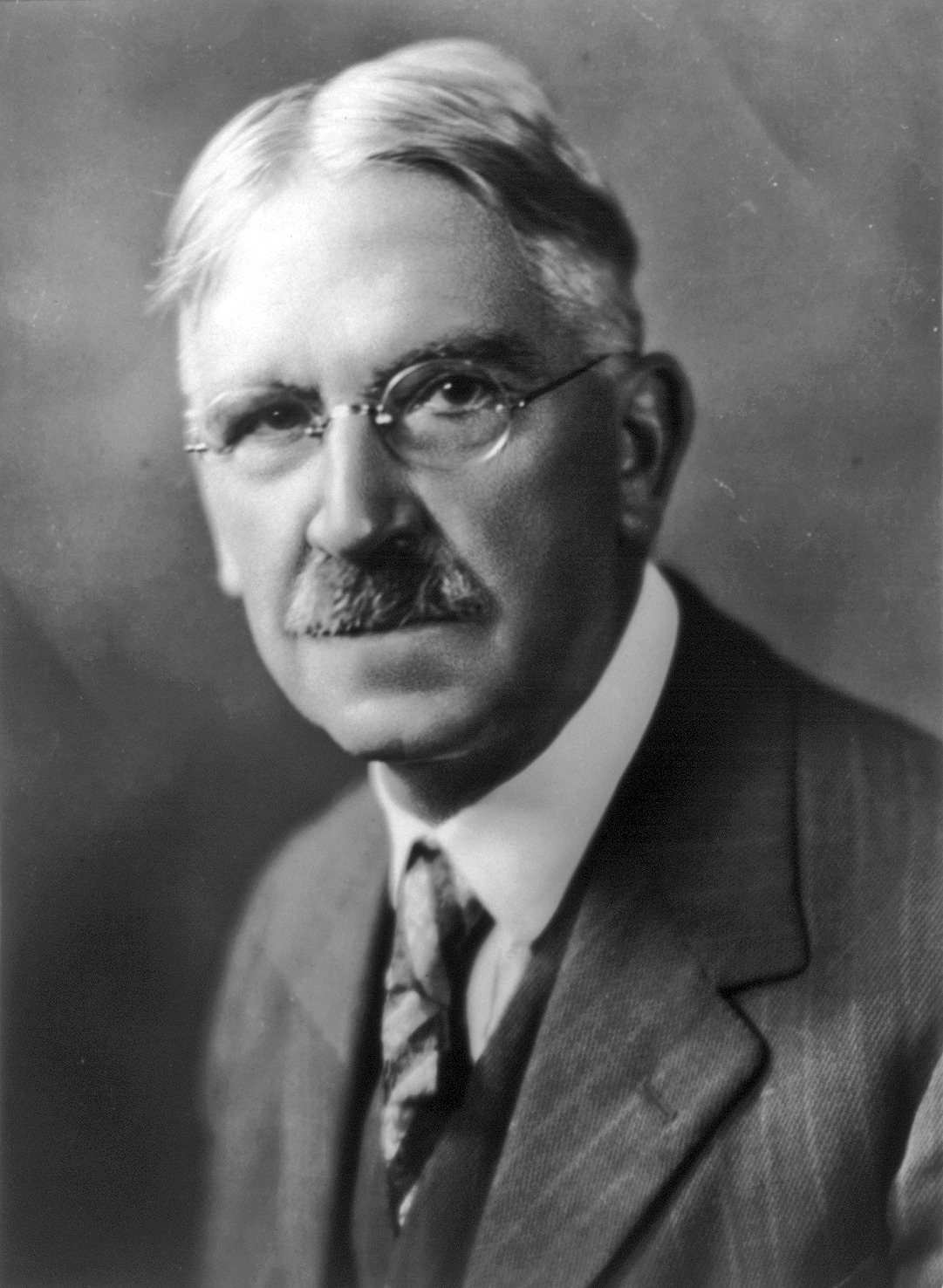
Thirty-four signers, John Dewey among them, publish the first Humanist Manifesto in 1933: religious humanism, holding that the universe is self-existing, that man is part of nature, and that ethics is autonomous. The document names the movement the associations then organize.
Tagged: Humanism Secular and Non-Theistic
The Event
- Date
- 1933 (exact)
- Era
- Secular Modernity; Standard periodization of secular and non-religious history
- Location
- Chicago; today United States
- Traditions
- Secular
- Streams
- Humanism
- Key figures
- John Dewey, Roy Wood Sellars
- Key texts
- Humanist Manifesto I
Primary Sources
- Humanist Manifesto I, The New Humanist, 1933.
Secondary Sources
- Gottlieb, Anthony. The Dream of Enlightenment: The Rise of Modern Philosophy. New York: Liveright, 2016.
- Jacoby, Susan. Freethinkers: A History of American Secularism. New York: Metropolitan Books, 2004.
- Taylor, Charles. A Secular Age. Cambridge, MA: Harvard University Press, 2007.
- Zuckerman, Phil, ed. Atheism and Secularity. Santa Barbara: Praeger, 2010.
Provenance: HIST-1322; confidence 0.95; accessed 2026-10-28.
Related on This Site
No image; the post explains why
Art Entry
AI-Generated Religious Art
Image generators now produce Christs, Buddhas, and temple scenes on demand. The traditions are answering; some with welcome, some with prohibitions that reach the new medium directly. This page shows no generated image, because any single example would misrepresent the argument.
 Art Tradition
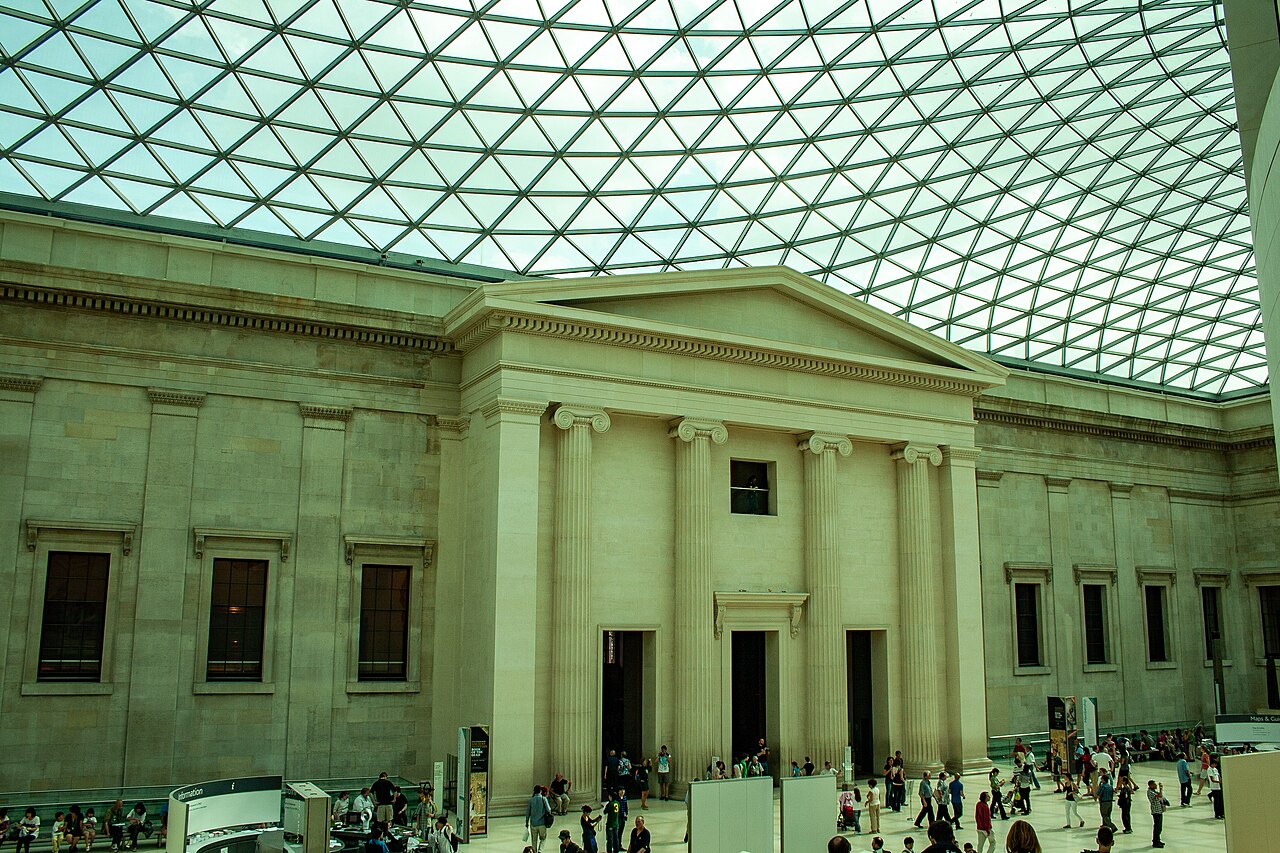
Non-Theistic and Secular
Art without transcendence: humanist meaning-making, museums as secular temples, and protest art.
 Artist
Doris Salcedo
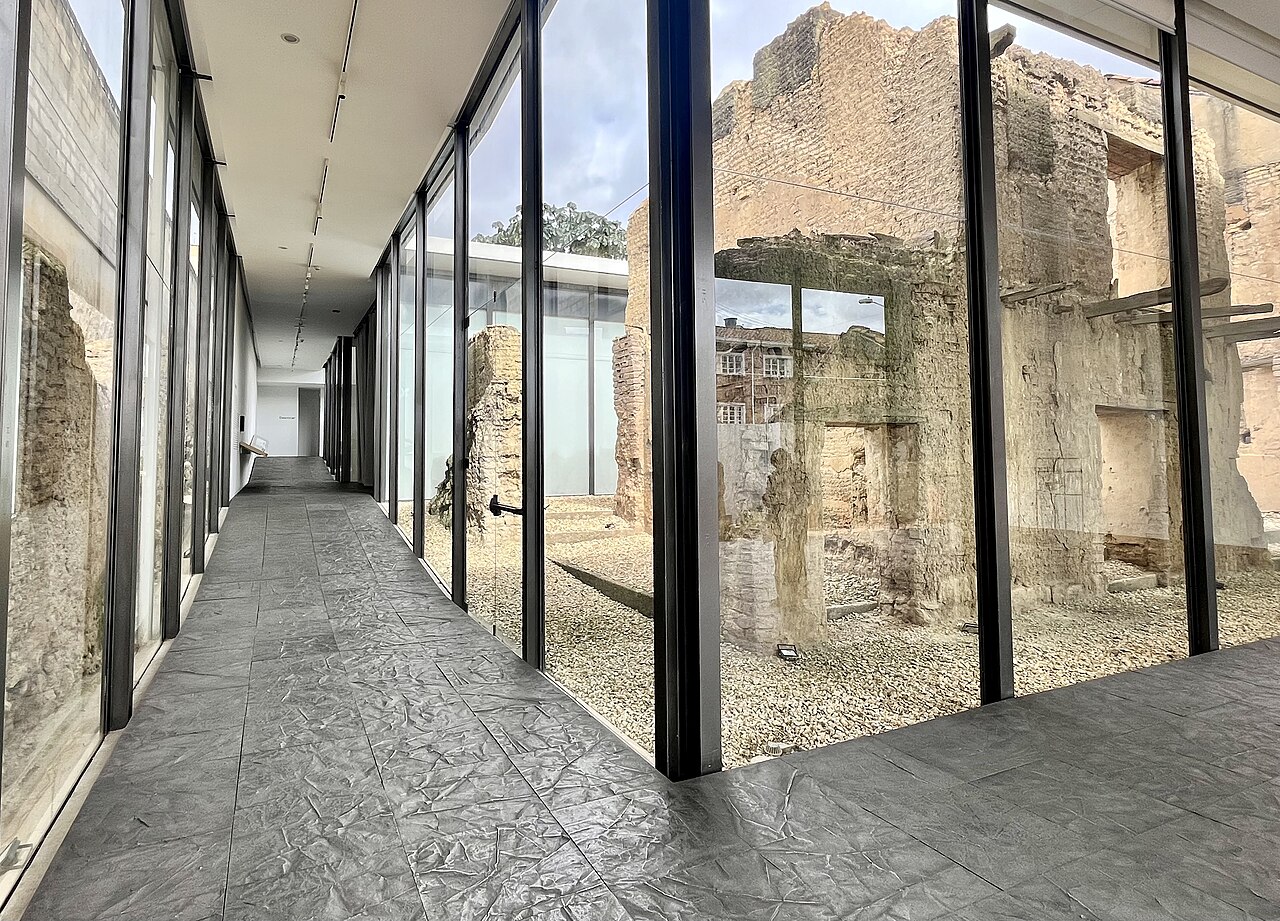
The Colombian sculptor of political violence's traces; her Fragmentos floor in Bogotá is a counter-monument hammered from surrendered weapons by women victims of the conflict.
 Artist
Käthe Kollwitz
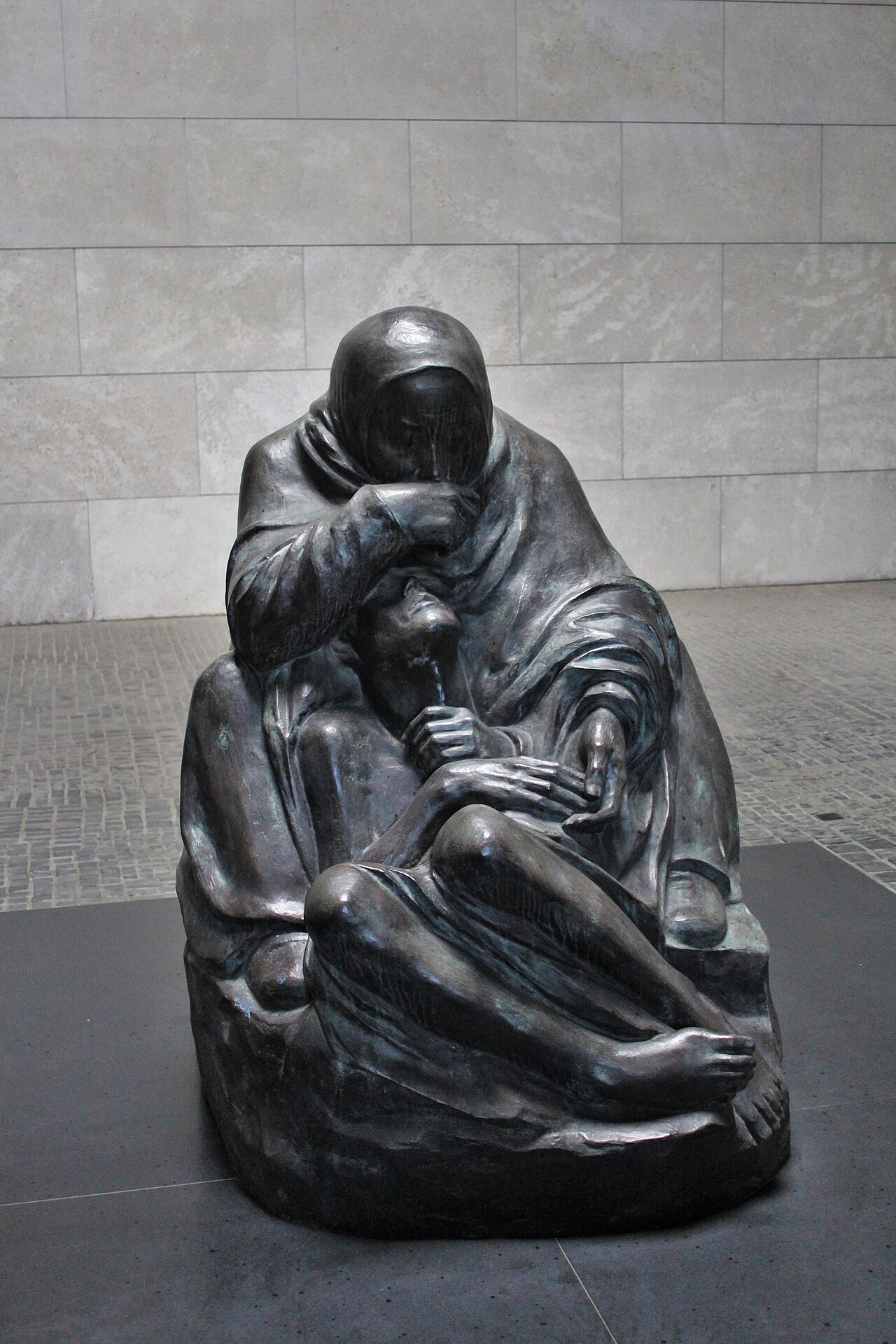
The German artist of grief: her Pietà, enlarged in Berlin's Neue Wache, is Germany's central memorial to the victims of war; a mother holding her dead son, made by a mother who lost hers.
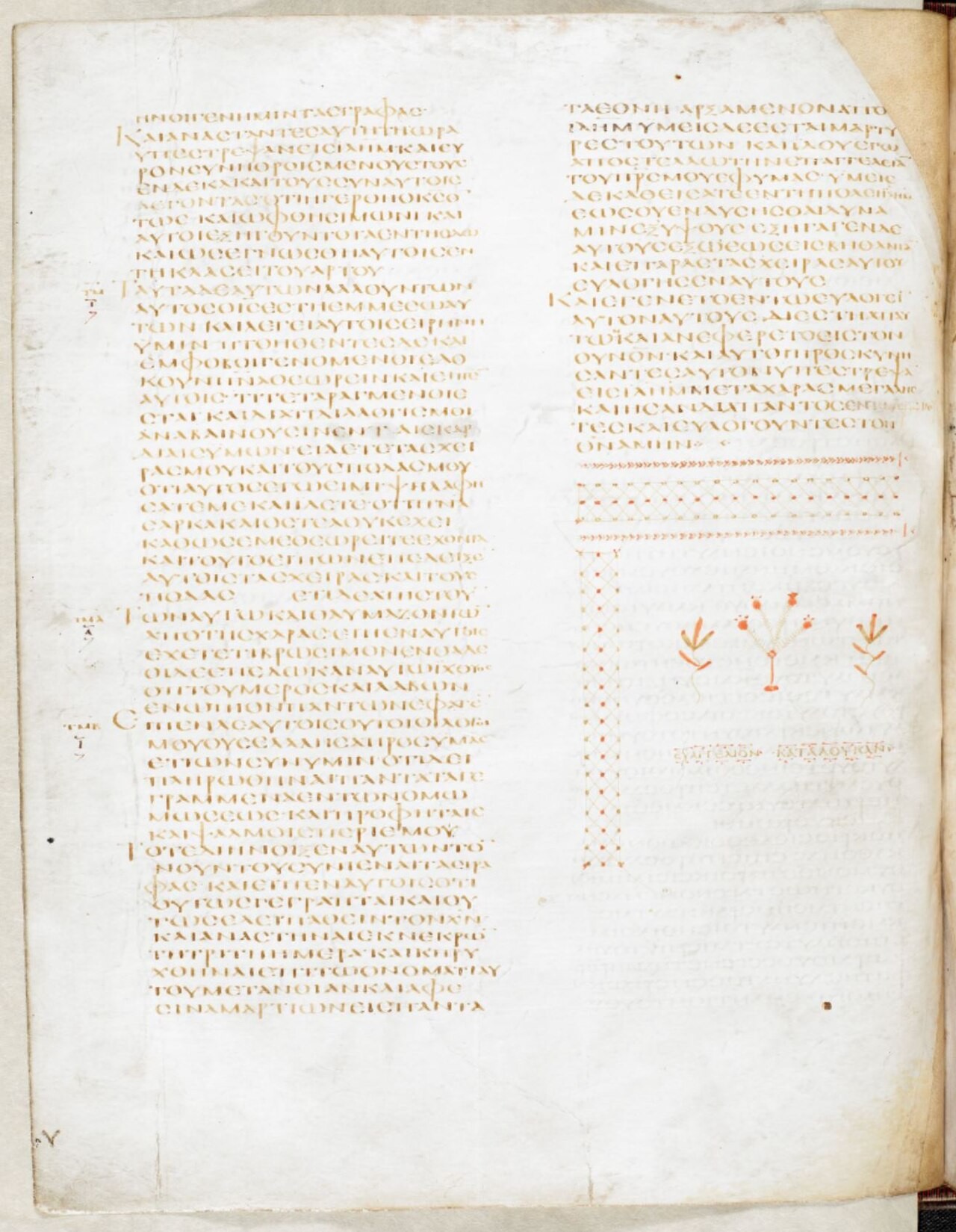 Dictionary or Lexicon
Louw & Nida, Greek-English Lexicon of the New Testament Based on Semantic Domains
Louw and Nida's lexicon arranges New Testament Greek by semantic domain; what a word does in its field of meaning; rather than by alphabet. Revolutionary in method and now standard in translation work; the domains, not the glosses, are the contribution.
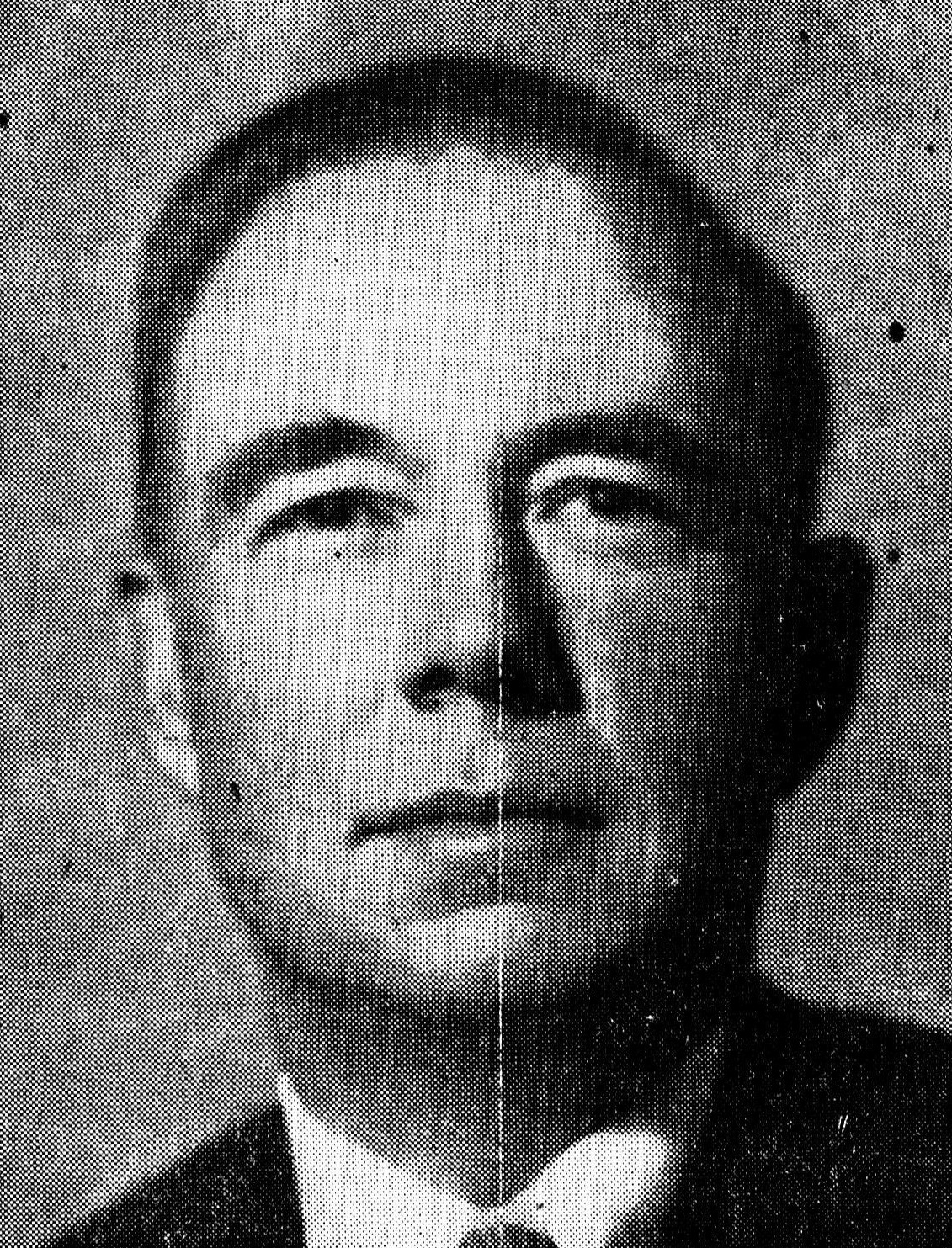 History Event
American Humanist Association
1941
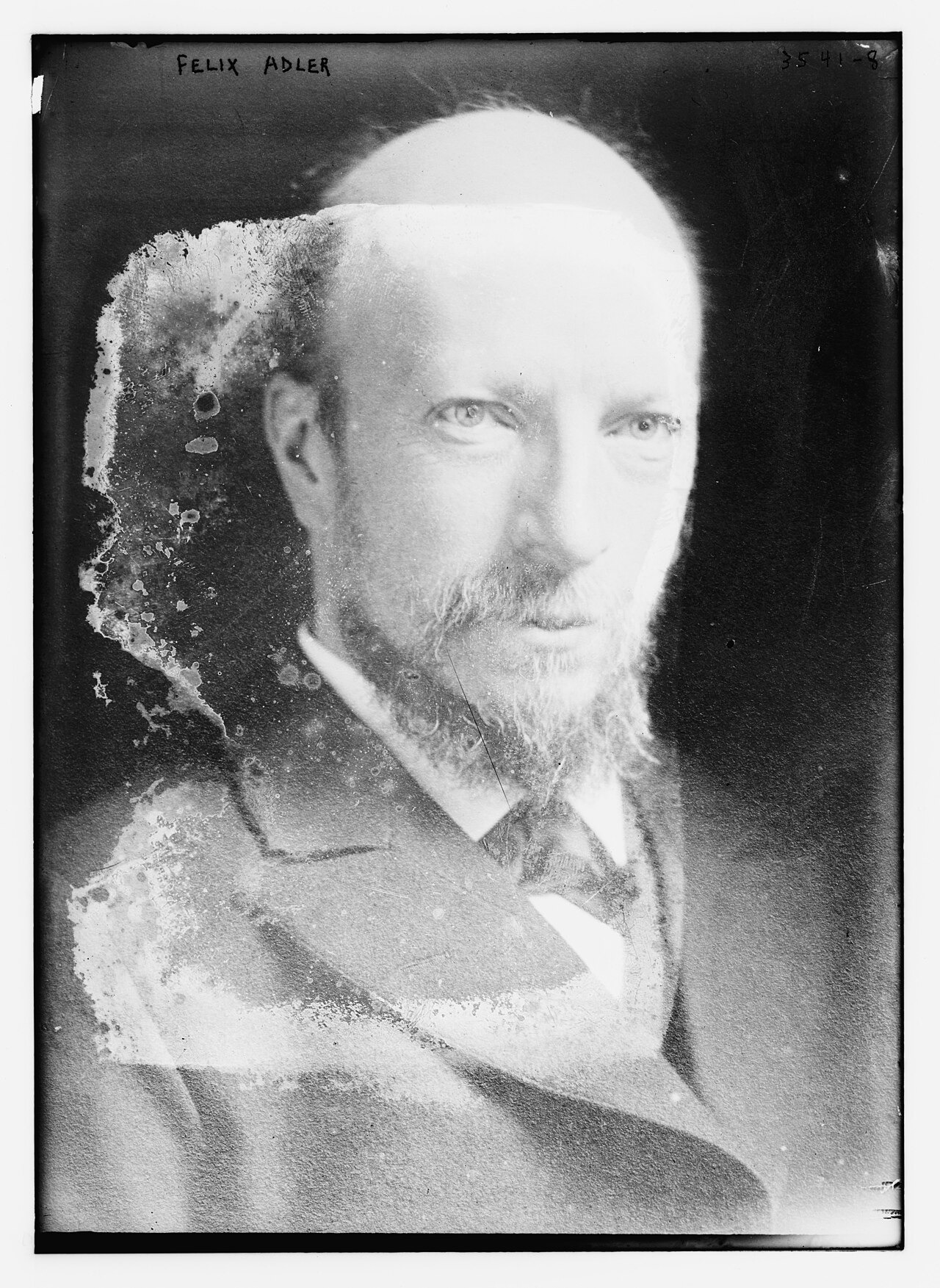 History Event
Ethical Culture movement founded
1876
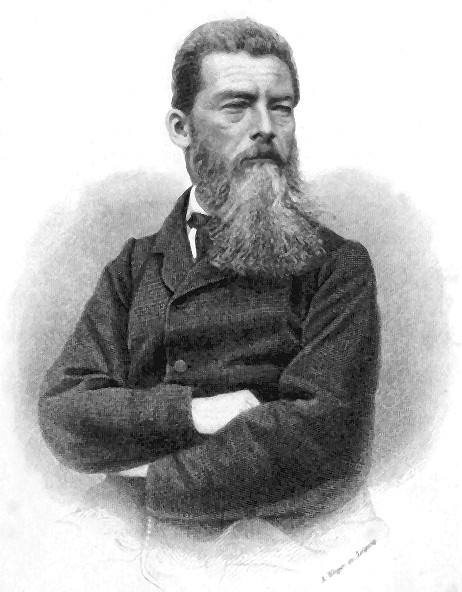 History Event
Feuerbach's Essence of Christianity
1841
Art Tradition
Non-Theistic and Secular
Art without transcendence: humanist meaning-making, museums as secular temples, and protest art.
Artist
Doris Salcedo
The Colombian sculptor of political violence's traces; her Fragmentos floor in Bogotá is a counter-monument hammered from surrendered weapons by women victims of the conflict.
Artist
Käthe Kollwitz
The German artist of grief: her Pietà, enlarged in Berlin's Neue Wache, is Germany's central memorial to the victims of war; a mother holding her dead son, made by a mother who lost hers.
Dictionary or Lexicon
Louw & Nida, Greek-English Lexicon of the New Testament Based on Semantic Domains
Louw and Nida's lexicon arranges New Testament Greek by semantic domain; what a word does in its field of meaning; rather than by alphabet. Revolutionary in method and now standard in translation work; the domains, not the glosses, are the contribution.
History Event
American Humanist Association
1941
History Event
Ethical Culture movement founded
1876
History Event
Feuerbach's Essence of Christianity
1841