Secular Worldviews

The Atheism stream of the Secular Worldviews timeline.

Streams: All of Secular Worldviews Freethought Agnosticism Secularism Spiritual But Not Religious Atheism Humanism

Secular Modernity

1841

Feuerbach's Essence of Christianity

Ludwig Feuerbach argues in The Essence of Christianity (1841) that theology is anthropology: God is human nature projected and worshipped. The book turns a generation, Marx and Engels among them, and gives atheism its humanist form, religion explained as man's own essence estranged from himself.
Leipzig
1848

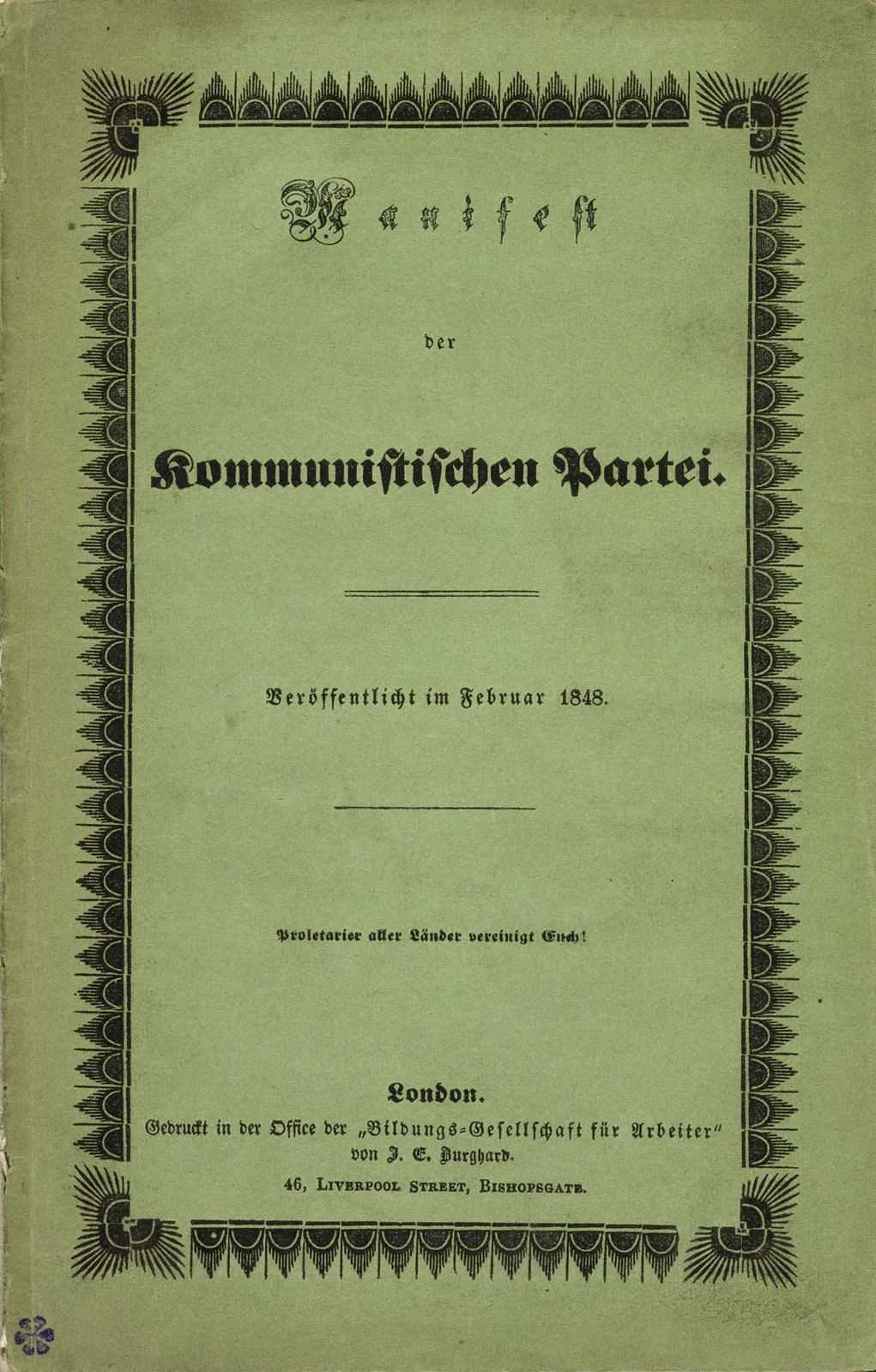
Communist Manifesto

Marx and Engels publish the Manifesto of the Communist Party in 1848. Its author's settled materialism, religion as the opium of the people in Marx's phrase of 1844, carries atheism into the program of states in the century that follows, with consequences the tradition's own historians record on both sides.

London
1882

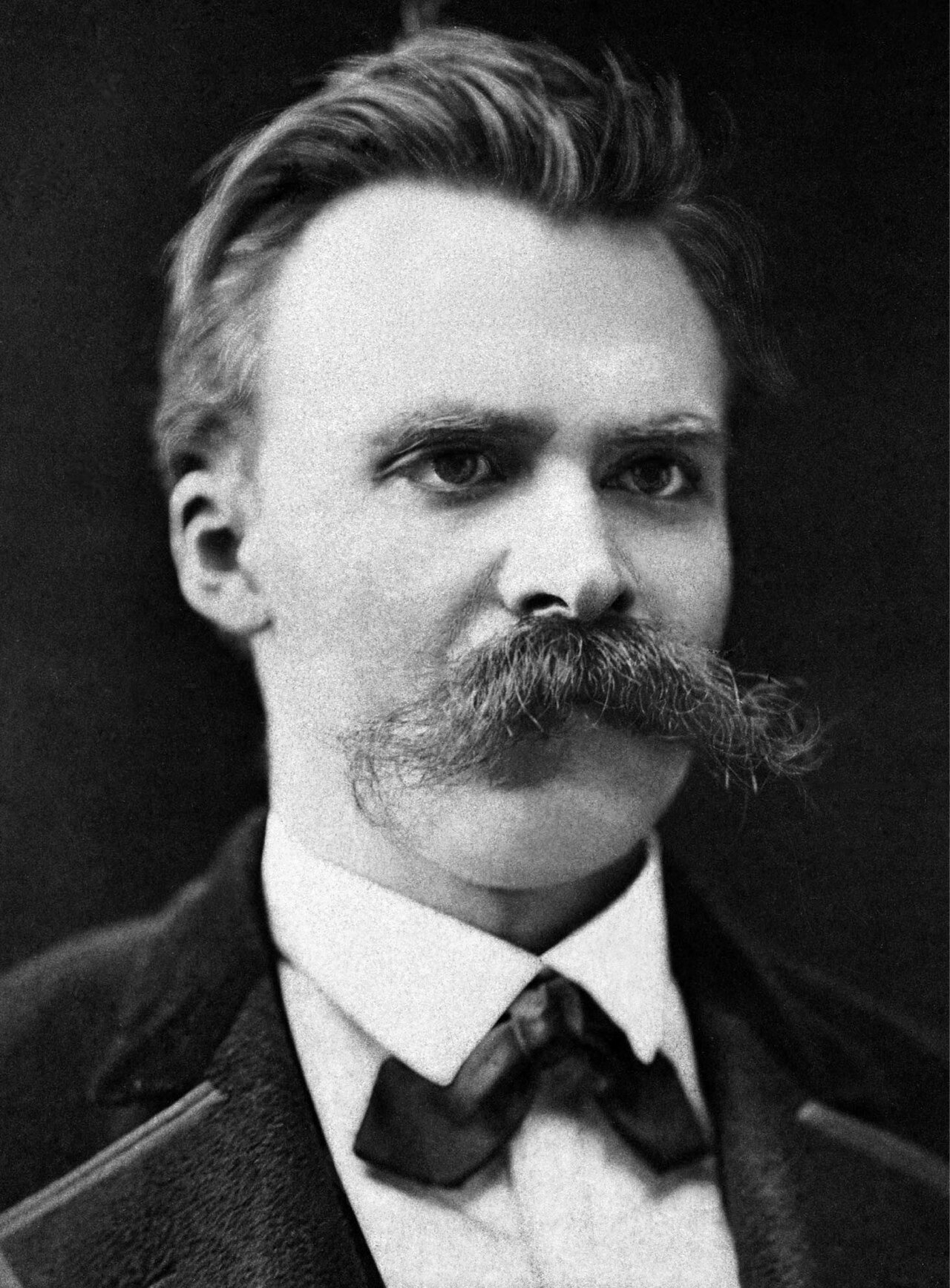
Nietzsche's Gay Science

Friedrich Nietzsche publishes The Gay Science in 1882, carrying the parable of the madman who announces that God is dead and that we have killed him. The sentence, and the demand to face its consequences honestly, becomes atheism's most quoted text.

Chemnitz
1963

American Atheists founded

Madalyn Murray O'Hair founds American Atheists in 1963, the year the Supreme Court's decision in the case she brought ends state-sponsored Bible reading in public schools. Her organization's uncompromising brief for unbelief defines organized atheism's public face for a generation.

Austin, Texas
2004-2006

New Atheism

Between 2004 and 2006 Sam Harris's The End of Faith, Richard Dawkins's The God Delusion, and Daniel Dennett's Breaking the Spell reach bestseller lists, with Christopher Hitchens's case following in 2007. The New Atheism argues its brief in the open market of books rather than the courts, and unbelief's public numbers climb with it.

The United States and Britain