

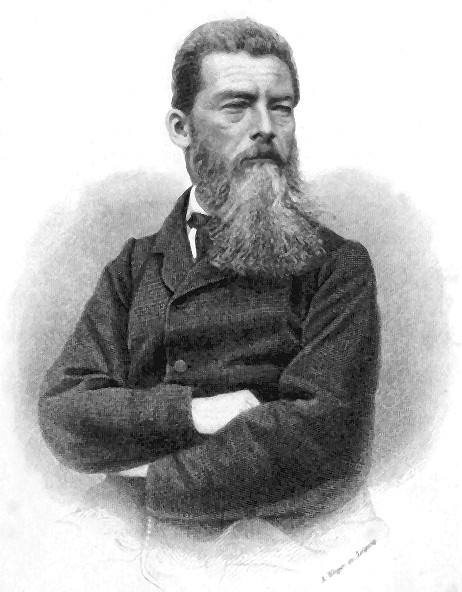
Ludwig Feuerbach argues in The Essence of Christianity (1841) that theology is anthropology: God is human nature projected and worshipped. The book turns a generation, Marx and Engels among them, and gives atheism its humanist form, religion explained as man's own essence estranged from himself.
Tagged: Atheism Humanism Secular and Non-Theistic
The Event
- Date
- 1841 (exact)
- Era
- Secular Modernity; Standard periodization of secular and non-religious history
- Location
- Leipzig; today Germany
- Traditions
- Secular
- Streams
- Atheism, Humanism
- Key figures
- Ludwig Feuerbach
- Key texts
- The Essence of Christianity
Primary Sources
- Feuerbach, The Essence of Christianity.
Secondary Sources
- Gottlieb, Anthony. The Dream of Enlightenment: The Rise of Modern Philosophy. New York: Liveright, 2016.
- Jacoby, Susan. Freethinkers: A History of American Secularism. New York: Metropolitan Books, 2004.
- Taylor, Charles. A Secular Age. Cambridge, MA: Harvard University Press, 2007.
- Zuckerman, Phil, ed. Atheism and Secularity. Santa Barbara: Praeger, 2010.
Provenance: HIST-1313; confidence 0.95; accessed 2026-10-28.
Related on This Site
 Art Tradition
Non-Theistic and Secular
Art without transcendence: humanist meaning-making, museums as secular temples, and protest art.
 History Event
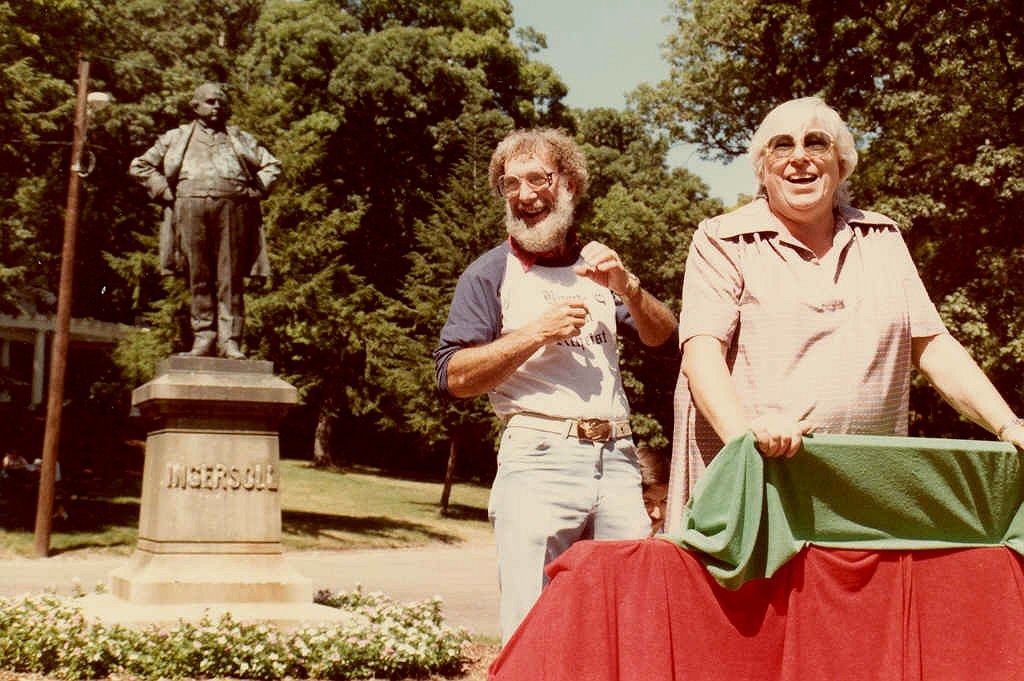
American Atheists founded
1963
 History Event
American Humanist Association
1941
 History Event
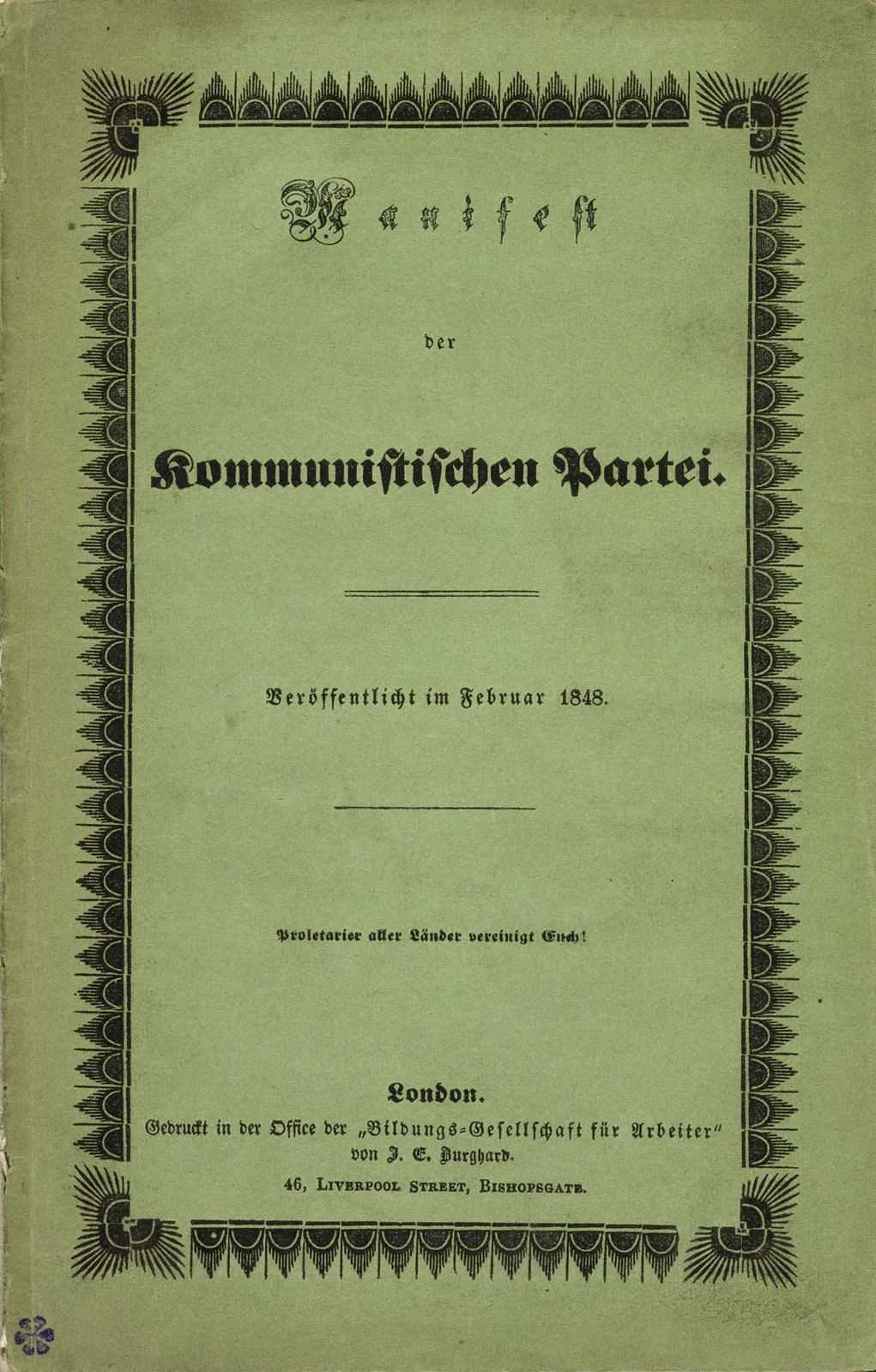
Communist Manifesto
1848
 History Event
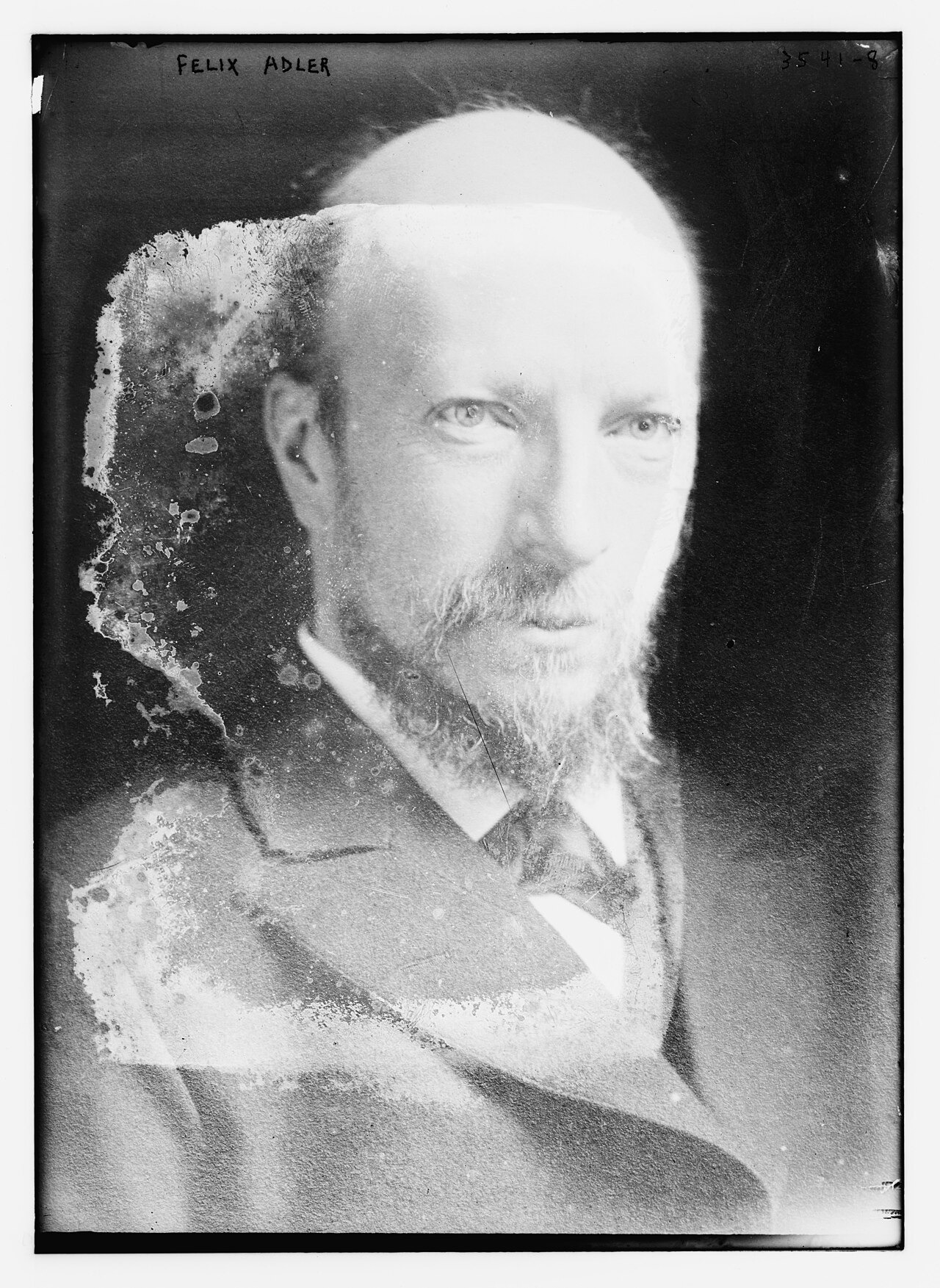
Ethical Culture movement founded
1876
 History Event
Humanist Manifesto I
1933
 History Event
New Atheism
2004-2006
 History Event
Nietzsche's Gay Science
1882