

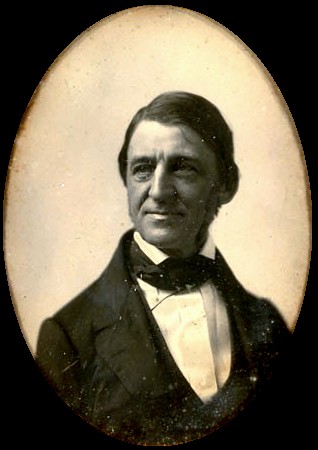
Ralph Waldo Emerson tells Harvard's graduating divinity students in 1838 to cast out conformity and preach from their own souls. The address breaks him with the Unitarian establishment and opens the American lineage of personal spirituality outside the churches.
Tagged: Secular and Non-Theistic Spiritual But Not Religious
The Event
- Date
- 1838 (exact)
- Era
- The Enlightenment Settlement; Standard periodization of secular and non-religious history
- Location
- Cambridge, Massachusetts; today United States
- Traditions
- Secular
- Streams
- Spiritual But Not Religious
- Key figures
- Ralph Waldo Emerson
Primary Sources
- The tradition's own record of the event.
Secondary Sources
- Gottlieb, Anthony. The Dream of Enlightenment: The Rise of Modern Philosophy. New York: Liveright, 2016.
- Jacoby, Susan. Freethinkers: A History of American Secularism. New York: Metropolitan Books, 2004.
- Taylor, Charles. A Secular Age. Cambridge, MA: Harvard University Press, 2007.
- Zuckerman, Phil, ed. Atheism and Secularity. Santa Barbara: Praeger, 2010.
Provenance: HIST-1312; confidence 0.95; accessed 2026-10-28.
Related on This Site
No image; the post explains why
Art Entry
AI-Generated Religious Art
Image generators now produce Christs, Buddhas, and temple scenes on demand. The traditions are answering; some with welcome, some with prohibitions that reach the new medium directly. This page shows no generated image, because any single example would misrepresent the argument.
 Art Tradition
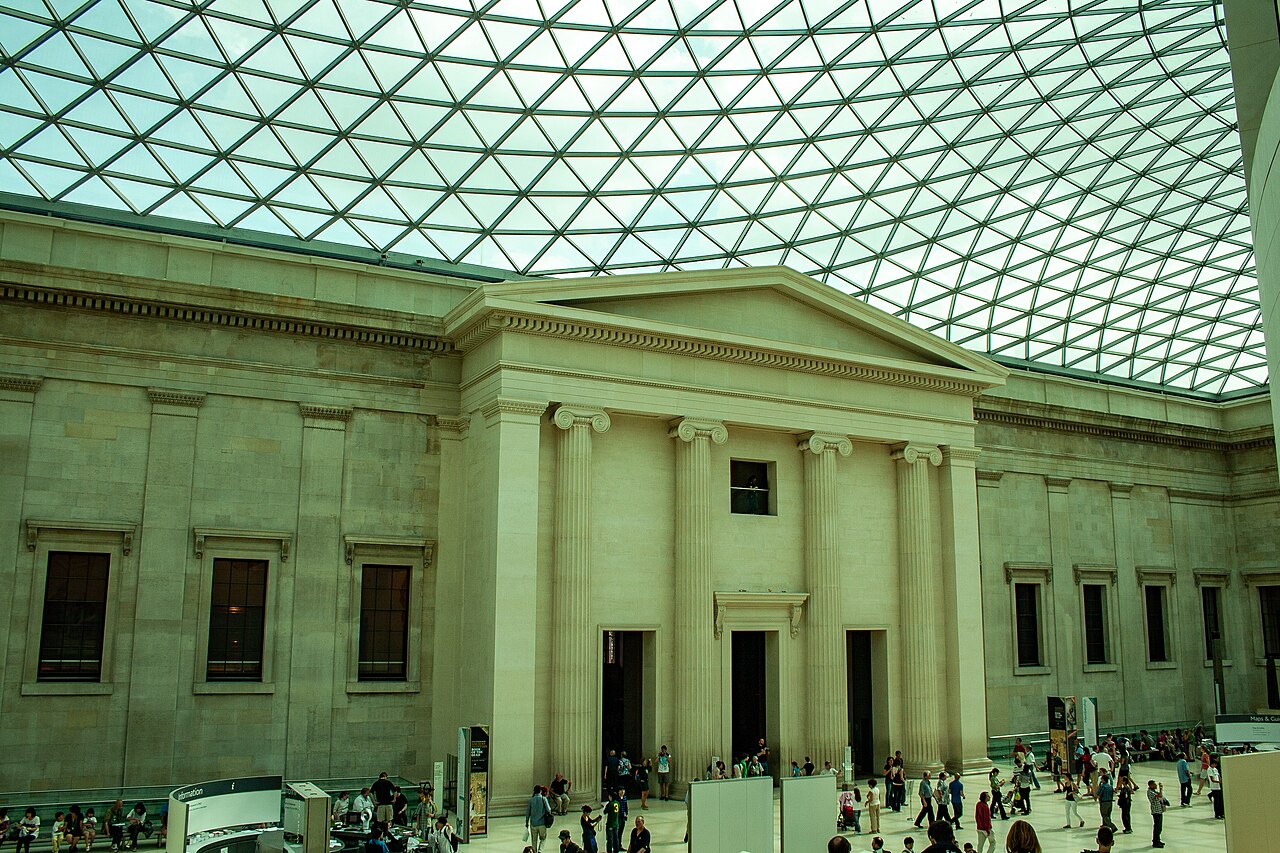
Non-Theistic and Secular
Art without transcendence: humanist meaning-making, museums as secular temples, and protest art.
 Artist
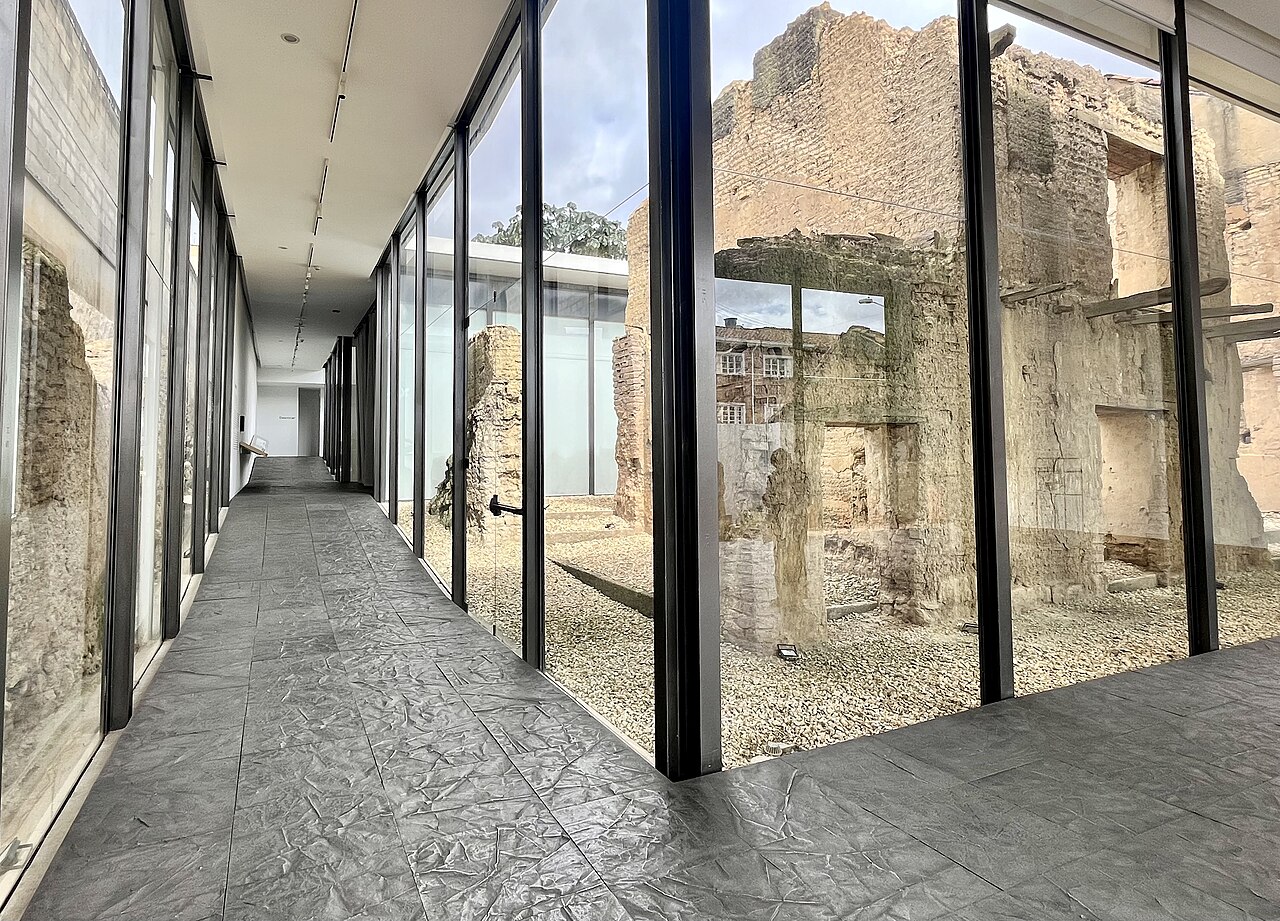
Doris Salcedo
The Colombian sculptor of political violence's traces; her Fragmentos floor in Bogotá is a counter-monument hammered from surrendered weapons by women victims of the conflict.
 Artist
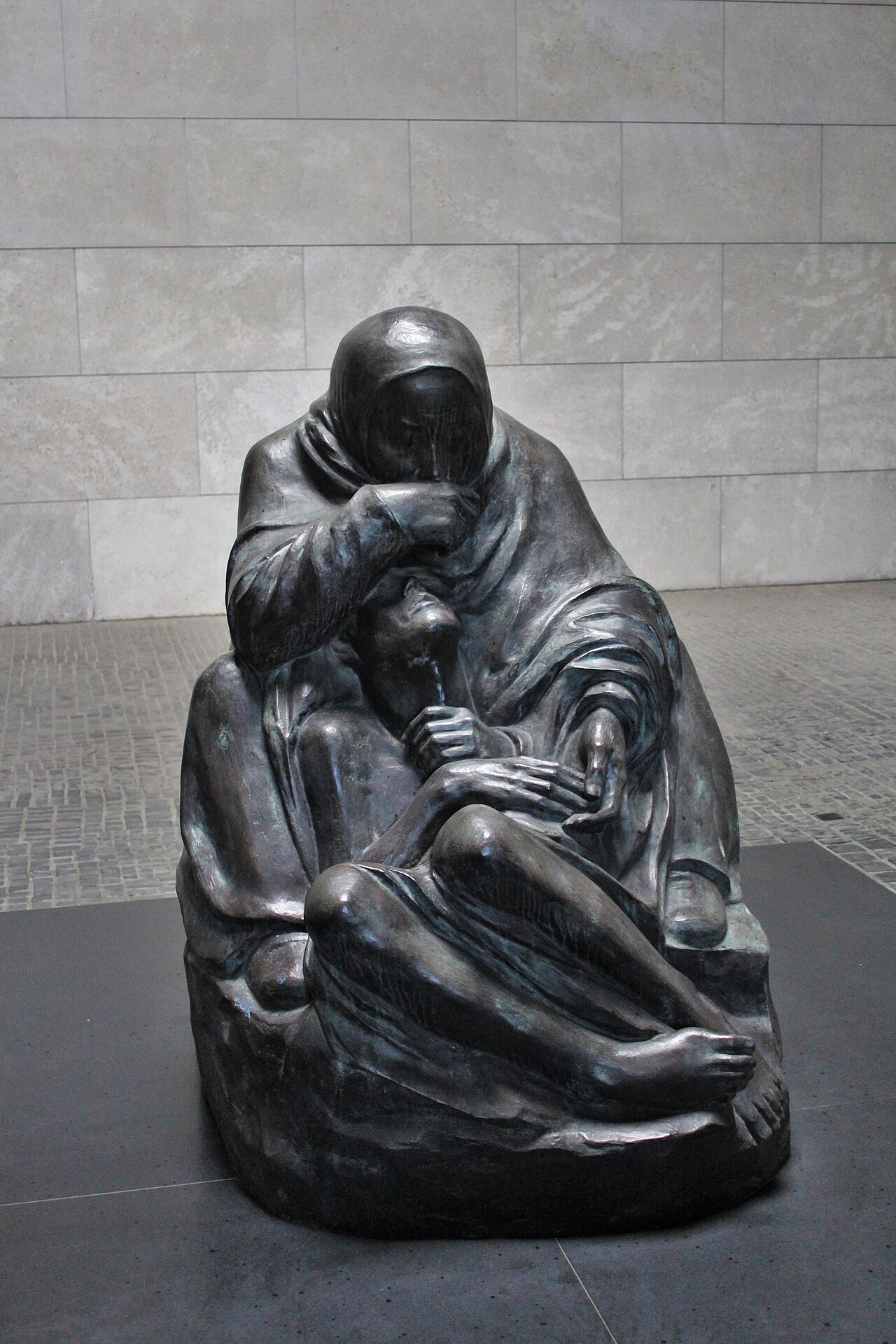
Käthe Kollwitz
The German artist of grief: her Pietà, enlarged in Berlin's Neue Wache, is Germany's central memorial to the victims of war; a mother holding her dead son, made by a mother who lost hers.
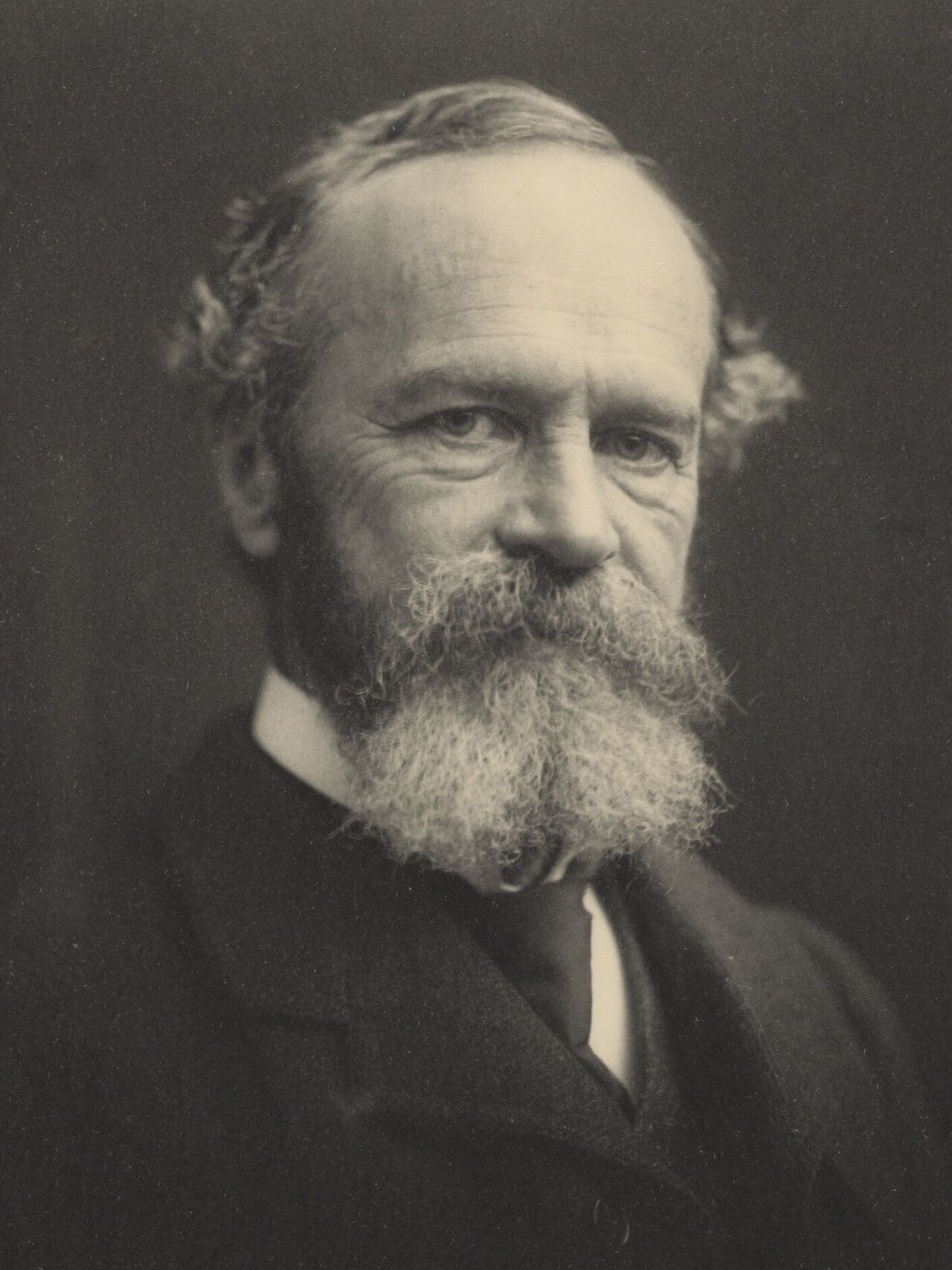 History Event
James's Varieties of Religious Experience
1902
 History Event
Rise of the 'Nones'
2010s-present
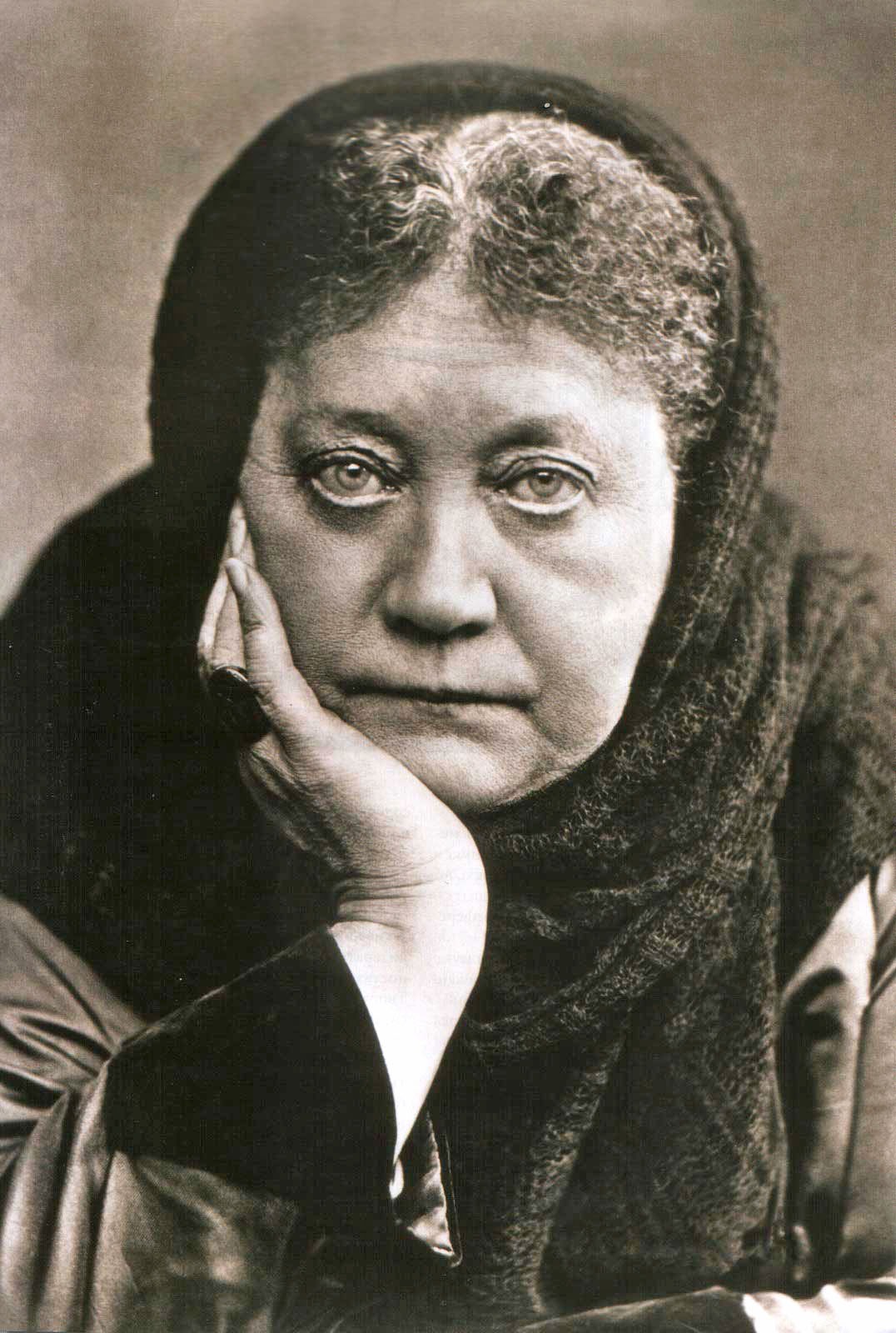 History Event
Theosophical Society founded
1875
 World View
Spiritual But Not Religious
Spiritual But Not Religious is the self-description of those who keep the sacred and leave the institution: personal practice, borrowed wisdom, and experience over doctrine, without membership, creed, or clergy.
Art Tradition
Non-Theistic and Secular
Art without transcendence: humanist meaning-making, museums as secular temples, and protest art.
Artist
Doris Salcedo
The Colombian sculptor of political violence's traces; her Fragmentos floor in Bogotá is a counter-monument hammered from surrendered weapons by women victims of the conflict.
Artist
Käthe Kollwitz
The German artist of grief: her Pietà, enlarged in Berlin's Neue Wache, is Germany's central memorial to the victims of war; a mother holding her dead son, made by a mother who lost hers.
History Event
James's Varieties of Religious Experience
1902
History Event
Rise of the 'Nones'
2010s-present
History Event
Theosophical Society founded
1875
World View
Spiritual But Not Religious
Spiritual But Not Religious is the self-description of those who keep the sacred and leave the institution: personal practice, borrowed wisdom, and experience over doctrine, without membership, creed, or clergy.