Secular Worldviews

The Secularism stream of the Secular Worldviews timeline.

Streams: All of Secular Worldviews Freethought Agnosticism Secularism Spiritual But Not Religious Atheism Humanism

The Enlightenment Settlement

1670

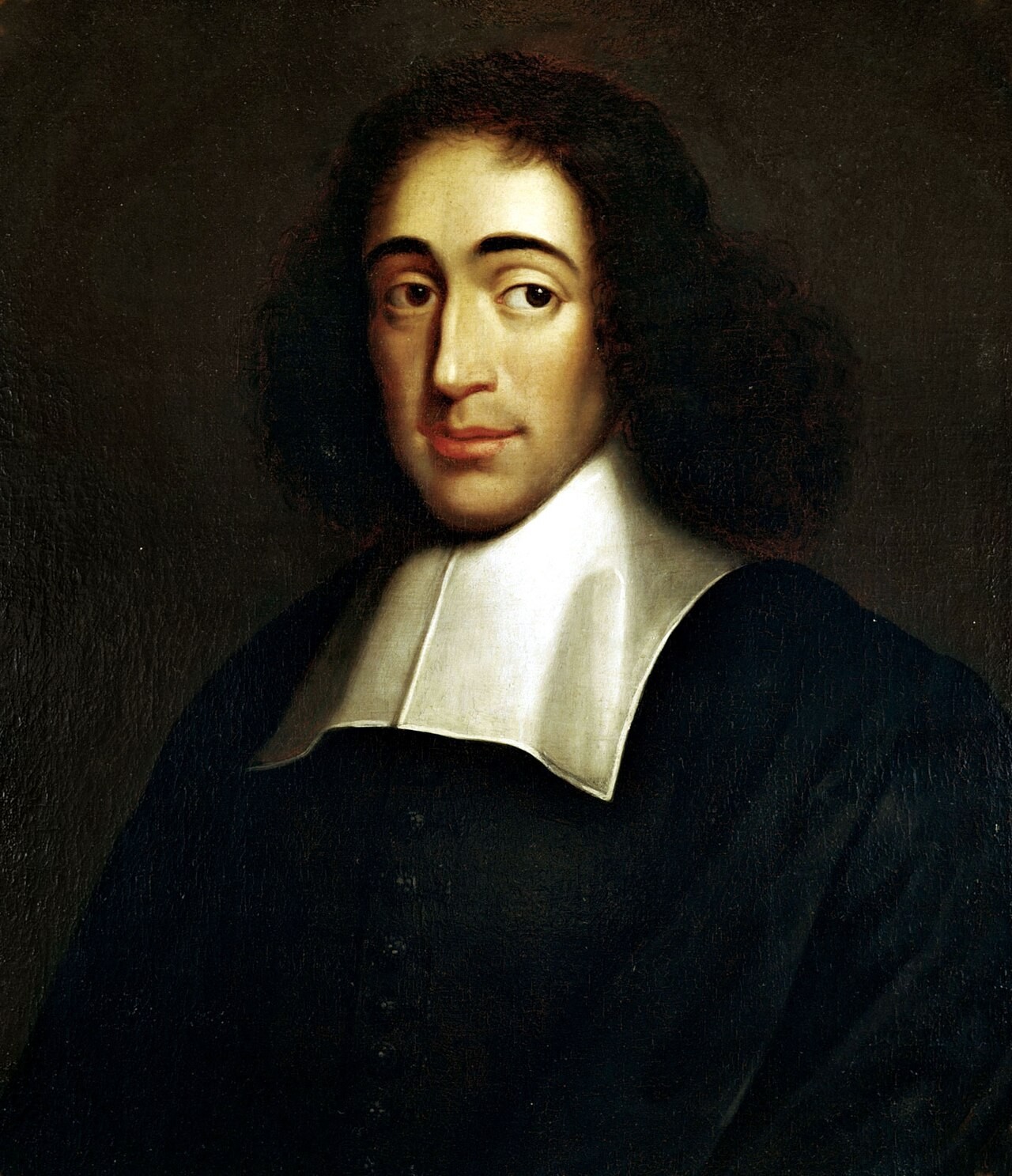
Spinoza's Tractatus Theologico-Politicus

Spinoza publishes the Tractatus Theologico-Politicus anonymously in 1670: Scripture read as a historical document, prophecy as imagination, and the freedom to philosophize defended as the condition of a peaceful republic. Banned within four years, the book lays the tracks of biblical criticism and the secular state.
Amsterdam
1751-1772

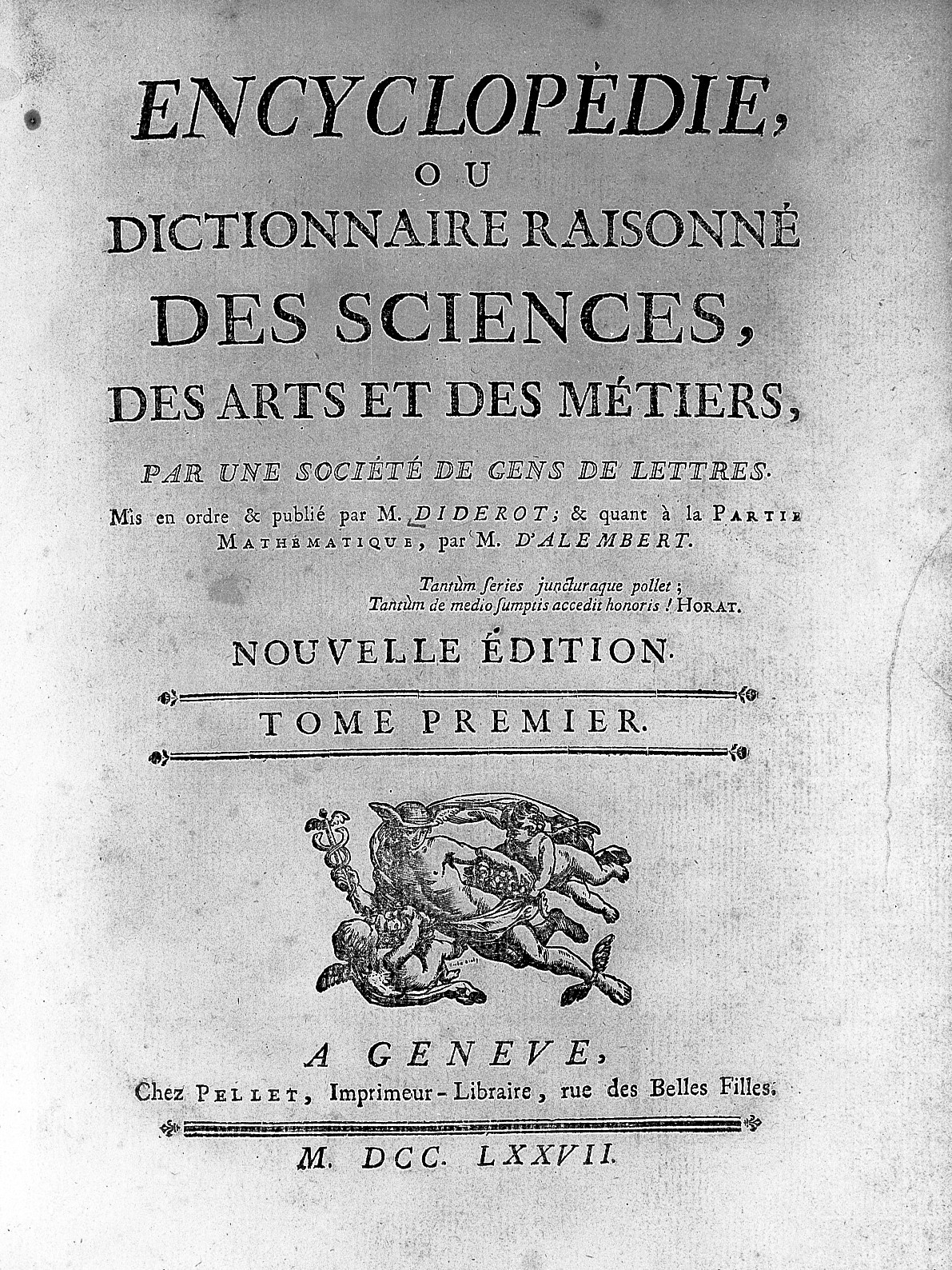
Encyclopédie

Diderot and d'Alembert issue the Encyclopédie across two decades, twenty-eight volumes of arts, sciences, and trades. Twice suppressed by the French crown, it carries the Enlightenment's program into workshops and studies: knowledge sorted by reason, and the crafts honored beside theology.

Paris
1789

French Revolution

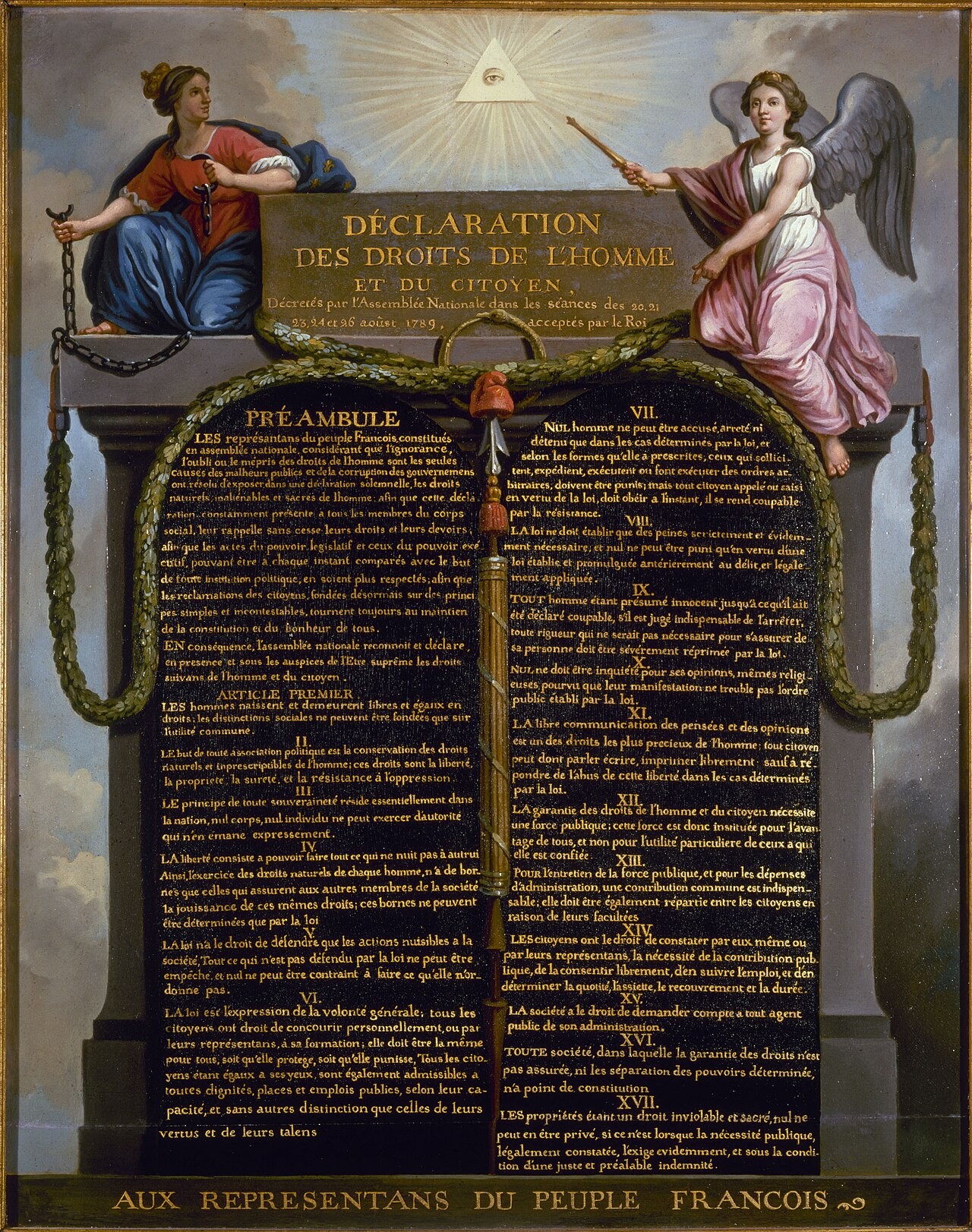
The Revolution of 1789 declares the rights of man, confiscates the Church's lands, and within four years is enthroning Reason in Notre Dame. Its settlement fails, but the questions it forces, citizenship without confession and law without altar, define the secularism stream from that year forward.

Paris
1791

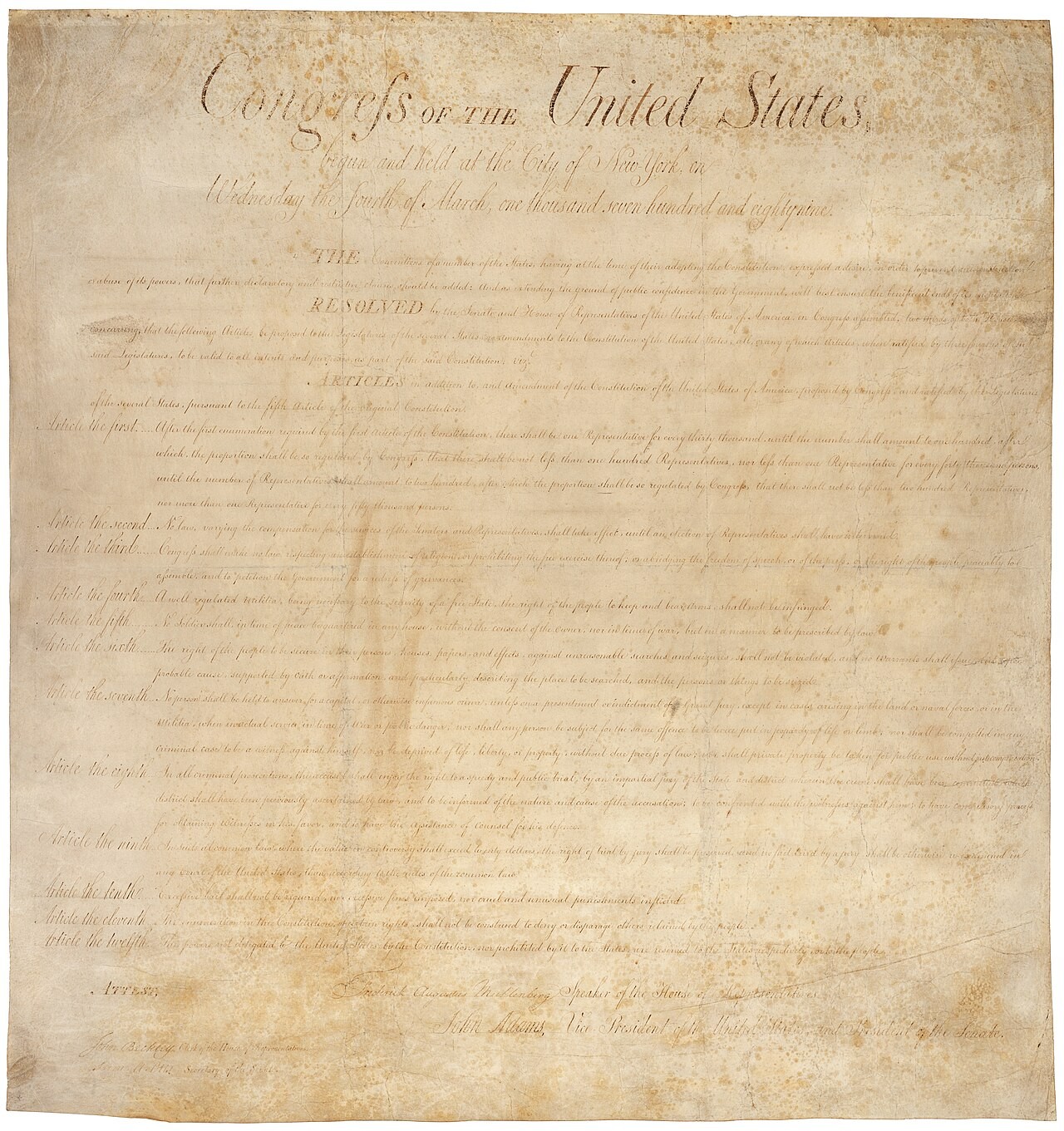
US First Amendment

The First Amendment is ratified in 1791 as part of the Bill of Rights: Congress shall make no law respecting an establishment of religion, or prohibiting the free exercise thereof. Disestablishment and free exercise together become the American form of the secular settlement.

New York and Philadelphia

Secular Modernity

1866

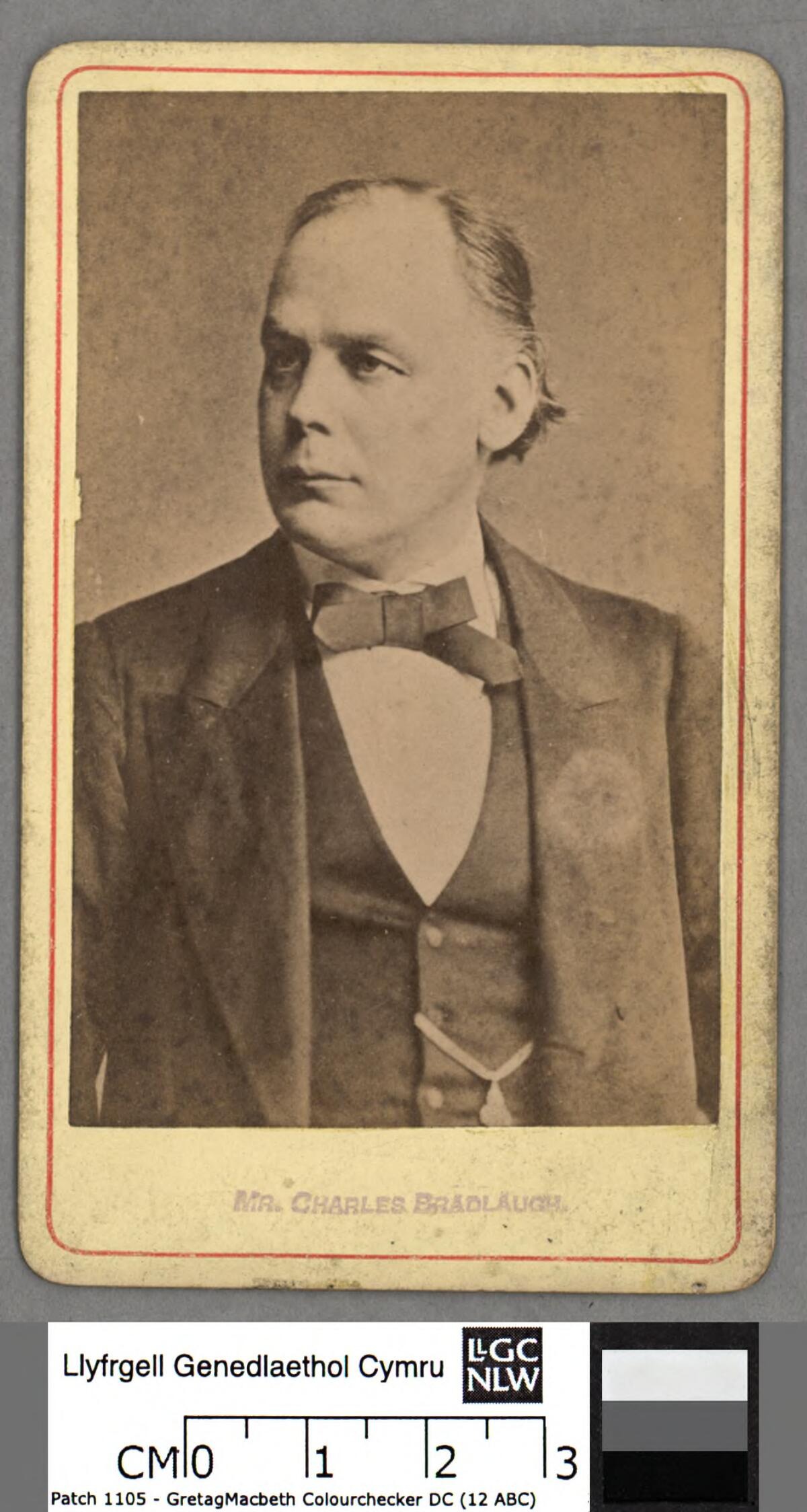
National Secular Society founded

Charles Bradlaugh founds the National Secular Society in 1866 to contest the civil disabilities of unbelief in Britain. His election to Parliament in 1880 and the six-year oath struggle that follows make organized secularism a parliamentary fact.

London