Secular Worldviews

The Freethought stream of the Secular Worldviews timeline.

Streams: All of Secular Worldviews Freethought Agnosticism Secularism Spiritual But Not Religious Atheism Humanism

Classical Roots

c. 341 BCE

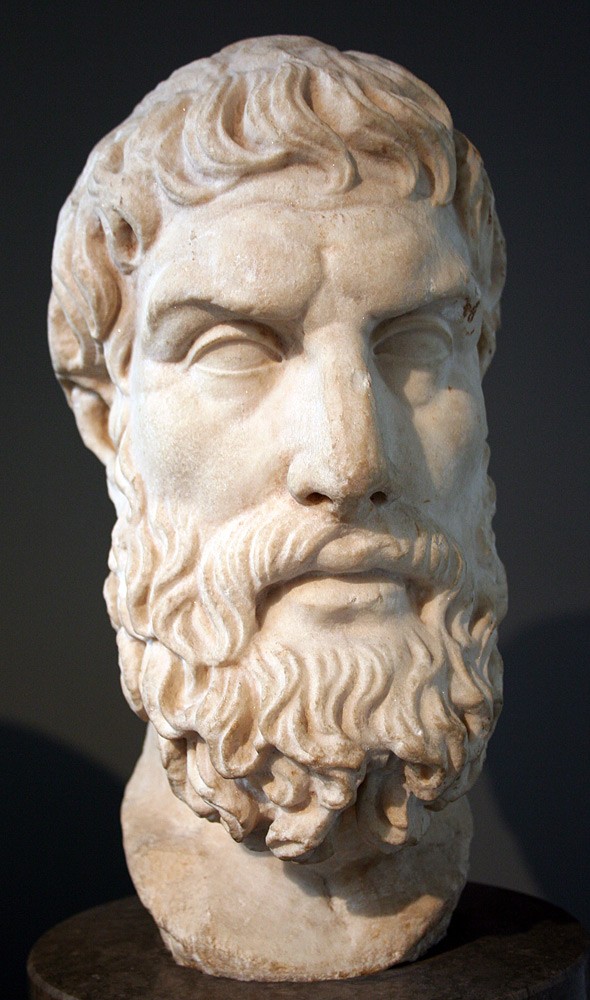
Epicurus

Epicurus founds his school, the Garden, at Athens about 306 BCE; his birth year, 341 BCE, is the date the table carries. His physics leaves the gods blessedly indifferent to human affairs and his ethics frees his followers from the fear of death and divine punishment, the classical root of the freethought stream.
Athens
c. 55 BCE

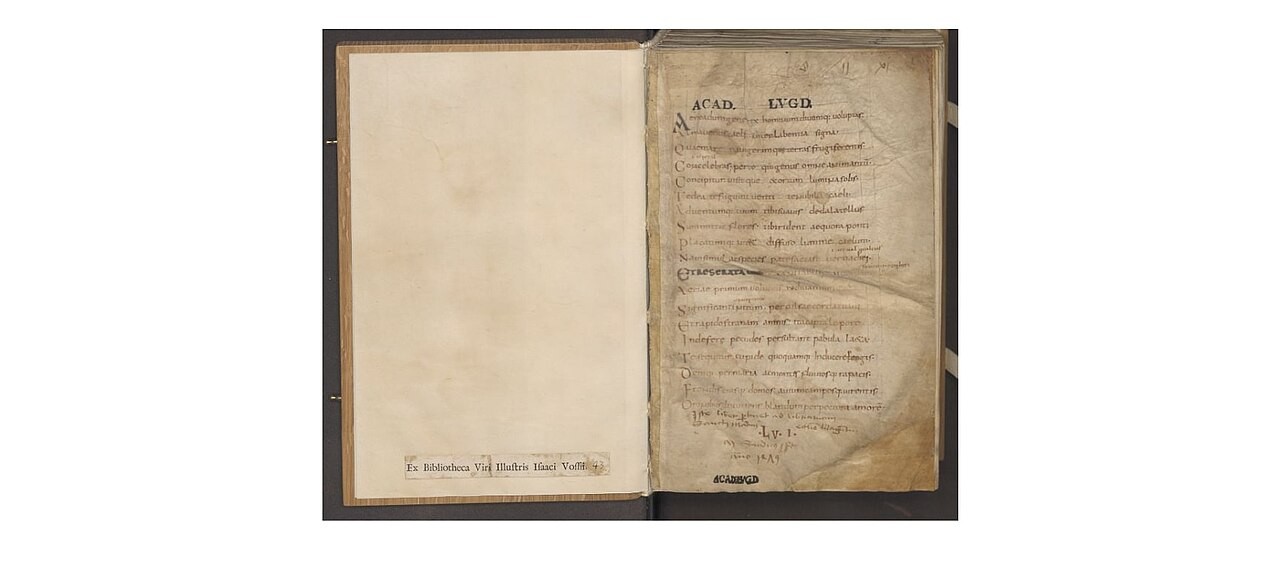
Lucretius, De Rerum Natura

Lucretius sets Epicurus's philosophy into Latin verse in De Rerum Natura, On the Nature of Things: an atomic universe of swerving atoms, no creation, no providence, and death as nothing to us. Lost to the Latin West for a millennium, the poem's recovery in 1417 re-arms the European critics of religion.

Rome

Persecution and Print

1554

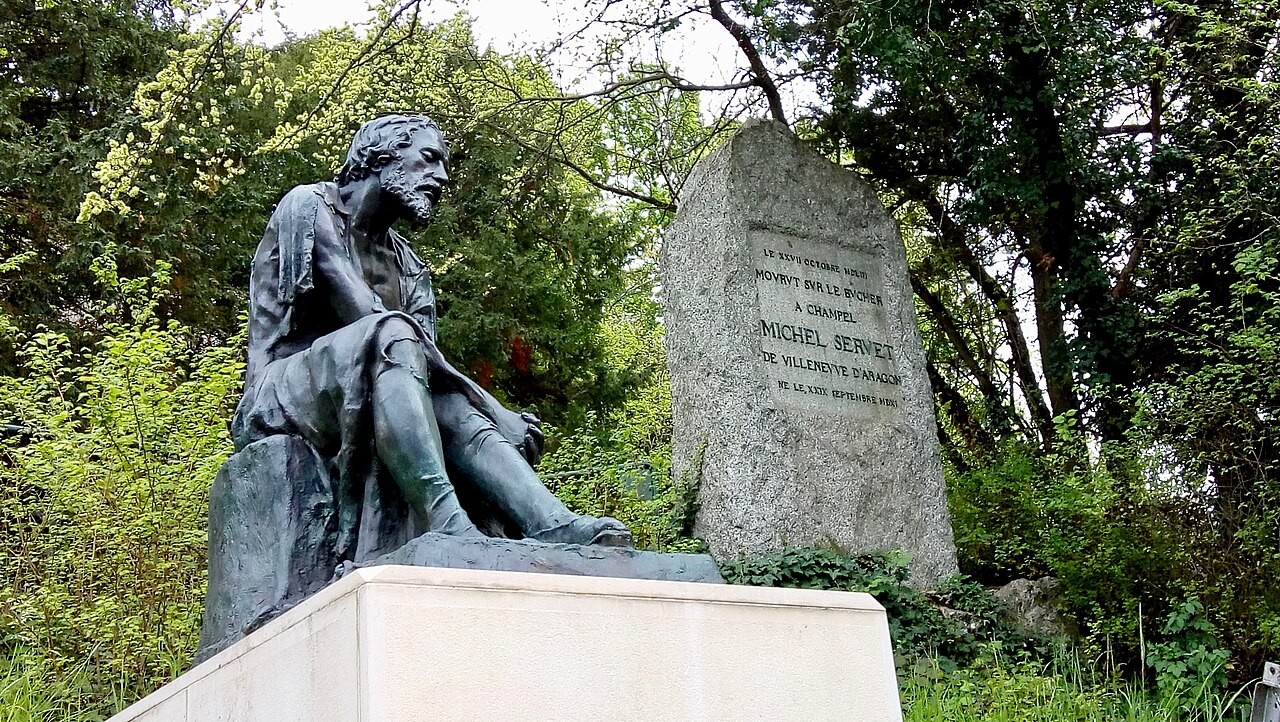
Servetus executed

Michael Servetus, the Spanish physician and anti-Trinitarian theologian, is burned at the stake at Champel outside Geneva on 27 October 1553; the table rounds the year to 1554, the year of Calvin's published defense of the execution. His death becomes the standing case against executing heretics, pressed by Castellio's plea for toleration.

Champel, Geneva
1600

Bruno executed

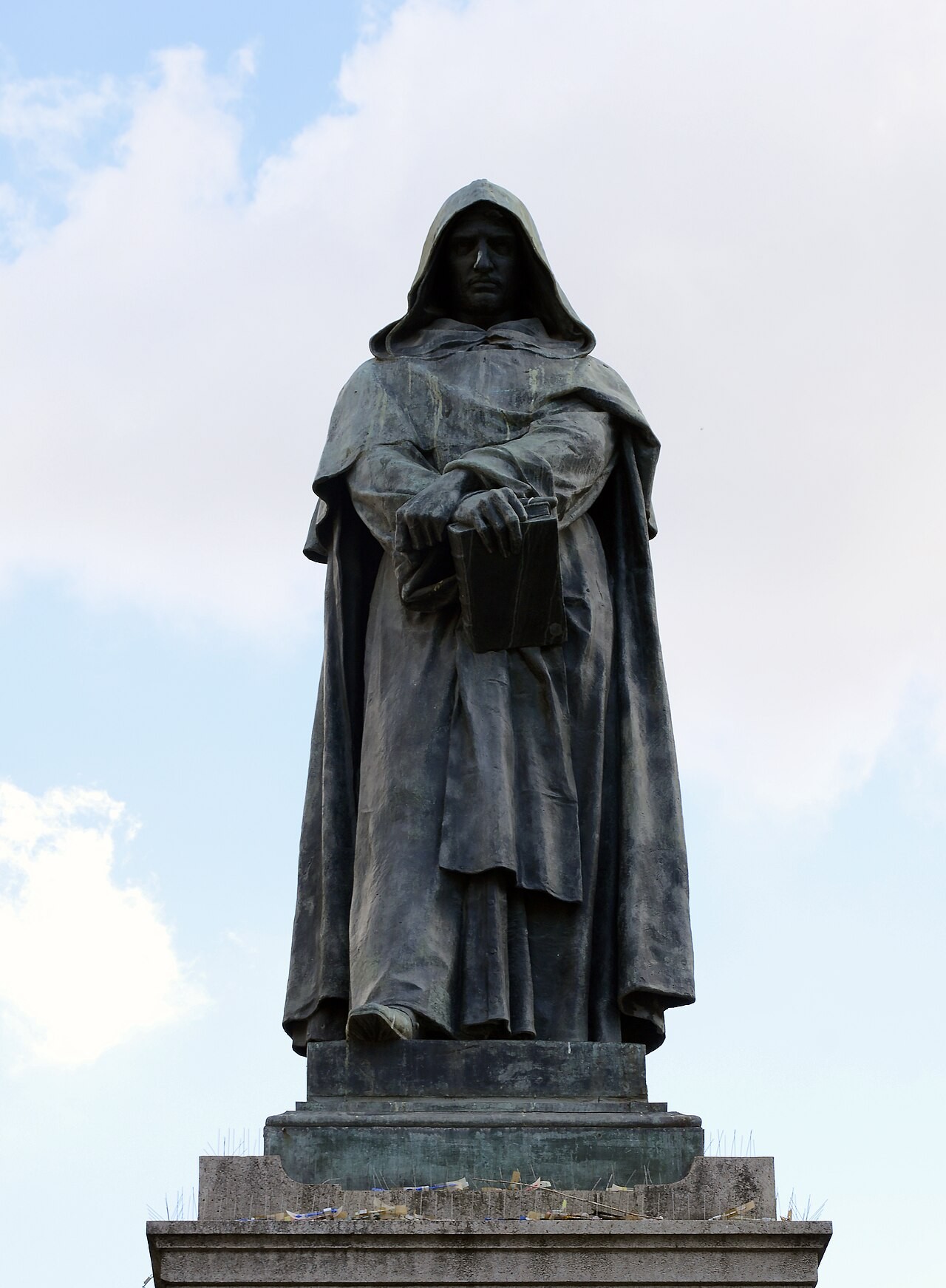
Giordano Bruno, the Dominican friar turned philosopher of an infinite universe of countless worlds, is burned in the Campo de' Fiori at Rome on 17 February 1600 after eight years in the Inquisition's prisons. His statue on the spot, raised by freethinkers in 1889, makes him the martyrology's central figure.

Rome

The Enlightenment Settlement

1670

Spinoza's Tractatus Theologico-Politicus

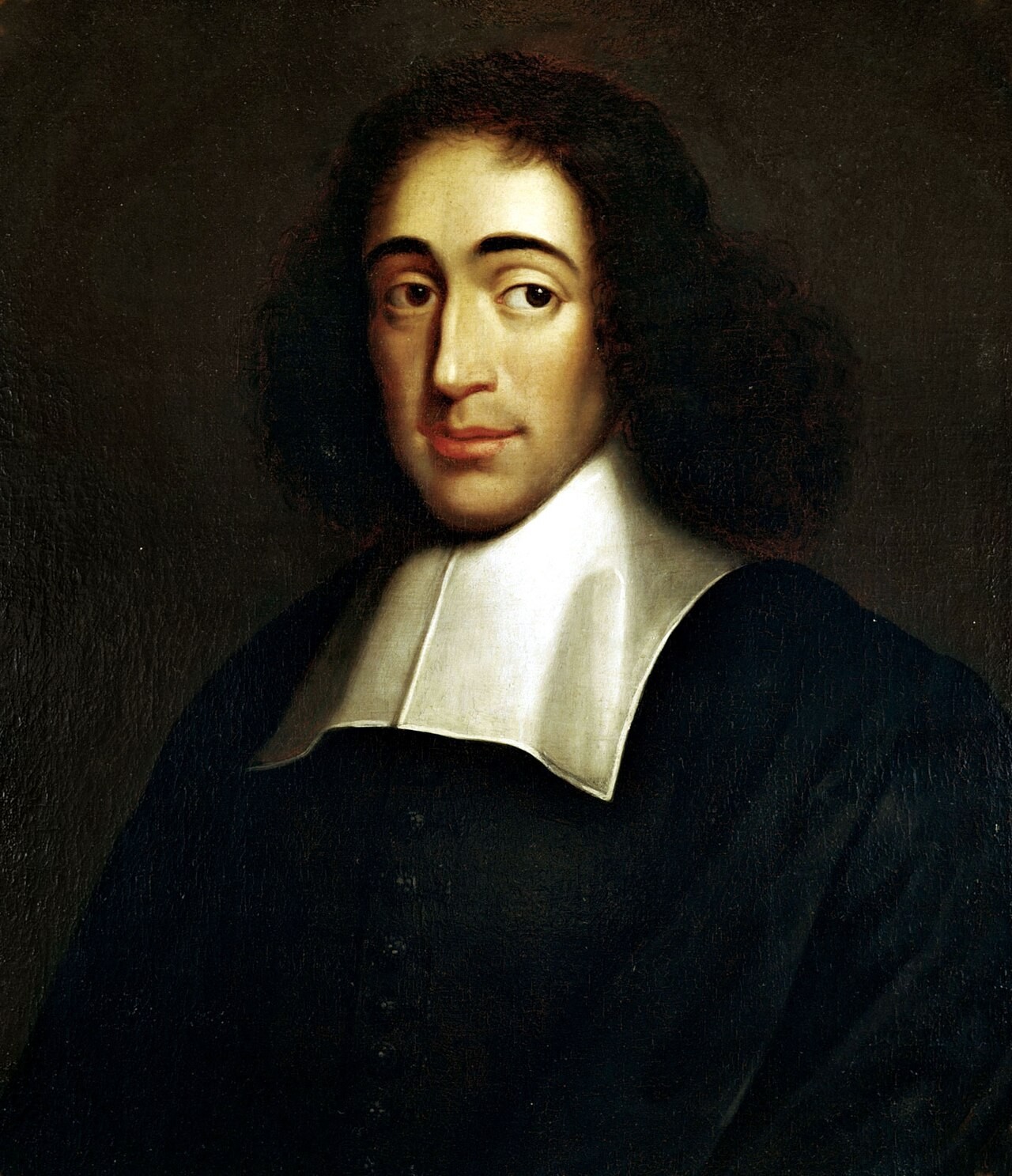
Spinoza publishes the Tractatus Theologico-Politicus anonymously in 1670: Scripture read as a historical document, prophecy as imagination, and the freedom to philosophize defended as the condition of a peaceful republic. Banned within four years, the book lays the tracks of biblical criticism and the secular state.

Amsterdam
1751-1772

Encyclopédie

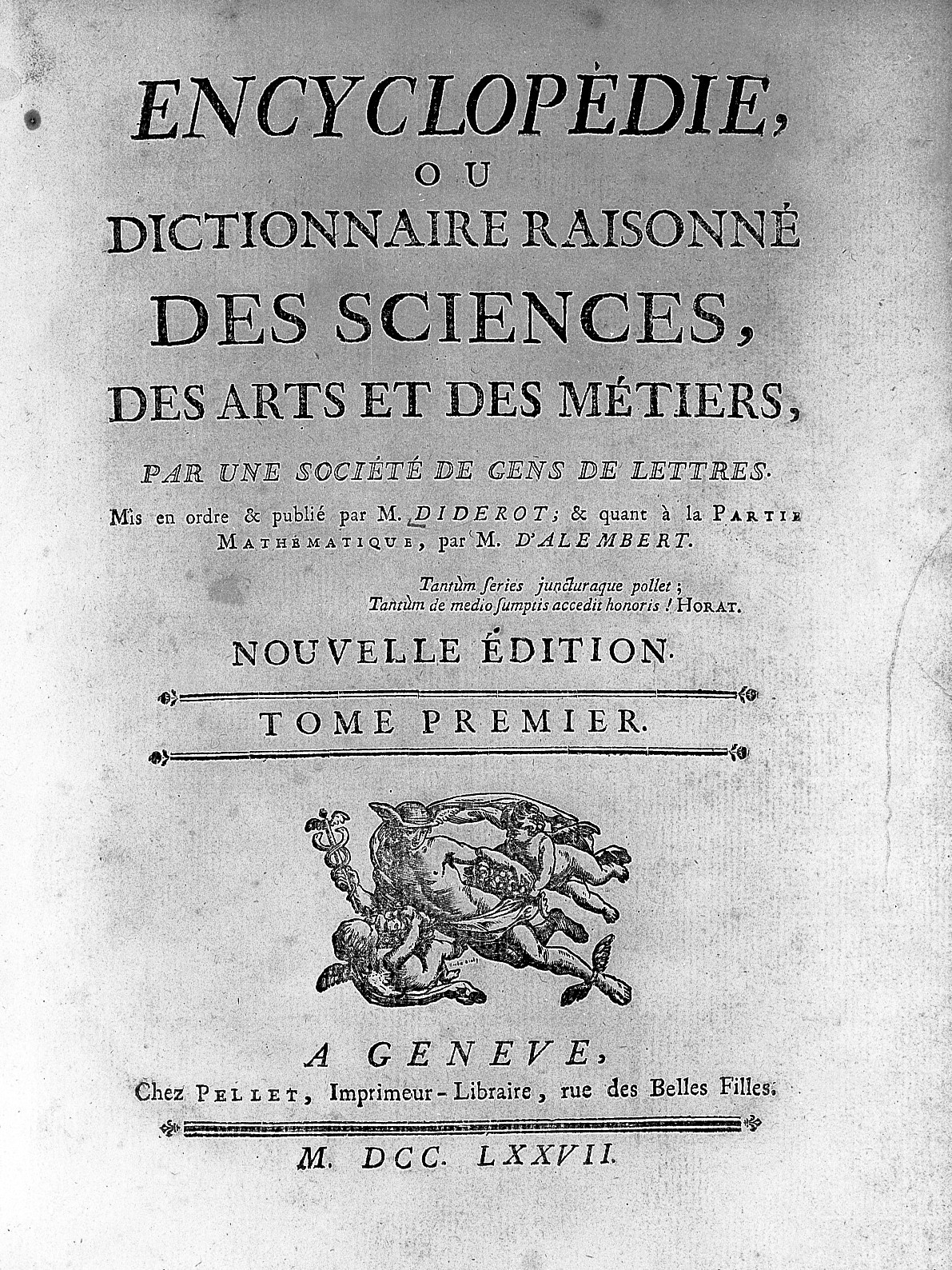
Diderot and d'Alembert issue the Encyclopédie across two decades, twenty-eight volumes of arts, sciences, and trades. Twice suppressed by the French crown, it carries the Enlightenment's program into workshops and studies: knowledge sorted by reason, and the crafts honored beside theology.

Paris
1794

Paine's Age of Reason

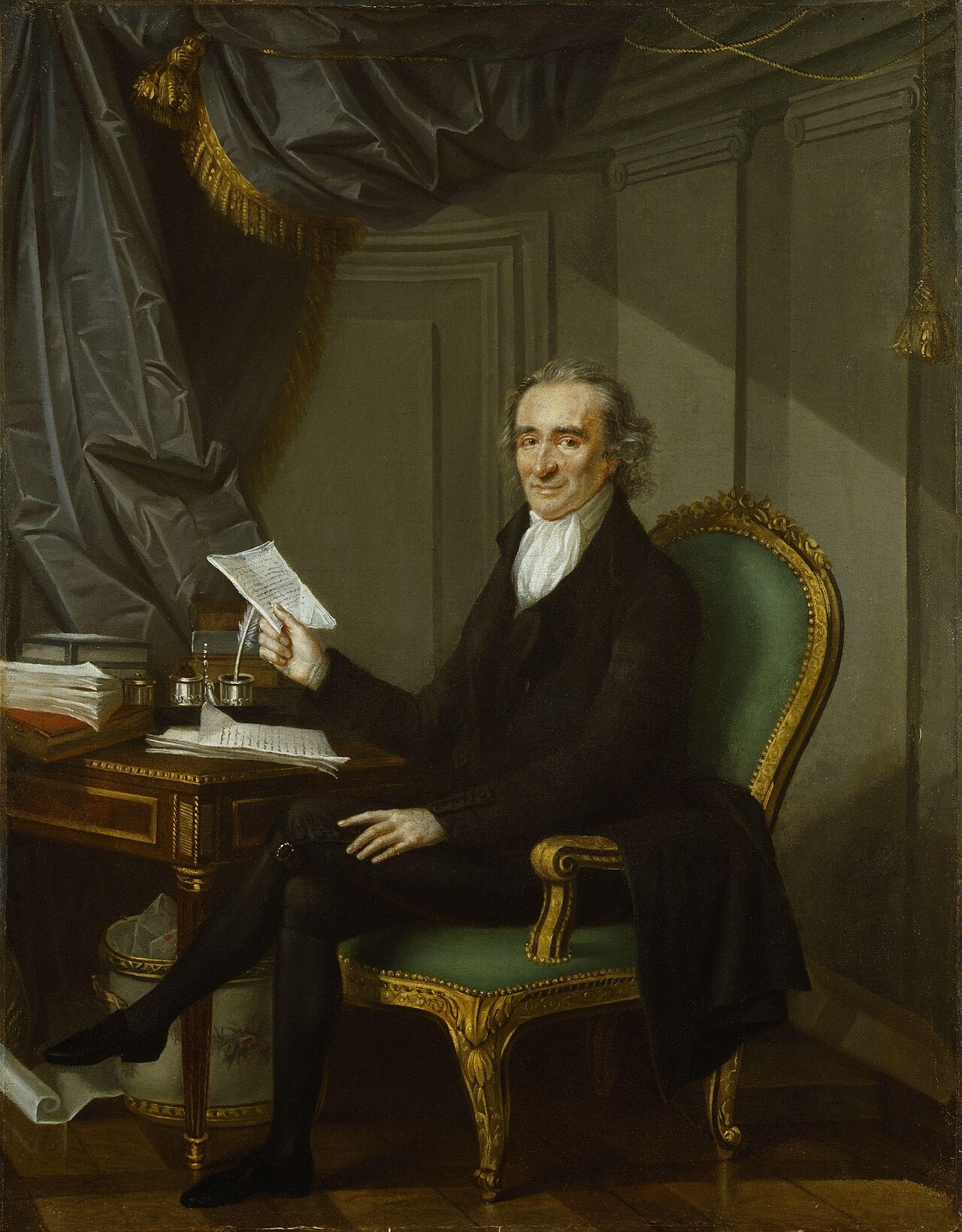
Thomas Paine publishes The Age of Reason in 1794 and 1795, a deist's case against revealed religion written for plain readers: I believe in one God, and no more; and I hope for happiness beyond this life. Banned and prosecuted in Britain, it becomes the freethought movement's first bestseller.

Paris and London