

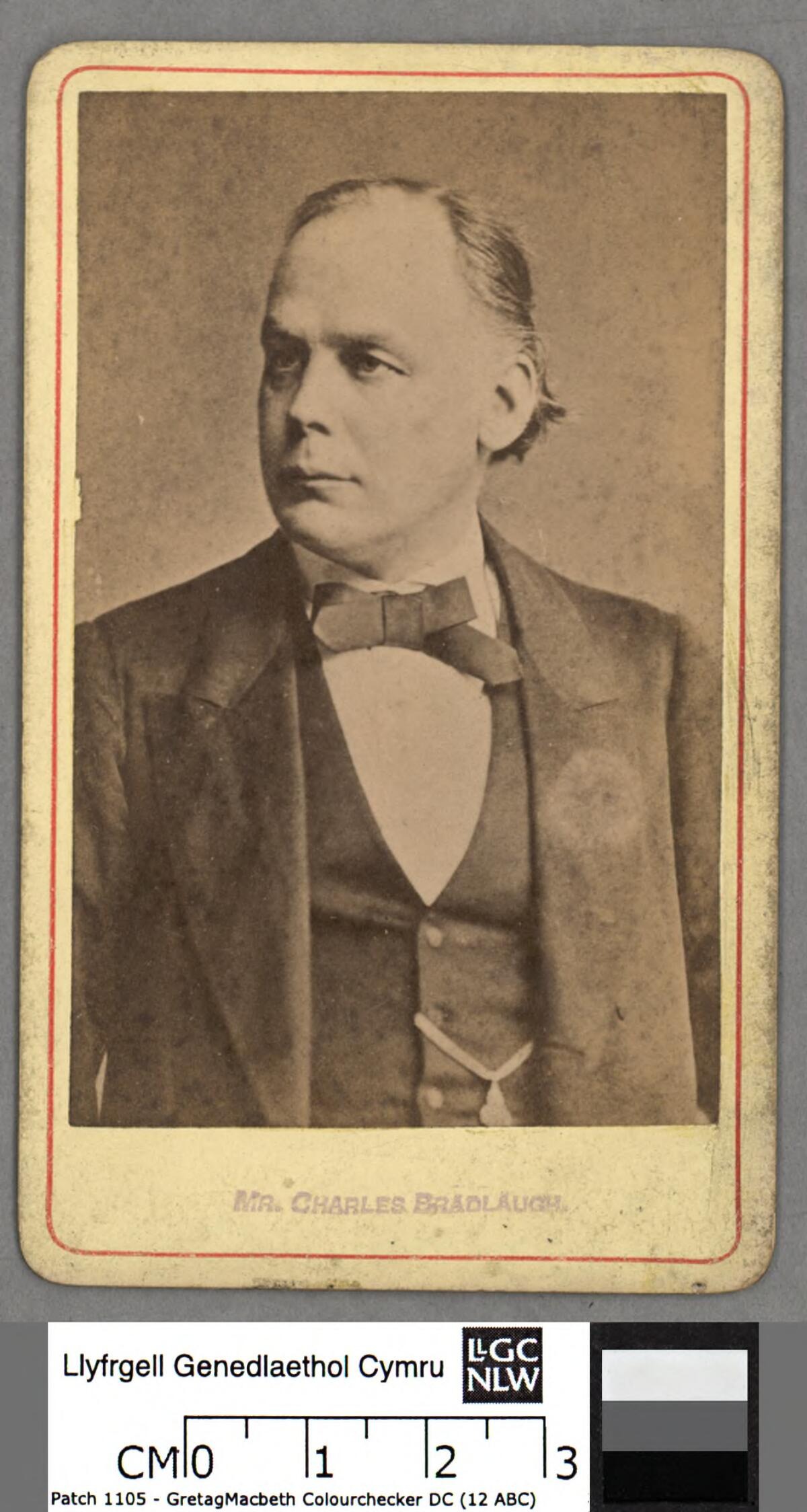
Charles Bradlaugh founds the National Secular Society in 1866 to contest the civil disabilities of unbelief in Britain. His election to Parliament in 1880 and the six-year oath struggle that follows make organized secularism a parliamentary fact.
Tagged: Secular and Non-Theistic Secularism
The Event
- Date
- 1866 (exact)
- Era
- Secular Modernity; Standard periodization of secular and non-religious history
- Location
- London; today United Kingdom
- Traditions
- Secular
- Streams
- Secularism
- Key figures
- Charles Bradlaugh
Primary Sources
- The tradition's own record of the event.
Secondary Sources
- Gottlieb, Anthony. The Dream of Enlightenment: The Rise of Modern Philosophy. New York: Liveright, 2016.
- Jacoby, Susan. Freethinkers: A History of American Secularism. New York: Metropolitan Books, 2004.
- Taylor, Charles. A Secular Age. Cambridge, MA: Harvard University Press, 2007.
- Zuckerman, Phil, ed. Atheism and Secularity. Santa Barbara: Praeger, 2010.
Provenance: HIST-1316; confidence 0.95; accessed 2026-10-28.
Related on This Site
No image; the post explains why
Art Entry
AI-Generated Religious Art
Image generators now produce Christs, Buddhas, and temple scenes on demand. The traditions are answering; some with welcome, some with prohibitions that reach the new medium directly. This page shows no generated image, because any single example would misrepresent the argument.
 Art Tradition
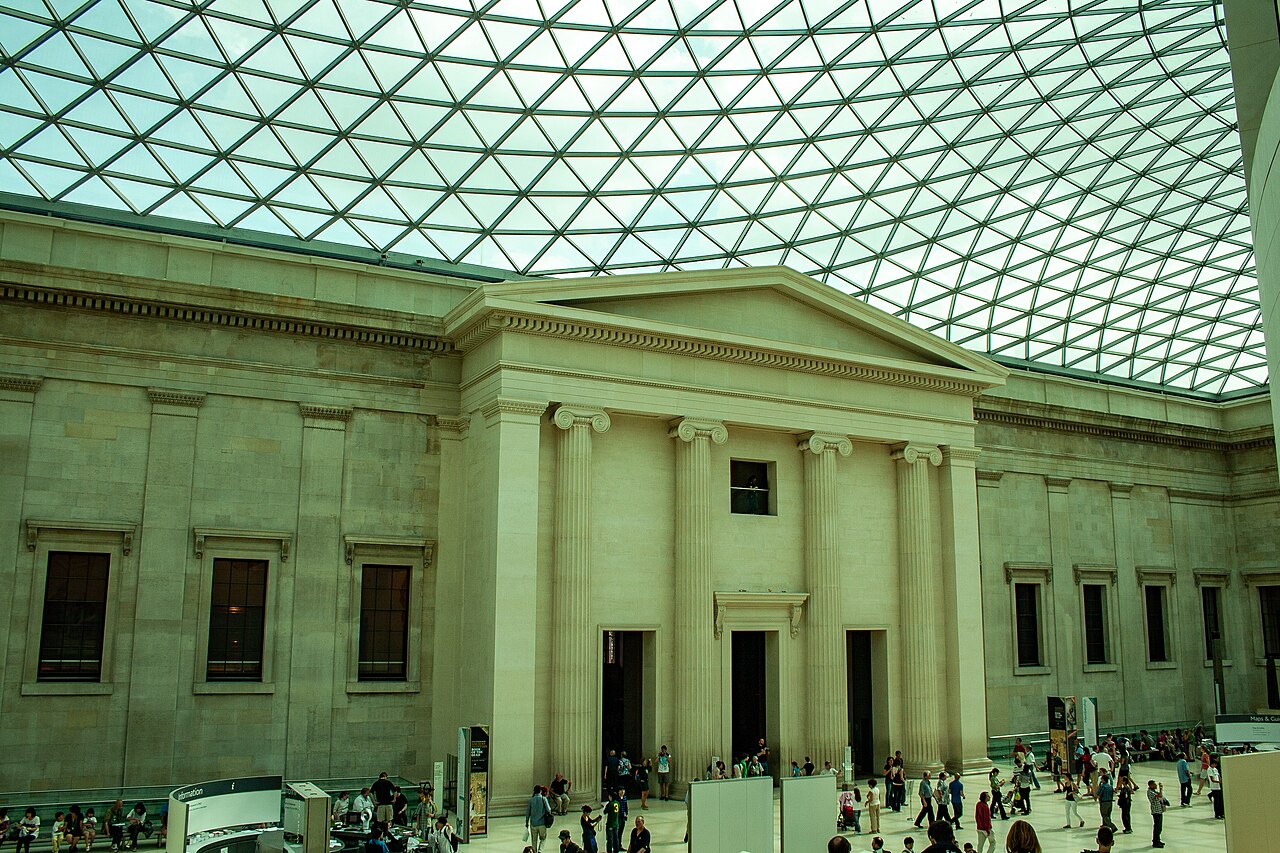
Non-Theistic and Secular
Art without transcendence: humanist meaning-making, museums as secular temples, and protest art.
 Artist
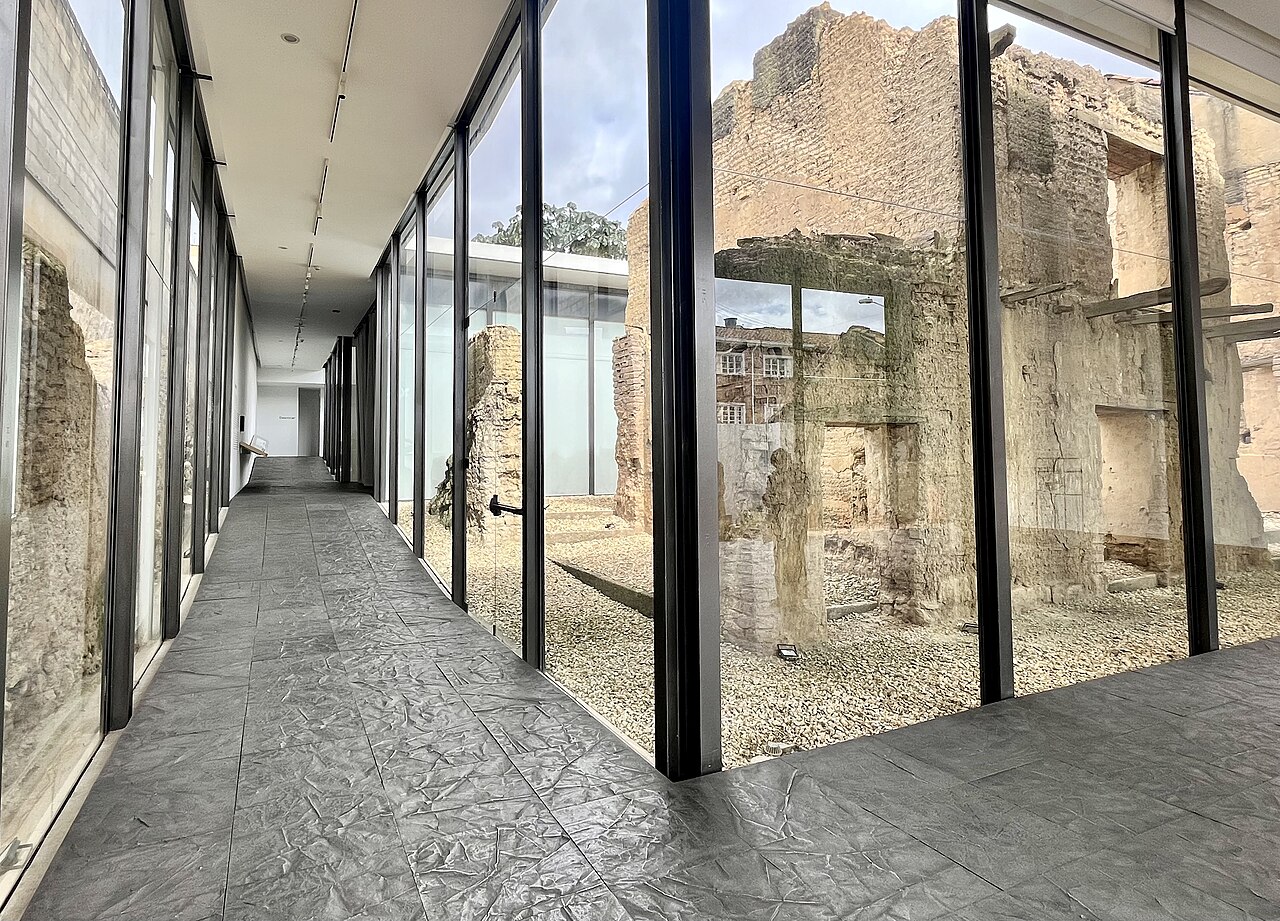
Doris Salcedo
The Colombian sculptor of political violence's traces; her Fragmentos floor in Bogotá is a counter-monument hammered from surrendered weapons by women victims of the conflict.
 Artist
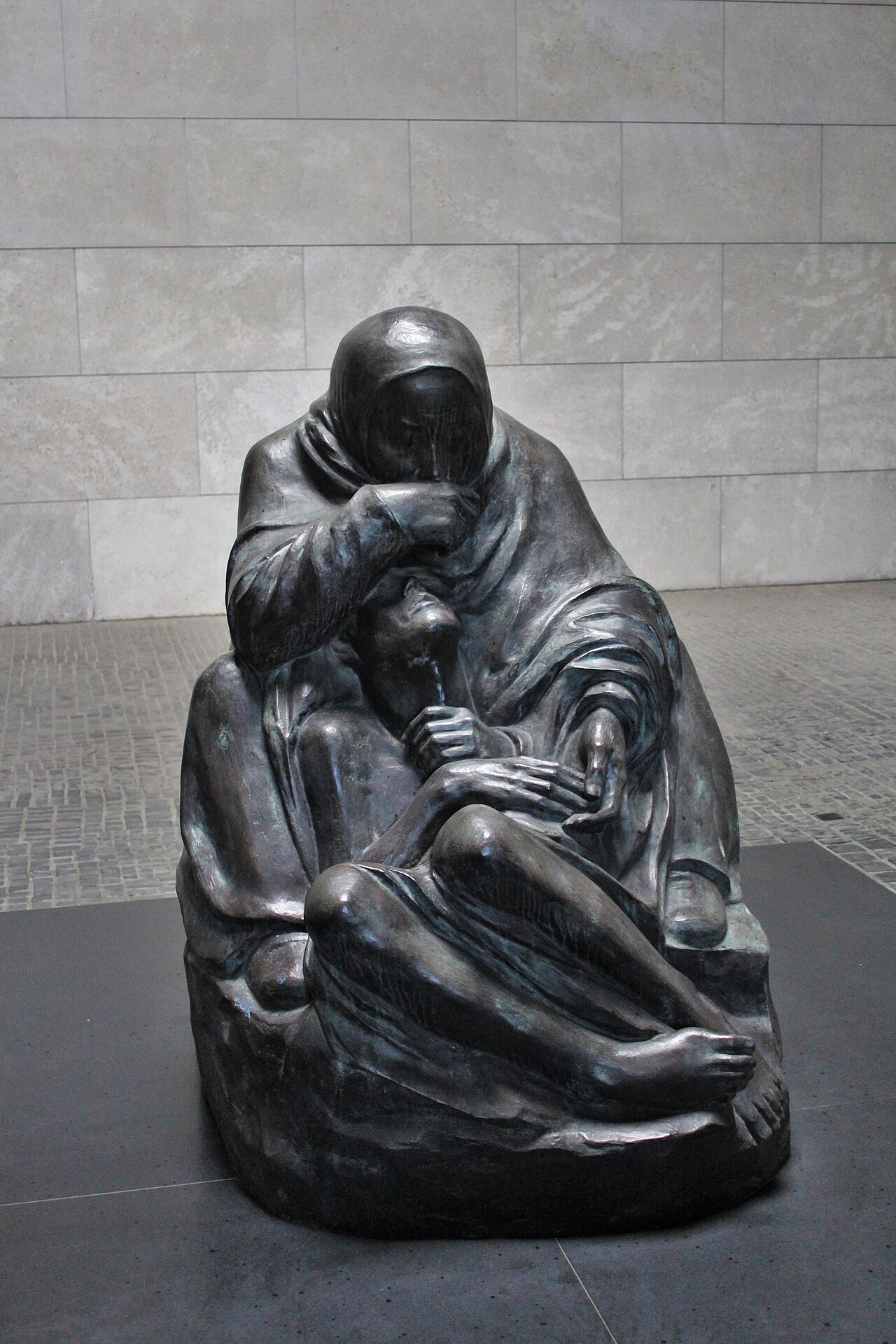
Käthe Kollwitz
The German artist of grief: her Pietà, enlarged in Berlin's Neue Wache, is Germany's central memorial to the victims of war; a mother holding her dead son, made by a mother who lost hers.
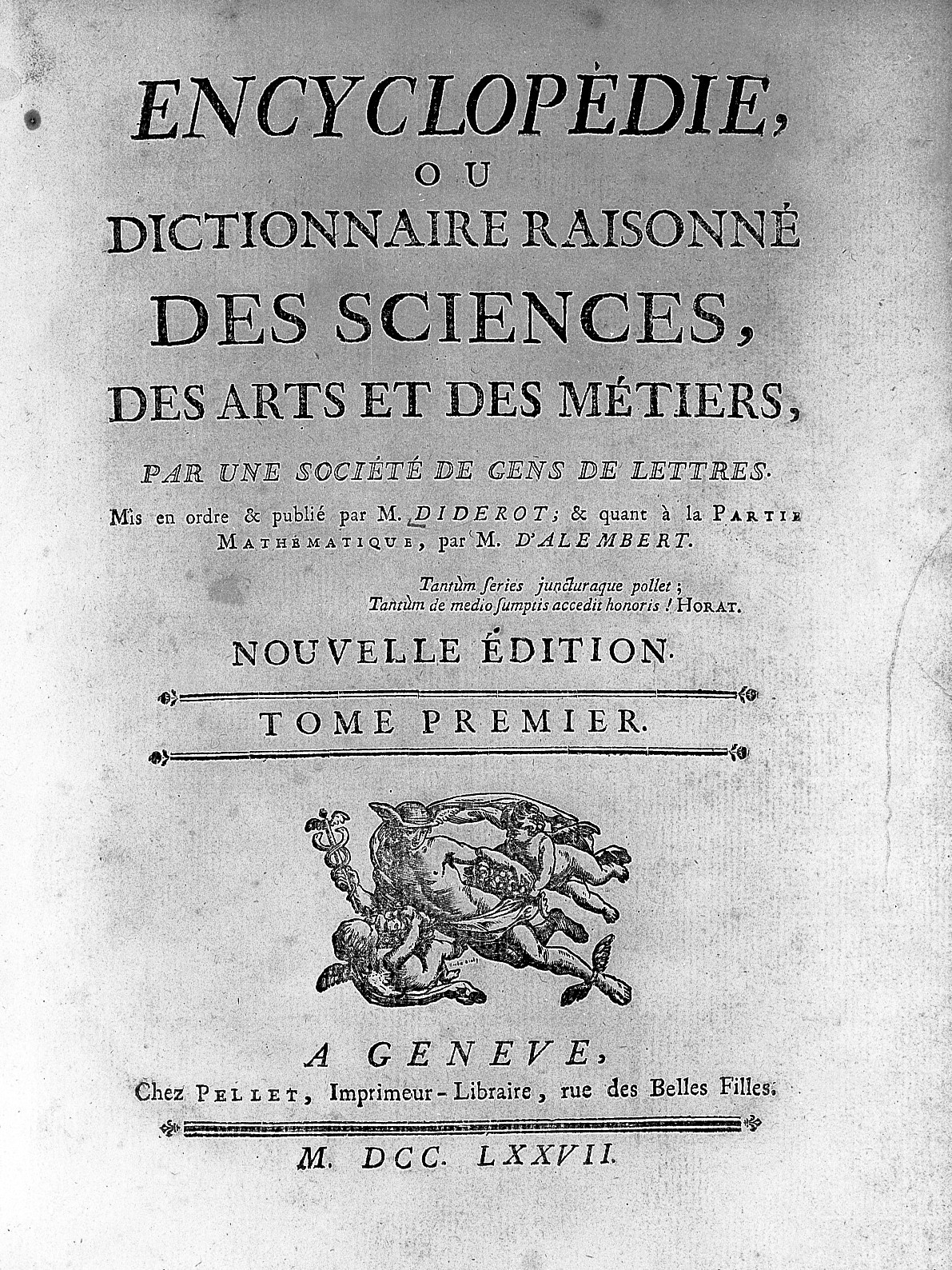 History Event
Encyclopédie
1751-1772
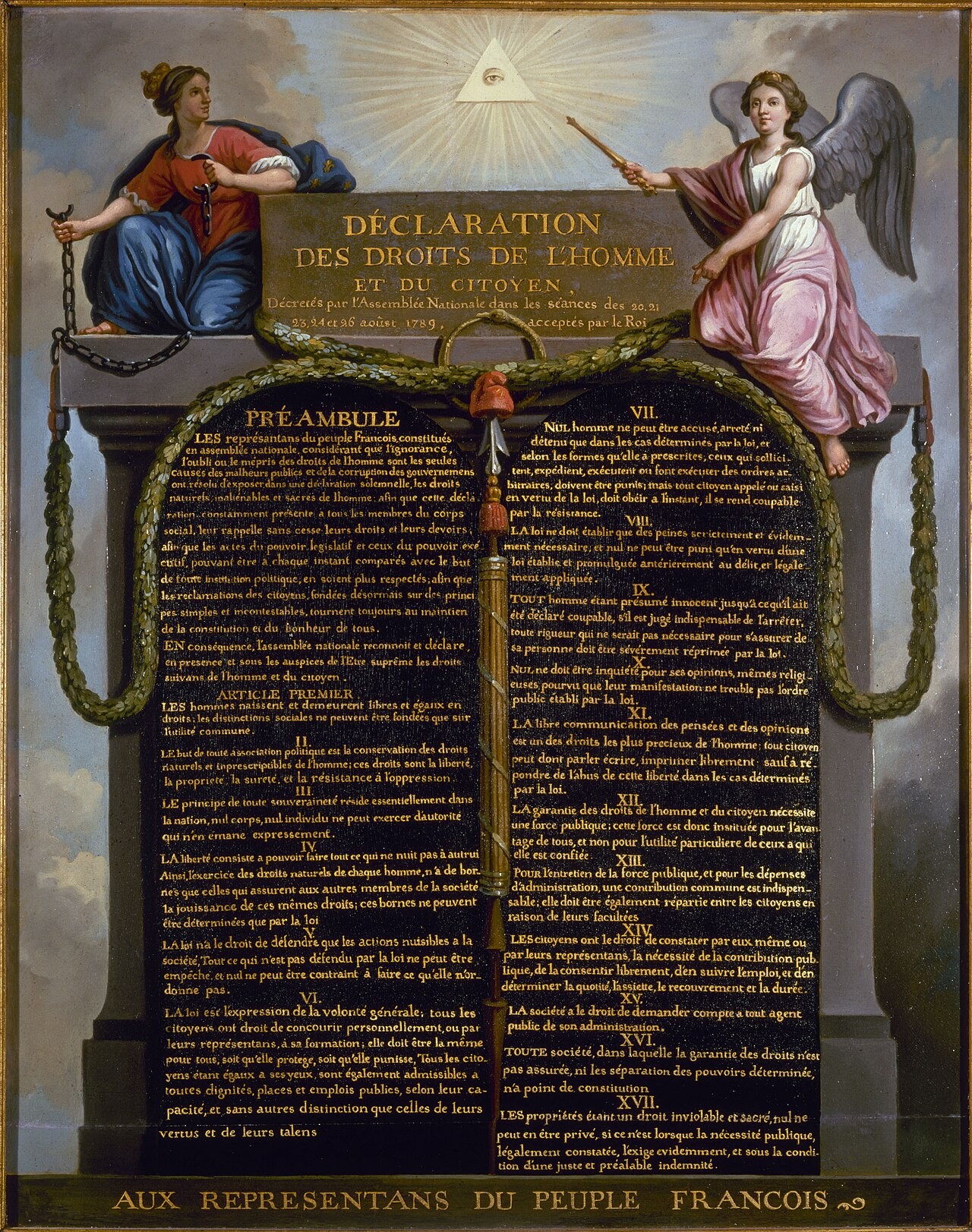 History Event
French Revolution
1789
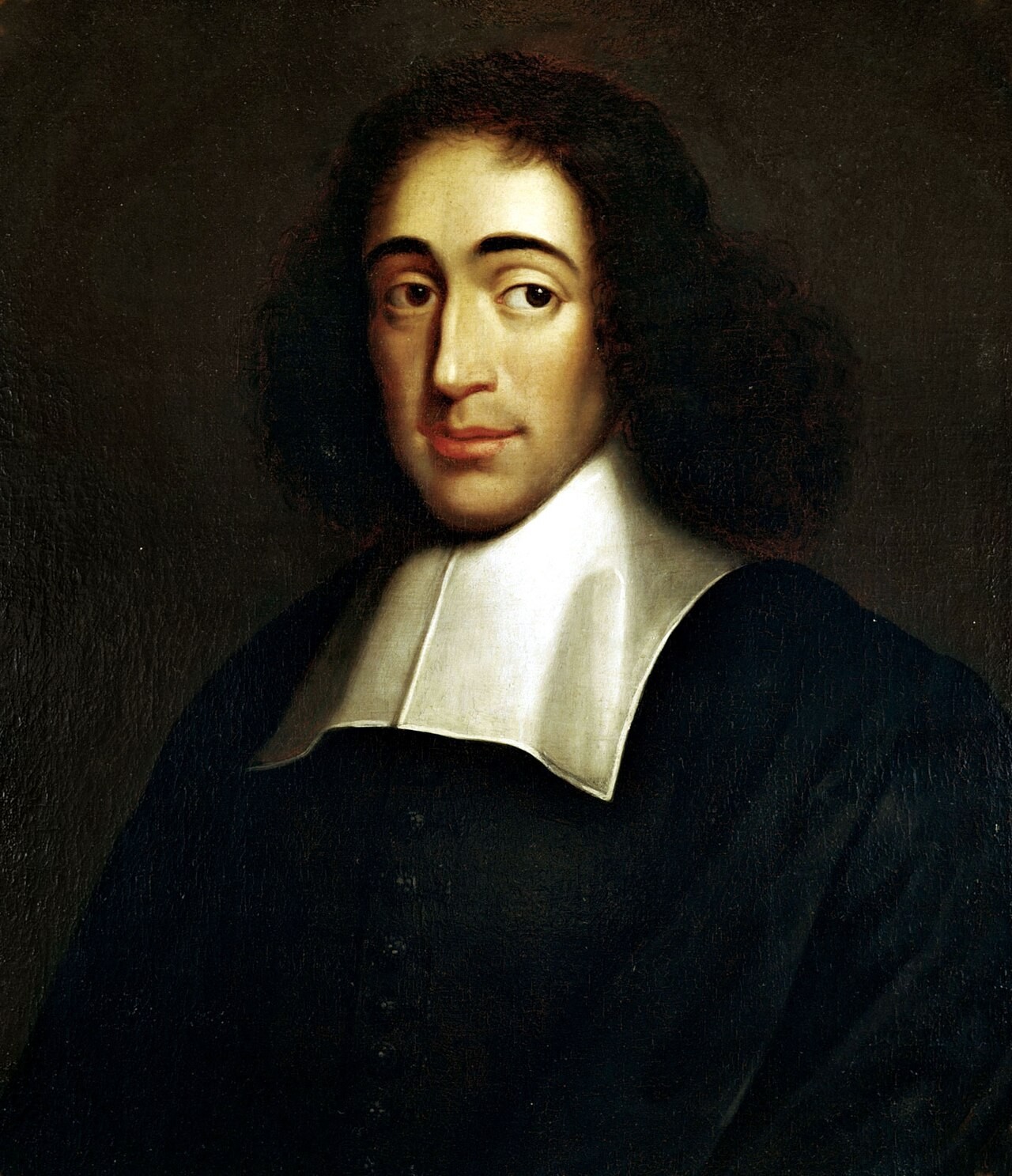 History Event
Spinoza's Tractatus Theologico-Politicus
1670
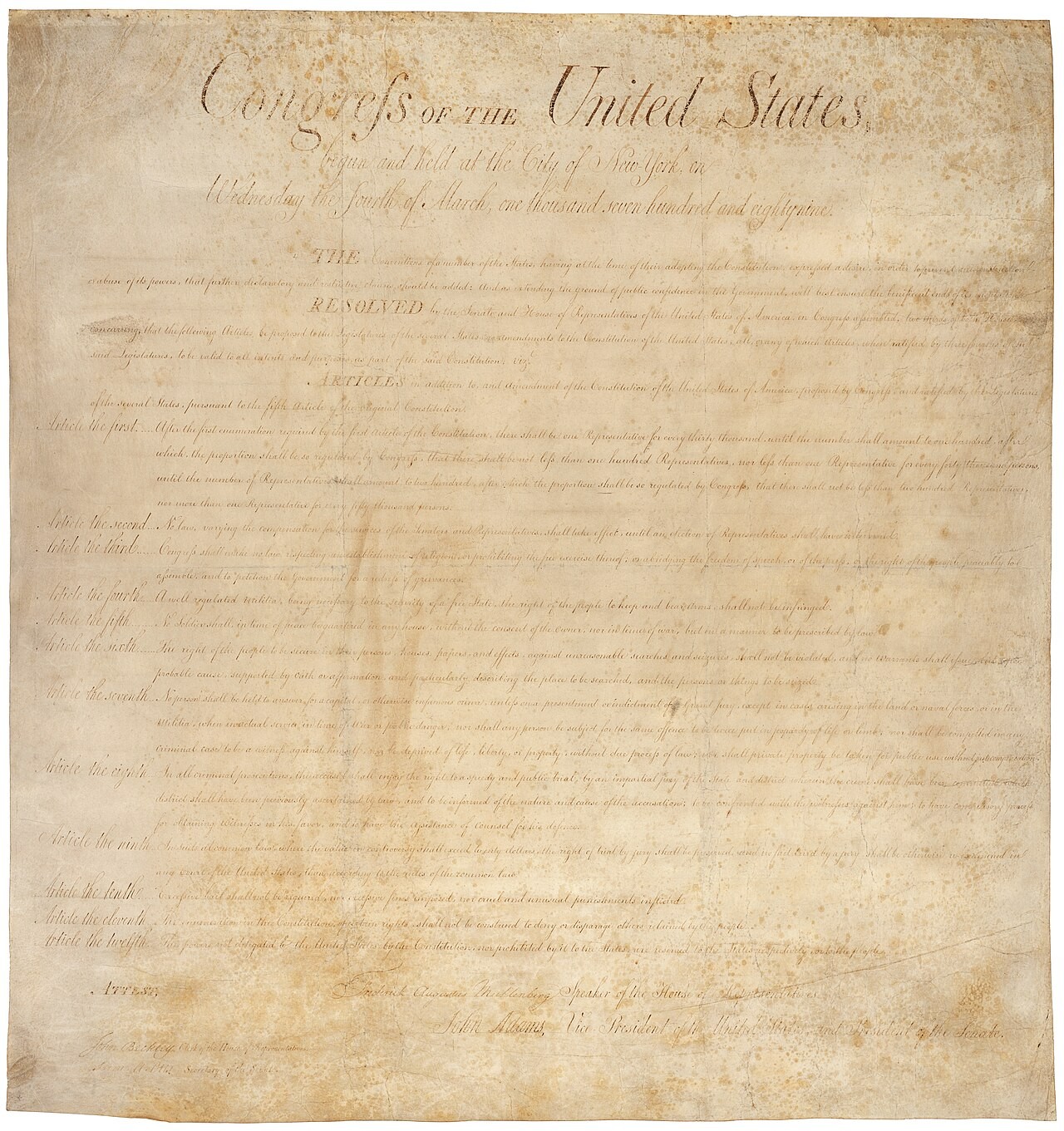 History Event
US First Amendment
1791
Art Tradition
Non-Theistic and Secular
Art without transcendence: humanist meaning-making, museums as secular temples, and protest art.
Artist
Doris Salcedo
The Colombian sculptor of political violence's traces; her Fragmentos floor in Bogotá is a counter-monument hammered from surrendered weapons by women victims of the conflict.
Artist
Käthe Kollwitz
The German artist of grief: her Pietà, enlarged in Berlin's Neue Wache, is Germany's central memorial to the victims of war; a mother holding her dead son, made by a mother who lost hers.
History Event
Encyclopédie
1751-1772
History Event
French Revolution
1789
History Event
Spinoza's Tractatus Theologico-Politicus
1670
History Event
US First Amendment
1791