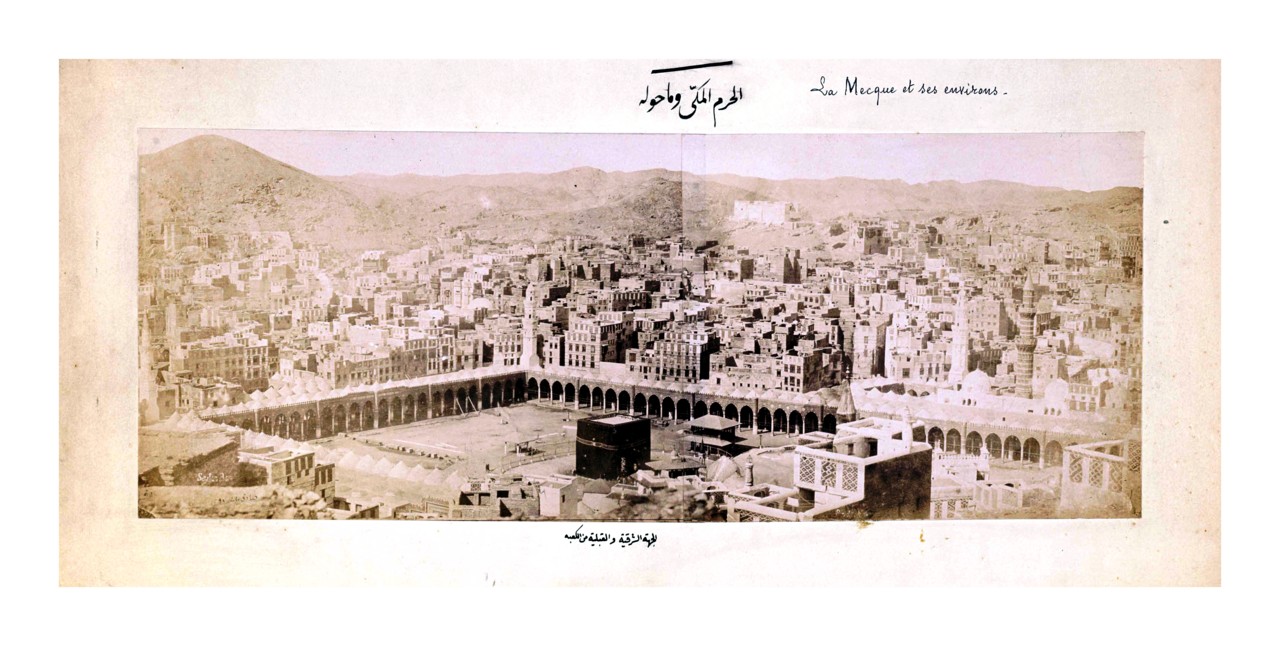
Birth of Muhammad
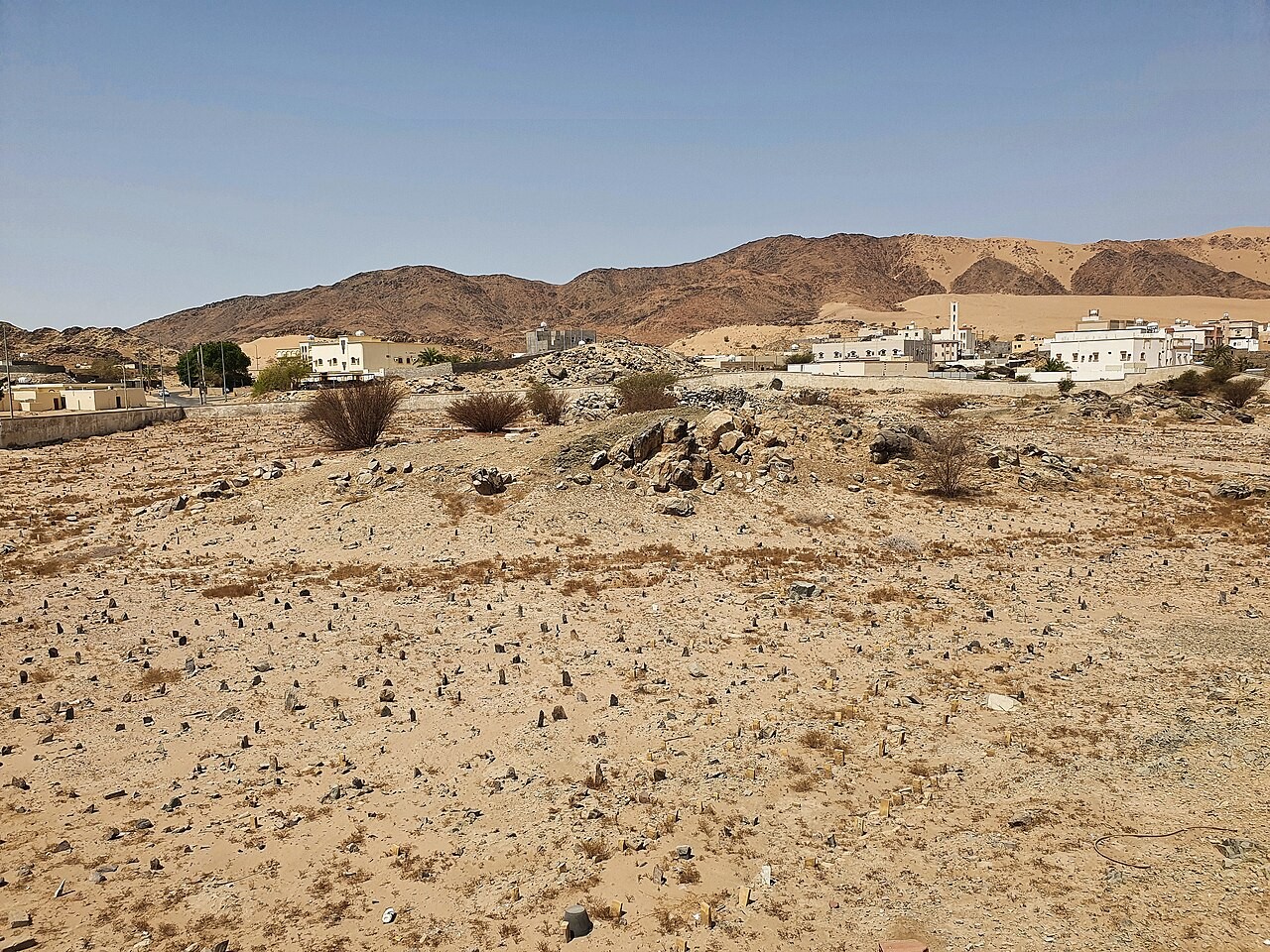
Muhammad is born in Mecca in the Year of the Elephant, as tradition names it; the sira literature preserves the account of his birth and childhood, and the date rests on that tradition rather than on contemporary records.
Search pages, essays, world views, libraries, and topics. Type at least two characters.
Eighteen accounts of what is real, each set out in its own terms and each with its own page.
All World Views Does God Exist?The Twelver Shia Islam stream of the Islam timeline.
Streams: All of Islam Sunni Islam Twelver Shia Islam Ibadi Islam Mu'tazila Hanbali Sufi Orders Ash'ari Modern Reformist Islam
Muhammad is born in Mecca in the Year of the Elephant, as tradition names it; the sira literature preserves the account of his birth and childhood, and the date rests on that tradition rather than on contemporary records.
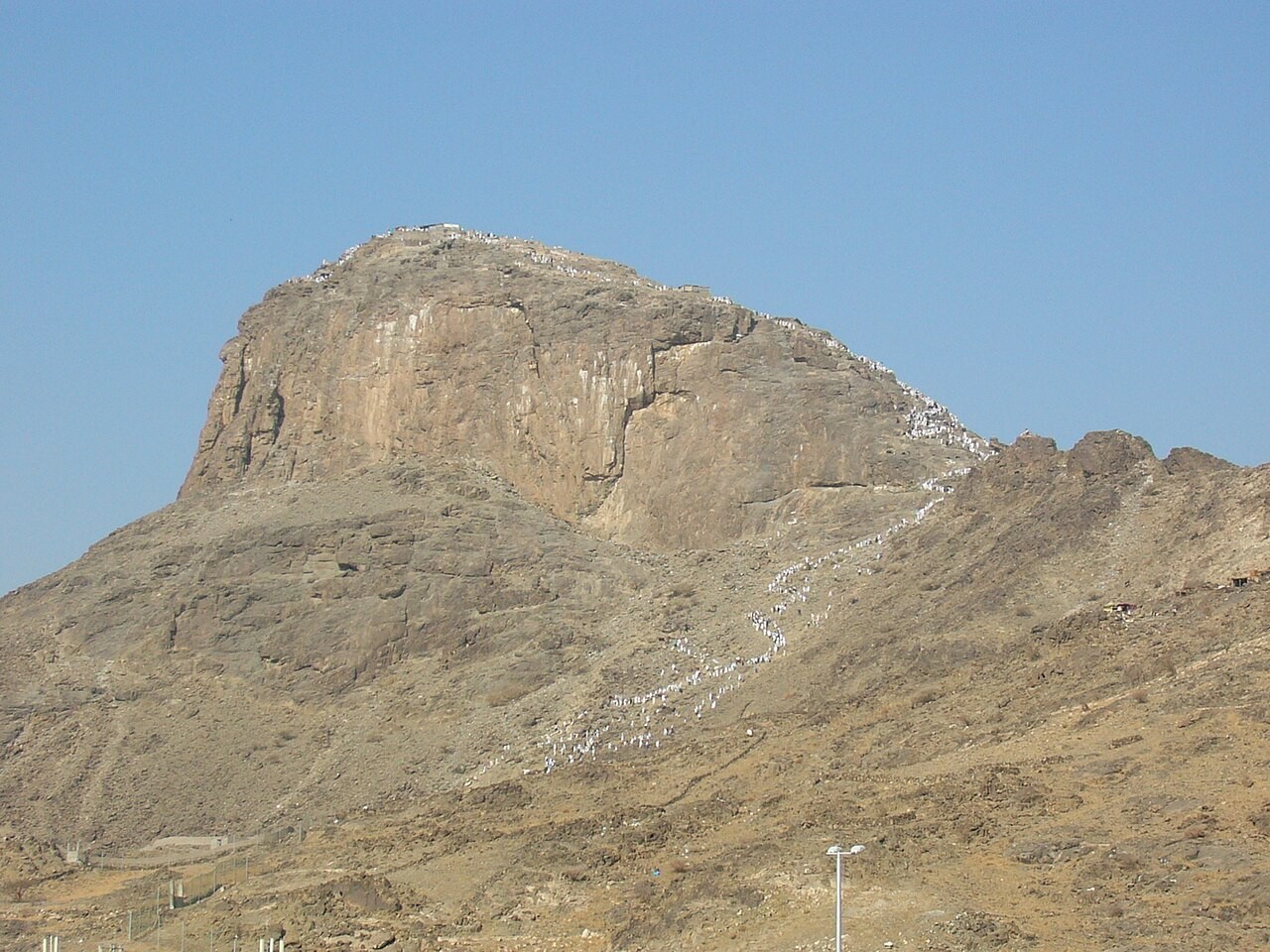
In retreat on Mount Hira outside Mecca, Muhammad receives the first revelation, the opening verses of what becomes Surah al-Alaq; Khadija and her cousin Waraqa confirm the experience, and the preaching that follows begins Islam.
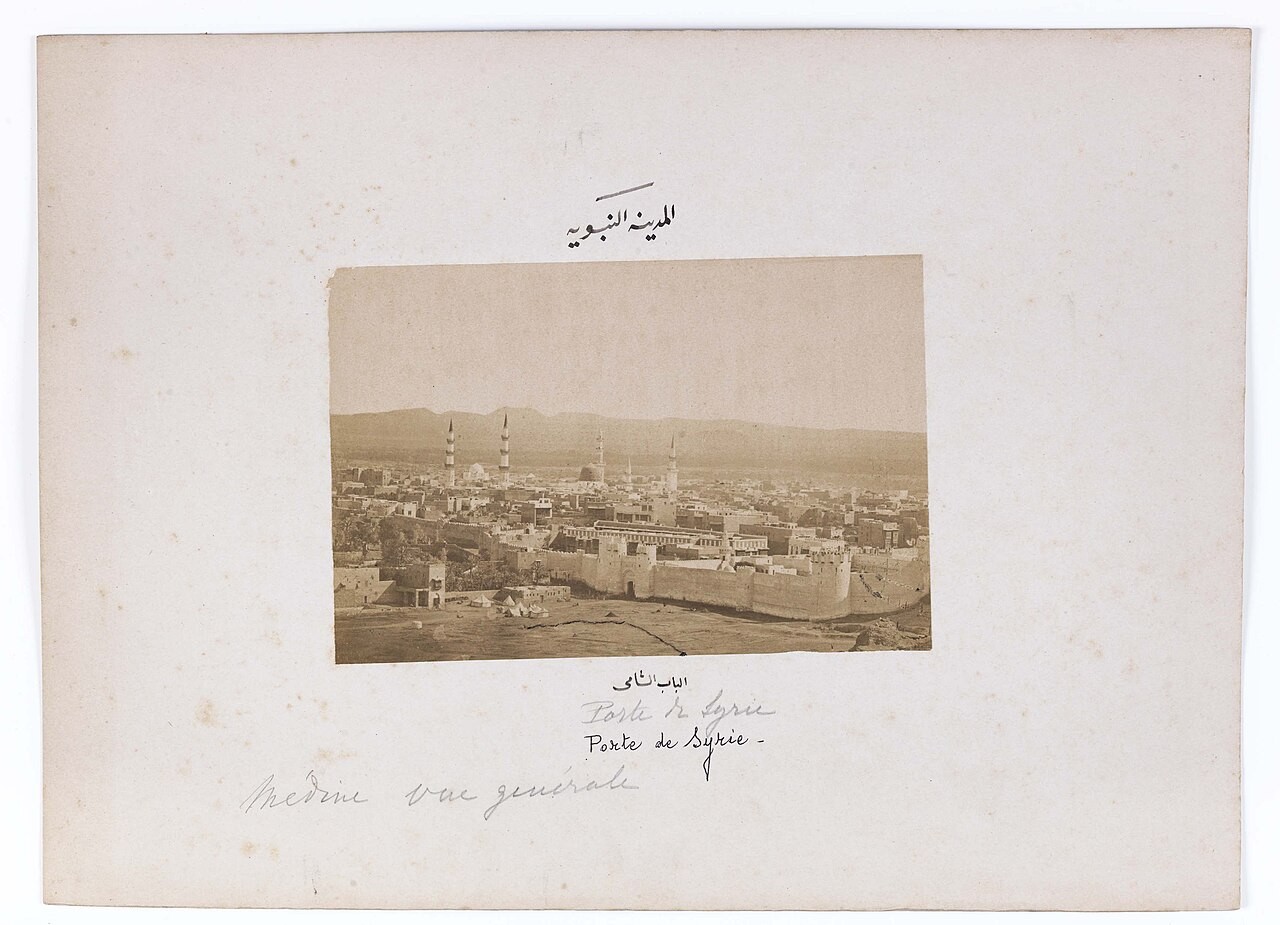
Muhammad and his followers emigrate from Mecca to Yathrib, renamed Medina, where he becomes the head of a community bound by the Constitution of Medina; the migration opens year one of the Islamic calendar.
A small Medinan force defeats a larger Meccan one at the wells of Badr during Ramadan; the victory, read in the Qur'an as divine aid, secures the young community and Muhammad's authority in Medina.
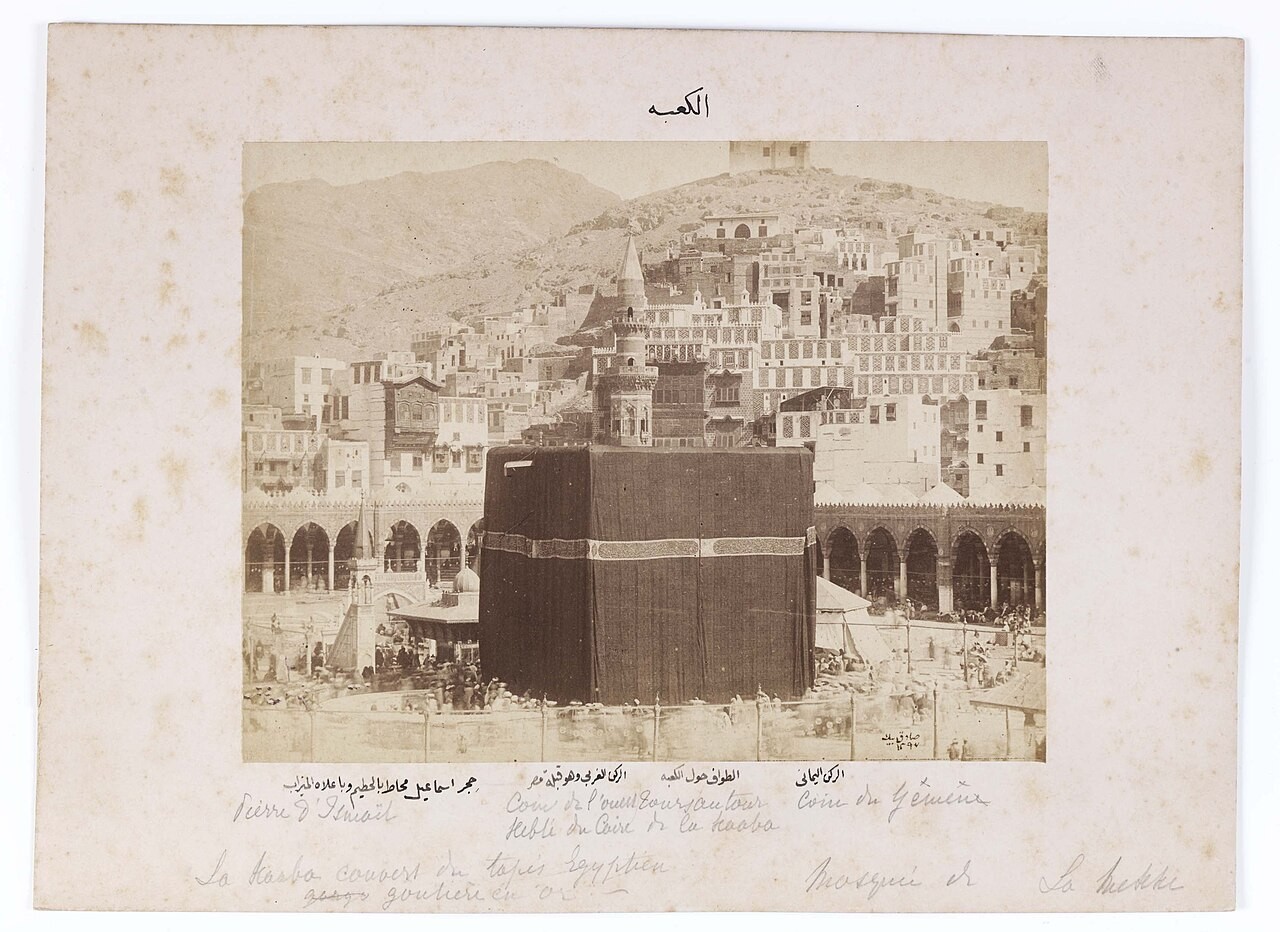
Muhammad returns to Mecca with a large army and takes the city nearly without bloodshed, declares a general amnesty, and clears the Kaaba of its idols; Mecca becomes the sanctuary center of Islam.
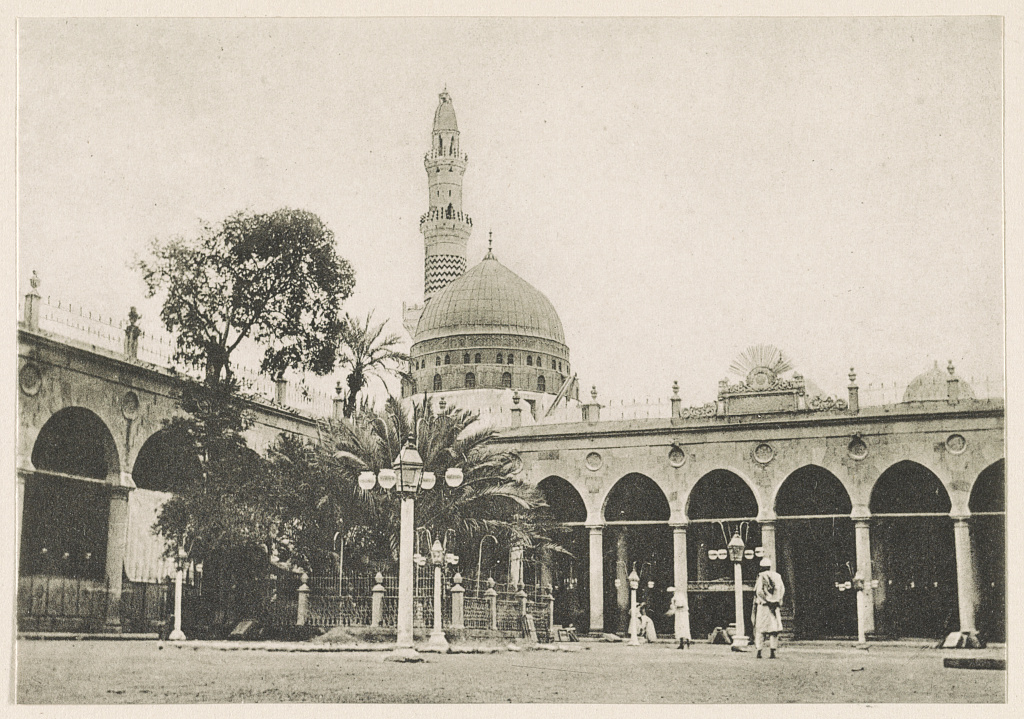
Muhammad dies in Medina after a short illness, months after the Farewell Sermon; he leaves no agreed successor named in a form all accept, and the question of who leads the community divides it from this day forward.
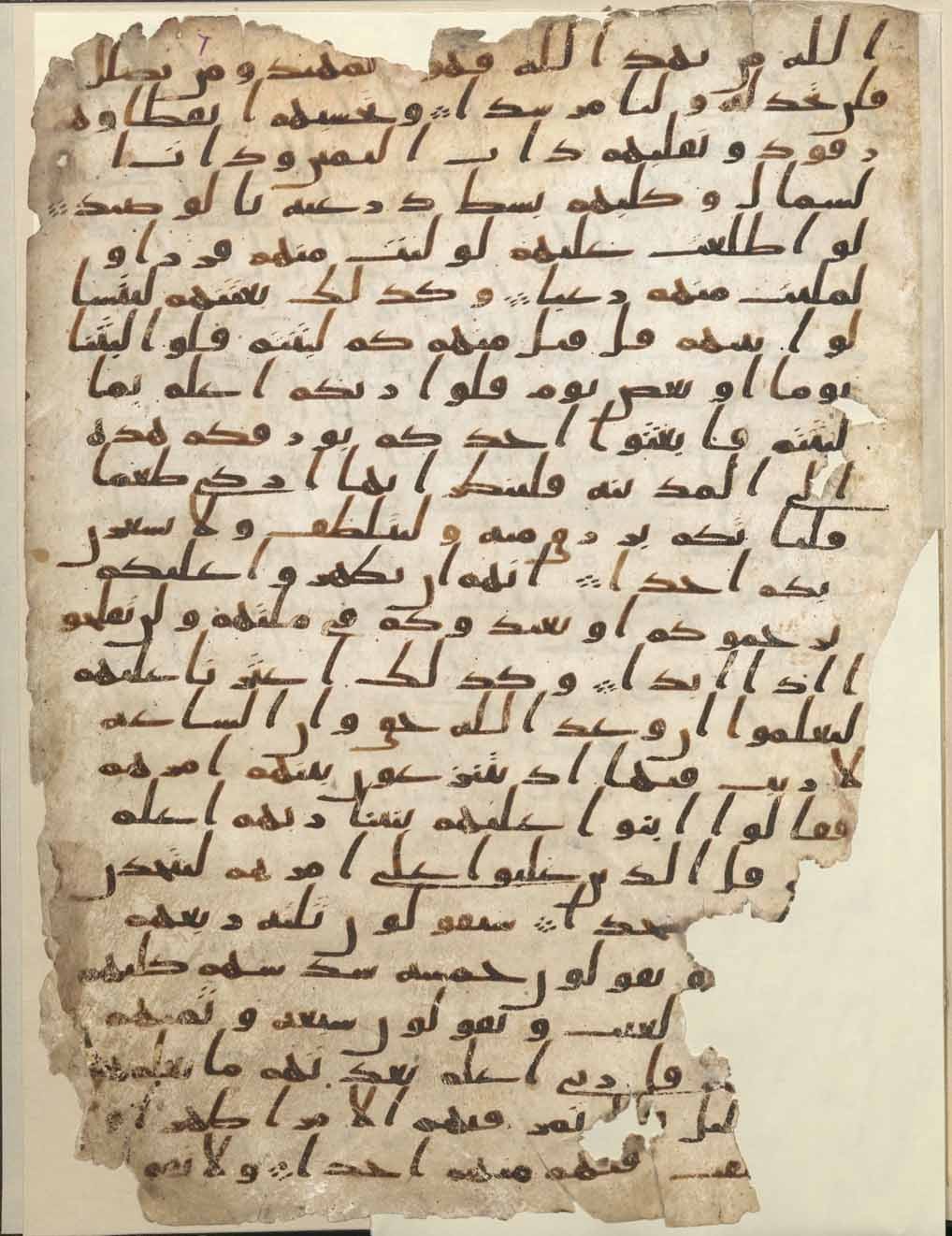
The caliph Uthman commissions Zayd ibn Thabit and a committee to fix one written text of the Qur'an and orders variant codices burned; the recension becomes the standard text of the Qur'an in use to this day.
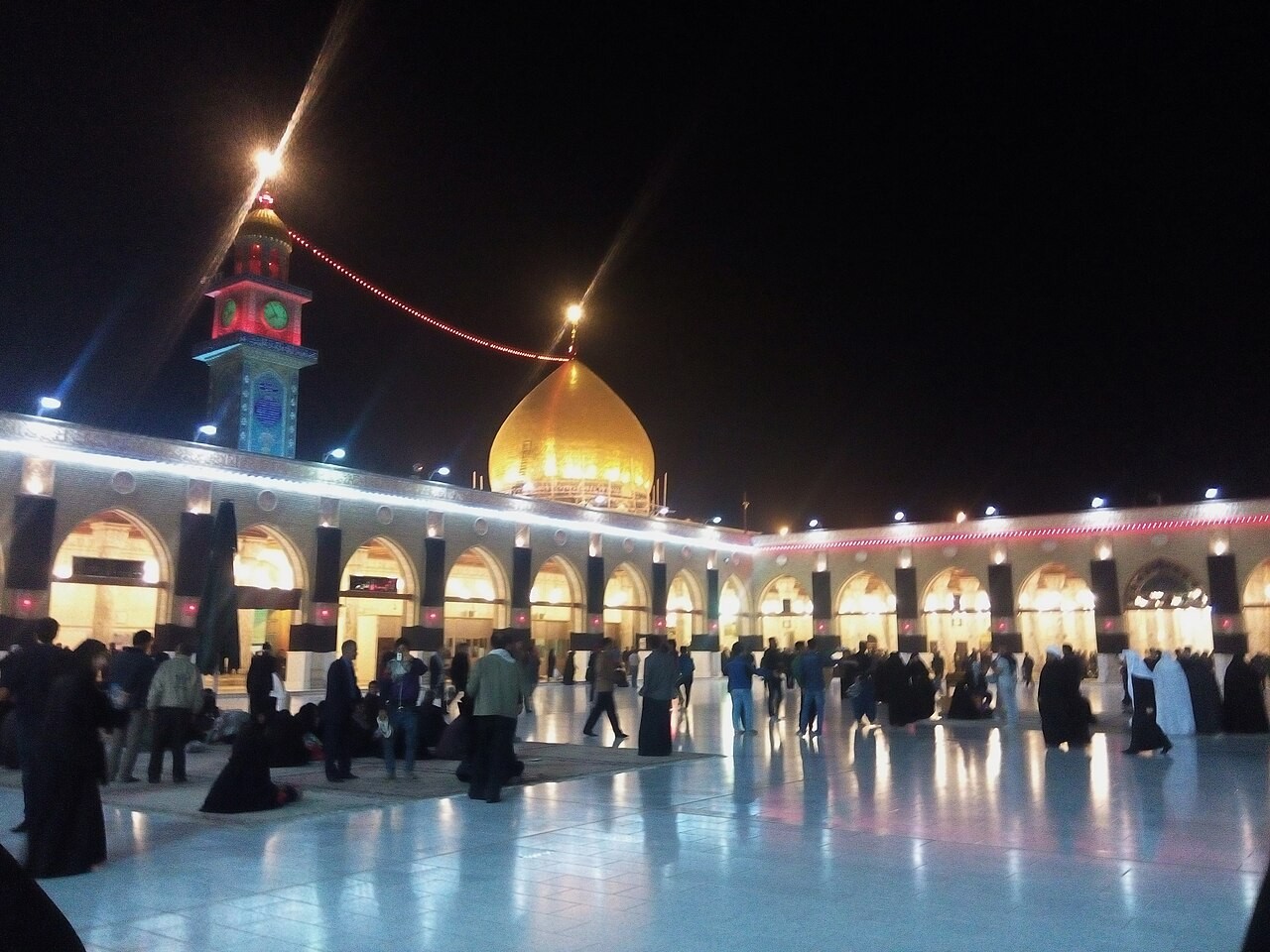
After Uthman's murder the community chooses Ali, the Prophet's cousin and son-in-law; his caliphate is consumed by civil war against Aisha's party and then Mu'awiya's, and Shia Islam holds him the first rightful Imam, wrongly kept from rule for twenty-five years.
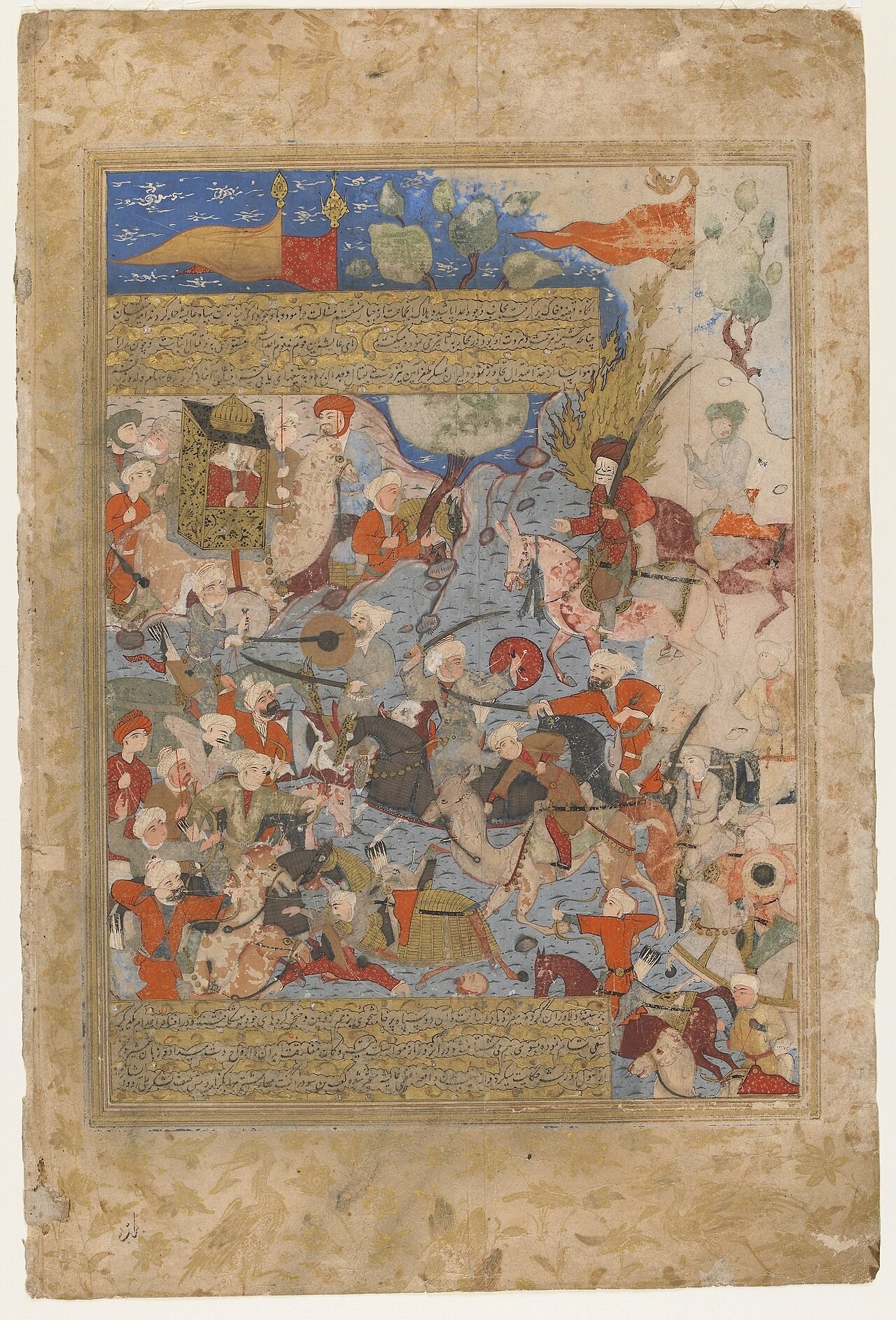
Aisha, Talha, and Zubayr march on Basra against Ali and are defeated at the Battle of the Camel, named for Aisha's camel at the fight's center; the battle opens the first fitna, the community's first civil war.
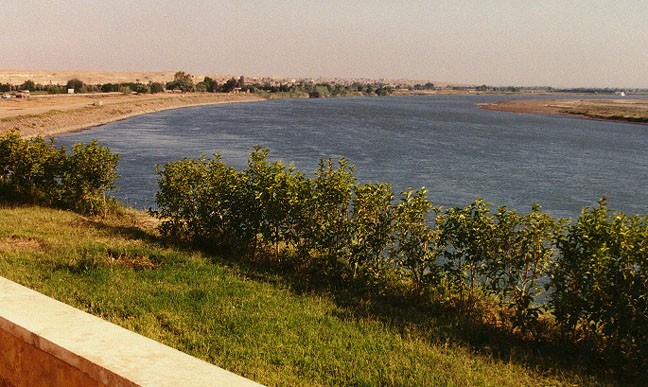
Ali's battle with Mu'awiya at Siffin ends in arbitration; a party of Ali's own supporters secedes over the judgment, holding that judgment belongs to God alone, and from that secession the Khawarij emerge, among whose moderate heirs the Ibadi community traces its descent.
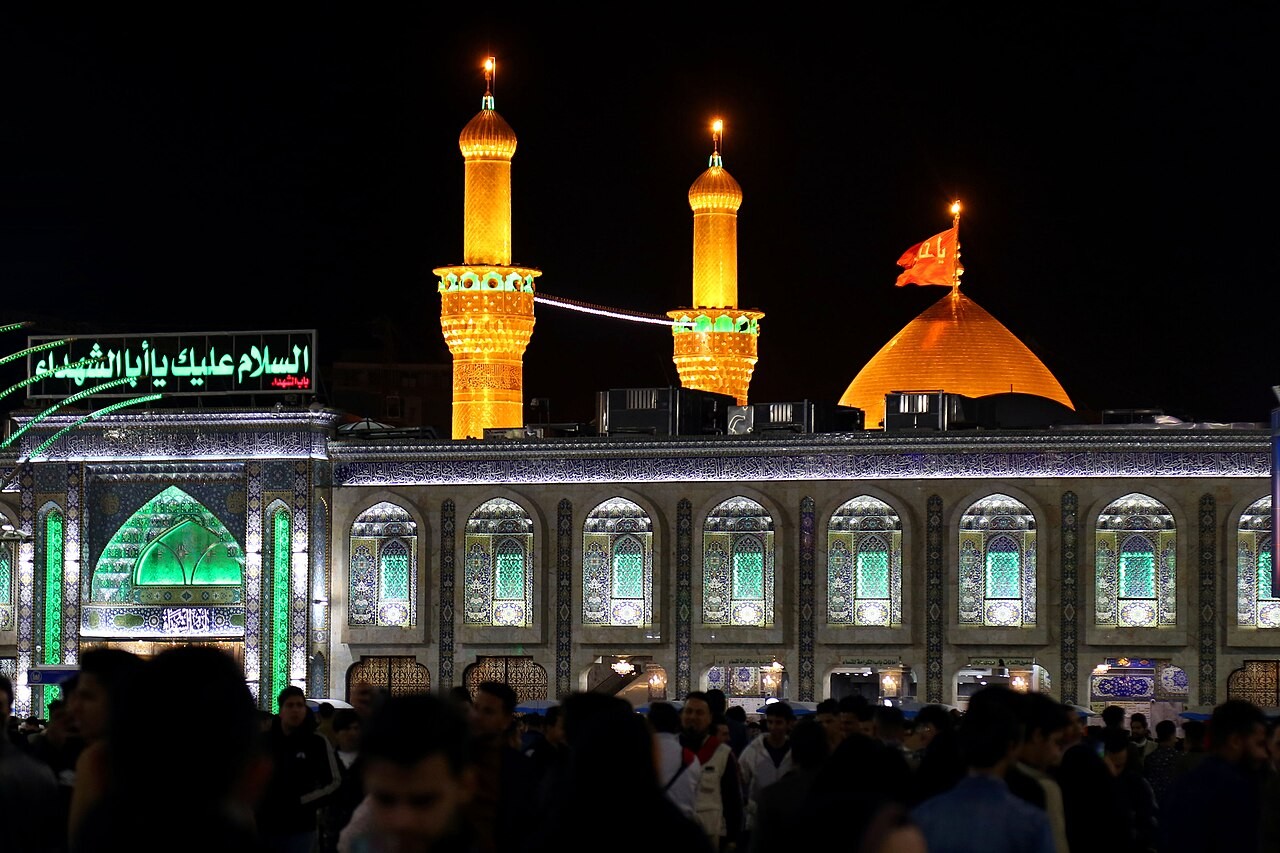
Husayn, the Prophet's grandson, refuses allegiance to Yazid and is killed with his small company at Karbala on the tenth of Muharram; his martyrdom becomes the defining memory of Shia Islam, commemorated every Ashura.
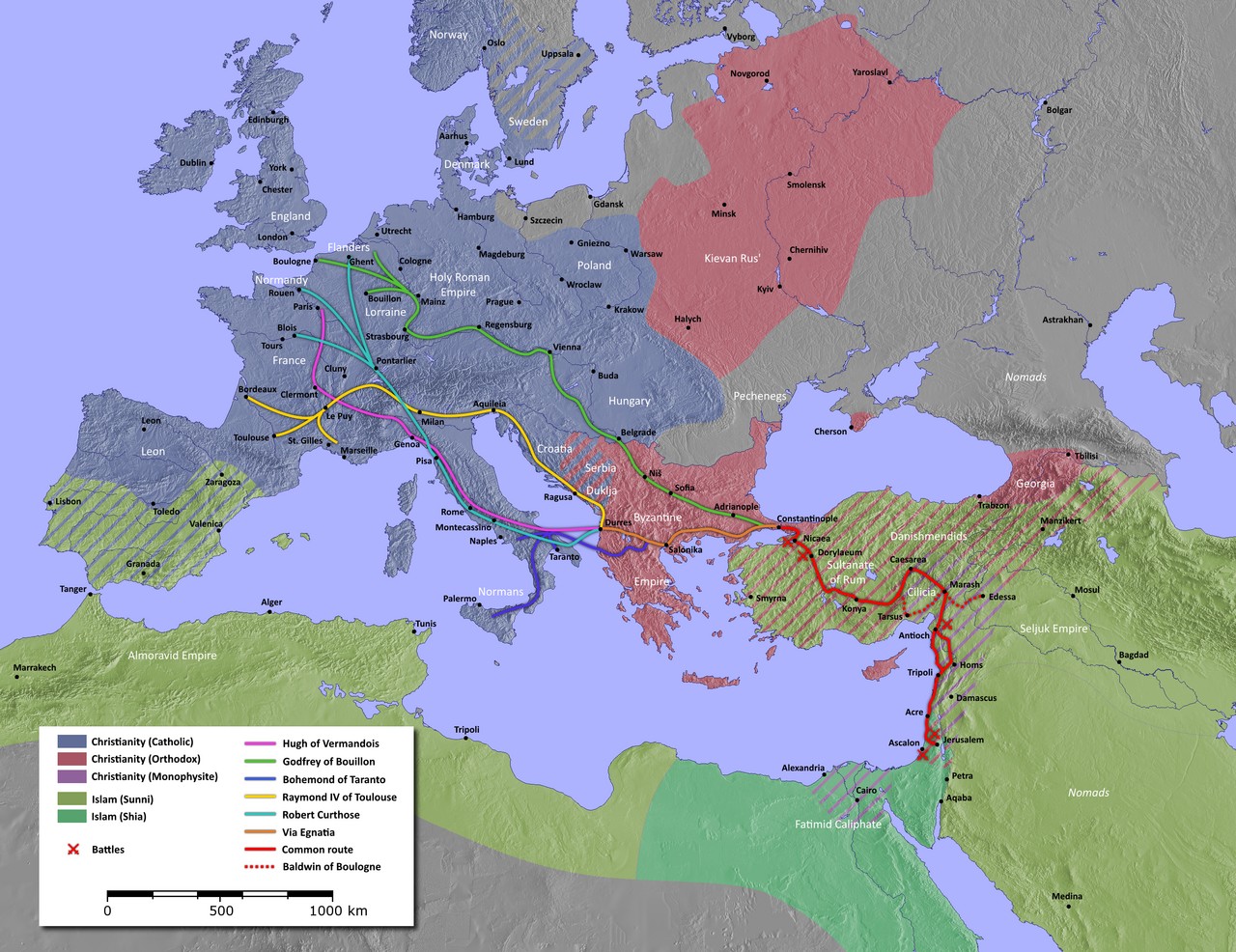
Pope Urban II's call at Clermont brings Latin Christian armies into Syria and Palestine; Jerusalem falls in 1099, and two centuries of crusader states follow, answered from the Muslim side by Nur al-Din and Saladin's recovery of Jerusalem in 1187.
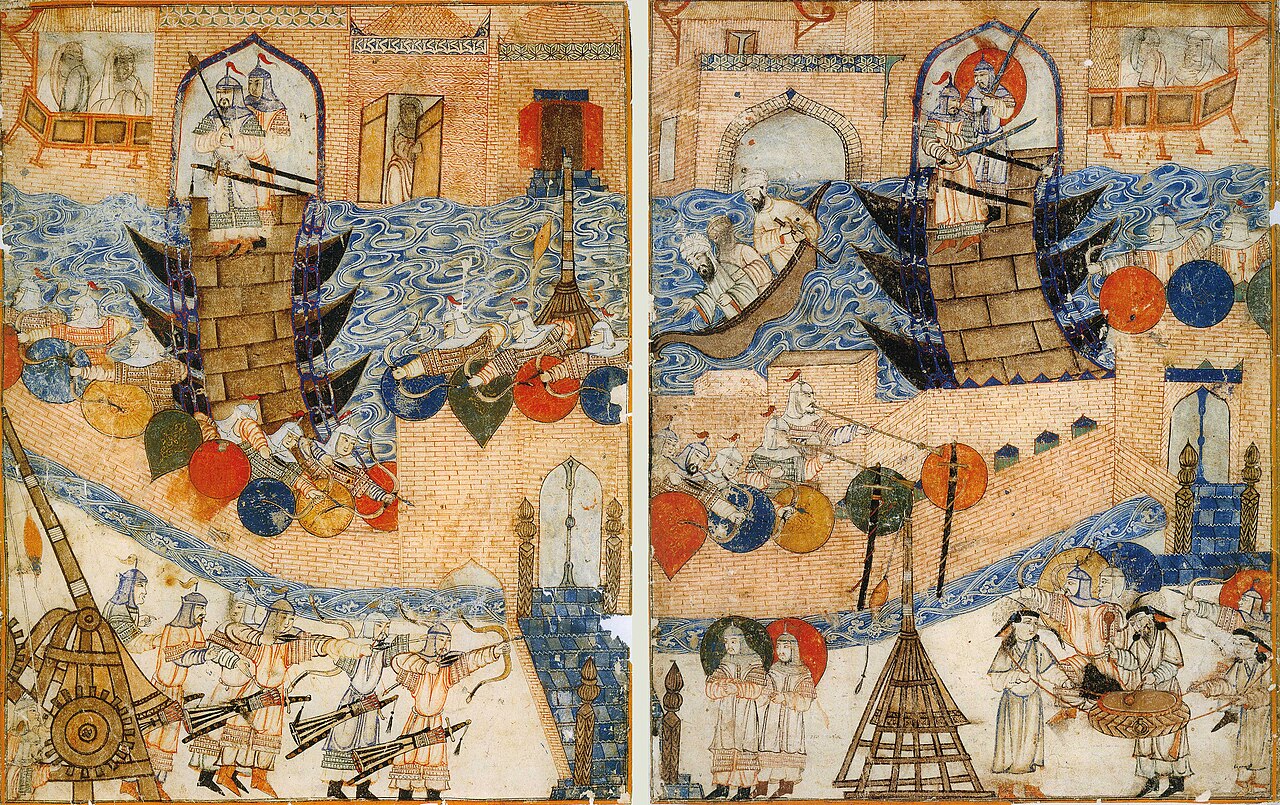
Hulagu's Mongols sack Baghdad and kill the last Abbasid caliph of the city; the catastrophe ends the five-hundred-year caliphate in Iraq, though a shadow Abbasid line continues in Mamluk Cairo.
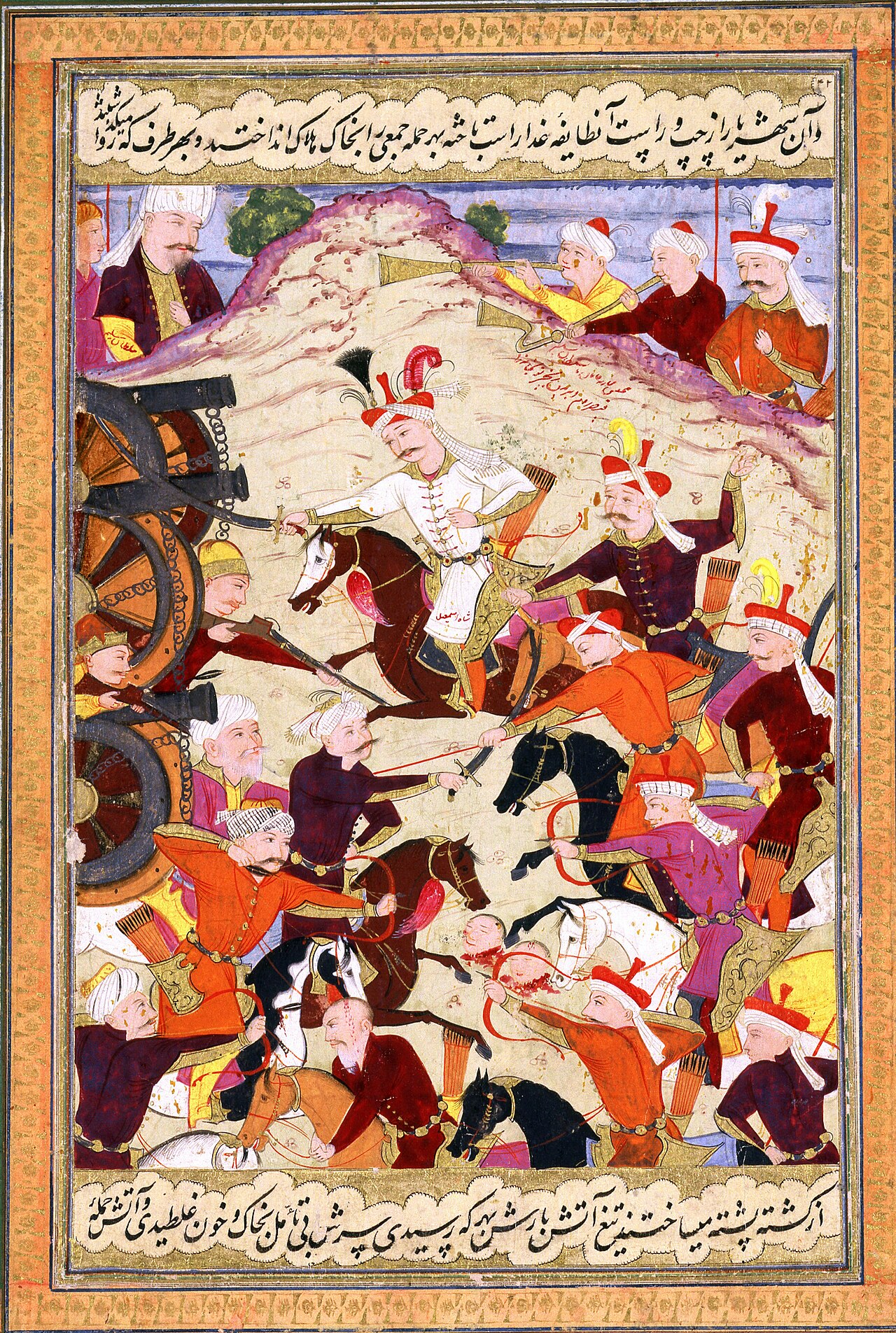
Ismail I, head of the Safavid Sufi order, takes Tabriz and proclaims Twelver Shi'ism the religion of his Persian empire; the Safavid state makes Iran the center of Shia Islam and fixes the Sunni-Shia frontier that endures in the region.
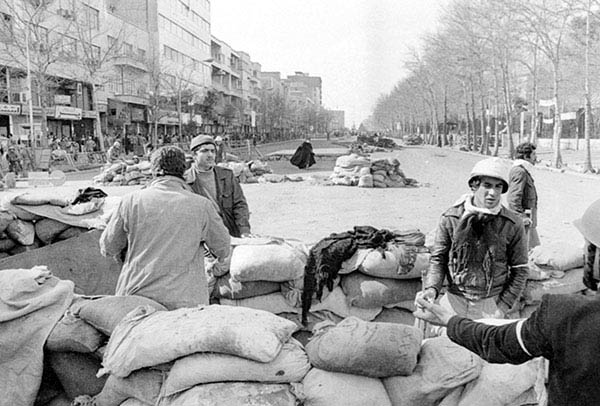
The Shah falls and Ayatollah Khomeini returns to Tehran; the Islamic Republic of Iran is proclaimed under the guardianship of the jurist, the first modern state built on Twelver Shia doctrine, and its example re-energizes movements, Sunni and Shia alike, across the region.