Execution of al-Hallaj
The Sufi Husayn ibn Mansur al-Hallaj is executed in Baghdad after a long trial, condemned for utterances including 'I am the Truth'; his martyrdom becomes Sufism's enduring meditation on union with God and the law's boundary.
Search pages, essays, world views, libraries, and topics. Type at least two characters.
Eighteen accounts of what is real, each set out in its own terms and each with its own page.
All World Views Does God Exist?The Sufi Orders stream of the Islam timeline.
Streams: All of Islam Sunni Islam Twelver Shia Islam Ibadi Islam Mu'tazila Hanbali Sufi Orders Ash'ari Modern Reformist Islam
The Sufi Husayn ibn Mansur al-Hallaj is executed in Baghdad after a long trial, condemned for utterances including 'I am the Truth'; his martyrdom becomes Sufism's enduring meditation on union with God and the law's boundary.
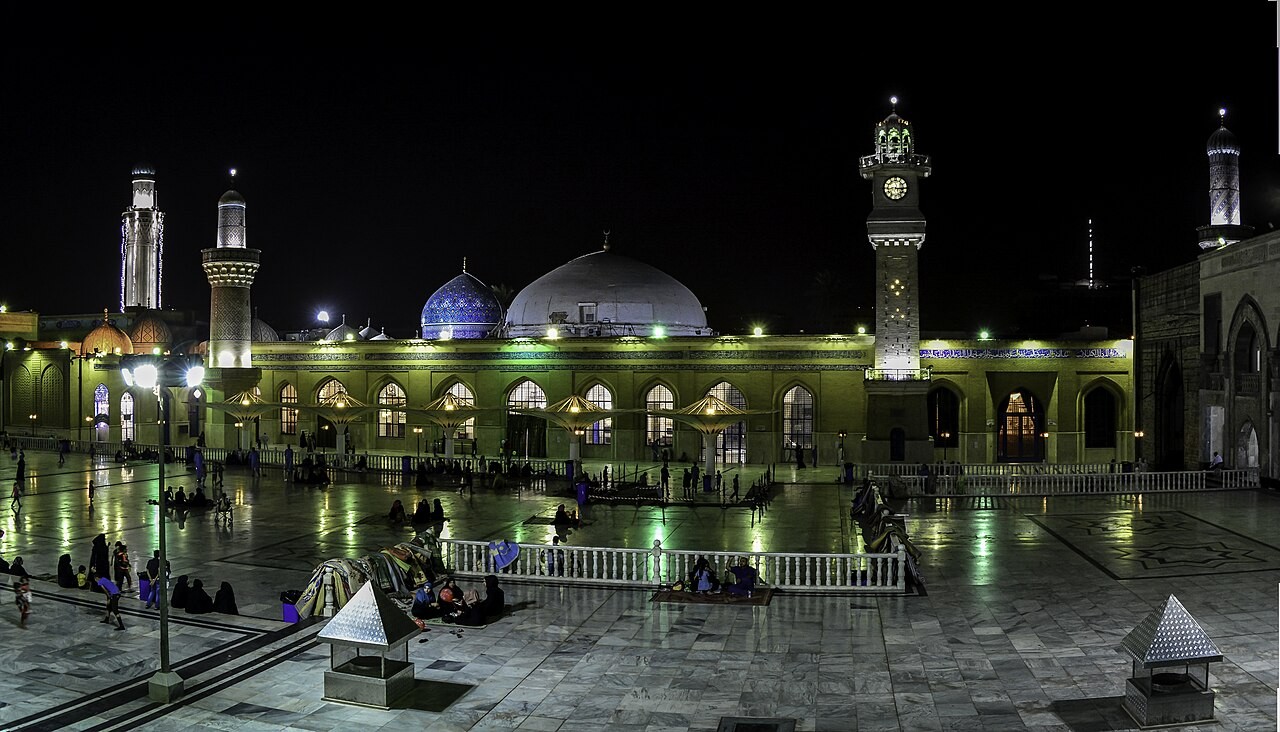
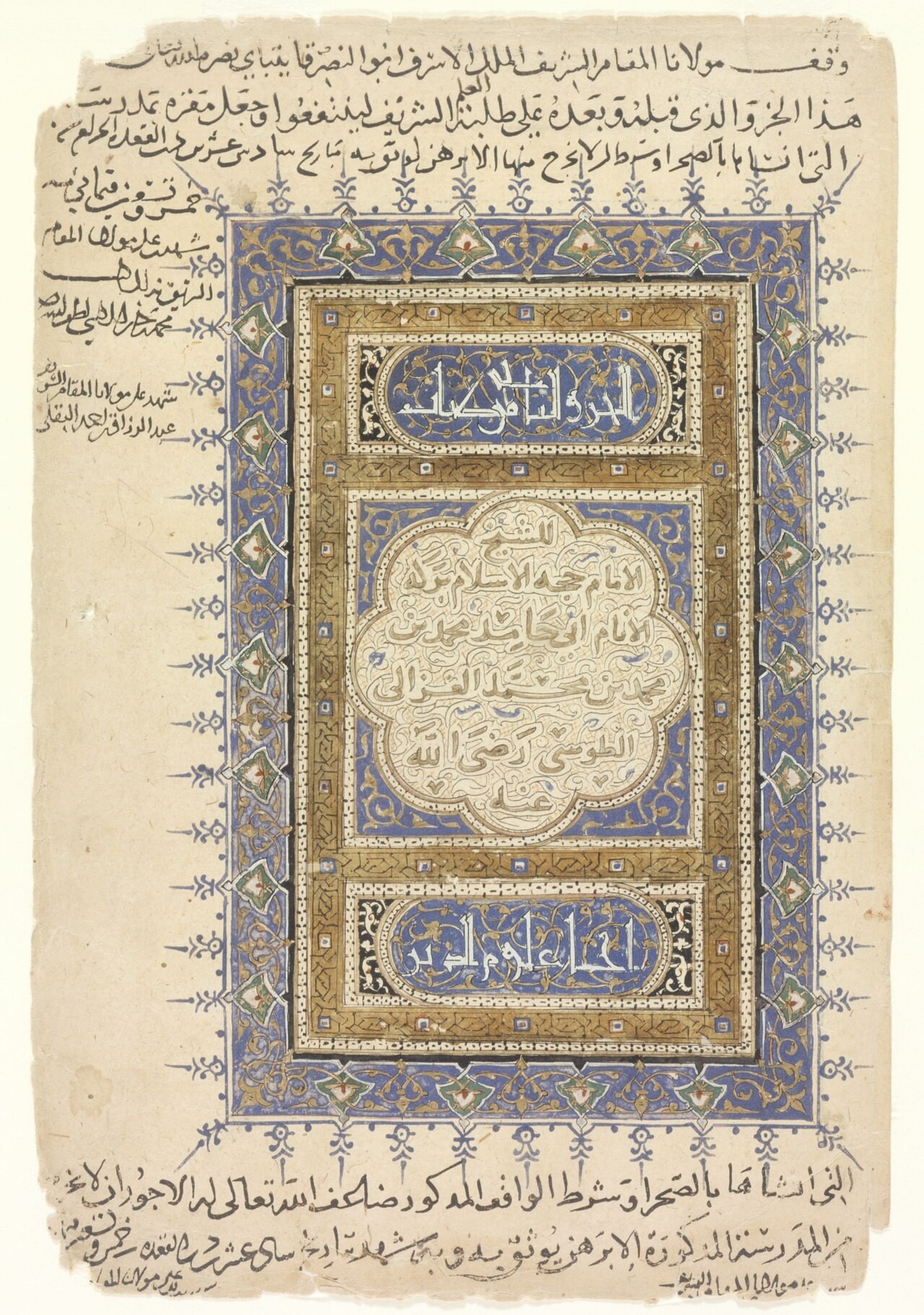
Al-Ghazali dies at Tus, having left the Nizamiyya chair in spiritual crisis and returned to teaching through Sufism; his Revival of the Religious Sciences joins law, theology, and the Sufi path into the synthesis that shapes Sunni piety for a millennium.
Abd al-Qadir al-Jilani, the Hanbali preacher of Baghdad whose sermons drew the city, dies; the Qadiriyya, among the earliest of the great Sufi orders to spread worldwide, carries his name and becomes Sufism's most widespread order.
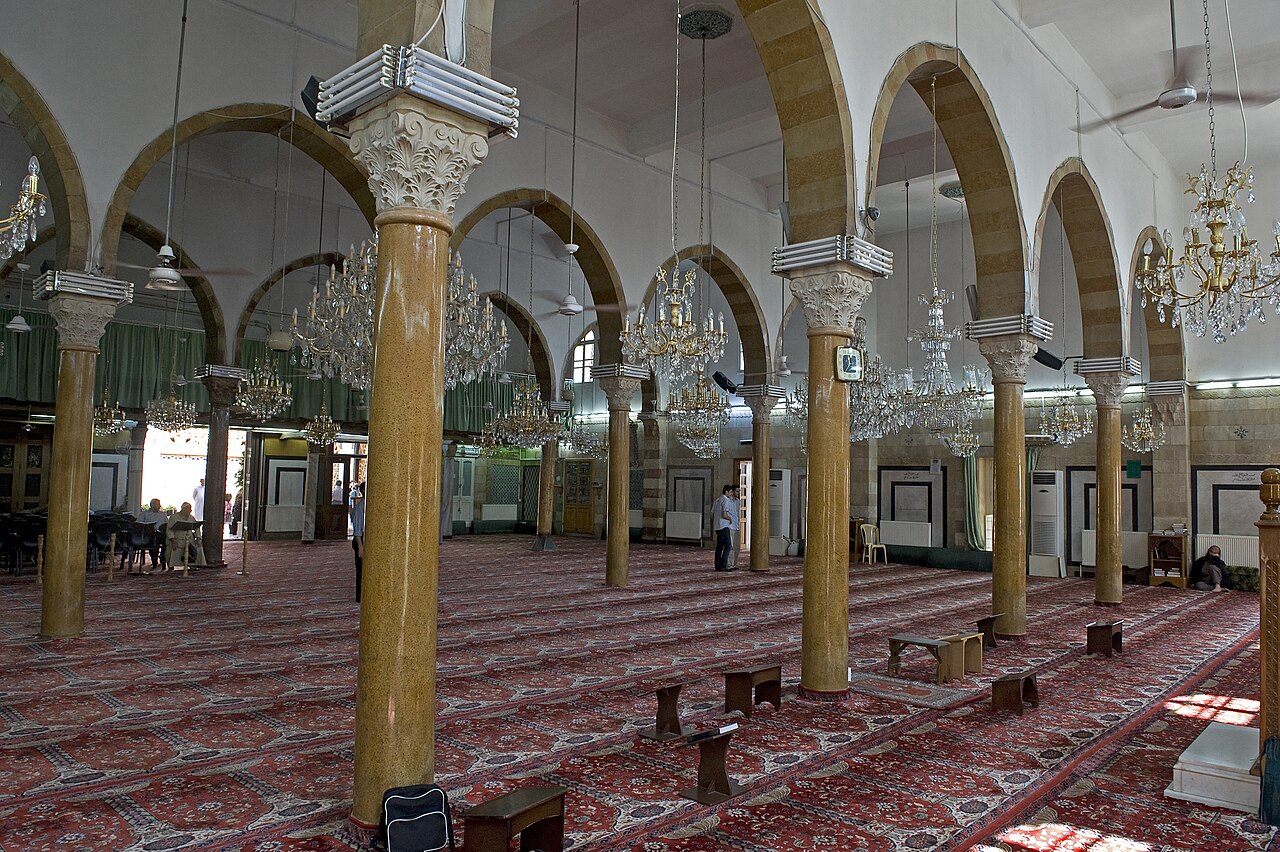
Ibn Arabi dies in Damascus; the Andalusian Sufi's Meccan Revelations and Bezels of Wisdom set out the doctrine of the unity of being that dominates later Sufi metaphysics and draws centuries of commentary and controversy.
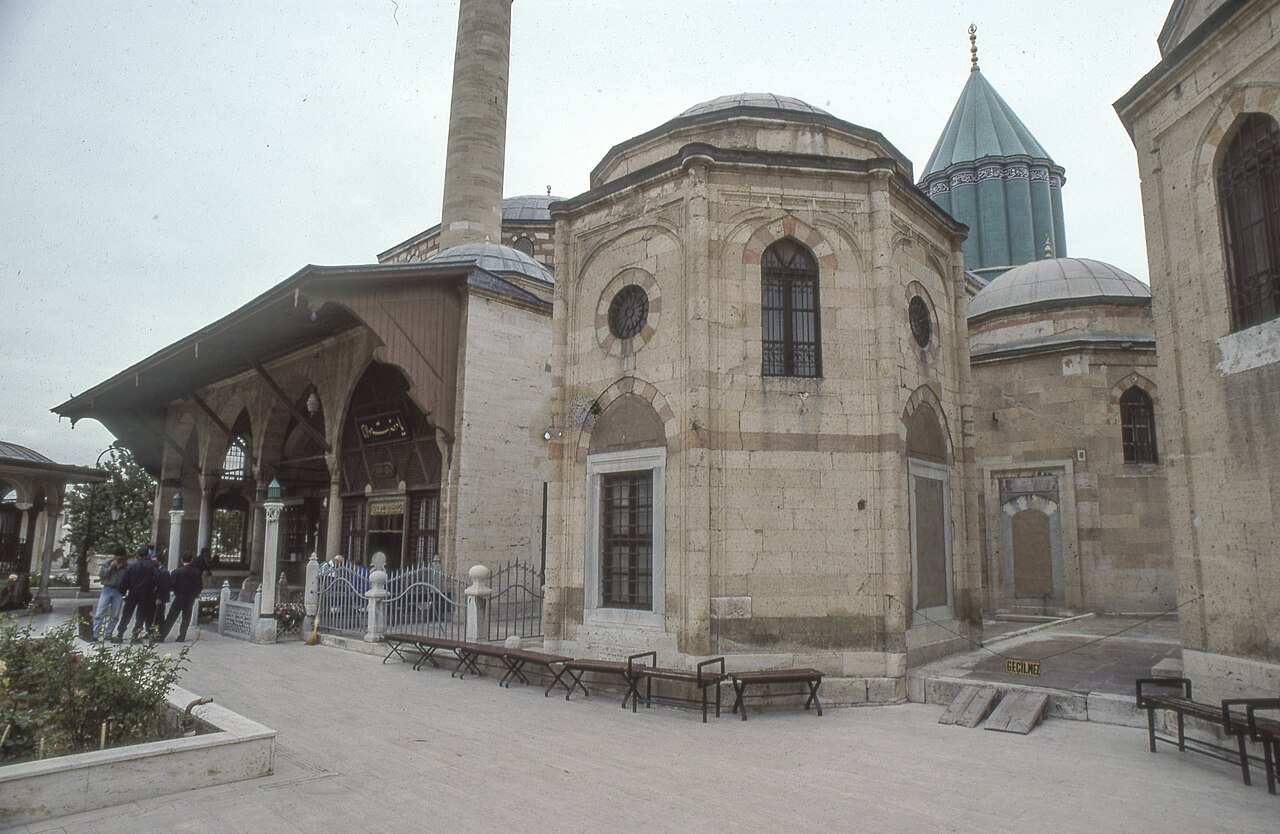
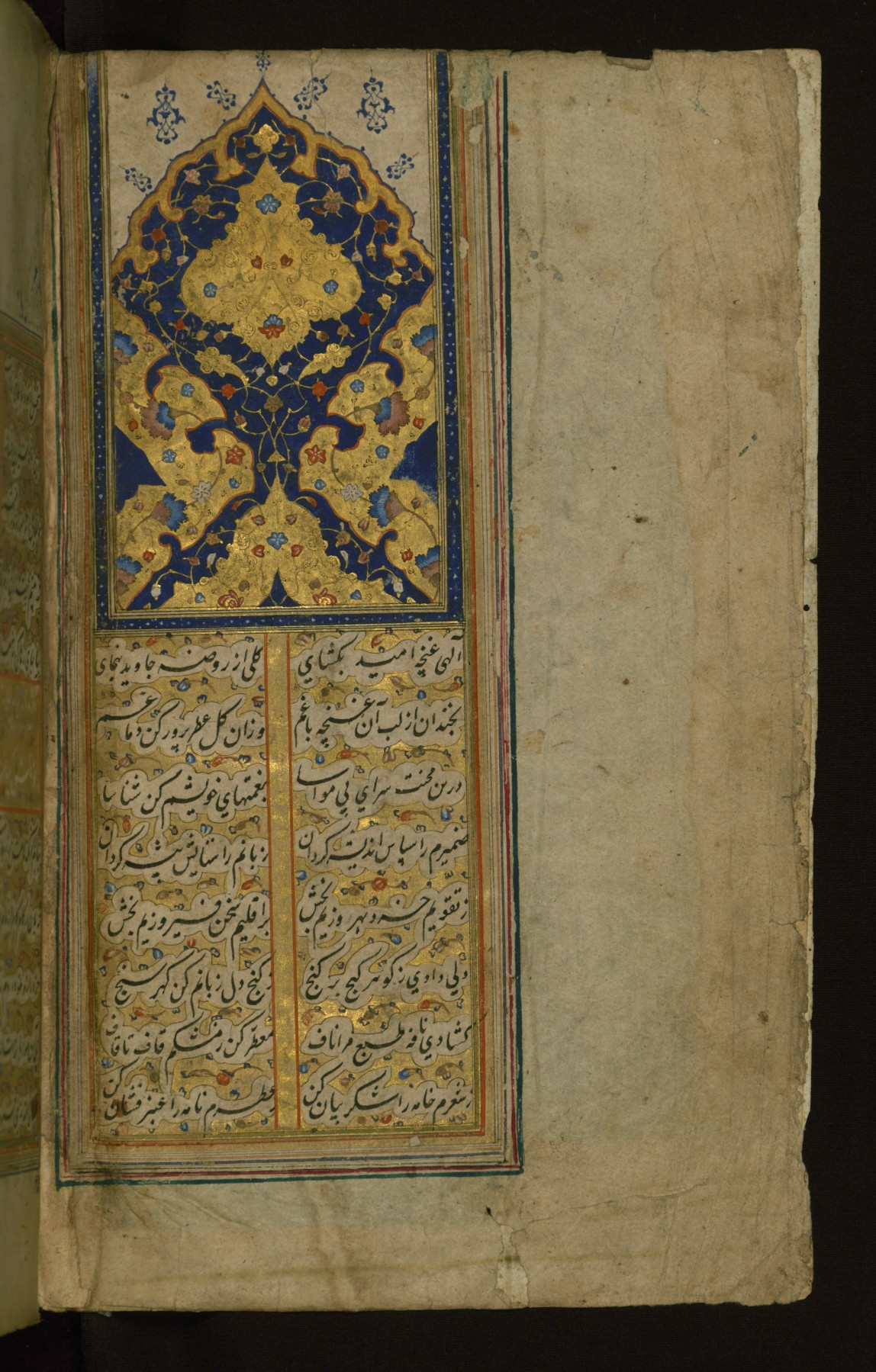
Jalal al-Din Rumi dies at Konya; his Masnavi, a Persian Sufi poem of some twenty-six thousand verses, becomes the most read book of Sufism, and the Mevlevi order formed by his disciples carries his path across the Turkish world.