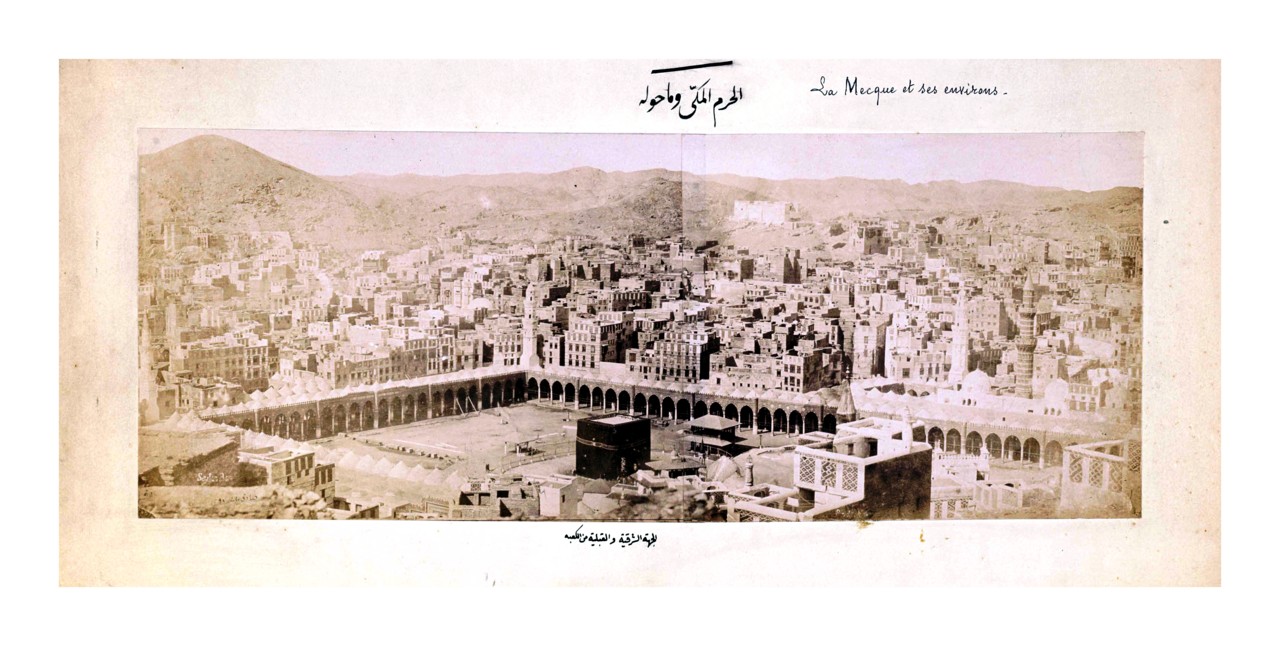
Birth of Muhammad
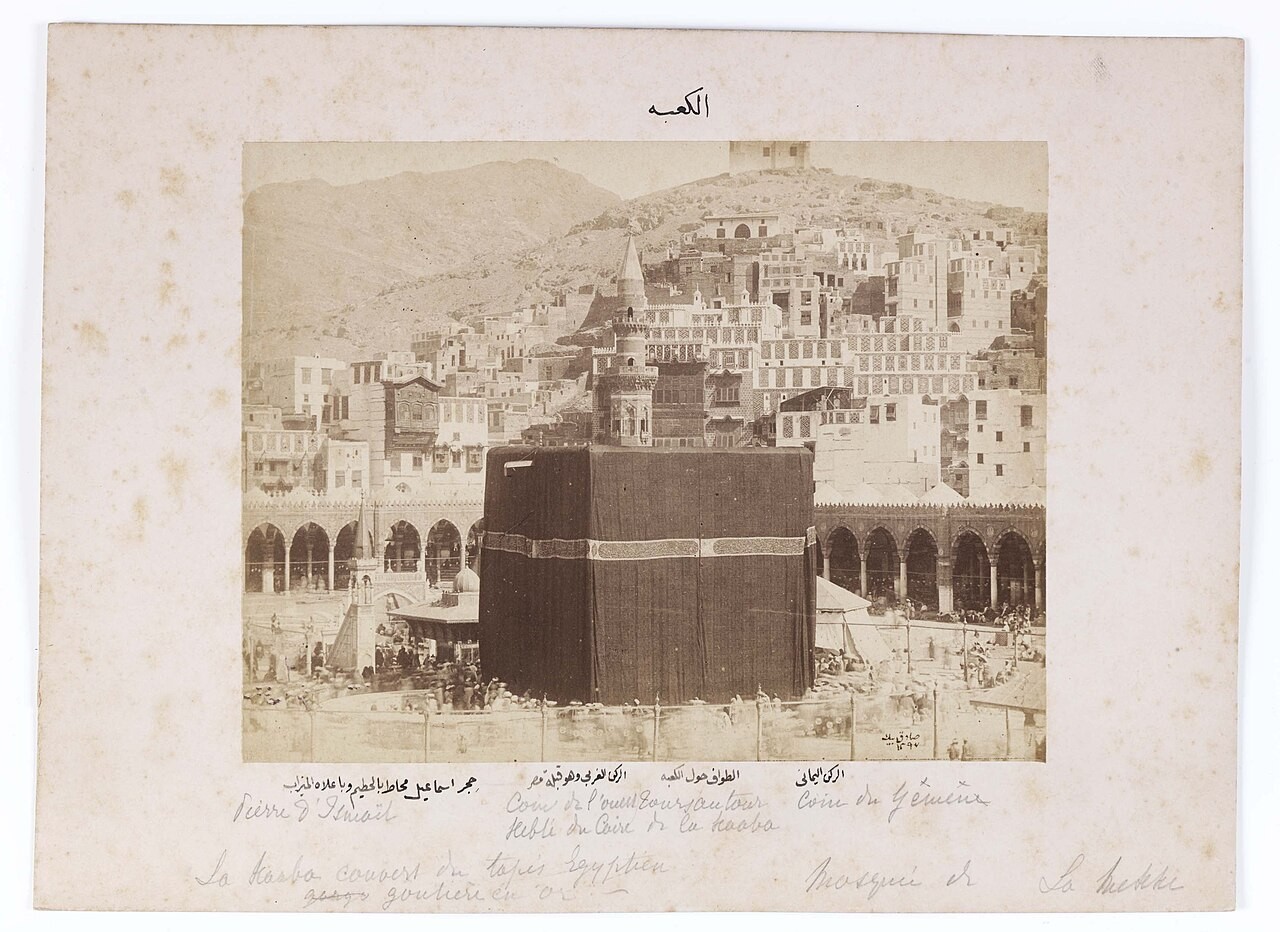
Muhammad is born in Mecca in the Year of the Elephant, as tradition names it; the sira literature preserves the account of his birth and childhood, and the date rests on that tradition rather than on contemporary records.
Search pages, essays, world views, libraries, and topics. Type at least two characters.
Eighteen accounts of what is real, each set out in its own terms and each with its own page.
All World Views Does God Exist?The Ibadi Islam stream of the Islam timeline.
Streams: All of Islam Sunni Islam Twelver Shia Islam Ibadi Islam Mu'tazila Hanbali Sufi Orders Ash'ari Modern Reformist Islam
Muhammad is born in Mecca in the Year of the Elephant, as tradition names it; the sira literature preserves the account of his birth and childhood, and the date rests on that tradition rather than on contemporary records.
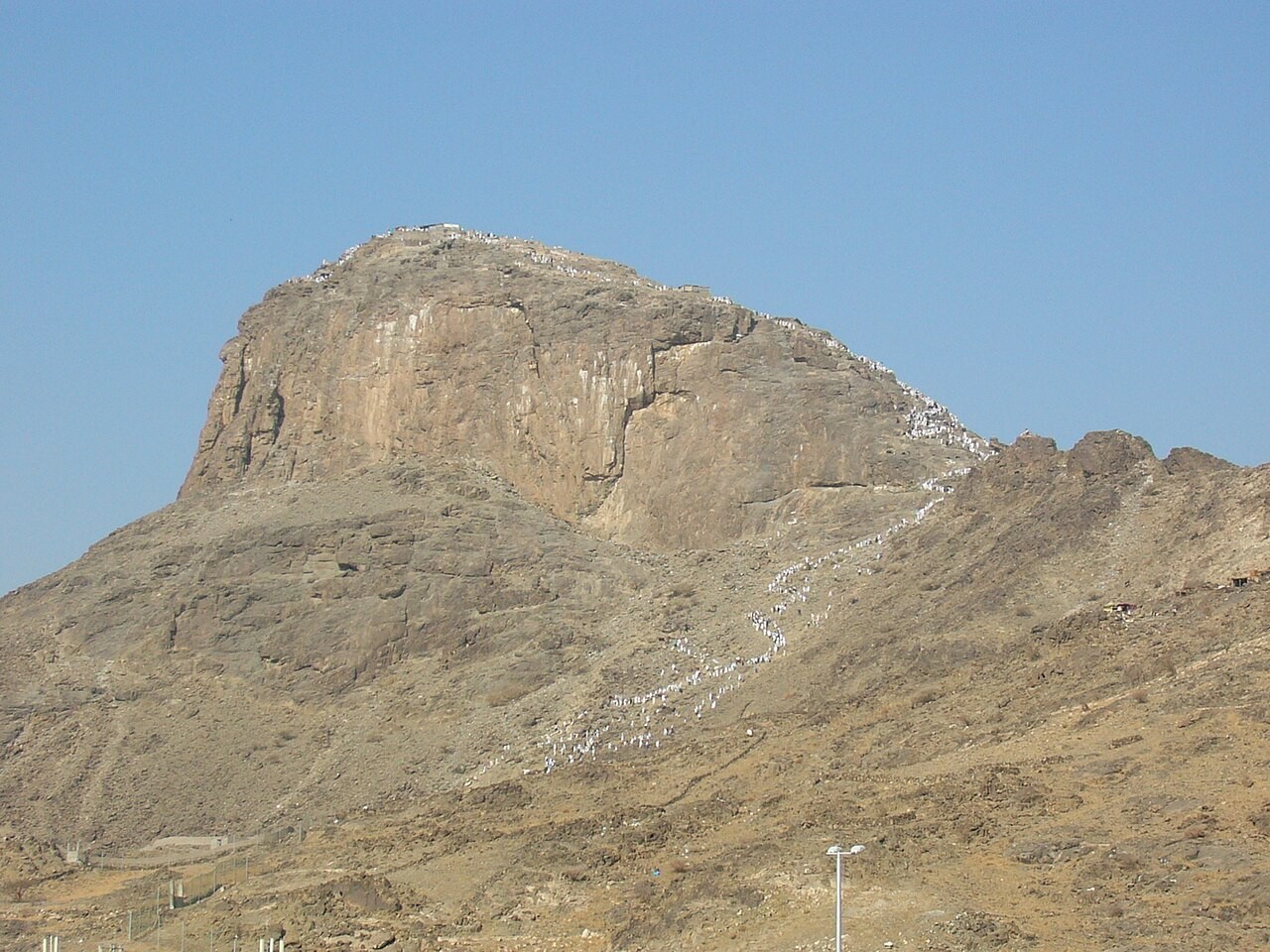
In retreat on Mount Hira outside Mecca, Muhammad receives the first revelation, the opening verses of what becomes Surah al-Alaq; Khadija and her cousin Waraqa confirm the experience, and the preaching that follows begins Islam.
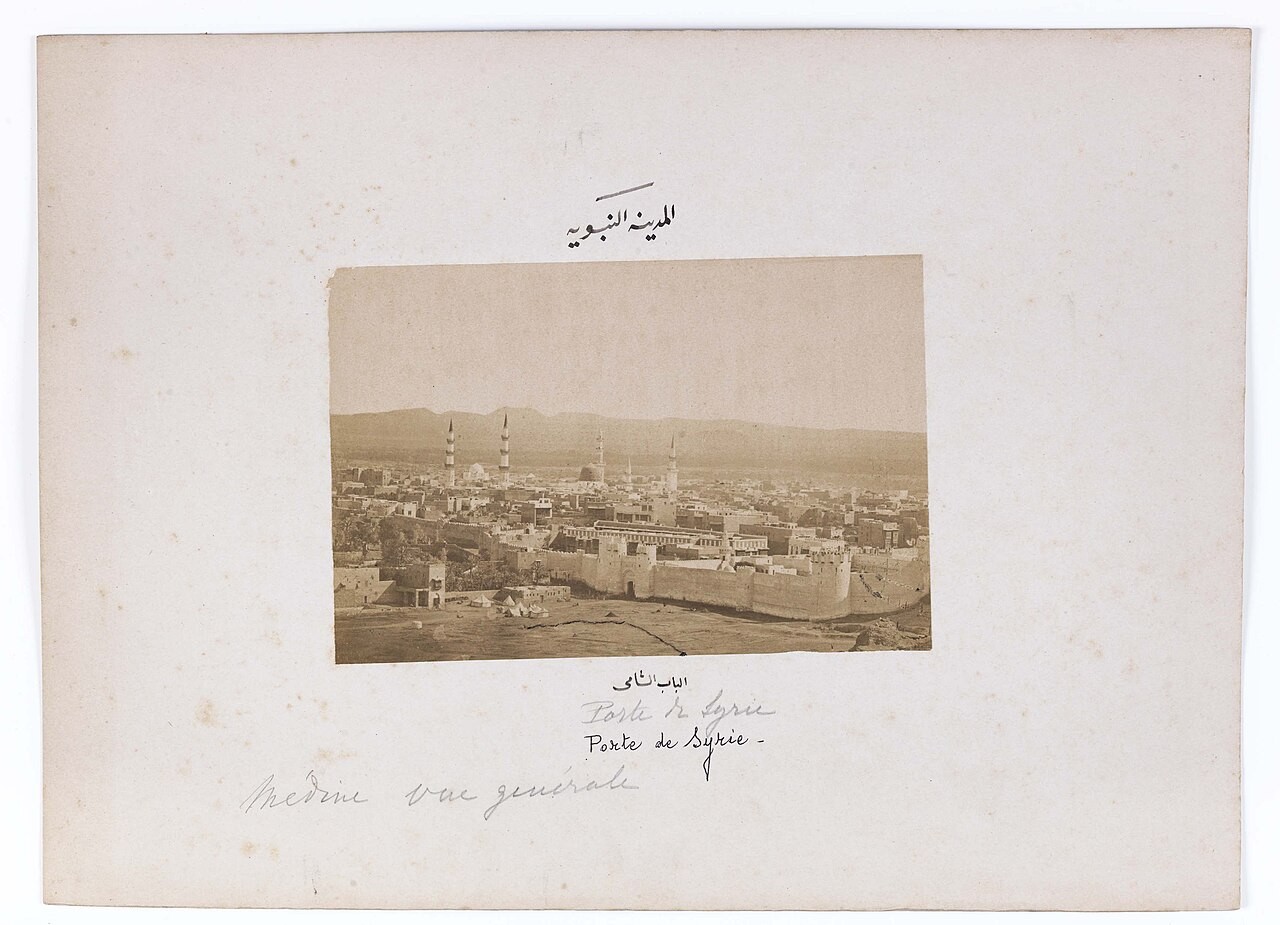
Muhammad and his followers emigrate from Mecca to Yathrib, renamed Medina, where he becomes the head of a community bound by the Constitution of Medina; the migration opens year one of the Islamic calendar.
A small Medinan force defeats a larger Meccan one at the wells of Badr during Ramadan; the victory, read in the Qur'an as divine aid, secures the young community and Muhammad's authority in Medina.
Muhammad returns to Mecca with a large army and takes the city nearly without bloodshed, declares a general amnesty, and clears the Kaaba of its idols; Mecca becomes the sanctuary center of Islam.
Muhammad dies in Medina after a short illness, months after the Farewell Sermon; he leaves no agreed successor named in a form all accept, and the question of who leads the community divides it from this day forward.
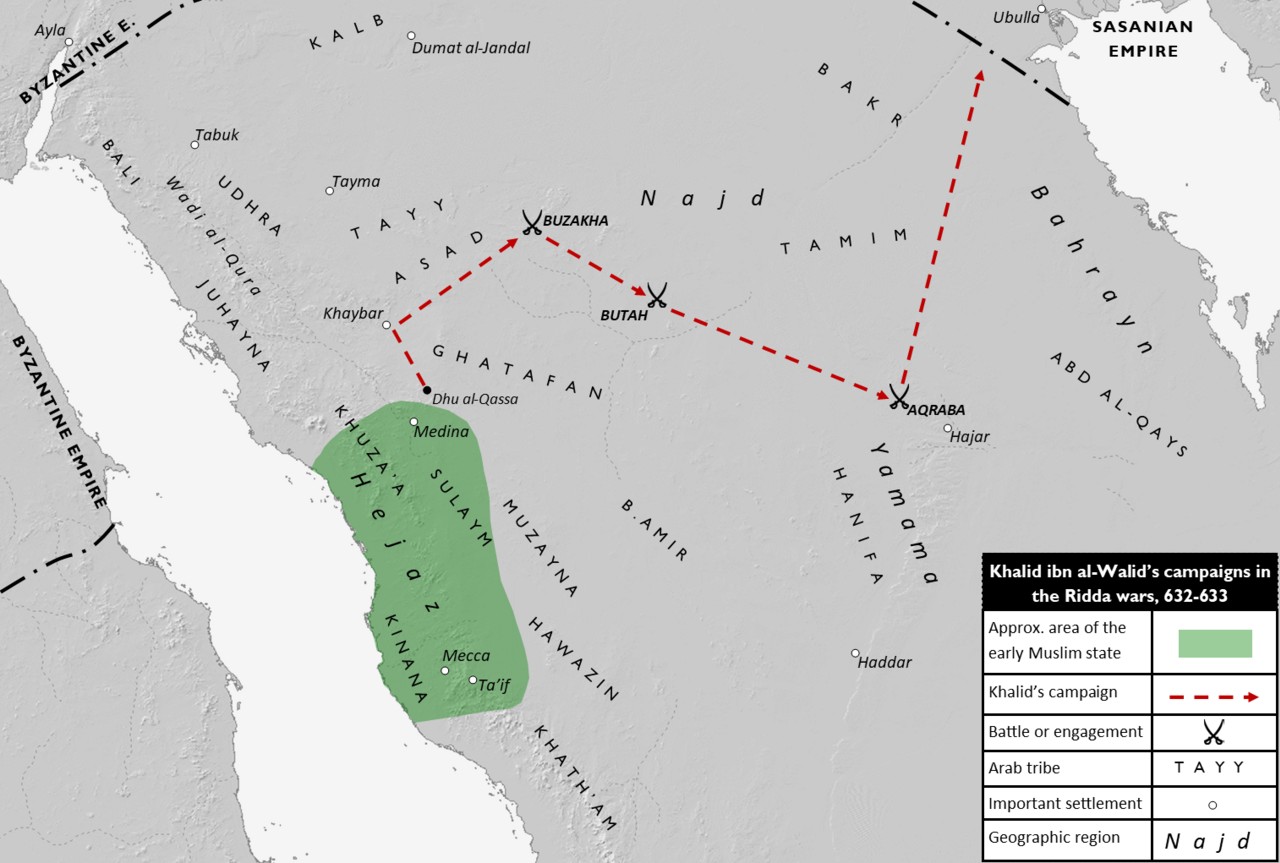
The community gathers at the Saqifa and chooses Abu Bakr, the Prophet's closest companion, as caliph; his short reign fights the Ridda wars against Arabian tribes that withhold allegiance, and begins the compilation of the Qur'an after the losses at Yamama.
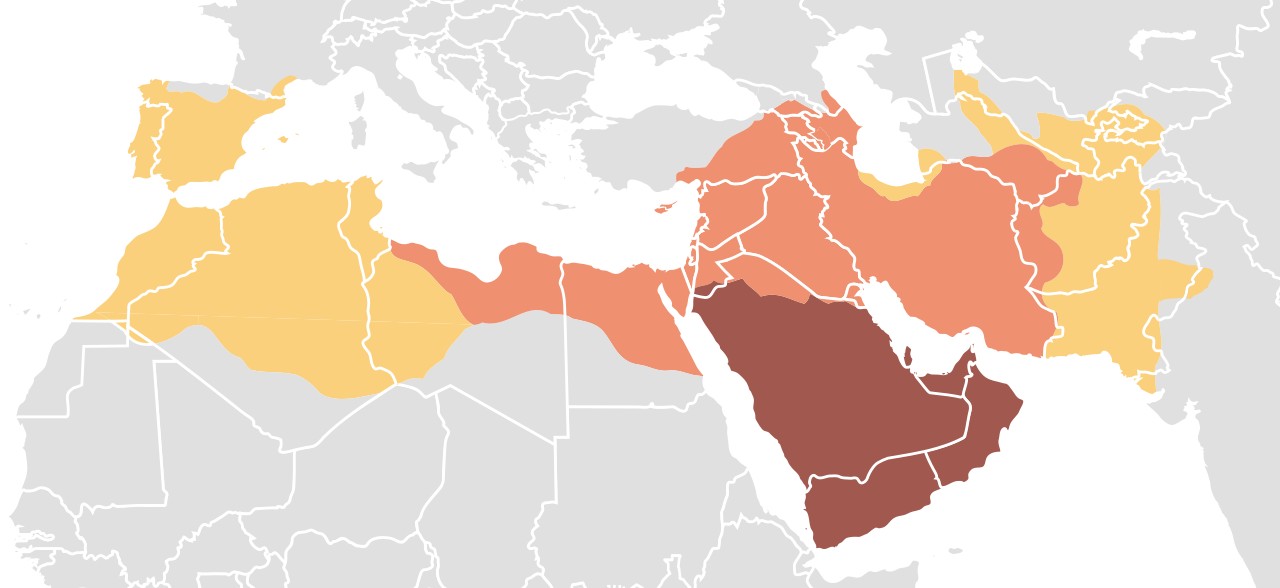
Under Umar the armies of Islam take Syria, Egypt, and Persia from the Byzantine and Sasanian empires; Umar organizes the conquered lands with garrison cities, a register of stipends, and the Hijri calendar, and is assassinated in the Medina mosque.
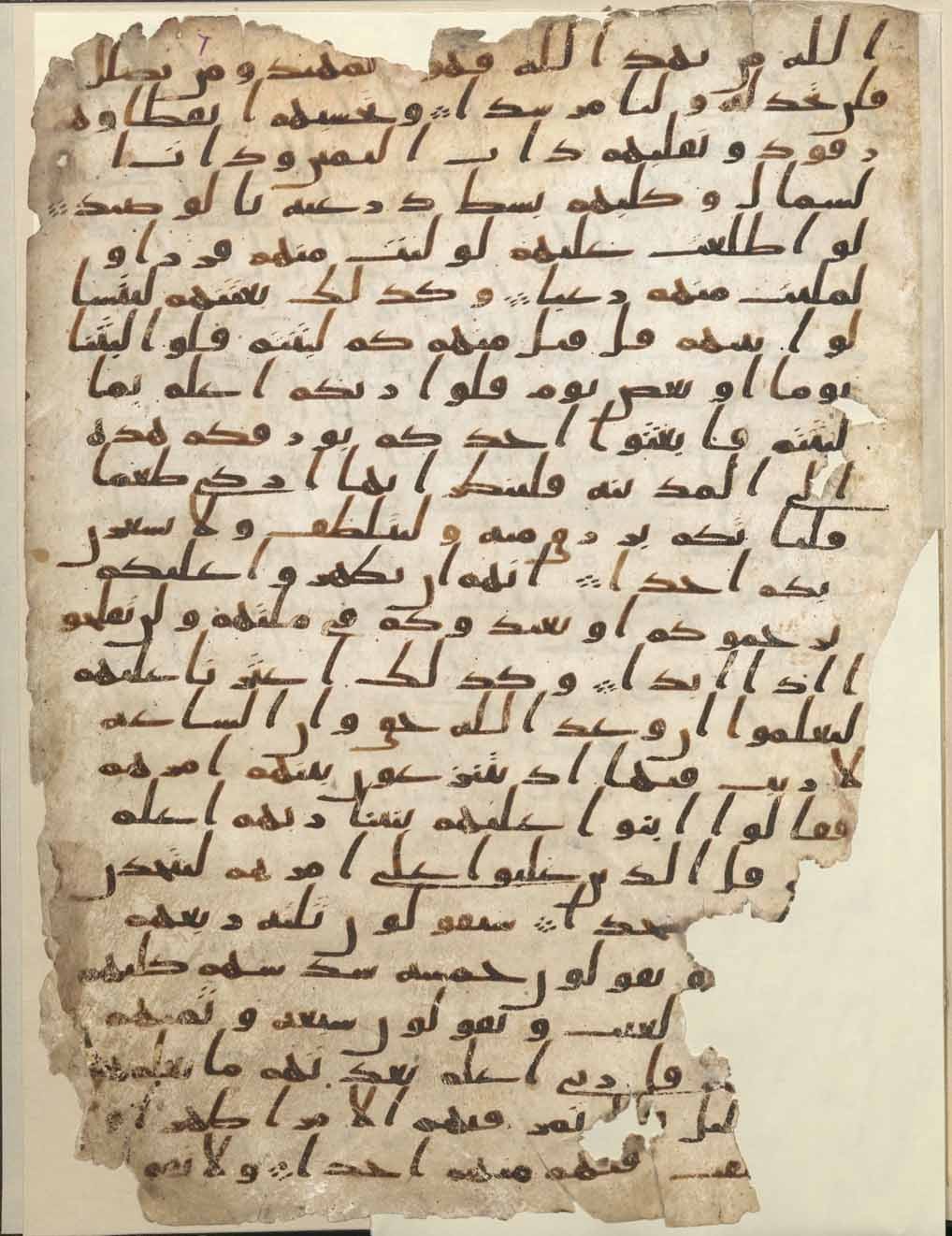
The caliph Uthman commissions Zayd ibn Thabit and a committee to fix one written text of the Qur'an and orders variant codices burned; the recension becomes the standard text of the Qur'an in use to this day.
Ali's battle with Mu'awiya at Siffin ends in arbitration; a party of Ali's own supporters secedes over the judgment, holding that judgment belongs to God alone, and from that secession the Khawarij emerge, among whose moderate heirs the Ibadi community traces its descent.
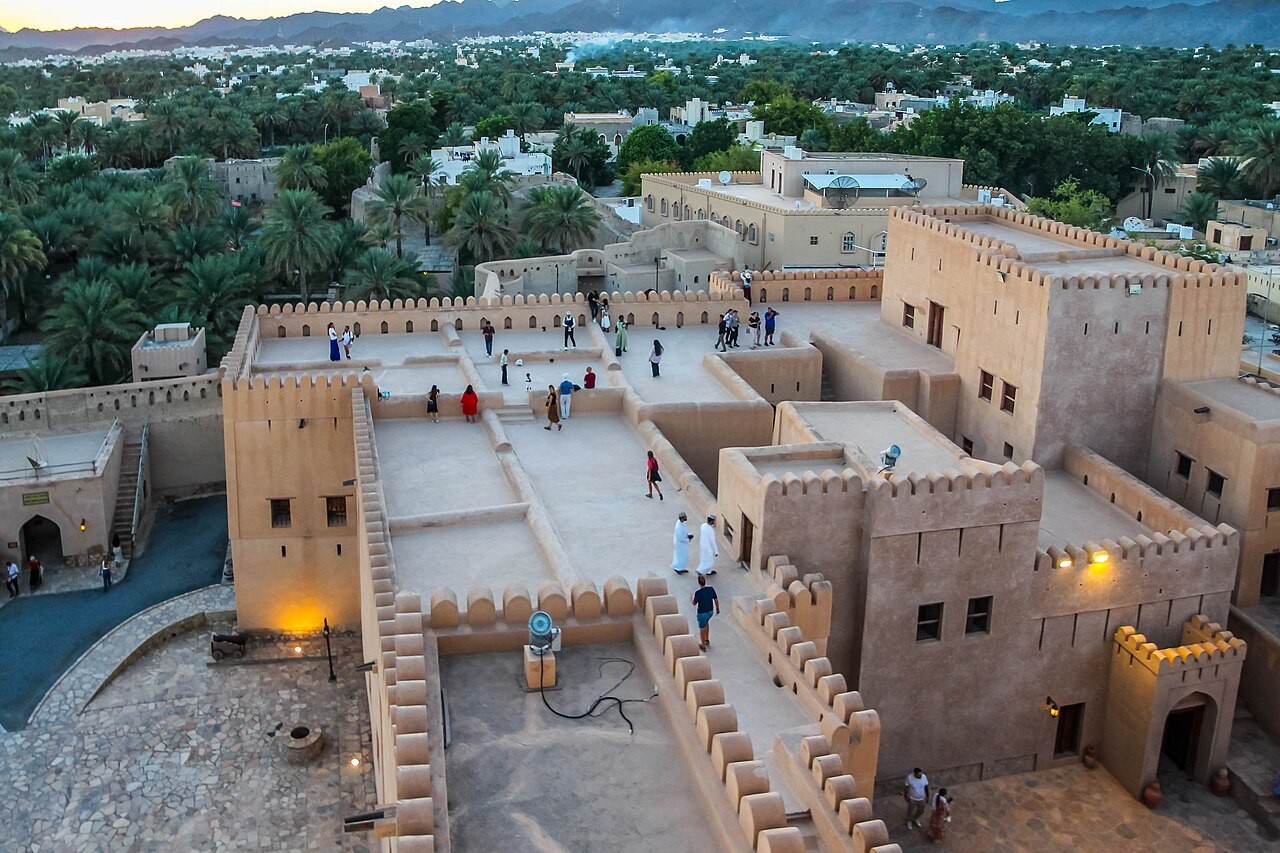
Oman's Ibadis elect al-Julanda ibn Mas'ud as imam, the first Ibadi imamate in Oman; the elective imamate, held to belong to the most qualified believer rather than to one lineage, becomes the lasting pattern of Ibadi rule in Oman.
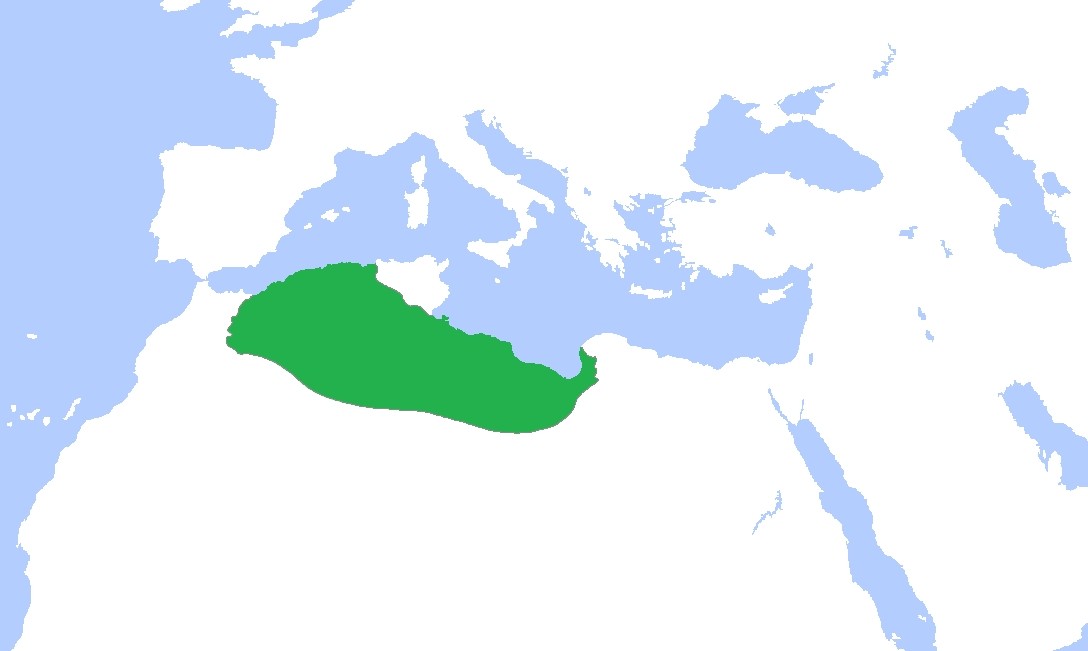
Abd al-Rahman ibn Rustam founds the Rustamid imamate at Tahert in the central Maghreb, an Ibadi state that endures for over a century and makes Tahert a center of Ibadi learning and trans-Saharan trade.