
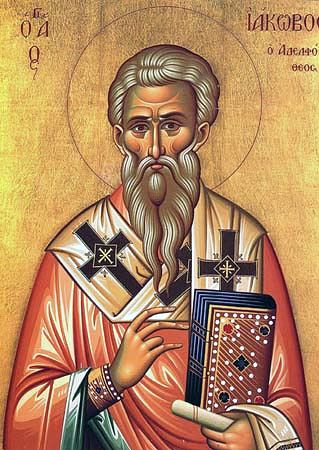
c. 49
Council of Jerusalem
The apostles and elders at Jerusalem decide that Gentile converts need not be circumcised or keep the whole law; the decision that makes a Gentile church possible.
Search pages, essays, world views, libraries, and topics. Type at least two characters.
 CCWV.LIFE
Support This Site
Eighteen accounts of what is real, each set out in its own terms and each with its own page.
All World Views Does God Exist?The Catholic stream of the Christianity timeline.
Streams: All of Christianity Catholic Eastern Orthodox Oriental Orthodox Anglican Lutheran Reformed and Presbyterian Anabaptist Baptist Methodist and Wesleyan Restorationist Pentecostal and Charismatic Independent and Non-denominational
The apostles and elders at Jerusalem decide that Gentile converts need not be circumcised or keep the whole law; the decision that makes a Gentile church possible.
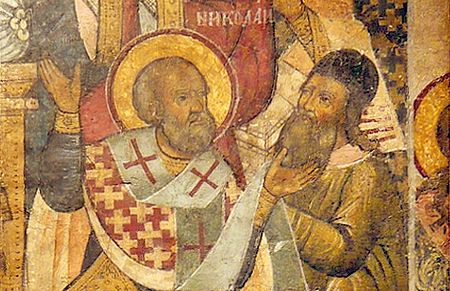
Constantine convenes the first ecumenical council at Nicaea, which condemns Arius and confesses the Son as homoousios; of the same being as the Father; in the original Nicene Creed.
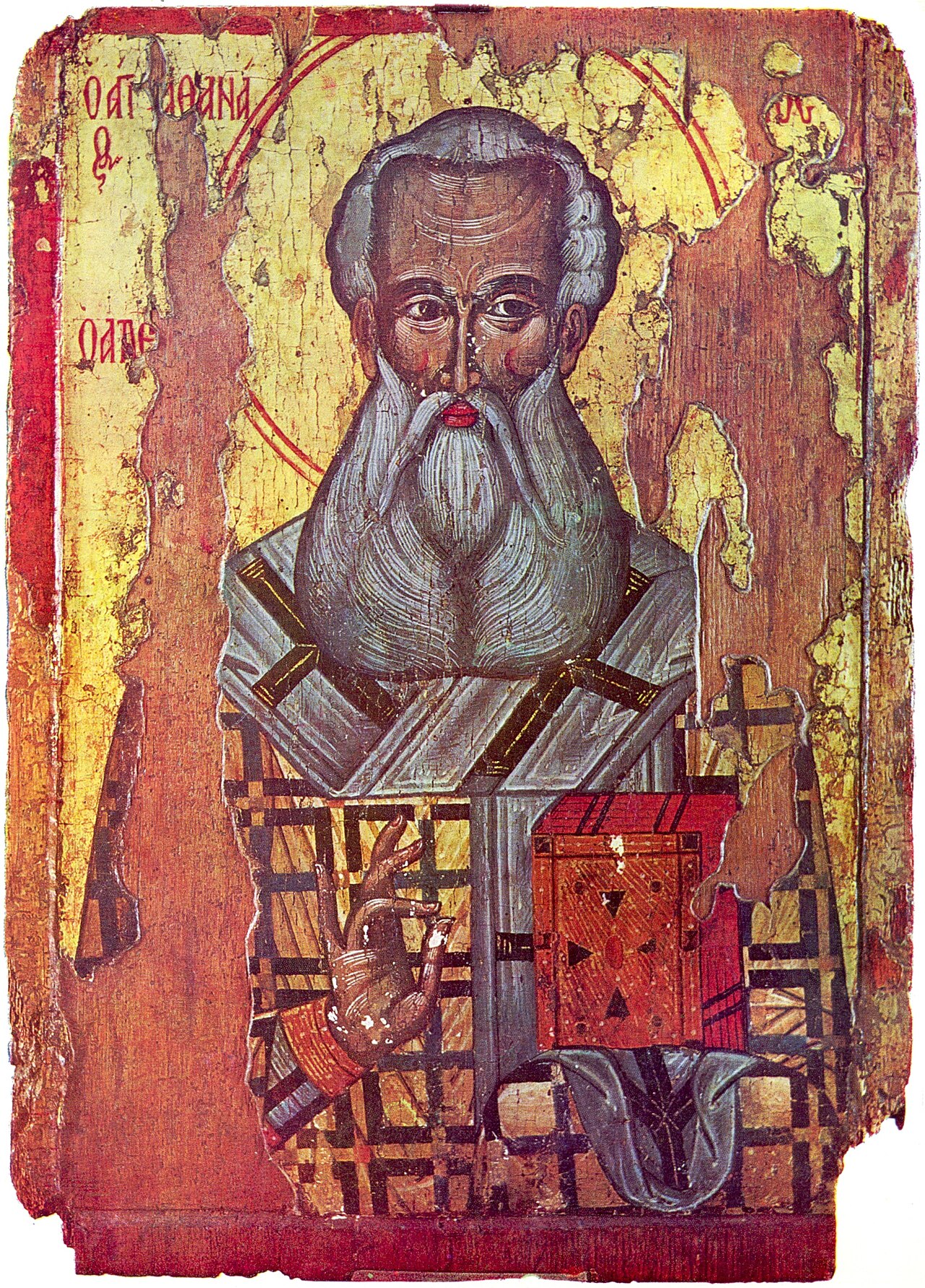
Athanasius of Alexandria's Easter letter lists the twenty-seven books of the New Testament; the earliest surviving list that matches the church's canon exactly.
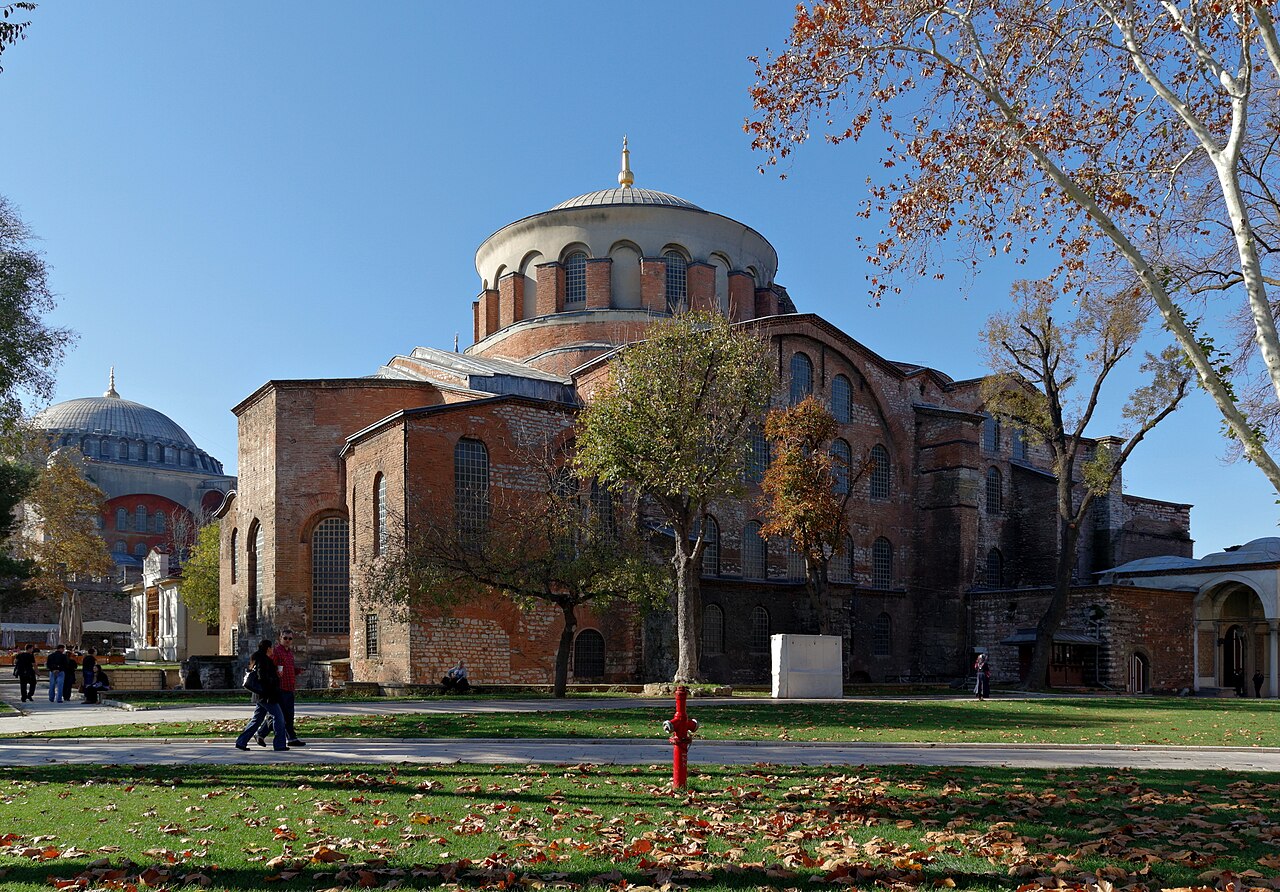
The second ecumenical council completes the Nicene confession, expanding the article on the Holy Spirit; its creed is the Nicene-Constantinopolitan Creed the church still recites.
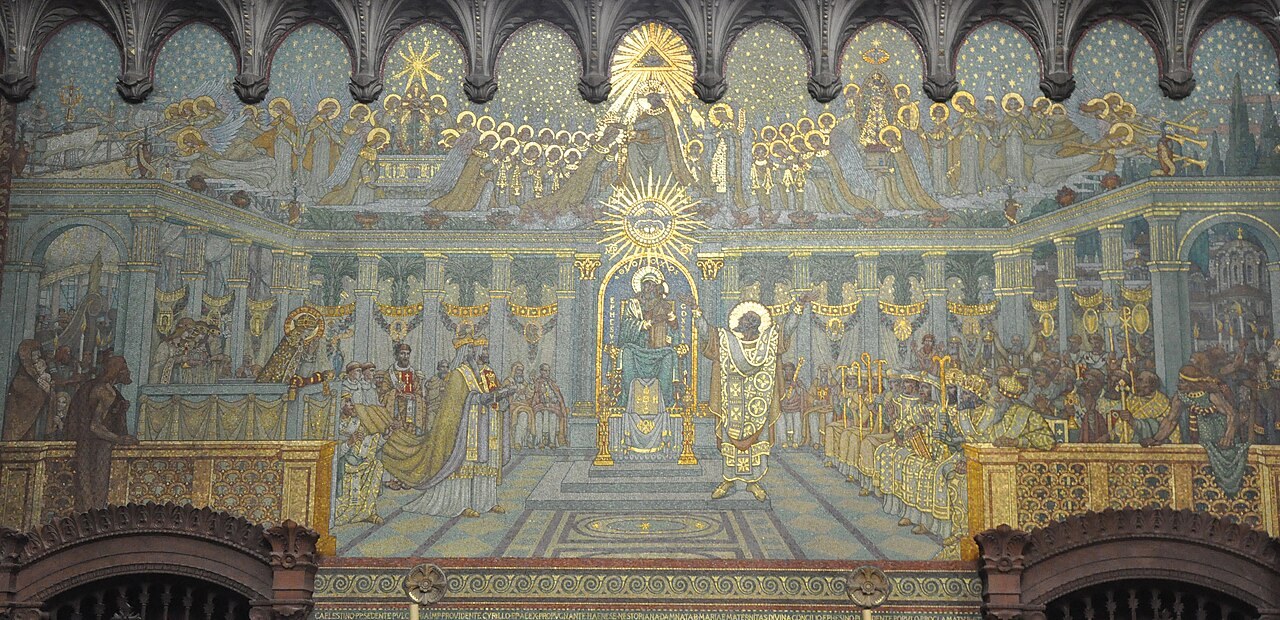
The third ecumenical council condemns Nestorius and confesses Mary as Theotokos, God-bearer; the Church of the East separates in the aftermath; the first lasting schism.
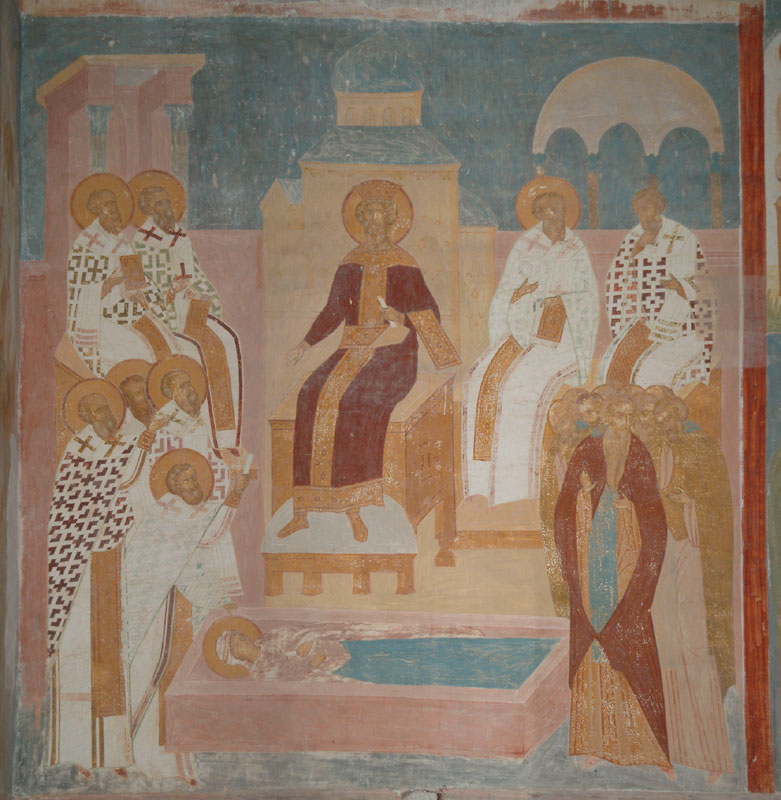
The fourth ecumenical council confesses Christ in two natures, without confusion or separation; the churches that refuse the definition become the Oriental Orthodox communion.
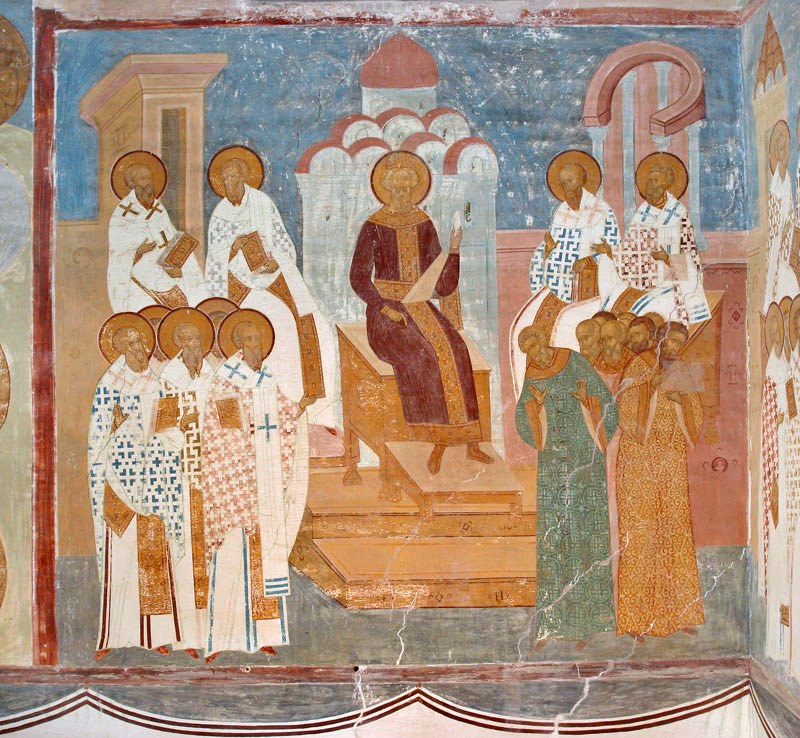
The fifth ecumenical council condemns the Three Chapters in Justinian's bid to reconcile the Chalcedonian and non-Chalcedonian churches; the reconciliation fails.
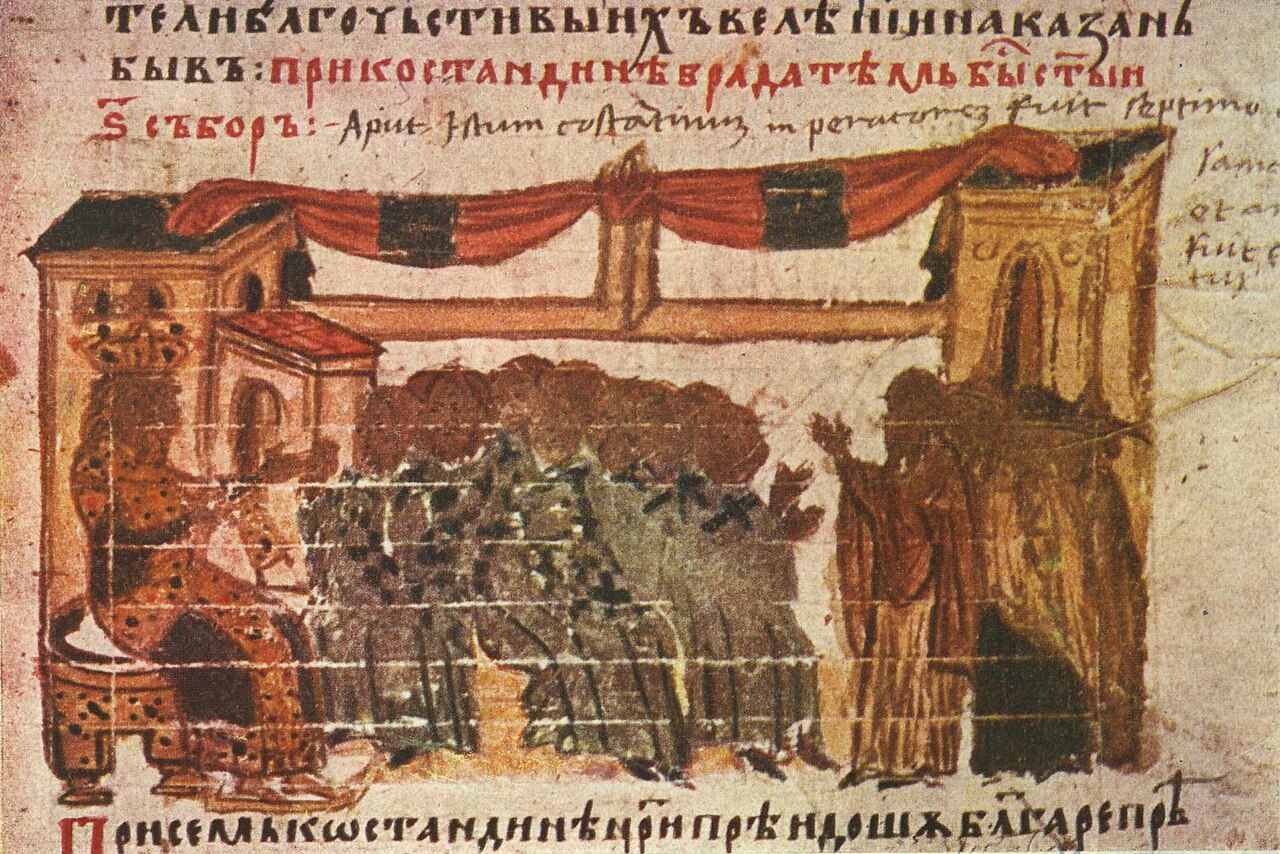
The sixth ecumenical council condemns Monothelitism and confesses two wills in Christ, vindicating Maximus the Confessor a generation after his death.
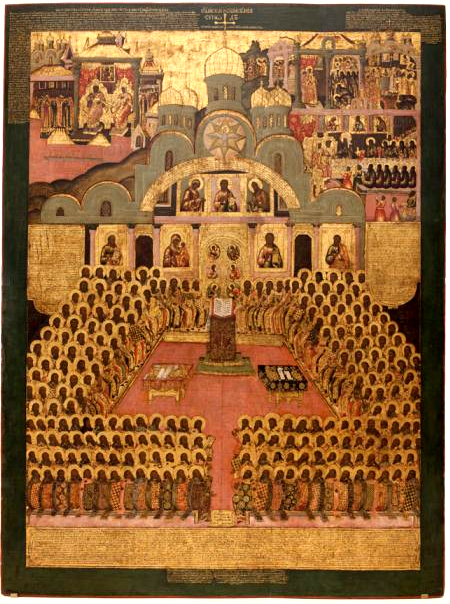
The seventh ecumenical council restores the icons and defines the distinction the church still uses: veneration (proskynesis) for images, true worship (latreia) for God alone.
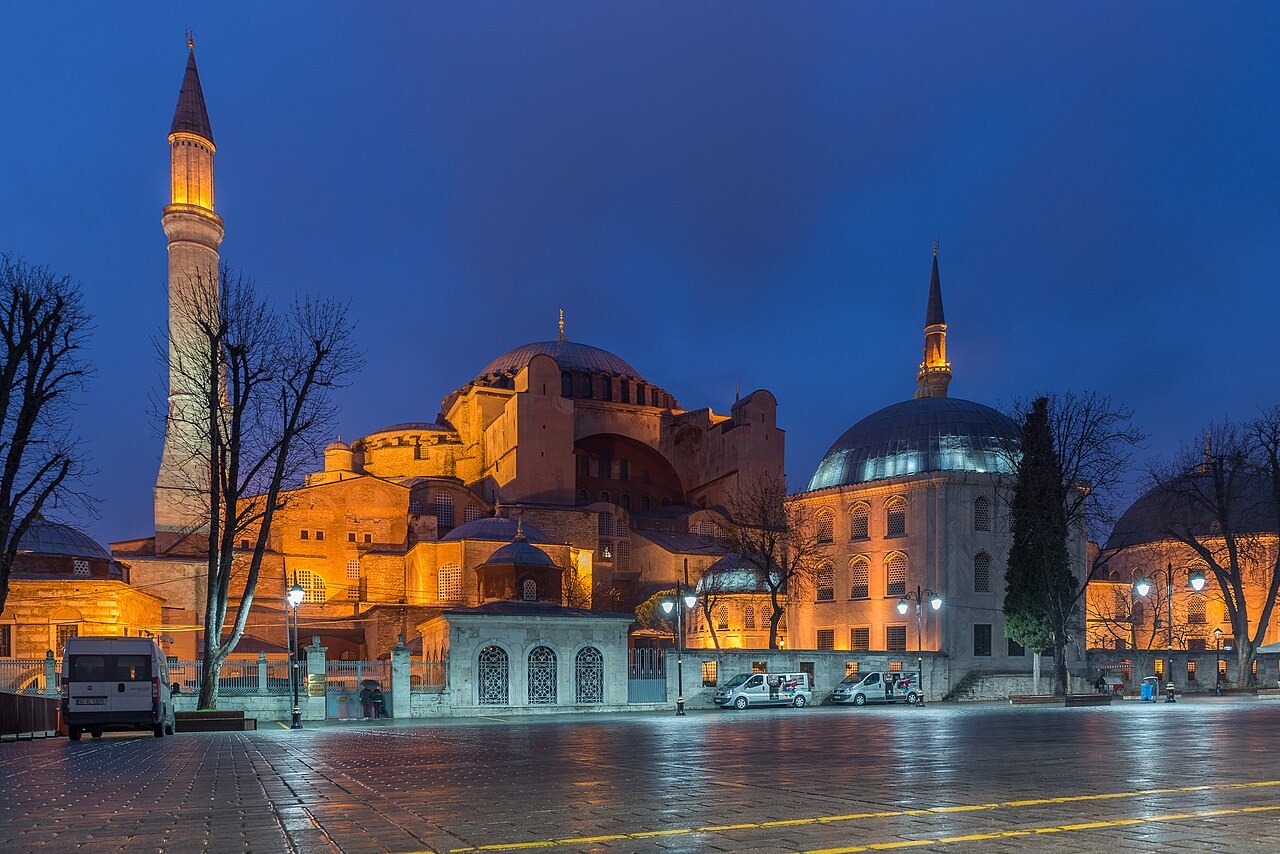
Legates of Leo IX lay a bull of excommunication on the altar of Hagia Sophia and Patriarch Cerularius answers in kind; the mutual anathemas formalize the rupture between Rome and Constantinople.
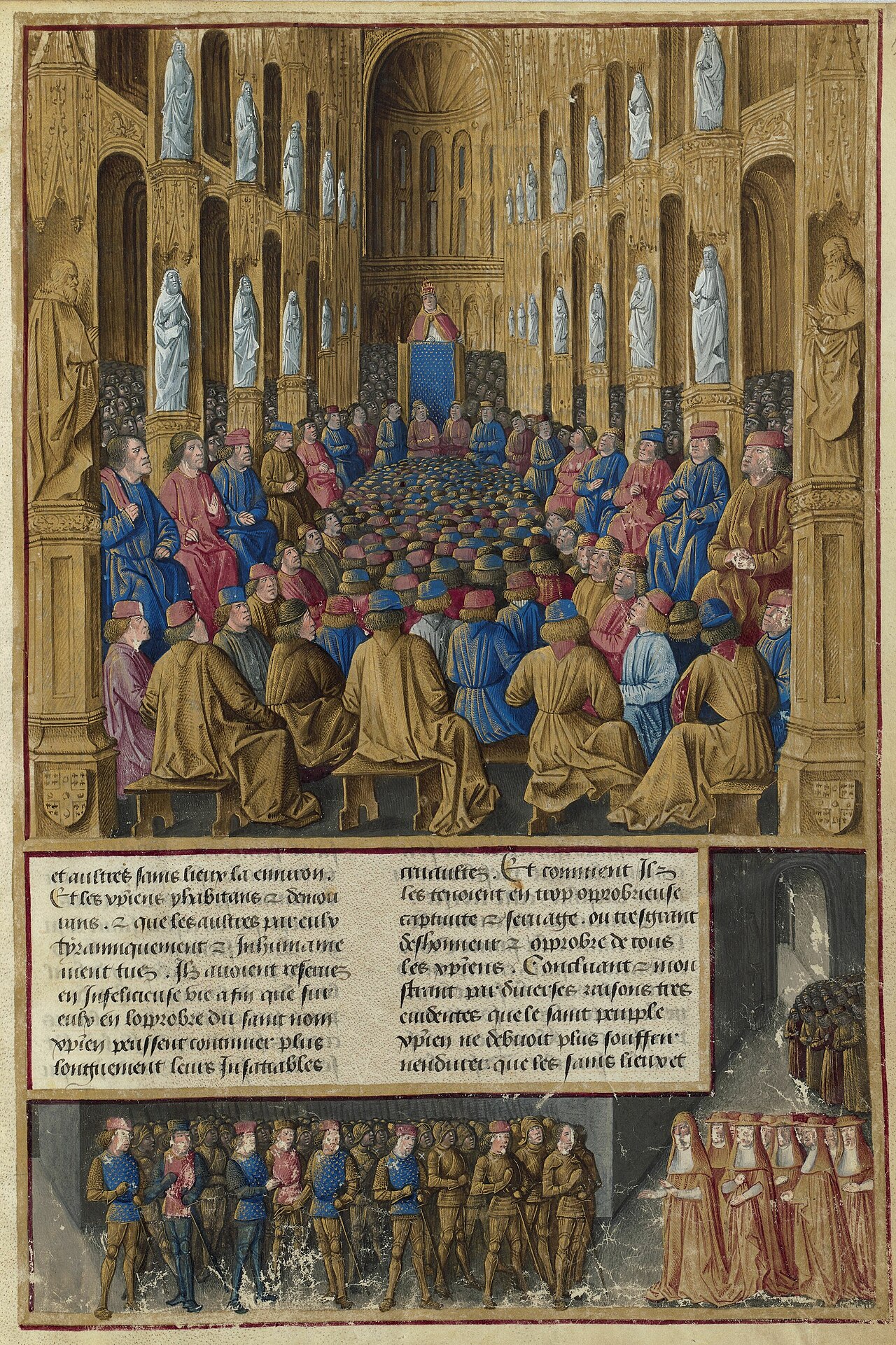
Urban II preaches at Clermont and calls the armed pilgrimage to the Holy Land; the crusading movement begins.
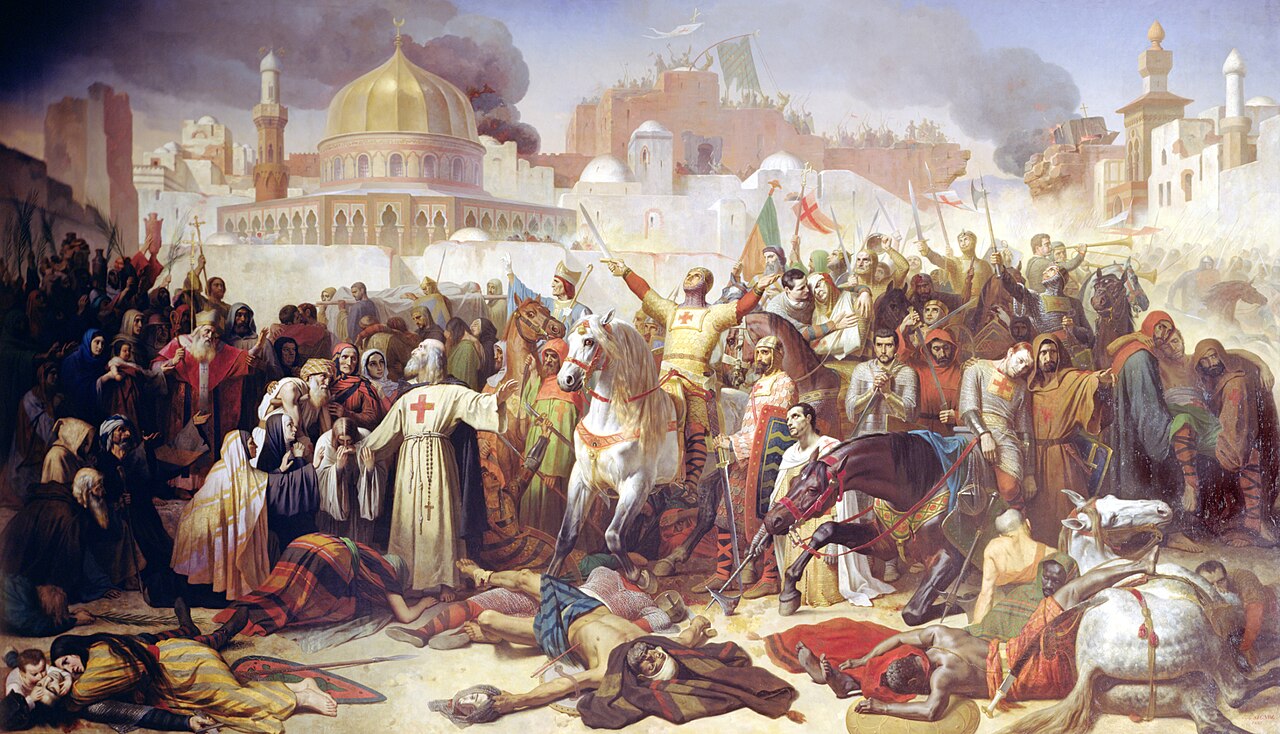
The First Crusade storms Jerusalem after a five-week siege and massacres its inhabitants; the Latin Kingdom is established.
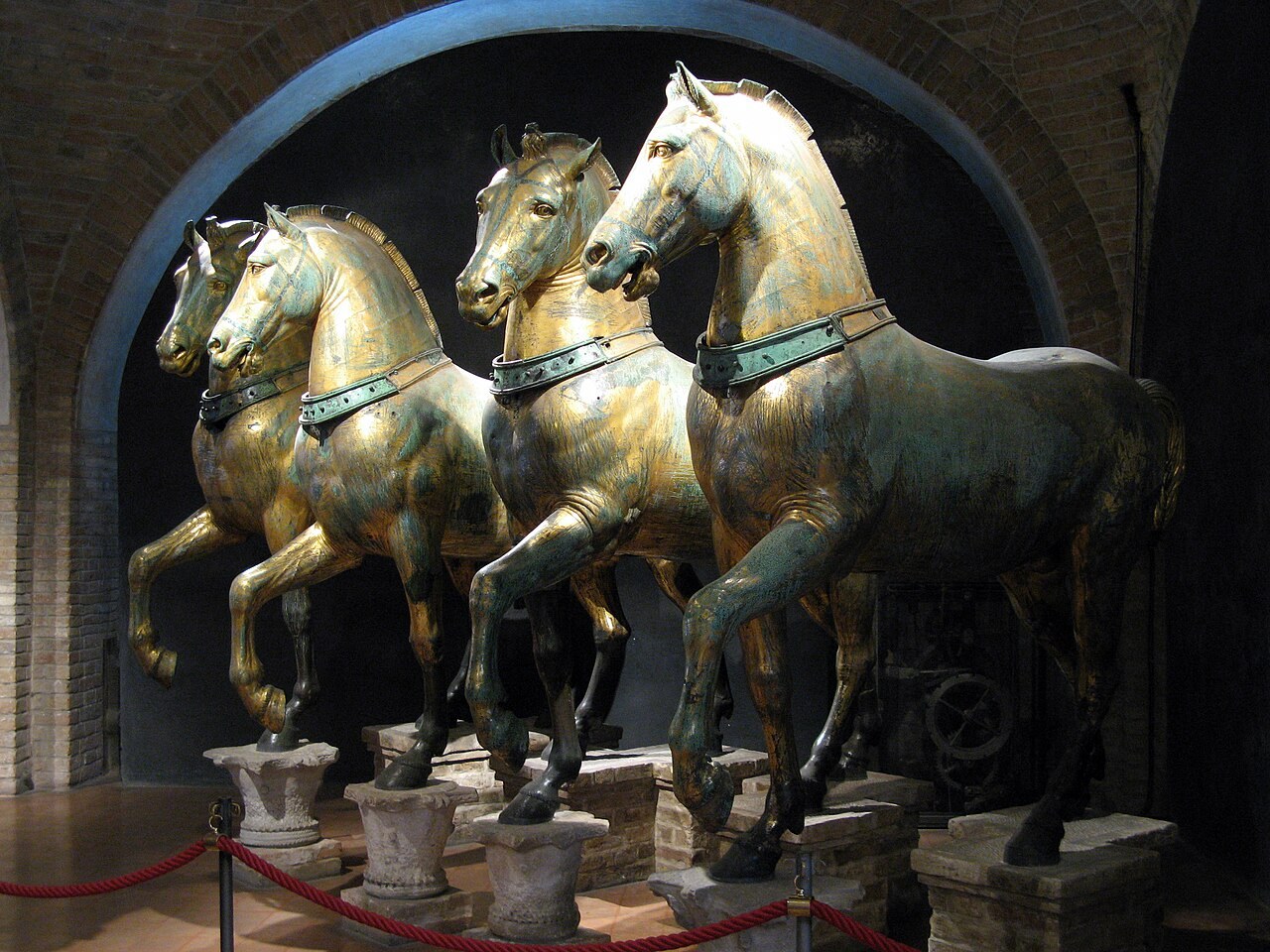
Diverted crusaders storm and sack Constantinople, enthroning a Latin emperor and patriarch; the outrage hardens the schism of 1054 into permanence.
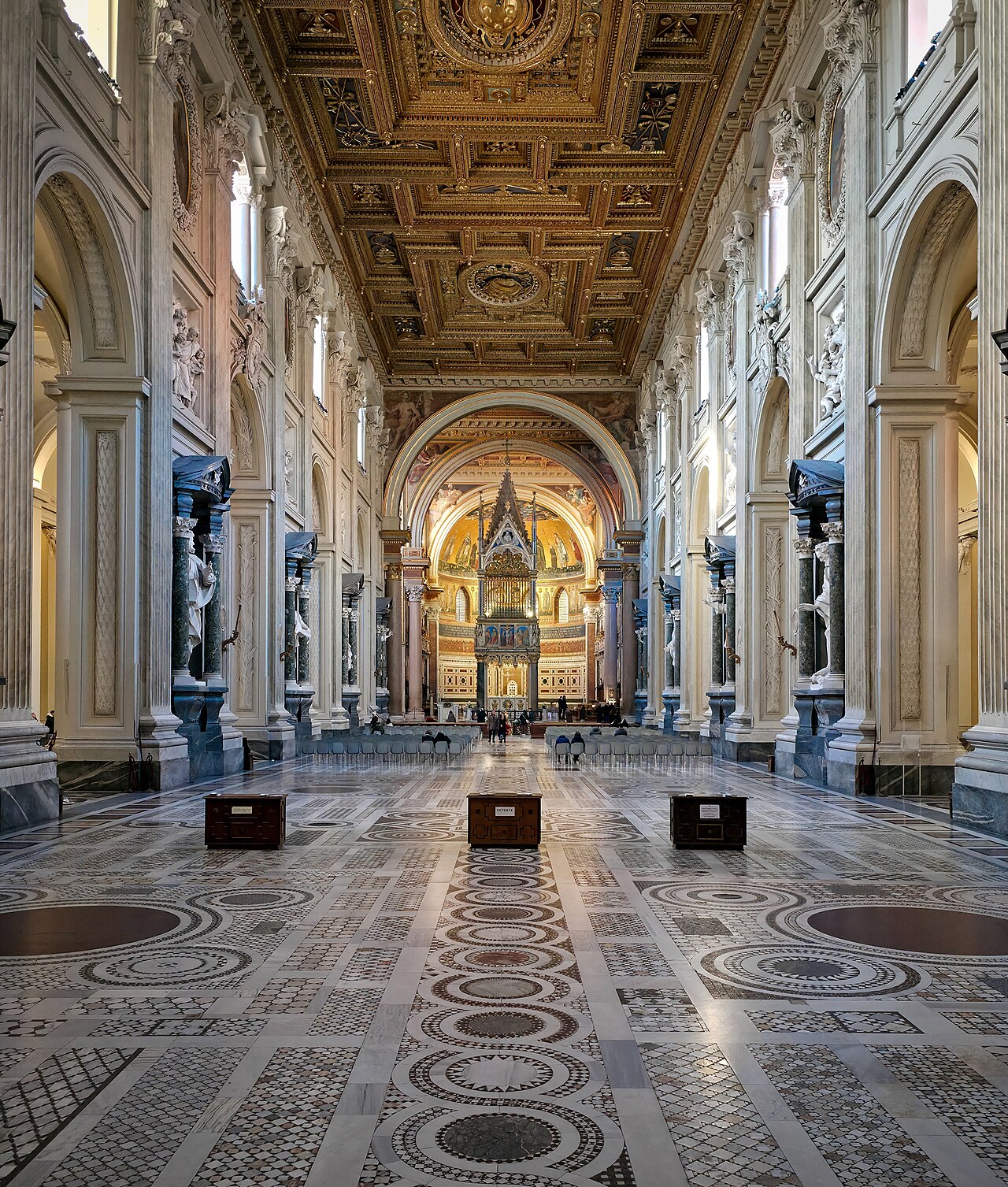
Innocent III's council defines transubstantiation, requires annual confession and Easter communion, and legislates for the medieval church at its most confident.
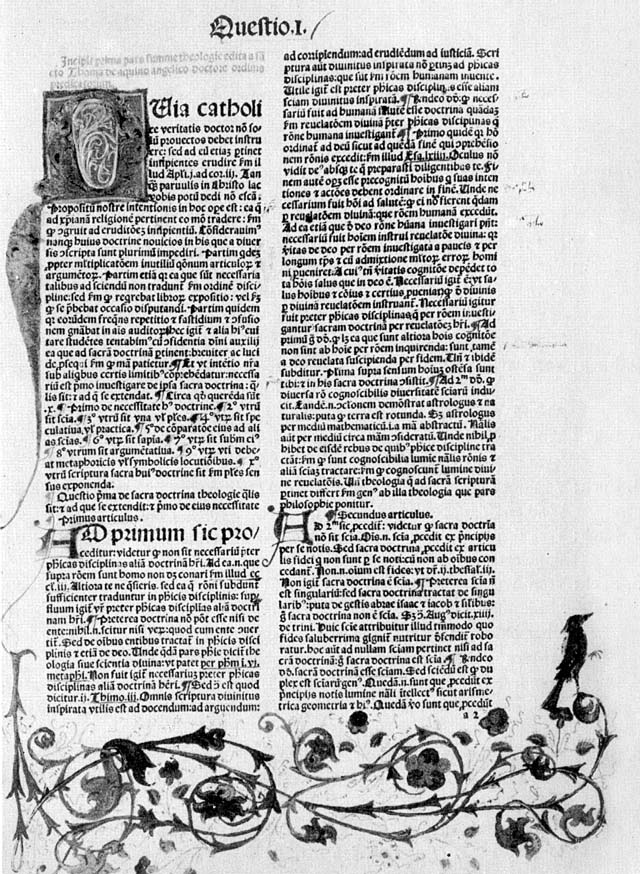
Thomas Aquinas leaves the Summa unfinished at his death the following year; the work becomes the standard synthesis of Catholic theology.
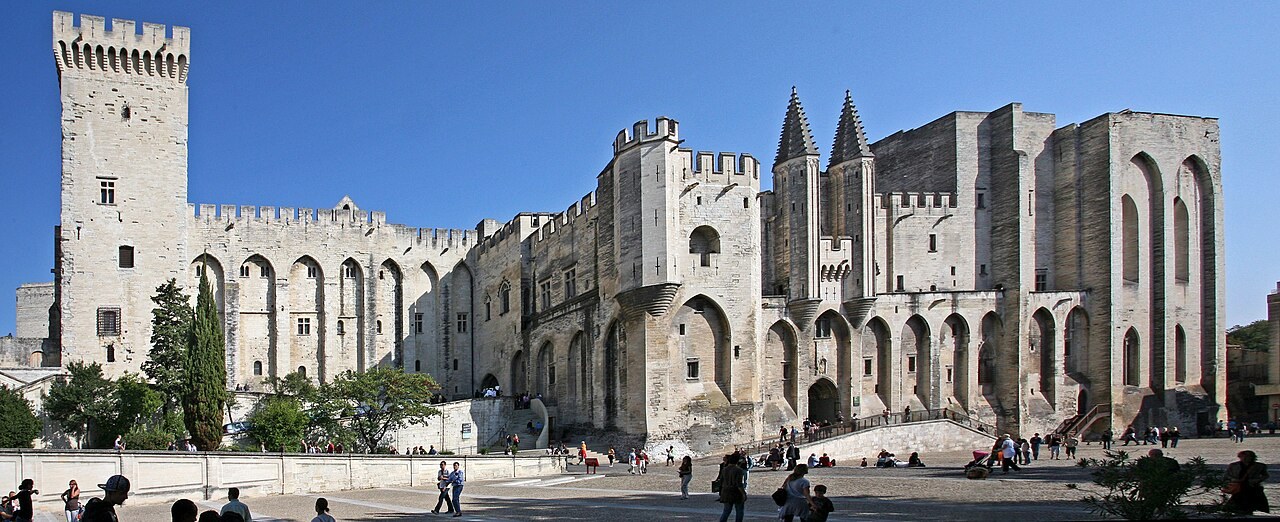
Seven popes reign from Avignon under French influence; Catherine of Siena's pleading and Petrarch's scorn frame the period the Italians called a Babylonian captivity.
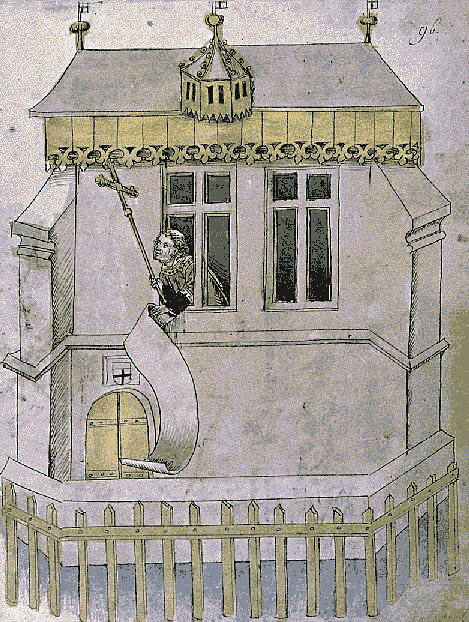
Rival popes at Rome and Avignon; and after Pisa, a third; divide Latin obedience for a generation, until the Council of Constance restores a single see.
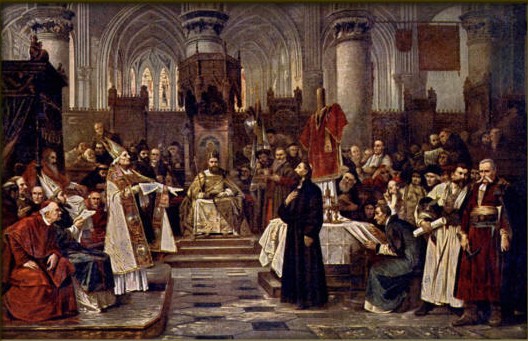
The Council of Constance condemns Jan Hus and burns him despite his safe-conduct; the Hussite wars follow in Bohemia, a century before Luther.
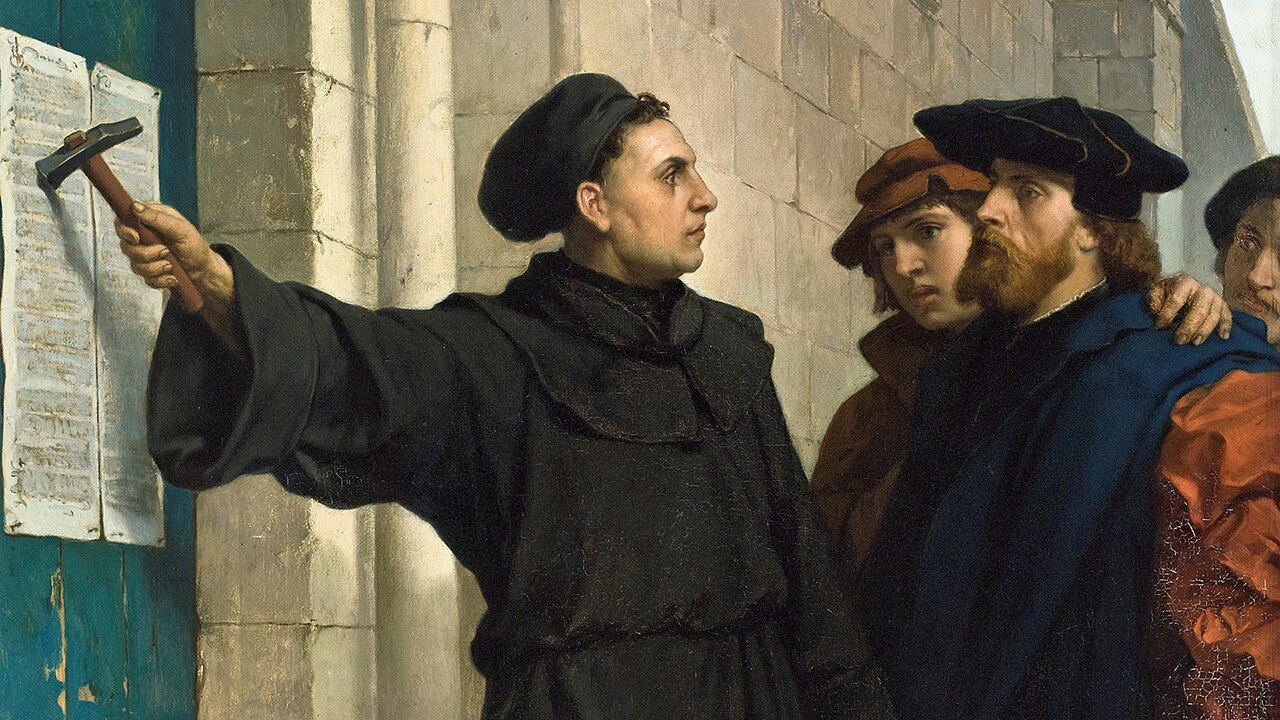
Martin Luther publishes his theses against indulgences at Wittenberg; the Reformation begins.
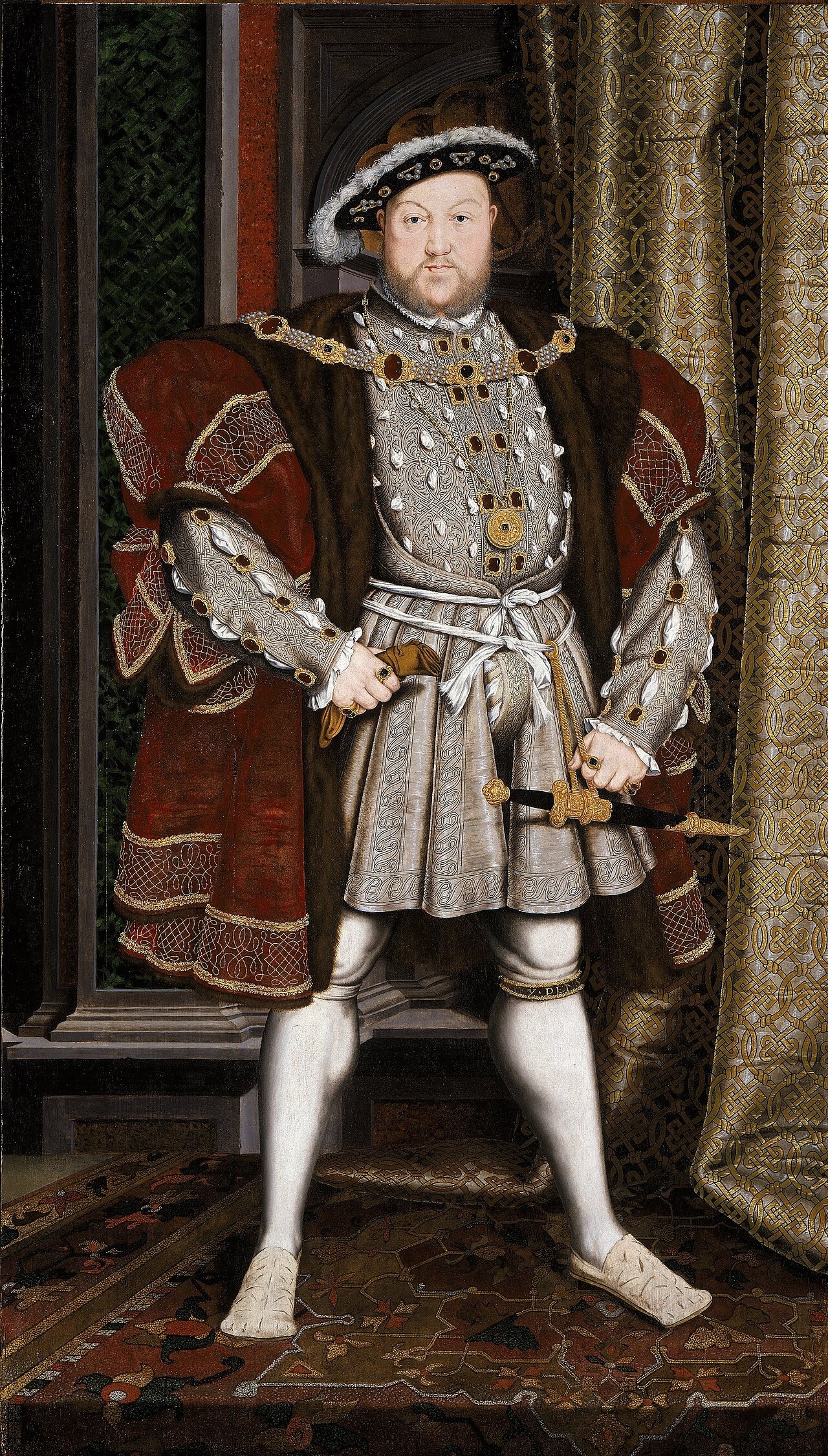
England's Act of Supremacy makes Henry VIII head of the Church of England; the same year Ignatius of Loyola and his companions take their vows at Montmartre, founding the movement that becomes the Society of Jesus.
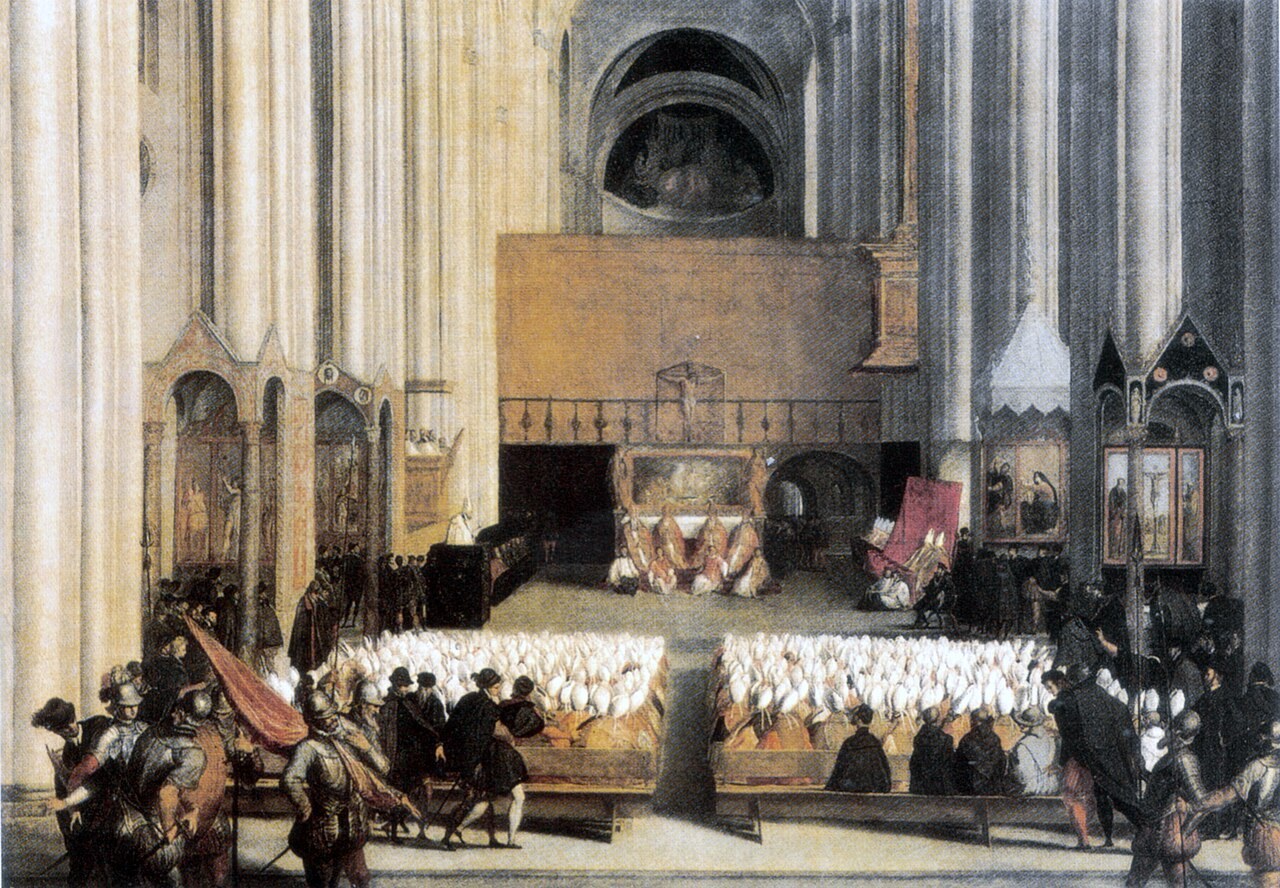
Across eighteen years and three convocations, Trent defines Catholic doctrine against the Reformation and reforms the clergy; the Tridentine settlement governs Catholic life for four centuries.
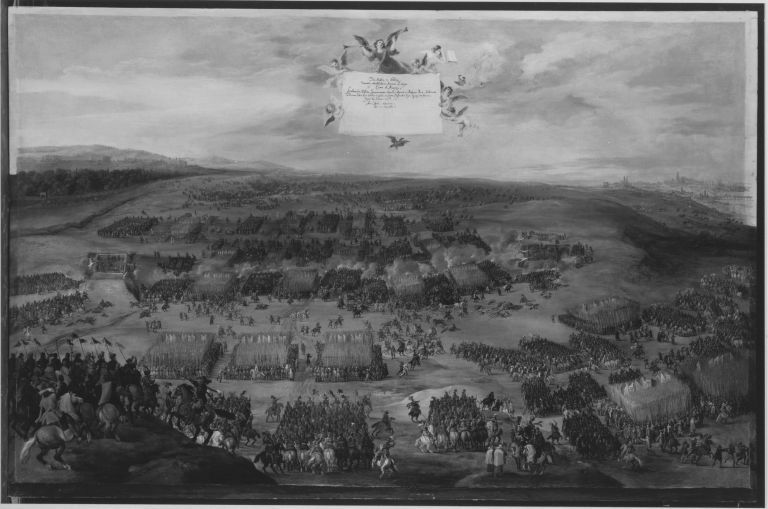
The last and deadliest of Europe's wars of religion devastates the German lands before exhaustion produces a settlement.
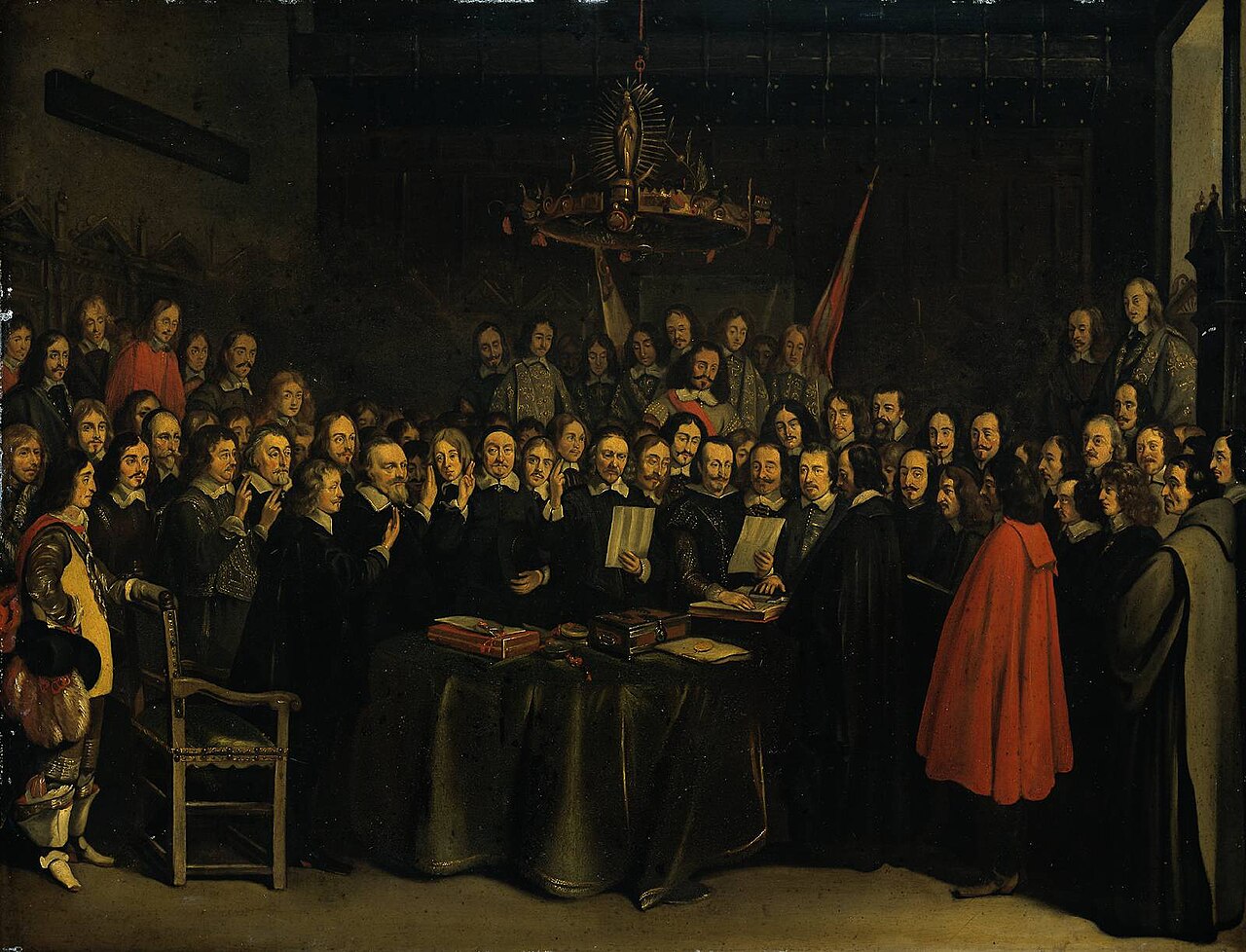
The treaties of Münster and Osnabrück end the war and settle the confessional map of the empire on the principle of cuius regio, eius religio, extended to the Reformed.
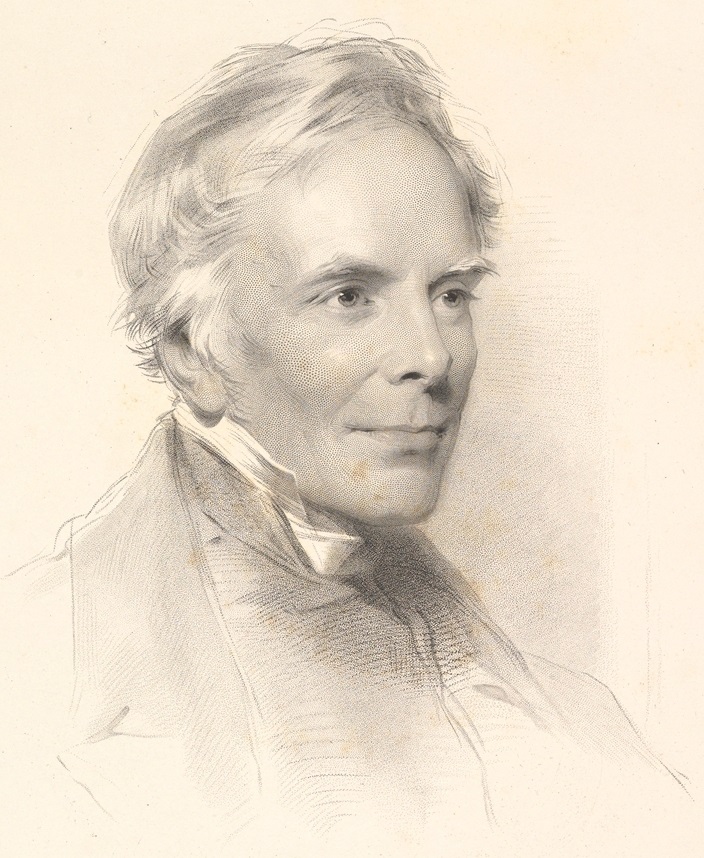
Keble's sermon on National Apostasy opens the Oxford Movement; Newman, Pusey, and the Tracts for the Times press the Church of England toward its Catholic inheritance.
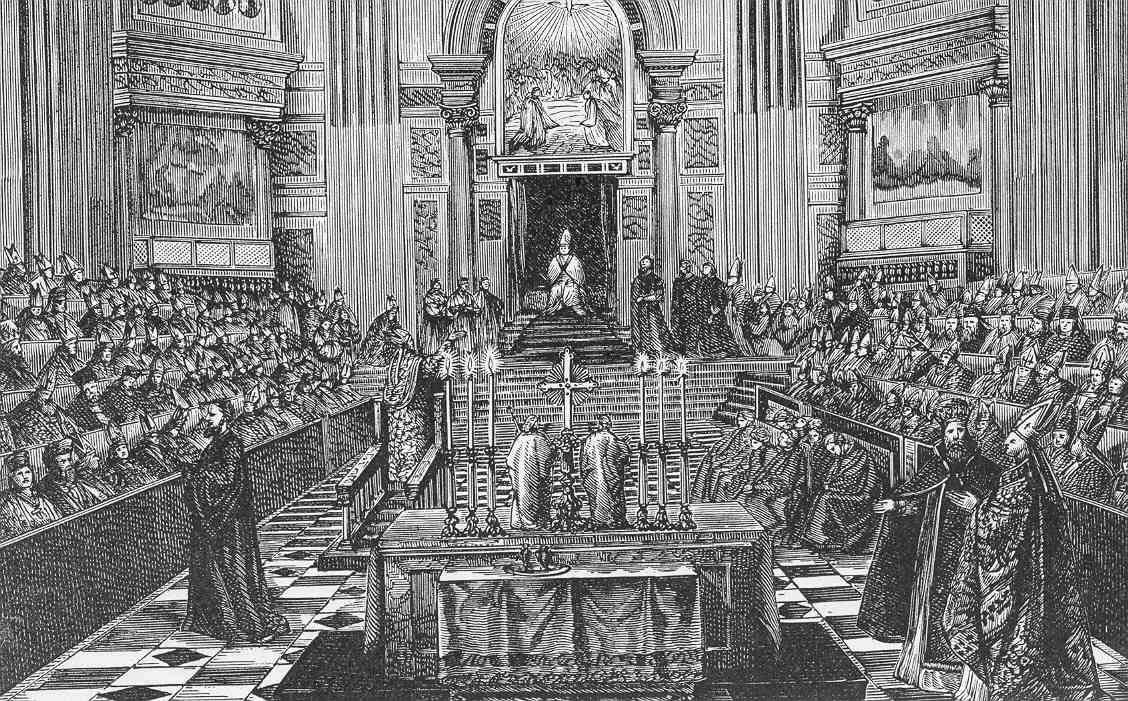
Vatican I defines papal infallibility in Pastor Aeternus; the Old Catholic churches separate in refusal, and the council suspends unfinished as Rome falls to Italy.
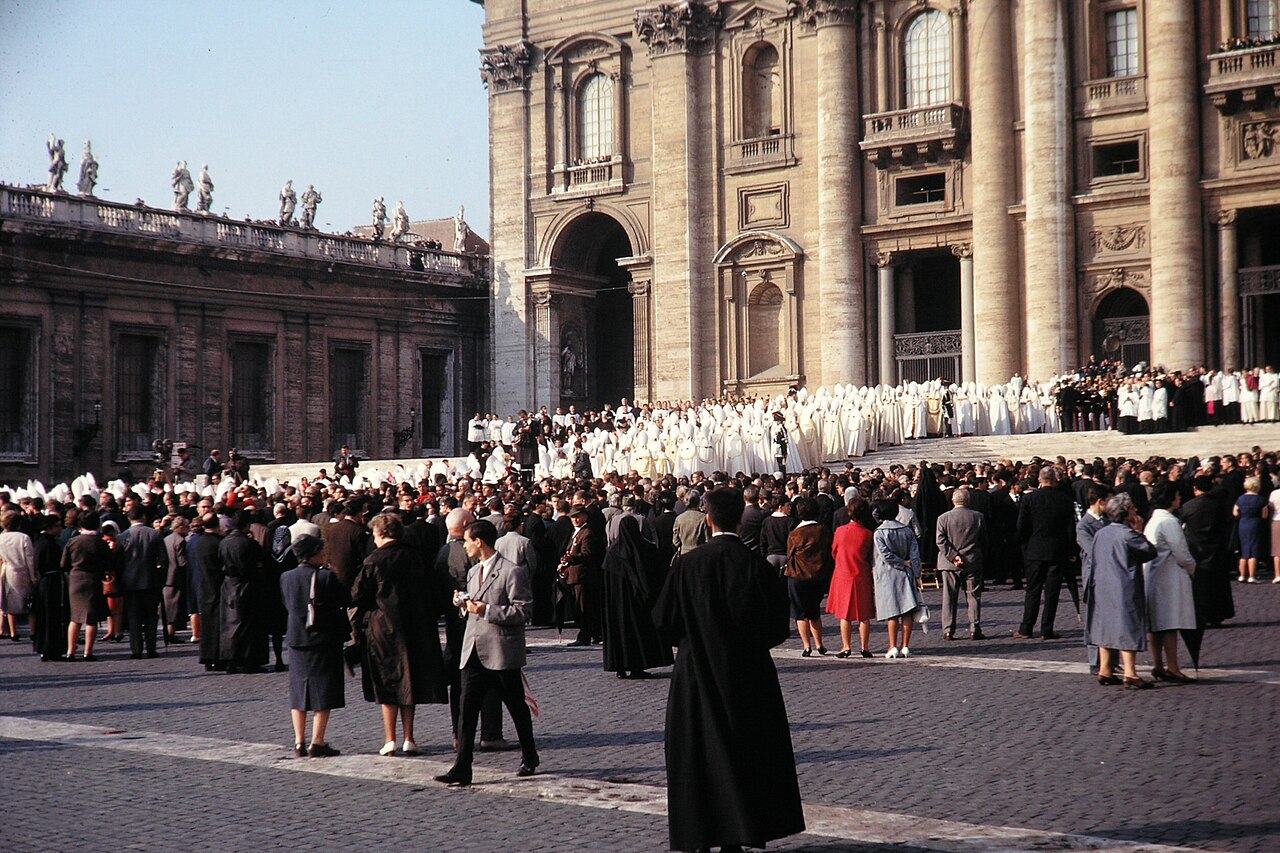
John XXIII's council renews the Catholic Church for the modern world: the liturgy in the vernacular, religious liberty confessed, ecumenism embraced, and the church's posture toward Judaism reversed in Nostra Aetate.
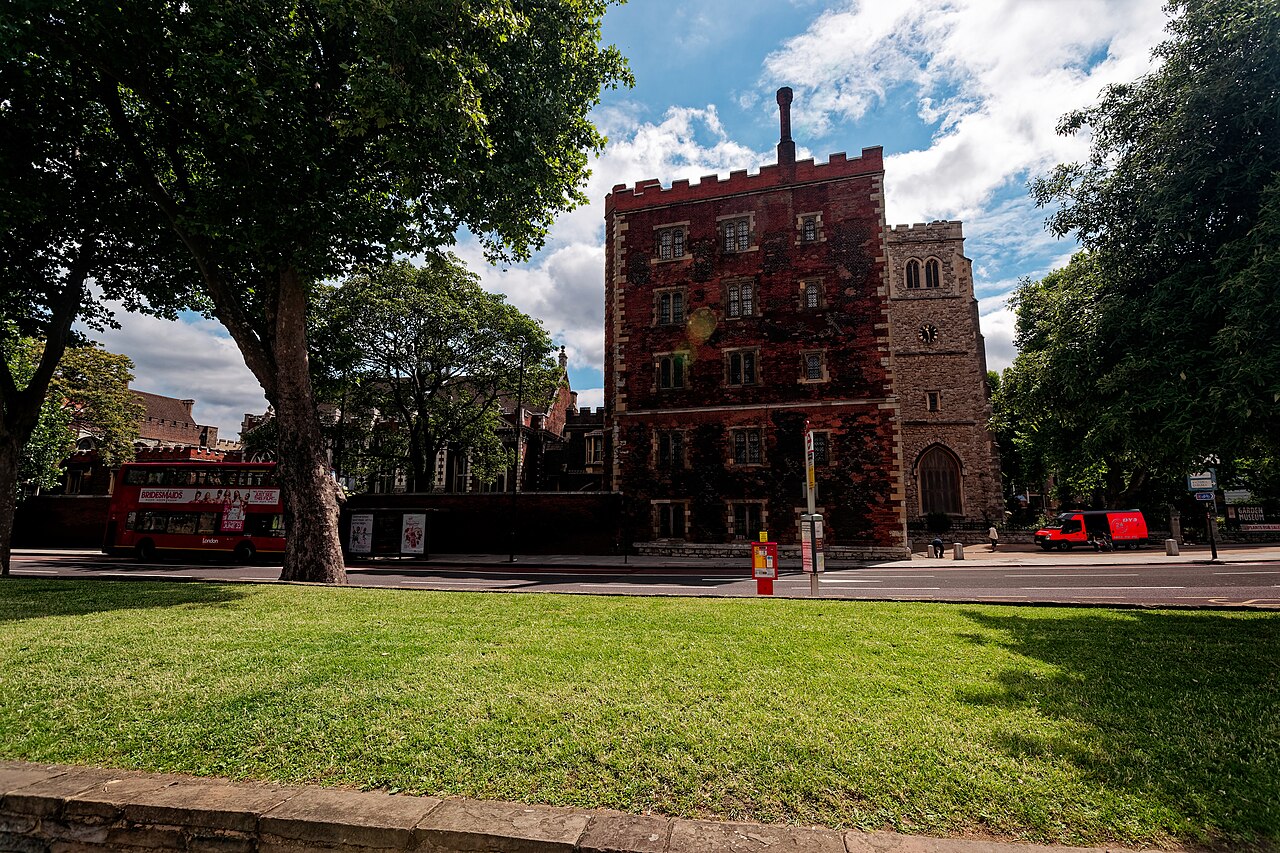
The Lambeth Conference of 1968 accepts contraception within Christian marriage, against Rome's Humanae Vitae of the same year; the Anglican and Catholic positions on the question publicly diverge.
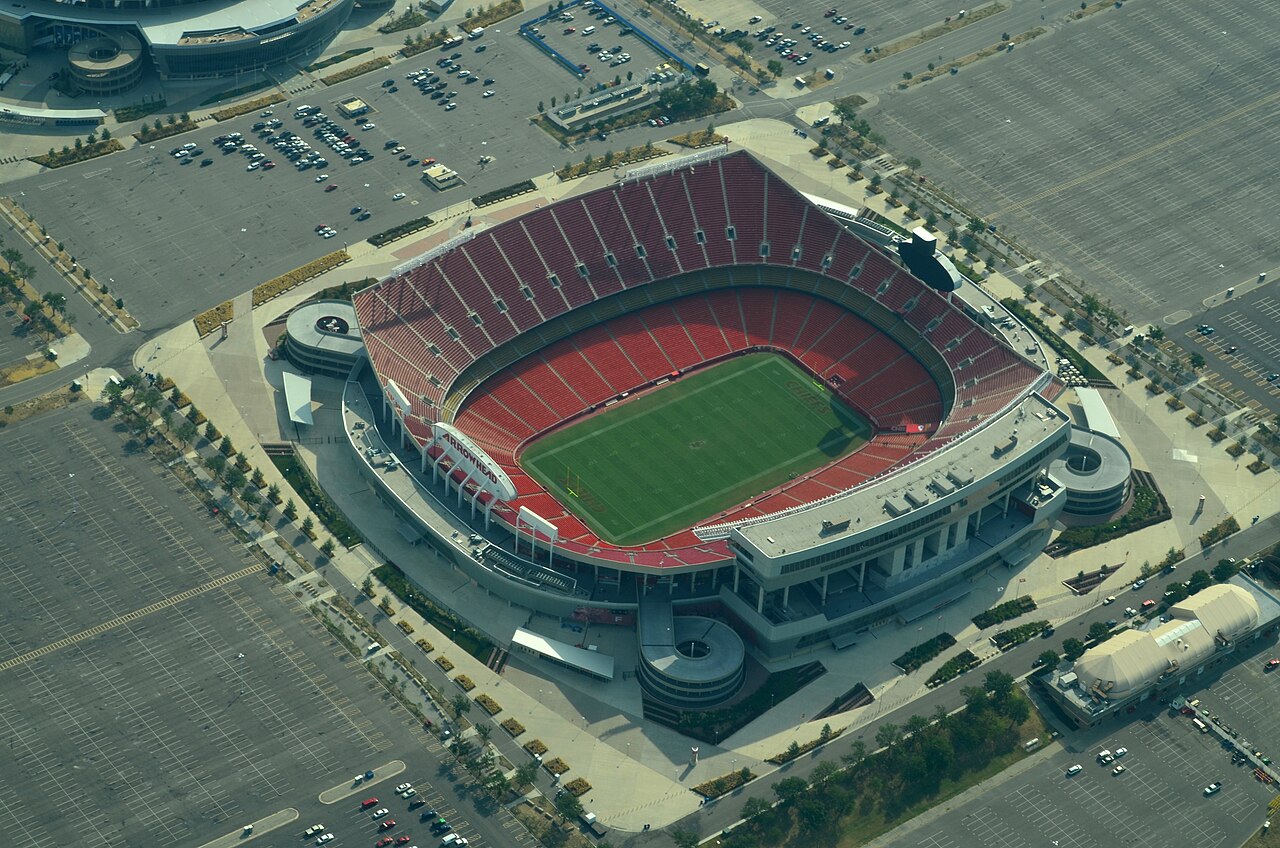
Some fifty thousand charismatics from Catholic, Protestant, and Pentecostal churches worship together at Kansas City; the conference is the high-water mark of the charismatic renewal's ecumenical moment.
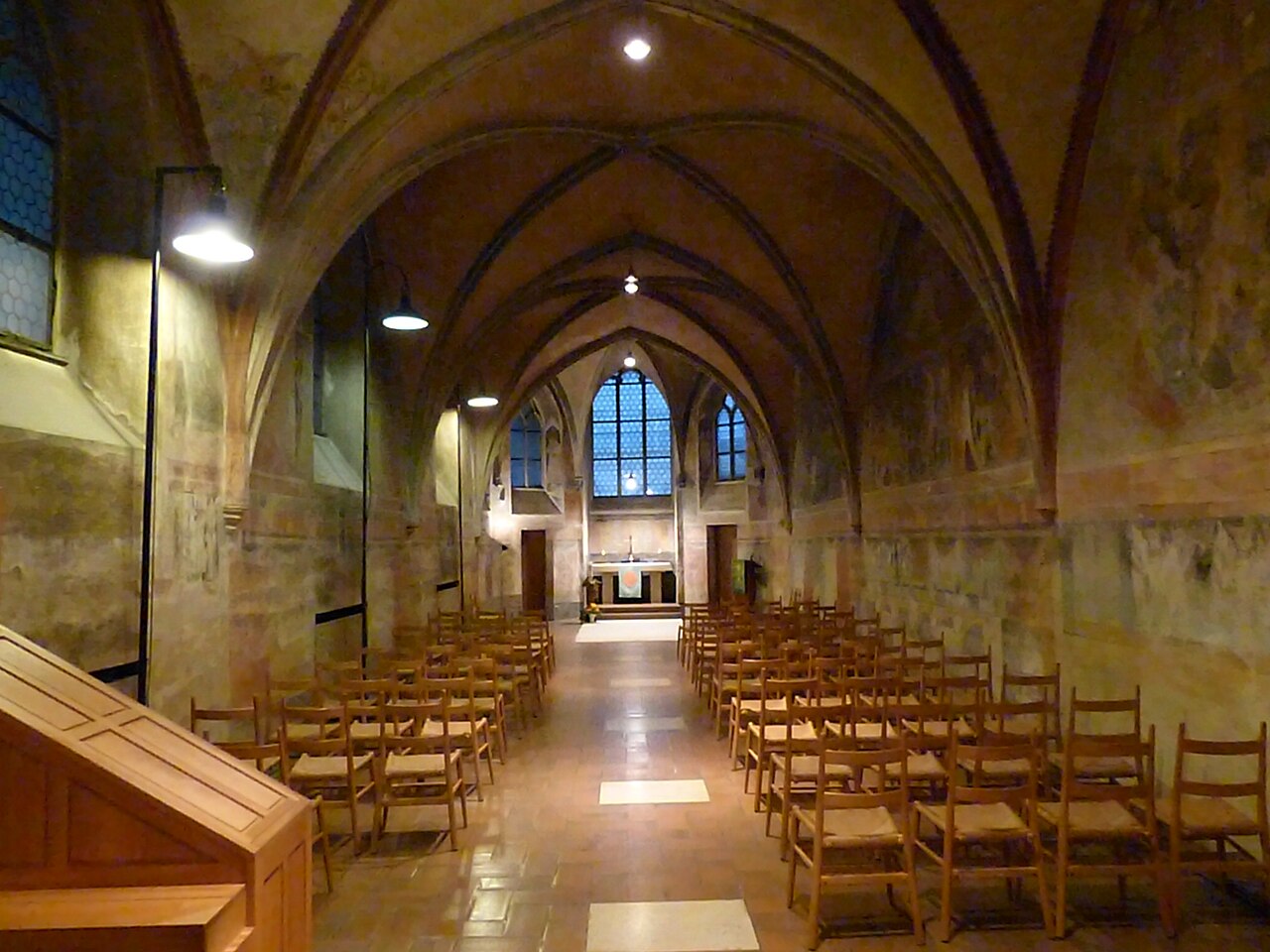
The Lutheran World Federation and the Catholic Church sign the Joint Declaration on the Doctrine of Justification at Augsburg, declaring a consensus on the article over which the Reformation divided.