Christianity

The Restorationist stream of the Christianity timeline.

Streams: All of Christianity Catholic Eastern Orthodox Oriental Orthodox Anglican Lutheran Reformed and Presbyterian Anabaptist Baptist Methodist and Wesleyan Restorationist Pentecostal and Charismatic Independent and Non-denominational

Modern

1801

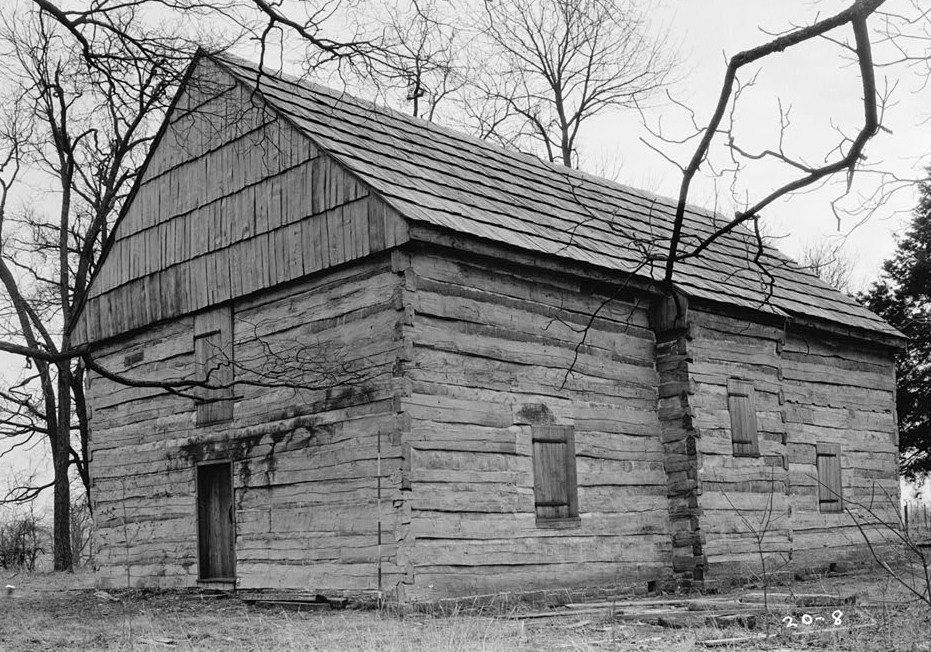
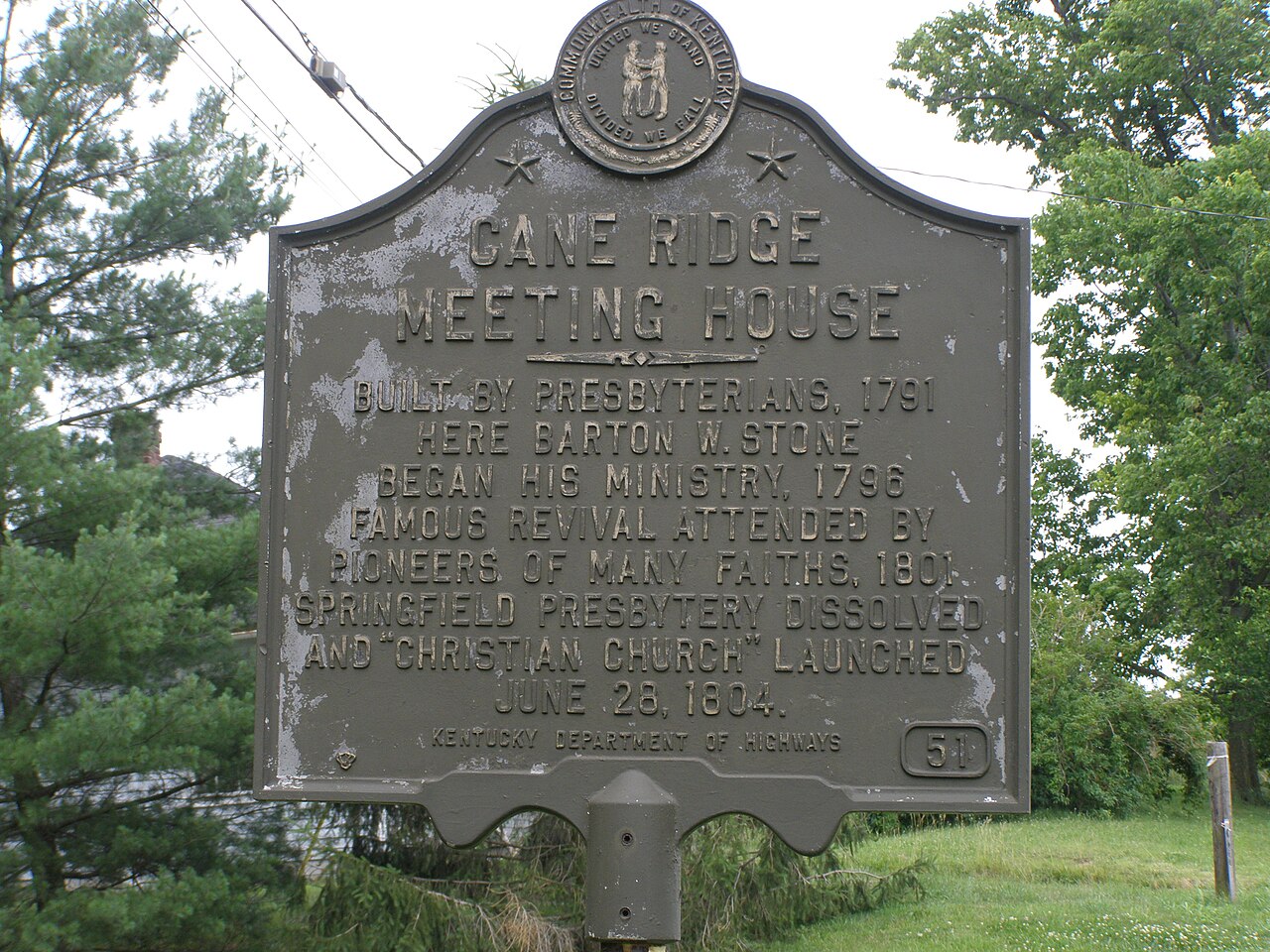
The Cane Ridge Revival

The sacramental meeting at Cane Ridge, Kentucky, draws crowds estimated in the tens of thousands and extraordinary bodily exercises; the revival ignites the Restoration impulse on the frontier and Barton Stone's Christian movement within it.
Cane Ridge
1804

The Last Will and Testament of the Springfield Presbytery

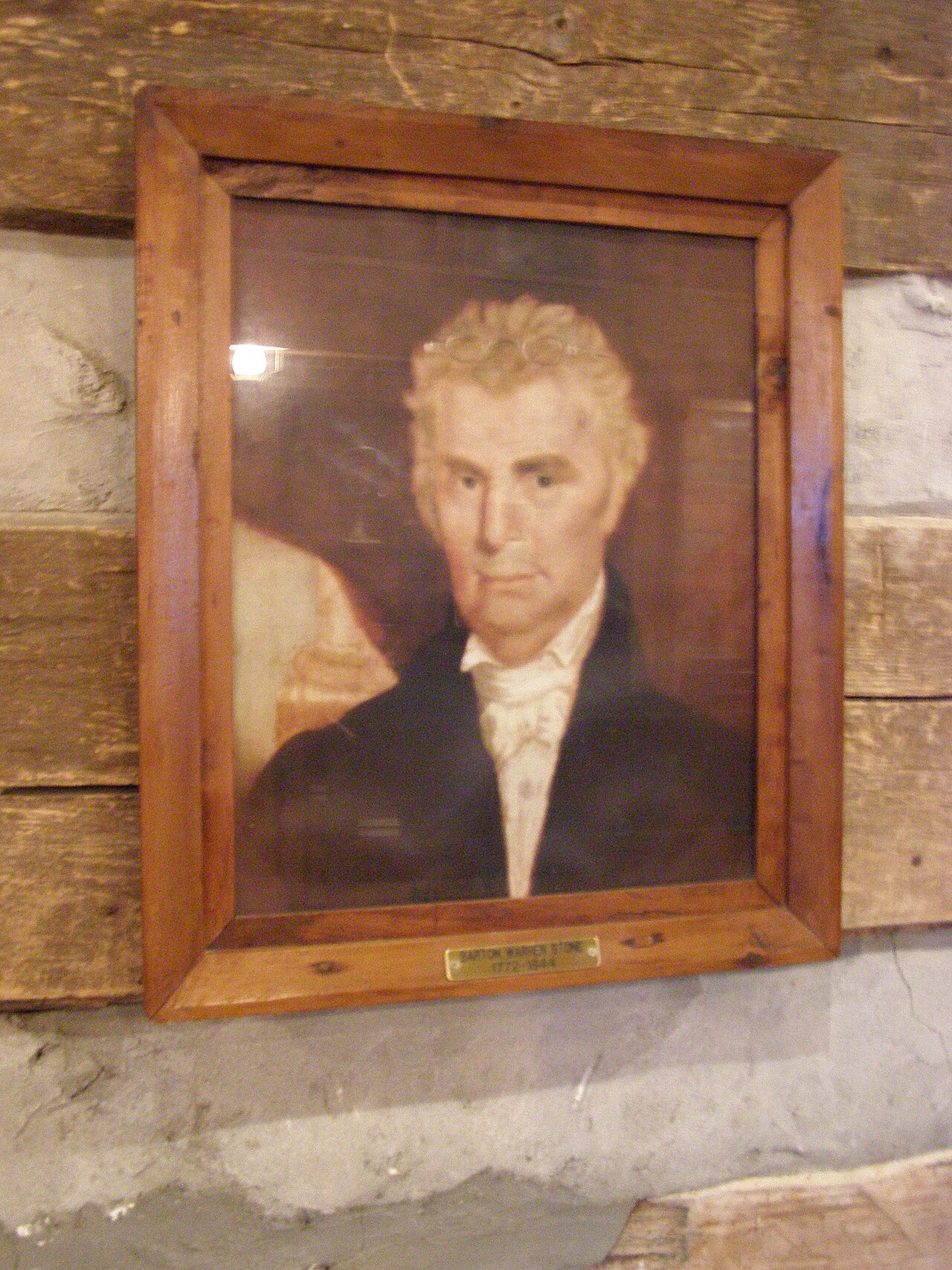
Barton Stone and his fellow ministers dissolve their presbytery and resolve to be known simply as Christians; the document is the founding charter of the Stone movement and of the Restoration plea for unity on the Bible alone.

Kentucky
1809

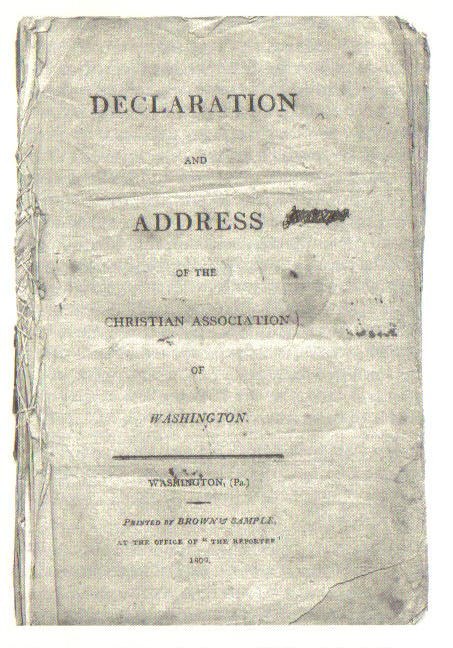
Thomas Campbell's Declaration and Address

Thomas Campbell publishes the Declaration and Address of the Christian Association of Washington, Pennsylvania; its proposition that the church is essentially, intentionally, and constitutionally one becomes the Restoration movement's founding text.

Washington, Pennsylvania
1823

Alexander Campbell Begins The Christian Baptist

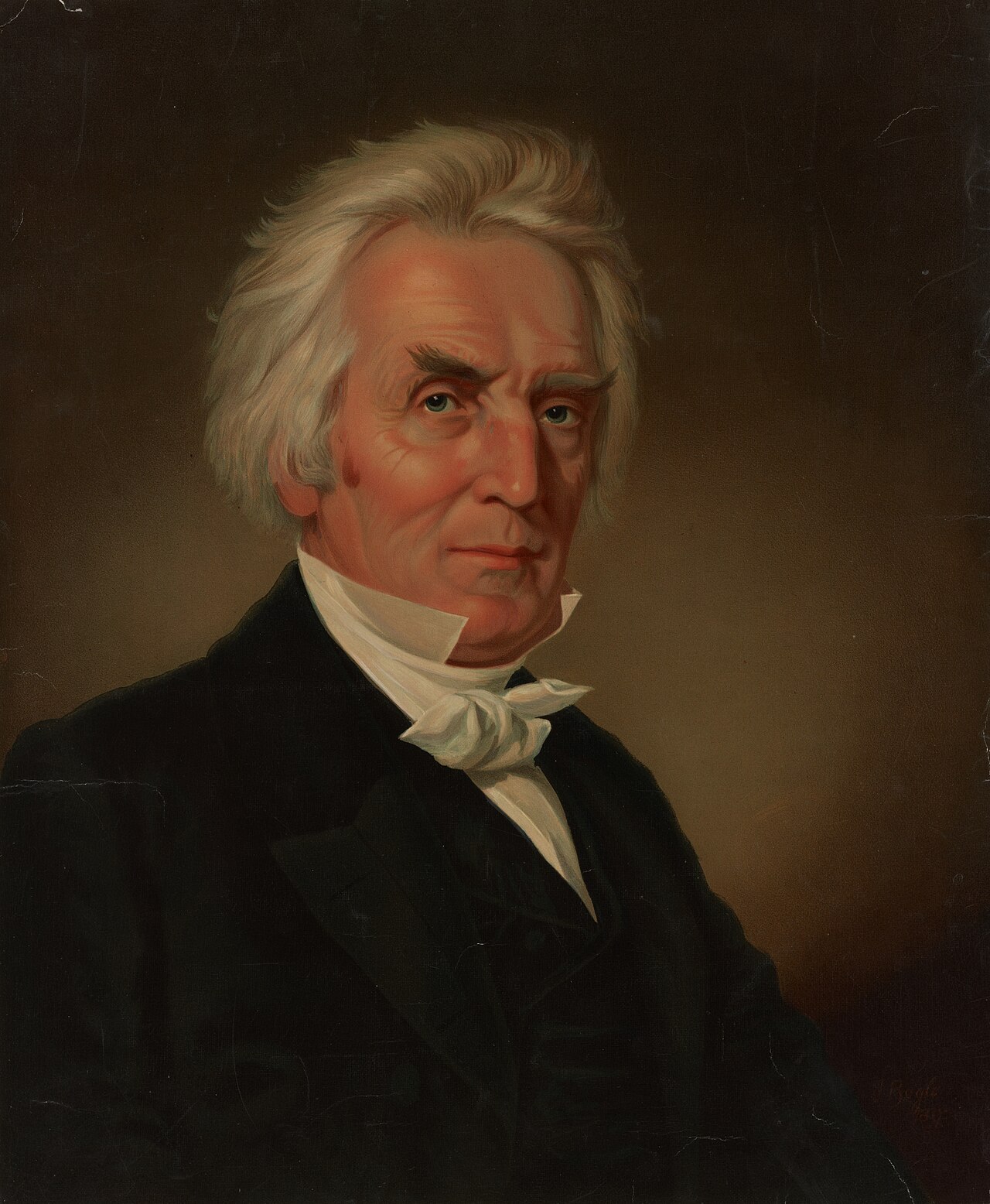
Alexander Campbell launches his journal The Christian Baptist and with it the public campaign for restoring the ancient order of things; his debates and his paper carry the Campbell movement across the frontier.

Bethany
1832

The Stone and Campbell Movements Unite

Stone's Christians and Campbell's Reformers unite at Lexington, Kentucky, with a handshake between Barton Stone and Raccoon John Smith; the united movement becomes the fastest-growing religious body on the American frontier.

Lexington
1849

The American Christian Missionary Society Organized

The movement holds its first national convention at Cincinnati and organizes the American Christian Missionary Society; the convention itself splits opinion, since many held that any body beyond the local congregation lacked scriptural warrant.

Cincinnati

Contemporary

1906

Churches of Christ Listed Separately in the Census of Religious Bodies

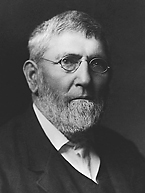
The United States Census of Religious Bodies lists the Churches of Christ separately from the Disciples of Christ, giving federal recognition to the division that had grown over missionary societies and instrumental music; David Lipscomb answers the census for the Churches of Christ.

United States
1968

The Christian Church (Disciples of Christ) Restructures

The Disciples adopt a provisional design and restructure as the Christian Church (Disciples of Christ), a denomination with general, regional, and congregational expressions; congregations that reject the restructure continue as independent Christian churches.

United States