
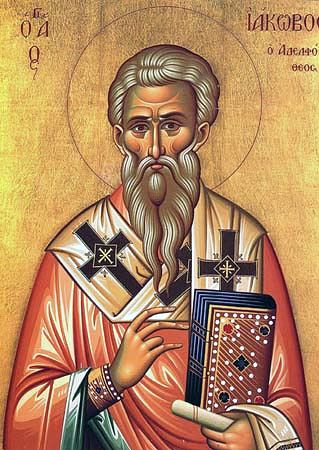
c. 49
Council of Jerusalem
The apostles and elders at Jerusalem decide that Gentile converts need not be circumcised or keep the whole law; the decision that makes a Gentile church possible.
Search pages, essays, world views, libraries, and topics. Type at least two characters.
 CCWV.LIFE
Support This Site
Eighteen accounts of what is real, each set out in its own terms and each with its own page.
All World Views Does God Exist?The Oriental Orthodox stream of the Christianity timeline.
Streams: All of Christianity Catholic Eastern Orthodox Oriental Orthodox Anglican Lutheran Reformed and Presbyterian Anabaptist Baptist Methodist and Wesleyan Restorationist Pentecostal and Charismatic Independent and Non-denominational
The apostles and elders at Jerusalem decide that Gentile converts need not be circumcised or keep the whole law; the decision that makes a Gentile church possible.
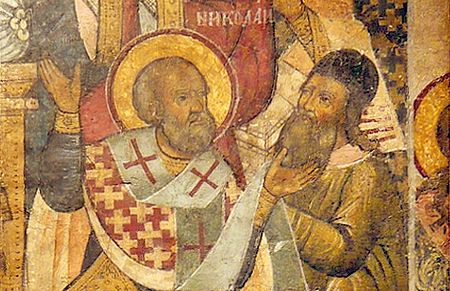
Constantine convenes the first ecumenical council at Nicaea, which condemns Arius and confesses the Son as homoousios; of the same being as the Father; in the original Nicene Creed.
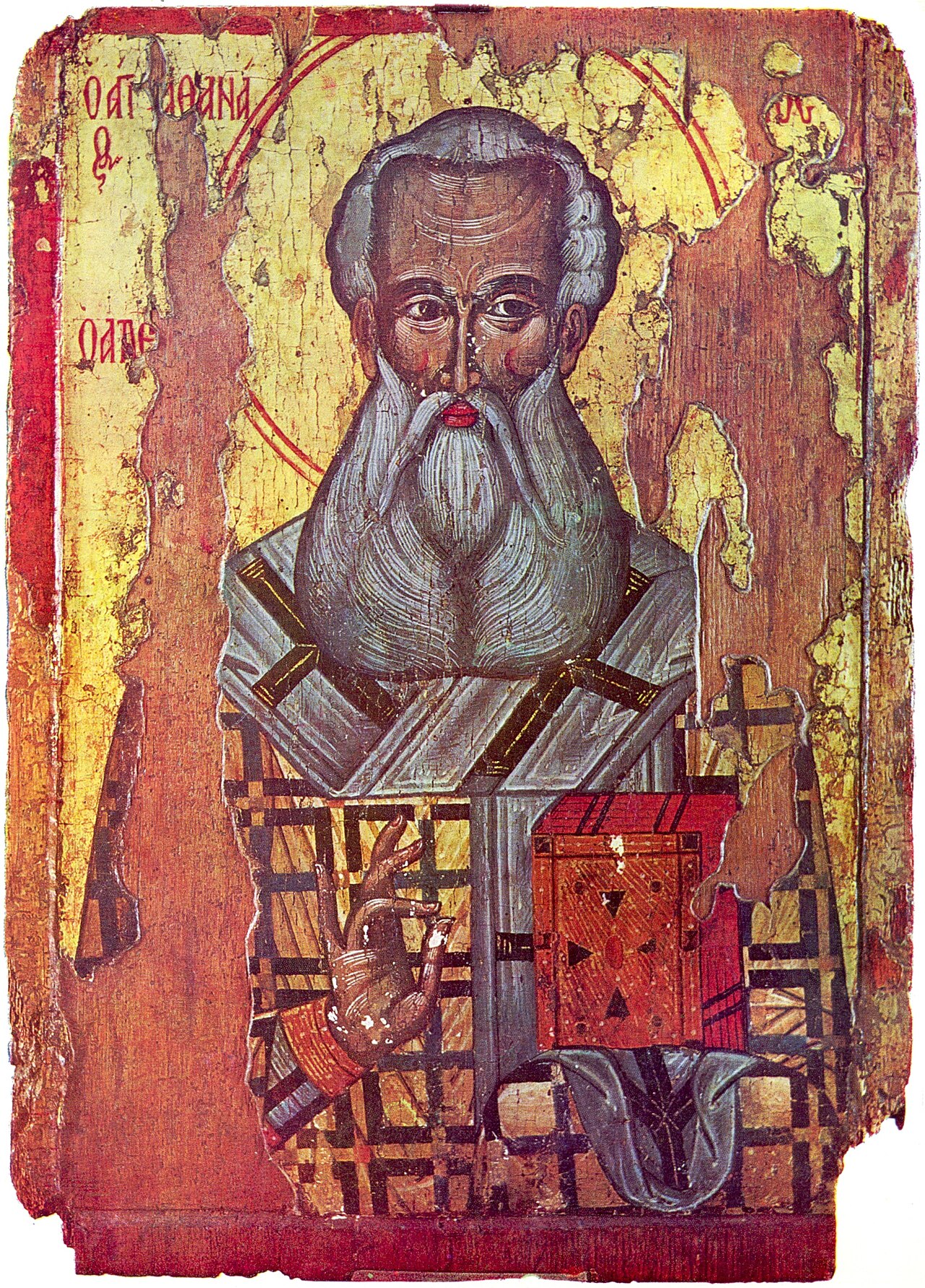
Athanasius of Alexandria's Easter letter lists the twenty-seven books of the New Testament; the earliest surviving list that matches the church's canon exactly.
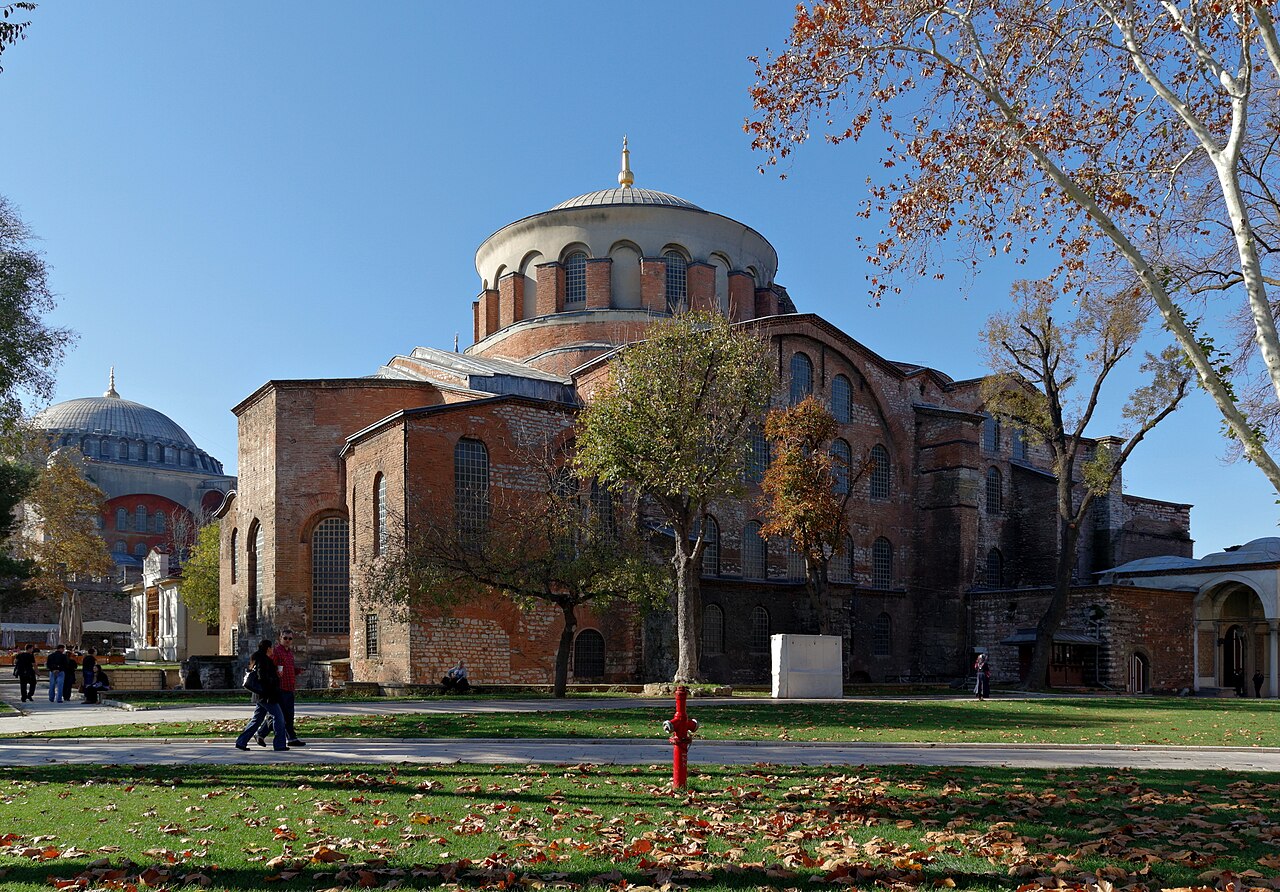
The second ecumenical council completes the Nicene confession, expanding the article on the Holy Spirit; its creed is the Nicene-Constantinopolitan Creed the church still recites.
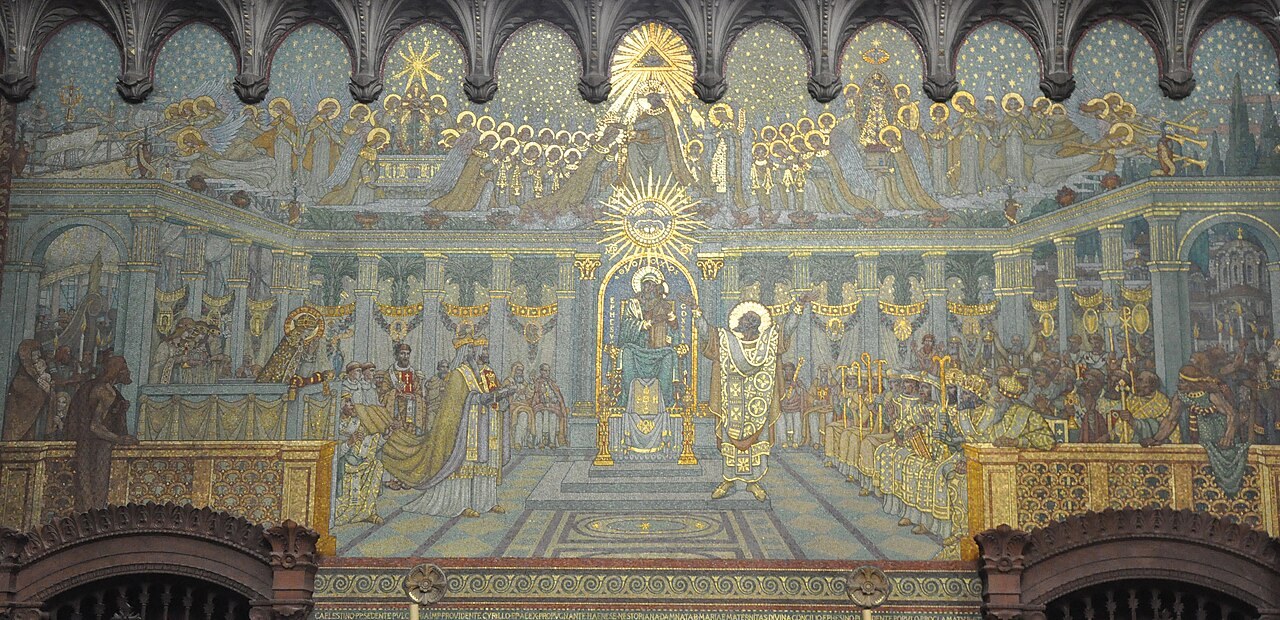
The third ecumenical council condemns Nestorius and confesses Mary as Theotokos, God-bearer; the Church of the East separates in the aftermath; the first lasting schism.
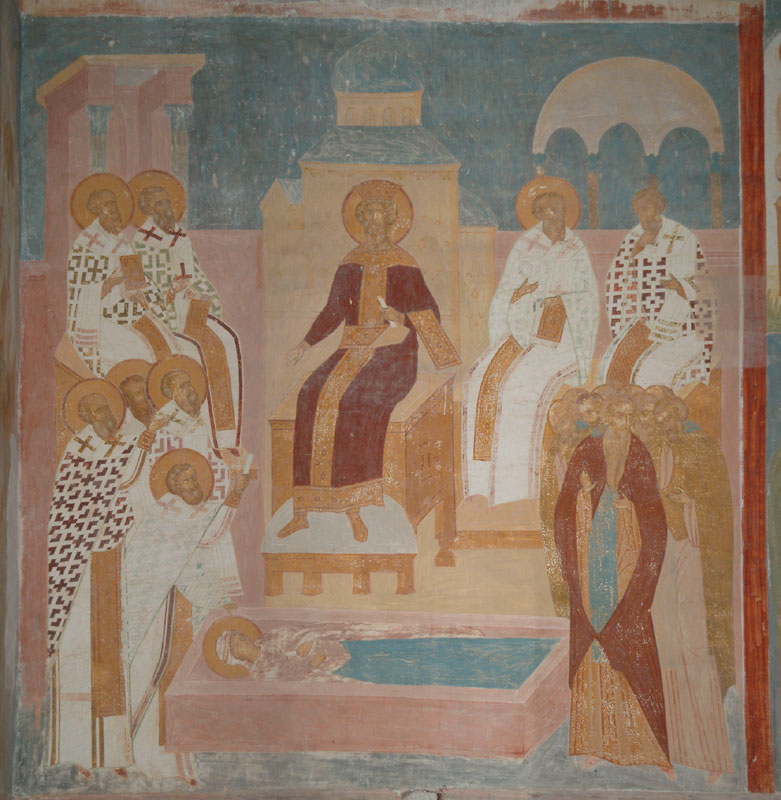
The fourth ecumenical council confesses Christ in two natures, without confusion or separation; the churches that refuse the definition become the Oriental Orthodox communion.
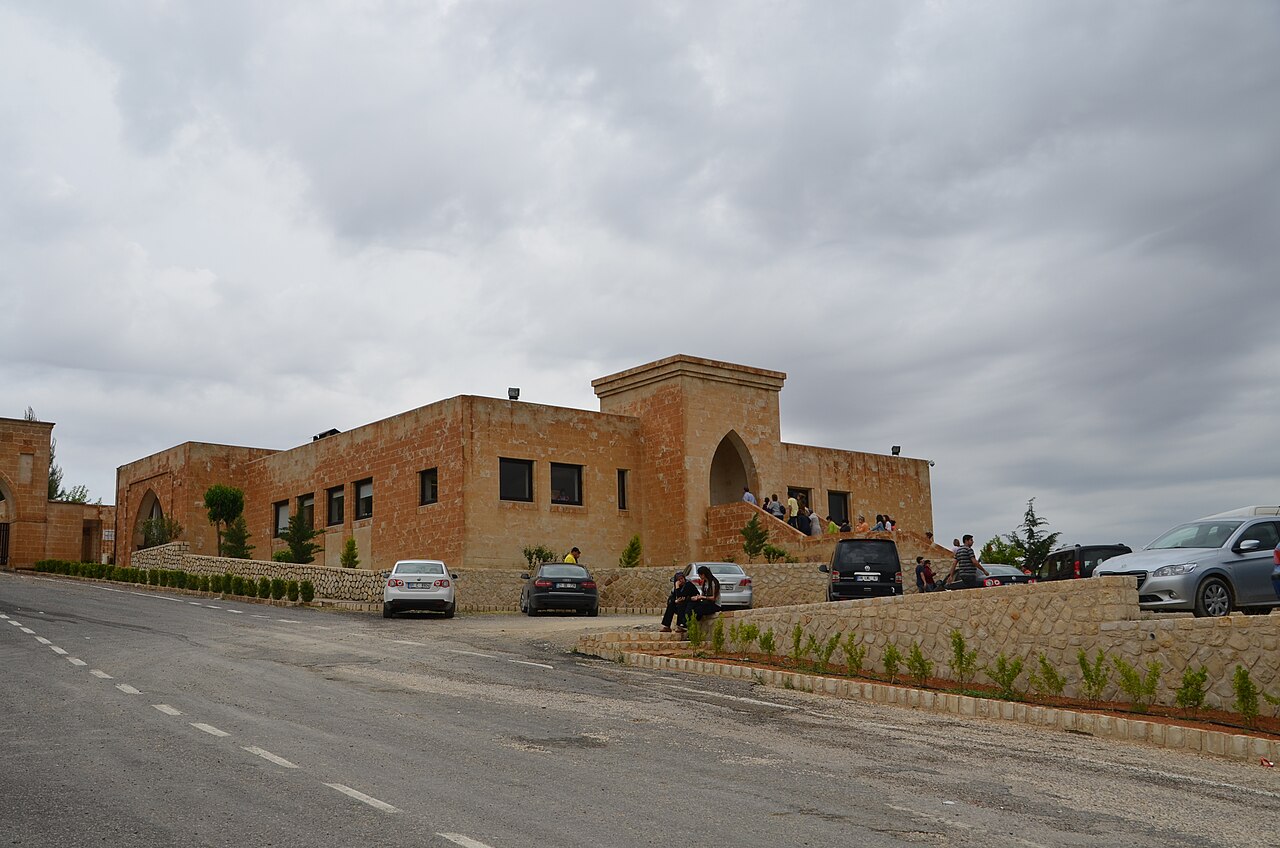
Jacob Baradaeus, consecrated bishop in secret, travels Syria and Egypt ordaining bishops and priests; the parallel hierarchy he builds preserves the non-Chalcedonian churches that become the Oriental Orthodox communion.
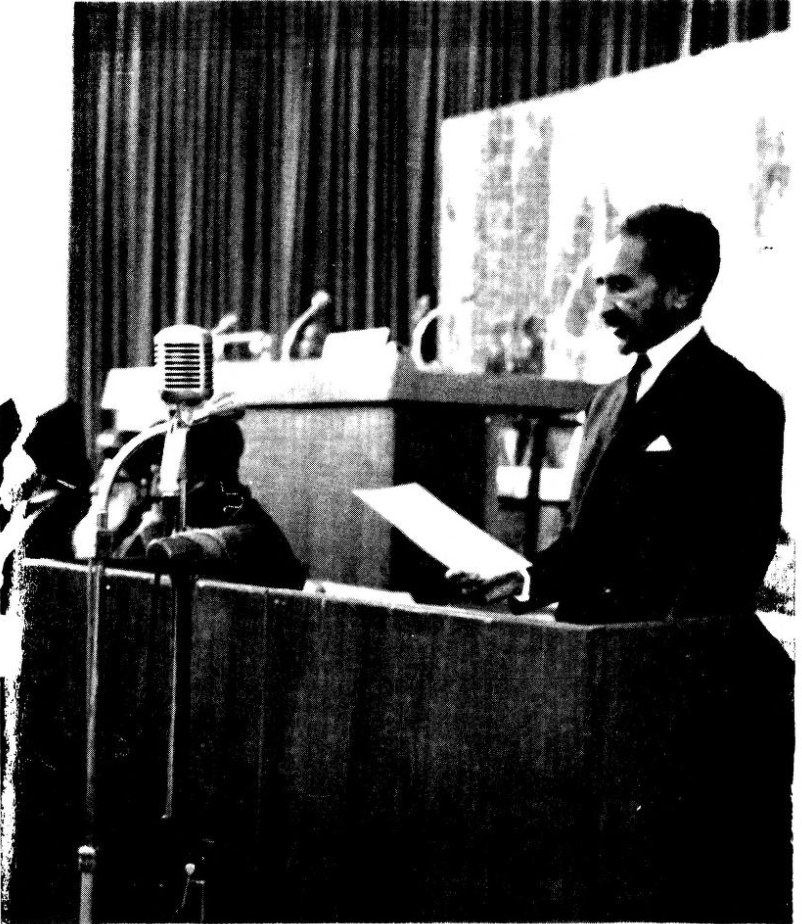
The heads of the Oriental Orthodox churches meet together at Addis Ababa for the first time in their modern history and resolve to act as one communion in ecumenical dialogue.