
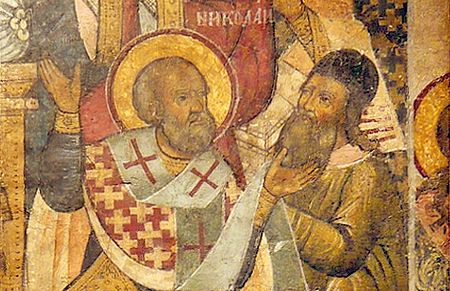
325
First Council of Nicaea
Constantine convenes the first ecumenical council at Nicaea, which condemns Arius and confesses the Son as homoousios; of the same being as the Father; in the original Nicene Creed.
Search pages, essays, world views, libraries, and topics. Type at least two characters.
 CCWV.LIFE
Support This Site
Eighteen accounts of what is real, each set out in its own terms and each with its own page.
All World Views Does God Exist?The Anglican stream of the Christianity timeline.
Streams: All of Christianity Catholic Eastern Orthodox Oriental Orthodox Anglican Lutheran Reformed and Presbyterian Anabaptist Baptist Methodist and Wesleyan Restorationist Pentecostal and Charismatic Independent and Non-denominational
Constantine convenes the first ecumenical council at Nicaea, which condemns Arius and confesses the Son as homoousios; of the same being as the Father; in the original Nicene Creed.
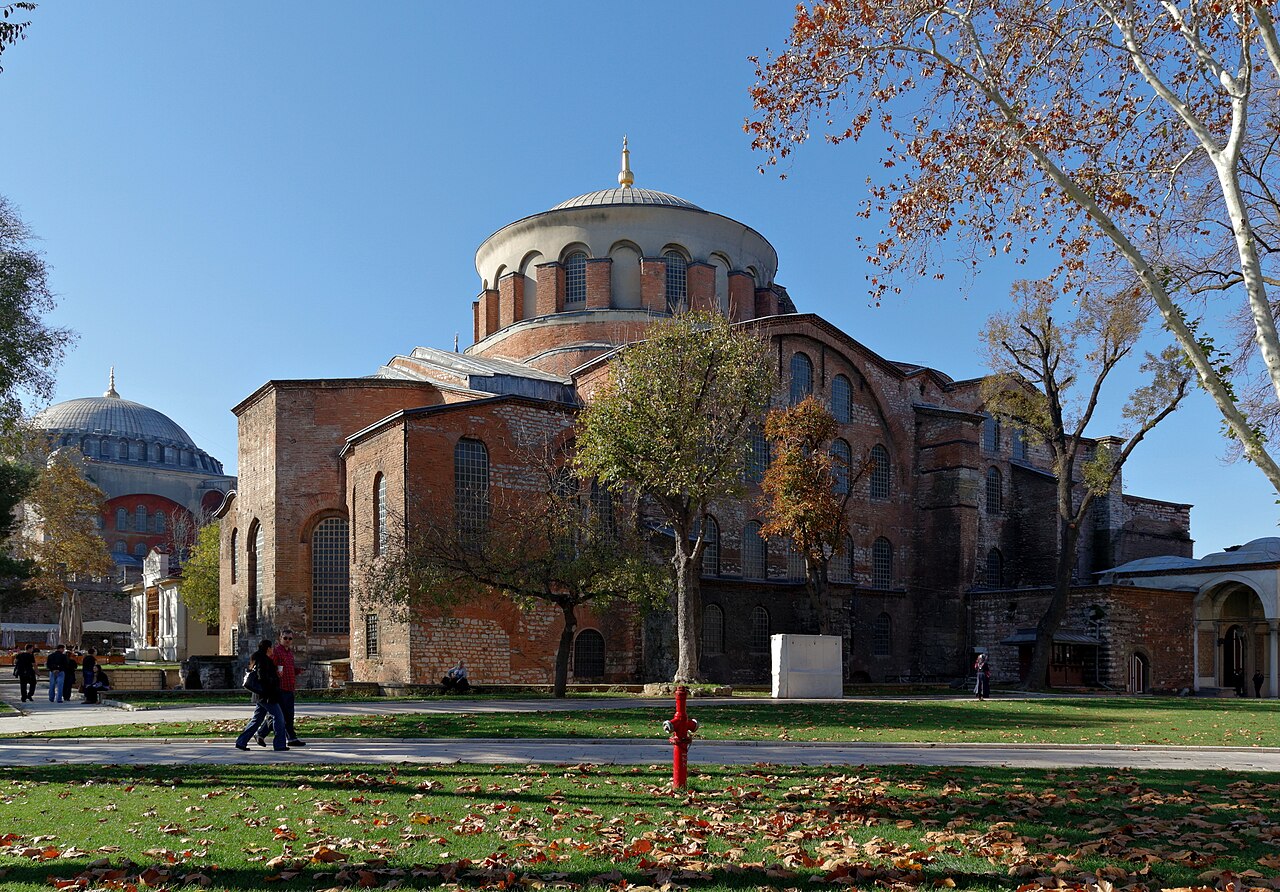
The second ecumenical council completes the Nicene confession, expanding the article on the Holy Spirit; its creed is the Nicene-Constantinopolitan Creed the church still recites.
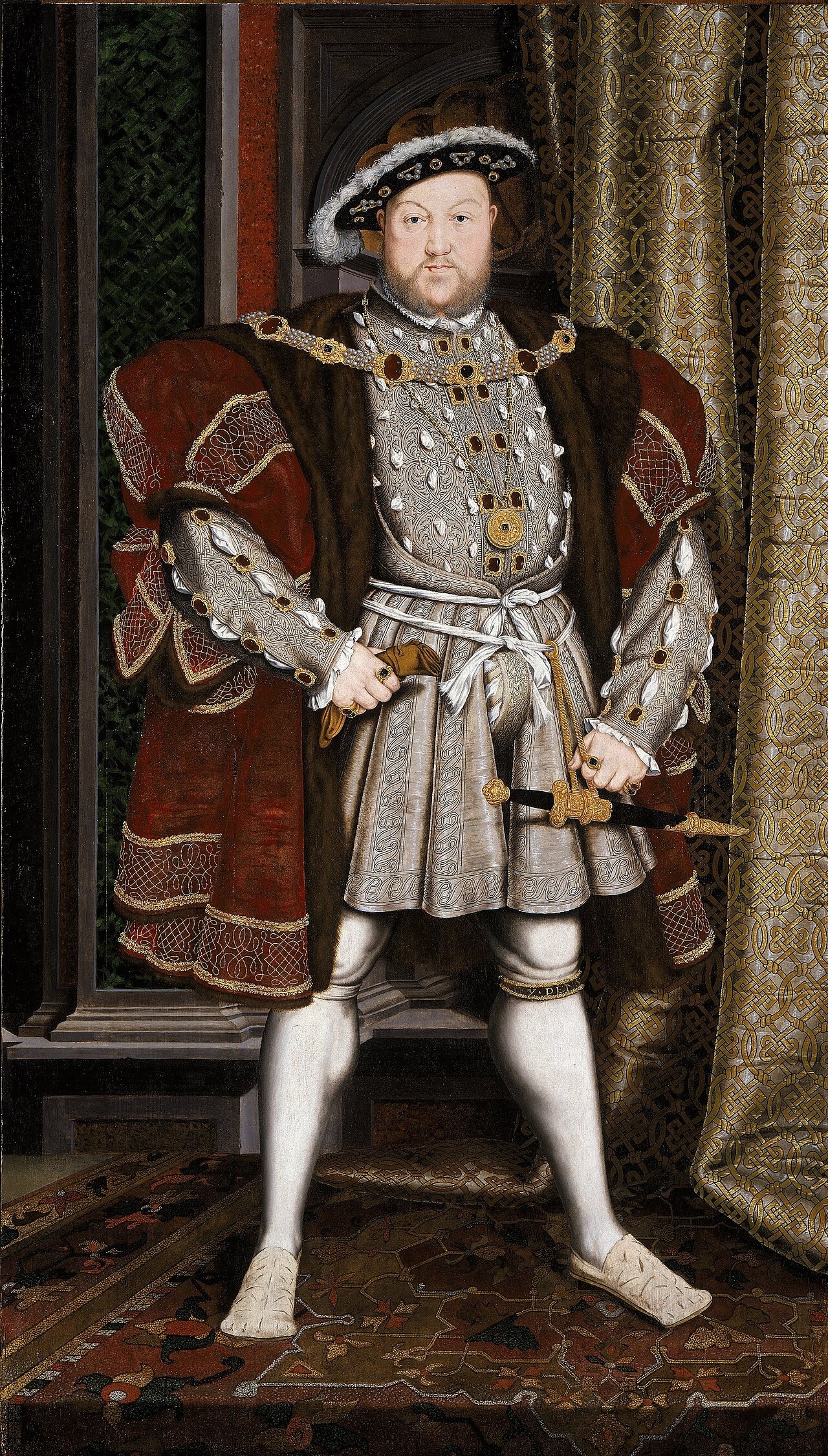
England's Act of Supremacy makes Henry VIII head of the Church of England; the same year Ignatius of Loyola and his companions take their vows at Montmartre, founding the movement that becomes the Society of Jesus.
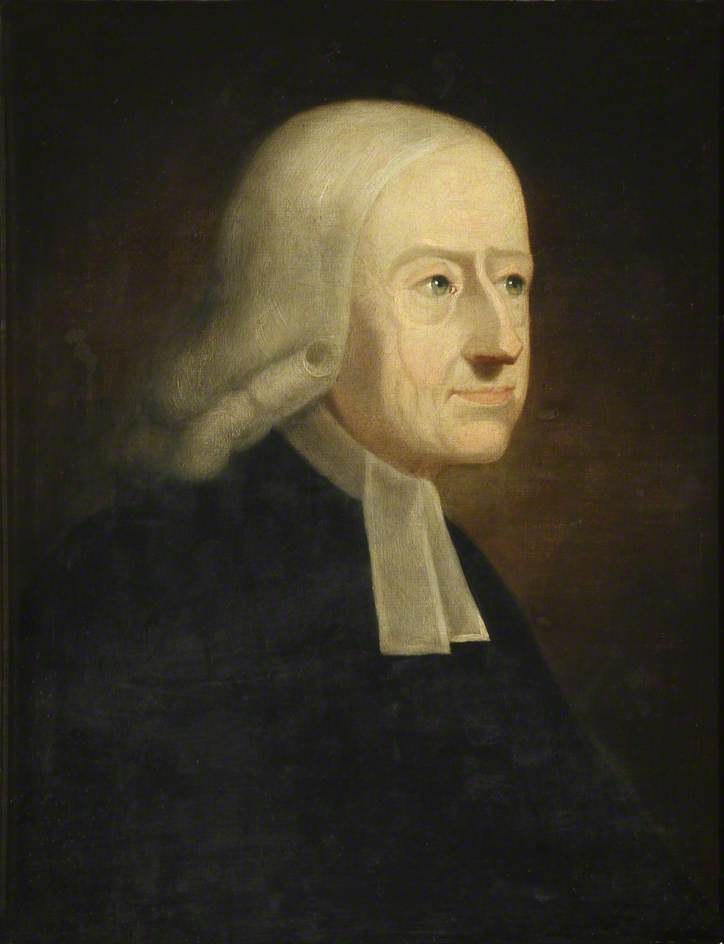
John and Charles Wesley and their companions form the Oxford society their critics nickname the Holy Club; its methodical discipline of prayer, fasting, and works of mercy gives the Methodist movement its name and its pattern.
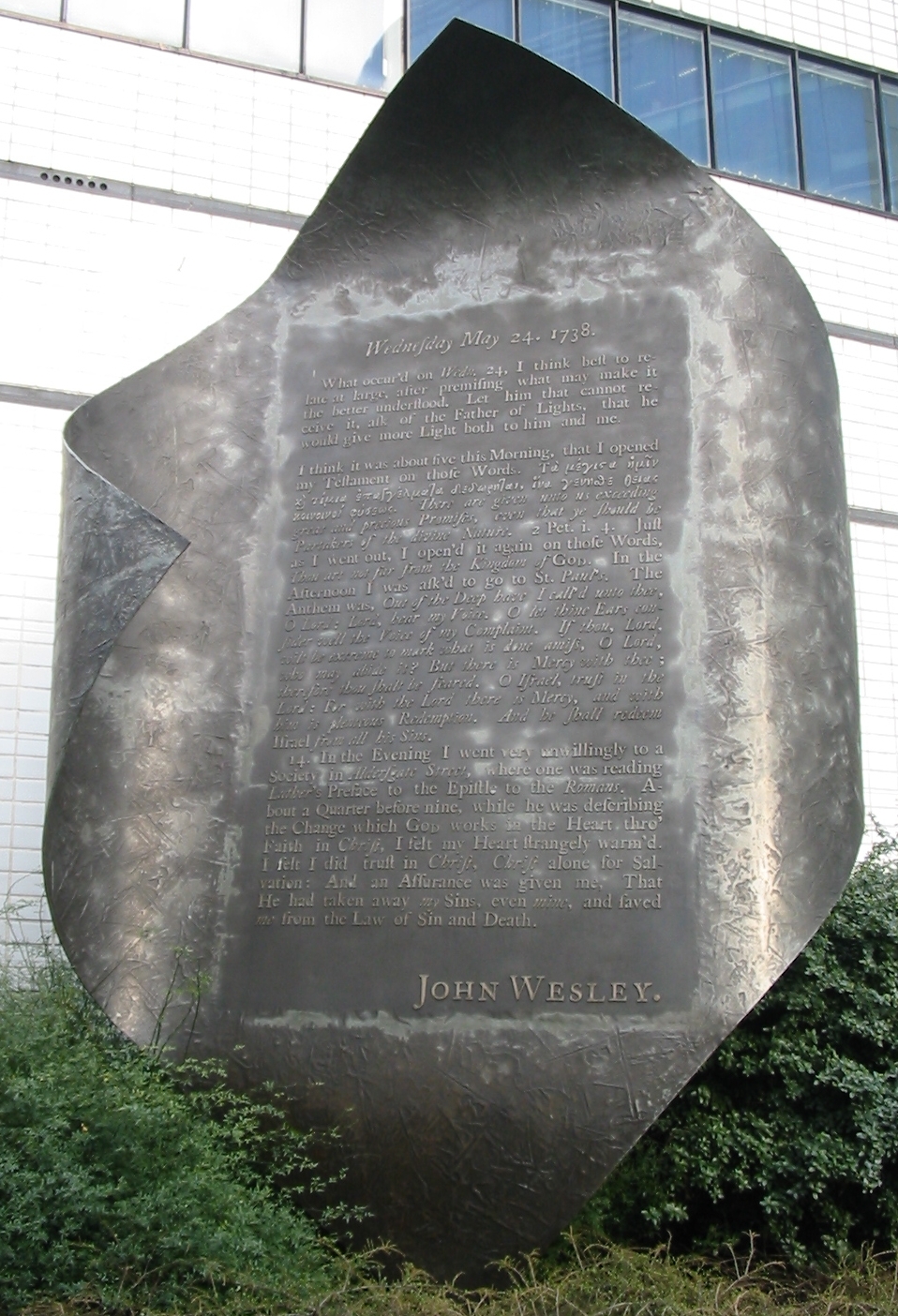
John Wesley, at a meeting in Aldersgate Street, feels his heart 'strangely warmed'; the Methodist revival within the Church of England follows.
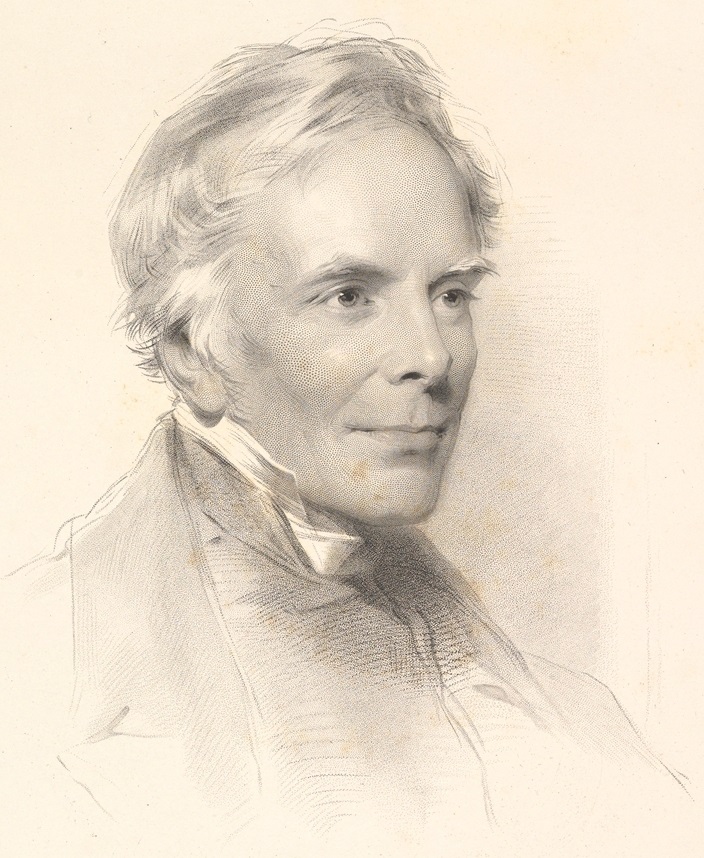
Keble's sermon on National Apostasy opens the Oxford Movement; Newman, Pusey, and the Tracts for the Times press the Church of England toward its Catholic inheritance.
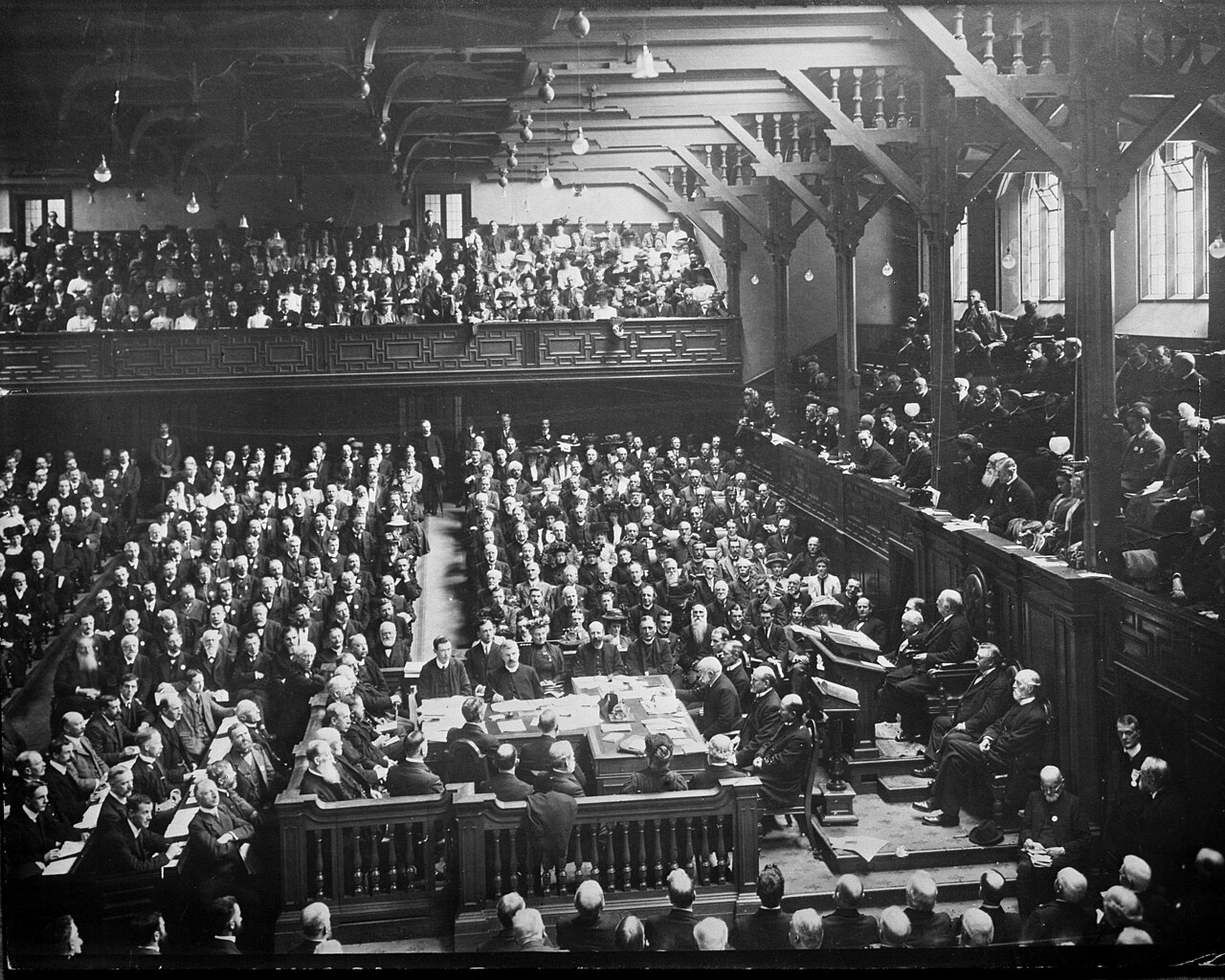
The World Missionary Conference at Edinburgh gathers the Protestant missionary movement and, in retrospect, opens the modern ecumenical movement.
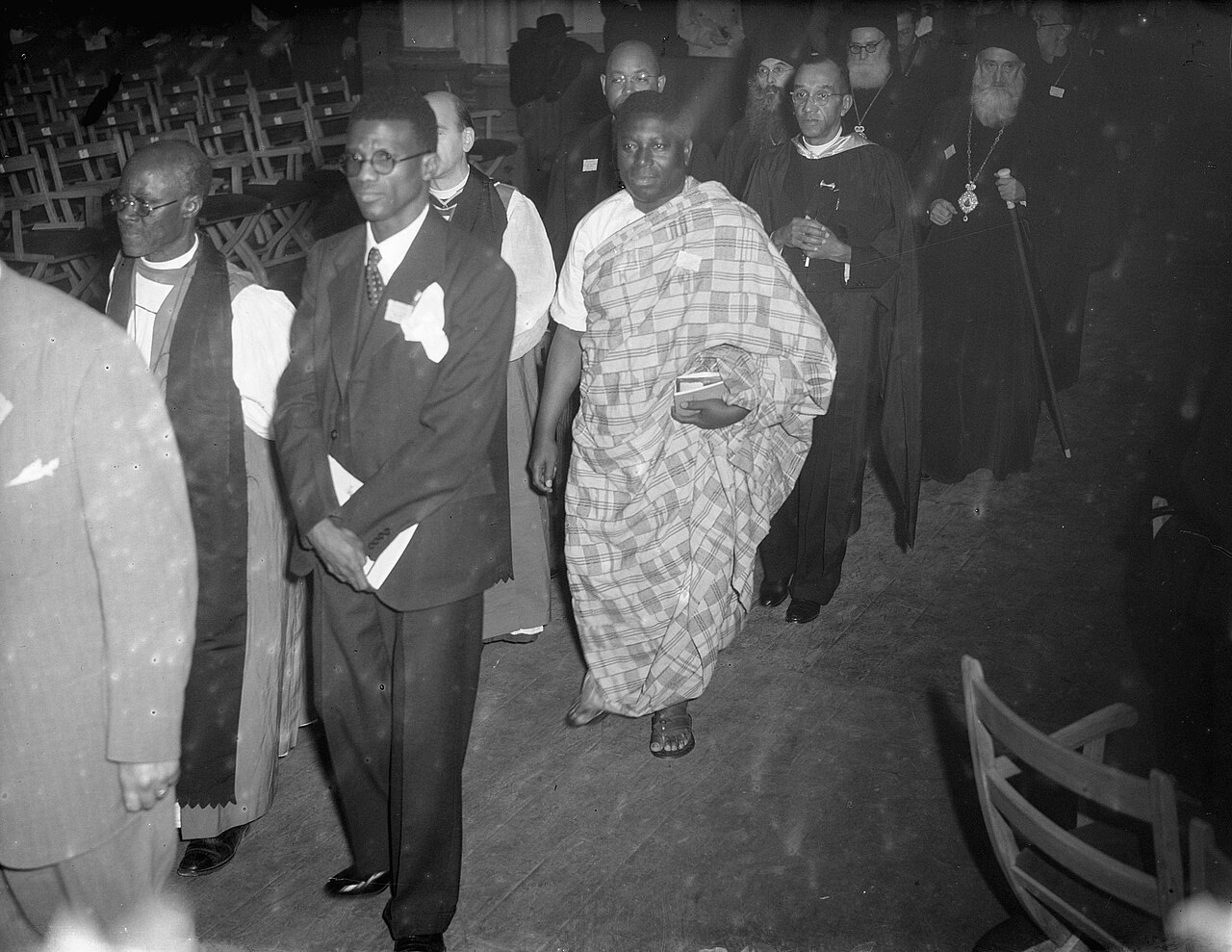
The World Council of Churches constitutes itself at Amsterdam under the theme 'Man's Disorder and God's Design', joining the historic churches in one fellowship; Rome observing from outside.
Dennis Bennett, rector of St. Mark's Episcopal Church in Van Nuys, tells his congregation of his own experience of speaking in tongues; the charismatic renewal inside the historic churches, Catholic renewal included after 1967, dates its public beginning here.
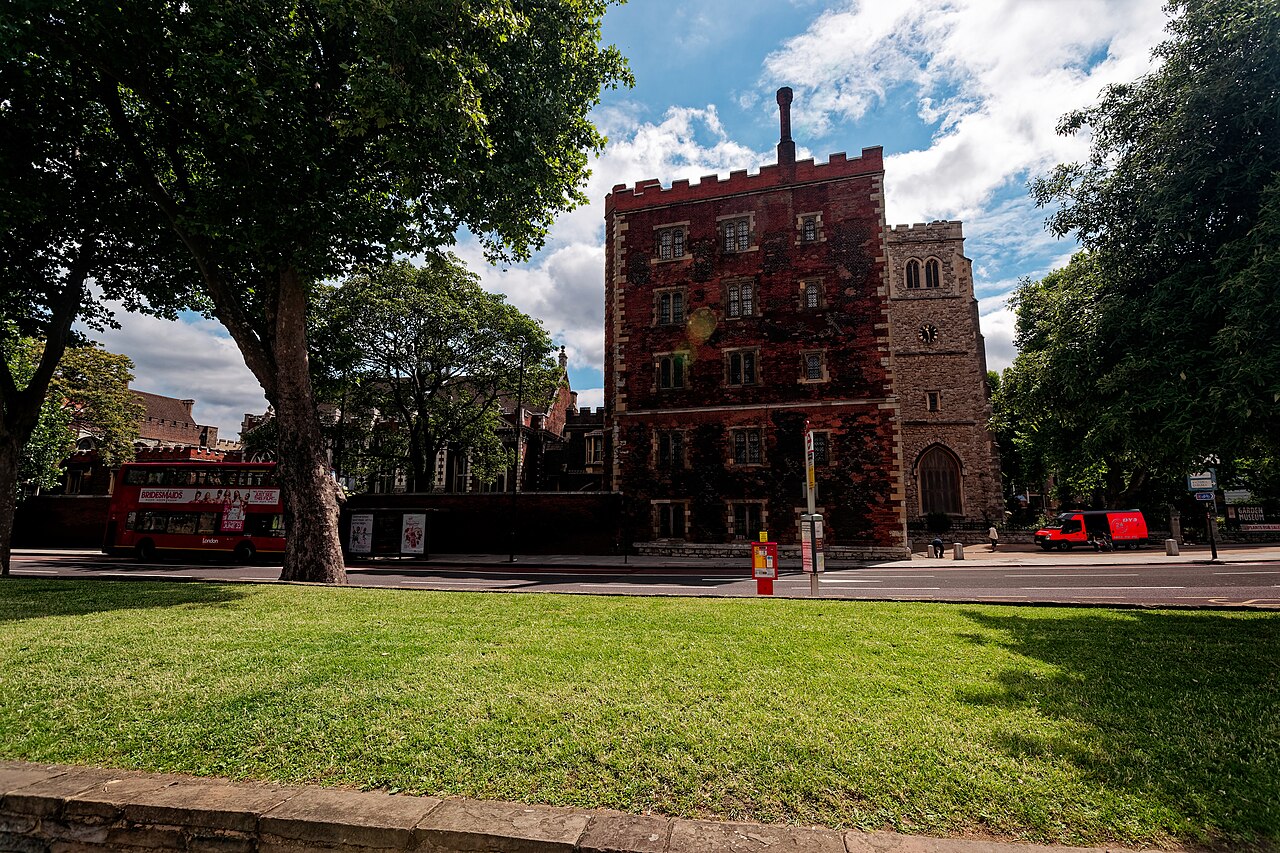
The Lambeth Conference of 1968 accepts contraception within Christian marriage, against Rome's Humanae Vitae of the same year; the Anglican and Catholic positions on the question publicly diverge.
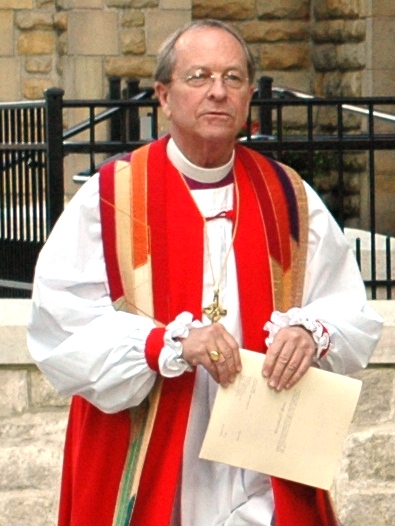
The Episcopal Church consecrates Gene Robinson, an openly gay partnered man, as bishop of New Hampshire; the Anglican Communion's crisis over sexuality deepens into realignment.