

1525
First Adult Baptisms at Zürich
Conrad Grebel baptizes George Blaurock and others on profession of faith; the Anabaptist movement begins, and is persecuted by Catholic and Protestant alike.
Search pages, essays, world views, libraries, and topics. Type at least two characters.
 CCWV.LIFE
Support This Site
Eighteen accounts of what is real, each set out in its own terms and each with its own page.
All World Views Does God Exist?The Anabaptist stream of the Christianity timeline.
Streams: All of Christianity Catholic Eastern Orthodox Oriental Orthodox Anglican Lutheran Reformed and Presbyterian Anabaptist Baptist Methodist and Wesleyan Restorationist Pentecostal and Charismatic Independent and Non-denominational
Conrad Grebel baptizes George Blaurock and others on profession of faith; the Anabaptist movement begins, and is persecuted by Catholic and Protestant alike.
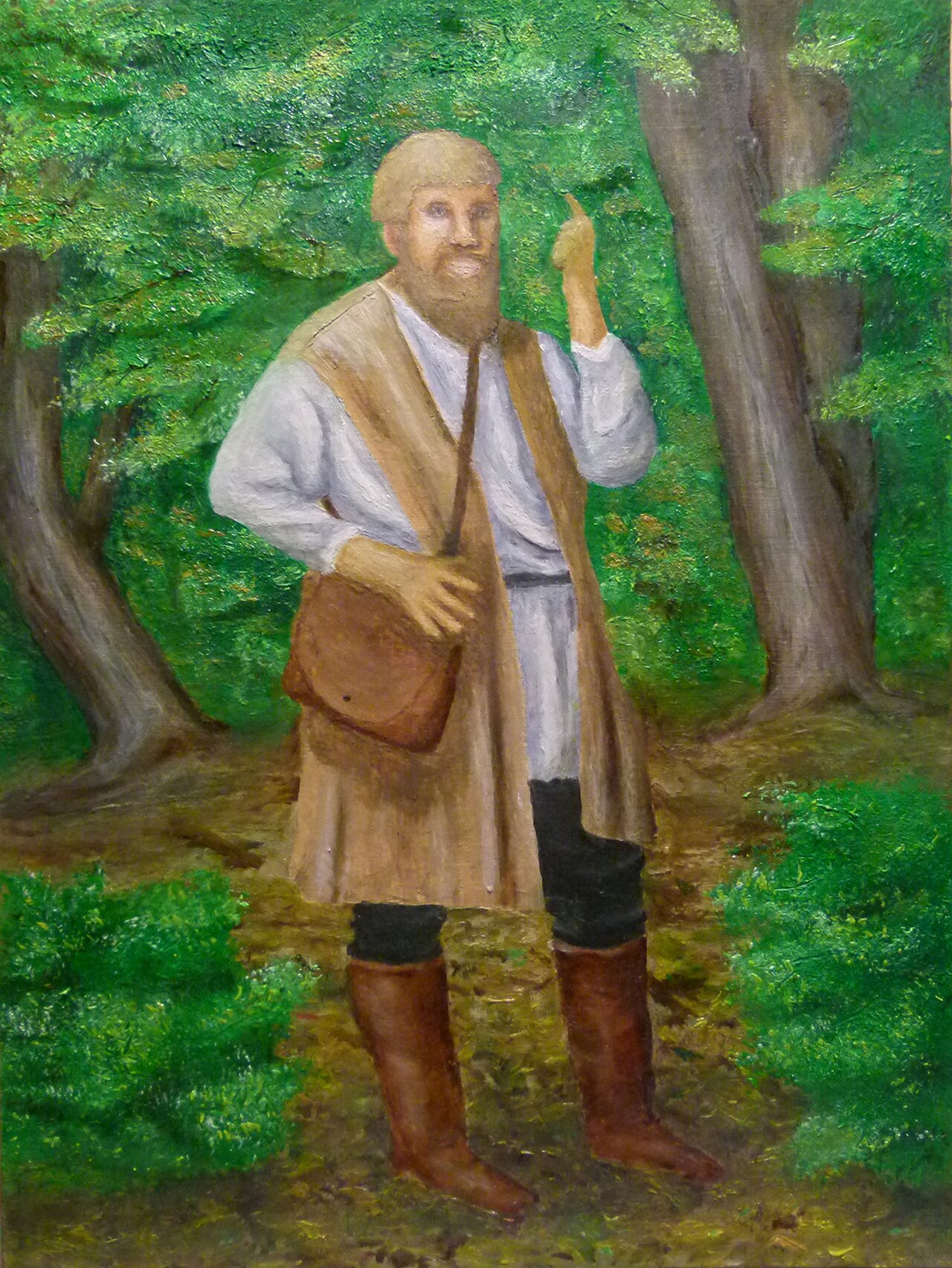
Swiss Brethren gathered under Michael Sattler adopt the Schleitheim Confession, the first Anabaptist confession of faith; its seven articles define believers' baptism, the ban, separation from the world, and refusal of the sword and the oath.

Balthasar Hubmaier, the Anabaptist movement's most learned theologian, is burned at the stake in Vienna and his wife drowned in the Danube; his writings on believers' baptism survive as the movement's theological foundation.
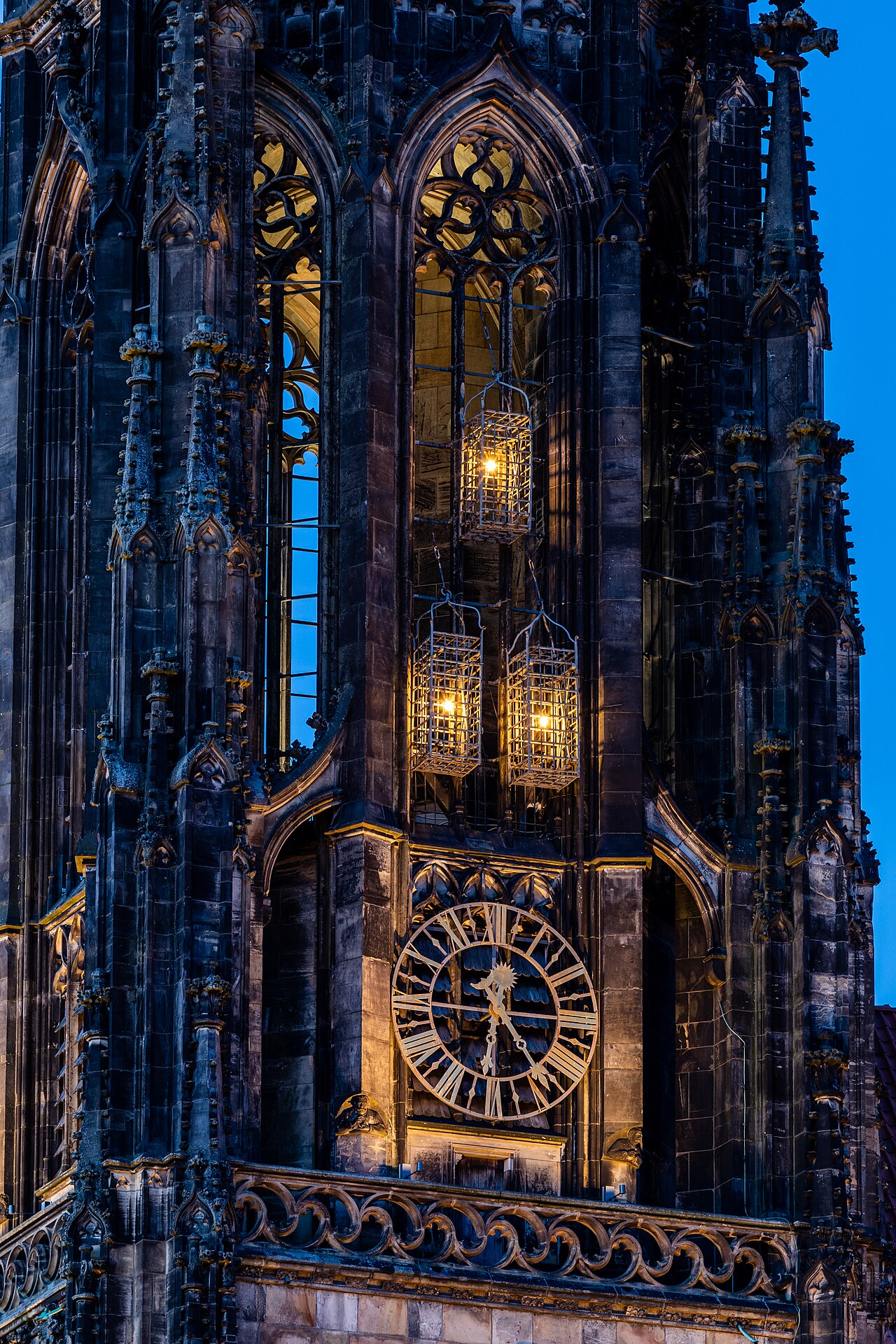
Radical Anabaptists seize Münster, proclaim the New Jerusalem, and institute polygamy and community of goods before the city falls and its leaders are tortured to death; the catastrophe discredits the movement's revolutionary wing and drives its survivors toward pacifism.
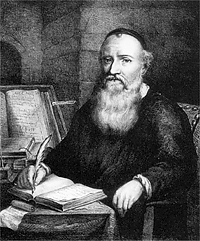
Menno Simons, a Dutch Catholic priest troubled by doubt about transubstantiation and grieved by the movement's violent fringe, is rebaptized and ordained; his leadership gathers the peaceful Dutch Anabaptists who come to bear his name as Mennonites.
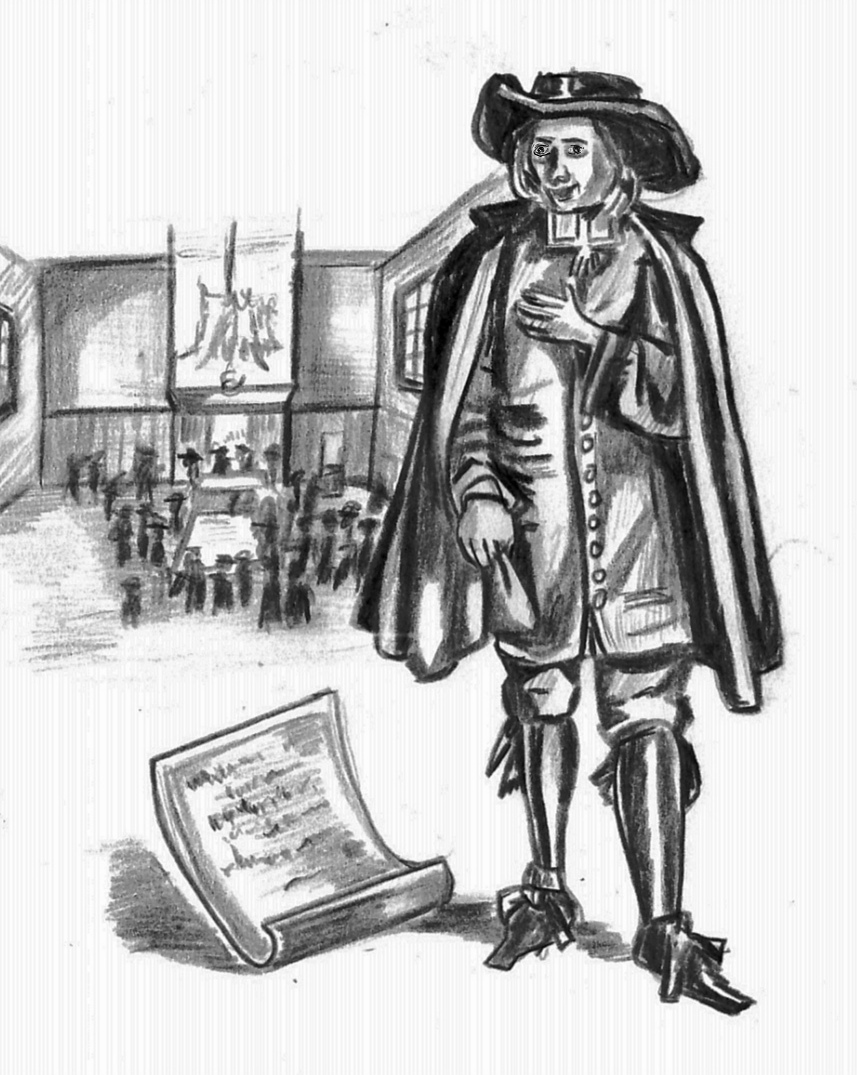
Dutch Mennonite congregations adopt the Dordrecht Confession of Faith; its eighteen articles become the standard confession for Mennonite and later Amish churches across Europe and North America.
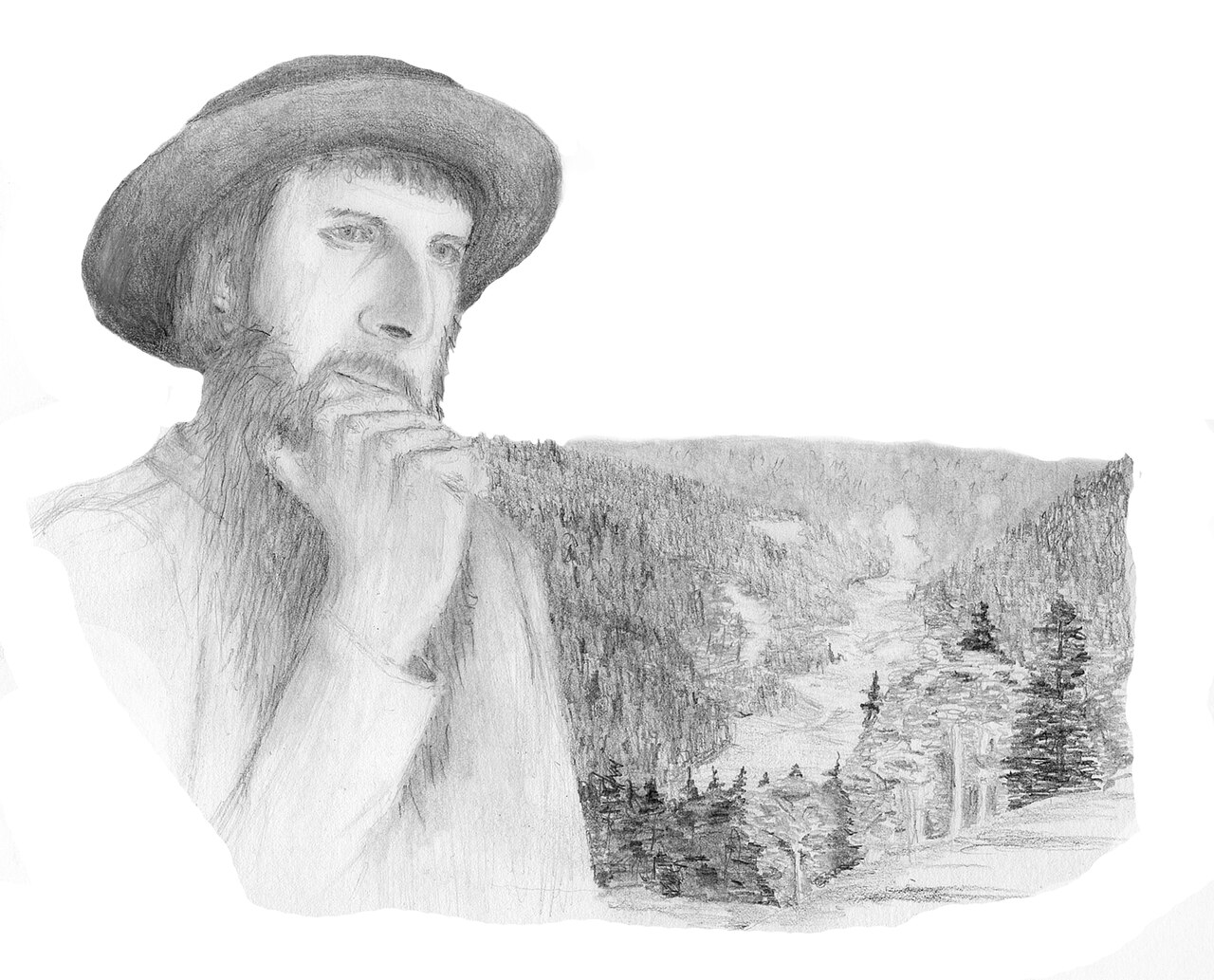
Jakob Ammann's demand for stricter discipline, including shunning of the excommunicated, divides the Swiss and Alsatian Mennonites; his followers become the Amish, named for him.

North American Mennonites organize the Mennonite Central Committee to feed starving Mennonite colonists in Soviet Ukraine; it grows into the tradition's global relief, development, and peace agency.