
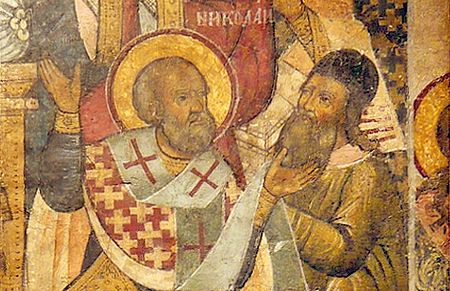
325
First Council of Nicaea
Constantine convenes the first ecumenical council at Nicaea, which condemns Arius and confesses the Son as homoousios; of the same being as the Father; in the original Nicene Creed.
Search pages, essays, world views, libraries, and topics. Type at least two characters.
 CCWV.LIFE
Support This Site
Eighteen accounts of what is real, each set out in its own terms and each with its own page.
All World Views Does God Exist?The Reformed and Presbyterian stream of the Christianity timeline.
Streams: All of Christianity Catholic Eastern Orthodox Oriental Orthodox Anglican Lutheran Reformed and Presbyterian Anabaptist Baptist Methodist and Wesleyan Restorationist Pentecostal and Charismatic Independent and Non-denominational
Constantine convenes the first ecumenical council at Nicaea, which condemns Arius and confesses the Son as homoousios; of the same being as the Father; in the original Nicene Creed.
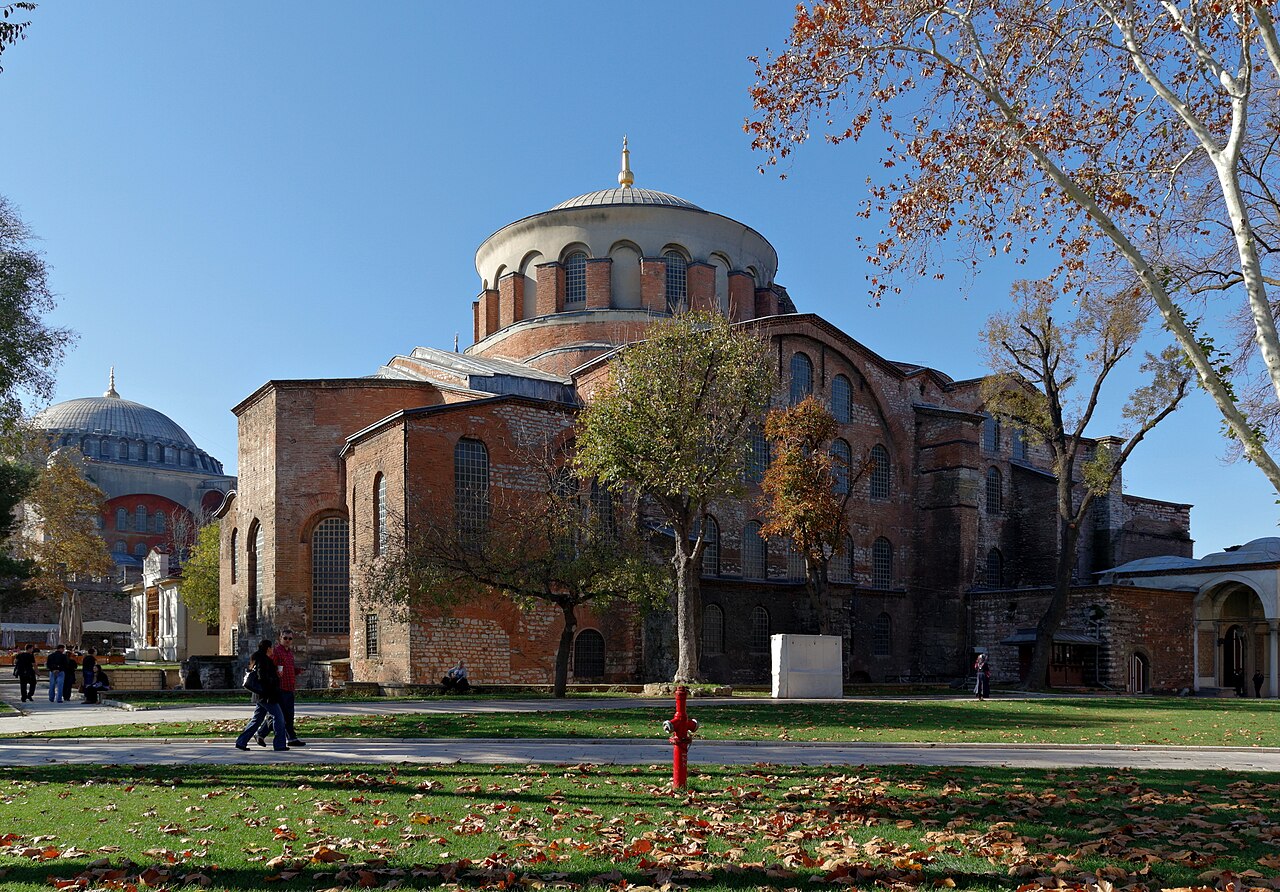
The second ecumenical council completes the Nicene confession, expanding the article on the Holy Spirit; its creed is the Nicene-Constantinopolitan Creed the church still recites.
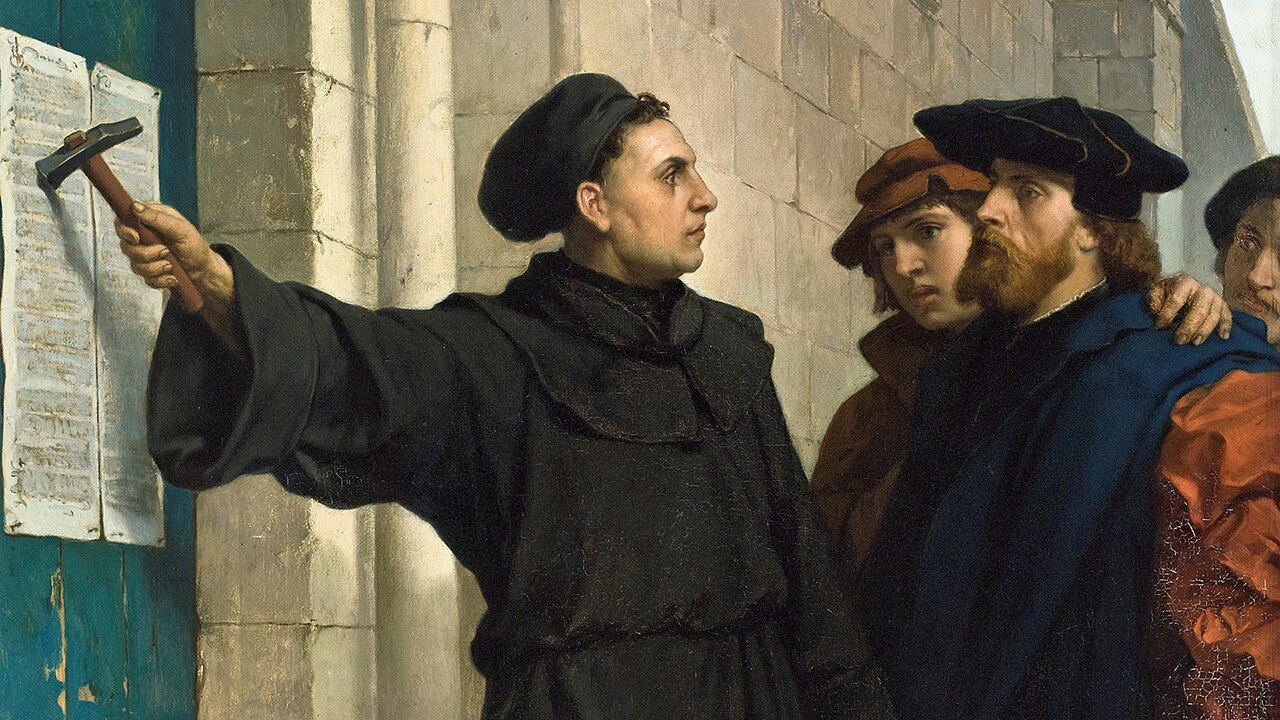
Martin Luther publishes his theses against indulgences at Wittenberg; the Reformation begins.

The final edition of Calvin's Institutes gives the Reformed tradition its systematic statement, and the Geneva Academy begins training its ministers; Geneva becomes the school's city for Reformed churches across Europe.
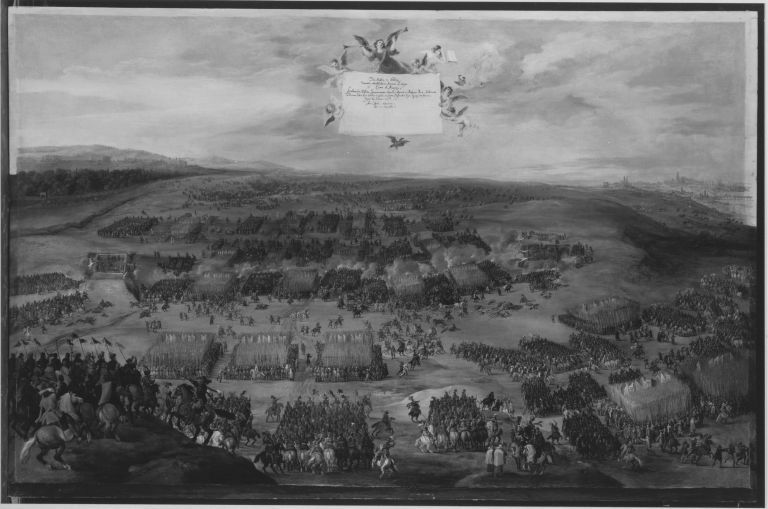
The last and deadliest of Europe's wars of religion devastates the German lands before exhaustion produces a settlement.
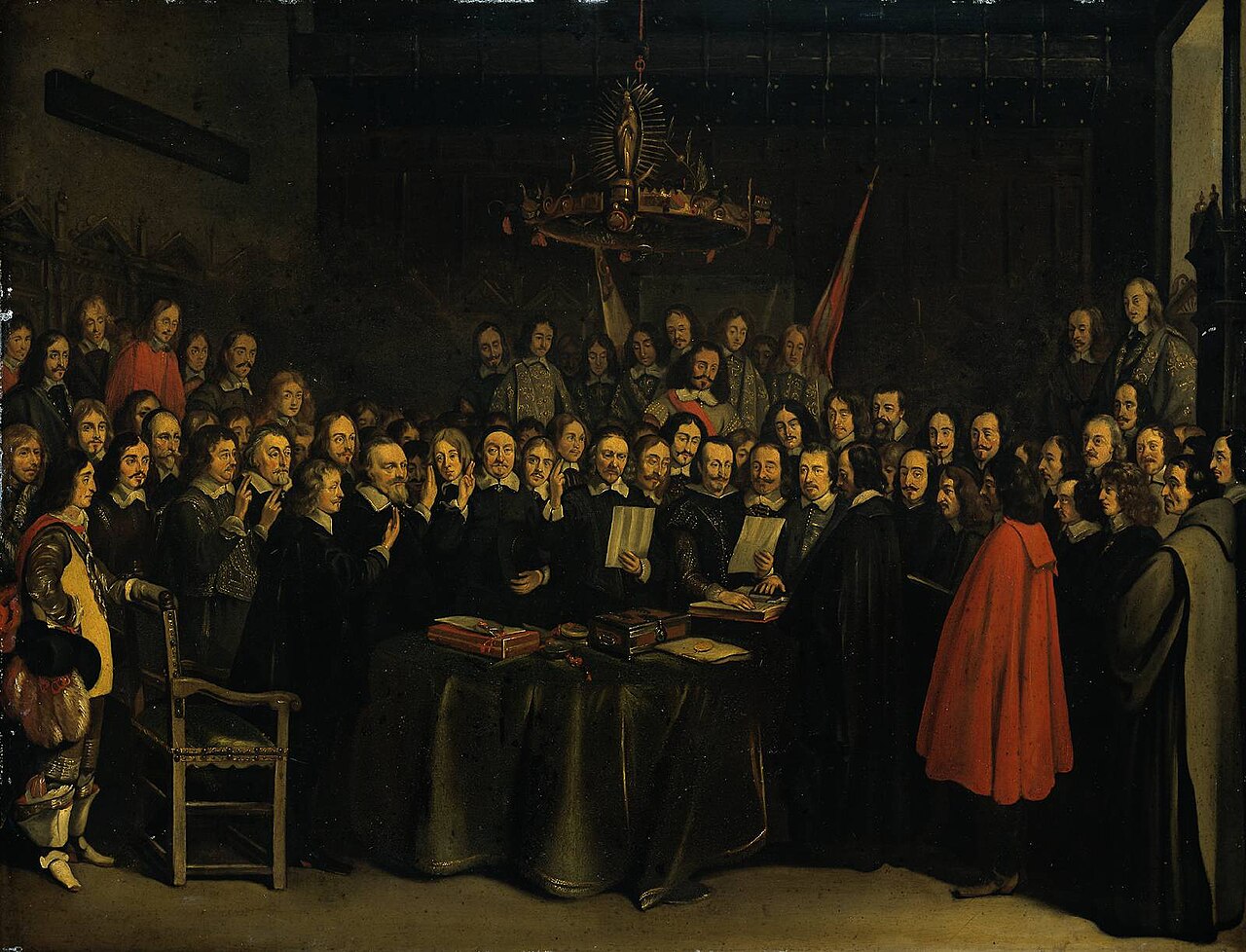
The treaties of Münster and Osnabrück end the war and settle the confessional map of the empire on the principle of cuius regio, eius religio, extended to the Reformed.
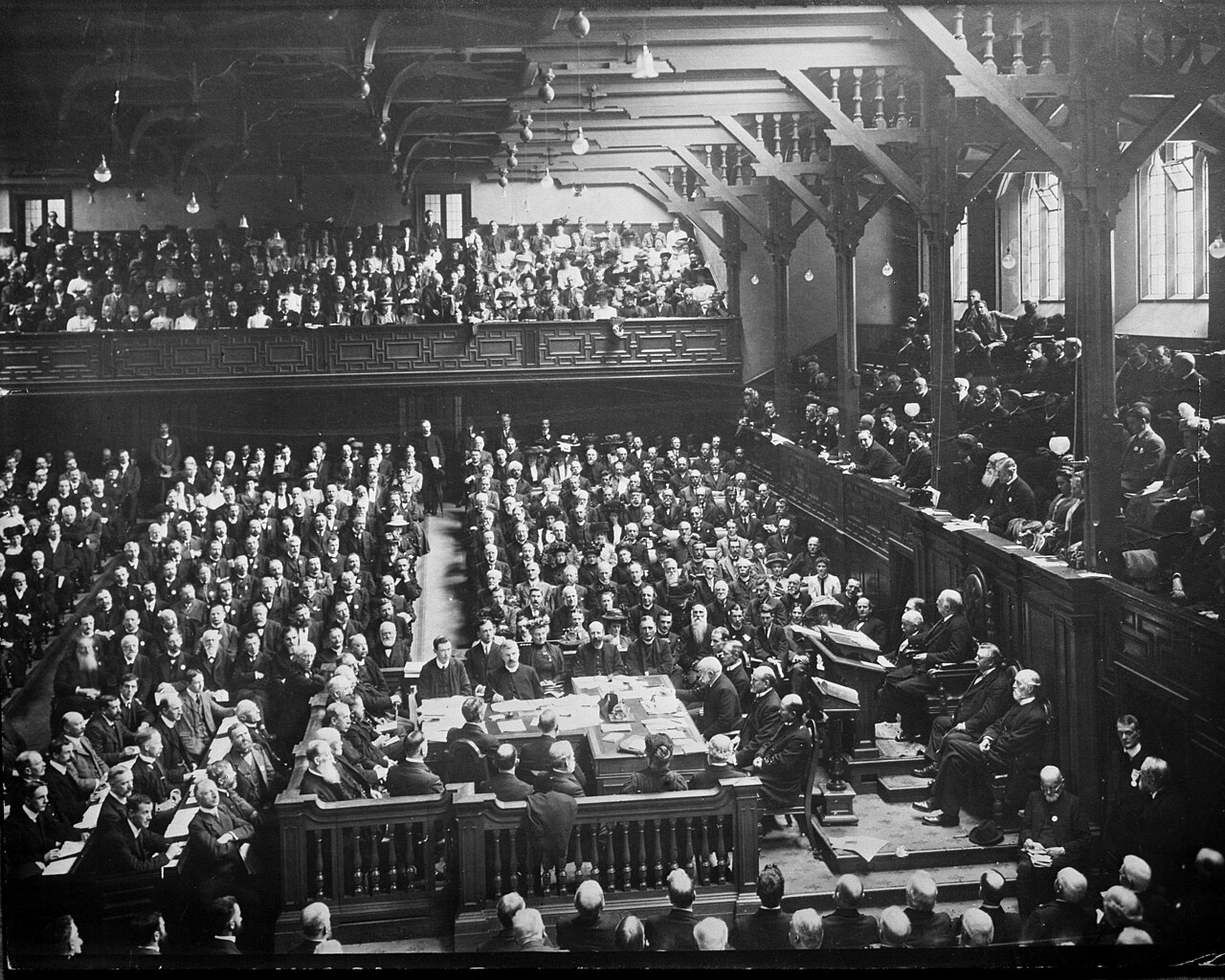
The World Missionary Conference at Edinburgh gathers the Protestant missionary movement and, in retrospect, opens the modern ecumenical movement.
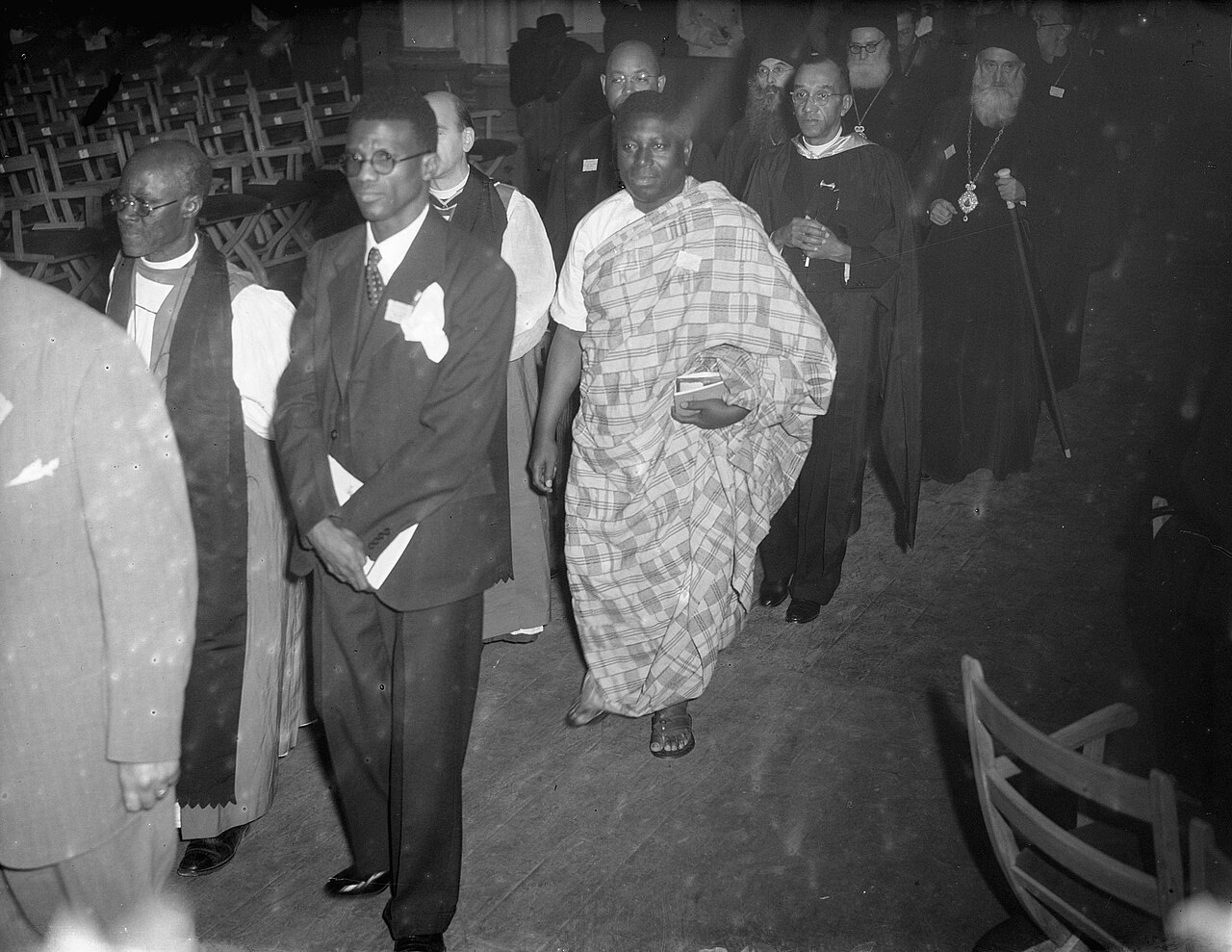
The World Council of Churches constitutes itself at Amsterdam under the theme 'Man's Disorder and God's Design', joining the historic churches in one fellowship; Rome observing from outside.