Existentialism

The Existentialism timeline in the History of Worldviews.

The Existentialism dataset follows the movement from Kierkegaard's response to Hegel through Dostoevsky and the Spanish and German sources to the French school, its wartime and postwar flowerings, and its theological and colonial turns.

Its fifteen events stand across four eras, from the Danish beginning to Fanon and Tillich.

Periodization
Standard periodization of existentialist history Source: Kaufmann, Walter, ed. Existentialism from Dostoevsky to Sartre. New York: Meridian, 1956.
Contested periodization
Several of the dataset's figures refused the label; the dataset records the refusal on their events and keeps the standard grouping.
Geographic scope
Denmark and Russia first, then Germany and France, and the wider world the French school reached.
Dating caveats
Dates are publication dates and are documentary; Kierkegaard's pseudonymous works are dated to their first publication.
Internal diversity
Religious and atheist existentialisms stand together, as do the movement's European and anti-colonial lines.
Origin narrative
In preparation. The dataset's founding story will stand here in the three-layer format when its narrative is published.

Sources: Kaufmann, Walter, ed. Existentialism from Dostoevsky to Sartre. New York: Meridian, 1956.; Solomon, Robert C. Existentialism. New York: Oxford University Press, second edition, 2005.; Gordon, Lewis R. Fanon and the Crisis of European Man. New York: Routledge, 1995.

Streams: All of Existentialism Existentialism

The Nineteenth-Century Sources

1843

Kierkegaard's Either/Or

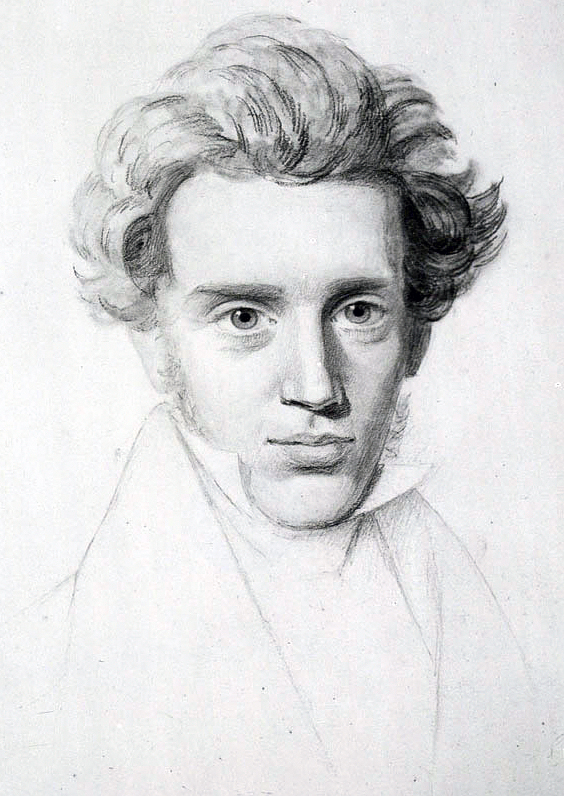
In 1843, under the name of an editor who claims merely to have found the papers, Søren Kierkegaard publishes Either/Or in Copenhagen: the aesthetic life in the Seducer's Diary, the ethical life in a judge's letters, and no synthesis offered. The book, with its doctrine that truth is subjectivity and the self is a task, is existentialism's founding text, written a century before the name.
Copenhagen
1849

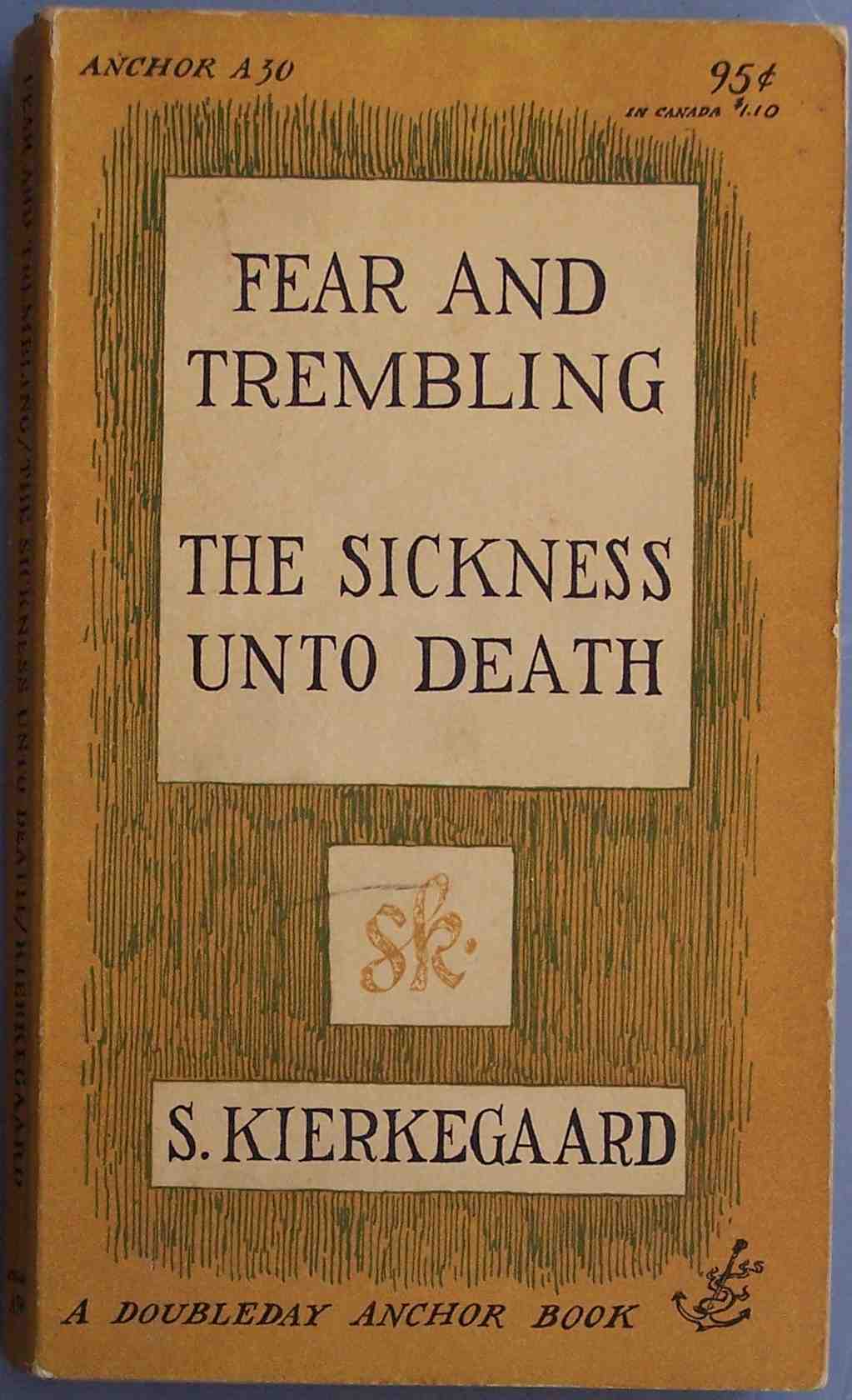
Kierkegaard's The Sickness Unto Death

In 1849 Kierkegaard publishes The Sickness Unto Death under the pseudonym Anti-Climacus: despair is the sickness unto death, the self's refusal or failure to be itself before God. The book's anatomy of despair becomes the tradition's deepest account of the human condition, read by theologians and atheists alike.

Copenhagen
1864

Dostoevsky's Notes from Underground

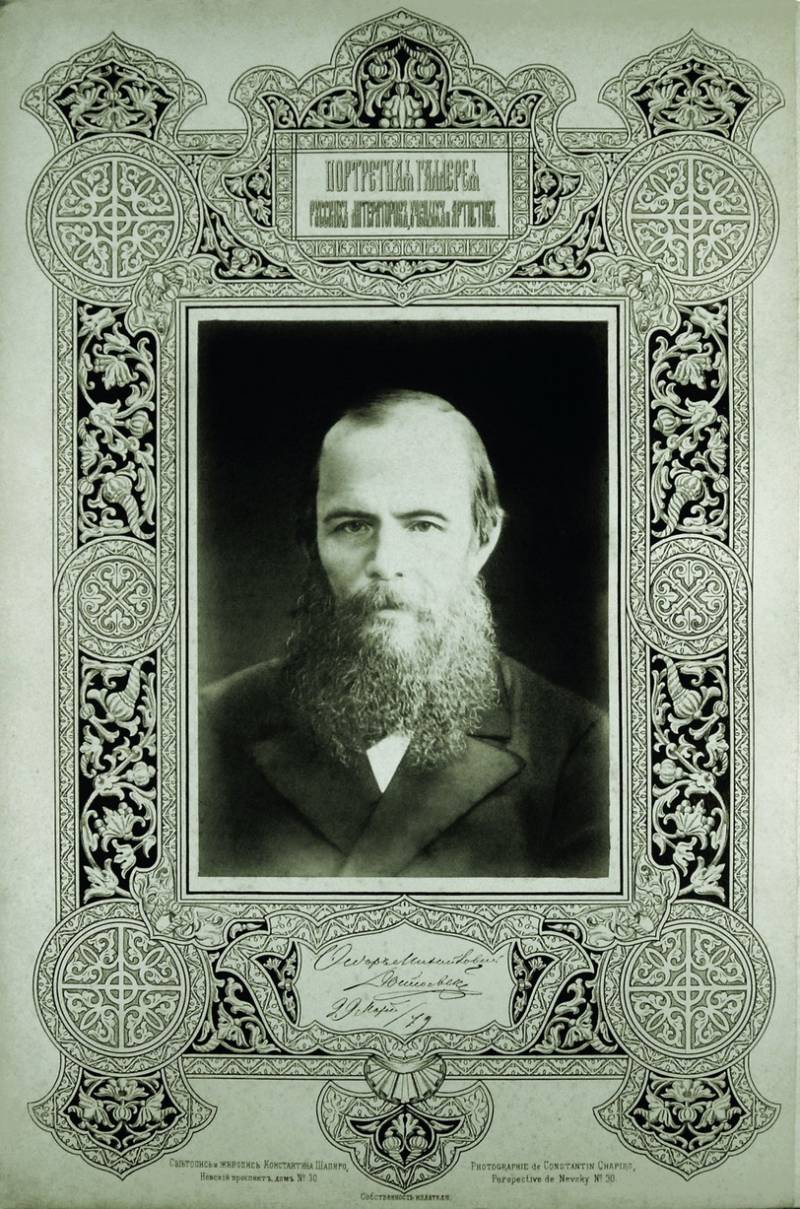
In 1864 Dostoevsky publishes Notes from Underground, whose spiteful narrator, retired to his corner, refuses the rational utopia of Chernyshevsky's crystal palace and asserts the right to want against reason itself. The Underground Man is literature's first existential anti-hero, and the book the tradition's second founding text.

St Petersburg

Existenz Between the Wars

1913

Unamuno's The Tragic Sense of Life

In 1913 Miguel de Unamuno, rector of Salamanca, publishes The Tragic Sense of Life in Men and Nations: faith and reason at war in the man of flesh and bone who cannot accept death. Unamuno carries the existential protest into Spanish letters, against both scholasticism and positivism, a generation before Paris.

Salamanca
1932

Jaspers's Philosophie

In 1932 Karl Jaspers publishes his three-volume Philosophie in Berlin, setting out Existenz, the self that becomes itself only in boundary situations: death, guilt, conflict, chance. Jaspers, with Heidegger, gives the German form of the movement its name, Existenzphilosophie, on the eve of the catastrophe that will scatter it.

Berlin

The Paris Decade

1938

Sartre's Nausea

In 1938 Jean-Paul Sartre publishes Nausea, the novel of Antoine Roquentin, who finds in a chestnut root the sheer contingency of things: everything is gratuitous, existing without reason. The novel makes Sartre's name and gives the movement its literary emblem before its philosophy is written.

Paris
1943

Sartre's Being and Nothingness

In 1943, in occupied Paris, Sartre publishes Being and Nothingness, the movement's systematic summa: consciousness as nothingness at the heart of being, man condemned to be free, bad faith as the evasion of that freedom. The book, written in cafés between curfews, becomes postwar existentialism's scripture.

Paris
1945

Merleau-Ponty's Phenomenology of Perception

In 1945 Maurice Merleau-Ponty publishes the Phenomenology of Perception, grounding consciousness in the lived body: perception is not a picture in the mind but the body's grip on the world. The book corrects Sartre's dualism from inside the movement and becomes phenomenology's second classic.

Paris
1945

Sartre's lecture Existentialism Is a Humanism

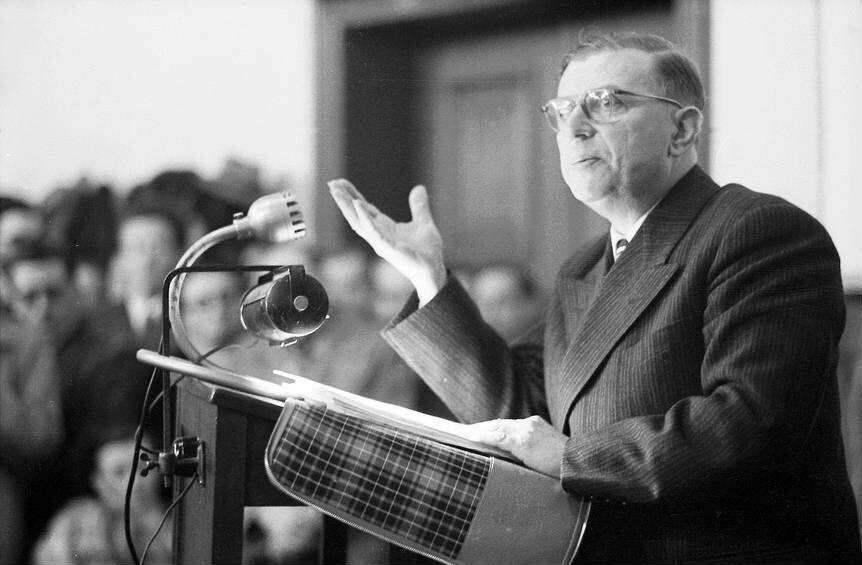
On 29 October 1945 Sartre lectures to a packed and quarrelsome Paris hall, defending existentialism against its Catholic and Communist critics: existence precedes essence, man makes himself, and in choosing himself he chooses all men. The lecture, published in 1946, is the movement's public manifesto and the text by which the world learns its name.

Paris
1946

Frankl's Man's Search for Meaning

In 1946 Viktor Frankl, a Viennese psychiatrist who has survived Auschwitz, publishes the account that becomes Man's Search for Meaning: even in the camps, he argues, the last freedom, to choose one's attitude, cannot be taken, and meaning is found in work, love, and suffering borne. Frankl's logotherapy makes existential analysis a clinical practice.

Vienna
1947

Camus's The Plague

In 1947 Albert Camus publishes The Plague, the novel of Oran under epidemic quarantine, in which Dr Rieux's unheroic persistence becomes the ethic of the absurd after the war: no metaphysical rebellion, only decency against the bacillus. The book, read across Europe as the allegory of occupation and resistance, is Camus's answer to the questions his Sisyphus essay (whose record stands in the Nihilism timeline) had posed.

Paris
1947

Heidegger's Letter on Humanism

In 1947 Martin Heidegger publishes his Letter on Humanism, written to the French philosopher Jean Beaufret in reply to Sartre's lecture. Language is the house of Being, he answers; his thought is no humanism and no existentialism. The letter is the German source's refusal of the Paris label, and the movement's founding divorce, conducted in perfect courtesy.

Freiburg
1949

Beauvoir's The Second Sex

In 1949 Simone de Beauvoir publishes The Second Sex: one is not born, but rather becomes, a woman. Beauvoir turns existentialism's method, the self made in situation, on the situation of women, and produces the founding text of modern feminism. The book's two volumes are the Paris decade's most consequential application of its philosophy.

Paris

The Wider Reckoning

1952

Fanon's Black Skin, White Masks

In 1952 Frantz Fanon, a Martinican psychiatrist in Lyon, publishes Black Skin, White Masks, turning existential phenomenology on the lived experience of the colonized: the black man overdetermined from outside, his body a racial schema before it is his own. The book founds the existential analysis of race and becomes a charter of decolonial thought.

Lyon
1952

Tillich's The Courage to Be

In 1952 Paul Tillich publishes The Courage to Be from his Terry Lectures at Yale: anxiety in its three forms, fate and death, emptiness and meaninglessness, guilt and condemnation, answered by the courage to accept acceptance. Tillich carries existential analysis into theology's center, and the book becomes the movement's religious classic in English.

Yale University, New Haven