

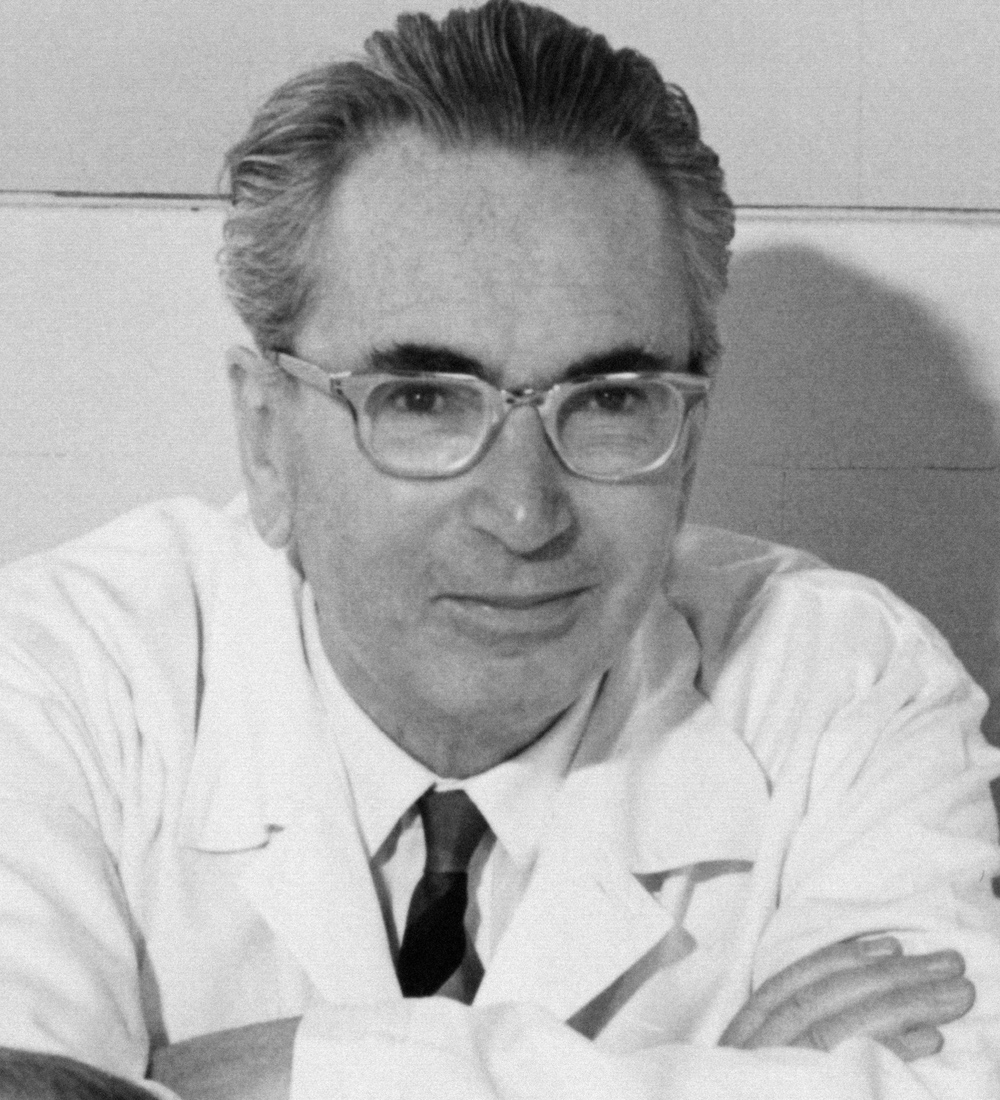
In 1946 Viktor Frankl, a Viennese psychiatrist who has survived Auschwitz, publishes the account that becomes Man's Search for Meaning: even in the camps, he argues, the last freedom, to choose one's attitude, cannot be taken, and meaning is found in work, love, and suffering borne. Frankl's logotherapy makes existential analysis a clinical practice.
Tagged: Existentialism
The Event
- Date
- 1946 (exact)
- Era
- The Paris Decade; Standard periodization of existentialist history
- Location
- Vienna; today Vienna, Austria
- Traditions
- Existentialism
- Streams
- Existentialism
- Key figures
- Viktor Frankl
- Key texts
- Man's Search for Meaning
Primary Sources
- Frankl, Viktor. Ein Psycholog erlebt das Konzentrationslager. Vienna, 1946.
Secondary Sources
- Gordon, Lewis R. Fanon and the Crisis of European Man. New York: Routledge, 1995.
- Kaufmann, Walter, ed. Existentialism from Dostoevsky to Sartre. New York: Meridian, 1956.
- Solomon, Robert C. Existentialism. New York: Oxford University Press, second edition, 2005.
Provenance: HIST-1429; confidence 0.95; accessed 2026-10-30.
Related on This Site
 History Event
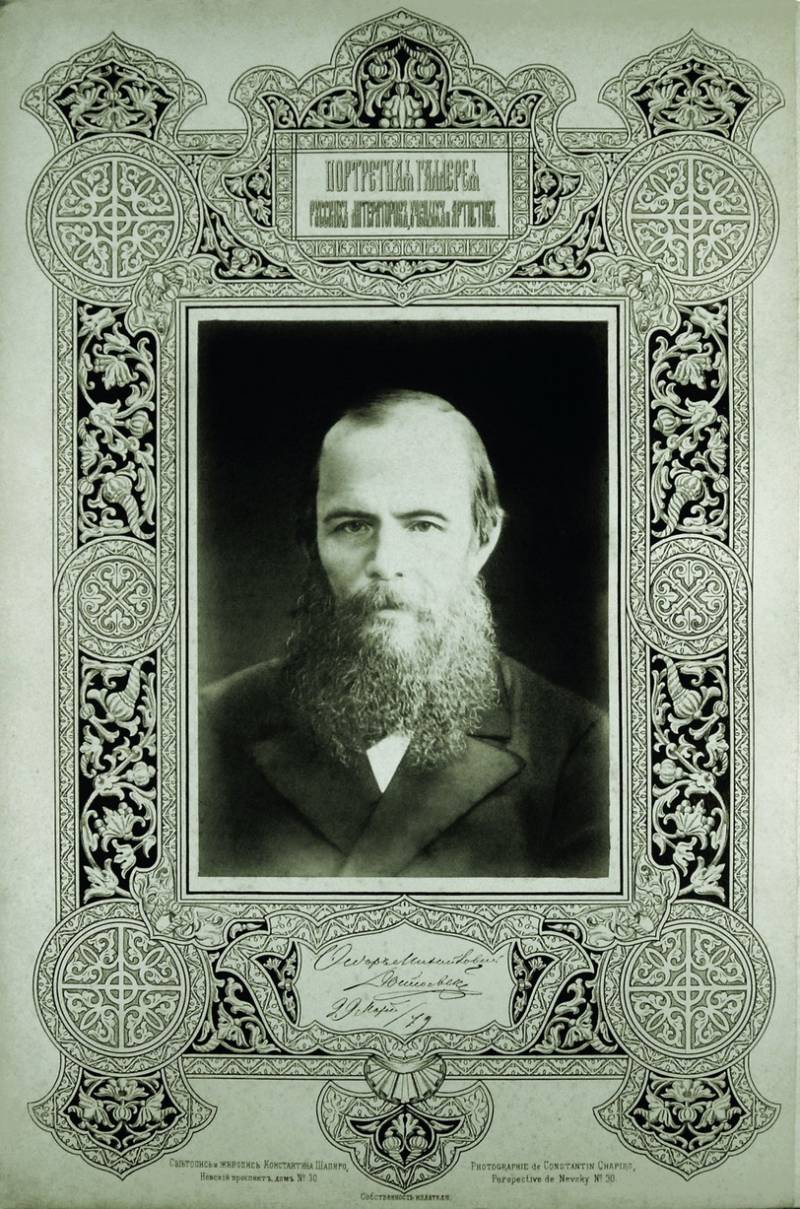
Dostoevsky's Notes from Underground
1864
 History Event
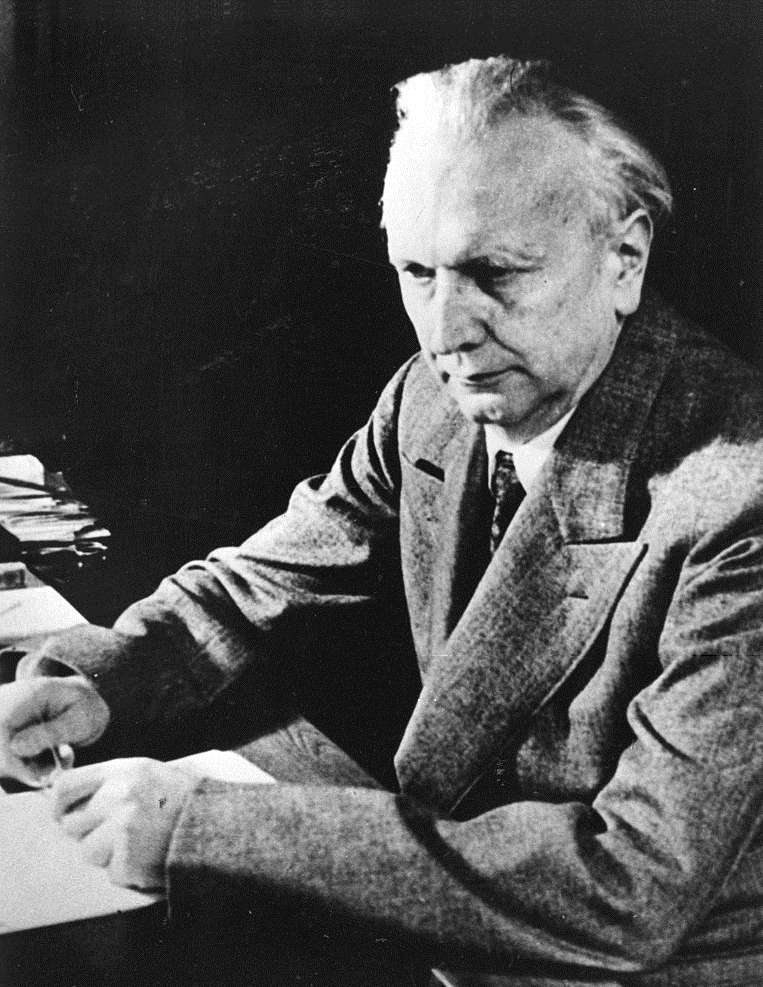
Jaspers's Philosophie
1932
 History Event
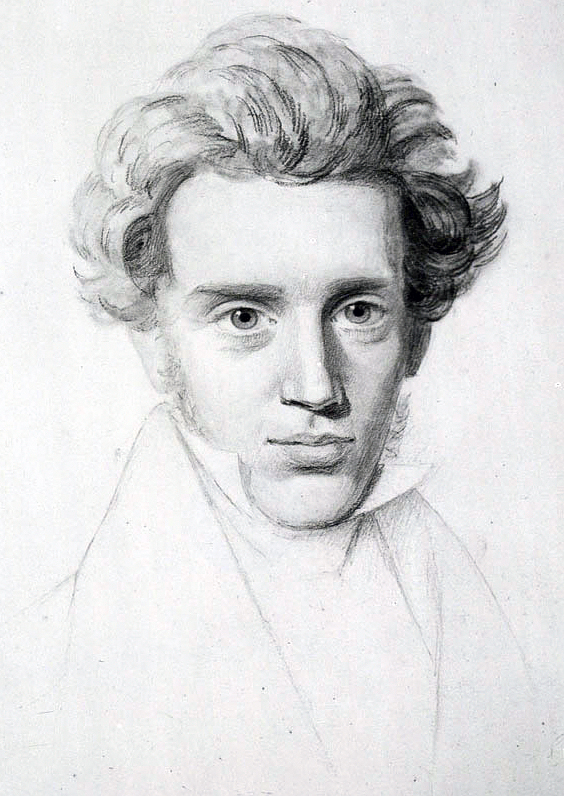
Kierkegaard's Either/Or
1843
 History Event
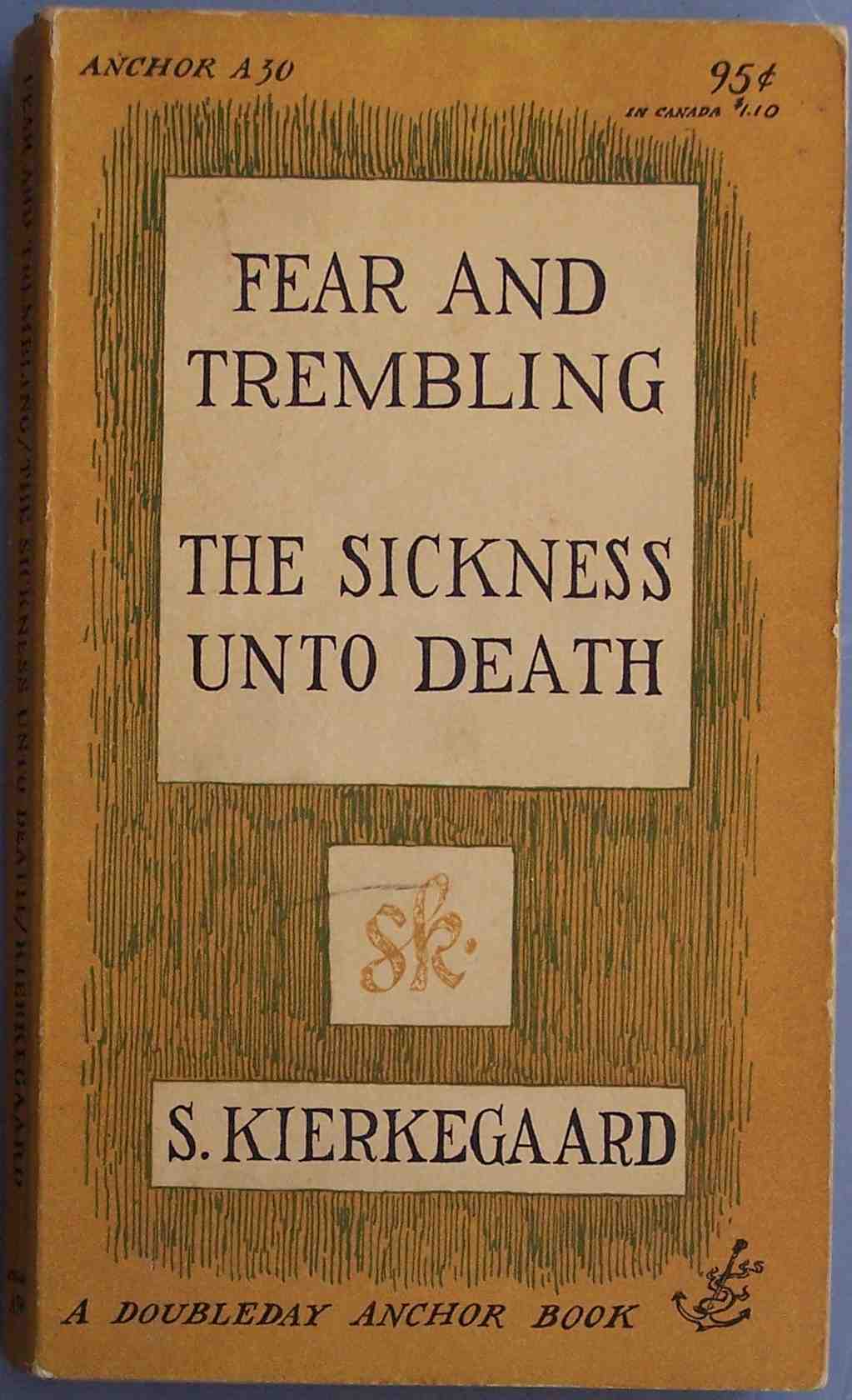
Kierkegaard's The Sickness Unto Death
1849
 History Event
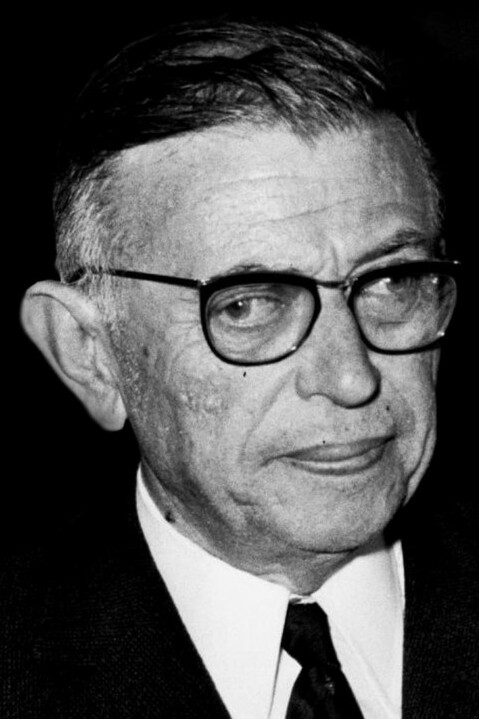
Sartre's Being and Nothingness
1943
 History Event
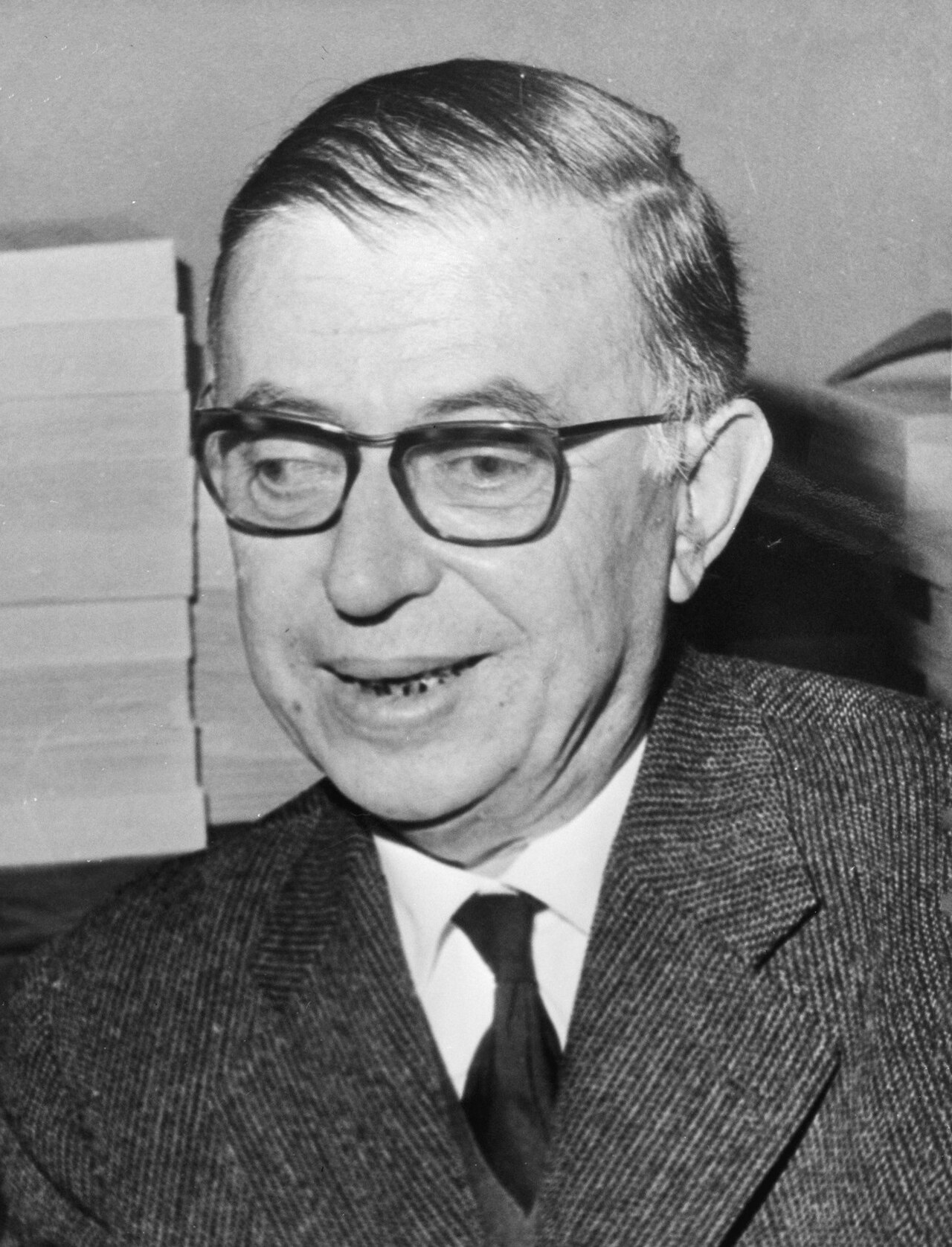
Sartre's Nausea
1938
 History Event
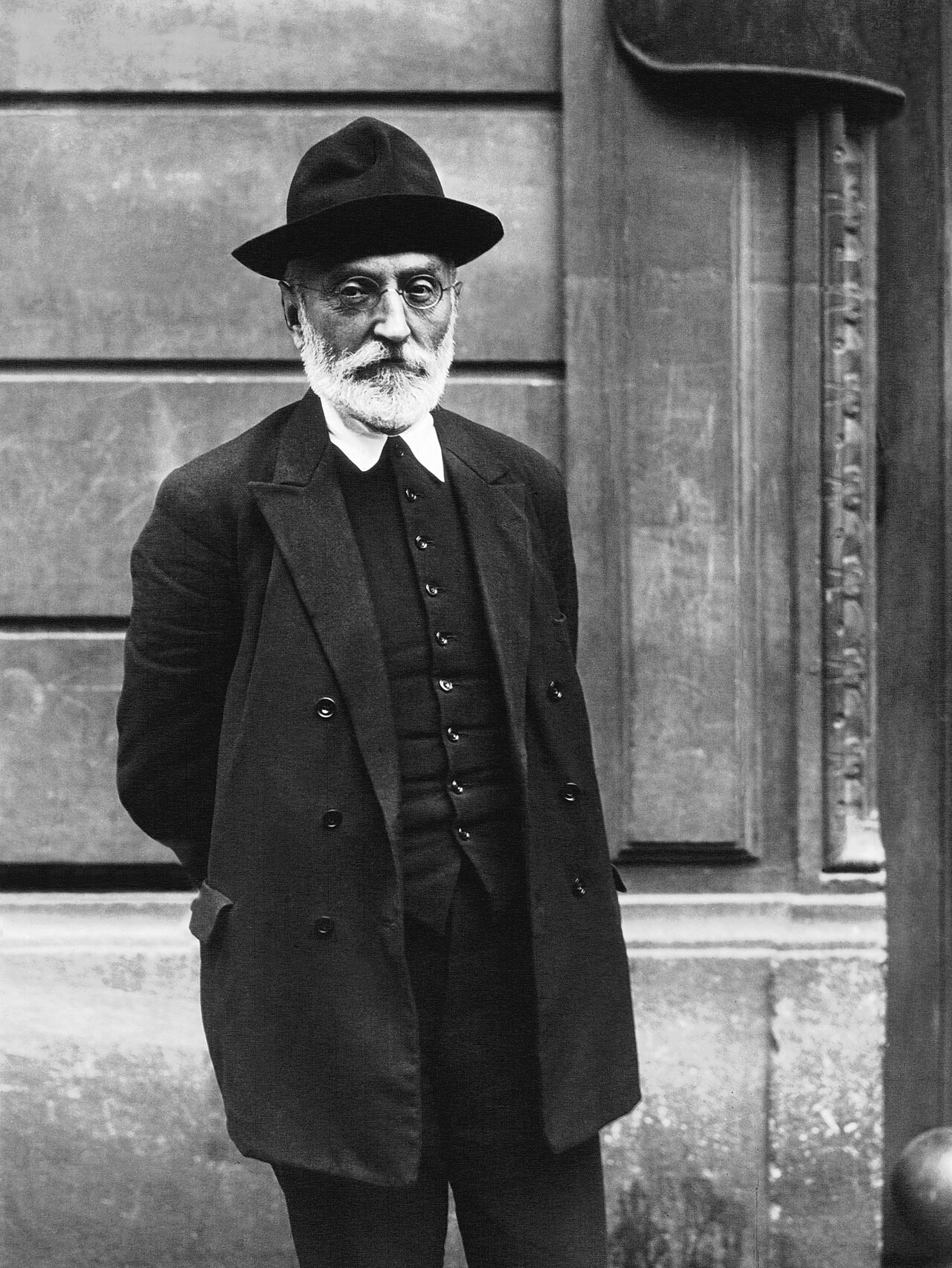
Unamuno's The Tragic Sense of Life
1913
 World View
Existentialism
Existentialism holds that life has no built-in meaning: each person, radically free, must create a self and accept responsibility for that creation.