

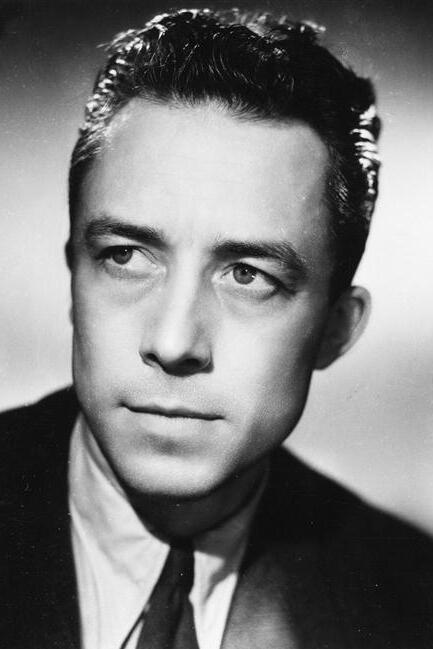
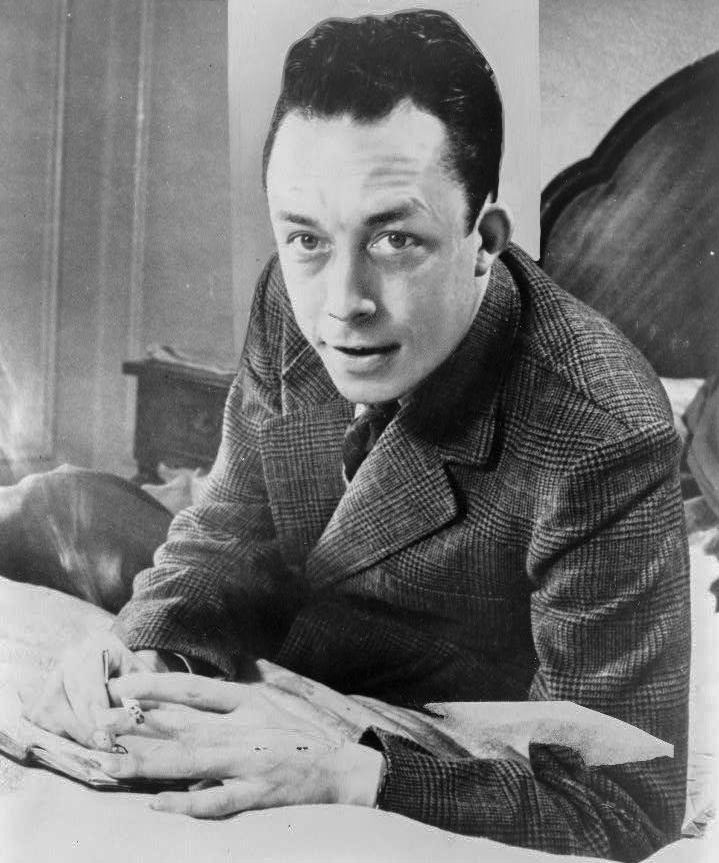
In 1947 Albert Camus publishes The Plague, the novel of Oran under epidemic quarantine, in which Dr Rieux's unheroic persistence becomes the ethic of the absurd after the war: no metaphysical rebellion, only decency against the bacillus. The book, read across Europe as the allegory of occupation and resistance, is Camus's answer to the questions his Sisyphus essay (whose record stands in the Nihilism timeline) had posed.
Tagged: Existentialism
The Event
- Date
- 1947 (exact)
- Era
- The Paris Decade; Standard periodization of existentialist history
- Location
- Paris; today Paris, France
- Traditions
- Existentialism
- Streams
- Existentialism
- Key figures
- Albert Camus
- Key texts
- The Plague
How the Tradition Tells It
Camus refused the existentialist label throughout his life and called himself an artist, not a philosopher; his work stands in the movement's history by its questions, its company, and its reception, and the record states the refusal on its face.
Connections
Primary Sources
- Camus, Albert. La Peste. Paris: Gallimard, 1947.
Secondary Sources
- Gordon, Lewis R. Fanon and the Crisis of European Man. New York: Routledge, 1995.
- Kaufmann, Walter, ed. Existentialism from Dostoevsky to Sartre. New York: Meridian, 1956.
- Solomon, Robert C. Existentialism. New York: Oxford University Press, second edition, 2005.
Provenance: HIST-1430; confidence 0.95; accessed 2026-10-30.
Related on This Site
 History Event
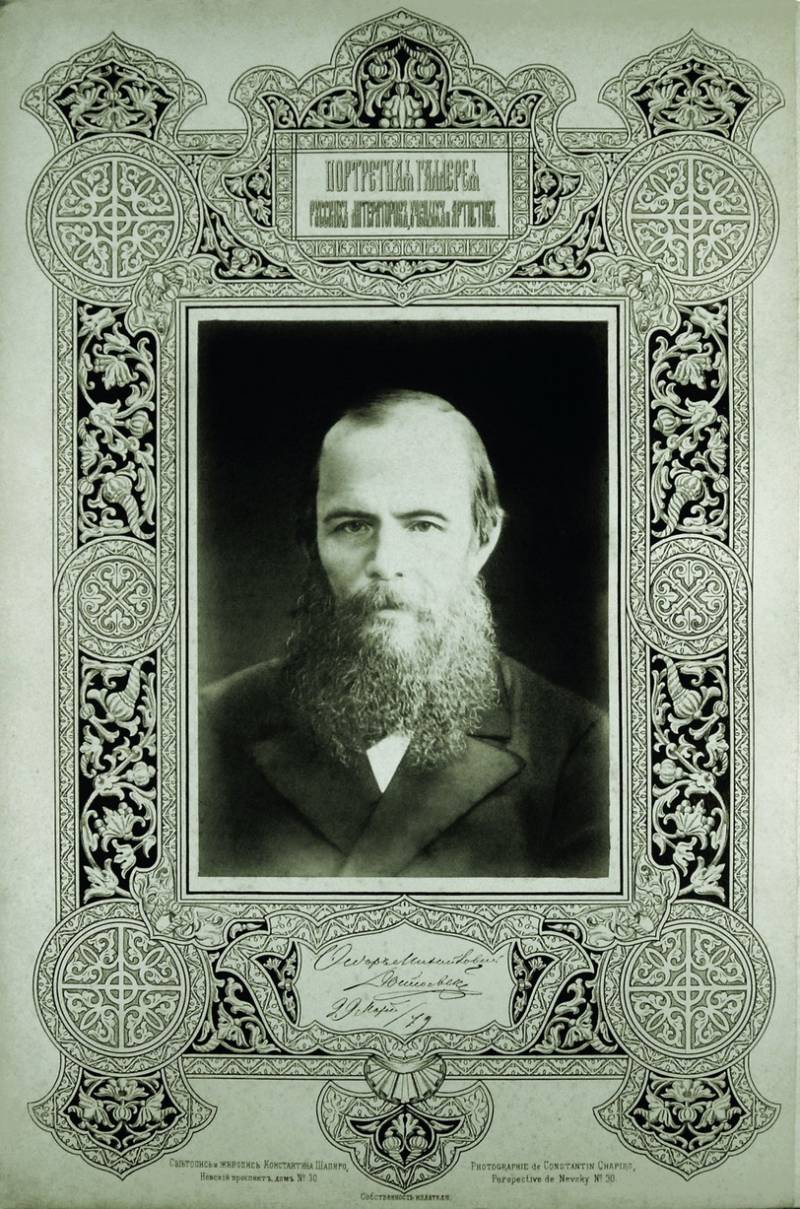
Dostoevsky's Notes from Underground
1864
 History Event
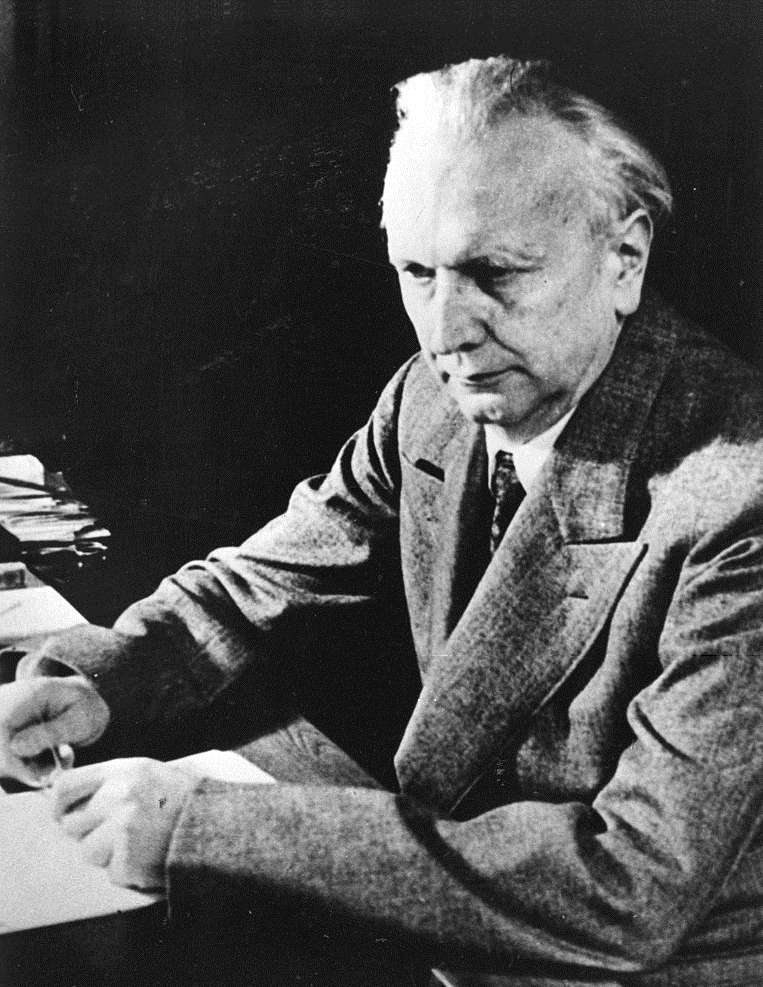
Jaspers's Philosophie
1932
 History Event
Kierkegaard's Either/Or
1843
 History Event
Kierkegaard's The Sickness Unto Death
1849
 History Event
Sartre's Being and Nothingness
1943
 History Event
Sartre's Nausea
1938
 History Event
Unamuno's The Tragic Sense of Life
1913
 World View
Existentialism
Existentialism holds that life has no built-in meaning: each person, radically free, must create a self and accept responsibility for that creation.