

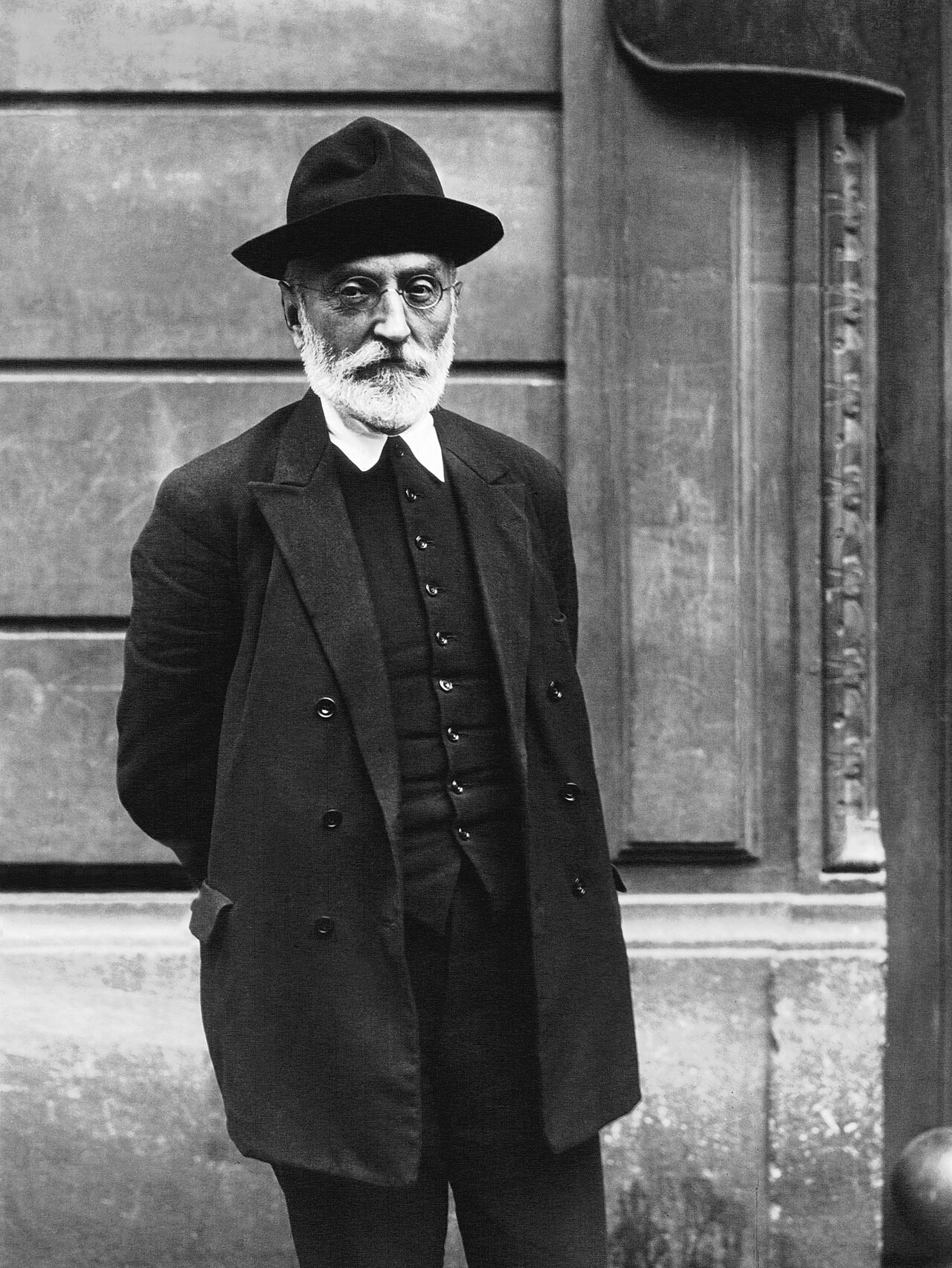
In 1913 Miguel de Unamuno, rector of Salamanca, publishes The Tragic Sense of Life in Men and Nations: faith and reason at war in the man of flesh and bone who cannot accept death. Unamuno carries the existential protest into Spanish letters, against both scholasticism and positivism, a generation before Paris.
Tagged: Existentialism
The Event
- Date
- 1913 (exact)
- Era
- Existenz Between the Wars; Standard periodization of existentialist history
- Location
- Salamanca; today Salamanca, Spain
- Traditions
- Existentialism
- Streams
- Existentialism
- Key figures
- Miguel de Unamuno
- Key texts
- The Tragic Sense of Life
Primary Sources
- Unamuno, Miguel de. Del sentimiento trágico de la vida. Madrid, 1913.
Secondary Sources
- Gordon, Lewis R. Fanon and the Crisis of European Man. New York: Routledge, 1995.
- Kaufmann, Walter, ed. Existentialism from Dostoevsky to Sartre. New York: Meridian, 1956.
- Solomon, Robert C. Existentialism. New York: Oxford University Press, second edition, 2005.
Provenance: HIST-1423; confidence 0.95; accessed 2026-10-30.
Related on This Site
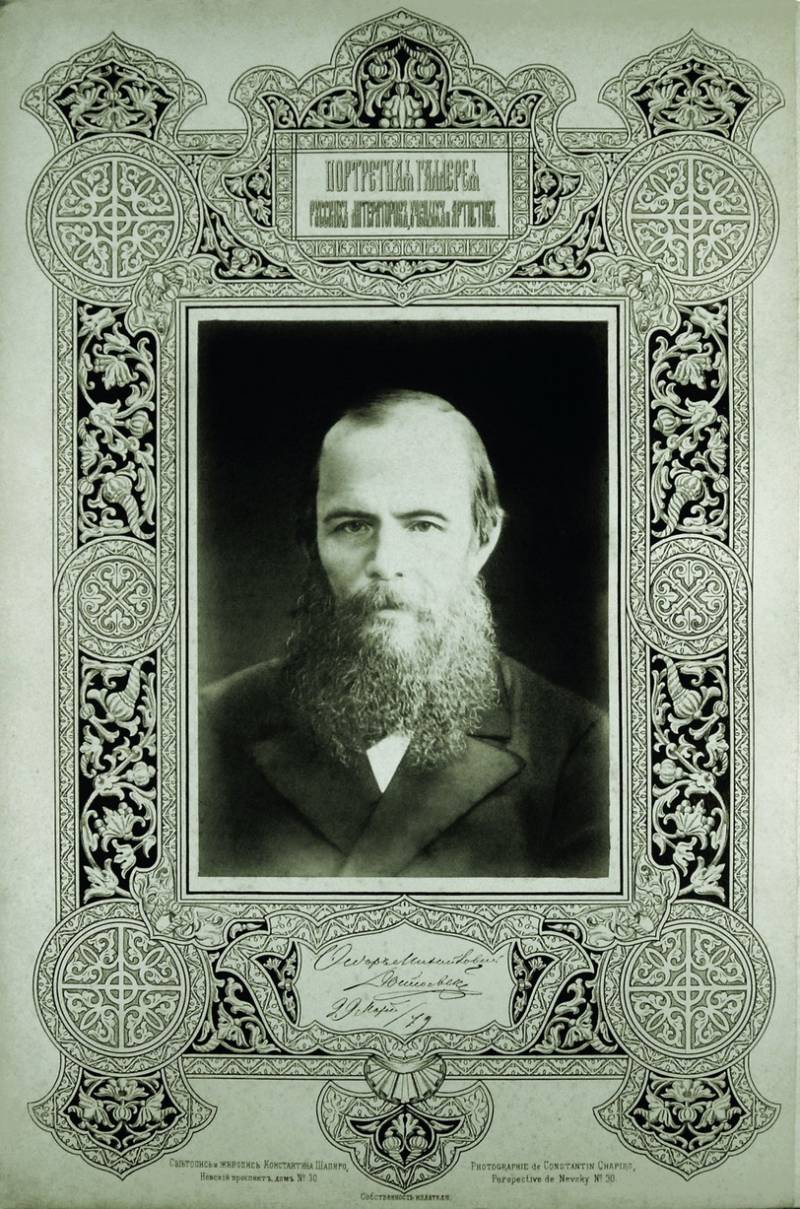 History Event
Dostoevsky's Notes from Underground
1864
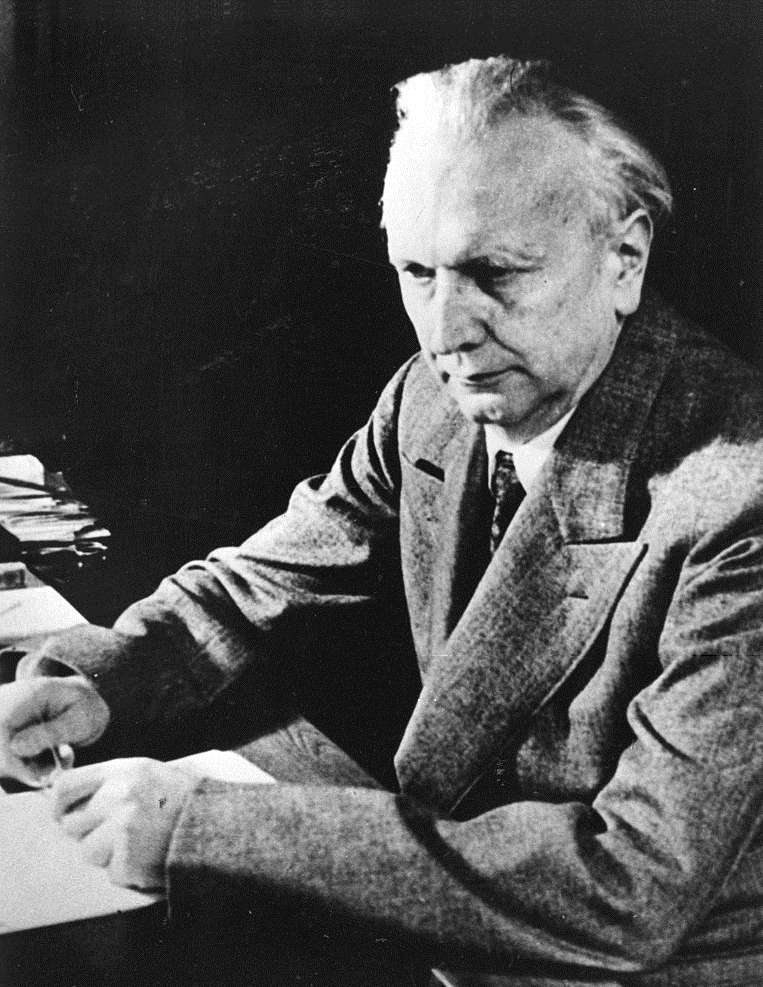 History Event
Jaspers's Philosophie
1932
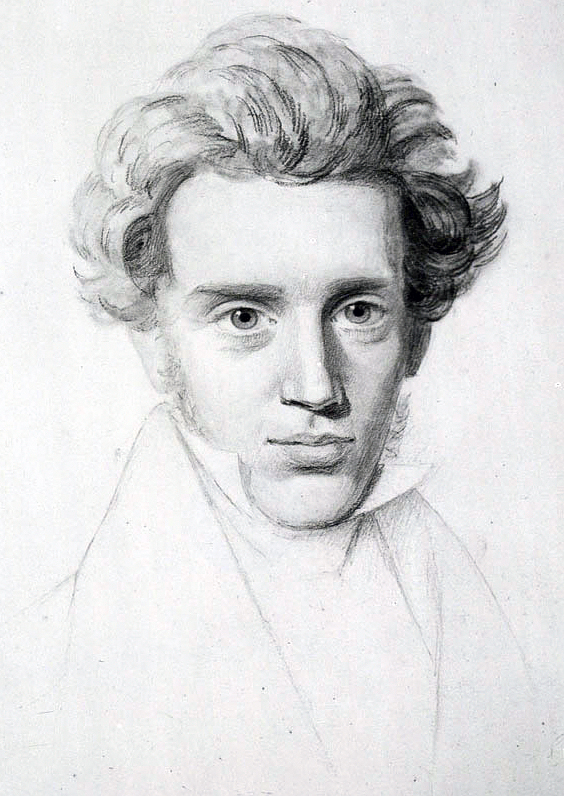 History Event
Kierkegaard's Either/Or
1843
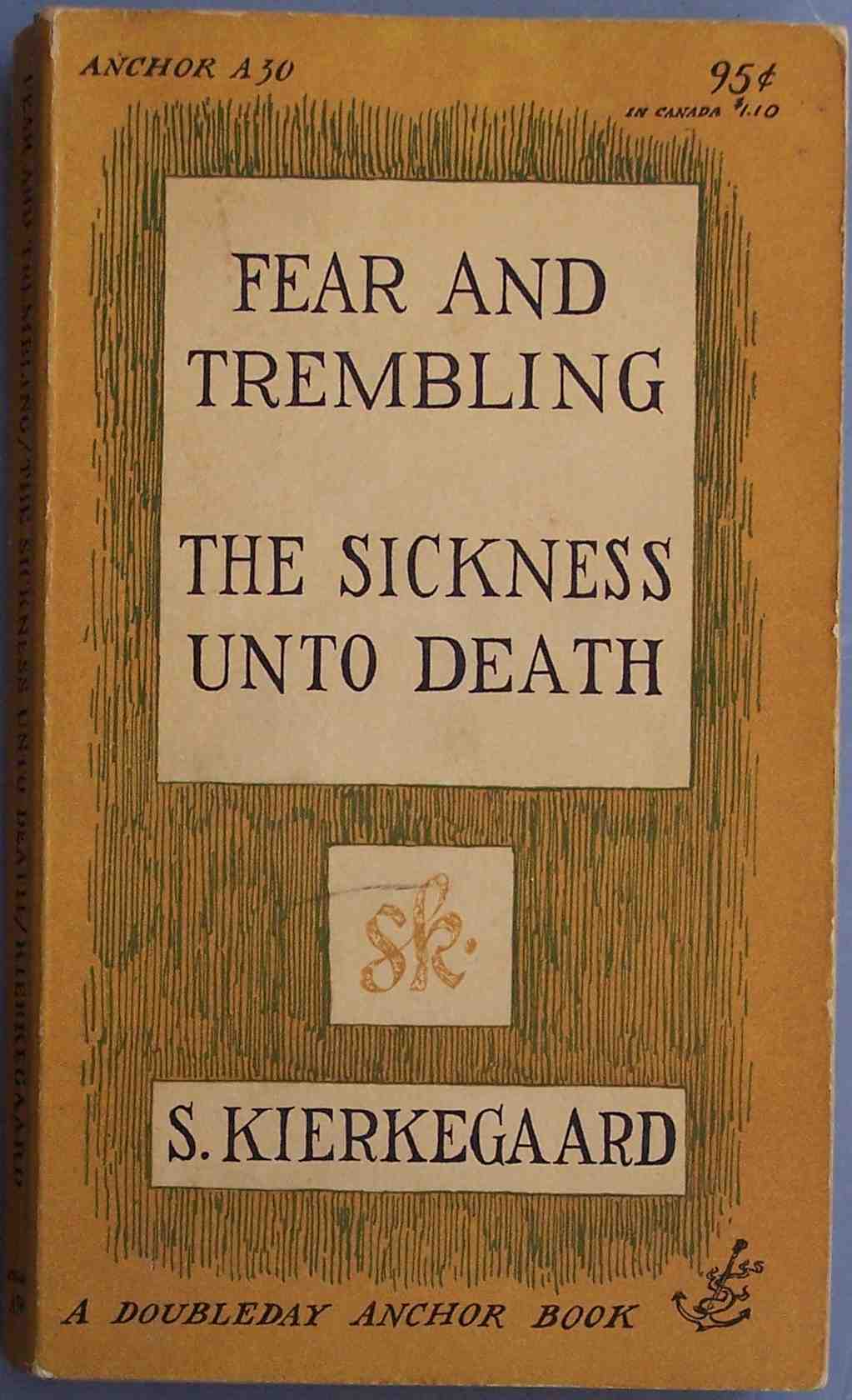 History Event
Kierkegaard's The Sickness Unto Death
1849
 History Event
Merleau-Ponty's Phenomenology of Perception
1945
 History Event
Sartre's Being and Nothingness
1943
 History Event
Sartre's Nausea
1938
 World View
Existentialism
Existentialism holds that life has no built-in meaning: each person, radically free, must create a self and accept responsibility for that creation.