

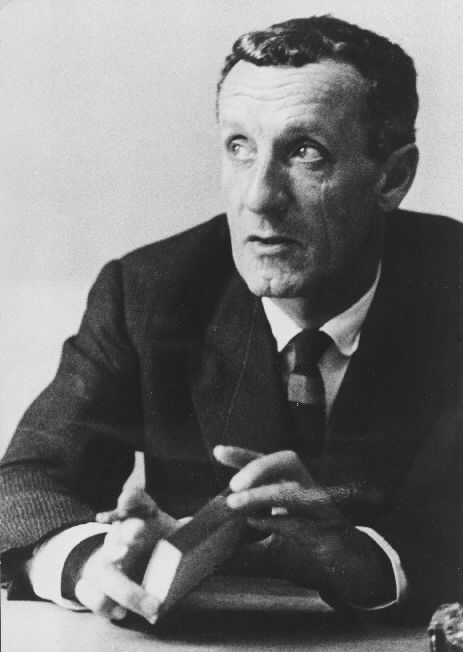
In 1945 Maurice Merleau-Ponty publishes the Phenomenology of Perception, grounding consciousness in the lived body: perception is not a picture in the mind but the body's grip on the world. The book corrects Sartre's dualism from inside the movement and becomes phenomenology's second classic.
Tagged: Existentialism
The Event
- Date
- 1945 (exact)
- Era
- The Paris Decade; Standard periodization of existentialist history
- Location
- Paris; today Paris, France
- Traditions
- Existentialism
- Streams
- Existentialism
- Key figures
- Maurice Merleau-Ponty
- Key texts
- Phenomenology of Perception
Primary Sources
- Merleau-Ponty, Maurice. Phénoménologie de la perception. Paris: Gallimard, 1945.
Secondary Sources
- Gordon, Lewis R. Fanon and the Crisis of European Man. New York: Routledge, 1995.
- Kaufmann, Walter, ed. Existentialism from Dostoevsky to Sartre. New York: Meridian, 1956.
- Solomon, Robert C. Existentialism. New York: Oxford University Press, second edition, 2005.
Provenance: HIST-1427; confidence 0.95; accessed 2026-10-30.
Related on This Site
 History Event
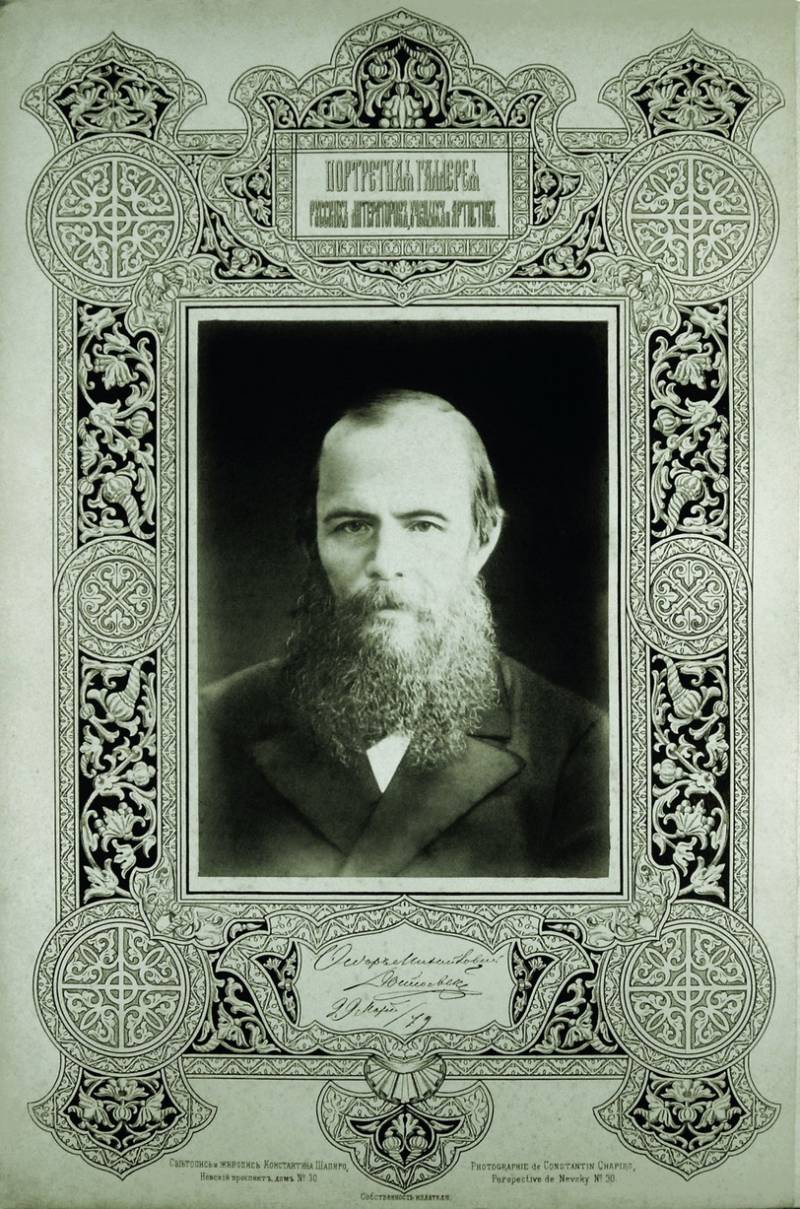
Dostoevsky's Notes from Underground
1864
 History Event
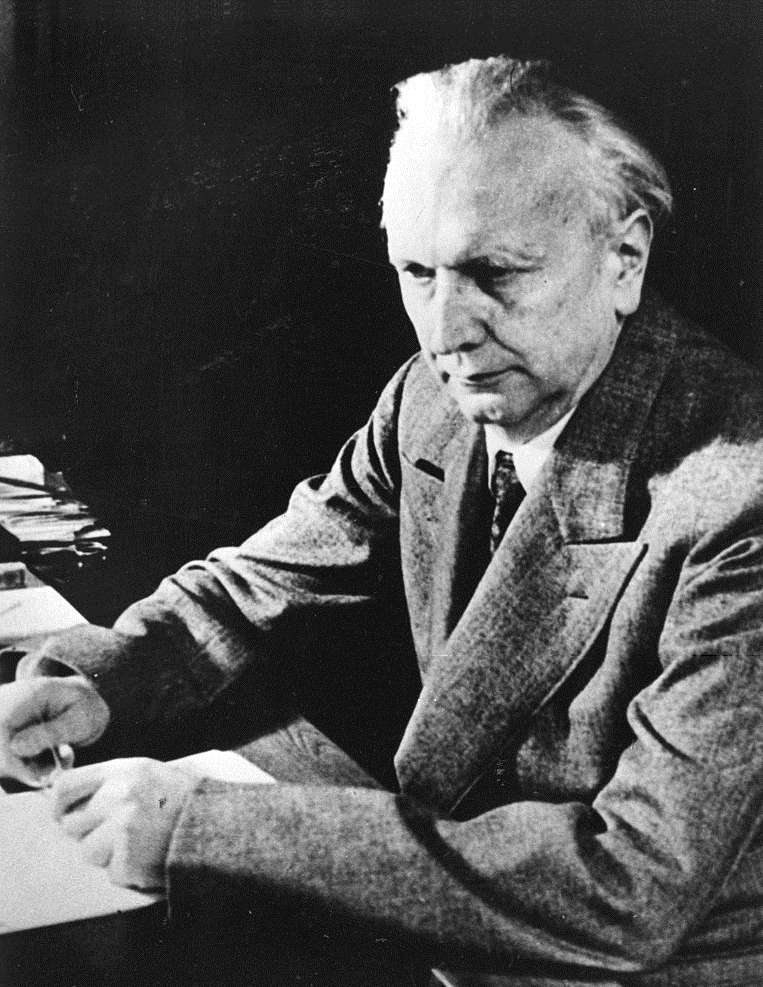
Jaspers's Philosophie
1932
 History Event
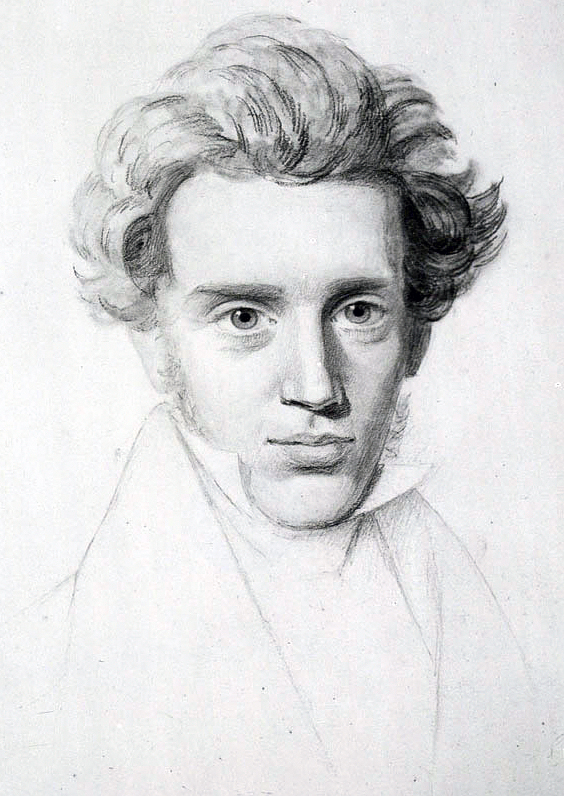
Kierkegaard's Either/Or
1843
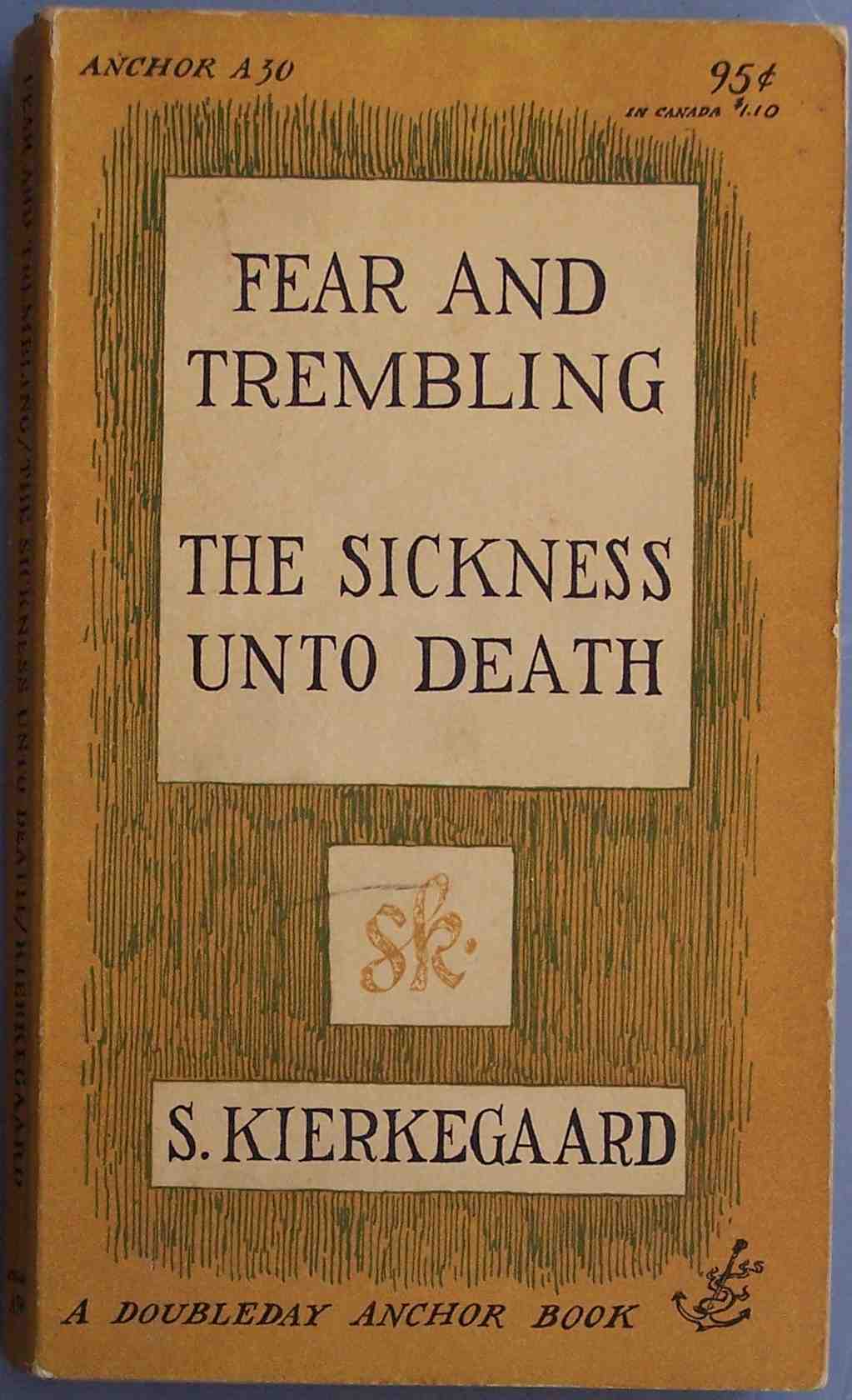 History Event
Kierkegaard's The Sickness Unto Death
1849
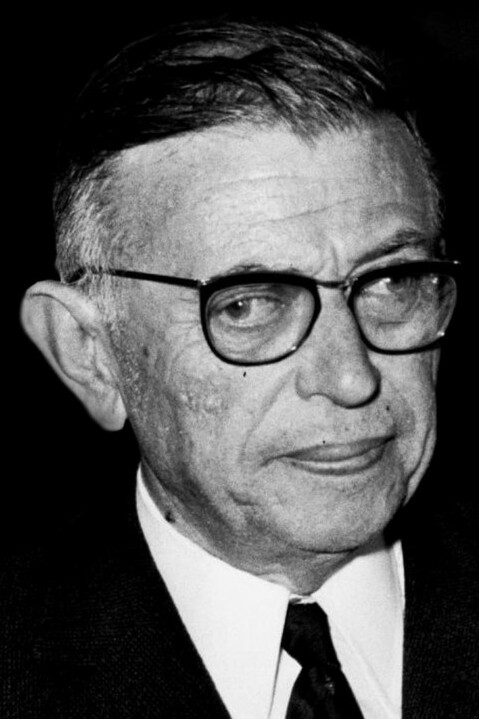 History Event
Sartre's Being and Nothingness
1943
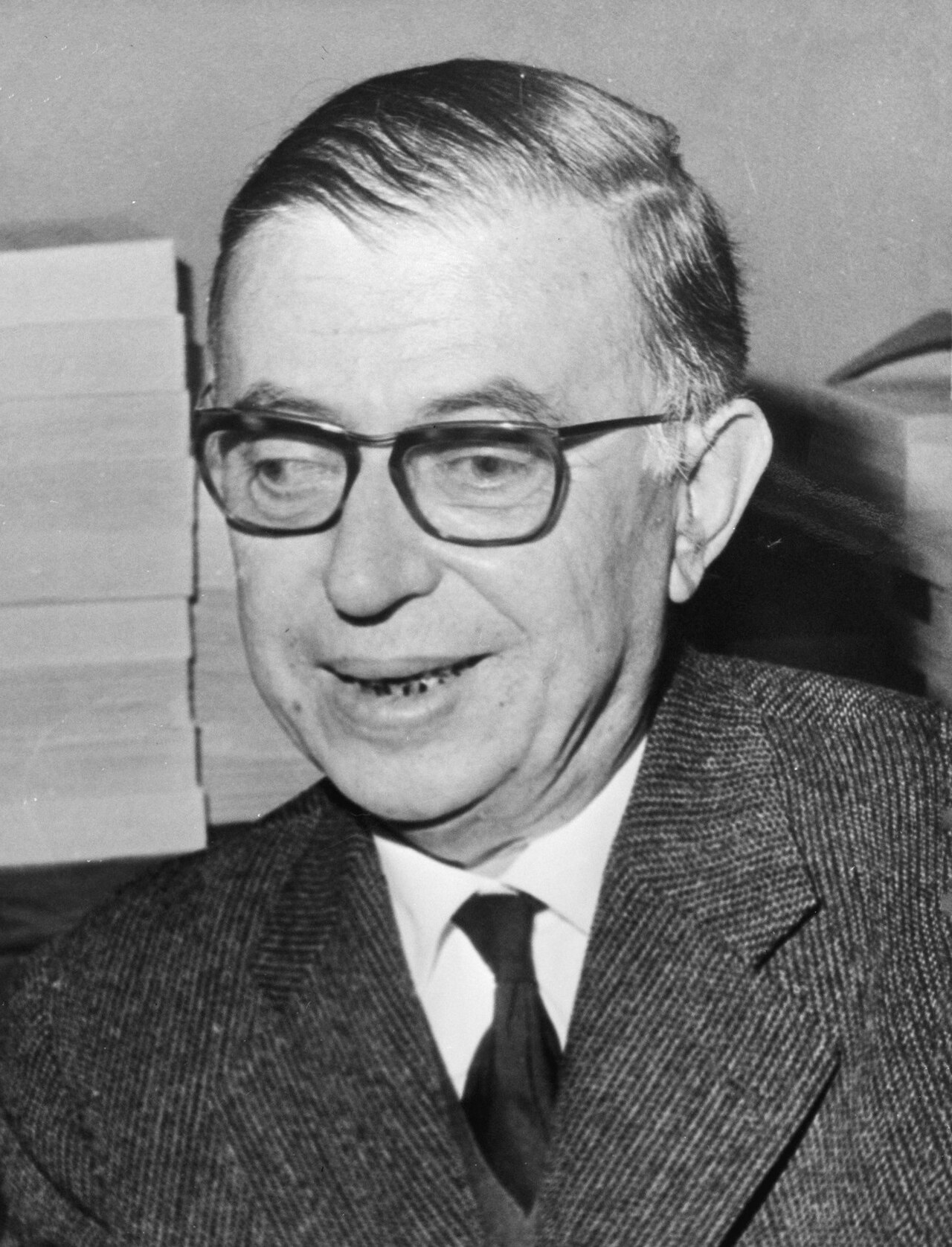 History Event
Sartre's Nausea
1938
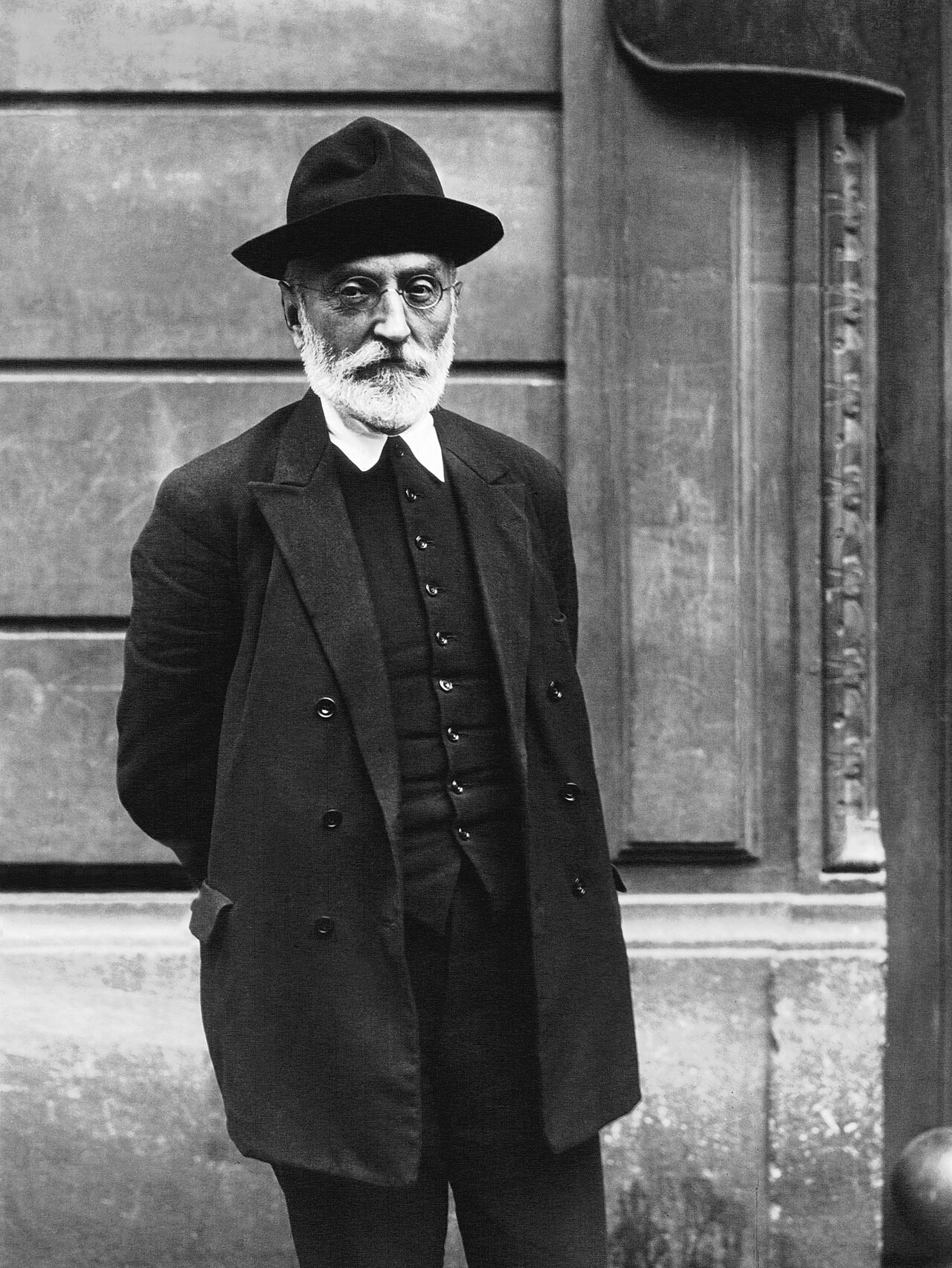 History Event
Unamuno's The Tragic Sense of Life
1913
 World View
Existentialism
Existentialism holds that life has no built-in meaning: each person, radically free, must create a self and accept responsibility for that creation.