Marxism

The Marxism timeline in the History of Worldviews.

The Marxism dataset follows the tradition from Marx's first theses and the Manifesto's world (whose record stands in the secular dataset, linked from Capital's) through the Internationals, the revisionist controversy, Lenin and the October Revolution, the Western Marxism of the Frankfurt School and Lukács, Mao, and the century's end in 1989 and 1991.

Its nineteen events stand across four eras.

Periodization
Standard periodization of Marxist history Source: Kolakowski, Leszek. Main Currents of Marxism. Oxford: Clarendon Press, 1978.
Contested periodization
The periodization of a living political tradition is itself political: the dataset follows the standard scholarly scheme and records the parties' own schemes on the events.
Geographic scope
Germany and London first, then Russia, China, and the worldwide movement.
Dating caveats
Dates are documentary: publications, congresses, revolutions, and dissolutions.
Internal diversity
Orthodox, revisionist, Leninist, Western, and Maoist lines stand in the one dataset, with their condemnations of one another recorded.
Origin narrative
In preparation. The dataset's founding story will stand here in the three-layer format when its narrative is published.

Sources: Kolakowski, Leszek. Main Currents of Marxism. Oxford: Clarendon Press, 1978.; McLellan, David. Karl Marx: A Biography. London: Palgrave Macmillan, fourth edition, 2006.; Anderson, Perry. Considerations on Western Marxism. London: New Left Books, 1976.

Streams: All of Marxism Marxism

Marx

1845

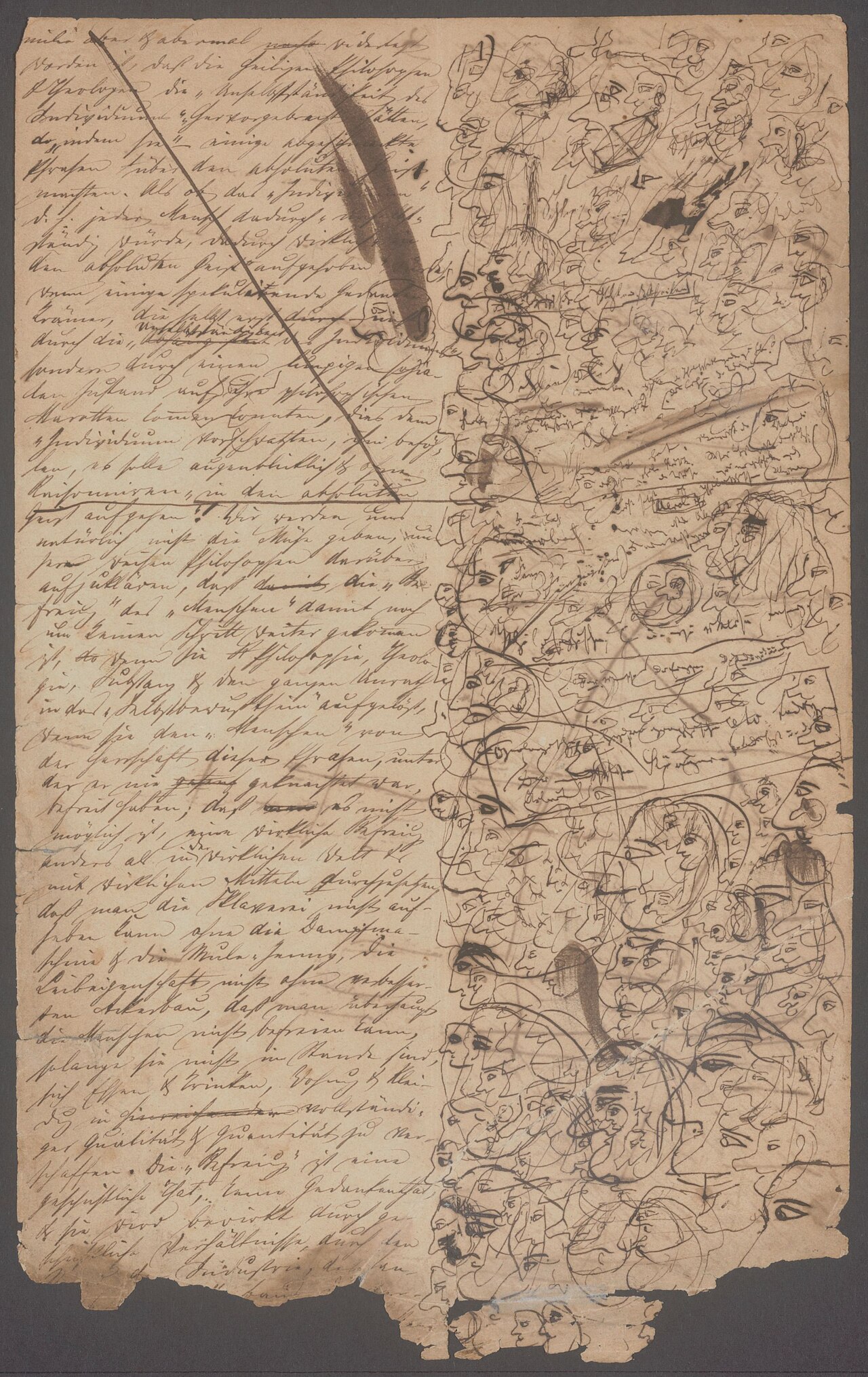
Marx's Theses on Feuerbach

In the spring of 1845 Karl Marx writes eleven theses on Feuerbach in a Brussels notebook, the eleventh becoming the tradition's most quoted sentence: the philosophers have only interpreted the world, in various ways; the point is to change it. The theses, unpublished until Engels prints them in 1888, are Marxism's philosophical birth certificate: materialism turned from contemplation to practice.
Brussels
1859

Marx's Preface of 1859 states the materialist conception

In 1859 Marx publishes A Contribution to the Critique of Political Economy, whose preface gives the materialist conception of history its canonical statement: the economic structure is the real foundation on which legal and political superstructures arise, and it is not the consciousness of men that determines their existence but their social existence that determines their consciousness. Generations of Marxists learn the doctrine from this page.

London
1867

Marx's Capital, volume one

In 1867 Marx publishes in Hamburg the first volume of Capital: a critique of political economy that follows the commodity to the factory floor and argues that capital accumulates by unpaid labor time. The book, slow to sell and faster to be argued over, becomes the tradition's central text; the second and third volumes follow from Marx's manuscripts under Engels's editorship.

Hamburg
1871

The Paris Commune

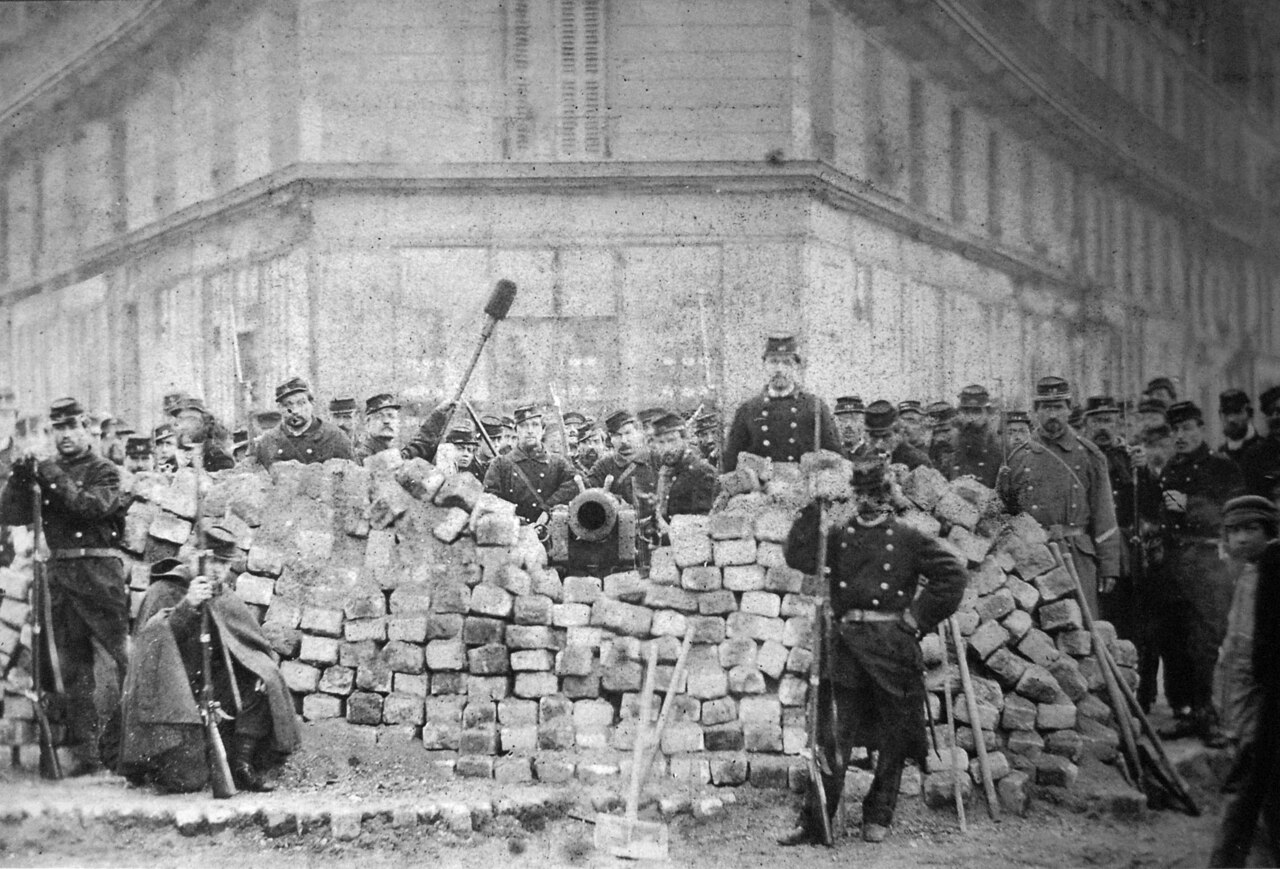
From March to May 1871 the Paris Commune holds the capital against the Versailles government, governing through elected and revocable delegates until its suppression in the Bloody Week kills thousands. Marx, who had warned the rising was premature, hails it in The Civil War in France as the political form at last discovered for working class emancipation, and the Commune becomes the tradition's first image of its own rule.

Paris

The Internationals and Lenin

1878

Engels's Anti-Dühring

In 1878 Friedrich Engels publishes Anti-Dühring, his polemic against Eugen Dühring's rival system, serialized in the party paper Vorwärts. The book, read and approved by Marx, is where Marxism becomes a system: dialectics of nature, historical materialism, and scientific socialism in one exposition, the form in which the Second International learns it.

Leipzig
1899

Bernstein's Evolutionary Socialism opens the revisionist controversy

In 1899 Eduard Bernstein, Engels's literary executor and a Social Democratic deputy in exile, publishes The Preconditions of Socialism, known in English as Evolutionary Socialism: capitalism is not collapsing, the middle classes are not vanishing, and the party should become what it already is in practice, a democratic party of reform. The revisionist controversy that follows, with Kautsky and Luxemburg against Bernstein, splits Marxist theory for a century.

Berlin
1902

Lenin's What Is to Be Done?

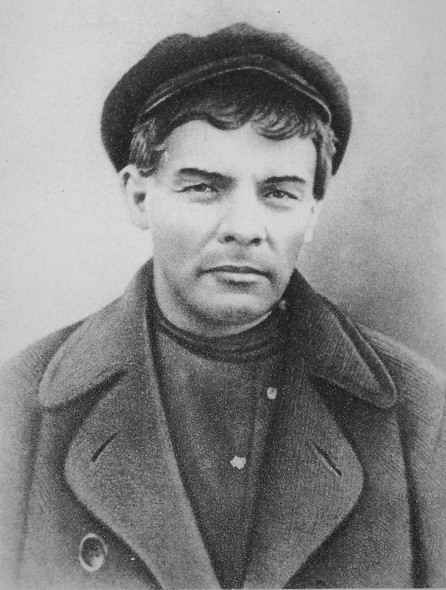
In 1902 Vladimir Ilyich Lenin publishes What Is to Be Done? from Stuttgart: socialist consciousness must be brought to the workers from outside by a party of professional revolutionaries, disciplined and centralized. The pamphlet, written for the Russian party's factions, becomes Leninism's charter and the most contested organizational text in the tradition.

Stuttgart
1916

Lenin's Imperialism, the Highest Stage of Capitalism

In 1916, in Zurich, Lenin writes Imperialism, the Highest Stage of Capitalism, published at Petrograd in 1917: capitalism has passed into its monopoly stage, exports capital, divides the world among empires, and makes war and revolution the politics of the epoch. The pamphlet gives the coming revolution its theory of the world it acts in.

Petrograd

Revolution and Western Marxism

1917

The October Revolution

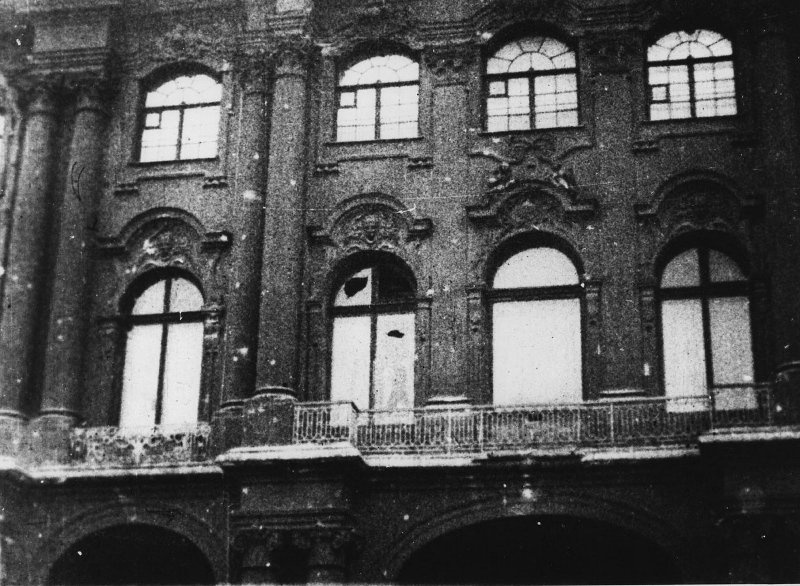
On 7 November 1917 (25 October by the old calendar) the Bolsheviks seize power in Petrograd in the name of the soviets, and the October Revolution makes Marxism a governing doctrine for the first time. The event divides the tradition ever after: model of emancipation to its defenders, original catastrophe to its critics, and the hinge on which every later Marxist argument turns.

Petrograd
1923

Lukács's History and Class Consciousness

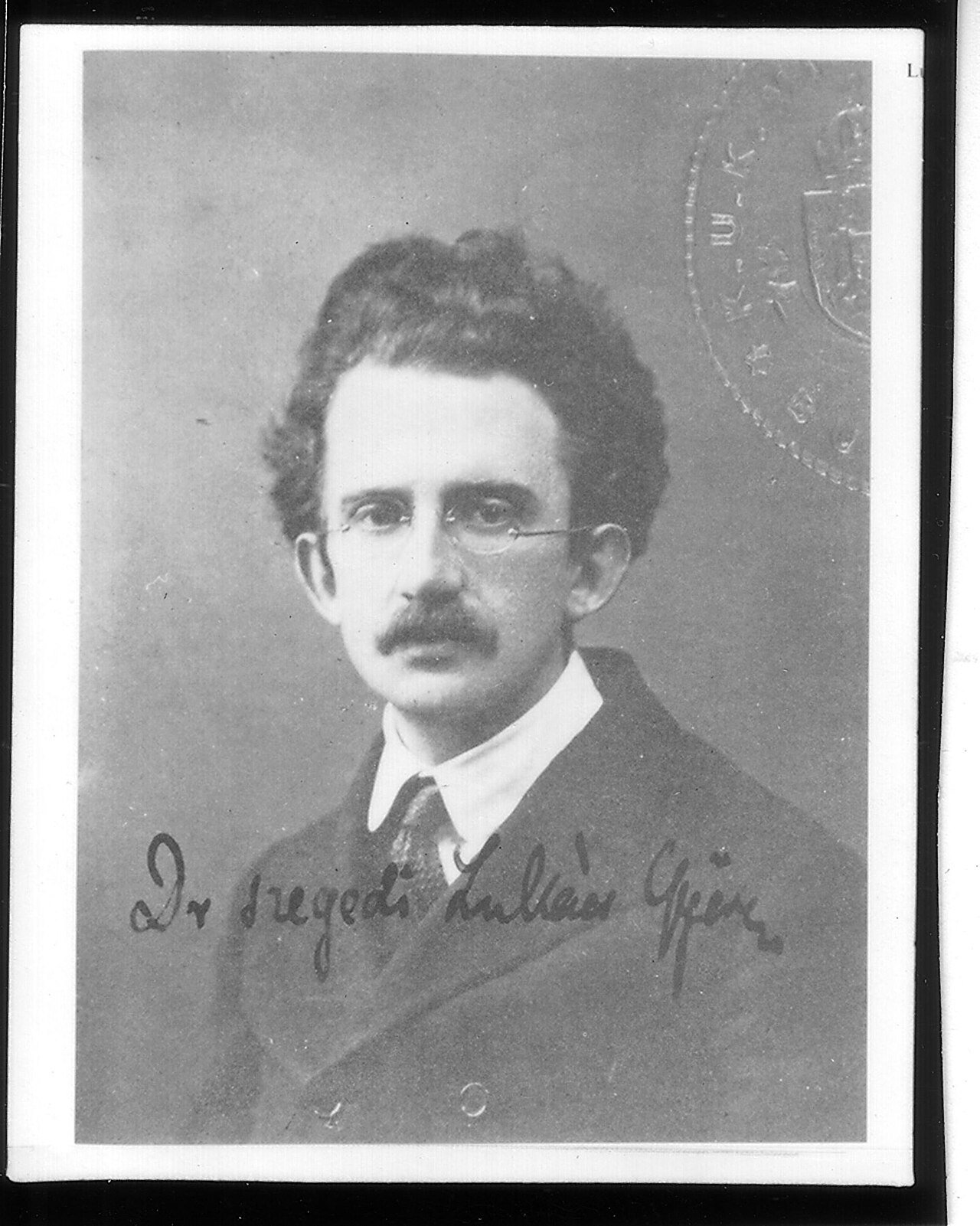
In 1923 the Hungarian philosopher Georg Lukács publishes History and Class Consciousness in Berlin: essays arguing that orthodox Marxism lies in method, not conclusions, and naming reification, the commodity form become universal, as the central structure of capitalist consciousness. The book, condemned by the Comintern, founds what will be called Western Marxism.

Berlin
1924

The Institute for Social Research is founded in Frankfurt

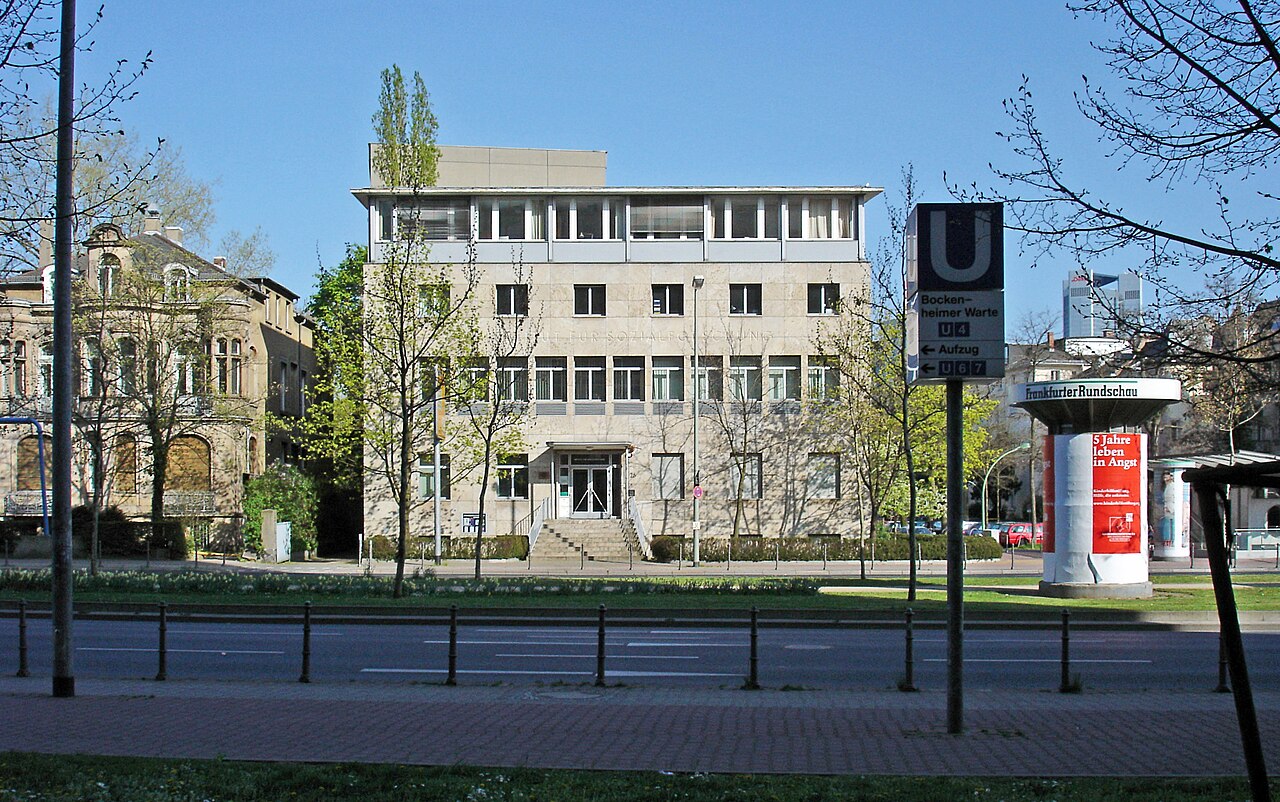
In 1924 the Institute for Social Research opens in Frankfurt, funded by the grain merchant Felix Weil to study the labor movement, and from 1930 under Max Horkheimer turns to the interdisciplinary study of authority, family, and culture. The Frankfurt School, exiled to New York in 1934 and returned after the war, becomes Marxism's most influential philosophical branch.

Frankfurt
1932

Marx's Paris Manuscripts are published

In 1932 Marx's Economic and Philosophic Manuscripts of 1844, the Paris Manuscripts, are published for the first time in the Marx-Engels collected works: alienated labor, species-being, and communism as the riddle of history solved. The young Marx of the manuscripts transforms the tradition's self-understanding and arms its humanist wing against the dialectical materialism of the party textbooks.

Berlin
1937

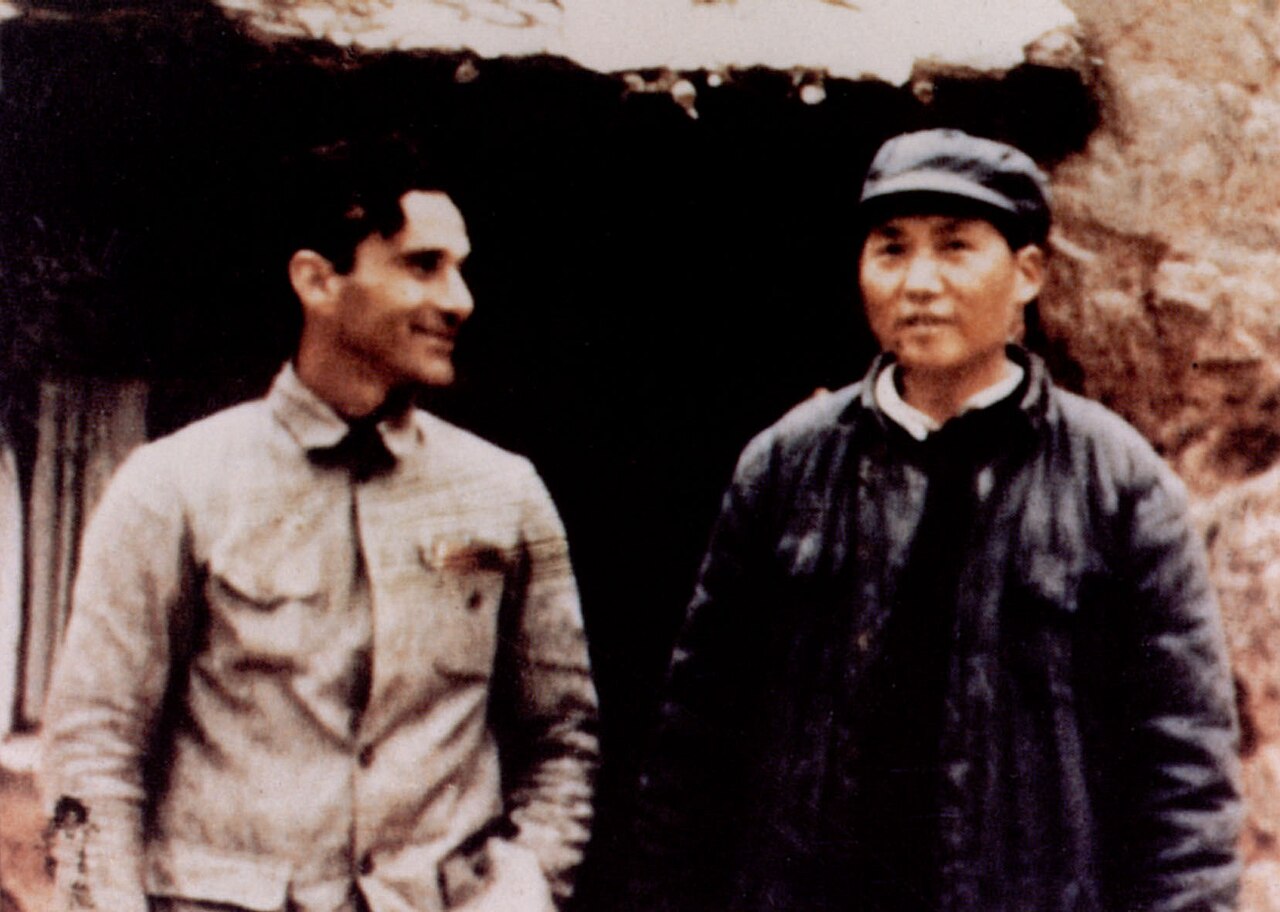
Mao's On Contradiction

In 1937, at Yan'an, Mao Zedong lectures the party school on dialectical materialism; the texts, On Practice and On Contradiction, become the philosophical charter of Chinese Marxism: contradiction is universal and particular, knowledge rises from practice, and Marxism must be made Chinese. Mao's essays carry the tradition into its second great national form.

Yan'an
1947

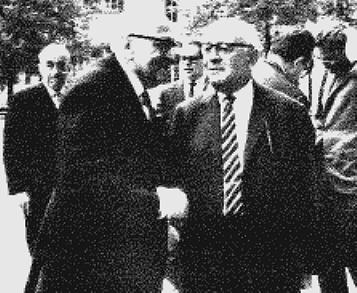
Horkheimer and Adorno's Dialectic of Enlightenment

In 1947 Max Horkheimer and Theodor W. Adorno publish Dialectic of Enlightenment in Amsterdam, written in Californian exile: enlightenment, reverting to mythology, produces the administered world, the culture industry, and the domination of nature that returns as domination of man. The book is Western Marxism's darkest classic and critical theory's founding text.

Amsterdam

Crisis and After

1956

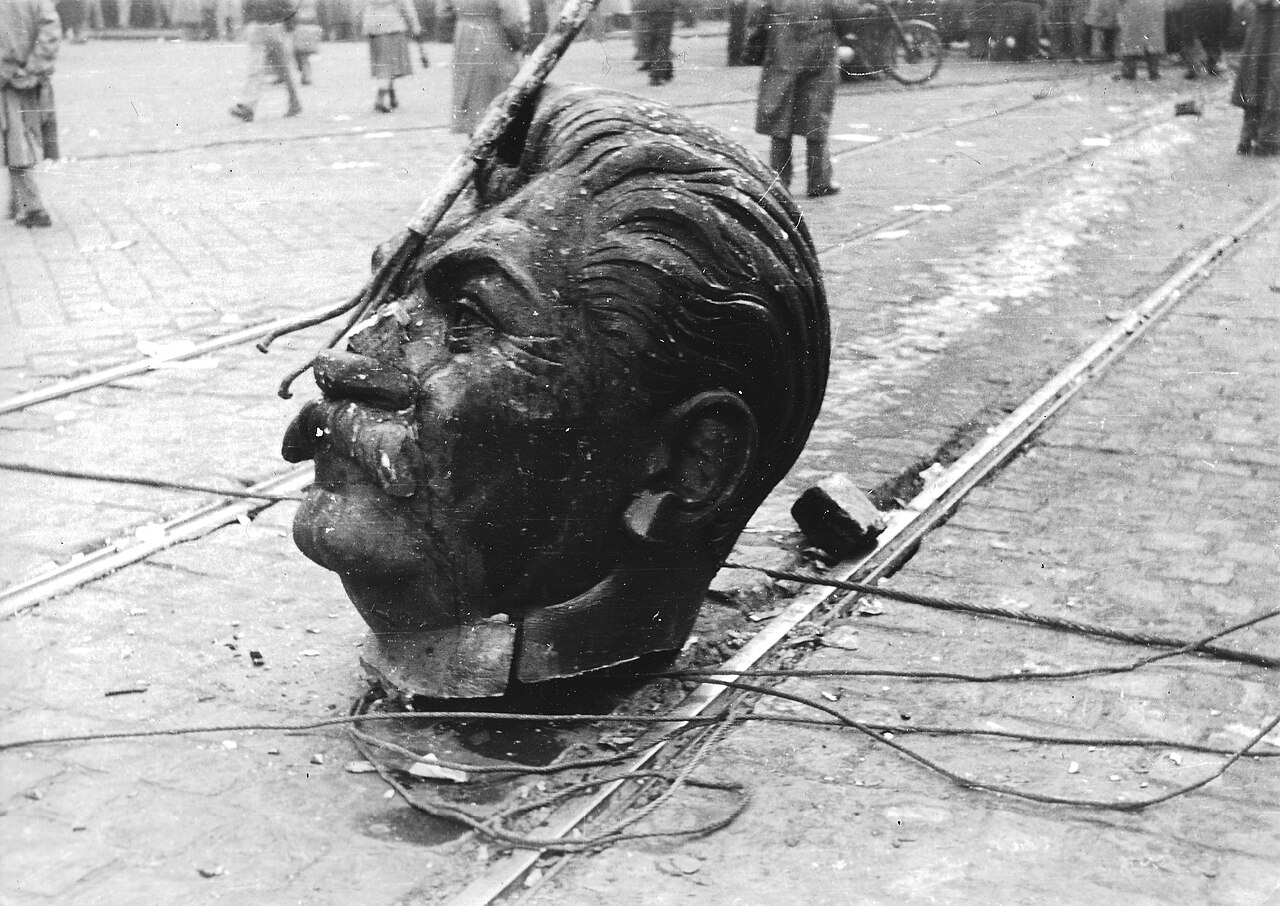
The Secret Speech and the Hungarian uprising

In 1956 Nikita Khrushchev denounces Stalin's crimes to a closed session of the Twentieth Party Congress in February, and in October and November the Hungarian uprising is crushed by Soviet armor. The double shock breaks the Western parties, empties their memberships, and opens the era in which Marxism's claim to embody emancipation is contested first of all in its own house.

Moscow
1968

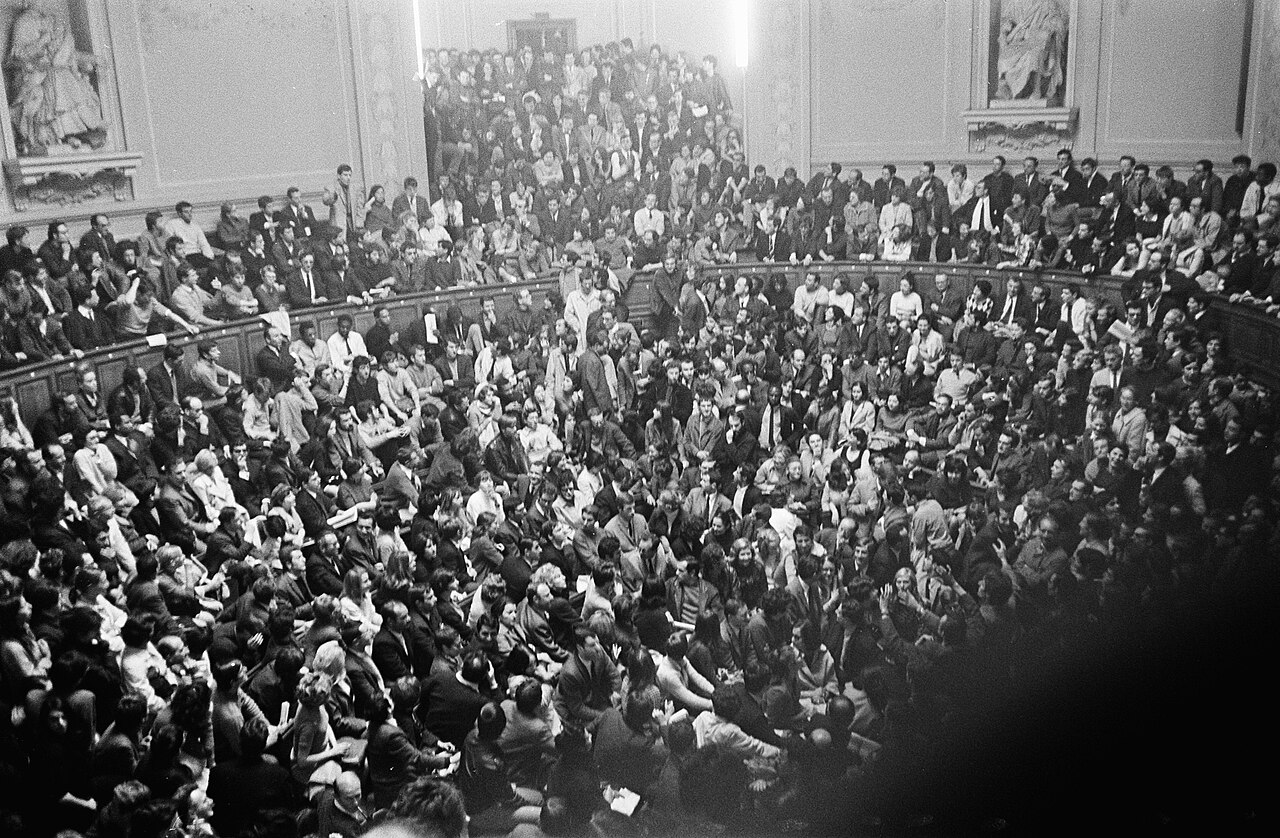
May 1968 in Paris

In May 1968 students occupy the Sorbonne, ten million workers join a general strike, and the walls of Paris fill with the slogans of a libertarian Marxism against party and state alike. The events fail as revolution and succeed as culture: May 1968 becomes the tradition's romantic memory in the West and the seed of its postmodern heirs.

Paris
1978

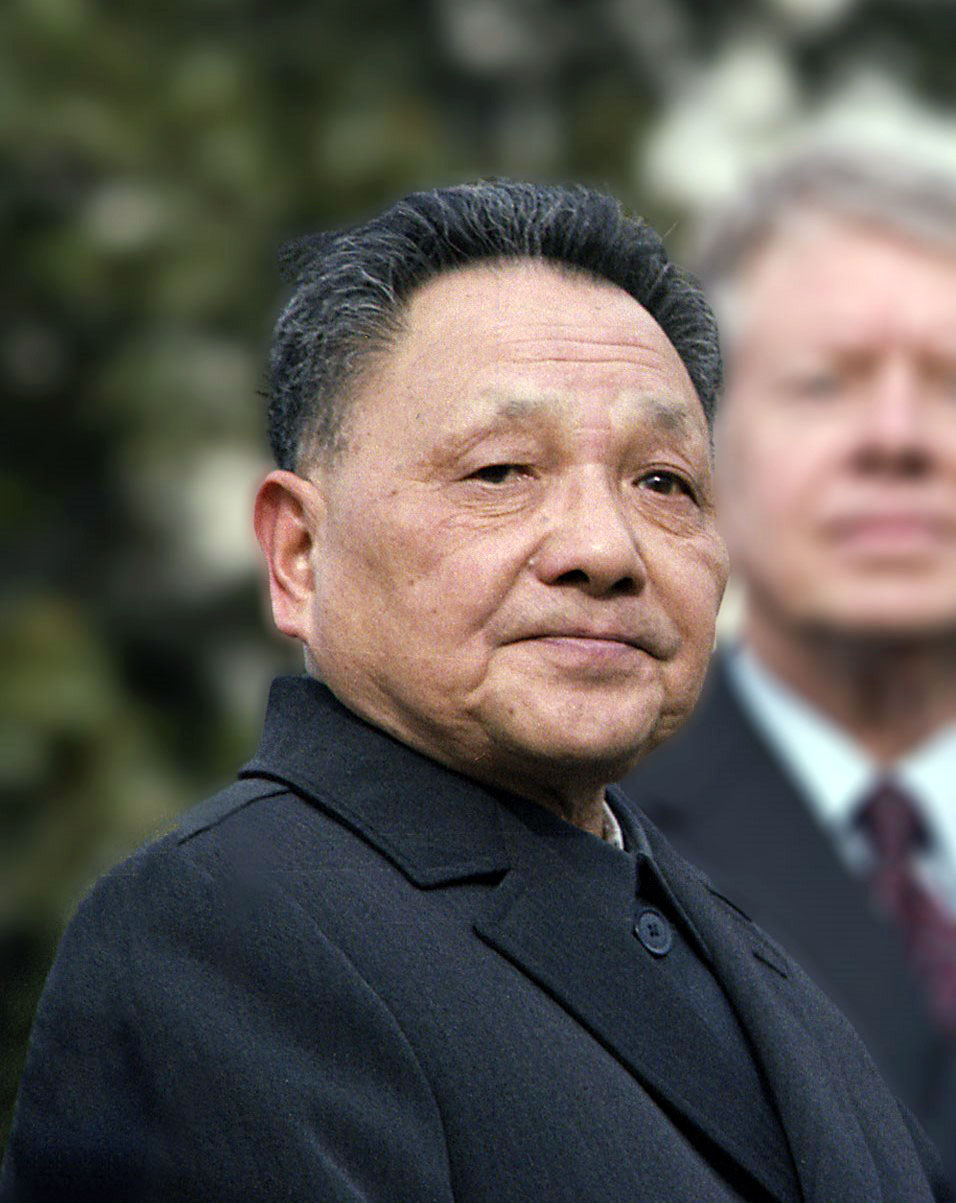
Deng Xiaoping opens China's reform

In December 1978 the Third Plenary Session of China's Central Committee, under Deng Xiaoping's ascendancy, launches reform and opening: markets, foreign investment, and household farming under unbroken party rule, in the doctrine Deng names socialism with Chinese characteristics. The turn makes Marxism's largest surviving state a market economy and the tradition's central modern problem.

Beijing
1989

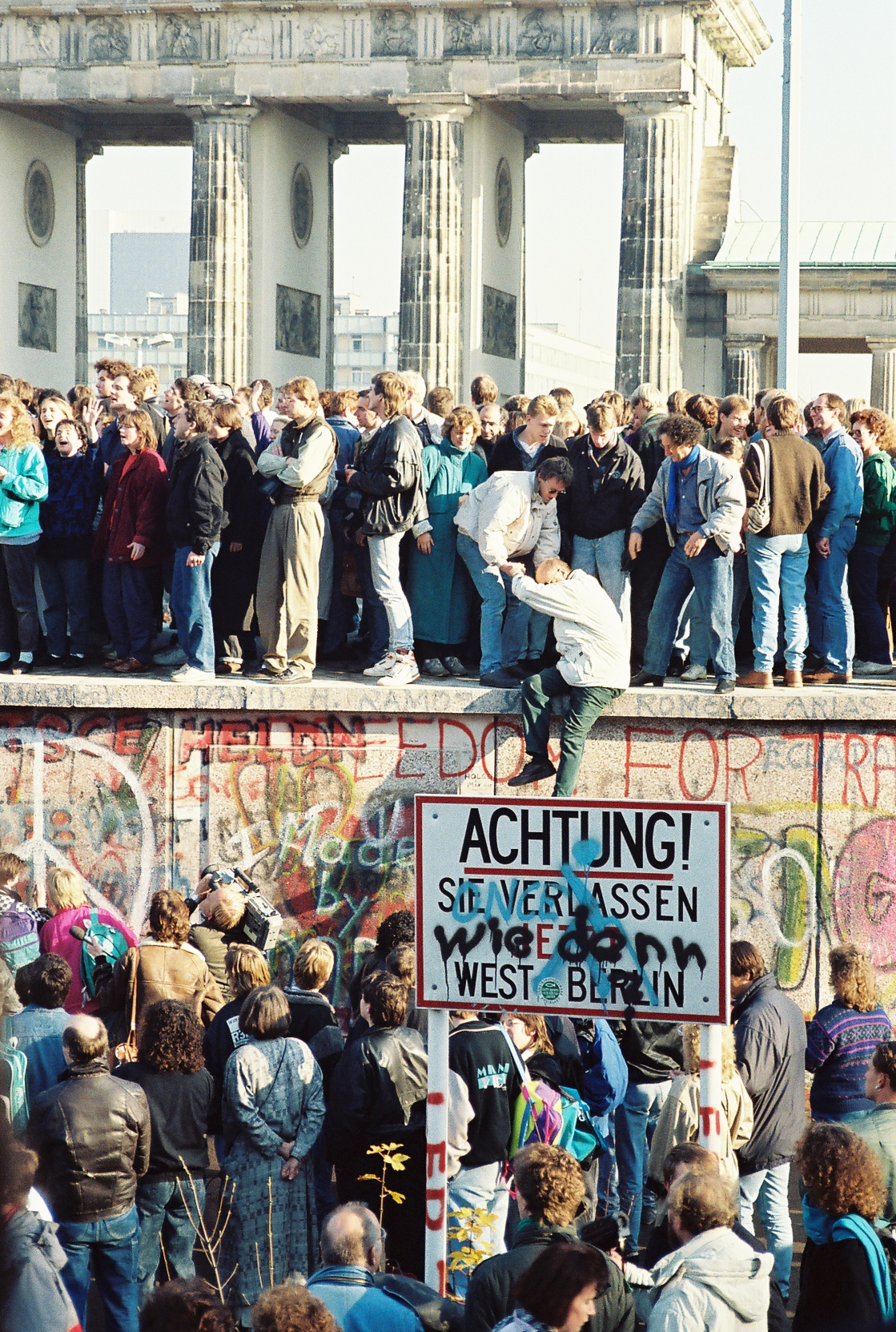
The Berlin Wall falls

On 9 November 1989 the Berlin Wall is opened, and the East German state, with the other European party-states, collapses within the year. For Marxism the event is the century's verdict argued ever since: its defenders distinguish the doctrine from the regimes; its critics read the fall as the doctrine's own result.

Berlin
1991

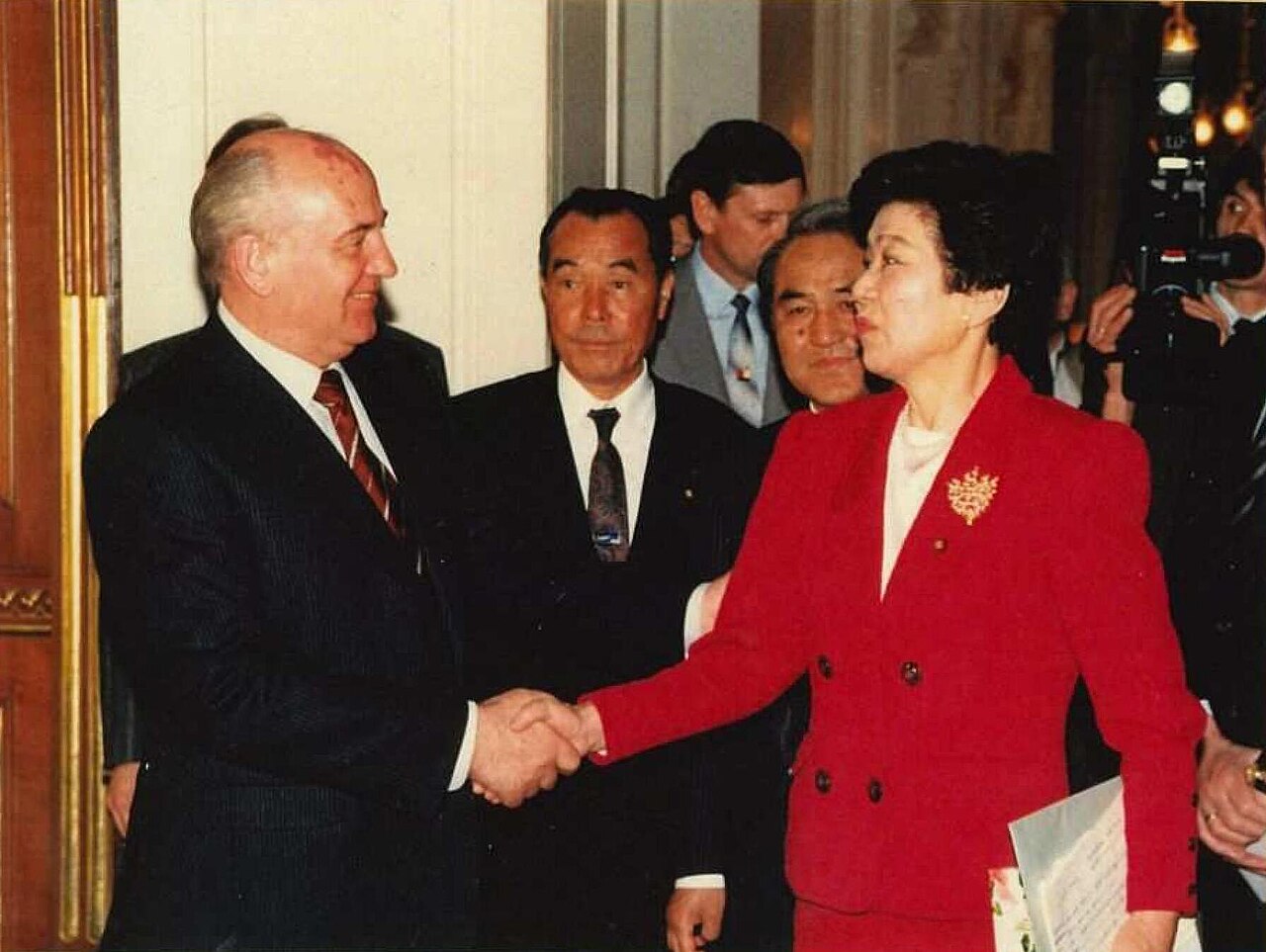
The Soviet Union is dissolved

On 25 December 1991 Mikhail Gorbachev resigns and the Soviet Union, the state founded by the October Revolution and the tradition's world center for seventy four years, is dissolved. Marxism continues as theory, as the doctrine of surviving party-states, and as an opposition tradition; the era in which it governed a third of mankind is closed.

Moscow