

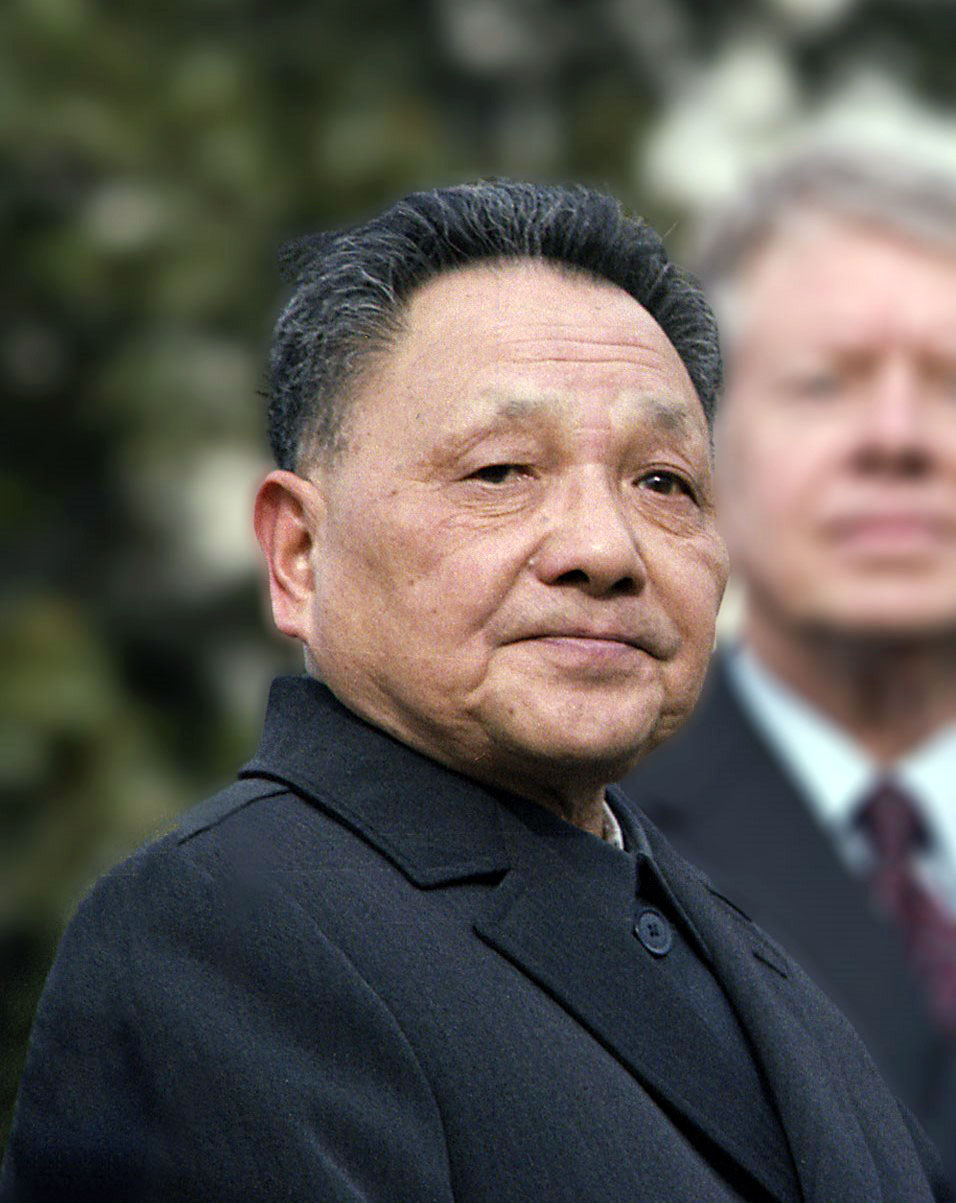
In December 1978 the Third Plenary Session of China's Central Committee, under Deng Xiaoping's ascendancy, launches reform and opening: markets, foreign investment, and household farming under unbroken party rule, in the doctrine Deng names socialism with Chinese characteristics. The turn makes Marxism's largest surviving state a market economy and the tradition's central modern problem.
Tagged: Marxism
The Event
- Date
- 1978 (exact)
- Era
- Crisis and After; Standard periodization of Marxist history
- Location
- Beijing; today Beijing, China
- Traditions
- Marxism
- Streams
- Marxism
- Key figures
- Deng Xiaoping
How the Tradition Tells It
Whether reform-era China confirms or abandons the doctrine is the tradition's live internal dispute; the record states the policy and its official name.
Primary Sources
- The communiqué of the Third Plenary Session of the Eleventh Central Committee, Beijing, December 1978.
Secondary Sources
- Anderson, Perry. Considerations on Western Marxism. London: New Left Books, 1976.
- Kolakowski, Leszek. Main Currents of Marxism. Oxford: Clarendon Press, 1978.
- McLellan, David. Karl Marx: A Biography. London: Palgrave Macmillan, fourth edition, 2006.
Provenance: HIST-1466; confidence 0.95; accessed 2026-10-30.
Related on This Site
 History Event
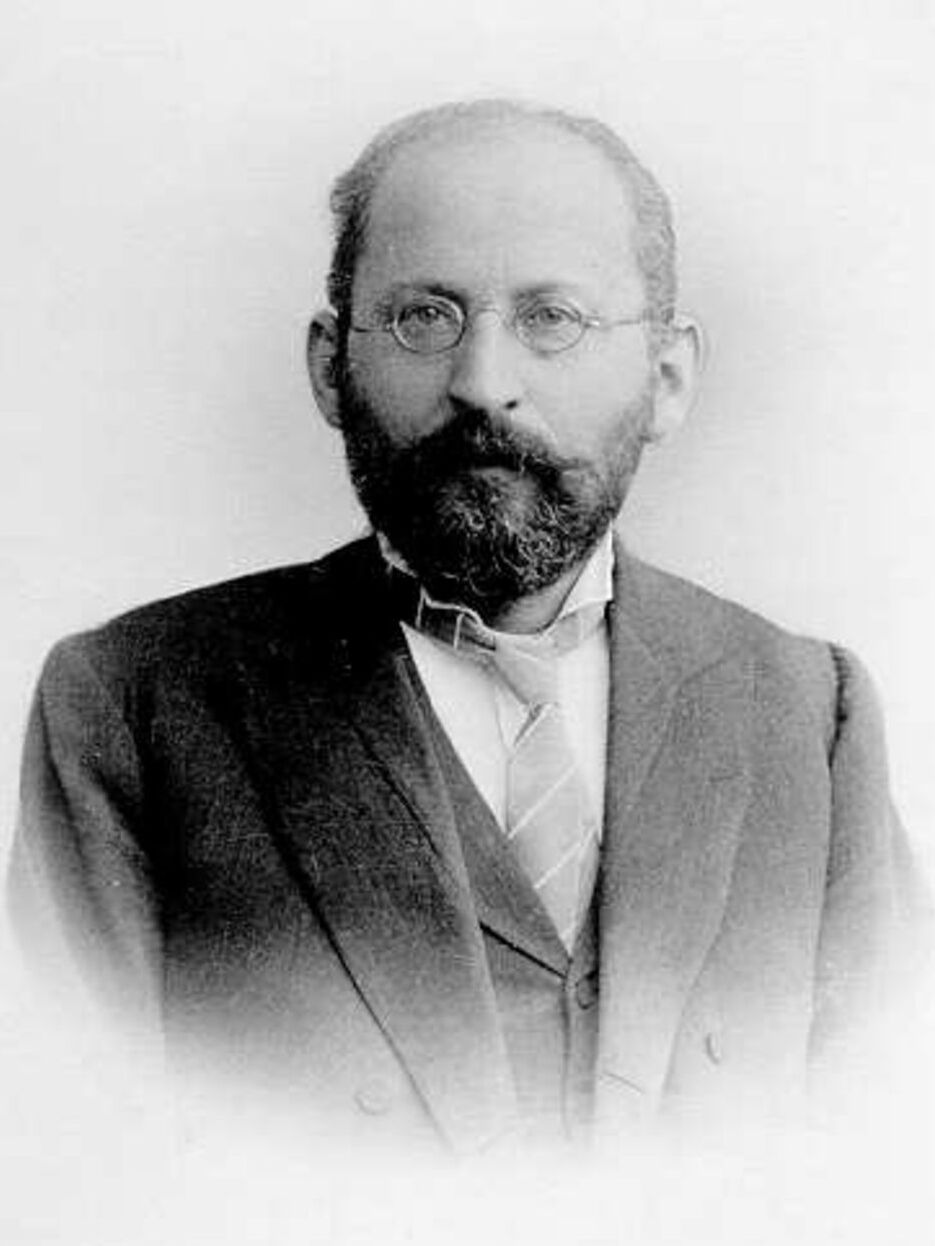
Bernstein's Evolutionary Socialism opens the revisionist controversy
1899
 History Event
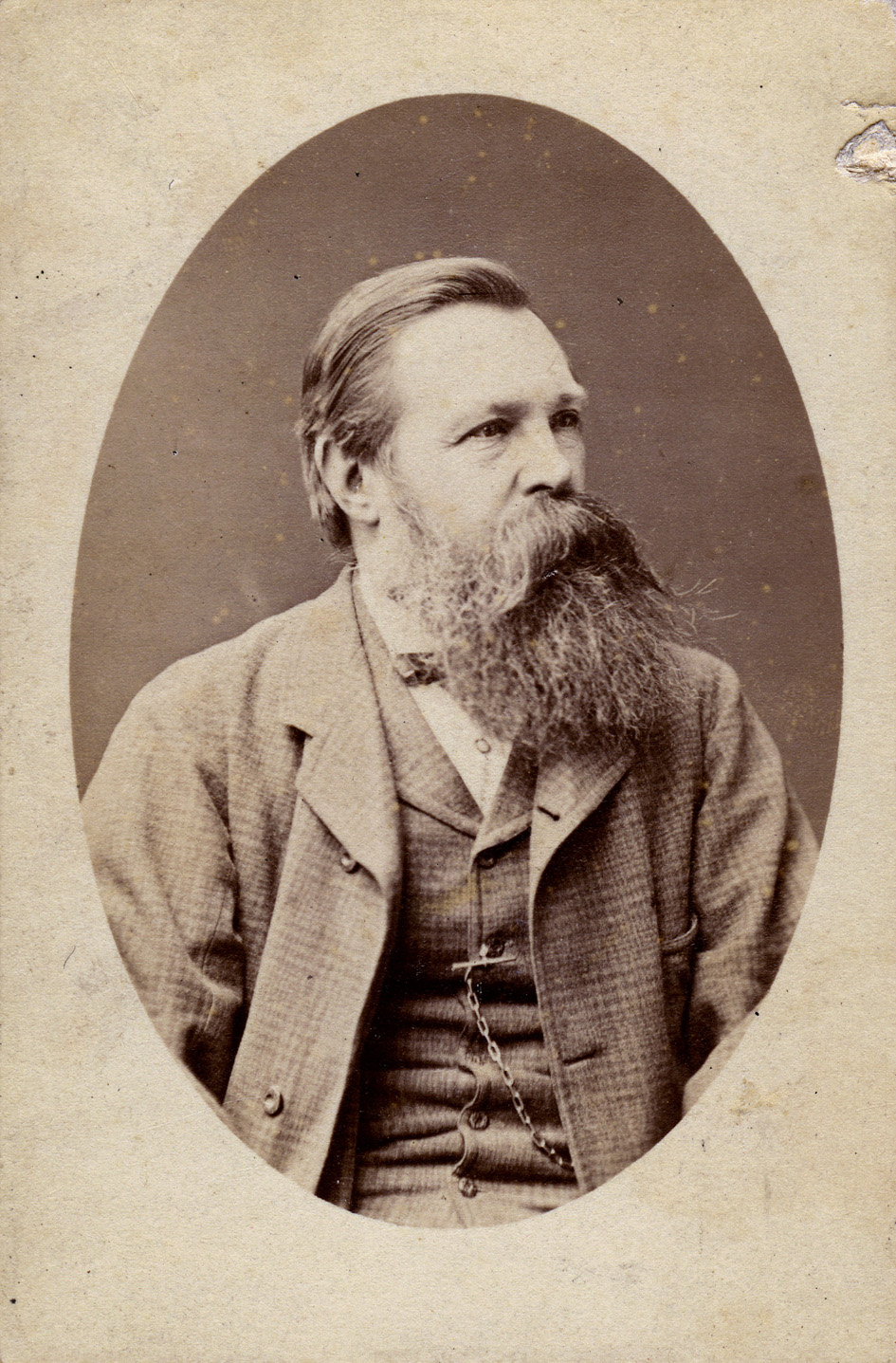
Engels's Anti-Dühring
1878
 History Event
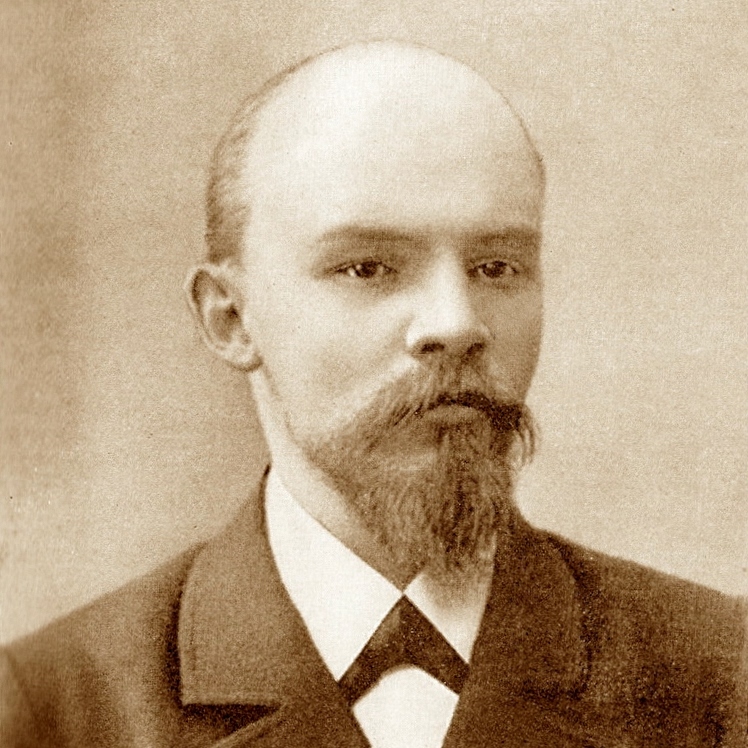
Lenin's What Is to Be Done?
1902
 History Event
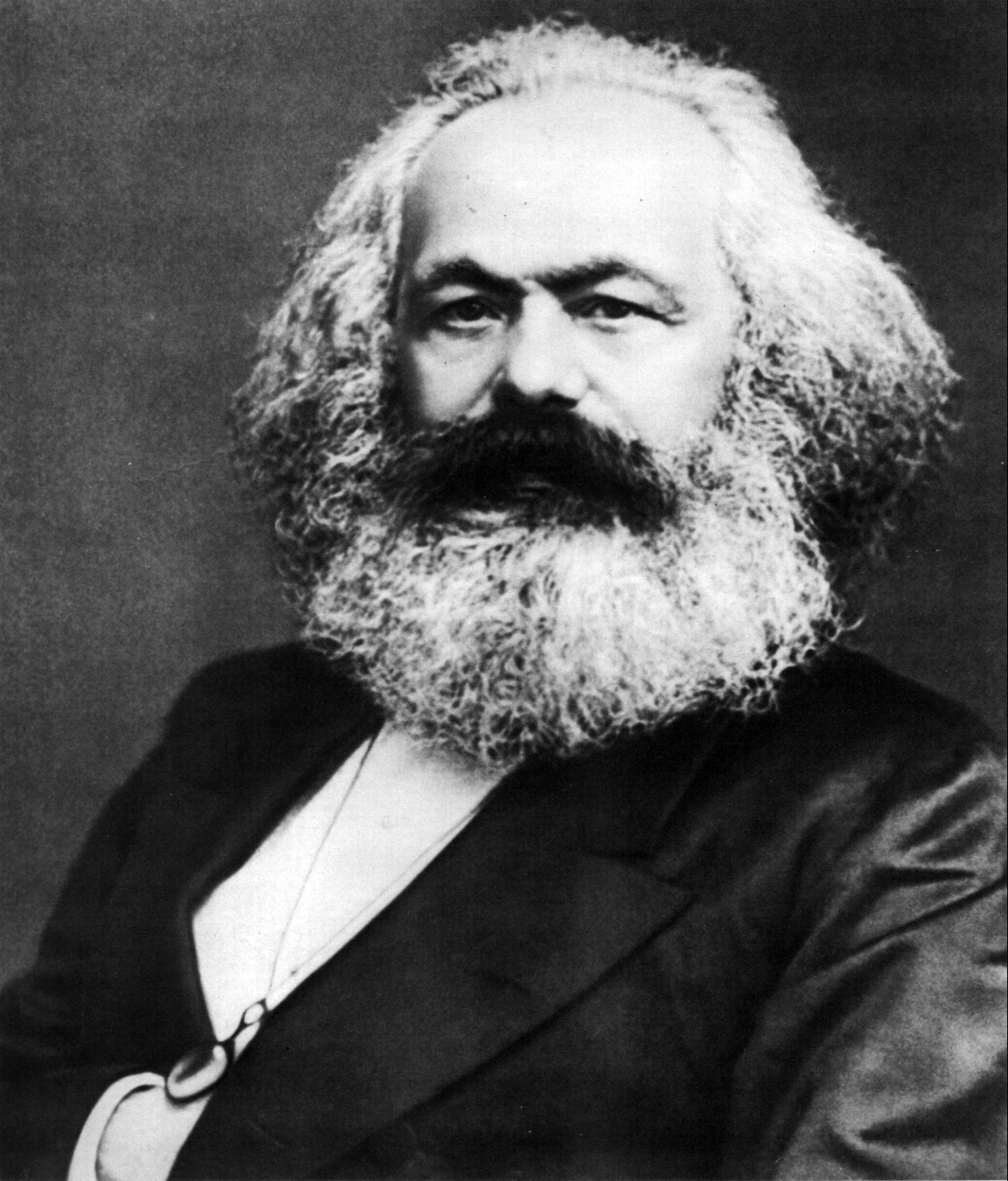
Marx's Capital, volume one
1867
 History Event
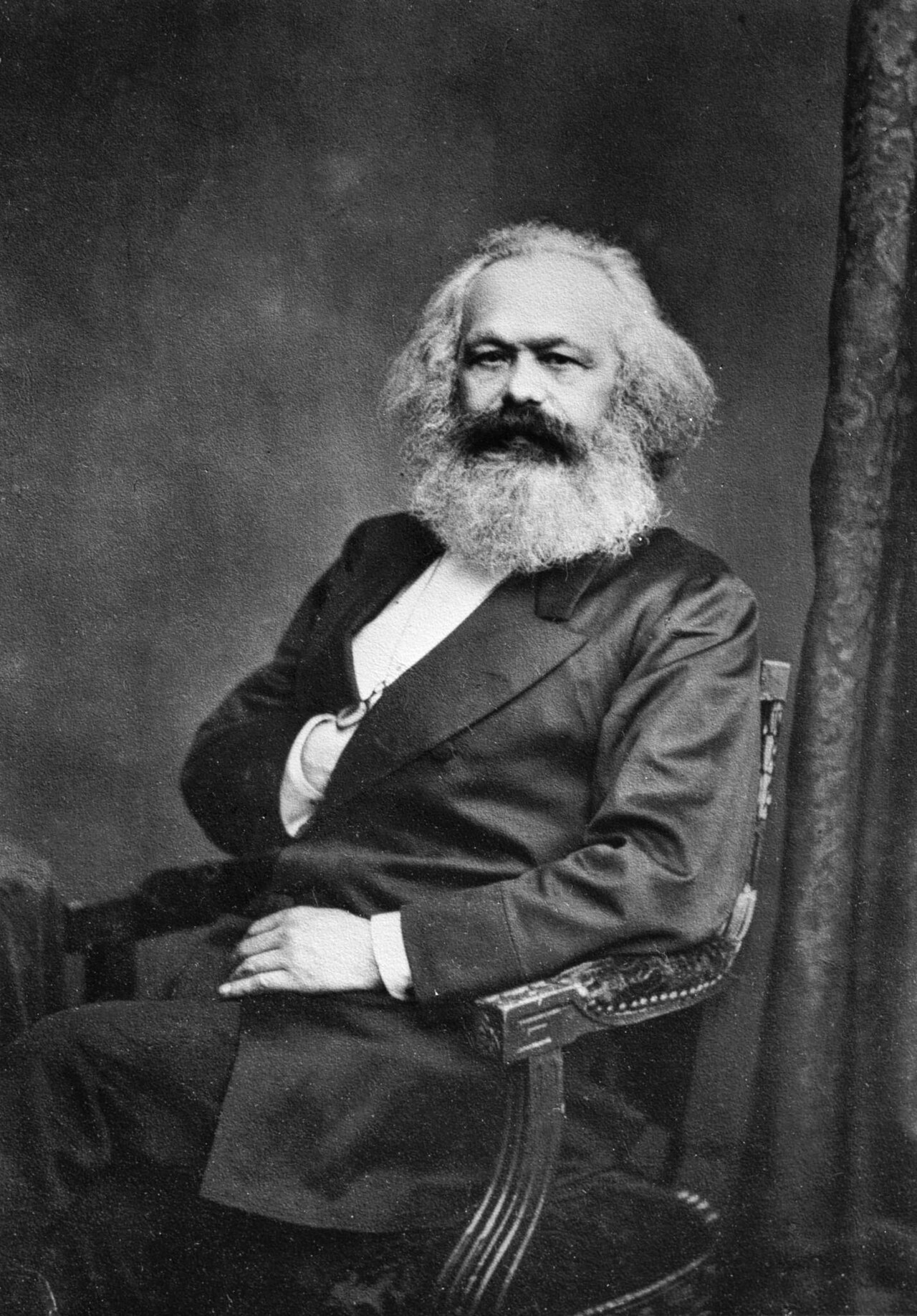
Marx's Preface of 1859 states the materialist conception
1859
 History Event
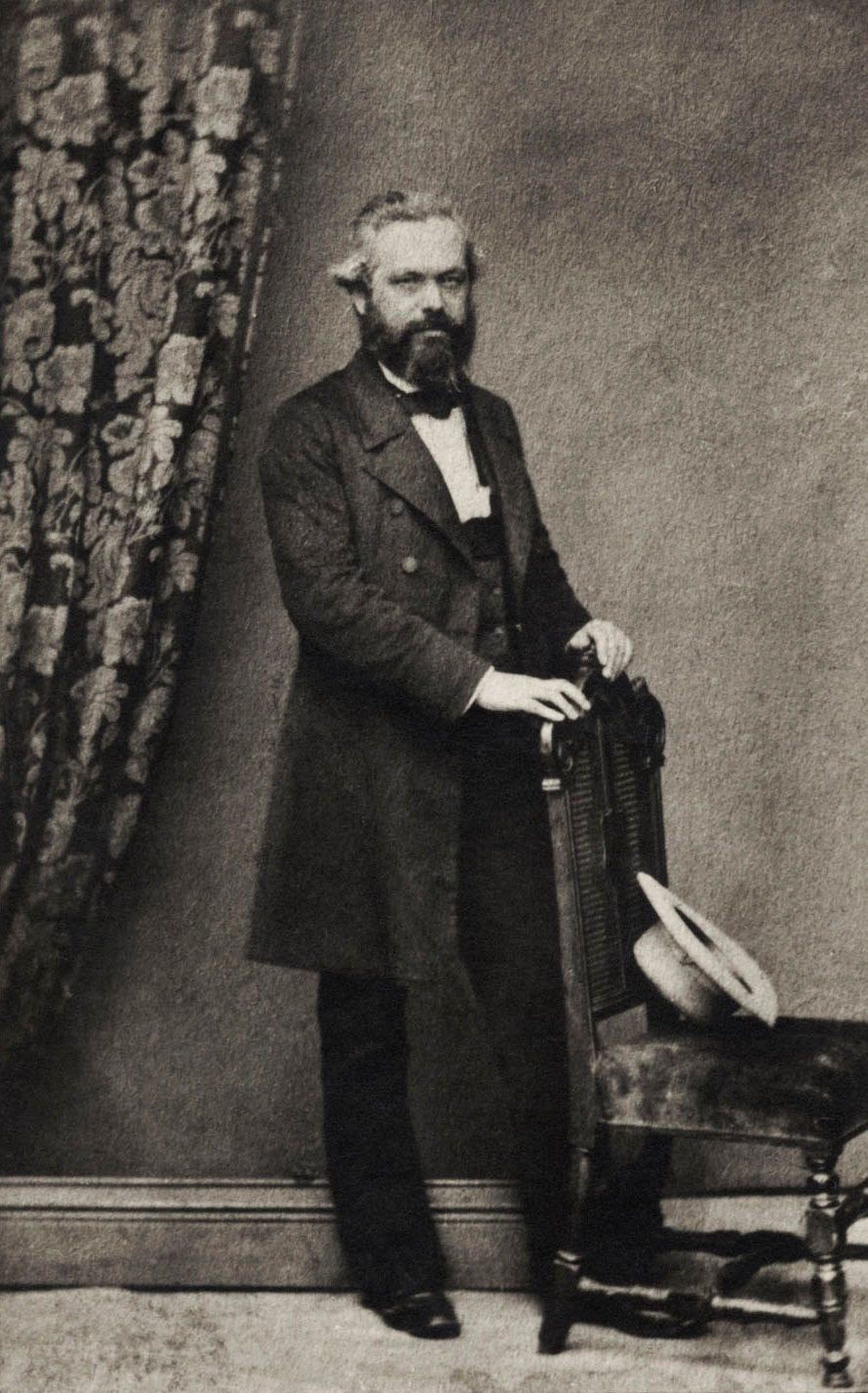
Marx's Theses on Feuerbach
1845
 History Event
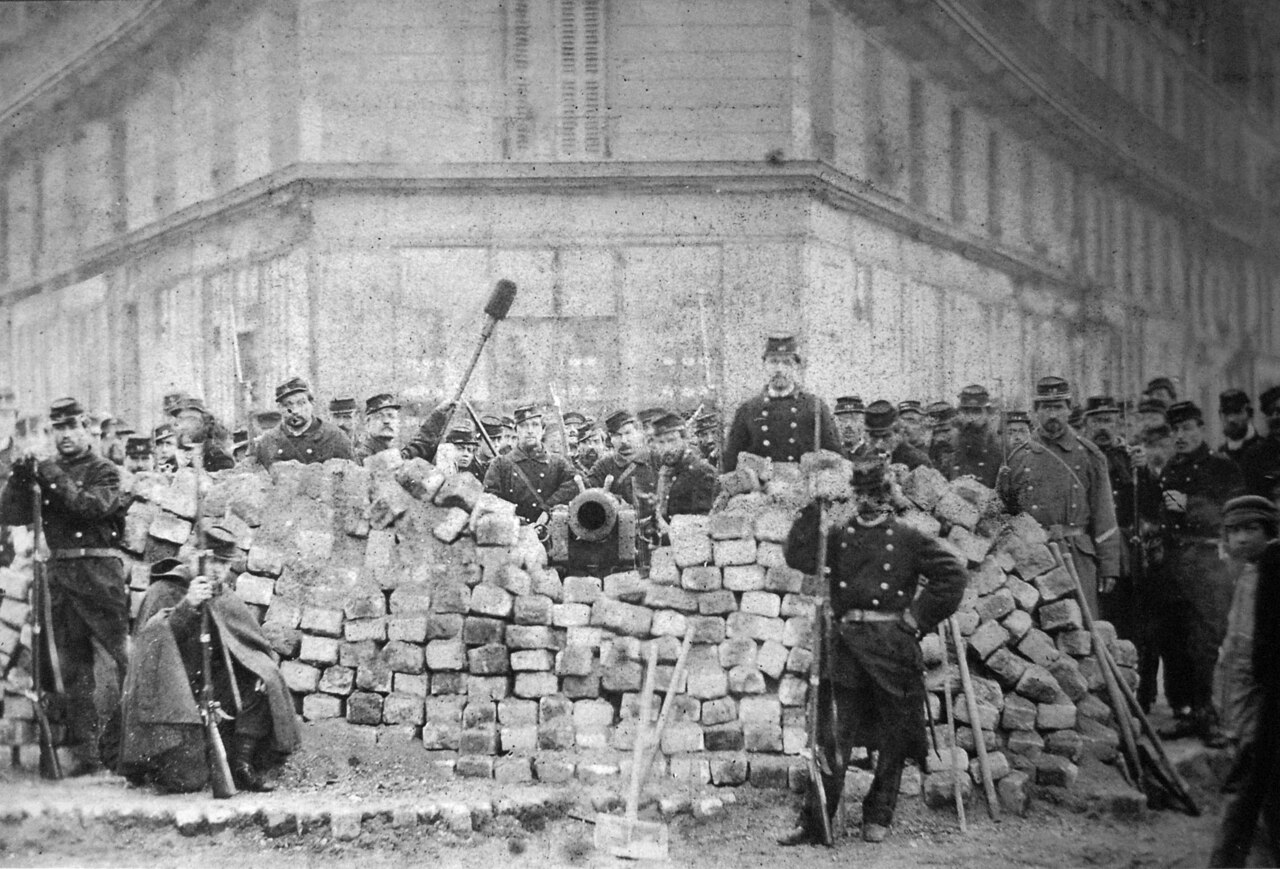
The Paris Commune
1871
 World View
Marxism
Marxism explains history as the struggle of classes over material production, and aims at a classless society in which exploitation and alienation are ended.