

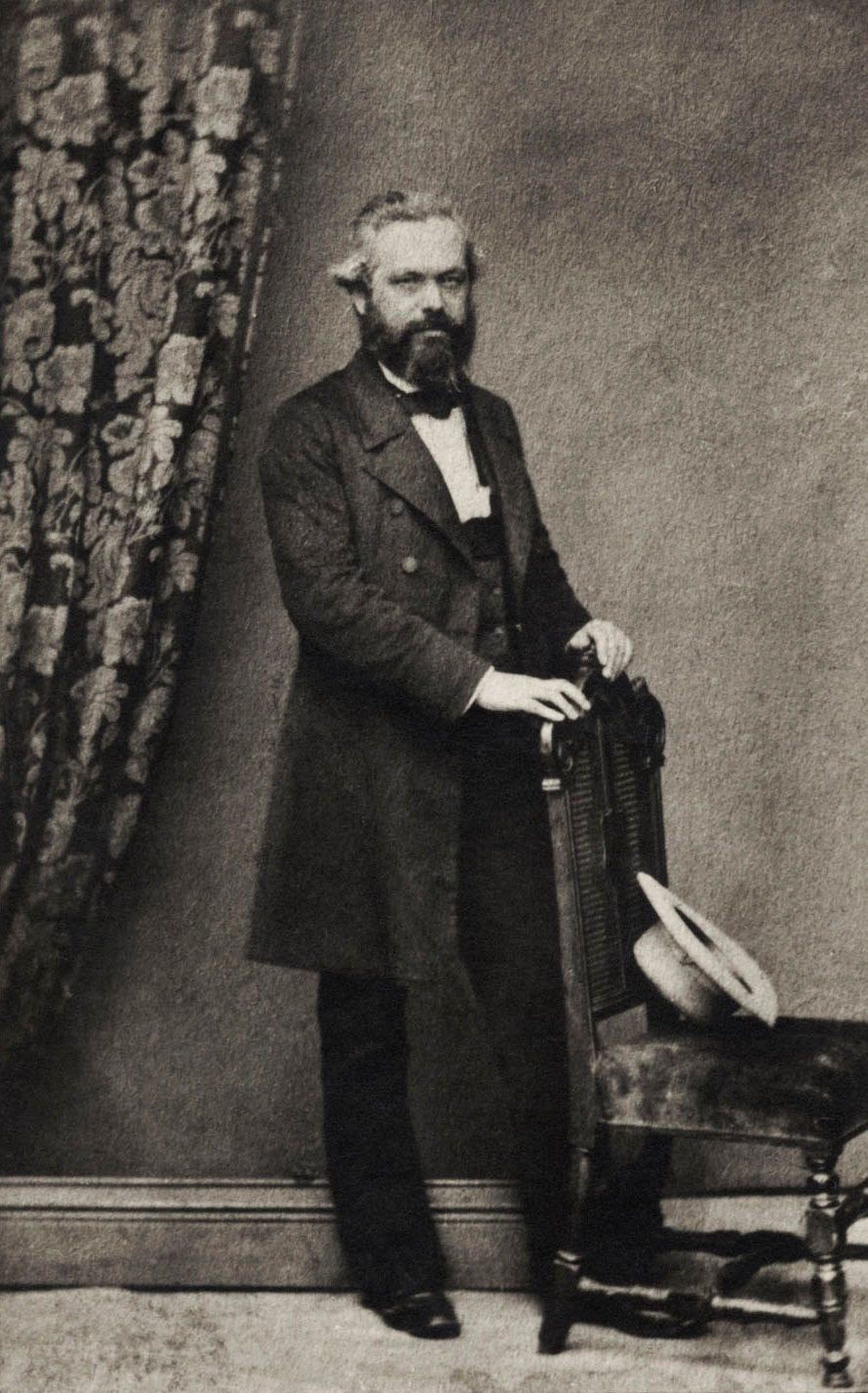
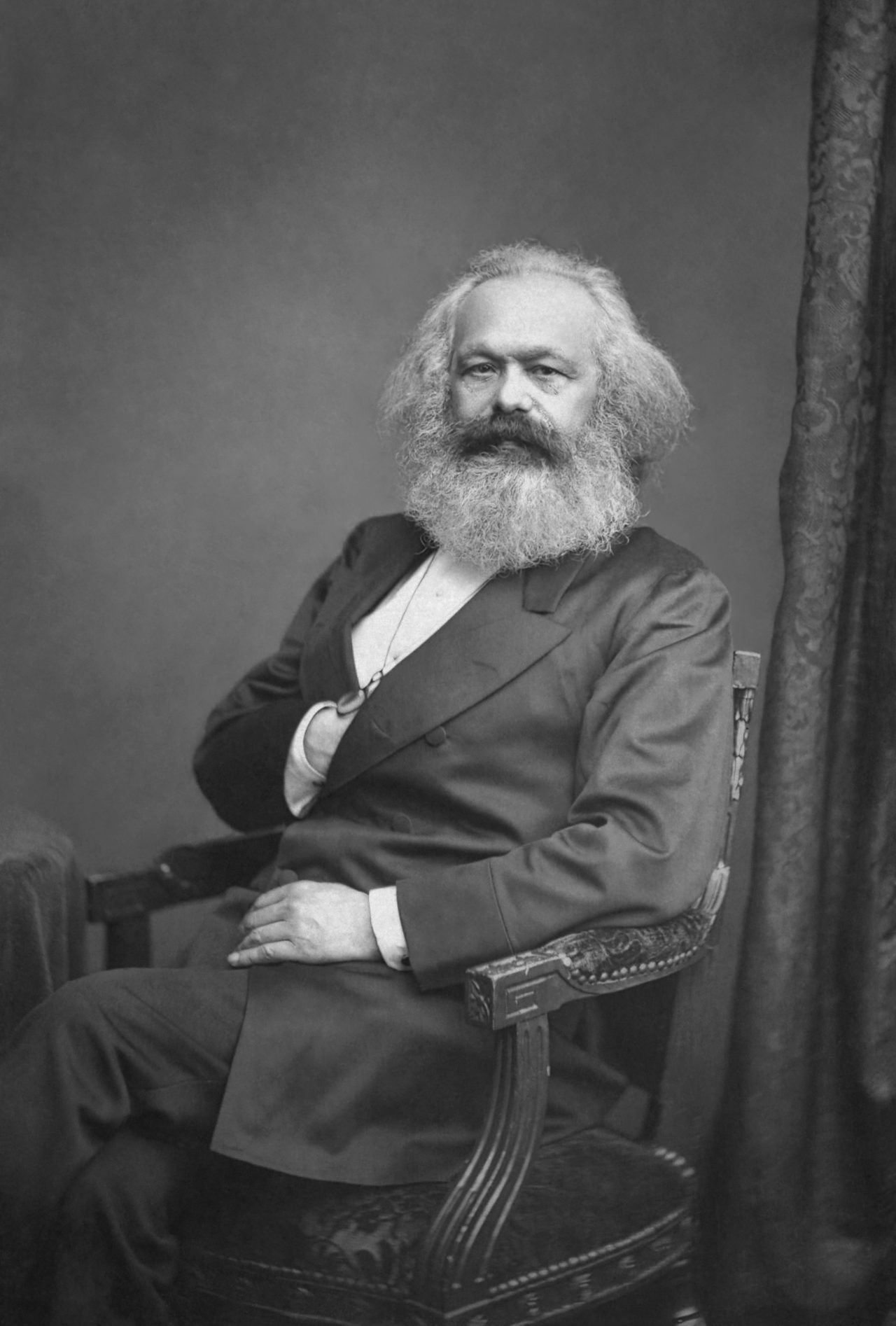
In the spring of 1845 Karl Marx writes eleven theses on Feuerbach in a Brussels notebook, the eleventh becoming the tradition's most quoted sentence: the philosophers have only interpreted the world, in various ways; the point is to change it. The theses, unpublished until Engels prints them in 1888, are Marxism's philosophical birth certificate: materialism turned from contemplation to practice.
Tagged: Marxism
The Event
- Date
- 1845 (exact)
- Era
- Marx; Standard periodization of Marxist history
- Location
- Brussels; today Brussels, Belgium
- Traditions
- Marxism
- Streams
- Marxism
- Key figures
- Karl Marx
- Key texts
- Theses on Feuerbach
Primary Sources
- Marx, Karl. Theses on Feuerbach. Written 1845; published by Engels, 1888.
Secondary Sources
- Anderson, Perry. Considerations on Western Marxism. London: New Left Books, 1976.
- Kolakowski, Leszek. Main Currents of Marxism. Oxford: Clarendon Press, 1978.
- McLellan, David. Karl Marx: A Biography. London: Palgrave Macmillan, fourth edition, 2006.
Provenance: HIST-1450; confidence 0.95; accessed 2026-10-30.
Related on This Site
 History Event
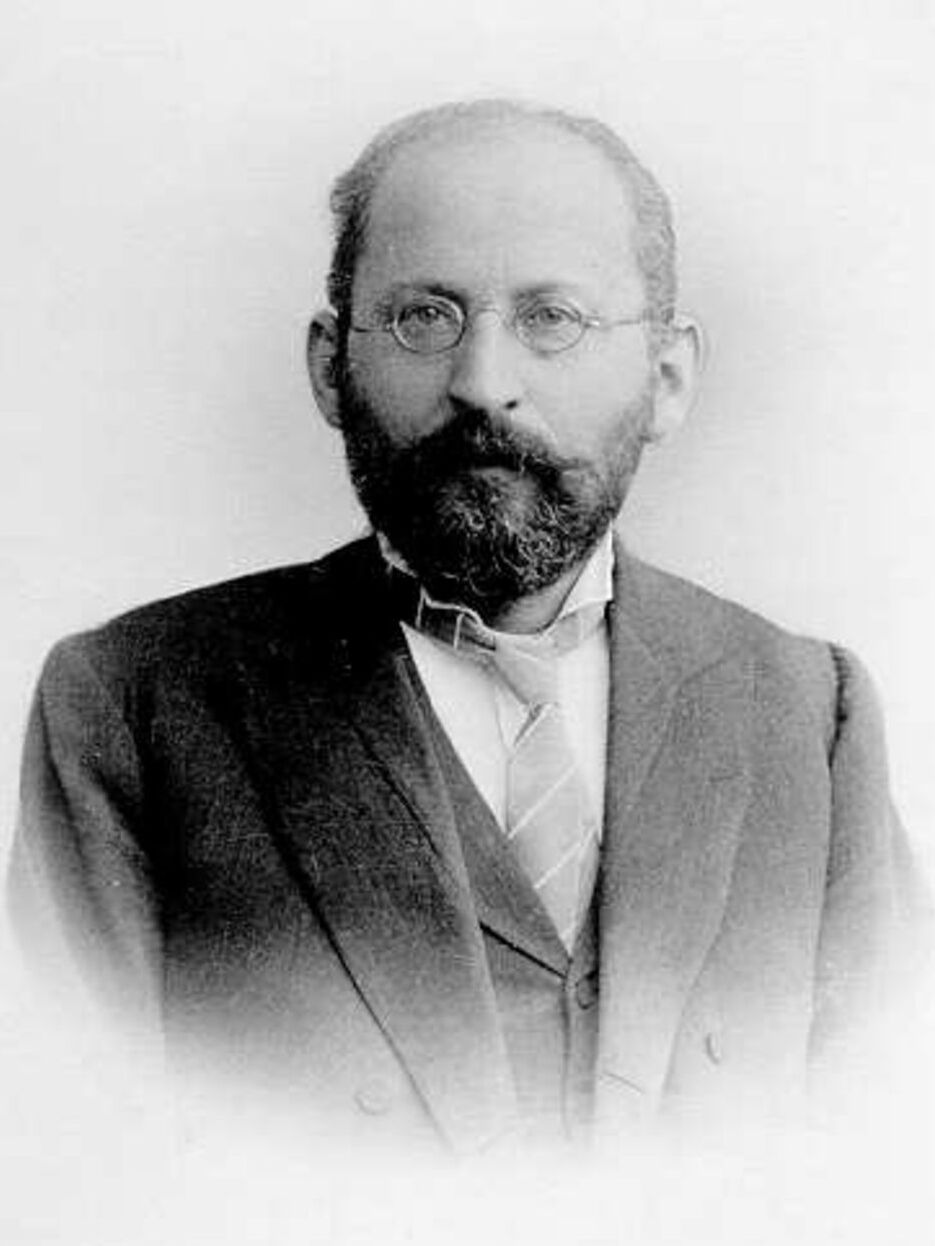
Bernstein's Evolutionary Socialism opens the revisionist controversy
1899
 History Event
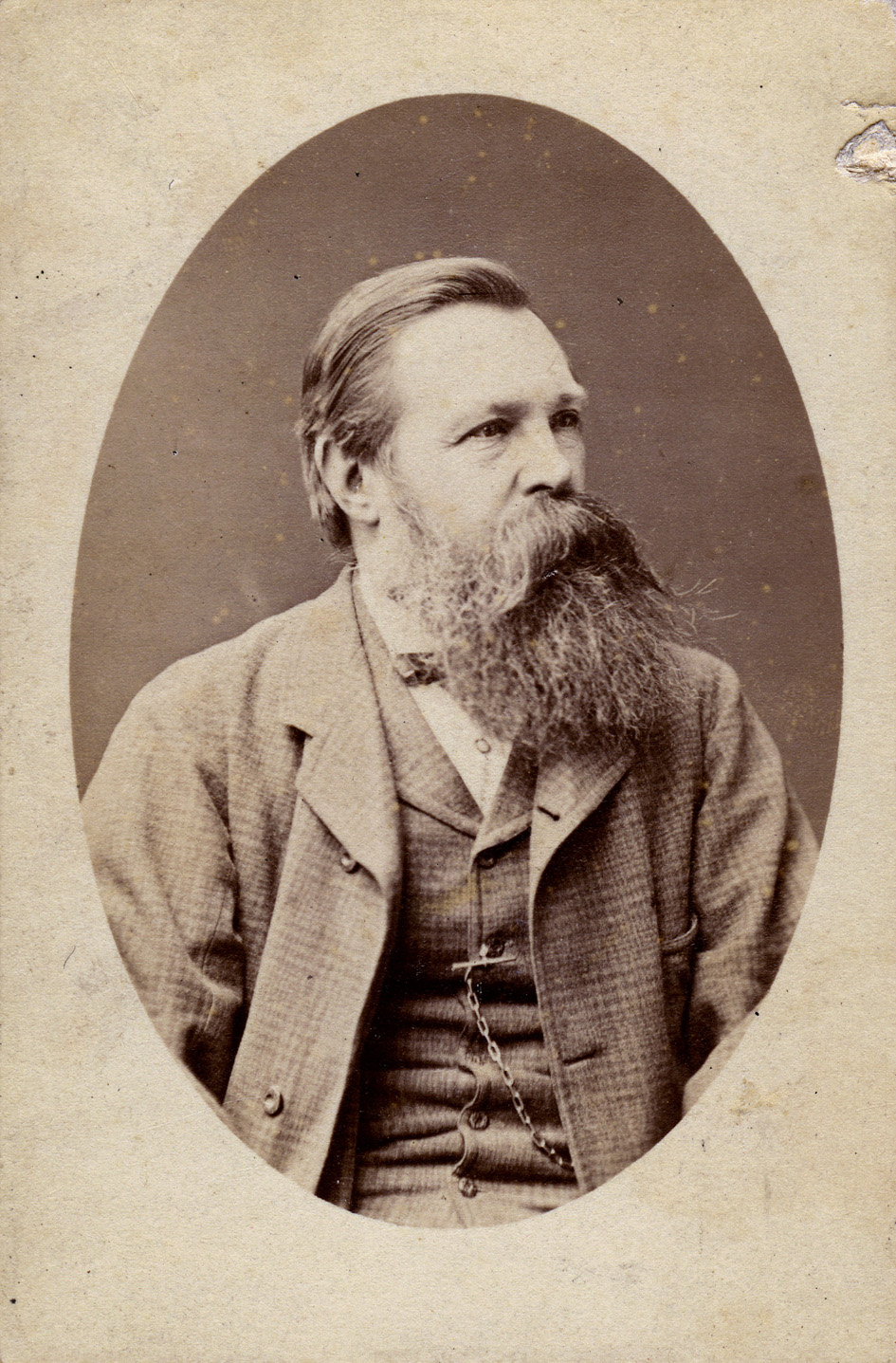
Engels's Anti-Dühring
1878
 History Event
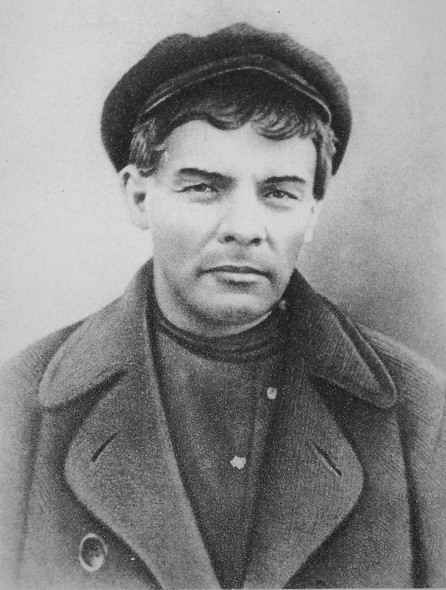
Lenin's Imperialism, the Highest Stage of Capitalism
1916
 History Event
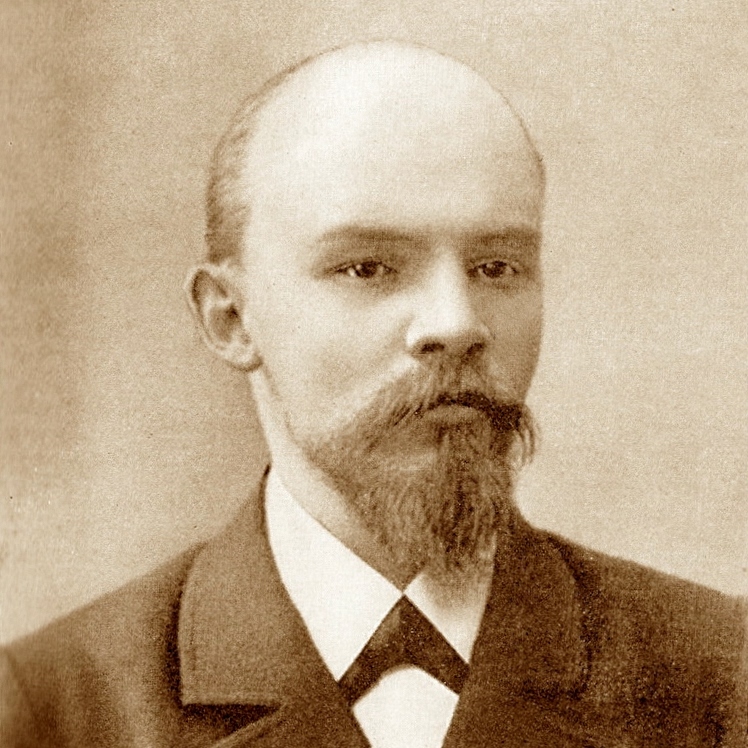
Lenin's What Is to Be Done?
1902
 History Event
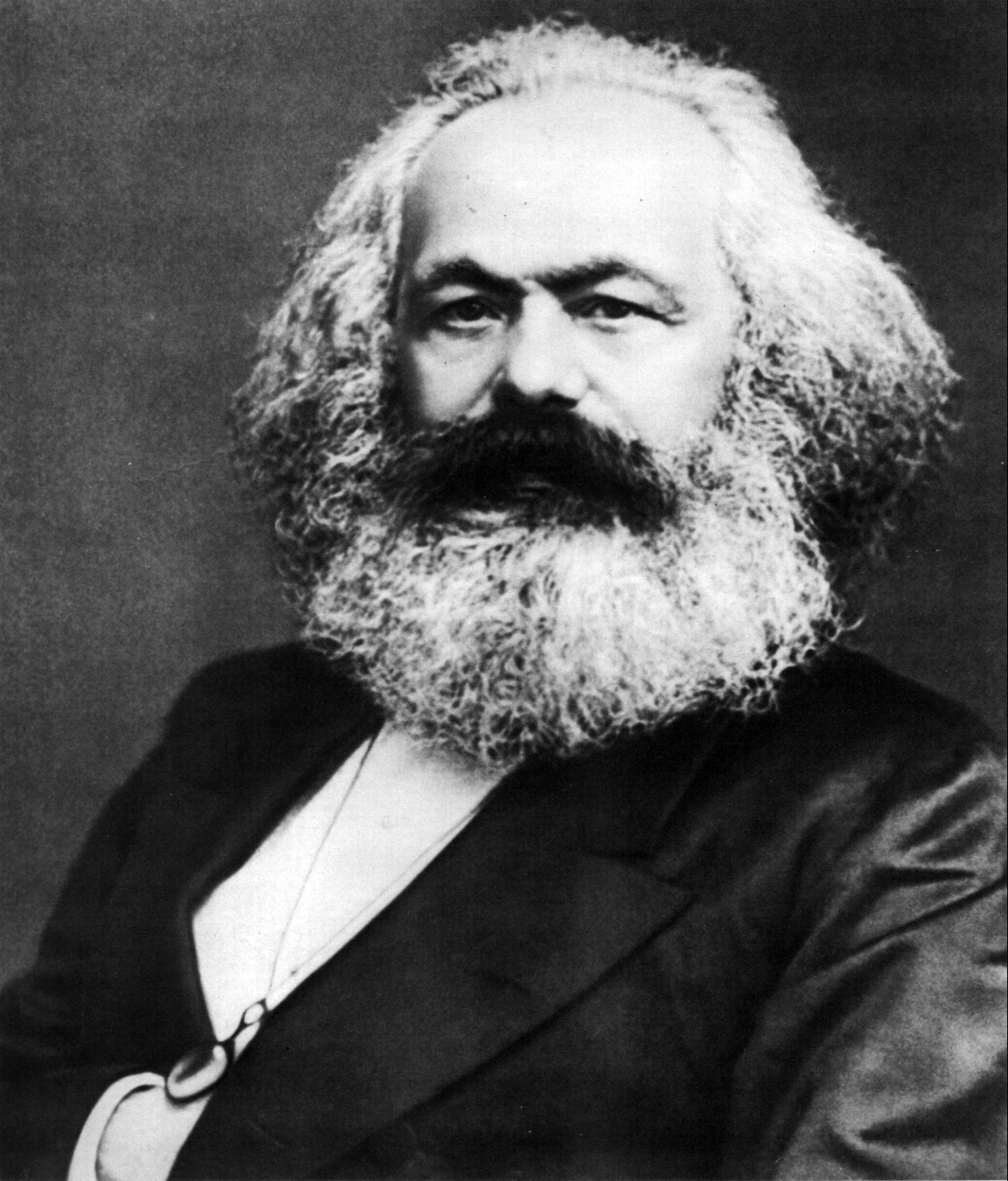
Marx's Capital, volume one
1867
 History Event
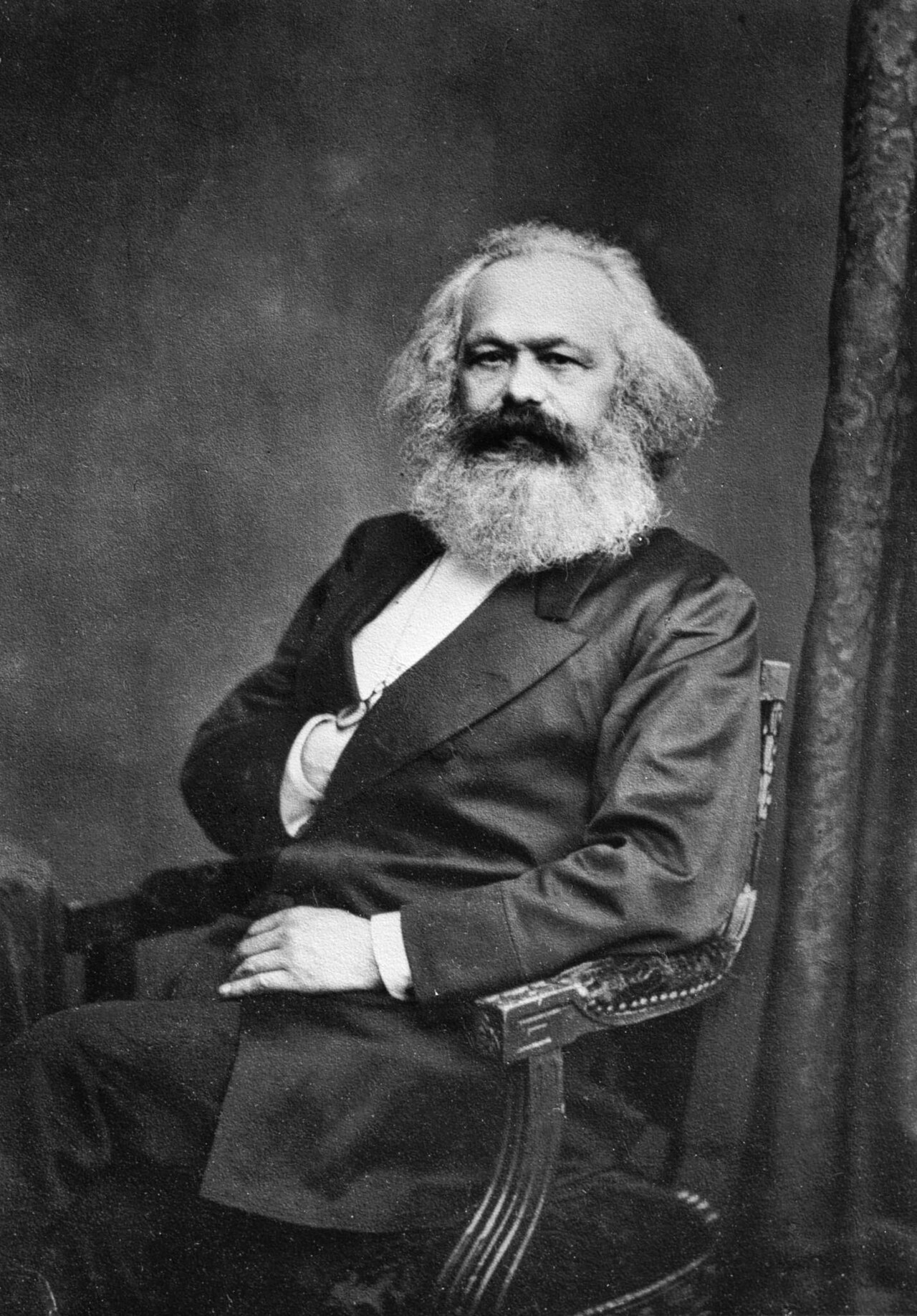
Marx's Preface of 1859 states the materialist conception
1859
 History Event
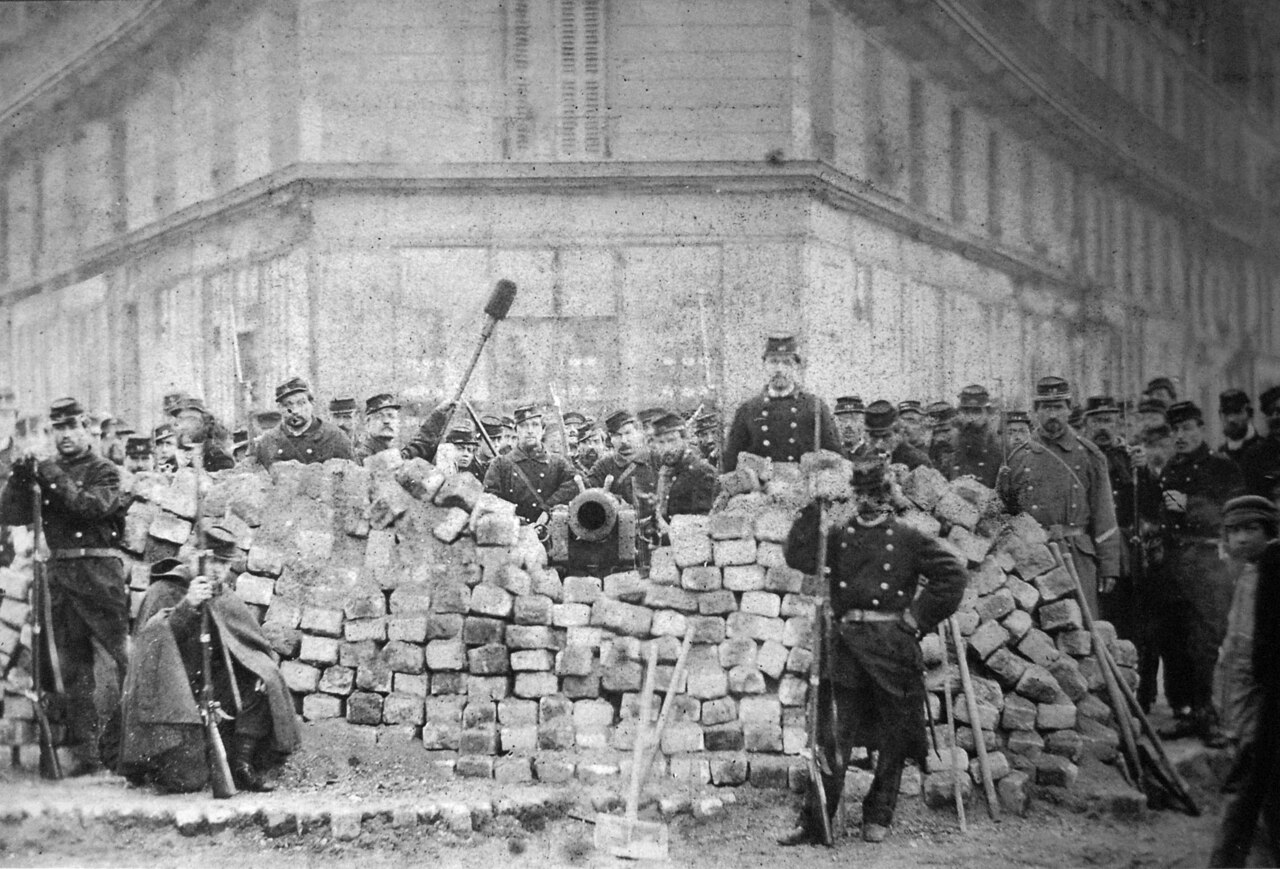
The Paris Commune
1871
 World View
Marxism
Marxism explains history as the struggle of classes over material production, and aims at a classless society in which exploitation and alienation are ended.