

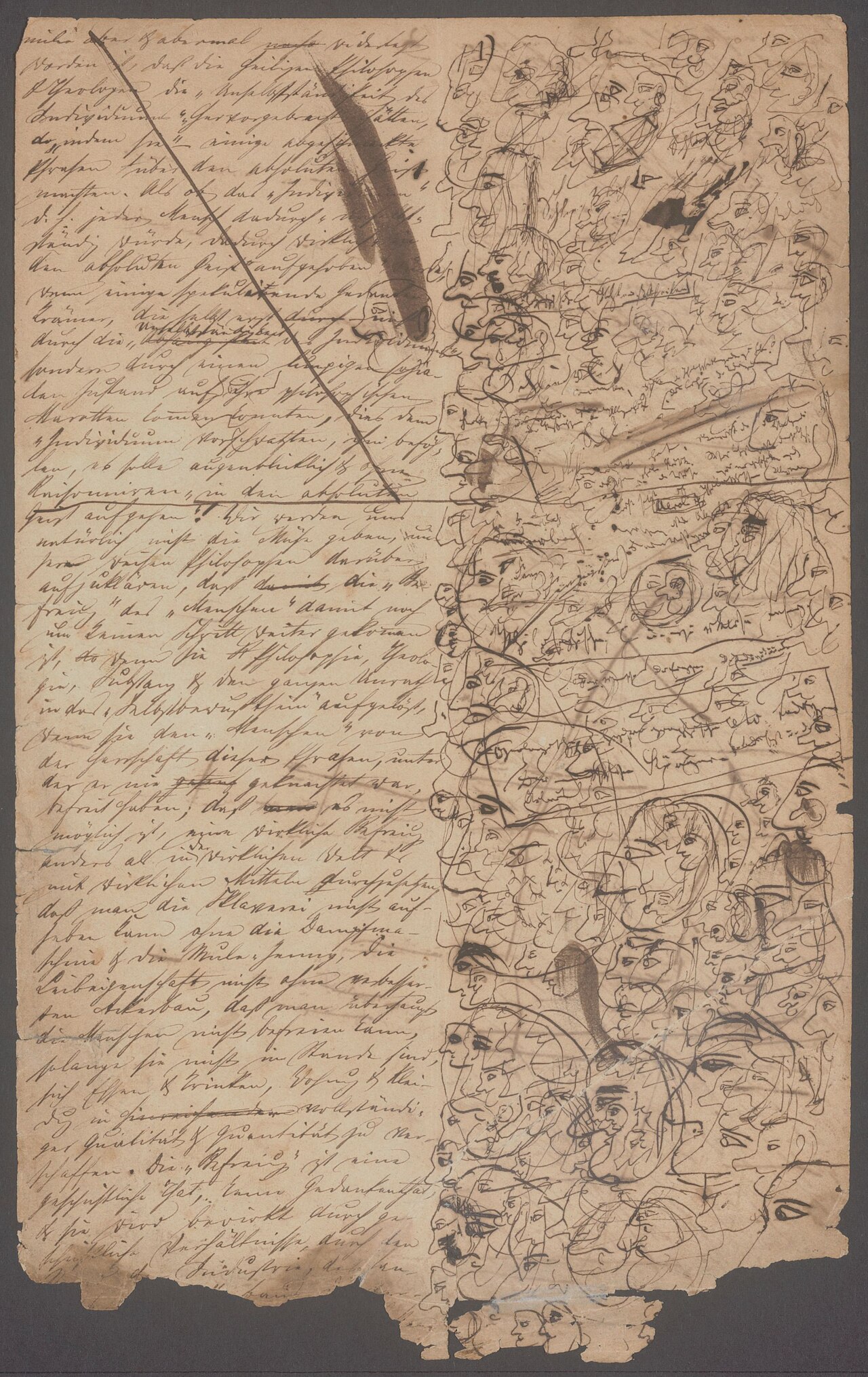
In 1932 Marx's Economic and Philosophic Manuscripts of 1844, the Paris Manuscripts, are published for the first time in the Marx-Engels collected works: alienated labor, species-being, and communism as the riddle of history solved. The young Marx of the manuscripts transforms the tradition's self-understanding and arms its humanist wing against the dialectical materialism of the party textbooks.
Tagged: Marxism
The Event
- Date
- 1932 (exact)
- Era
- Revolution and Western Marxism; Standard periodization of Marxist history
- Location
- Berlin; today Berlin, Germany
- Traditions
- Marxism
- Streams
- Marxism
- Key figures
- Karl Marx
- Key texts
- Economic and Philosophic Manuscripts of 1844
Connections
Primary Sources
- Marx, Karl. Ökonomisch-philosophische Manuskripte. In Marx-Engels Gesamtausgabe, 1932 (written 1844).
Secondary Sources
- Anderson, Perry. Considerations on Western Marxism. London: New Left Books, 1976.
- Kolakowski, Leszek. Main Currents of Marxism. Oxford: Clarendon Press, 1978.
- McLellan, David. Karl Marx: A Biography. London: Palgrave Macmillan, fourth edition, 2006.
Provenance: HIST-1461; confidence 0.95; accessed 2026-10-30.
Related on This Site
 History Event
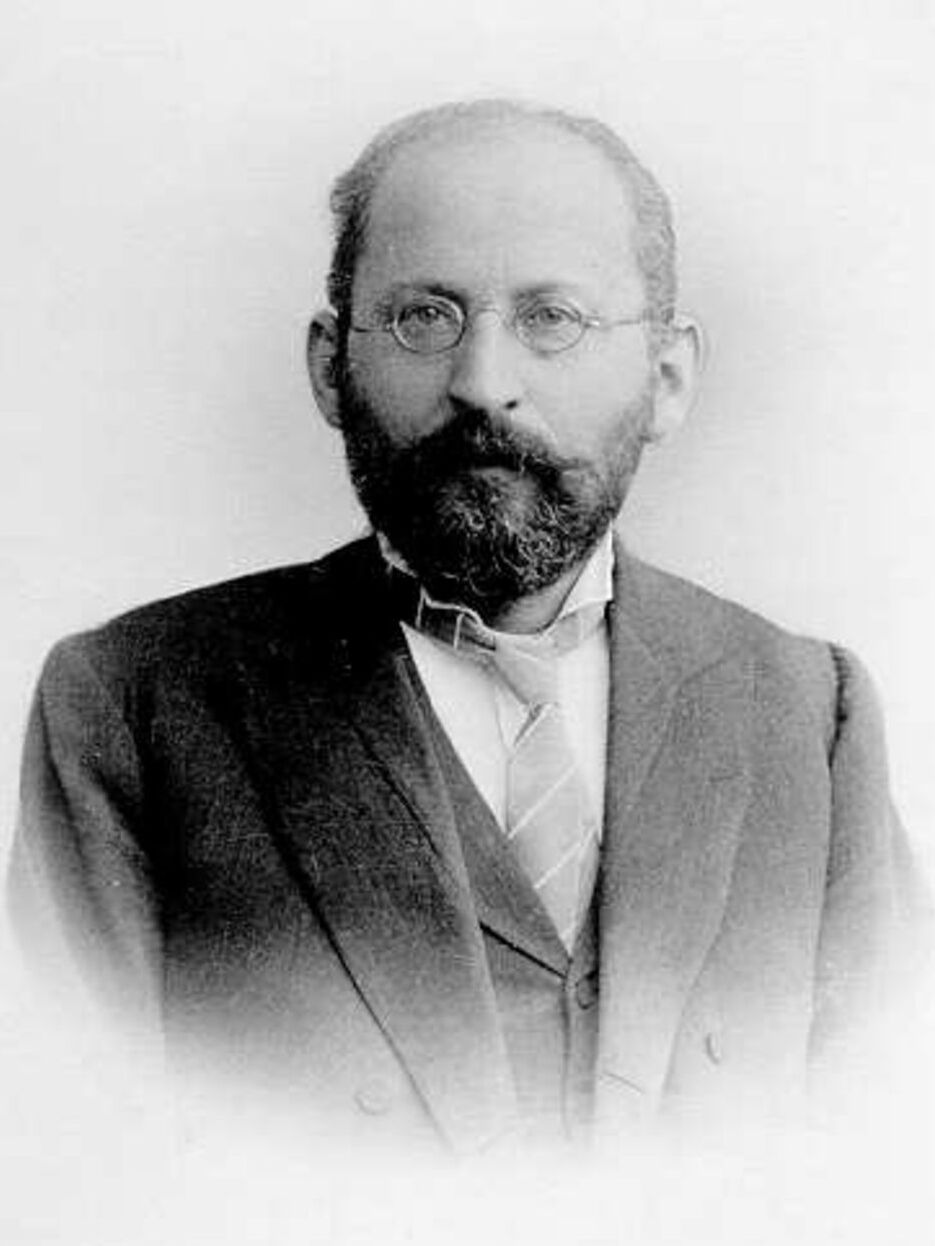
Bernstein's Evolutionary Socialism opens the revisionist controversy
1899
 History Event
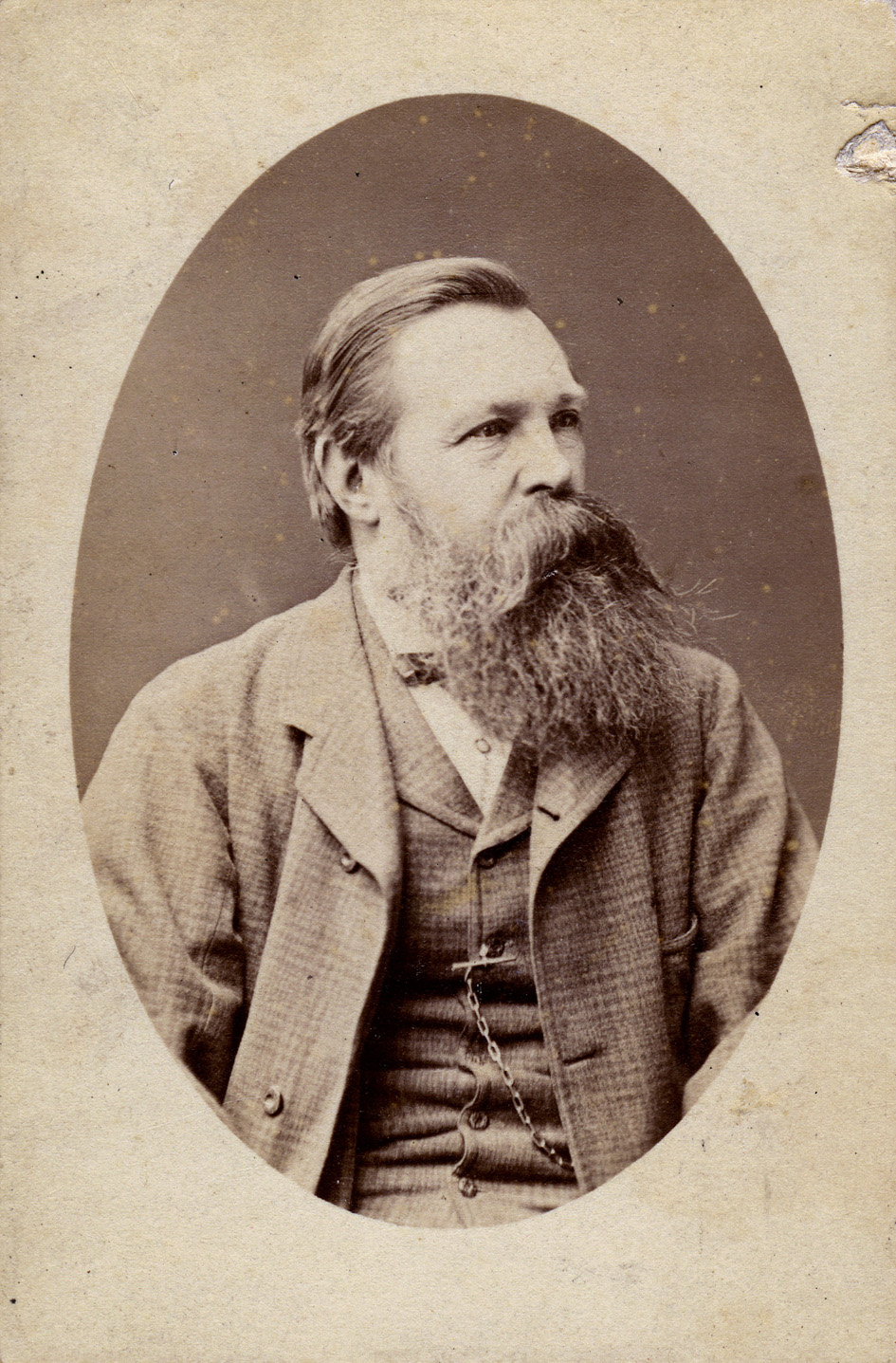
Engels's Anti-Dühring
1878
 History Event
Lenin's What Is to Be Done?
1902
 History Event
Marx's Capital, volume one
1867
 History Event
Marx's Preface of 1859 states the materialist conception
1859
 History Event
Marx's Theses on Feuerbach
1845
 History Event
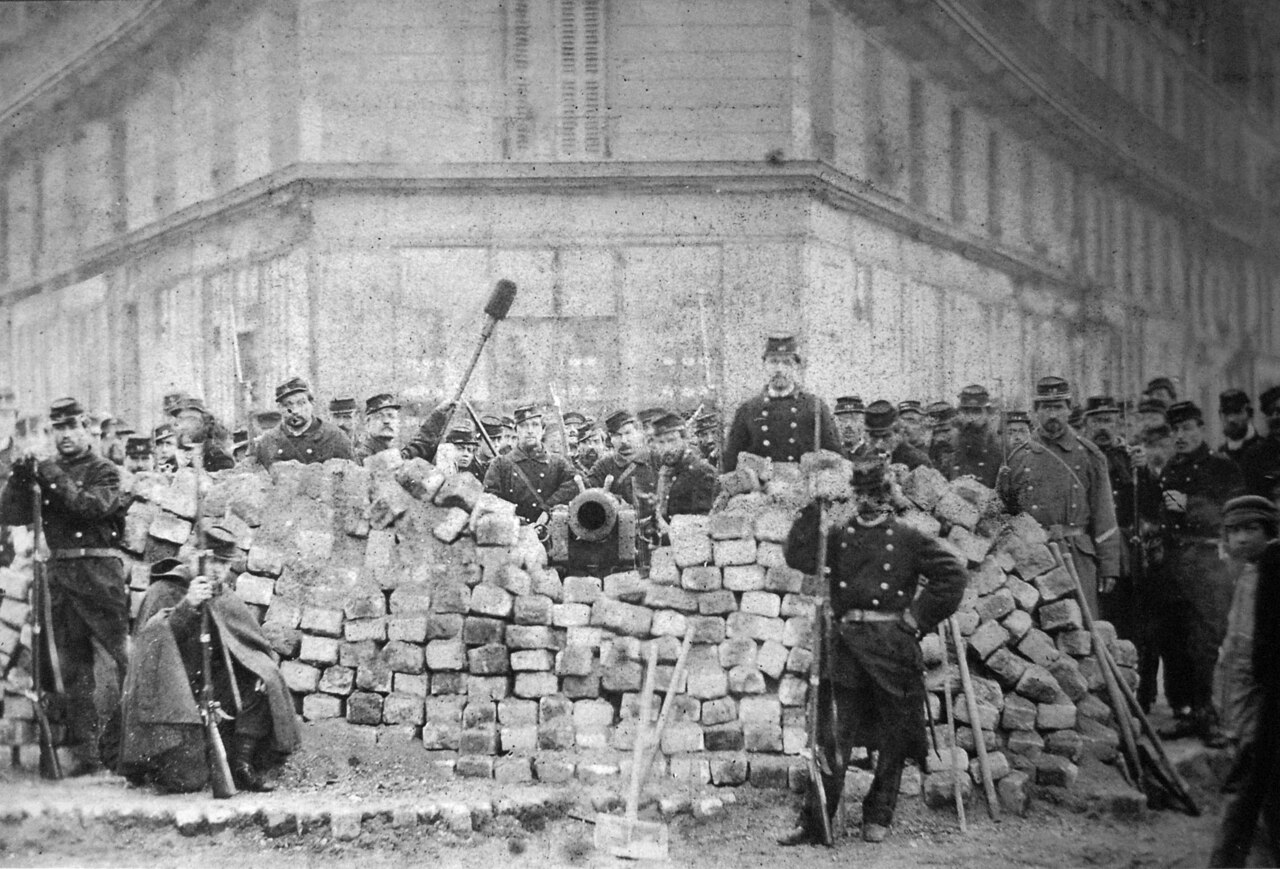
The Paris Commune
1871
 World View
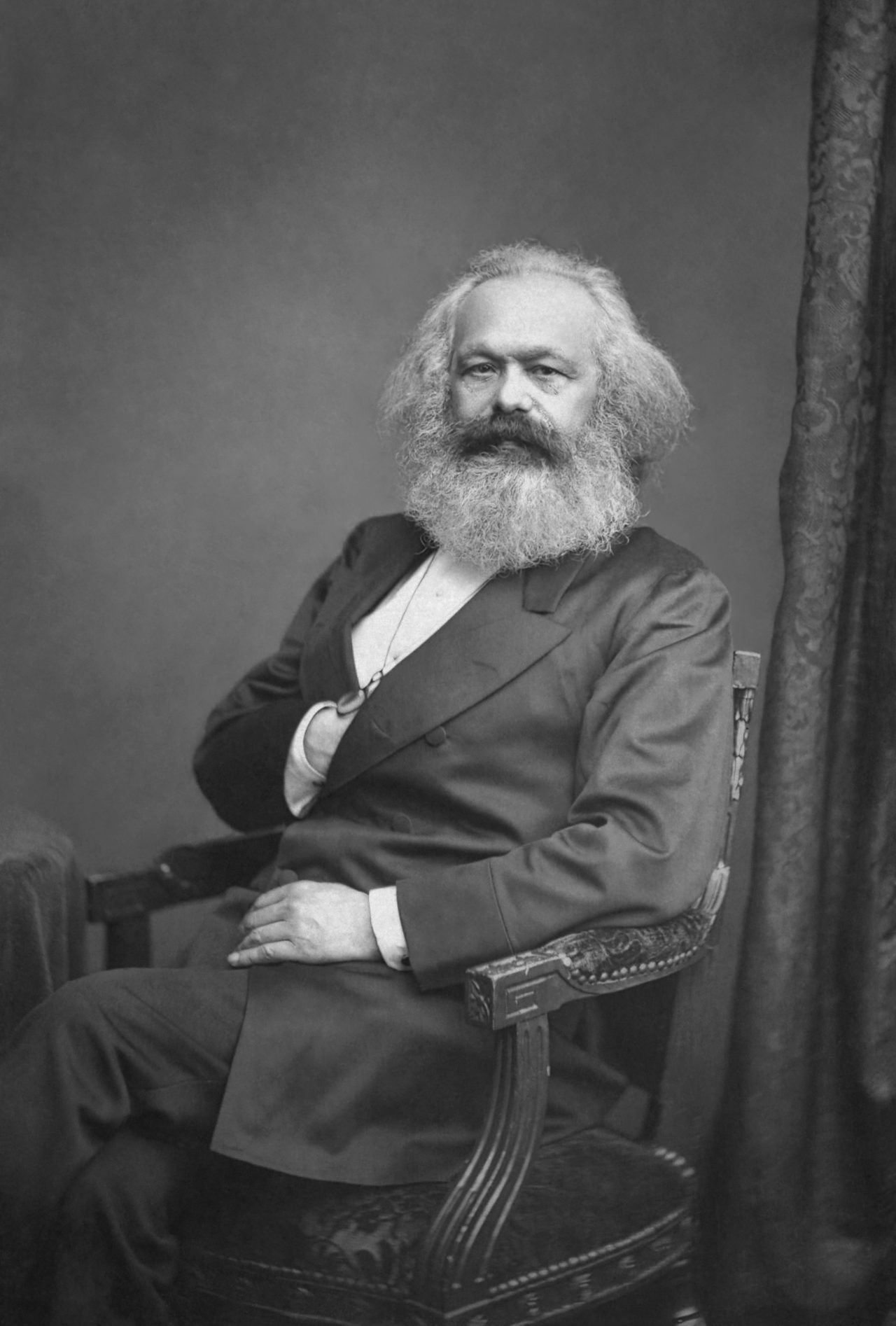
Marxism
Marxism explains history as the struggle of classes over material production, and aims at a classless society in which exploitation and alienation are ended.