


In 1906 the scholar Kharshedji Rustomji Cama and the Zarthosthi Fasli Sal Mandal promote the Fasli calendar in Bombay, realigning the year to the seasons and to the Iranian reckoning so that Navroz falls at the spring equinox. The three living variants, Shenshai, Kadmi, and Fasli, fix the New Year on different days, and the choice of calendar remains a marker of community identity.
Tagged: Parsi Zoroastrianism
The Event
- Date
- 1906 (exact)
- Era
- Modern and Diaspora; Standard periodization of Zoroastrian history
- Location
- Bombay; today India
- Traditions
- Zoroastrianism
- Streams
- Parsi
- Key figures
- Kharshedji Rustomji Cama
How the Tradition Tells It
Fasli's promoters presented it as the restoration of the true calendar; Shenshai and Kadmi authorities largely declined it, and most Iranian Zoroastrians later adopted a Fasli-aligned national calendar while Parsi practice stayed divided.
Connections
Primary Sources
- Publications of the Zarthosthi Fasli Sal Mandal.
Secondary Sources
- Boyce, Mary. Zoroastrians: Their Religious Beliefs and Practices. London: Routledge, 1979.
- Choksy, Jamsheed K. Conflict and Cooperation: Zoroastrian Subalterns and Muslim Elites in Medieval Iranian Society. New York: Columbia University Press, 1997.
- Encyclopaedia Iranica, entries on the Avesta, the Sasanians, and the Parsi calendar disputes.
- Hinnells, John R. The Zoroastrian Diaspora: Religion and Migration. Oxford: Oxford University Press, 2005.
- Rose, Jenny. Zoroastrianism: An Introduction. London: I.B. Tauris, 2011.
Provenance: HIST-1018; confidence 0.95; accessed 2026-10-28.
Related on This Site
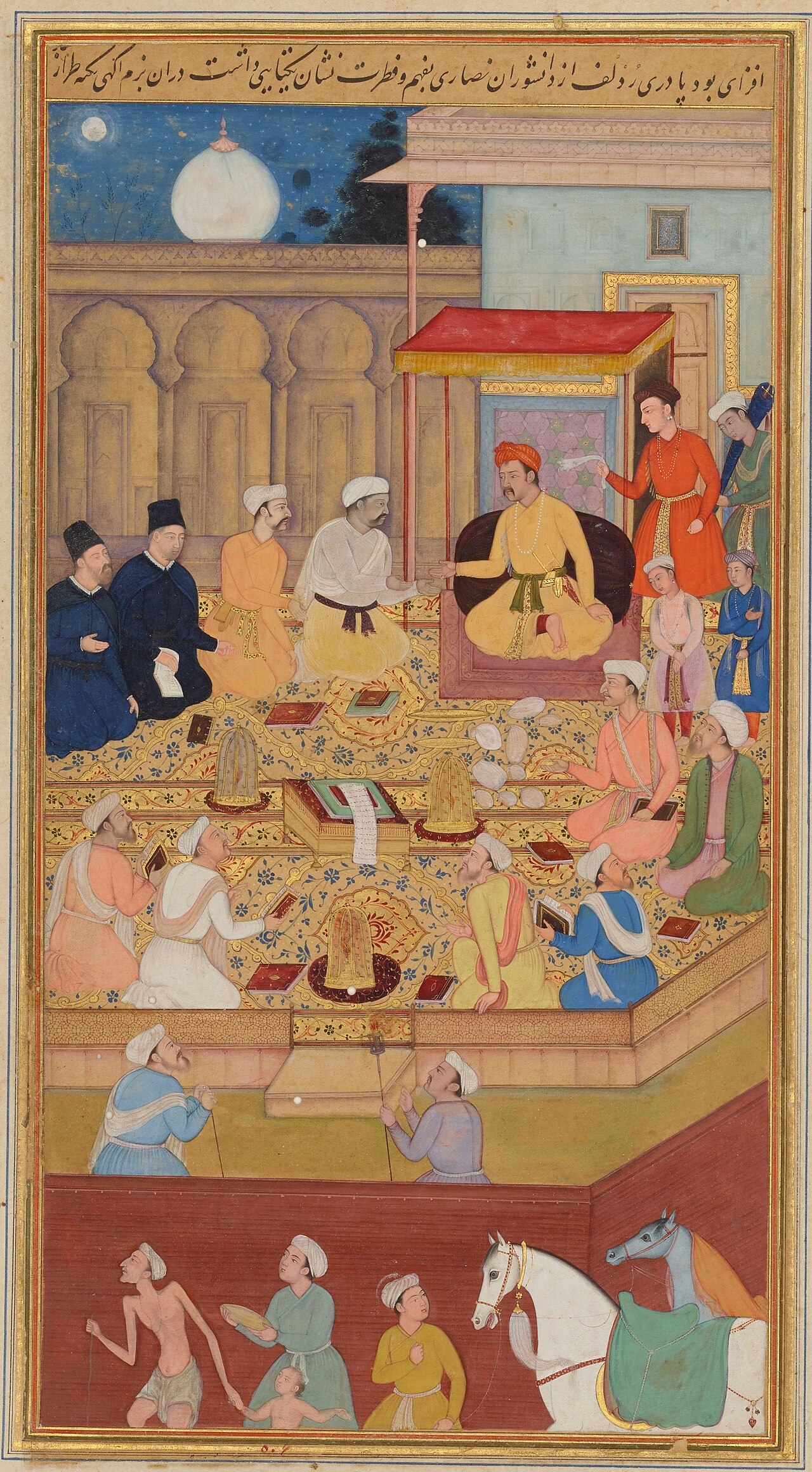 History Event
Akbar's toleration edict
1578
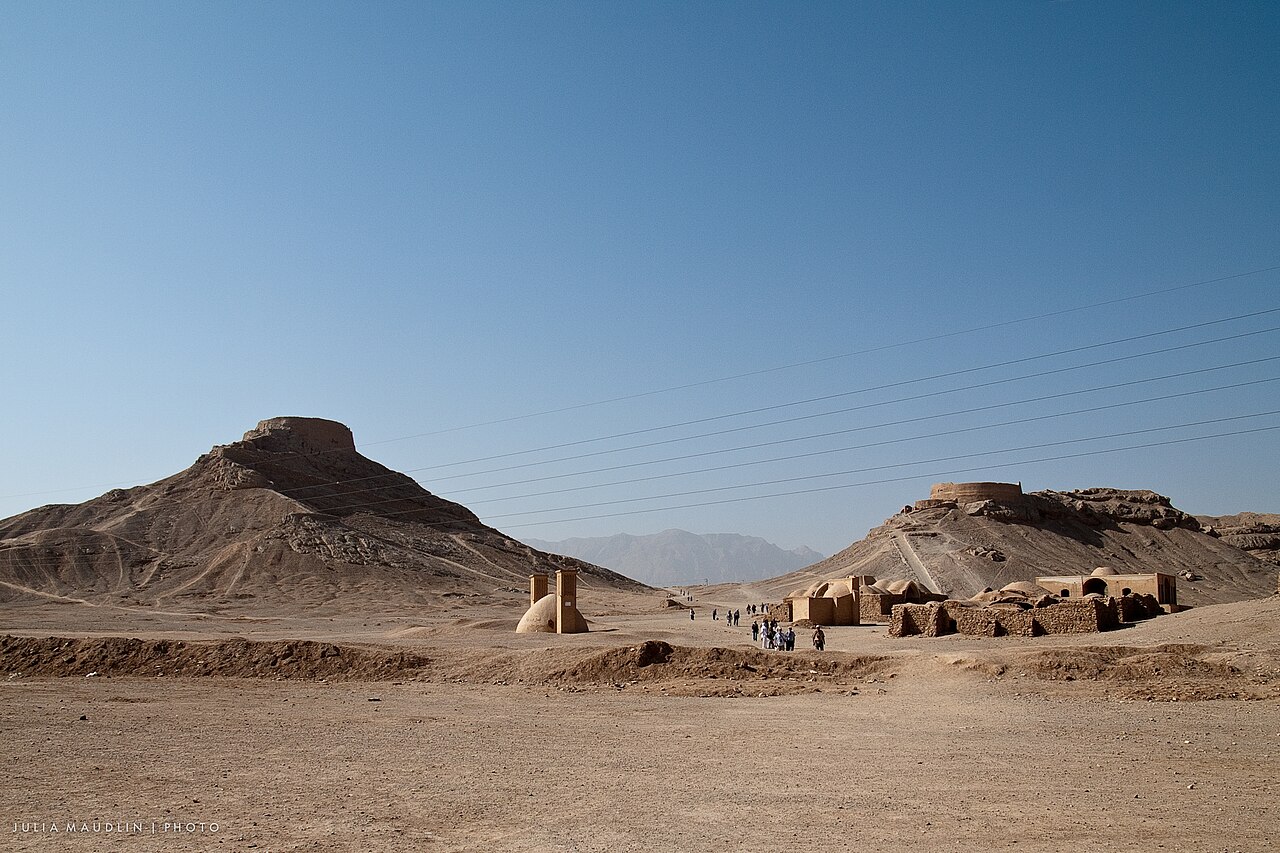 History Event
Demographic decline
2000s
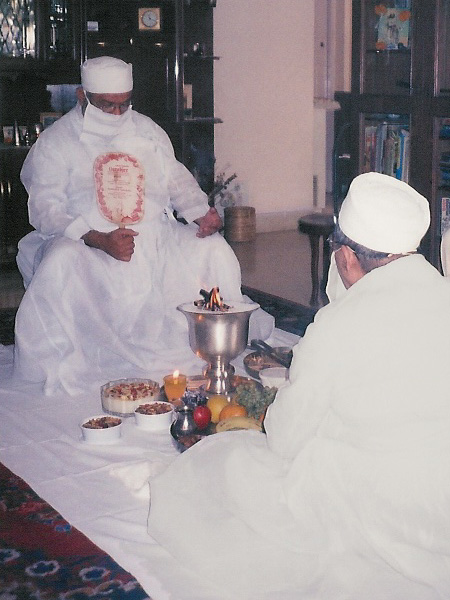 History Event
Kadmi-Shenshai calendar split
1740s
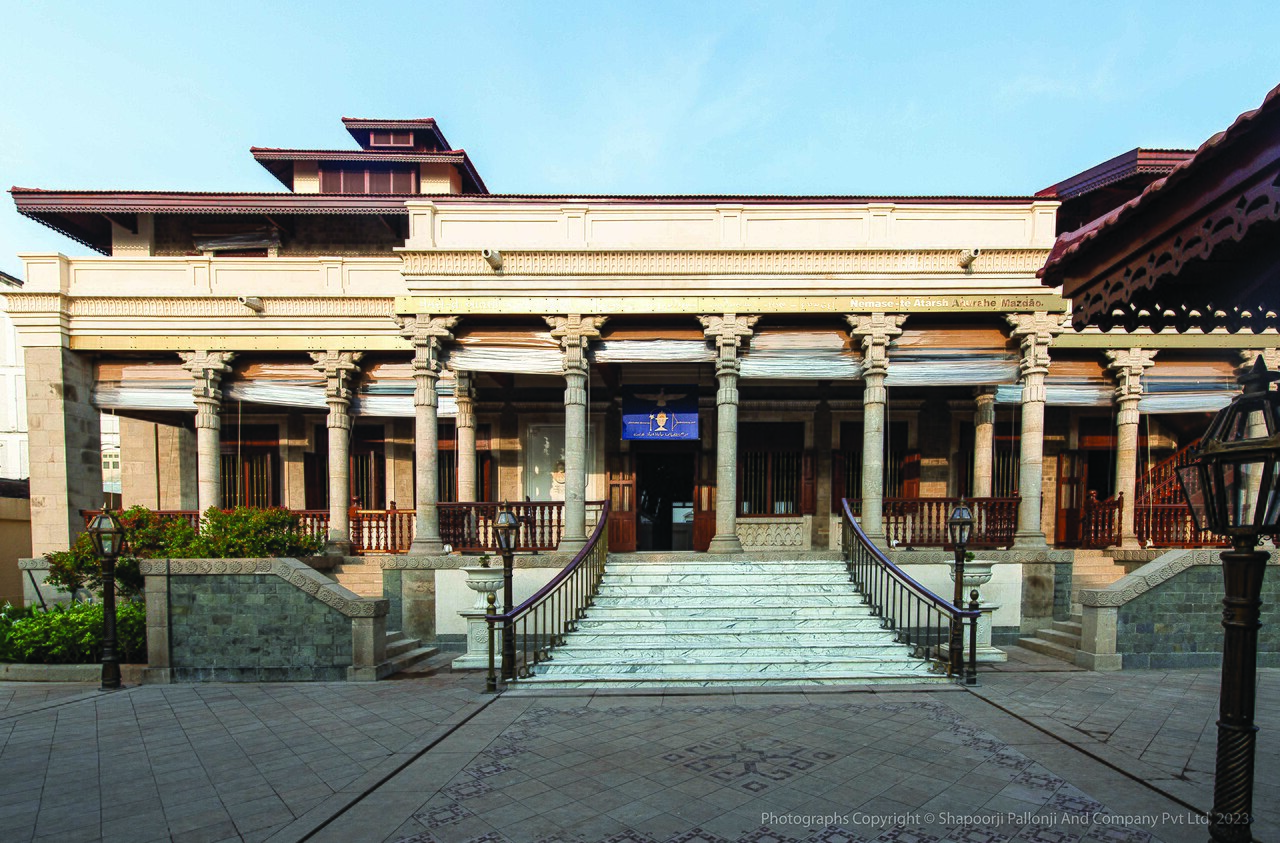 History Event
Parsi migration to Gujarat
c. 785
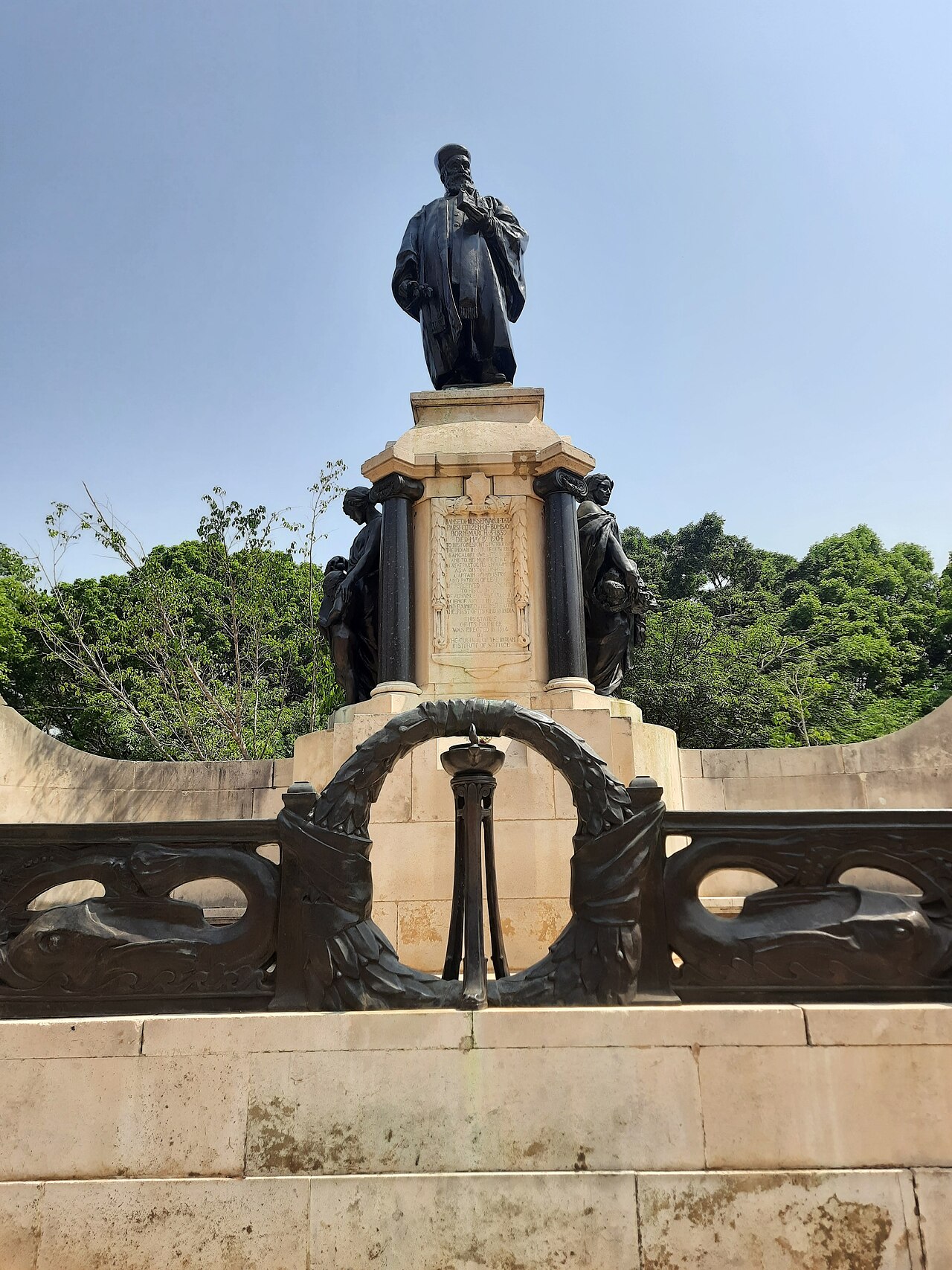 History Event
Parsi prominence in colonial India
19th century
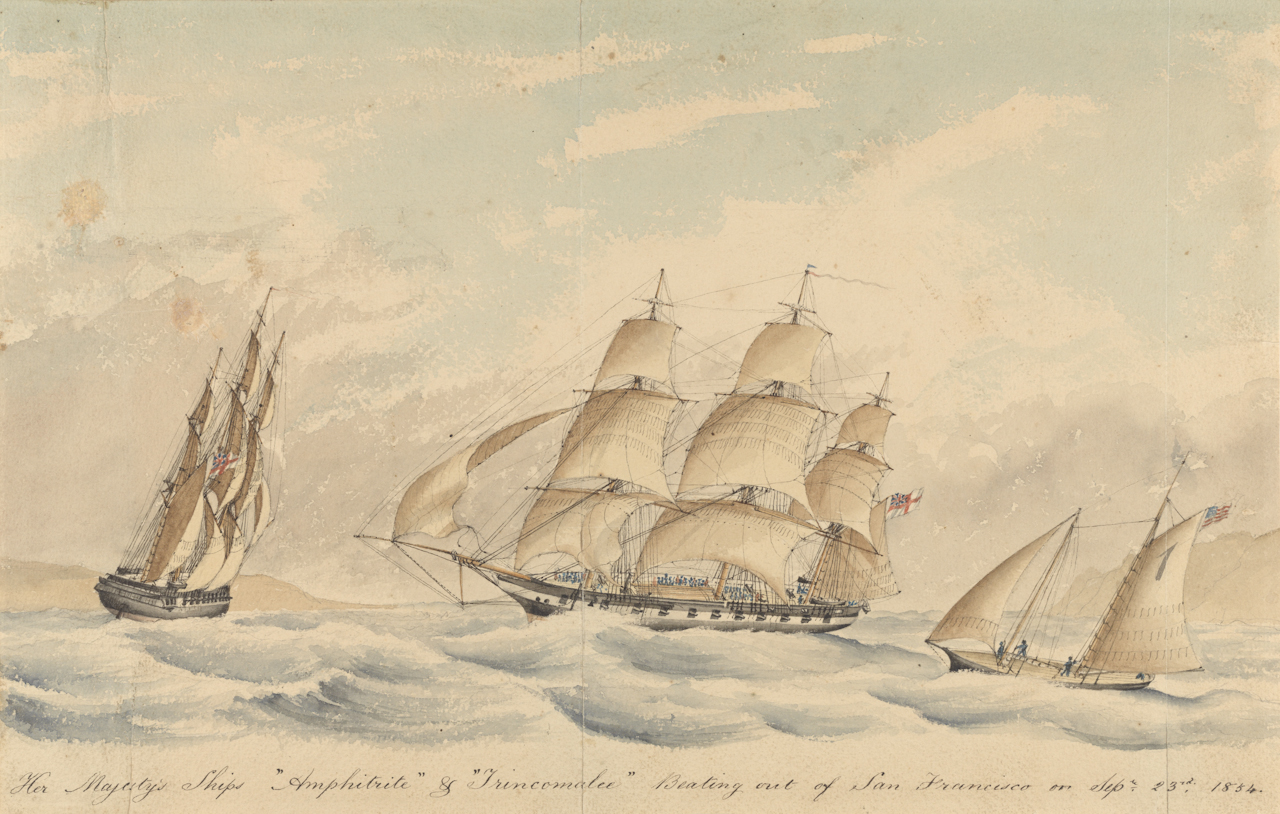 History Event
Parsi-British encounters
1670s-1680s
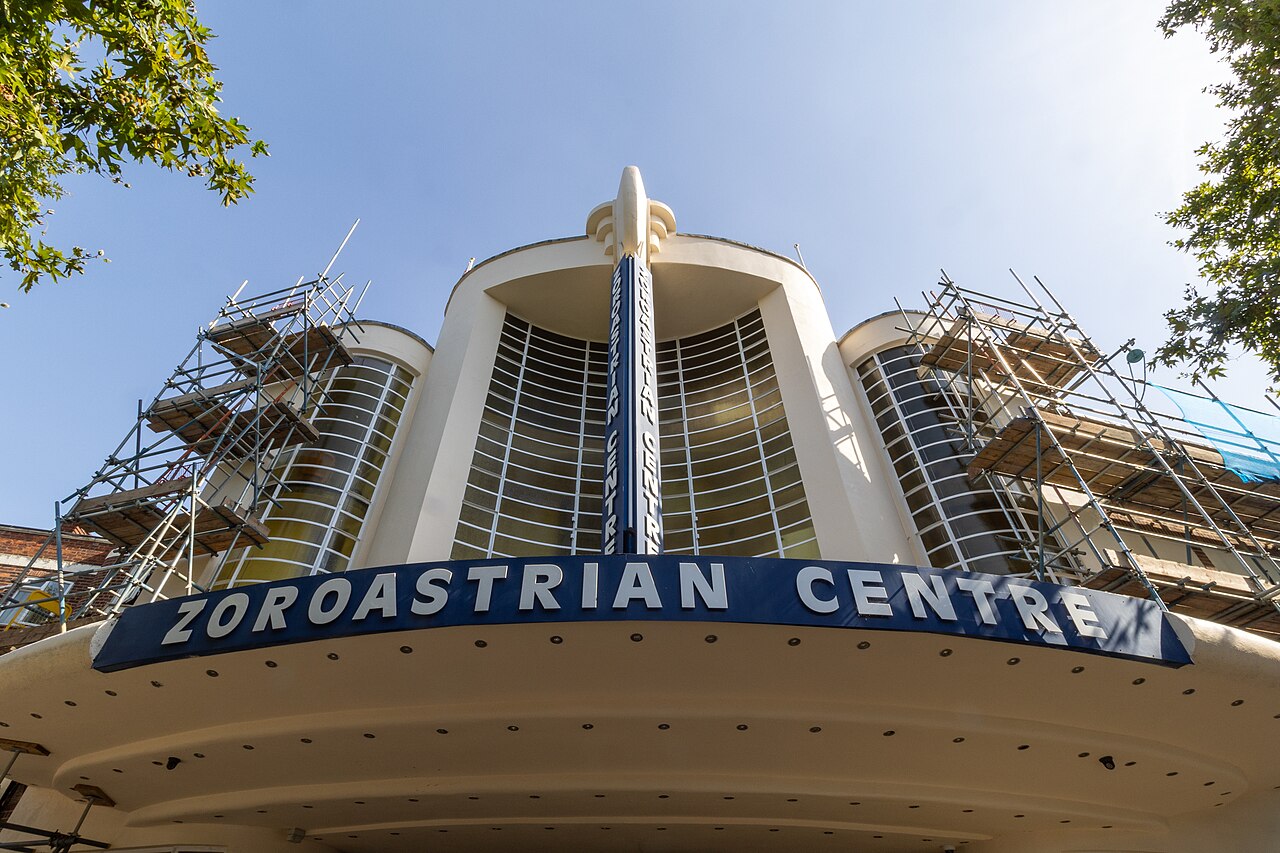 History Event
Zoroastrian Trust Funds of Europe founded
1861
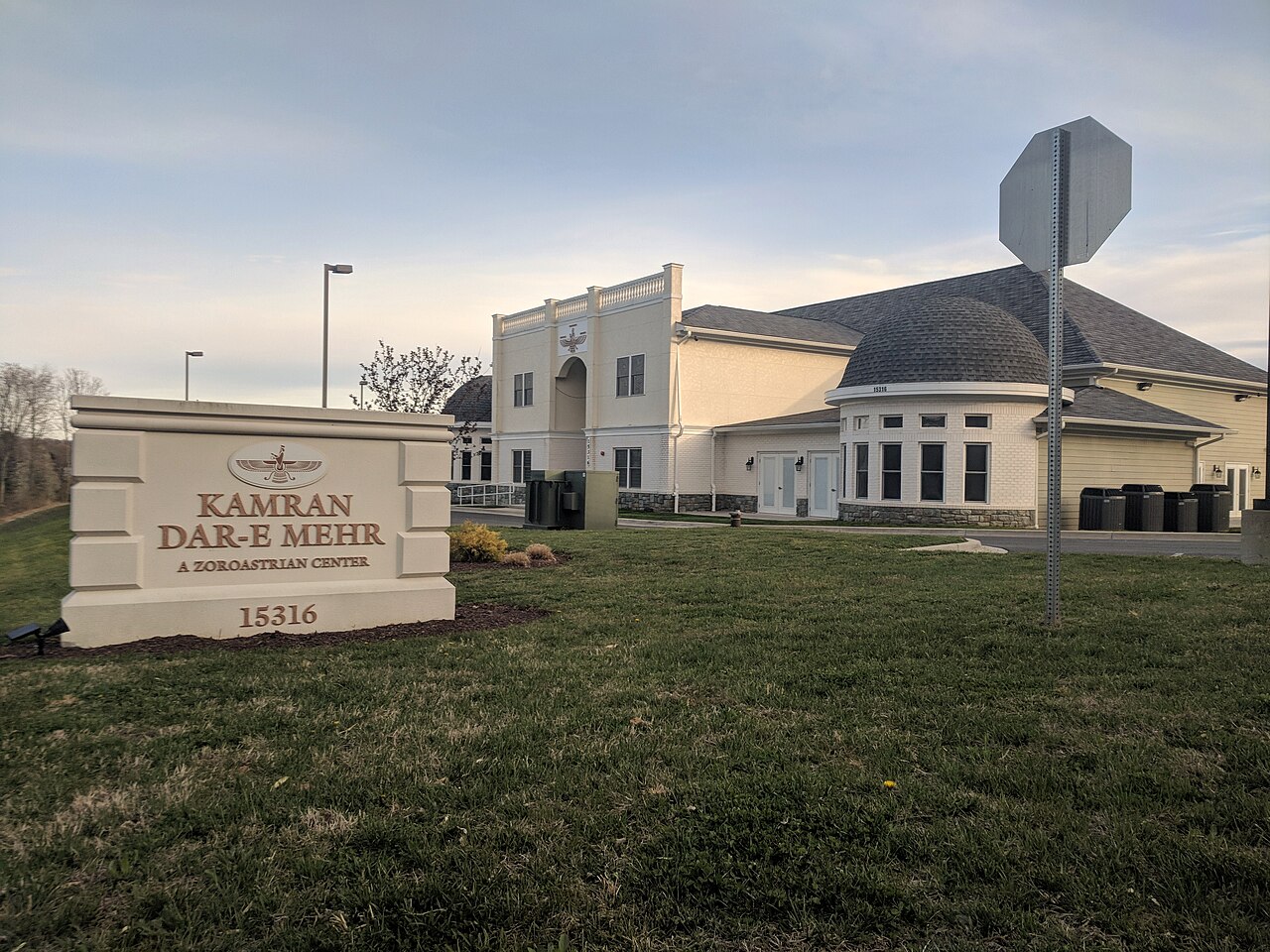 History Event
Zoroastrians settle in North America
c. 1865