

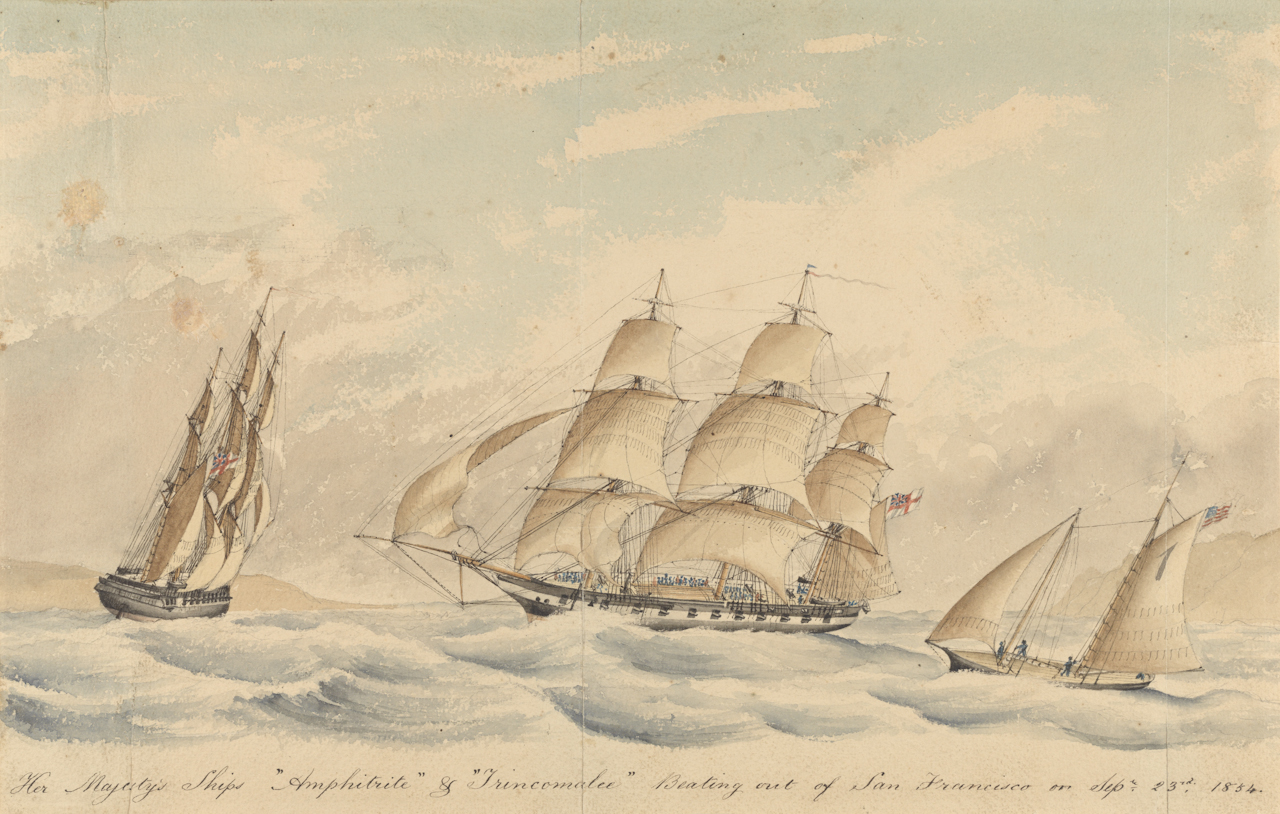
From the 1670s and 1680s the English East India Company draws Parsi shipbuilders, brokers, and merchants into Bombay's rise; Parsi families such as the Wadias become the company's master builders, and the community's long partnership with British India begins.
Tagged: Parsi Zoroastrianism
The Event
- Date
- 1670s-1680s (approximate)
- Era
- Parsi India; Standard periodization of Zoroastrian history
- Location
- Bombay; today India
- Traditions
- Zoroastrianism
- Streams
- Parsi
Connections
Primary Sources
- The tradition's own record of the event.
Secondary Sources
- Boyce, Mary. Zoroastrians: Their Religious Beliefs and Practices. London: Routledge, 1979.
- Choksy, Jamsheed K. Conflict and Cooperation: Zoroastrian Subalterns and Muslim Elites in Medieval Iranian Society. New York: Columbia University Press, 1997.
- Encyclopaedia Iranica, entries on the Avesta, the Sasanians, and the Parsi calendar disputes.
- Hinnells, John R. The Zoroastrian Diaspora: Religion and Migration. Oxford: Oxford University Press, 2005.
- Rose, Jenny. Zoroastrianism: An Introduction. London: I.B. Tauris, 2011.
Provenance: HIST-1013; confidence 0.85; accessed 2026-10-28.
Related on This Site
 History Event
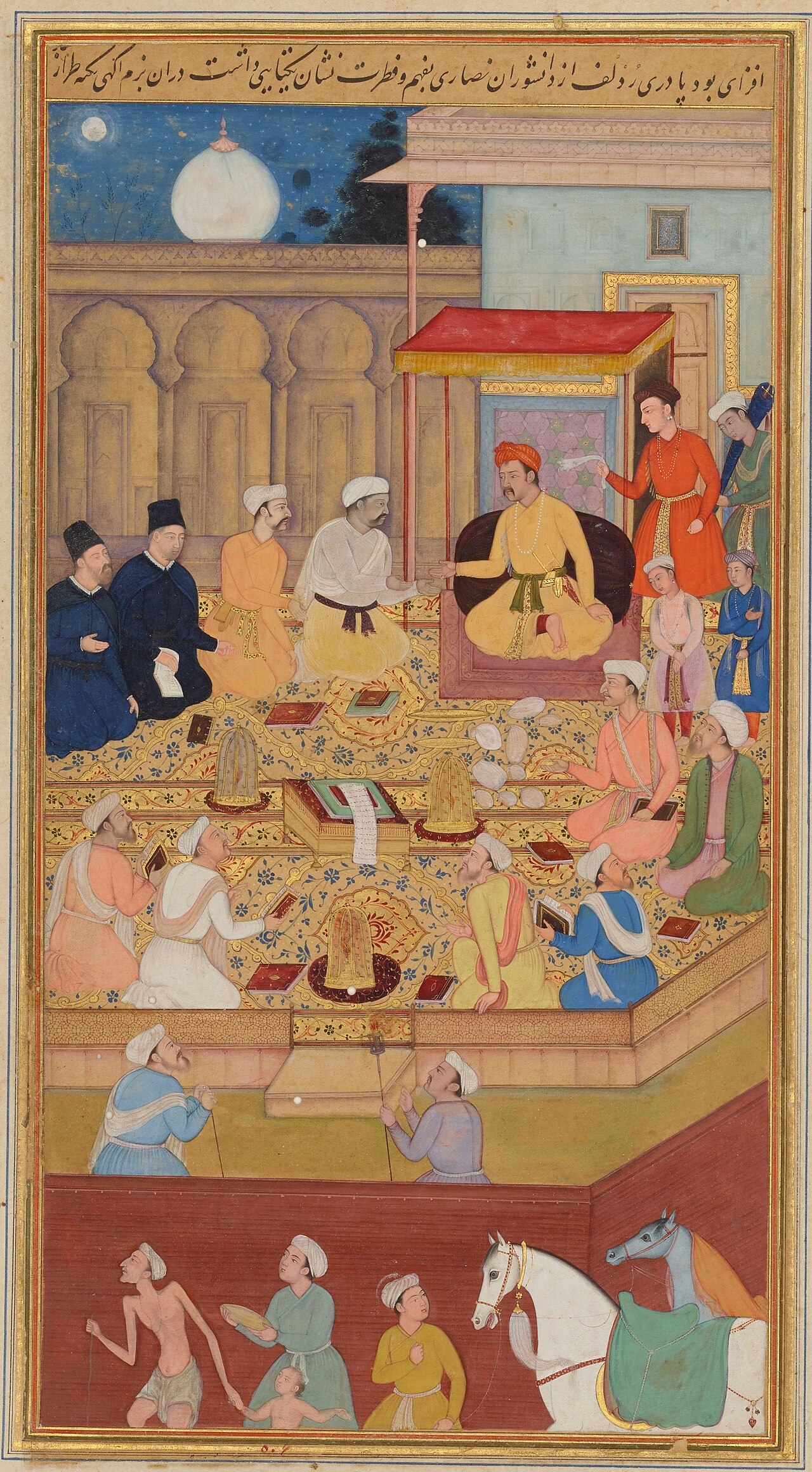
Akbar's toleration edict
1578
 History Event
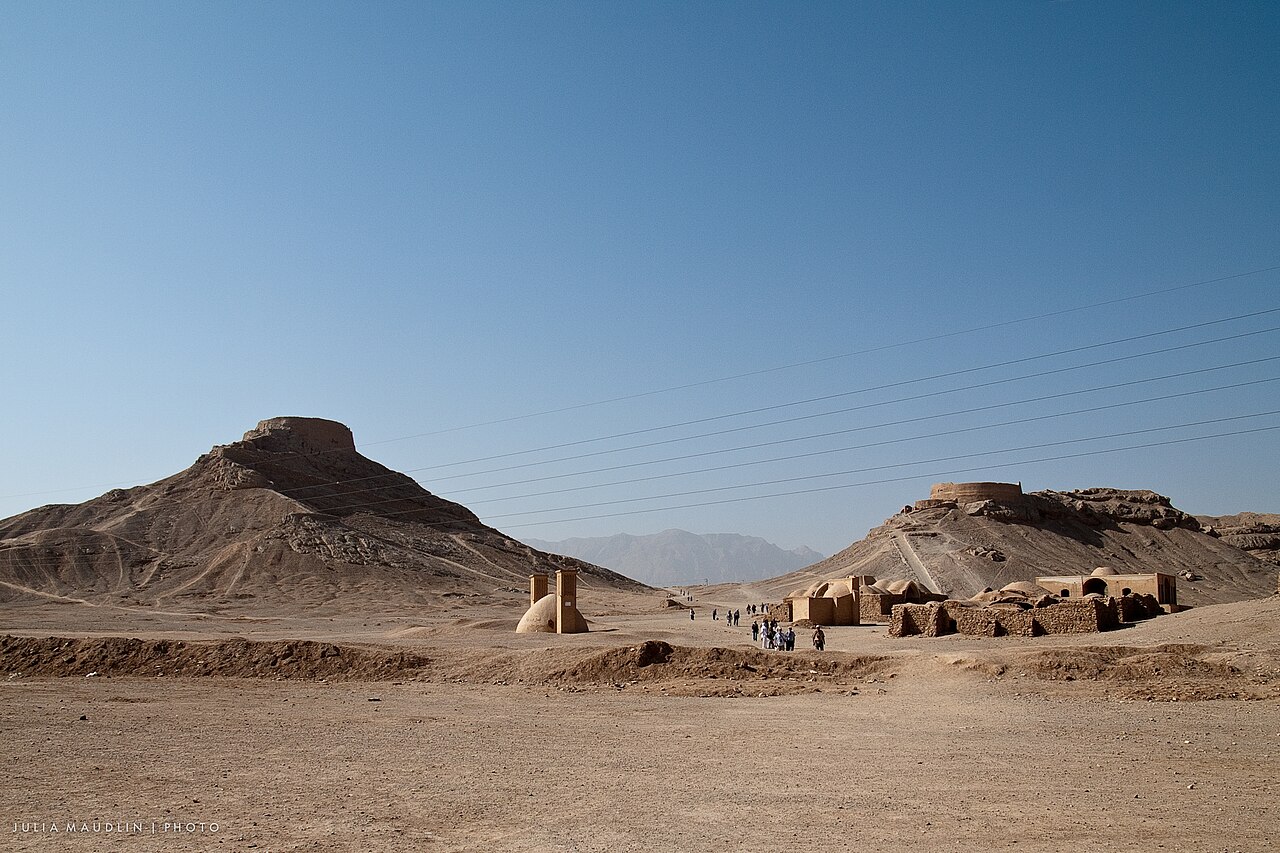
Demographic decline
2000s
 History Event
Fasli calendar introduced
1906
 History Event
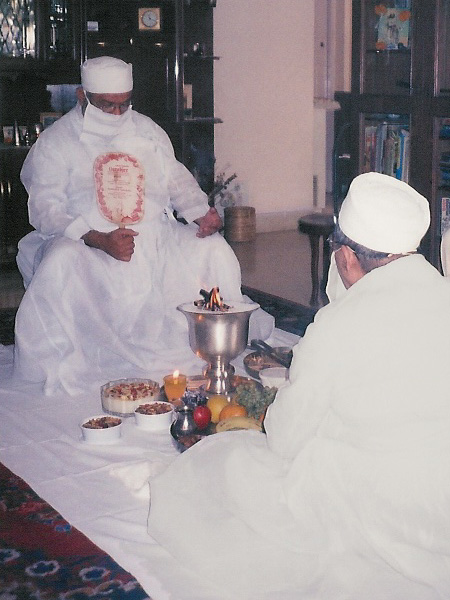
Kadmi-Shenshai calendar split
1740s
 History Event
Parsi migration to Gujarat
c. 785
 History Event
Parsi prominence in colonial India
19th century
 History Event
Zoroastrian Trust Funds of Europe founded
1861
 History Event
Zoroastrians settle in North America
c. 1865