

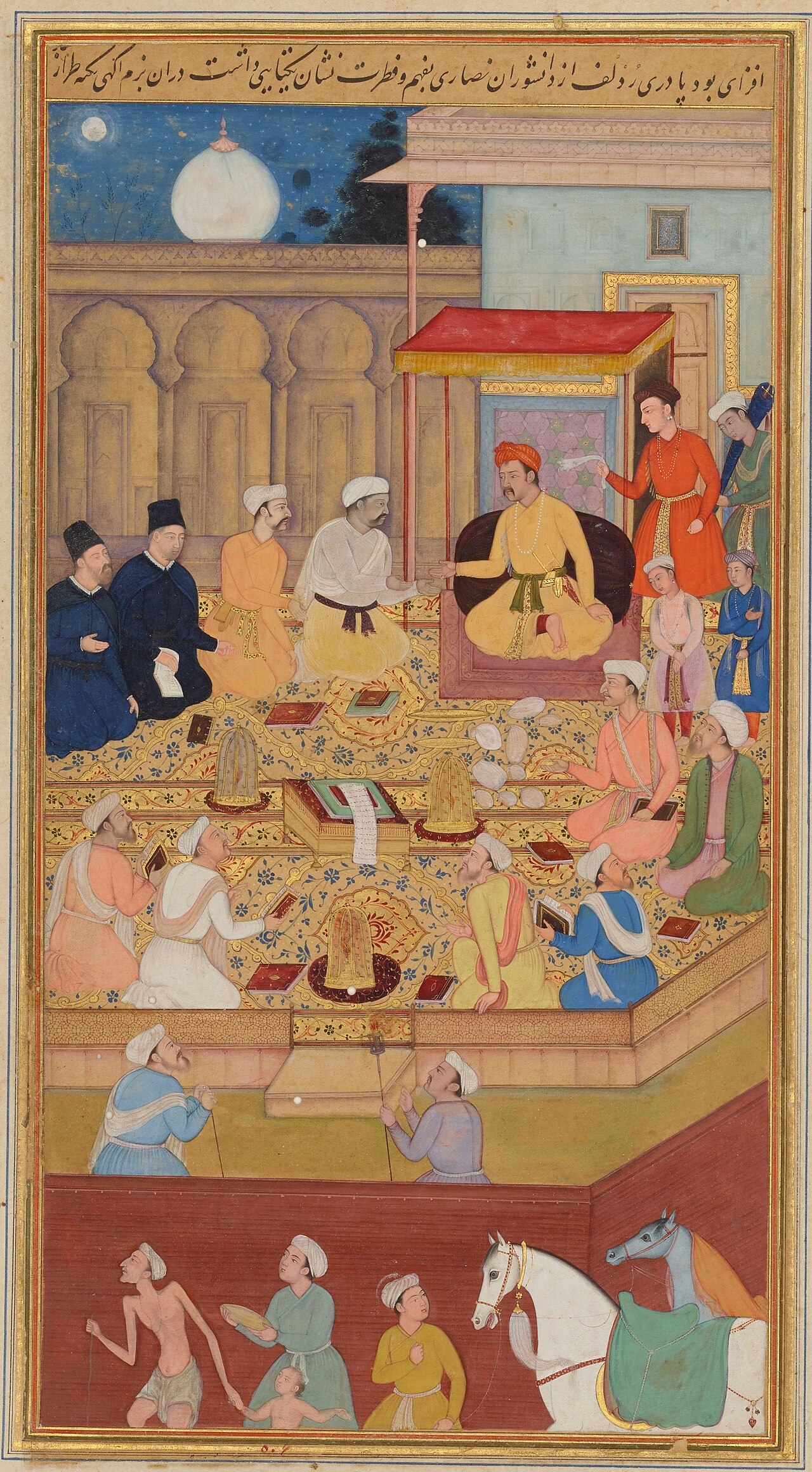
The Mughal emperor Akbar receives the Parsi priest Meherji Rana at court (from 1578) and, in the climate of his policy of universal peace, Parsi practice is honored at the imperial court; tradition holds that a sacred fire was kept burning there. The encounter secures Parsi standing in Mughal India.
Tagged: Parsi Zoroastrianism
The Event
- Date
- 1578 (exact)
- Era
- Parsi India; Standard periodization of Zoroastrian history
- Location
- Fatehpur Sikri; today India
- Traditions
- Zoroastrianism
- Streams
- Parsi
- Key figures
- Akbar, Meherji Rana
How the Tradition Tells It
The honors shown to Meherji Rana are recorded in Parsi tradition and Mughal court memory with different emphases; Akbar's policy embraced many faiths, and the fire at court is tradition's claim rather than a court record.
Primary Sources
- The tradition's own record of the event.
Secondary Sources
- Boyce, Mary. Zoroastrians: Their Religious Beliefs and Practices. London: Routledge, 1979.
- Choksy, Jamsheed K. Conflict and Cooperation: Zoroastrian Subalterns and Muslim Elites in Medieval Iranian Society. New York: Columbia University Press, 1997.
- Encyclopaedia Iranica, entries on the Avesta, the Sasanians, and the Parsi calendar disputes.
- Hinnells, John R. The Zoroastrian Diaspora: Religion and Migration. Oxford: Oxford University Press, 2005.
- Rose, Jenny. Zoroastrianism: An Introduction. London: I.B. Tauris, 2011.
Provenance: HIST-1012; confidence 0.95; accessed 2026-10-28.
Related on This Site
 History Event
Demographic decline
2000s
 History Event
Fasli calendar introduced
1906
 History Event
Kadmi-Shenshai calendar split
1740s
 History Event
Parsi migration to Gujarat
c. 785
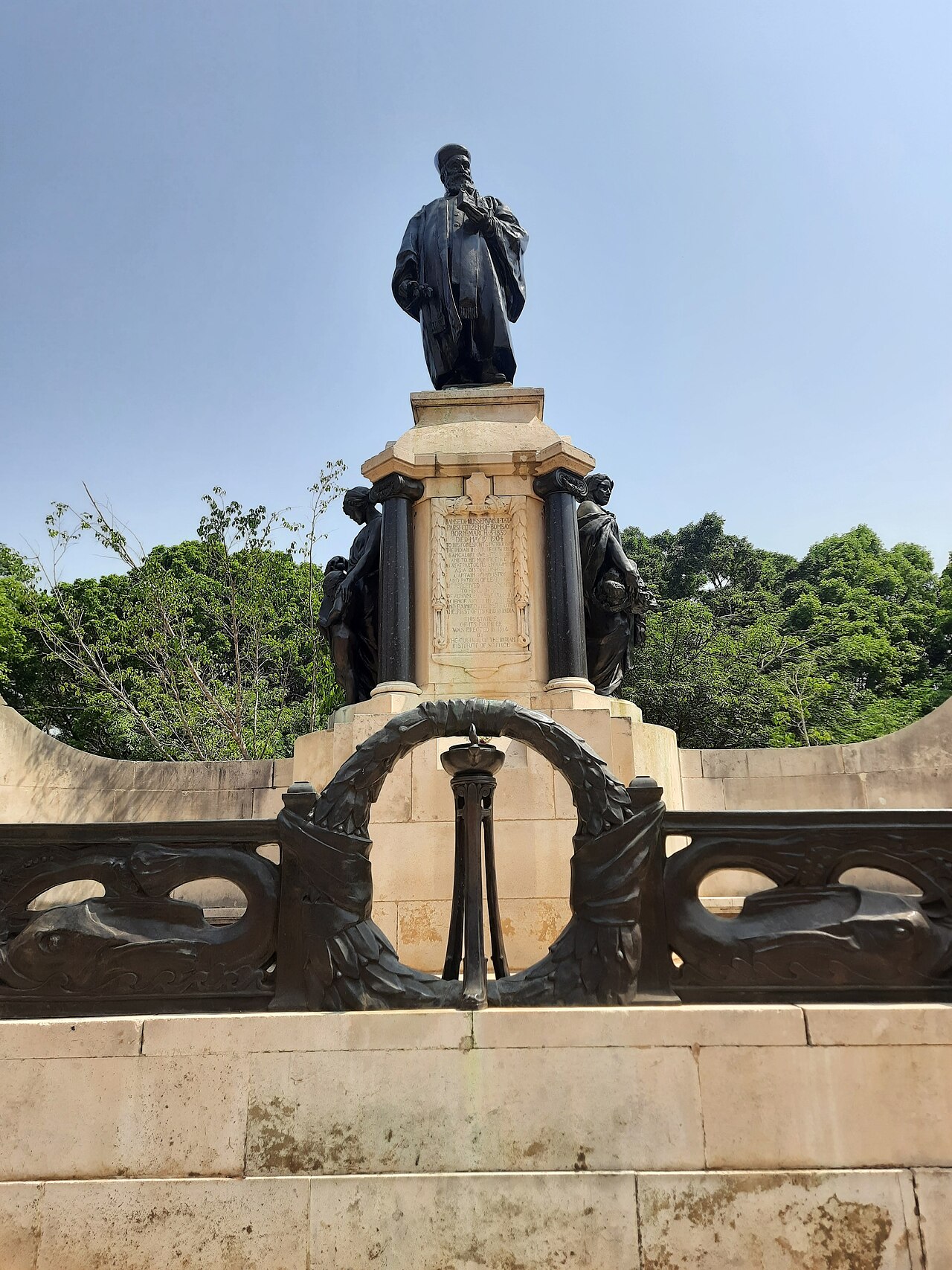 History Event
Parsi prominence in colonial India
19th century
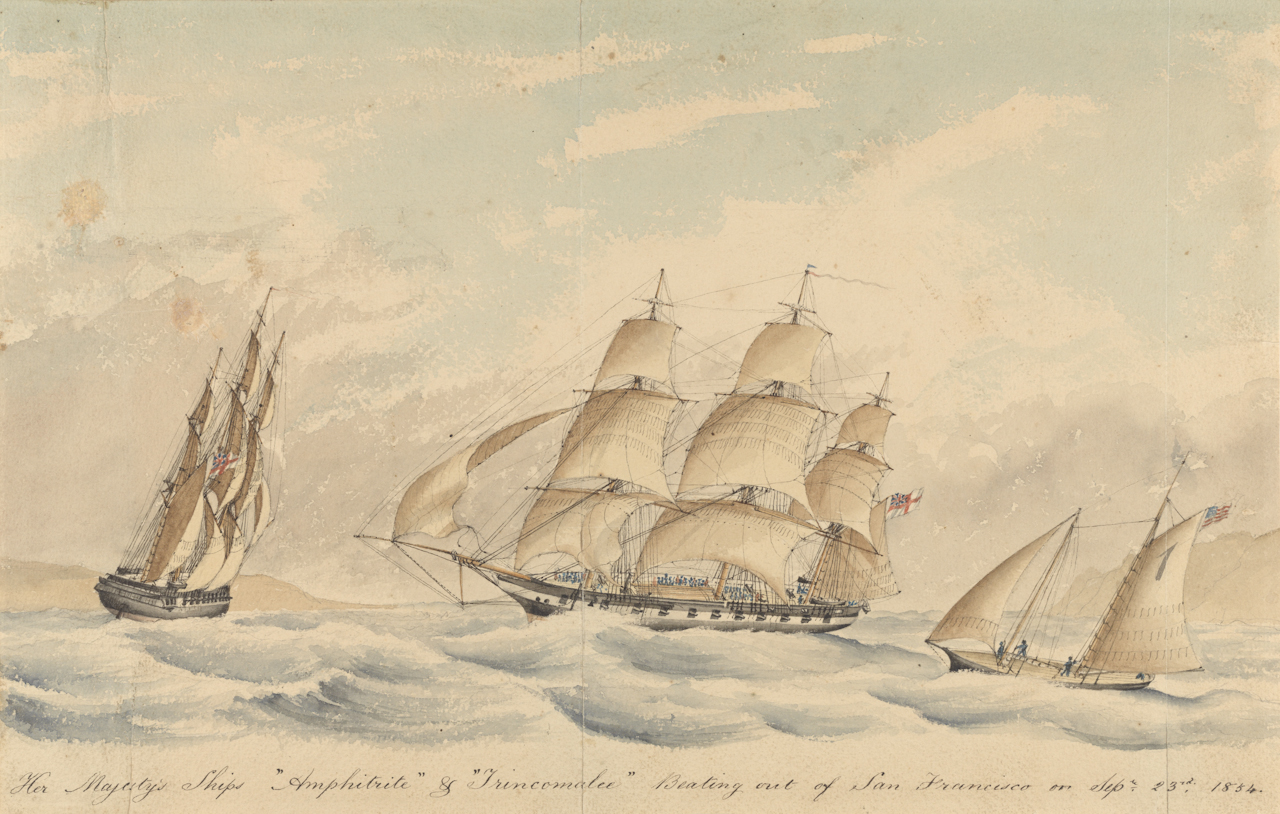 History Event
Parsi-British encounters
1670s-1680s
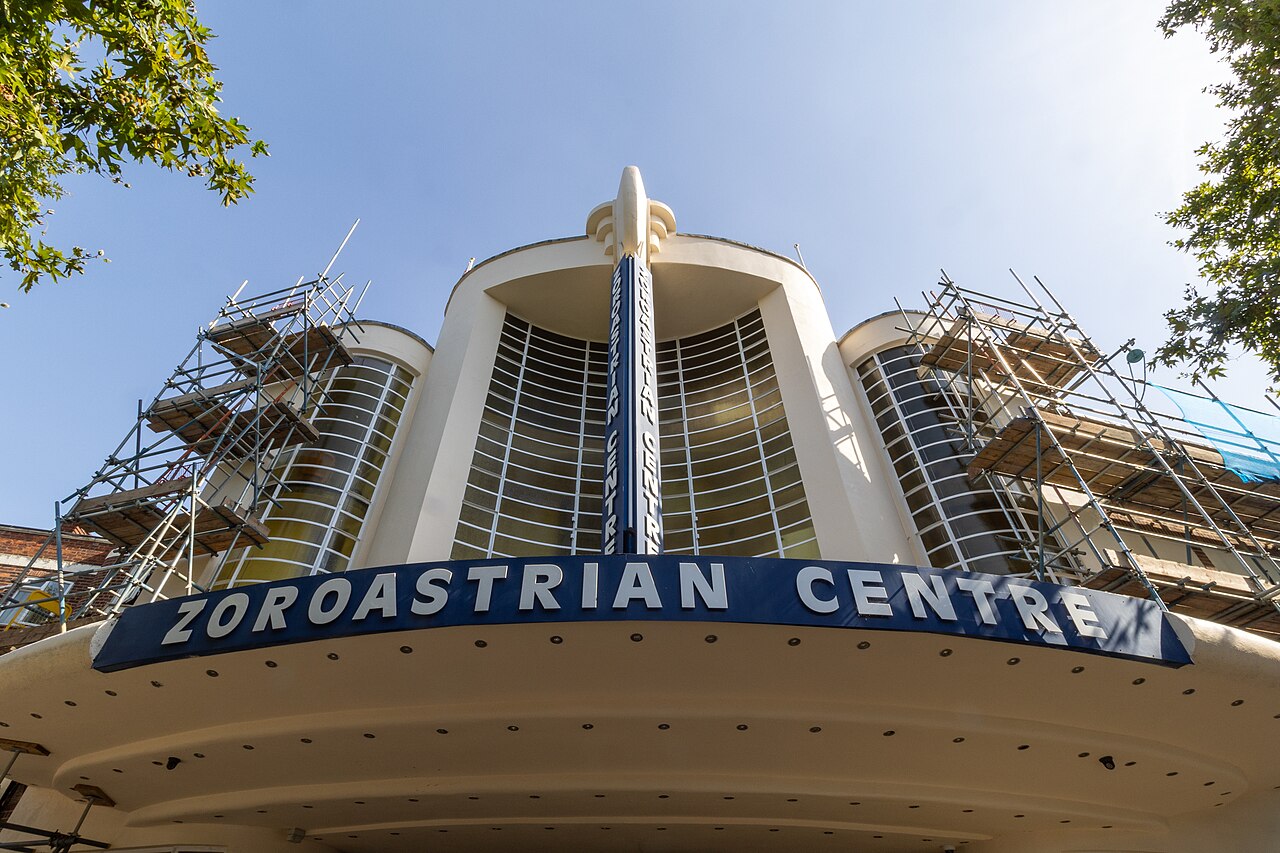 History Event
Zoroastrian Trust Funds of Europe founded
1861
 History Event
Zoroastrians settle in North America
c. 1865