Secular Humanism

The Secular Humanism timeline in the History of Worldviews.

The Secular Humanism dataset follows the movement from Feuerbach and the Ethical Culture societies through religious humanism and the manifestos to the organized movement's institutions, its court victories, its declarations, and its congregational experiments.

Its twenty events stand across six eras as the movement's own dataset, distinct from the wider secular family record.

Periodization
Standard periodization of secular humanist history Source: Lamont, Corliss. The Philosophy of Humanism. New York: Humanist Press, eighth edition, 1997.
Contested periodization
Whether religious humanism belongs inside the secular movement's history or beside it is contested within the movement; the dataset carries it inside, as the manifestos' own signers did.
Geographic scope
Germany and Britain first, then the United States, and the international movement.
Dating caveats
Dates are documentary: foundings, publications, and judgments.
Internal diversity
Religious and secular humanists, the ethical societies, and the congregational experiments stand in the one dataset.
Origin narrative
In preparation. The dataset's founding story will stand here in the three-layer format when its narrative is published.

Sources: Lamont, Corliss. The Philosophy of Humanism. New York: Humanist Press, eighth edition, 1997.; Kurtz, Paul, ed. Humanist Manifestos I and II. Buffalo: Prometheus Books, 1973.; Walter, Nicolas. Humanism: What's in the Word. London: Rationalist Press Association, 1997.

Streams: All of Secular Humanism Secular Humanism

Ethical Beginnings

1841

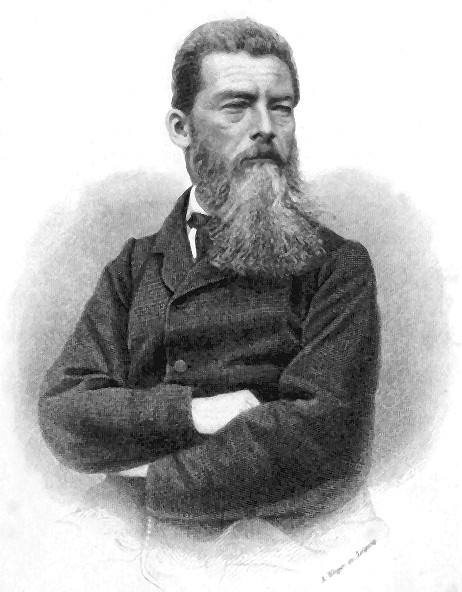
Feuerbach's Essence of Christianity

Ludwig Feuerbach argues in The Essence of Christianity (1841) that theology is anthropology: God is human nature projected and worshipped. The book turns a generation, Marx and Engels among them, and gives atheism its humanist form, religion explained as man's own essence estranged from himself.
Leipzig
1876

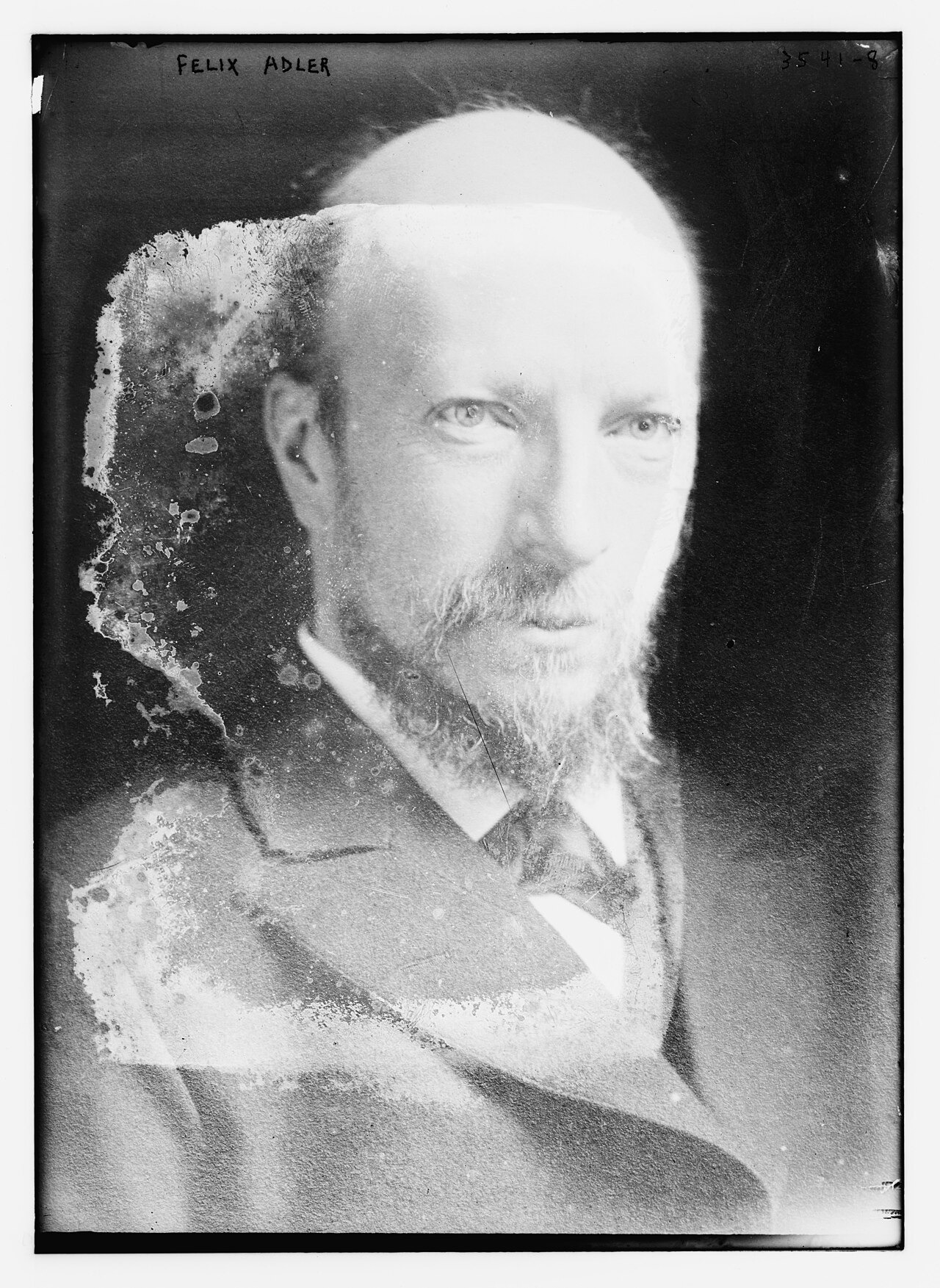
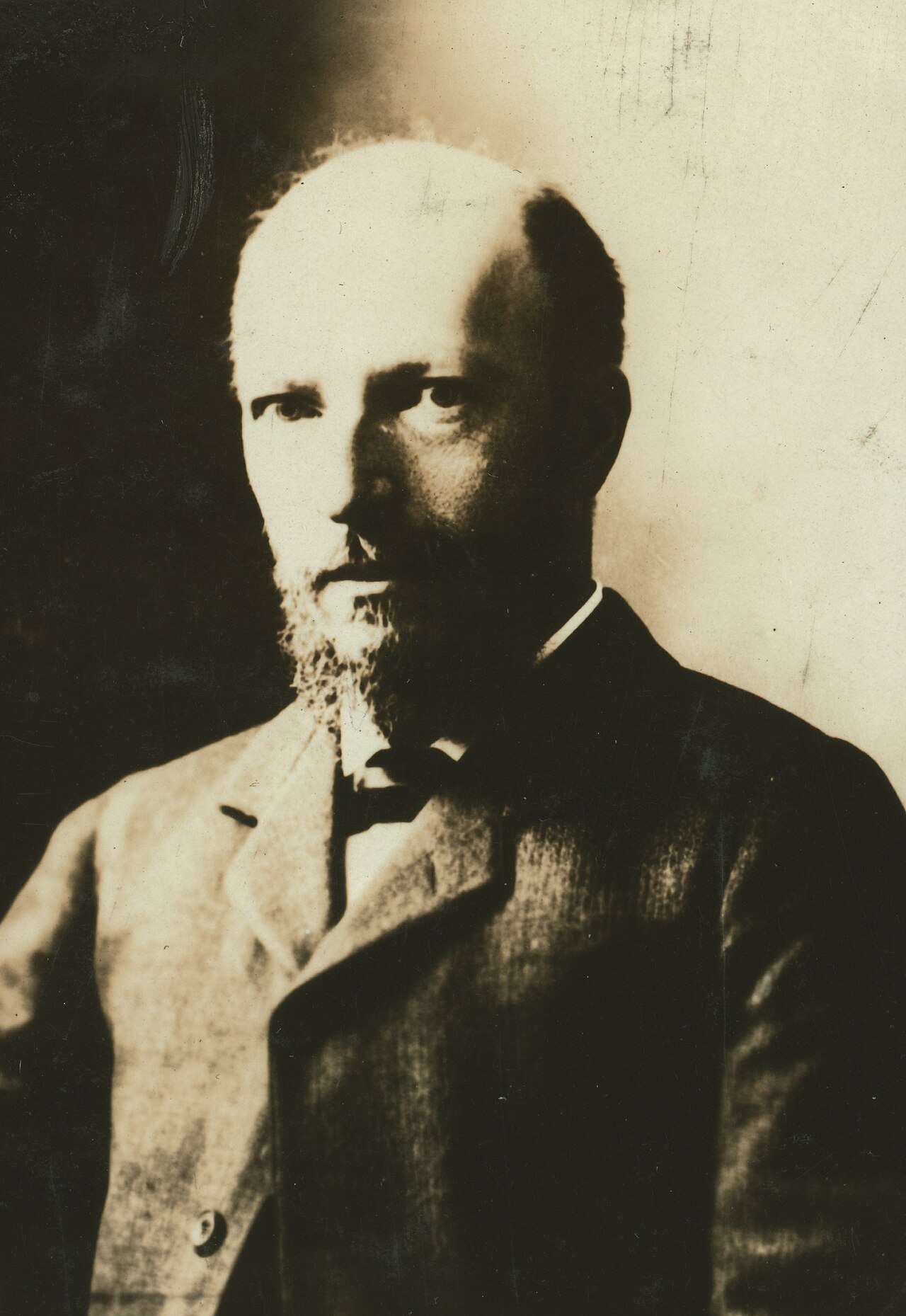
Ethical Culture movement founded

Felix Adler founds the New York Society for Ethical Culture in 1876 on the motto deed, not creed: ethical life and social reform without theological tests. Its schools and settlements become the institutional seed of organized humanism in America.

New York
1896

The International Ethical Union is founded

In 1896 the ethical societies of Europe and America, the movement Felix Adler began in New York in 1876, federate at Zurich as the International Ethical Union. The union gives the ethical movement, religion's duties without its doctrines, a world body a half century before the humanist name takes over its work.

Zurich

Religious Humanism

1907

Schiller's Studies in Humanism

In 1907 the Oxford philosopher F. C. S. Schiller publishes Studies in Humanism, gathering the essays in which he defends humanism as the name of his pragmatist philosophy: man is the measure, truth is what proves itself in human life, and every abstraction answers to experience. Schiller's use of the word is the philosophical one the later movement inherits.

Oxford
1929

Potter founds the First Humanist Society of New York

In 1929 Charles Francis Potter, a former Baptist minister who had debated Clarence Darrow's opponents and left the pulpit, founds the First Humanist Society of New York. The society is humanism organized as a congregation, with lectures in place of sermons, and its founding is the movement's institutional beginning in America.

New York
1933

Humanist Manifesto I

Thirty-four signers, John Dewey among them, publish the first Humanist Manifesto in 1933: religious humanism, holding that the universe is self-existing, that man is part of nature, and that ethics is autonomous. The document names the movement the associations then organize.

Chicago
1934

Dewey's A Common Faith

In 1934 John Dewey, America's leading philosopher, publishes A Common Faith from his Terry Lectures at Yale. Dewey separates the religious quality of experience from religions and their supernatural claims, and commends a faith in human possibilities worked out by intelligence. The book is religious humanism's charter text, written the year after the first Humanist Manifesto, which Dewey's circle informs.

Yale University, New Haven

The Organized Movement

1941

American Humanist Association

The American Humanist Association is founded in 1941, gathering the humanist fellowships and the Humanist Manifesto's signers into one national body. Its Humanist of the Year awards and its journal carry the humanist stream into American public life.

Chicago
1946

Julian Huxley takes the helm of UNESCO

In 1946 Julian Huxley, the biologist and grandson of Darwin's defender, becomes the first Director-General of UNESCO and writes its founding philosophy: a scientific world humanism, evolutionary in frame, which he will name evolutionary humanism. The appointment carries the humanist name into the charter institutions of the postwar world.

Paris
1949

Lamont's The Philosophy of Humanism

In 1949 Corliss Lamont publishes Humanism as a Philosophy, later The Philosophy of Humanism: the movement's standard textbook through eight editions. Lamont, a philosopher and civil libertarian who funds much of the movement's work, sets out humanism as a complete philosophy of nature, ethics, and society without supernatural belief.

New York
1952

The International Humanist and Ethical Union is founded

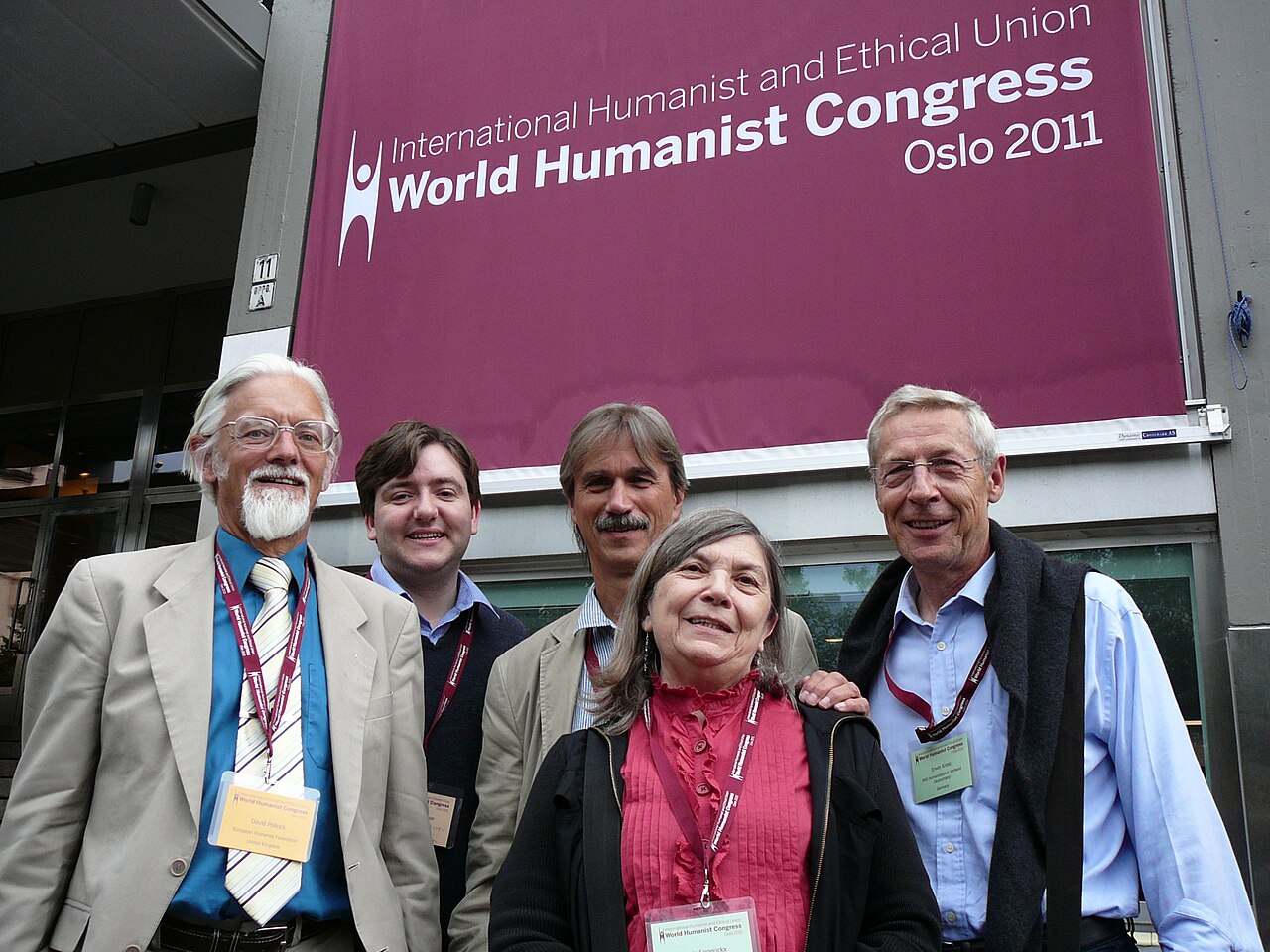
In 1952 the humanist and ethical organizations of five countries found the International Humanist and Ethical Union in Amsterdam, with Julian Huxley among its first presidents. The union gives the movement its world body, consultative standing at the United Nations, and the congresses at which its declarations are made.

Amsterdam
1961

Torcaso v. Watkins names secular humanism in law

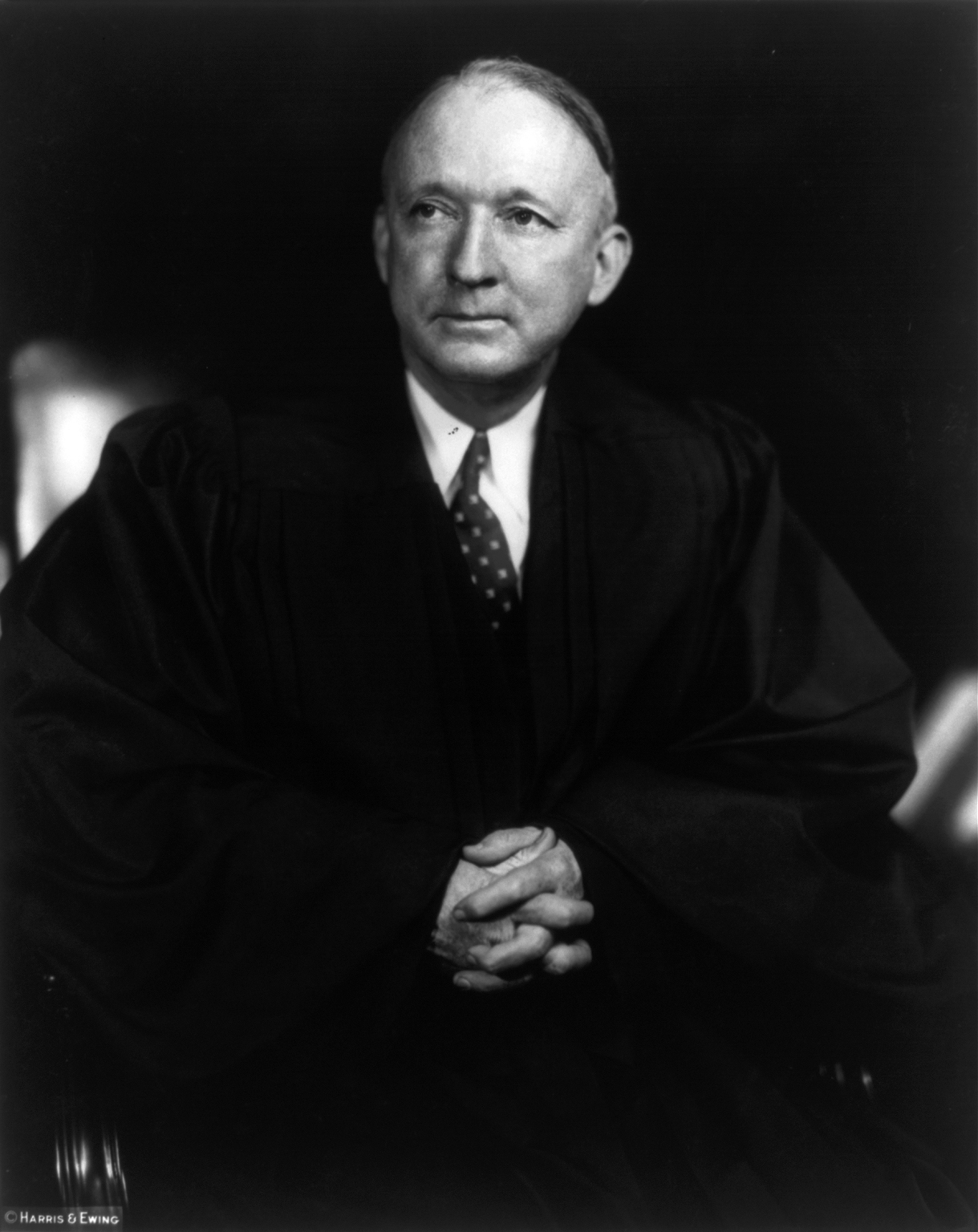
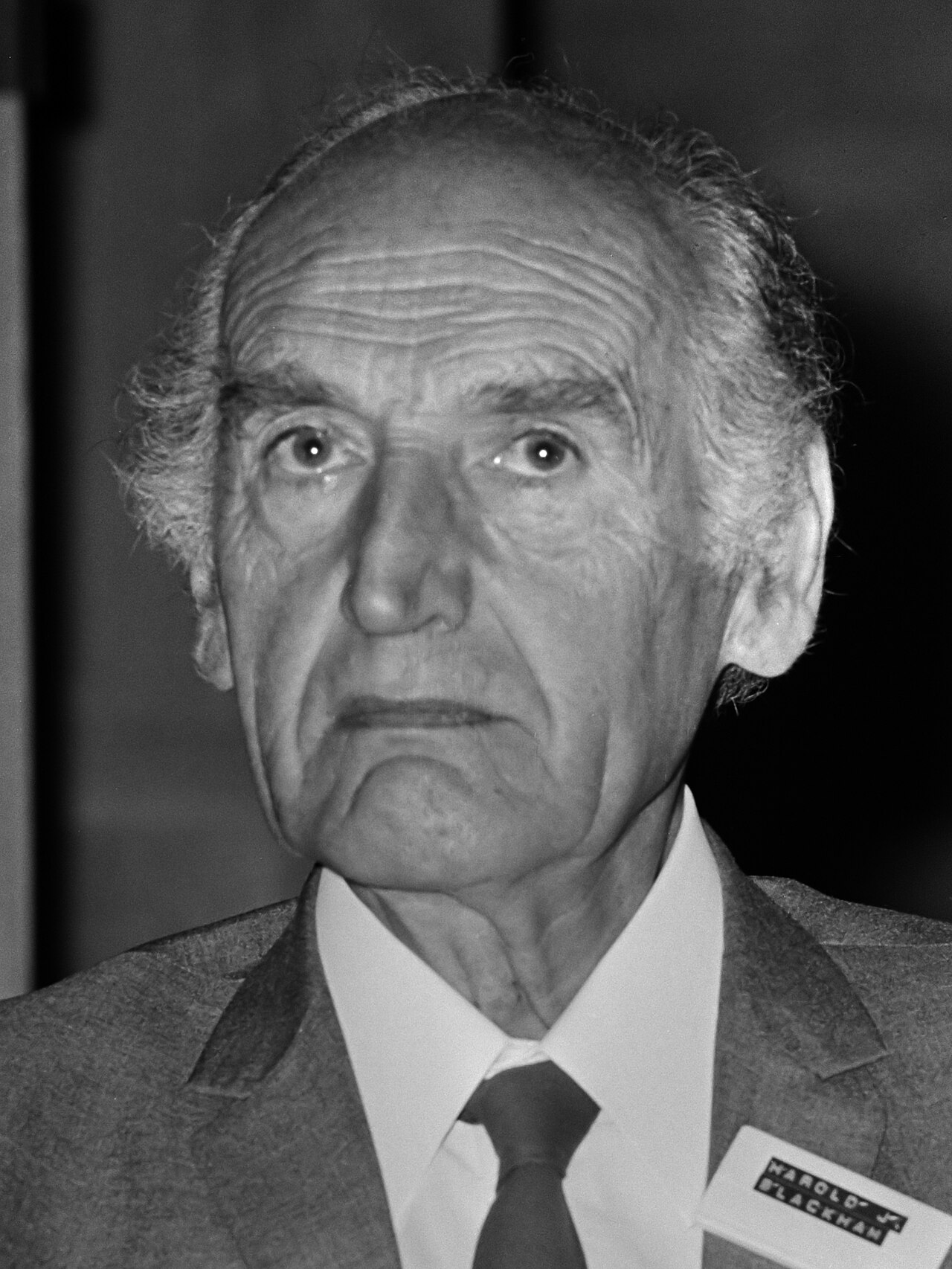
In 1961 the United States Supreme Court decides Torcaso v. Watkins, striking down Maryland's religious test for office. Justice Black's opinion lists among the religions of the country those that do not teach belief in God, naming Secular Humanism in the famous footnote. The phrase enters American law, and later controversy, from that page.

Washington

The Secular Turn

1967

The British Humanist Association is founded

In 1967 the Rationalist Press Association and the Ethical Union combine their humanist work in the British Humanist Association, with A. J. Ayer as its first president. The association, now Humanists UK, becomes Britain's national humanist body, campaigning on education, ceremonies, and the place of religion in law.

London
1973

Humanist Manifesto II

In 1973 the American Humanist Association publishes Humanist Manifesto II, drafted by Paul Kurtz and Edwin H. Wilson and signed by, among others, Isaac Asimov, Francis Crick, and B. F. Skinner. Where the 1933 manifesto spoke in religious tones, the second speaks politically: ethics without revelation, world community, and the control of technology for human ends.

Buffalo
1980

Kurtz founds the Council for Secular Humanism

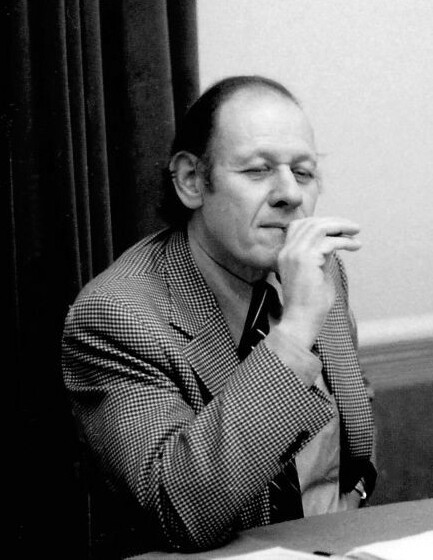
In 1980 Paul Kurtz, who has broken with the American Humanist Association over its religious tone, founds the Council for Democratic and Secular Humanism and its journal Free Inquiry. The council fixes secular humanism as the movement's explicit name for its non-religious form, and the magazine becomes its fighting paper.

Buffalo

Institutions and Declarations

1991

The Center for Inquiry is founded

In 1991 Paul Kurtz founds the Center for Inquiry in Amherst, New York, joining the secular humanist council and the skeptic movement's committee under one roof. The center gives the movement a campus, a publishing house in Prometheus Books' orbit, and a permanent institution beyond its founding generation.

Amherst
2000

Humanist Manifesto 2000

In 2000 Paul Kurtz publishes Humanist Manifesto 2000: A Call for a New Planetary Humanism, the third manifesto, issued through the International Academy of Humanism. It answers the second manifesto a generation on: planetary ethics, the scientific outlook defended against its postmodern critics, and humanism proposed as the ethic of a single world civilization.

Amherst
2002

The Amsterdam Declaration

In 2002, at its fiftieth anniversary congress in Amsterdam, the International Humanist and Ethical Union adopts the Amsterdam Declaration as the world movement's official statement: humanism is ethical, rational, and democratic, affirms human dignity and freedom, and stands as the alternative to dogmatic religion and to nihilism alike. Member organizations across the world adopt the text as their own definition.

Amsterdam

The Congregational Experiment

2013

The Sunday Assembly is founded

In 2013 the comedians Sanderson Jones and Pippa Evans found the Sunday Assembly in London: a godless congregation that sings, hears talks, and keeps the forms of church without doctrine, under the motto live better, help often, wonder more. Assemblies spread to dozens of cities, testing whether humanism can hold the communal life the manifestos describe.

London
2019

IHEU becomes Humanists International

In 2019 the International Humanist and Ethical Union renames itself Humanists International, simplifying the name the 1952 founders chose and keeping the Amsterdam Declaration as its defining statement. The renamed body speaks for national humanist organizations in more than sixty countries.

London