

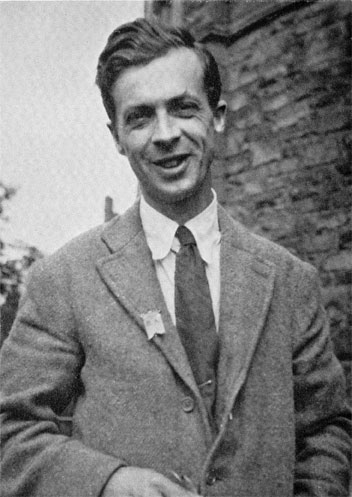
In 1946 Julian Huxley, the biologist and grandson of Darwin's defender, becomes the first Director-General of UNESCO and writes its founding philosophy: a scientific world humanism, evolutionary in frame, which he will name evolutionary humanism. The appointment carries the humanist name into the charter institutions of the postwar world.
Tagged: Secular Humanism
The Event
- Date
- 1946 (exact)
- Era
- The Organized Movement; Standard periodization of secular humanist history
- Location
- Paris; today Paris, France
- Traditions
- Secular Humanism
- Streams
- Secular Humanism
- Key figures
- Julian Huxley
- Key texts
- UNESCO: Its Purpose and Its Philosophy
Primary Sources
- Huxley, Julian. UNESCO: Its Purpose and Its Philosophy. Paris: UNESCO, 1946.
Secondary Sources
- Kurtz, Paul, ed. Humanist Manifestos I and II. Buffalo: Prometheus Books, 1973.
- Lamont, Corliss. The Philosophy of Humanism. New York: Humanist Press, eighth edition, 1997.
- Walter, Nicolas. Humanism: What's in the Word. London: Rationalist Press Association, 1997.
Provenance: HIST-1388; confidence 0.95; accessed 2026-10-30.
Related on This Site
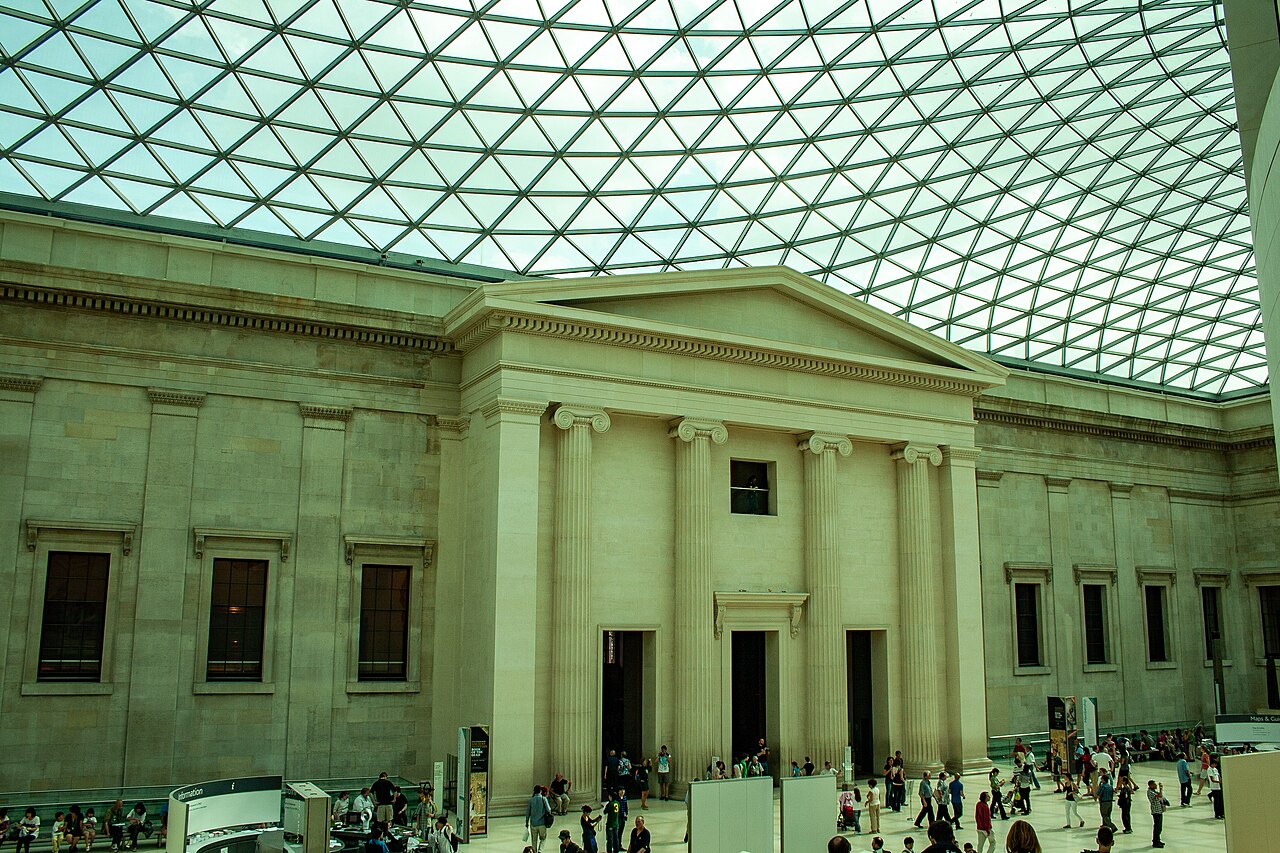 Art Tradition
Non-Theistic and Secular
Art without transcendence: humanist meaning-making, museums as secular temples, and protest art.
 History Event
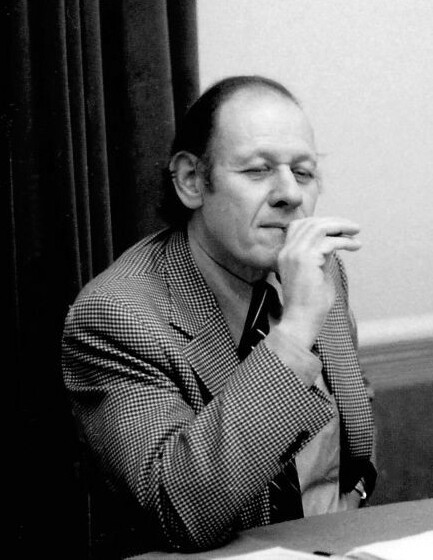
Humanist Manifesto II
1973
 History Event
Kurtz founds the Council for Secular Humanism
1980
 History Event
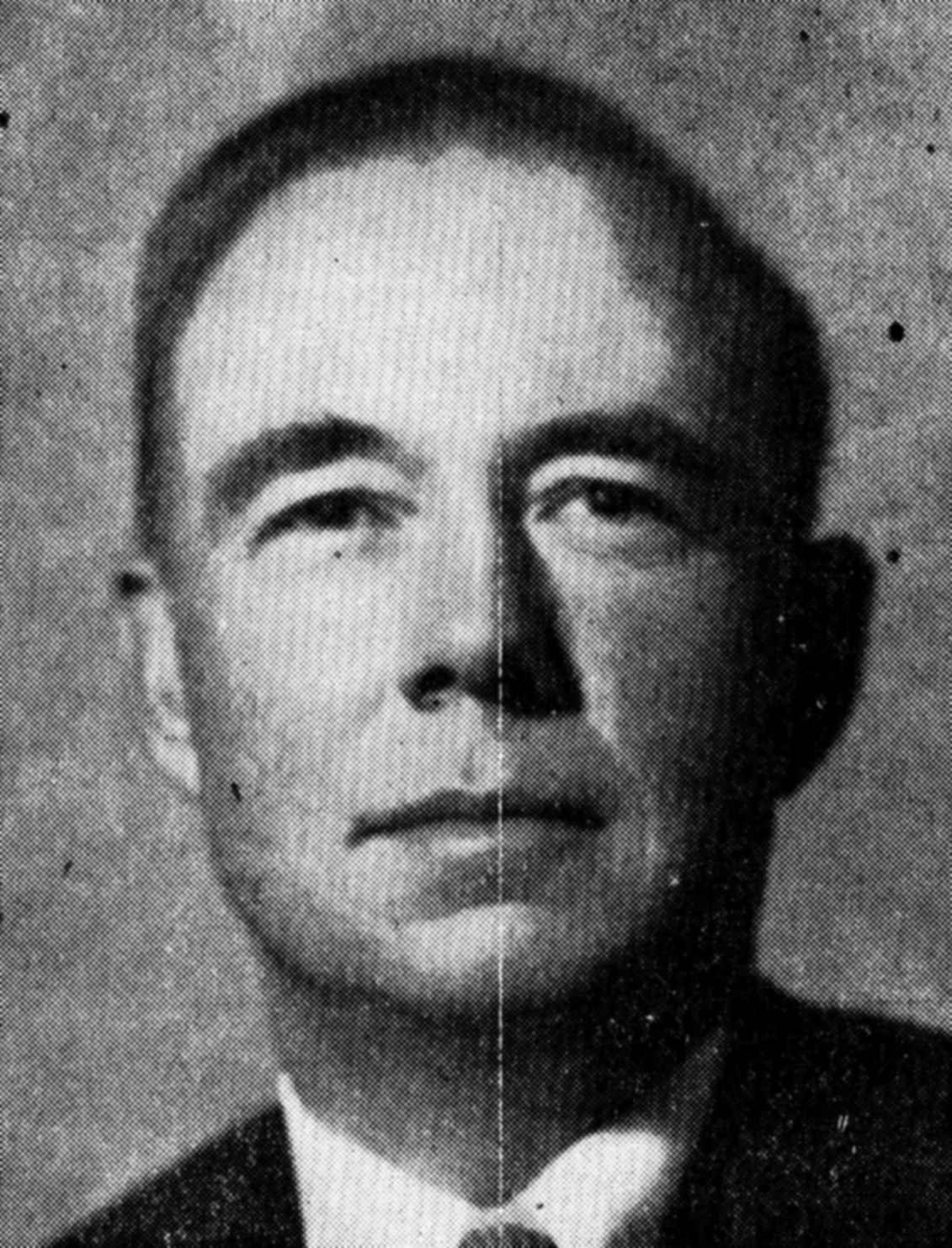
Lamont's The Philosophy of Humanism
1949
 History Event
The British Humanist Association is founded
1967
 History Event
The Center for Inquiry is founded
1991
 History Event
The International Humanist and Ethical Union is founded
1952
 History Event
Torcaso v. Watkins names secular humanism in law
1961