

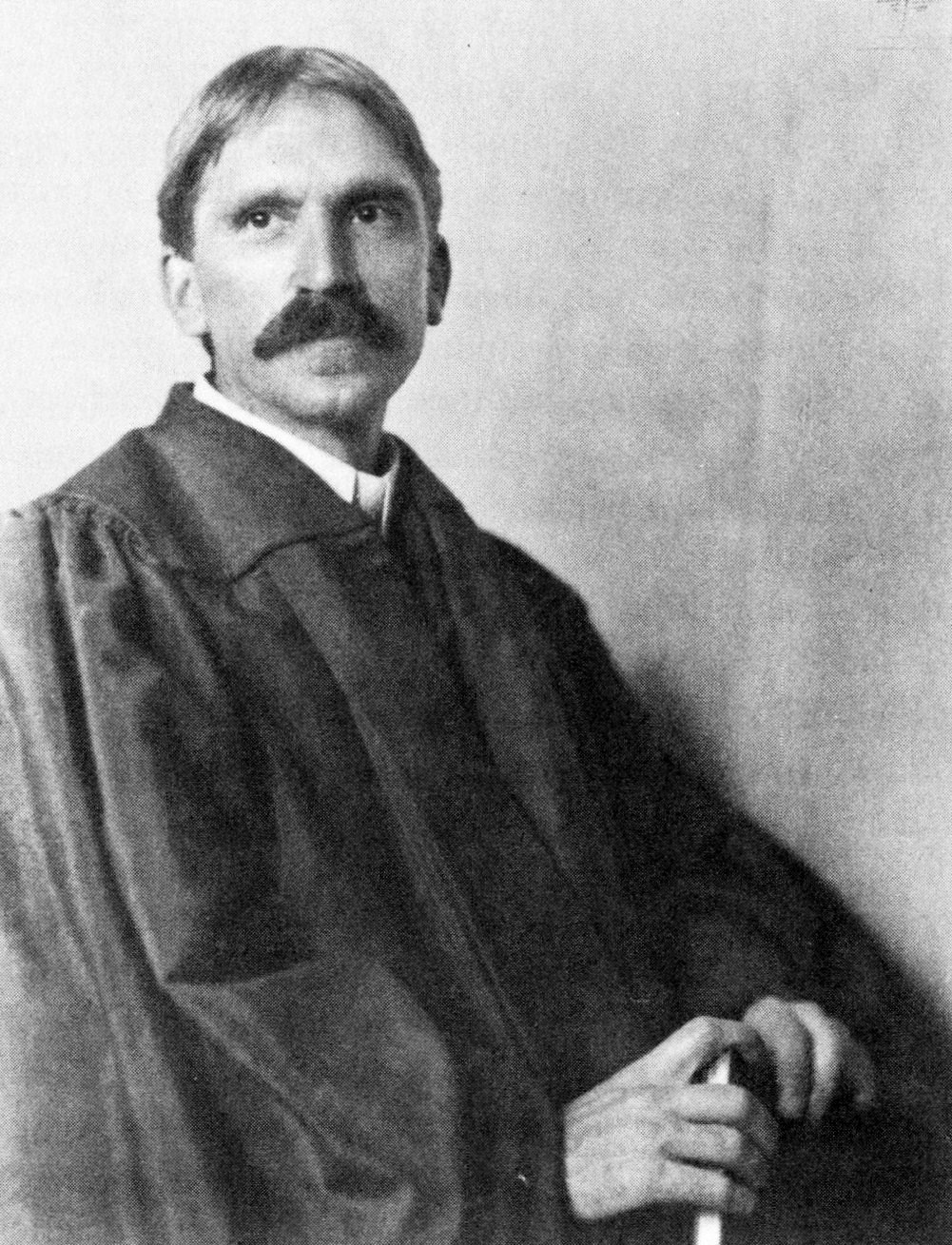
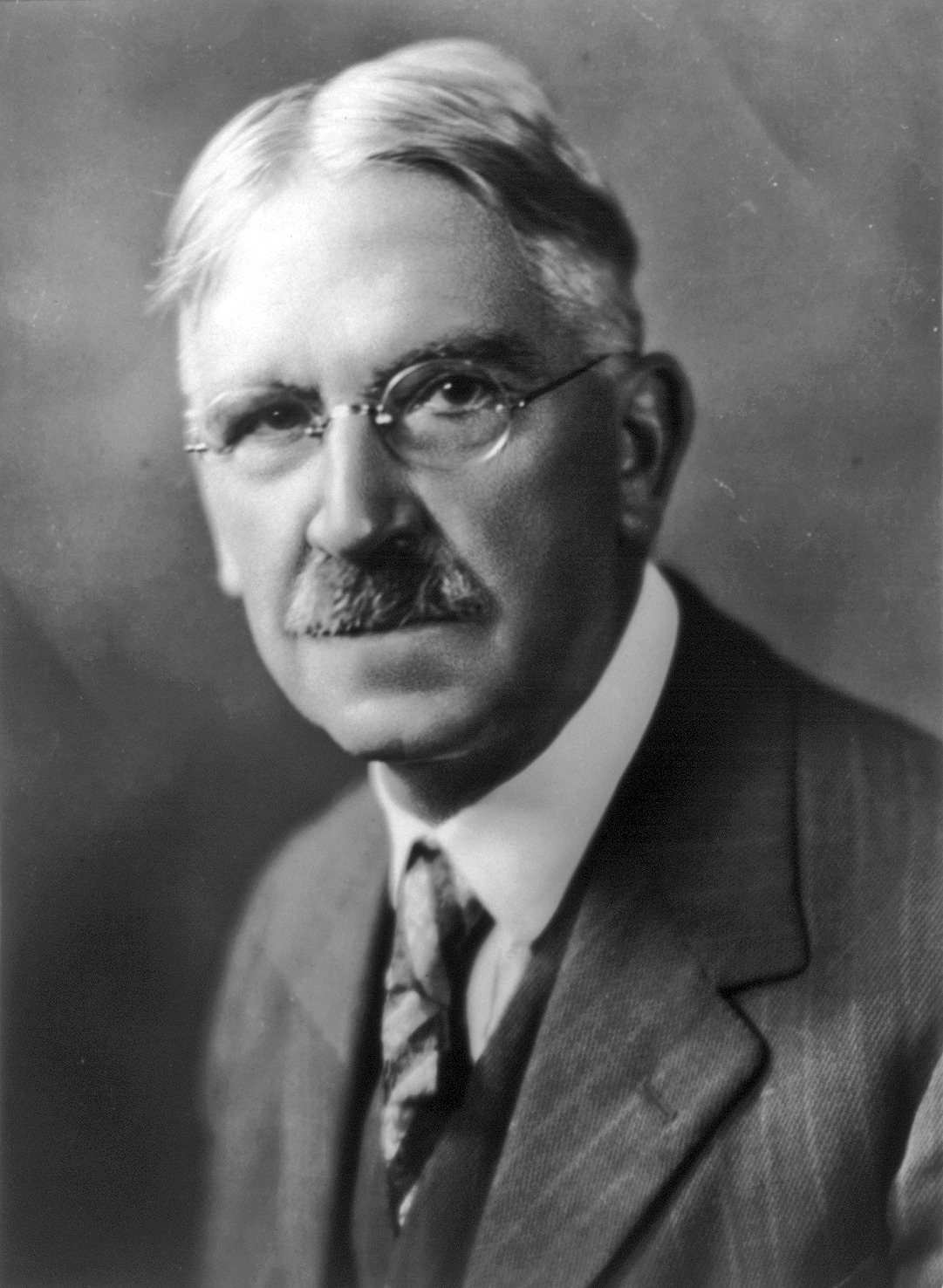
In 1934 John Dewey, America's leading philosopher, publishes A Common Faith from his Terry Lectures at Yale. Dewey separates the religious quality of experience from religions and their supernatural claims, and commends a faith in human possibilities worked out by intelligence. The book is religious humanism's charter text, written the year after the first Humanist Manifesto, which Dewey's circle informs.
Tagged: Secular Humanism
The Event
- Date
- 1934 (exact)
- Era
- Religious Humanism; Standard periodization of secular humanist history
- Location
- Yale University, New Haven; today New Haven, Connecticut
- Traditions
- Secular Humanism
- Streams
- Secular Humanism
- Key figures
- John Dewey
- Key texts
- A Common Faith
Connections
Primary Sources
- Dewey, John. A Common Faith. New Haven: Yale University Press, 1934.
Secondary Sources
- Kurtz, Paul, ed. Humanist Manifestos I and II. Buffalo: Prometheus Books, 1973.
- Lamont, Corliss. The Philosophy of Humanism. New York: Humanist Press, eighth edition, 1997.
- Walter, Nicolas. Humanism: What's in the Word. London: Rationalist Press Association, 1997.
Provenance: HIST-1387; confidence 0.95; accessed 2026-10-30.
Related on This Site
 Art Tradition
Non-Theistic and Secular
Art without transcendence: humanist meaning-making, museums as secular temples, and protest art.
 History Event
Humanist Manifesto II
1973
 History Event
Julian Huxley takes the helm of UNESCO
1946
 History Event
Kurtz founds the Council for Secular Humanism
1980
 History Event
Lamont's The Philosophy of Humanism
1949
 History Event
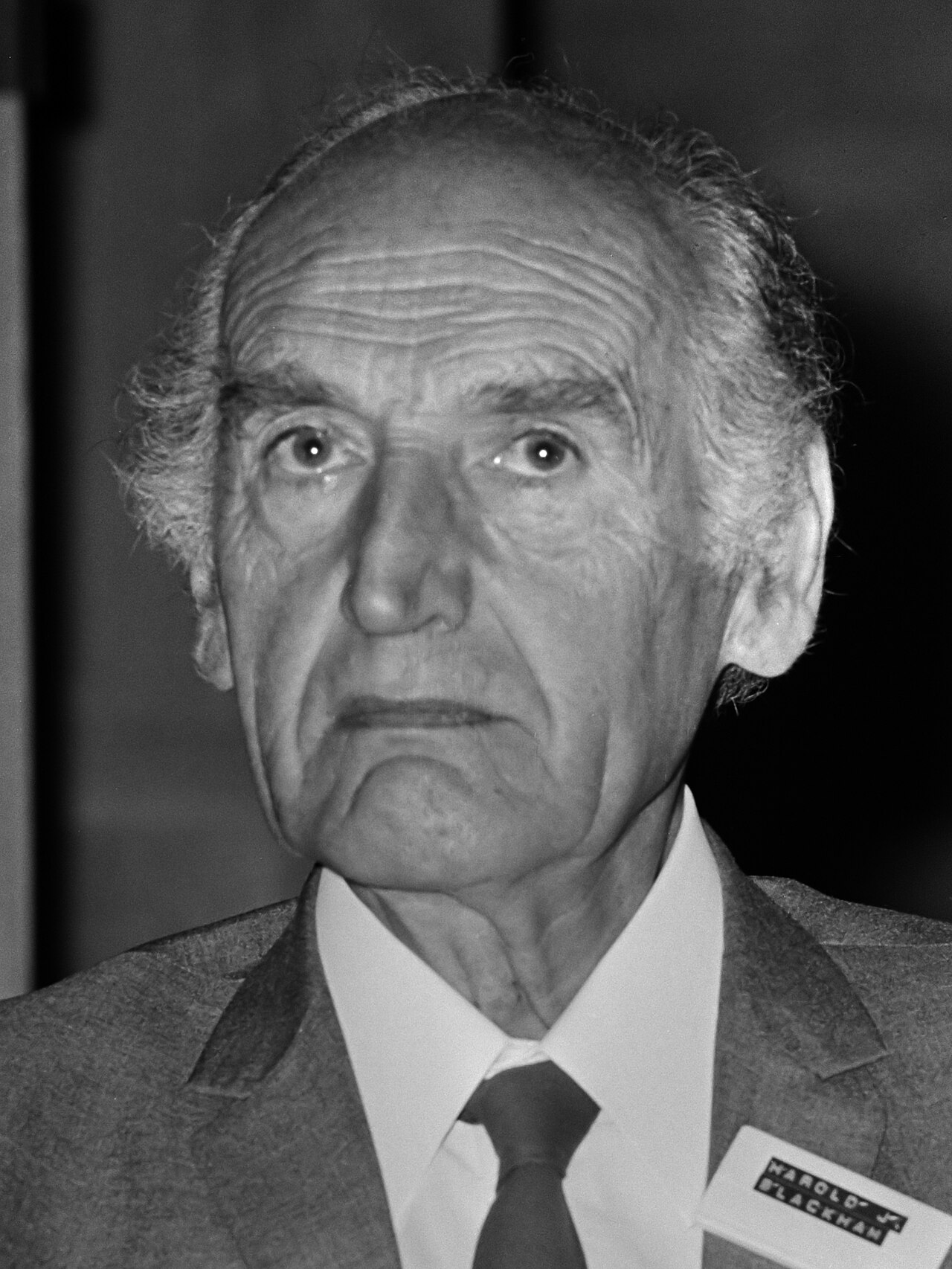
The British Humanist Association is founded
1967
 History Event
The International Humanist and Ethical Union is founded
1952
 History Event
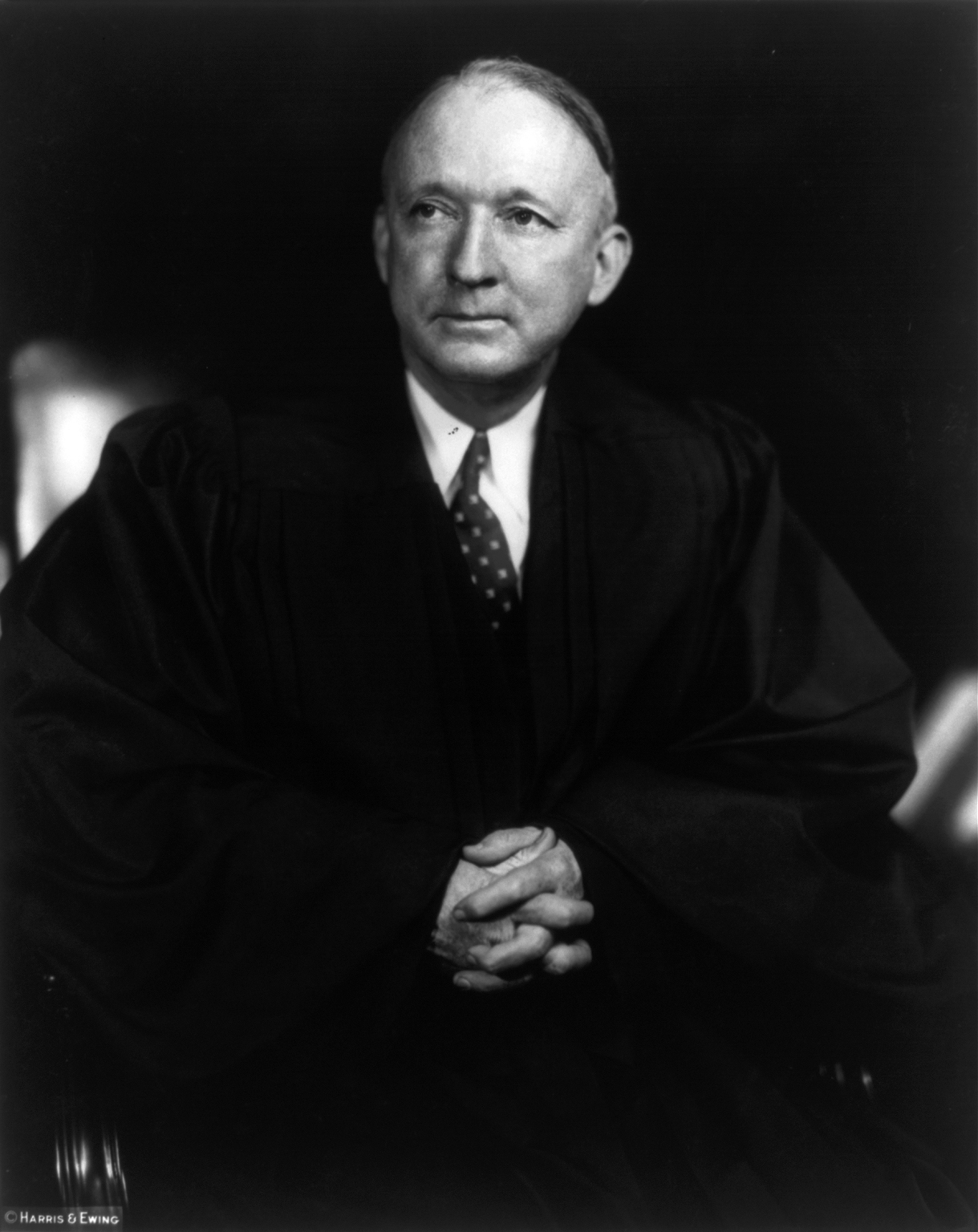
Torcaso v. Watkins names secular humanism in law
1961