

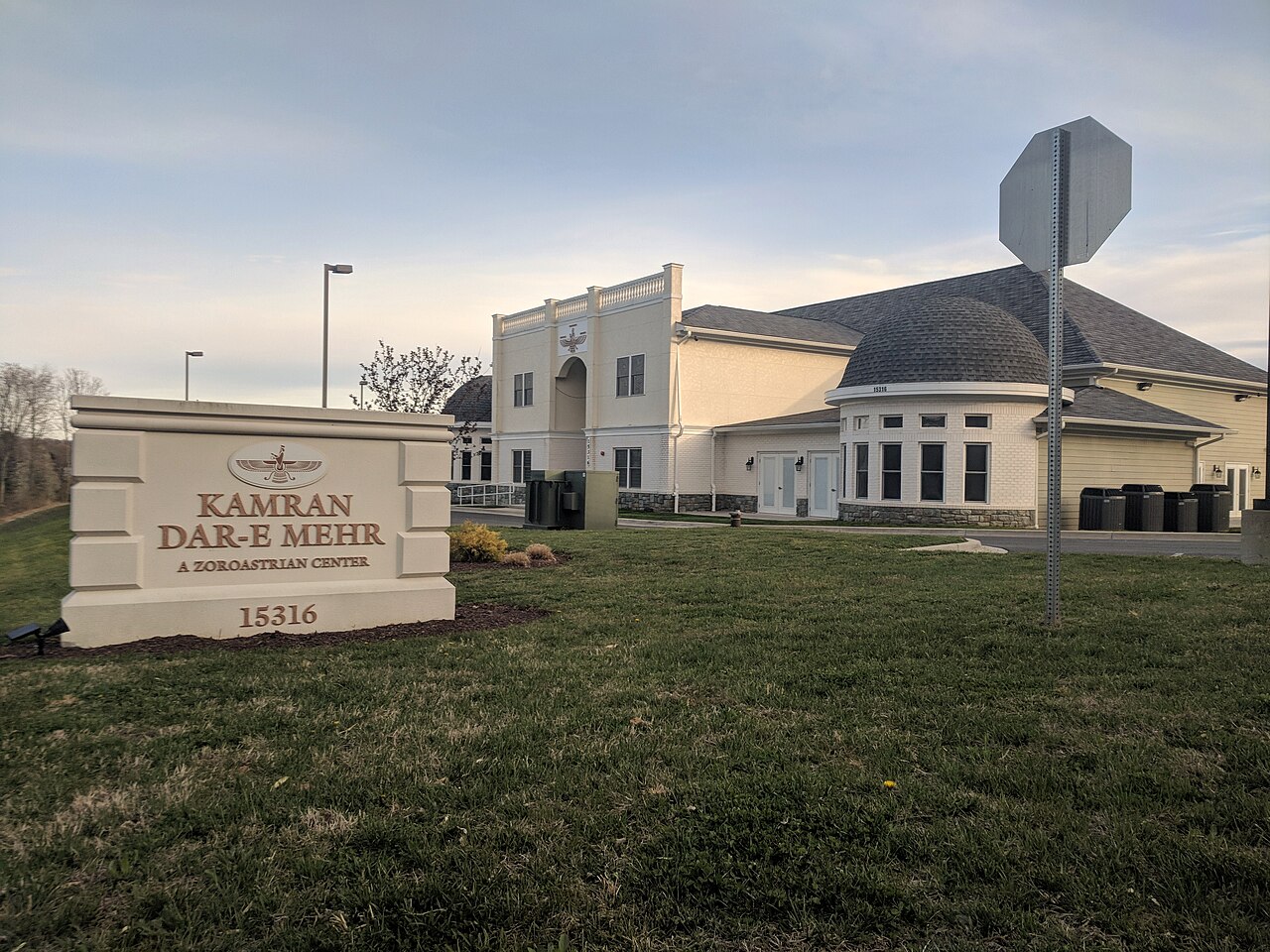
Parsi merchants, students, and travelers reach North America from the mid-nineteenth century, and small communities form in New York and other cities long before any temple stands. Their associations, prayer meetings, and newsletters are the seedbed of the organized diaspora, and in 1987 the associations unite as the Federation of Zoroastrian Associations of North America (FEZANA).
Tagged: Zoroastrian Diaspora Zoroastrianism
The Event
- Date
- c. 1865 (approximate)
- Era
- Parsi India; Standard periodization of Zoroastrian history
- Location
- New York; today United States
- Traditions
- Zoroastrianism
- Streams
- Zoroastrian Diaspora
Connections
Primary Sources
- The tradition's own record of the event.
Secondary Sources
- Boyce, Mary. Zoroastrians: Their Religious Beliefs and Practices. London: Routledge, 1979.
- Choksy, Jamsheed K. Conflict and Cooperation: Zoroastrian Subalterns and Muslim Elites in Medieval Iranian Society. New York: Columbia University Press, 1997.
- Encyclopaedia Iranica, entries on the Avesta, the Sasanians, and the Parsi calendar disputes.
- Hinnells, John R. The Zoroastrian Diaspora: Religion and Migration. Oxford: Oxford University Press, 2005.
- Rose, Jenny. Zoroastrianism: An Introduction. London: I.B. Tauris, 2011.
Provenance: HIST-1020; confidence 0.85; accessed 2026-10-28.
Related on This Site
 Calendar Event
Gahambars (six seasonal festivals)
Six seasonal festivals of creation.
 Calendar Event
Nowruz (New Year)
Zoroastrian and Persian new year; spring equinox.
 History Event
Demographic decline
2000s
 History Event
Fasli calendar introduced
1906
 History Event
Iranian Revolution
1979
 History Event
Parsi prominence in colonial India
19th century
 History Event
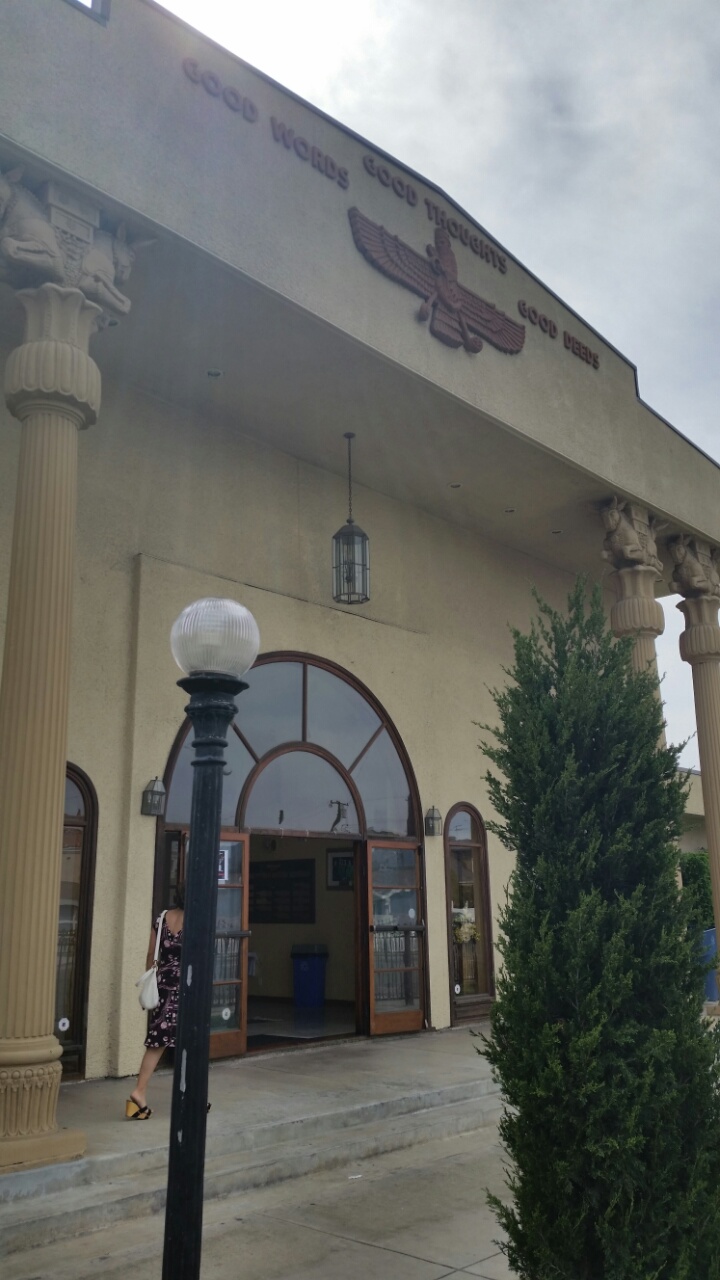
The Guiv dar-e-mehers in North America
1983
 History Event
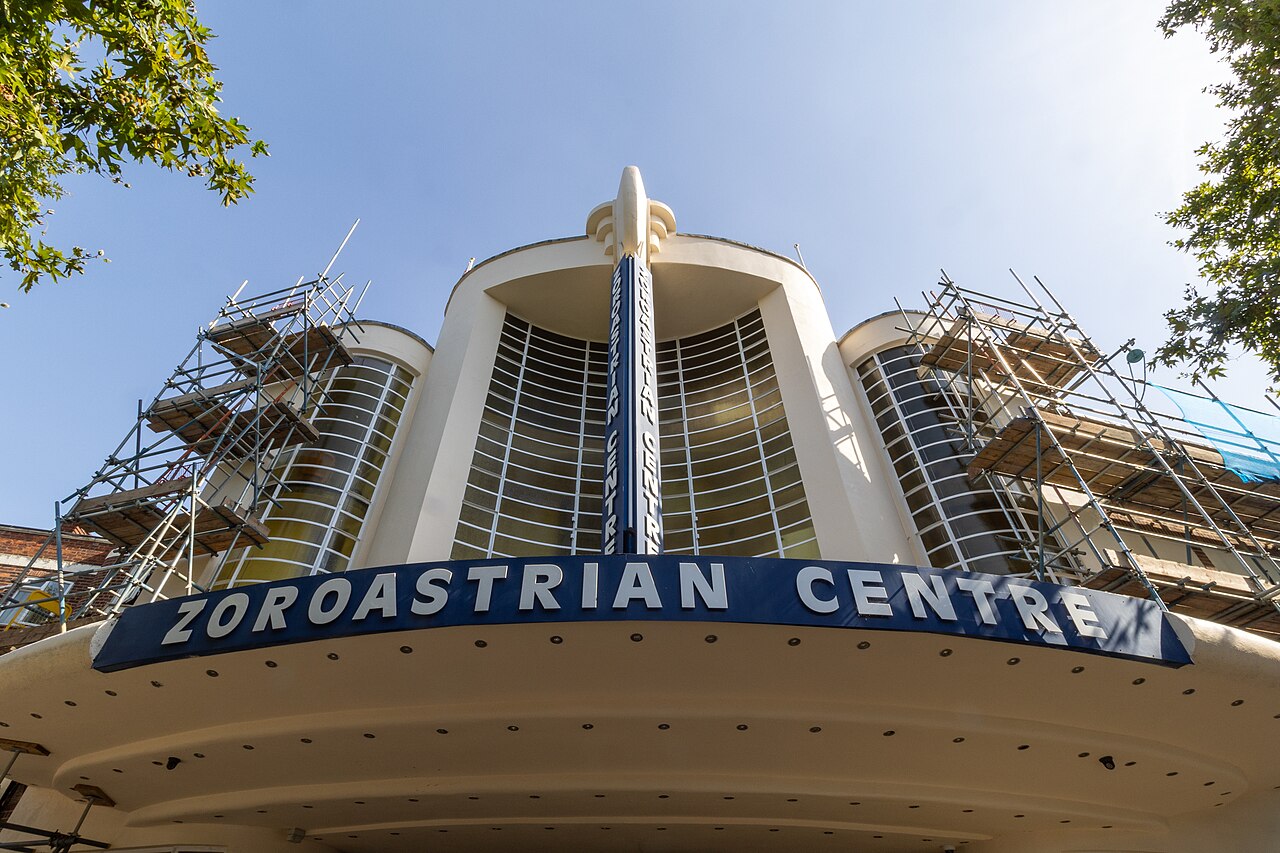
Zoroastrian Trust Funds of Europe founded
1861