Naturalism

The Naturalism stream of the Naturalism timeline.

The Naturalism dataset follows the position from its pre-Socratic sources through the scientific revolution and the Enlightenment's materialisms, the nineteenth century's scientific naturalism, and the analytical naturalism of the present day.

Its twenty events stand across six eras, from Newton's Principia, which the dataset records as the position's enabling instrument, to the contemporary philosophy of nature.

Periodization
Standard periodization of naturalist history Source: Papineau, David. Philosophical Naturalism. Oxford: Blackwell, 1993.
Contested periodization
Whether naturalism begins with the atomists, with Hume, or with Darwin is contested; the dataset opens with the scientific revolution and links backward to its sources on the events.
Geographic scope
Britain, France, and Germany first, then the American universities.
Dating caveats
Dates are the publication dates of the works and are documentary.
Internal diversity
Scientific materialism, liberal naturalism, and the eliminative line stand in the one dataset, with their disagreements recorded.
Origin narrative
In preparation. The dataset's founding story will stand here in the three-layer format when its narrative is published.

Sources: Papineau, David. Philosophical Naturalism. Oxford: Blackwell, 1993.; Gregory, Frederick. Scientific Materialism in Nineteenth Century Germany. Dordrecht: Reidel, 1977.; De Caro, Mario, and David Macarthur, eds. Naturalism in Question. Cambridge, MA: Harvard University Press, 2004.

Streams: All of Naturalism Naturalism

The Mechanical Charter

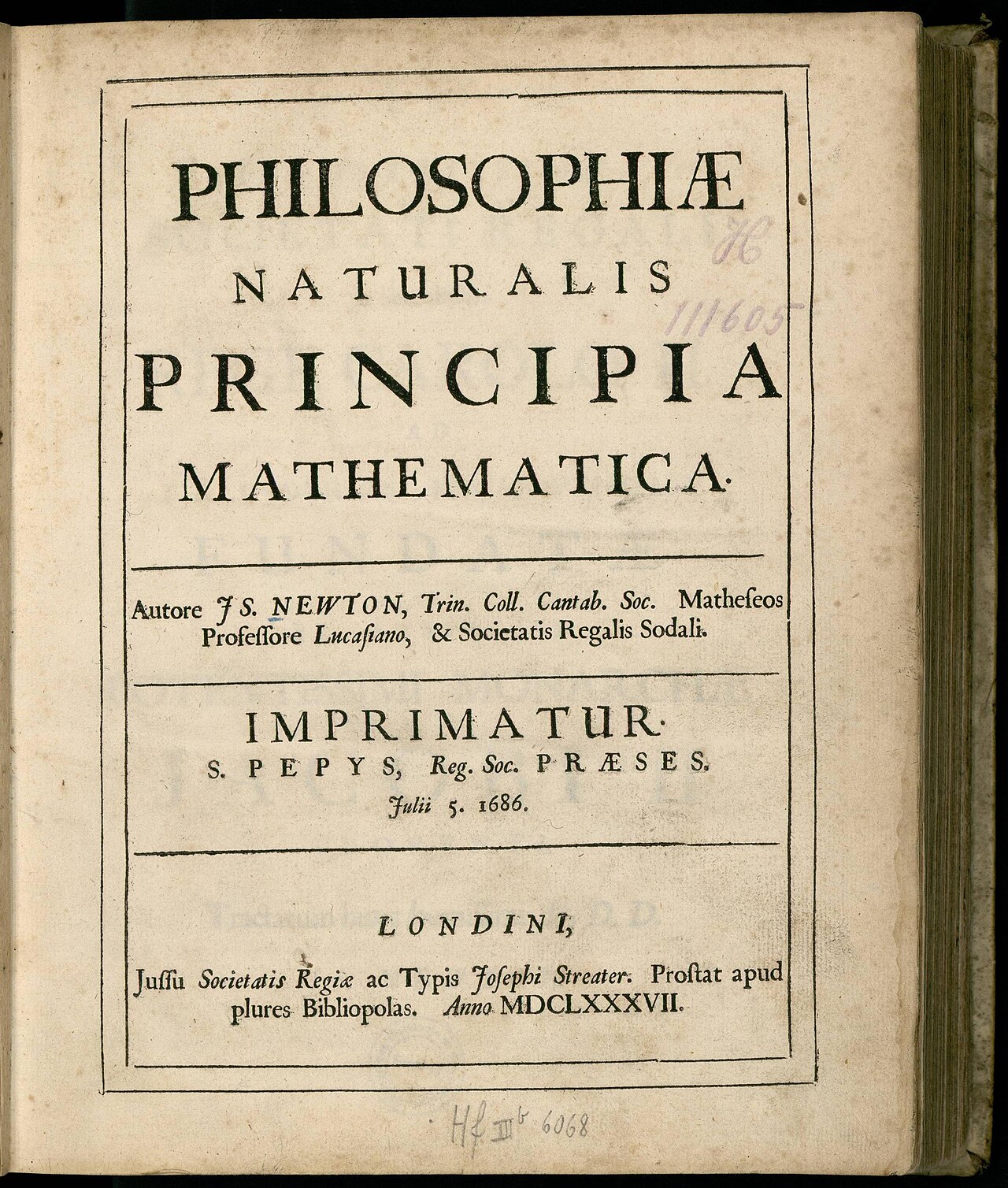
1687

Newton's Principia Mathematica

In 1687 Isaac Newton publishes the Principia Mathematica, giving the motions of the heavens and the earth in one mathematical mechanics. Newton himself is a theist of unorthodox kind, but the book's system, a universe running by law without continual intervention, becomes the charter under which naturalism reads nature from then on.

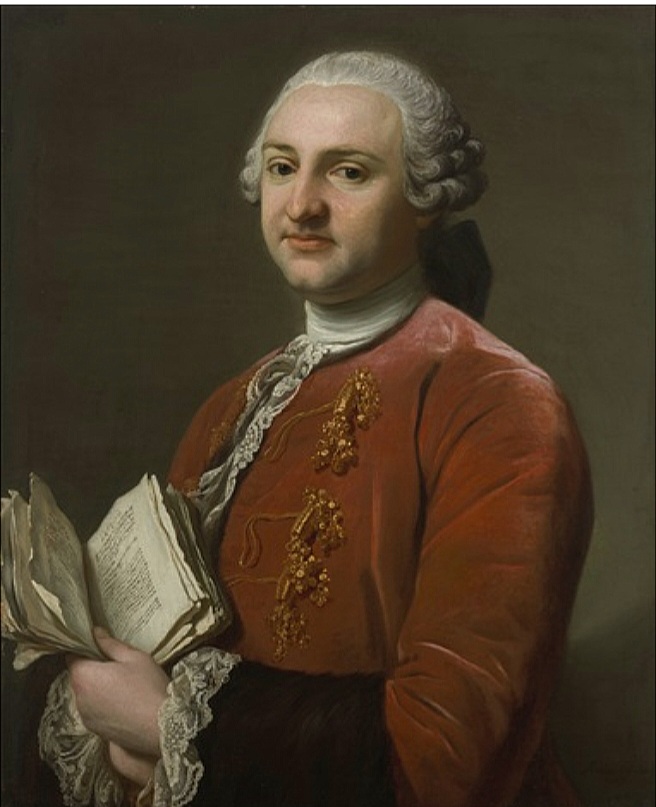
London

The Enlightenment System

1747

La Mettrie's Man a Machine

In 1747 the physician Julien Offray de La Mettrie publishes L'Homme Machine, Man a Machine, arguing that the soul is a function of the organized body and that thought differs from matter in arrangement, not in kind. The book, printed at Leiden and burned in Paris, is philosophical naturalism's first scandal and its founding provocation.

Leiden
1770

D'Holbach's System of Nature

In 1770 Paul-Henri Thiry, Baron d'Holbach, publishes the Système de la nature under a dead man's name: nature is all there is, matter in motion explains mind, and religion is the politics of fear. The System of Nature is the Enlightenment's complete naturalist summa, and the book its opponents call the bible of atheism.

Paris
1796

Laplace's Exposition of the System of the World

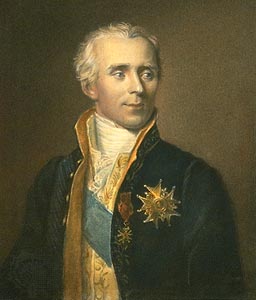
In 1796 Pierre-Simon Laplace publishes his Exposition du système du monde, presenting the nebular hypothesis of the solar system's formation from a rotating cloud of gas: cosmogony without a creator's hand. His reported answer to Napoleon, that he had no need of the hypothesis of God, becomes naturalism's most quoted sentence.

Paris
1843

Mill's A System of Logic

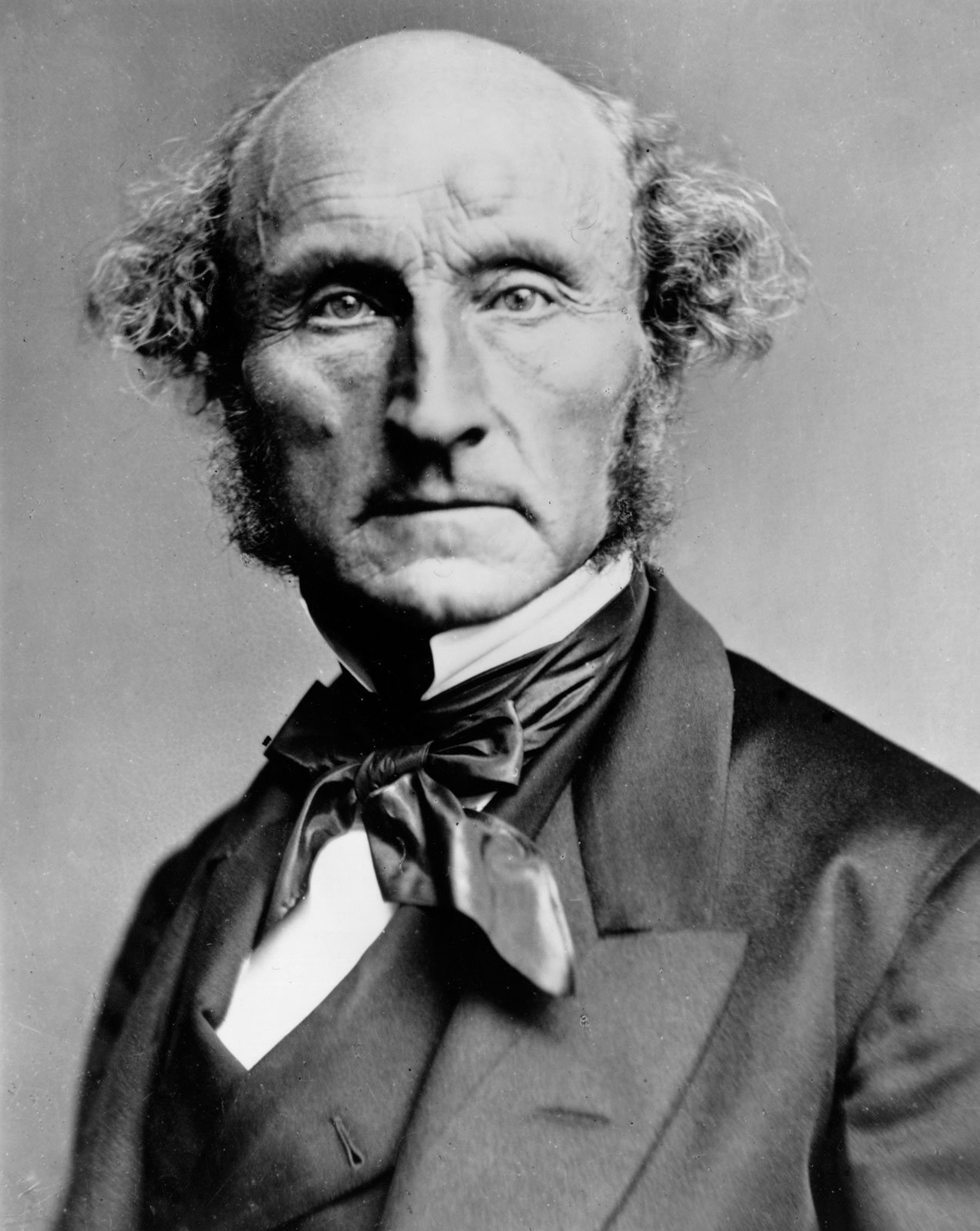
In 1843 John Stuart Mill publishes A System of Logic, the century's manual of the empirical method: all knowledge, of mind and morals as of matter, is to be built from experience by induction. Mill's logic gives the naturalist program its methodical form, the moral sciences placed under the same laws of evidence as the physical.

London

The Darwinian Century

1855

Büchner's Force and Matter

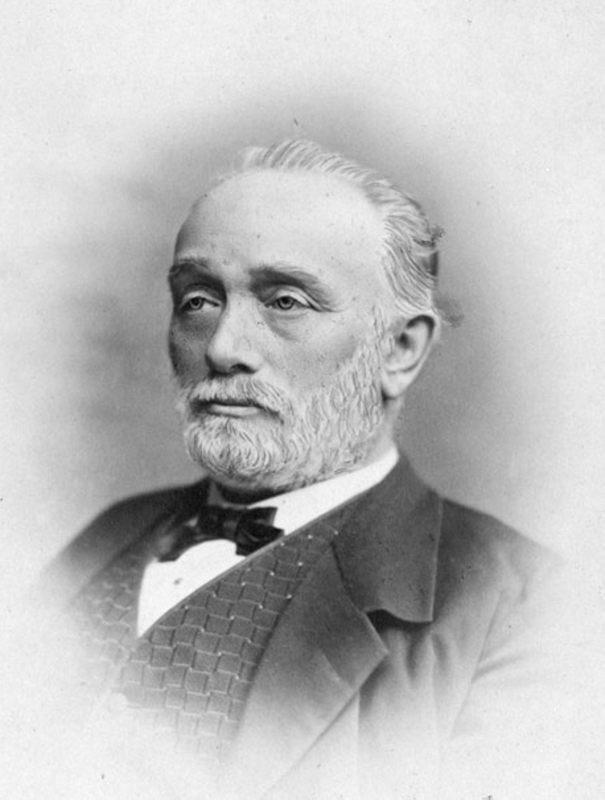
In 1855 the German physician Ludwig Büchner publishes Kraft und Stoff, Force and Matter: no force without matter, no matter without force, and no immortal soul. The book is scientific materialism's bestseller, translated across Europe and America, and its author is driven from his Tübingen lectureship for it.

Frankfurt
1863

Huxley's Man's Place in Nature

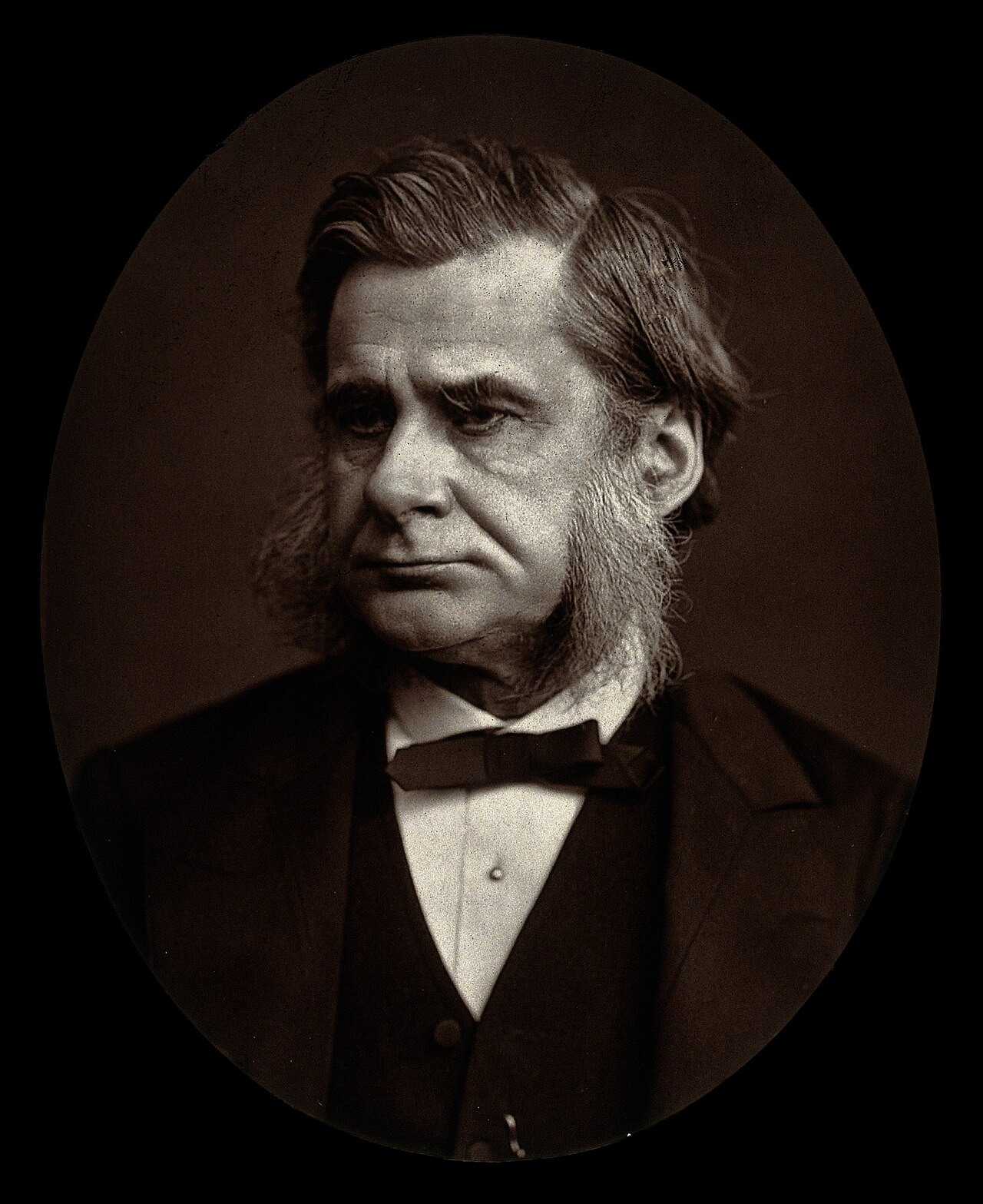
In 1863 Thomas Henry Huxley publishes Evidence as to Man's Place in Nature, setting the anatomical case that man differs from the apes less than the apes differ among themselves. Huxley, Darwin's bulldog, makes the naturalist account of the human animal a public doctrine, argued from specimens anyone may examine.

London
1871

Darwin's The Descent of Man

In 1871 Charles Darwin publishes The Descent of Man, applying natural and sexual selection to mankind itself, the moral sense included. The book completes the movement his Origin of Species began in 1859 (its own record stands in the secular timeline): conscience, religion, and society are brought inside natural history.

London
1874

Tyndall's Belfast Address

In 1874 John Tyndall, president of the British Association, delivers the Belfast Address, claiming for science the whole domain of cosmological theory and recounting the line of natural philosophy from Lucretius to Darwin. The address, denounced from pulpits across Britain and Ireland, is Victorian naturalism's public declaration of independence.

Belfast
1877

Clifford's The Ethics of Belief

In 1877 the mathematician William Kingdon Clifford publishes The Ethics of Belief, arguing that it is wrong always, everywhere, and for anyone, to believe anything upon insufficient evidence. Clifford's essay gives naturalism its moral discipline: credulity, not doubt, is the sin against mankind.

London
1906

Haeckel founds the Monist League

In 1906 Ernst Haeckel, the German zoologist who coined the word ecology and preached evolution as a religion of nature, founds the Monist League at Jena to organize his followers. Haeckel's monism, one substance under the names of God and nature alike, is naturalism in its most religious temper, with congregations, and it spreads across Germany before the war.

Jena

Pragmatism and Positivism

1925

Dewey's Experience and Nature

In 1925 John Dewey publishes Experience and Nature, the fullest statement of his naturalism: experience is nature known from inside, mind is a function of the organism in its environment, and philosophy's task is criticism of culture by the method of intelligence. Dewey's empirical naturalism becomes the American form of the position.

New York
1936

Ayer's Language, Truth and Logic

In 1936 A. J. Ayer, twenty four years old, publishes Language, Truth and Logic, carrying the Vienna Circle's logical positivism into English: a statement is meaningful only if verifiable, and metaphysics, theology, and much of ethics are thereby dissolved. The book is naturalism's most aggressive philosophical program of the century, and its verification principle is argued over for decades.

London
1949

Ryle's The Concept of Mind

In 1949 Gilbert Ryle publishes The Concept of Mind, dismantling what he names the dogma of the ghost in the machine: Descartes' inner theatre of mind. Ryle's analysis of mental concepts as dispositions to behave is the naturalist program carried into the philosophy of mind, where it sets the agenda the next generation inherits.

London

Naturalized Philosophy

1951

Quine's Two Dogmas of Empiricism

In 1951 W. V. O. Quine publishes Two Dogmas of Empiricism, philosophy's most influential paper of the century, rejecting the analytic and synthetic distinction and proposing that knowledge is a single web answering to experience at its edges. Quine's holism is the founding document of naturalized philosophy: no first philosophy stands above science.

Cambridge
1960

Quine's Word and Object

In 1960 Quine publishes Word and Object, his masterwork: language studied as a natural phenomenon, meaning analyzed by behavior, and the doctrine of the indeterminacy of translation. The book fixes naturalism as the working program of analytic philosophy's American school, epistemology and ontology alike made continuous with science.

Cambridge
1991

Dennett's Consciousness Explained

In 1991 Daniel Dennett publishes Consciousness Explained, arguing that consciousness is the brain's multiple drafts of its own activity, with no central theatre and no inner spectator. The book, attacked and praised in equal measure, is naturalism's flagship treatment of the problem its critics hold unanswerable.

Boston

The Contemporary Program

1993

Papineau's Philosophical Naturalism

In 1993 David Papineau publishes Philosophical Naturalism, the position's systematic defense: reality is the reality science describes, philosophy proceeds by science's methods, and the apparent gaps, mind and meaning among them, are research programs, not refutations. The book gives the contemporary program its name and its textbook at once.

Oxford
2006

Dennett's Breaking the Spell

In 2006 Daniel Dennett publishes Breaking the Spell, proposing that religion itself be studied as a natural phenomenon, its origins and persistence explained by the evolution of minds. The book, appearing beside the other new atheist works of those years, is the naturalist program applied to the subject this site exists to map.

New York
2011

Rosenberg's The Atheist's Guide to Reality

In 2011 Alex Rosenberg publishes The Atheist's Guide to Reality, naturalism stated without remainder: physics fixes all the facts, and introspection, purpose, and the self are illusions the record must learn to live without. The book's cheerful severity makes it the contemporary program's most uncompromising popular statement.

New York