

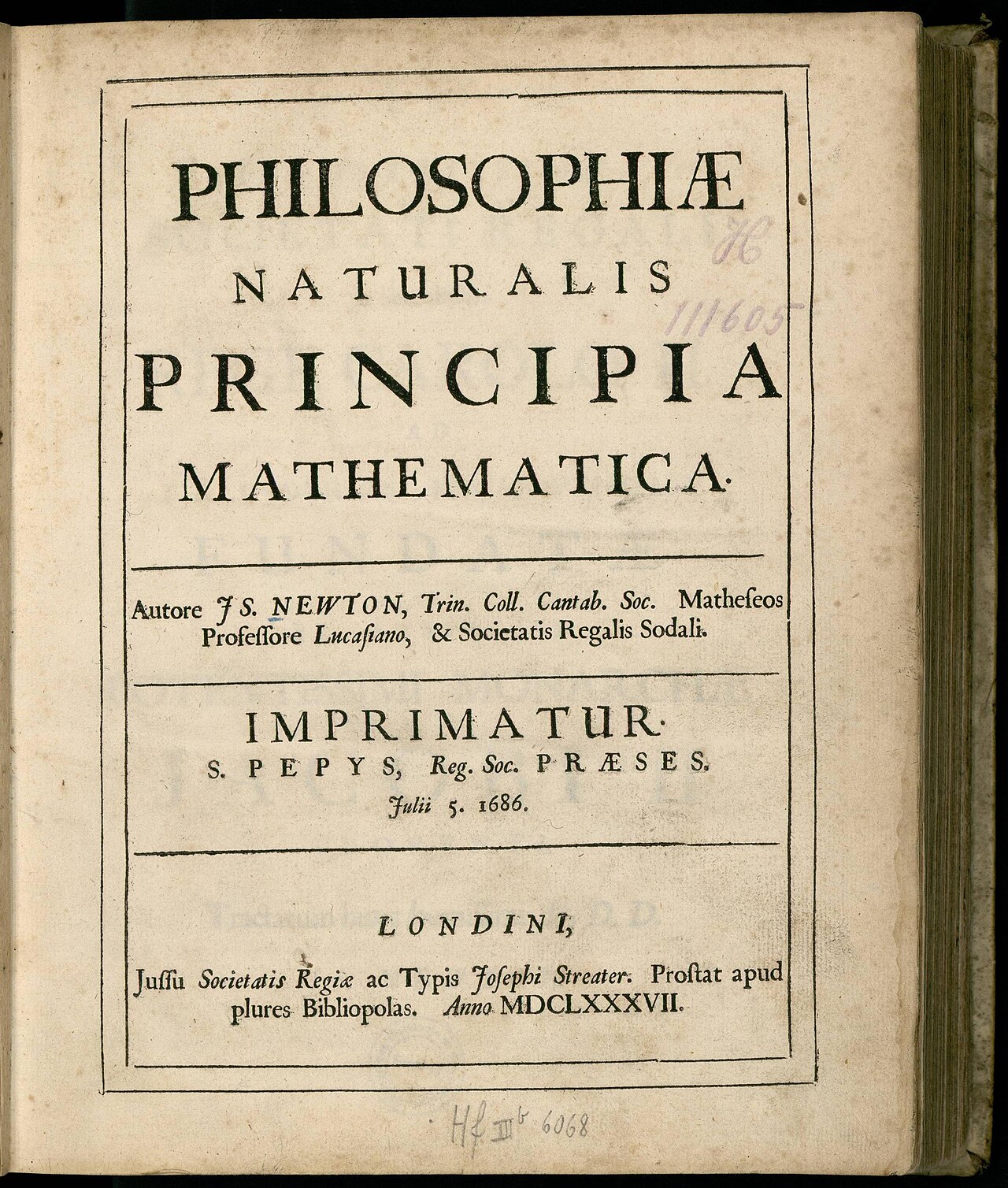
In 1687 Isaac Newton publishes the Principia Mathematica, giving the motions of the heavens and the earth in one mathematical mechanics. Newton himself is a theist of unorthodox kind, but the book's system, a universe running by law without continual intervention, becomes the charter under which naturalism reads nature from then on.
Tagged: Naturalism
The Event
- Date
- 1687 (exact)
- Era
- The Mechanical Charter; Standard periodization of naturalist history
- Location
- London; today London, England
- Traditions
- Naturalism
- Streams
- Naturalism
- Key figures
- Isaac Newton
- Key texts
- Philosophiæ Naturalis Principia Mathematica
How the Tradition Tells It
Newton's own theology was earnest and unorthodox; the record stands in naturalism's history because of what the book's system made possible, and it says so on its face.
Primary Sources
- Newton, Isaac. Philosophiæ Naturalis Principia Mathematica. London, 1687.
Secondary Sources
- De Caro, Mario, and David Macarthur, eds. Naturalism in Question. Cambridge, MA: Harvard University Press, 2004.
- Gregory, Frederick. Scientific Materialism in Nineteenth Century Germany. Dordrecht: Reidel, 1977.
- Papineau, David. Philosophical Naturalism. Oxford: Blackwell, 1993.
Provenance: HIST-1400; confidence 0.95; accessed 2026-10-30.
Related on This Site
 History Event
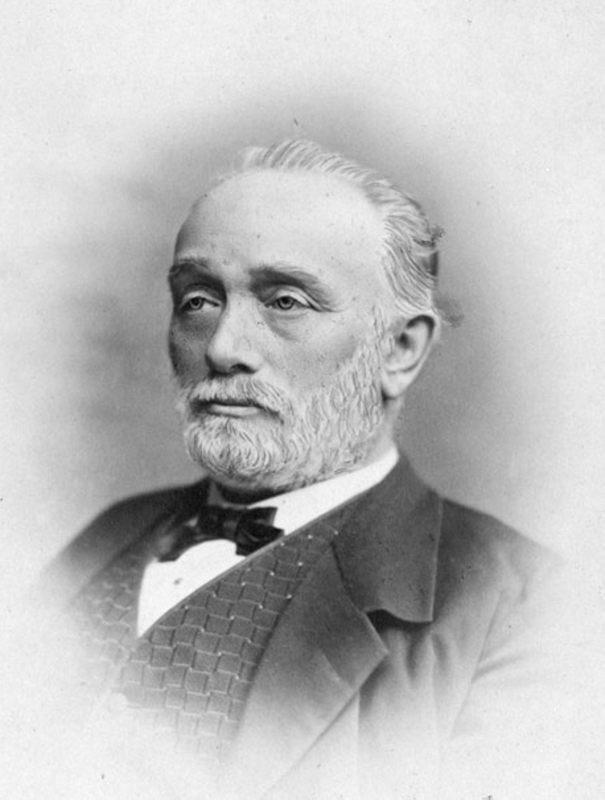
Büchner's Force and Matter
1855
 History Event
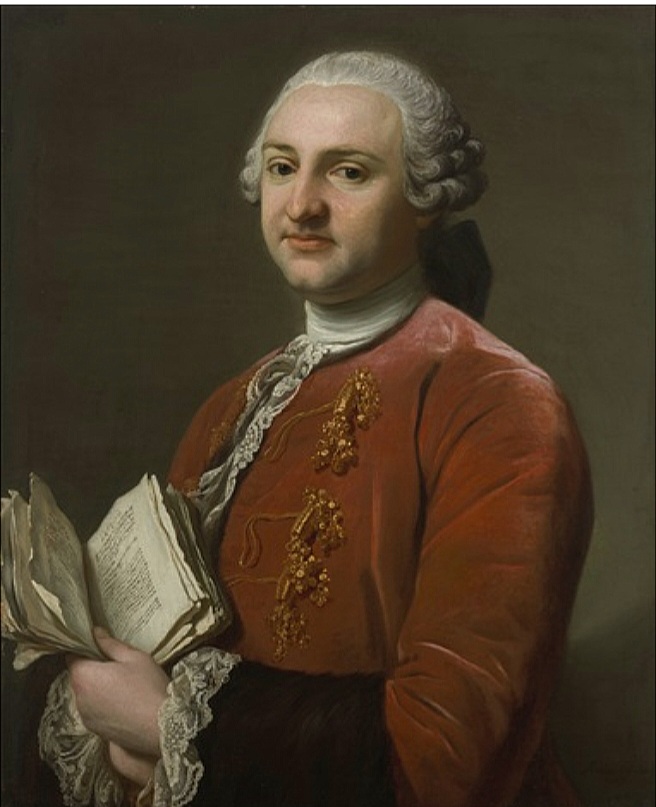
D'Holbach's System of Nature
1770
 History Event
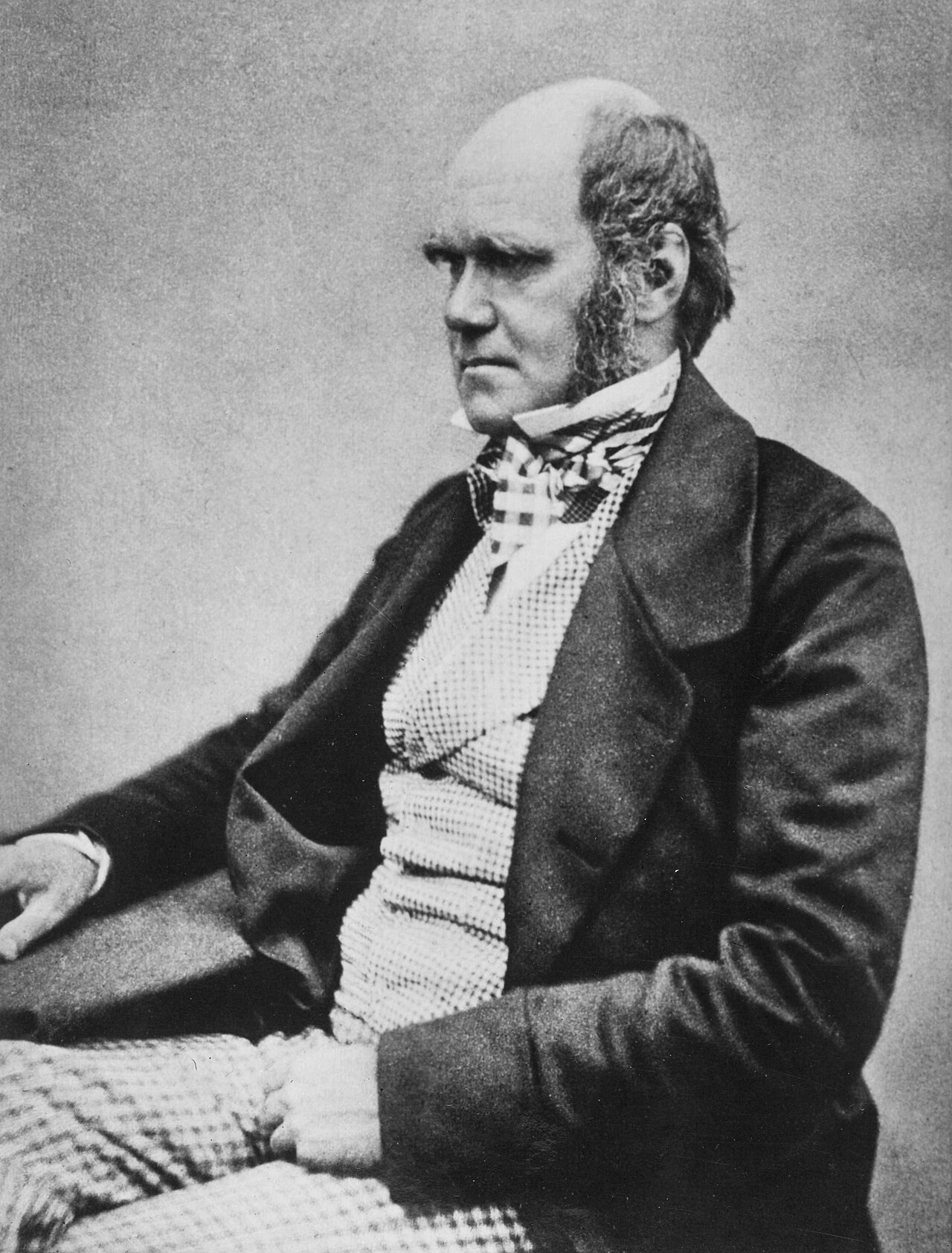
Darwin's The Descent of Man
1871
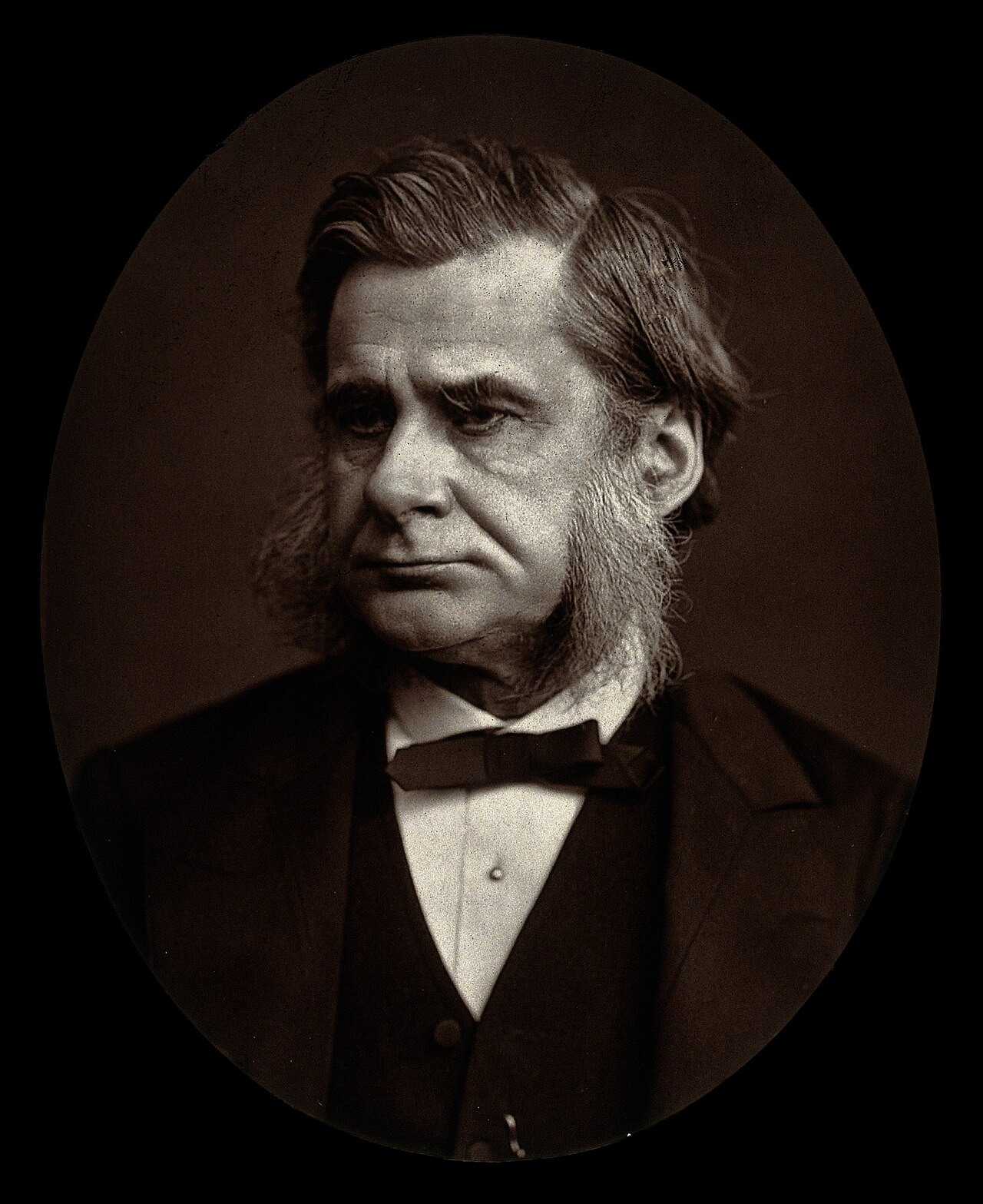 History Event
Huxley's Man's Place in Nature
1863
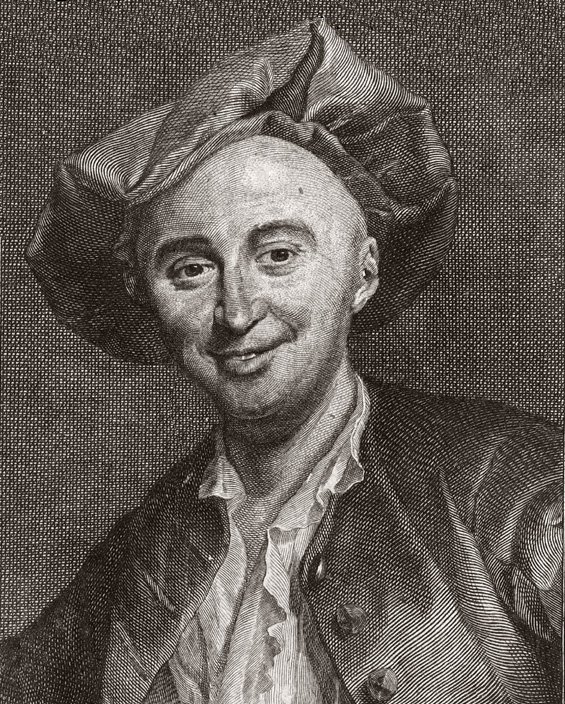 History Event
La Mettrie's Man a Machine
1747
 History Event
Laplace's Exposition of the System of the World
1796
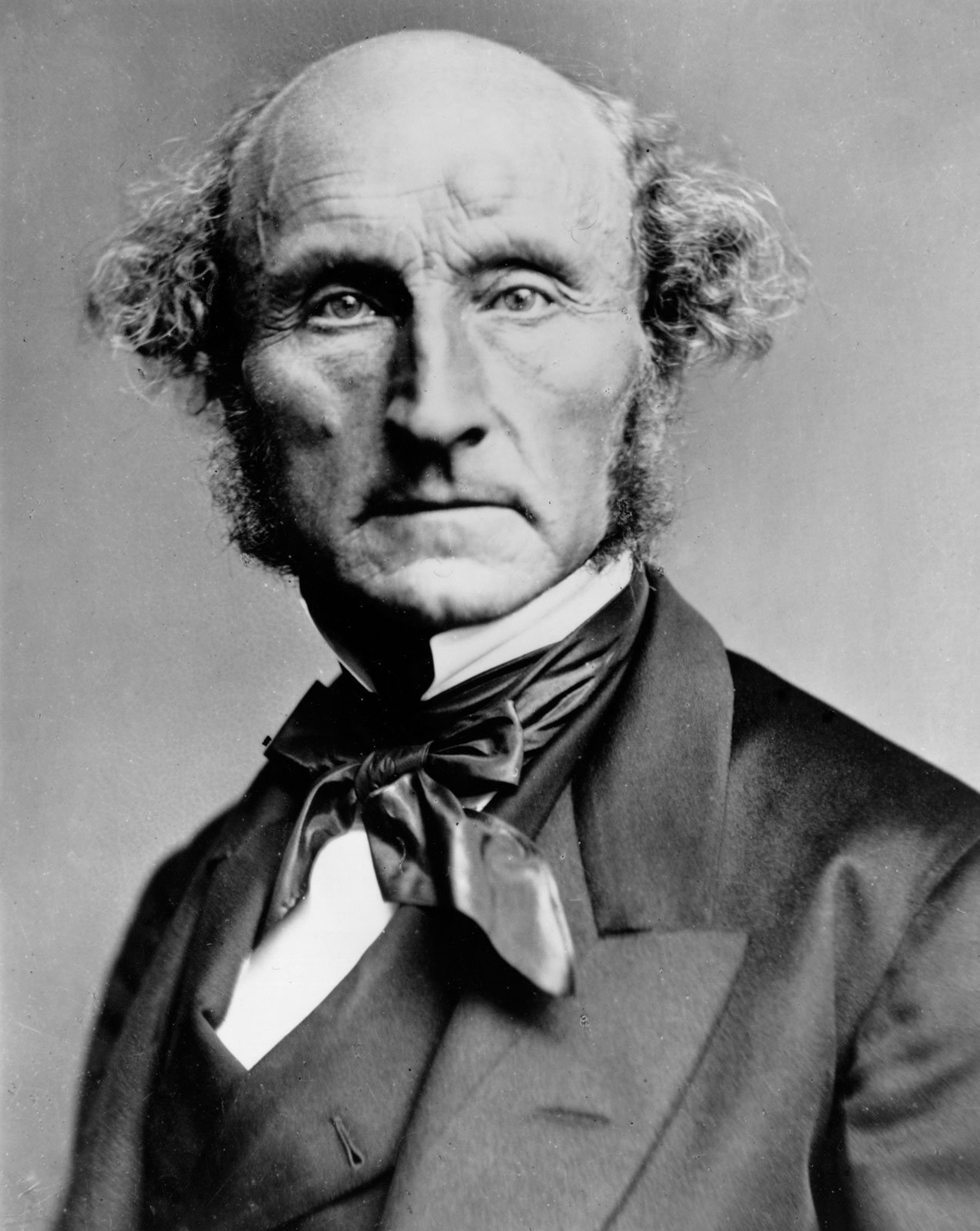 History Event
Mill's A System of Logic
1843
 World View
Naturalism
Naturalism holds that nature is all there is: the universe of matter, energy, and natural law needs no god, soul, or purpose beyond itself.