

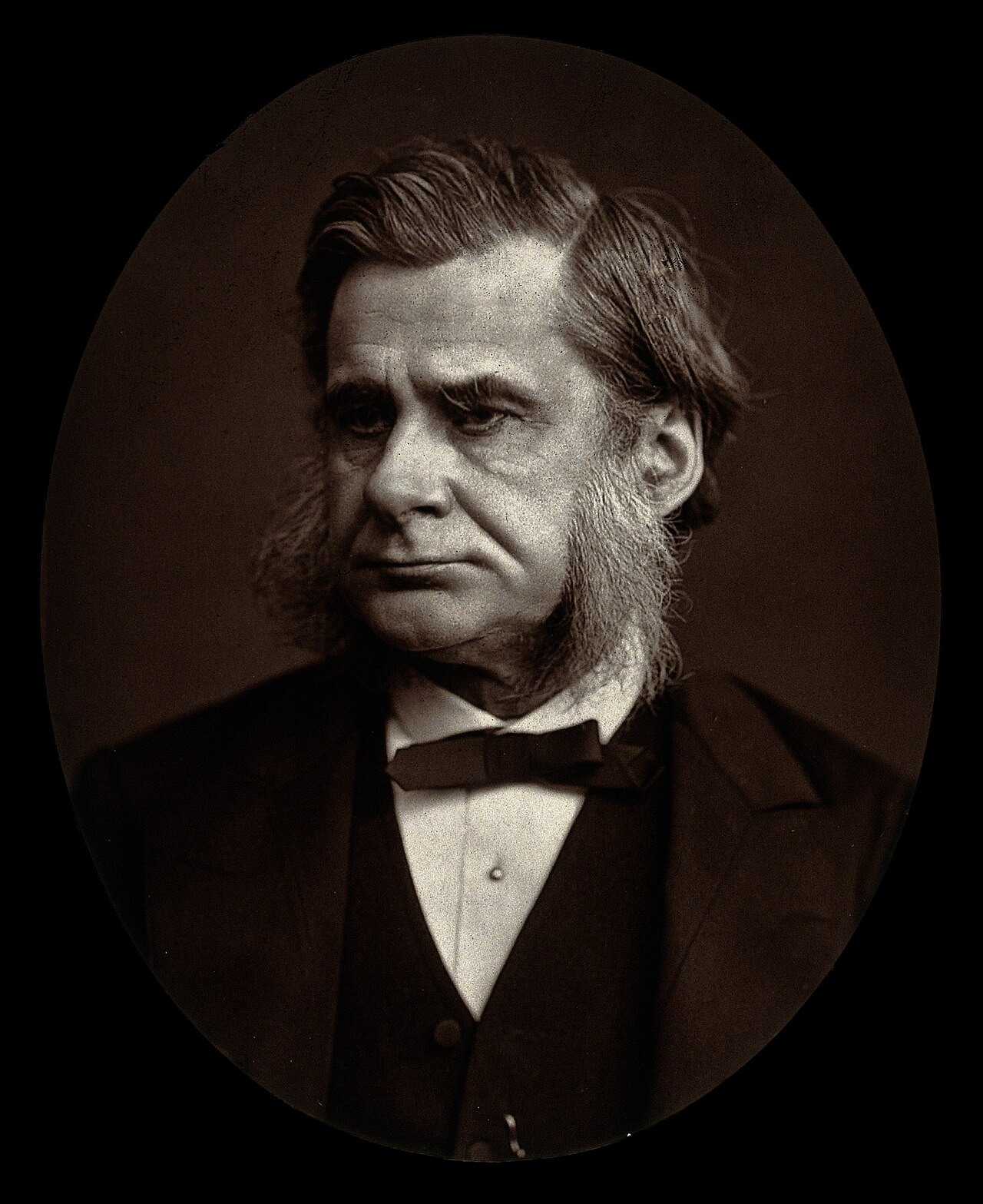
In 1863 Thomas Henry Huxley publishes Evidence as to Man's Place in Nature, setting the anatomical case that man differs from the apes less than the apes differ among themselves. Huxley, Darwin's bulldog, makes the naturalist account of the human animal a public doctrine, argued from specimens anyone may examine.
Tagged: Naturalism
The Event
- Date
- 1863 (exact)
- Era
- The Darwinian Century; Standard periodization of naturalist history
- Location
- London; today London, England
- Traditions
- Naturalism
- Streams
- Naturalism
- Key figures
- Thomas Henry Huxley
- Key texts
- Evidence as to Man's Place in Nature
Primary Sources
- Huxley, Thomas Henry. Evidence as to Man's Place in Nature. London, 1863.
Secondary Sources
- De Caro, Mario, and David Macarthur, eds. Naturalism in Question. Cambridge, MA: Harvard University Press, 2004.
- Gregory, Frederick. Scientific Materialism in Nineteenth Century Germany. Dordrecht: Reidel, 1977.
- Papineau, David. Philosophical Naturalism. Oxford: Blackwell, 1993.
Provenance: HIST-1406; confidence 0.95; accessed 2026-10-30.
Related on This Site
 History Event
Büchner's Force and Matter
1855
 History Event
D'Holbach's System of Nature
1770
 History Event
Darwin's The Descent of Man
1871
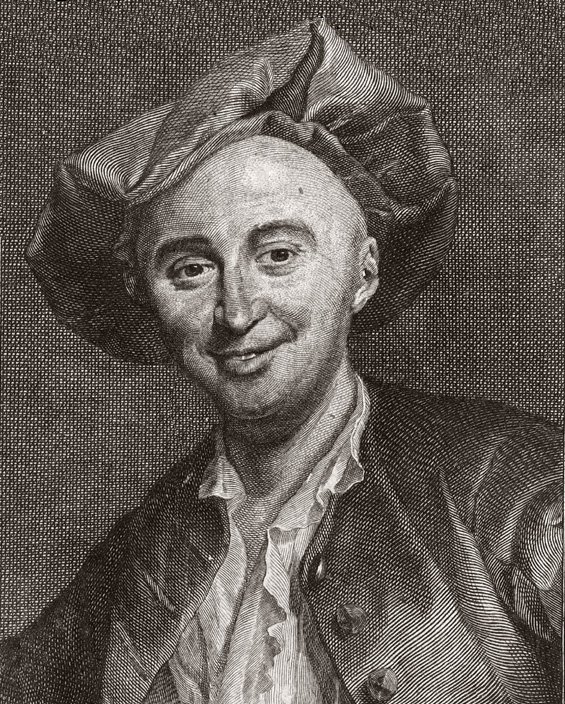 History Event
La Mettrie's Man a Machine
1747
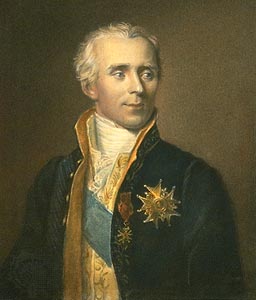 History Event
Laplace's Exposition of the System of the World
1796
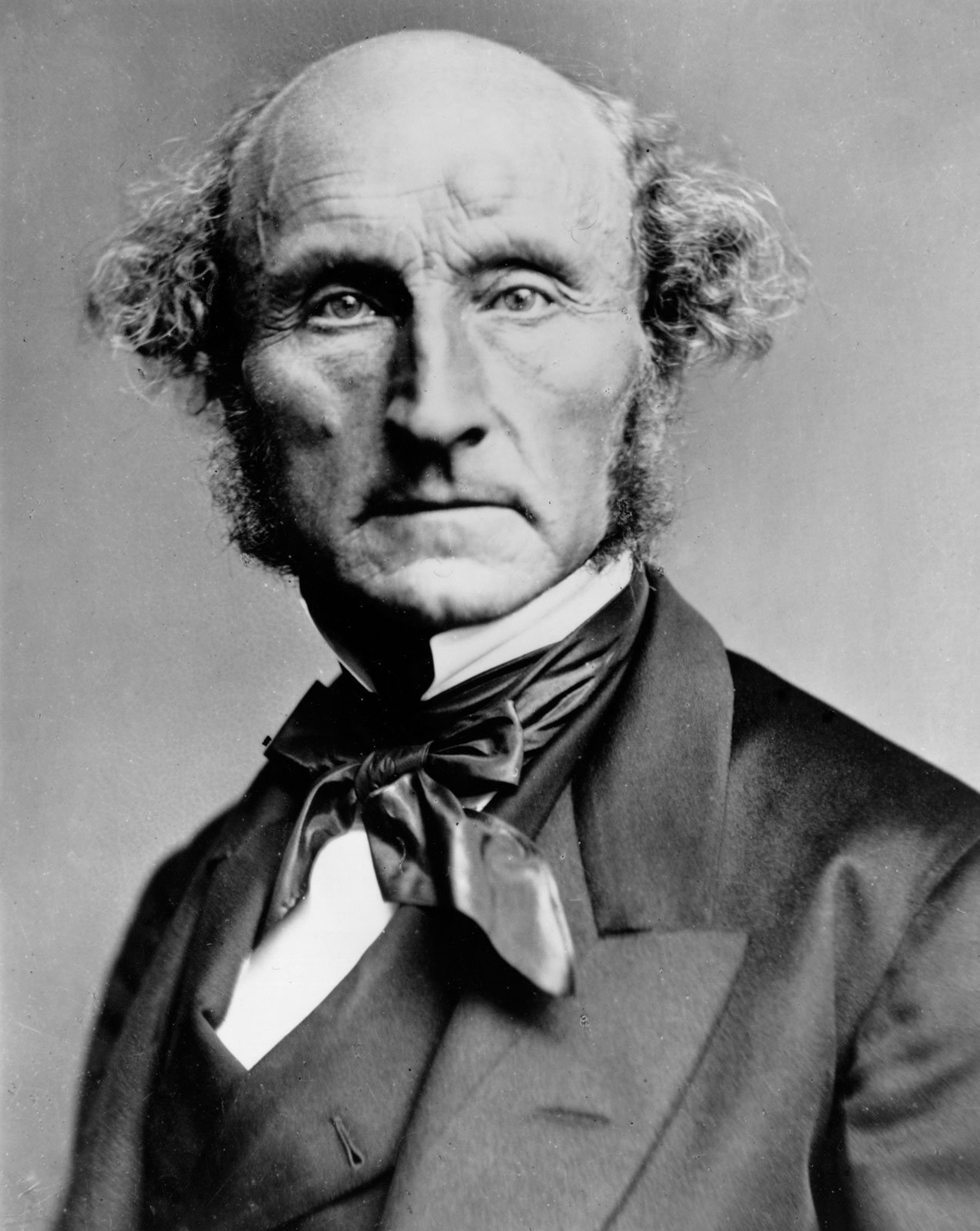 History Event
Mill's A System of Logic
1843
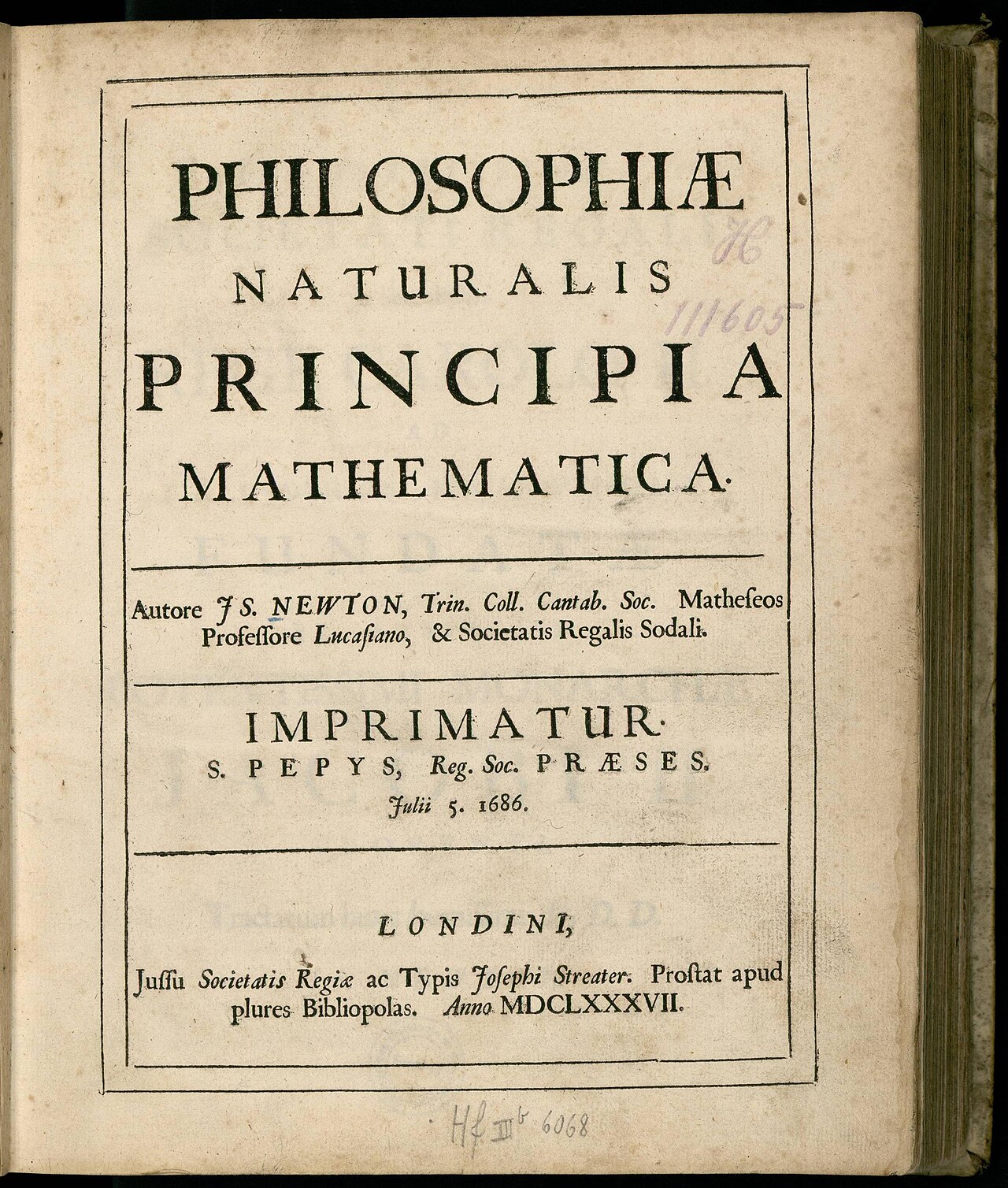 History Event
Newton's Principia Mathematica
1687
 World View
Naturalism
Naturalism holds that nature is all there is: the universe of matter, energy, and natural law needs no god, soul, or purpose beyond itself.